
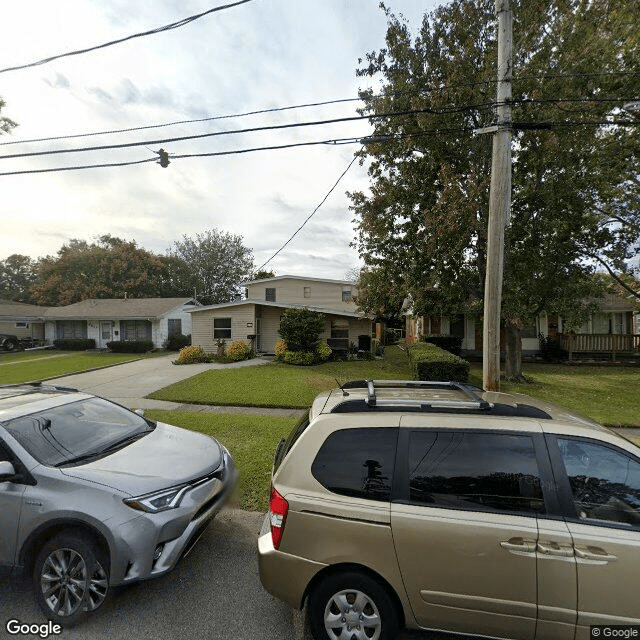
3613 Colorado Ave, Kenner, LA 70065
To contact a resident: (504) 466-7388
For more information about senior living options: (866) 208-4318
Overall Review of A & D Adult Residential Care - Kenner
Pros
 The physical therapy room and PTs are top notch.
- The nurses, nursing assistants and administration are very helpful and accommodating.
- Ms. Gloria, the social worker, is especially helpful in answering questions.
- The care is excellent, the food is great, and the rooms are very clean.
- New sheets and blankets are provided daily.
- There are lots of activities and the facility is efficient.
Cons
 The place is described as a very sad, heartbreaking place to visit.
- Reviewers warn not to bring loved ones there, accusing CNAs and nursing staff of carelessness and neglecting residents’ nutrition.
- Verbal abuse by staff and laziness in wheeling residents to their meals are reported.
- The facility is described as unorganized and dangerous, with threats of harm from unhappy visitors toward staff.
- Critics say residents are neglected, with call buttons ignored and people left waiting on the floor.
- The facility is described as dirty and filthy, with dirty floors, dirty recliners, a filthy kitchen, and bad smells.
- Many reviewers say the facility should be shut down and that it is the worst place to leave loved ones.
- The staff are described as rude and inattentive toward residents.
Review
A & D Adult Residential Care in Kenner is best suited for families pursuing post-acute rehabilitation close to home, where the emphasis is on structured therapy and a predictable daily routine. The strongest case in favor rests with rehab-focused residents, supported by a capable physical therapy team and a social worker who coordinates questions and services. Some reviewers report clean rooms, steady meal service, and routine linen changes, suggesting a baseline level of comfort during recovery. When therapy is the centerpiece and oversight from family members is available, tangible mobility gains and a clear rehabilitation pathway can emerge. This option works best for short-term, goal-oriented rehab with vigilant companionship rather than as a steady, long-term home.
Those who may want to consider alternatives are families prioritizing consistent bedside care, respectful daily interactions, and unwavering safety. Repeated descriptions of neglectful attitudes and rough or inattentive interactions surface across accounts, including missed call-button responses and dismissive or abusive remarks. Reports of dirty facilities, inconsistent food service, and general disorganization further undermine daily trust in safety and welfare. For residents needing ongoing help with meals, mobility, or incontinence, these patterns raise serious questions about dignity and long-term health. In short, this option benefits only if rigorous oversight and proactive advocacy are guaranteed.
On balance, the credible rehab and social-support strengths can offset the most hopeful scenarios, but they fail to neutralize the core risks without continuous oversight. The rehab praise indicates that when therapy staff are present and proactive, meaningful mobility improvements occur, which is compelling for short stays. However, the most damaging issues center on caregiving consistency: calls for assistance can be irregular, and basic tasks like wheel-chair assistance or mobility support appear unreliable. Environmental hygiene is another recurring concern, with reports of dirty floors, kitchens, and lingering odors undermining confidence in daily safety. The meaningful upside exists, but it depends on a care team that is consistently attentive and well-supervised, a standard the facility has struggled to maintain.
Practical guidance for families evaluating this option includes verifying staffing levels and governance before committing. Tour unannounced, listen to a range of residents about response times, and request recent quality metrics or incident logs. Seek direct access to the administrator or director and ask about CNA-to-resident ratios, shift coverage, and how nutrition is tailored to dietary restrictions. Given the mixed experiences, establish a clear plan for escalation when gaps appear and insist on timely, transparent communication about any changes in health status. Leave with a concrete agreement on response expectations, monitoring schedules, and a defined point of contact for day-to-day concerns.
When stacked against other Kenner-area choices, this community is unlikely to be the first pick for families prioritizing safety, dignity, and steady daily care. Facilities with stronger hygiene records, more reliable call-button responsiveness, and consistently respectful interactions tend to deliver a steadier long-term experience. If rehabilitation remains a goal, pairing a trusted, high-quality rehab program with a more dependable care team elsewhere may yield more predictable outcomes. For families unwilling to compromise on safety or dignity, continuing the search is prudent; prioritize a setting with transparent staffing, proactive problem-solving, and well-maintained environments.
Bottom line: A & D Adult Residential Care in Kenner should be approached with caution. It can serve as a reasonable option for short-term, therapy-driven recovery when strong family oversight is in place, but the everyday care and safety record is too inconsistent for confident long-term placement. Strong candidates are those able to actively manage a clear, monitored care plan and who will press for timely, reliable service daily. For anyone not prepared to provide that level of oversight, alternatives with proven reliability and dignity are highly recommended. If this community is still in consideration, arrange a trial period with explicit exit terms and a pre-arranged transition plan should care standards falter.
 Board and Care Home
 New Orleans International (2 miles away)








 Caregiver Exhaustion: Recognizing the Signs and Restoring Your Well-Being
 Understanding Hospice Care at Home: Comprehensive Services, Key Benefits, and Eligibility
 Understanding the Full Cost of 24/7 In-Home Care: A Detailed Overview