Kennybrook Village in Grimes, IA

Save

Kennybrook Village in Grimes, IA

Information last verified:

200 South West Brookside Drive, Grimes, IA 50111

For more information about senior living options: (844) 490-3973

4.9 from 103 reviews
5 stars
97
4 stars
5
3 stars
1
2 stars
0
1 stars
0

Seniors.FYI Elite Community Awards

Top 5% Senior Living Community in 2020Top 5% Senior Living Community in 2021Top 5% Senior Living Community in 2023

Add this award to your website

Kennybrook Village Costs & Pricing

Kennybrook Village offers competitive pricing for its residents when compared to both Polk County and the broader state of Iowa. For a one-bedroom unit, the monthly cost at Kennybrook Village is $1,620, significantly lower than the county average of $2,528 and the state average of $2,862. Similarly, two-bedroom accommodations at Kennybrook Village are priced at $2,190, again undercutting Polk County's rate of $3,047 and Iowa's rate of $3,329. However, when it comes to semi-private and private rooms, the costs reflect a different trend; at $5,670 for semi-private and $6,240 for private rooms, Kennybrook Village surpasses both county and state rates. This pricing structure indicates that while Kennybrook Village excels in affordability for one- and two-bedroom options, it positions itself as a premium offering for more private living arrangements within the community.

Floor plansKennybrook VillagePolk CountyIowa
1 Bedroom$1,620$2,528$2,863
2 Bedrooms$2,190$3,047$3,329
Semi-Private$5,670$3,924$3,885
Private$6,240$4,819$4,670

Overall Review of Kennybrook Village

Pros

  • pro Alyssa was incredible today.
  • pro Kennybrook offers amenities that support independent living within a caring and positive community.
  • pro The apartments are nicely designed, the facilities are extremely clean and well cared for, and they accommodate any level of care.
  • pro The staff were extremely helpful and informative.
  • pro The facility is very clean and well maintained.
  • pro Alyssa described numerous activities for residents to participate in.
  • pro The price of living there is more affordable than at other retirement facilities.
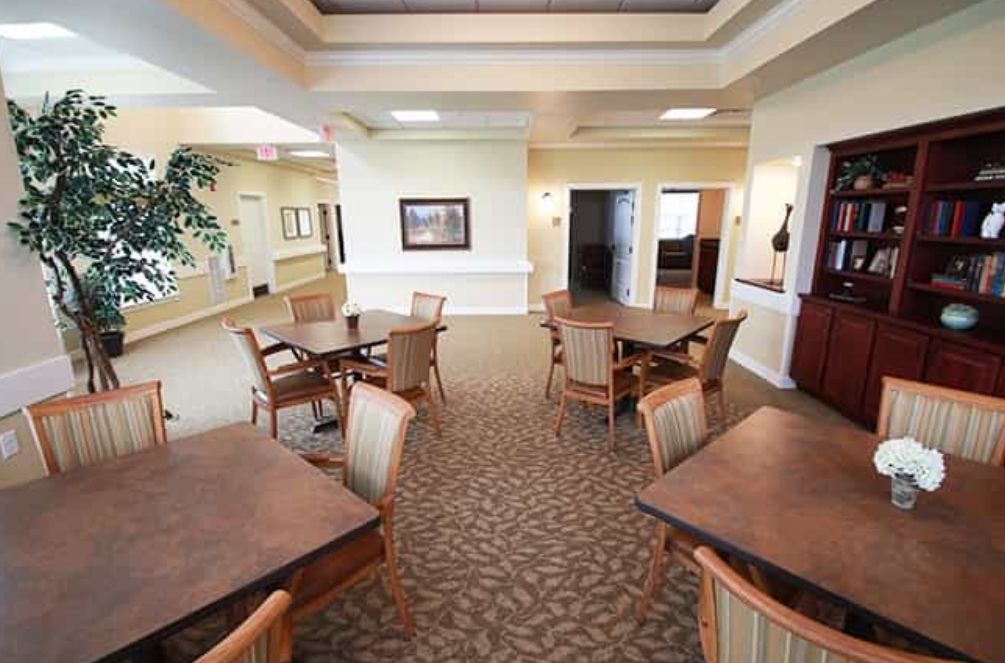
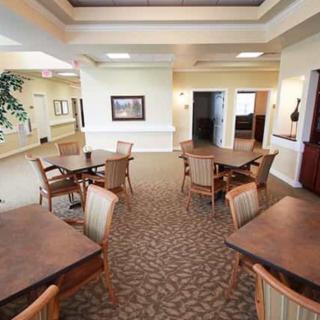
  • pro The dining area is welcoming and ideal for socializing with new friends.
  • pro Kennybrook Village is a model example of an assisted-living/long-term care facility.
  • pro The community feels like home—warm, friendly, and welcoming.

Cons

  • pro One reviewer was rejected for admission due to a lack of assets despite adequate funds and felt the waitlist process wasted valuable time after Kennybrook took a $2,500 deposit.
  • pro A reviewer criticized chaplain services as needing to be non-denominational to accommodate different beliefs.
  • pro A reviewer noted that the facility’s prices were a little high.
  • pro A reviewer indicated that the food could be improved.

Review

Kennybrook Village in Grimes is best suited for seniors who want a warm, home-like community that smoothly accommodates rising levels of care without moving to a new campus. This is a place where independent living is supported by a robust array of amenities, daily routines, and social opportunities, yet the option to step into assisted living, memory care, or rehabilitation is built into the same campus. Families drawn to a strong sense of community, well-designed apartments, and highly attentive staff will find a compelling match here. The presence of Maggie’s Place, a dedicated memory-care environment on site, plus on-site therapy, medical visits, and a café-style dining experience create a continuum of care that minimizes disruption as needs evolve. In short, Kennybrook serves those who want ongoing assurance, not constant transitions, and who value a comprehensive, neighborly atmosphere.

Those who may want to consider alternatives include individuals with tighter budgets or stricter eligibility constraints. Several reviews flag the pricing as a potential hurdle compared with other options, and one story recounts a deposit taken on a waitlist even after admission was declined. Prospects who fear being denied admission due to asset requirements or who need a lower-cost, simpler setting may prefer other communities. Families seeking a very small, ultra-exclusive campus, or a facility with a strictly denser memory-care focus outside the Kennybrook model, might also explore alternatives. Additionally, a few firsthand accounts suggest that some residents or families desire more inclusive spiritual programming than the chapel-style offerings on site. These are valid considerations when weighing the match against individual financial and cultural preferences.

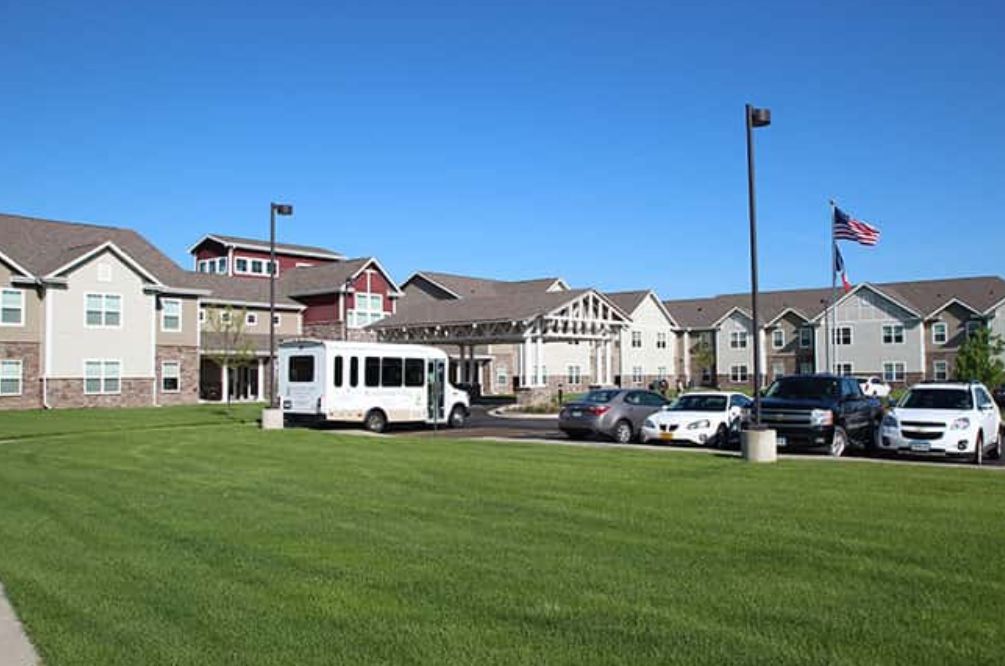
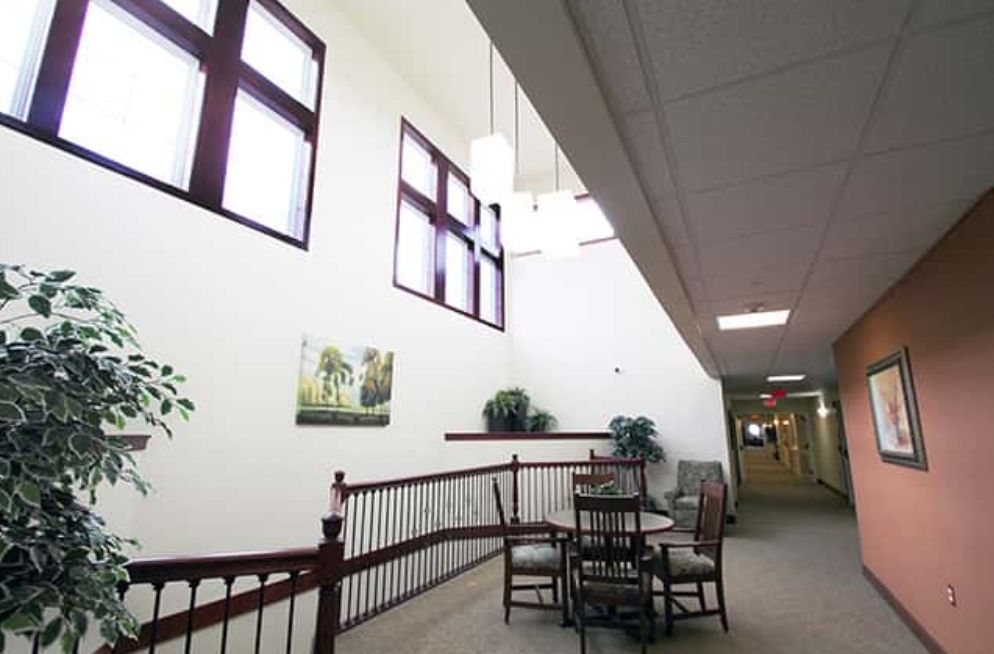
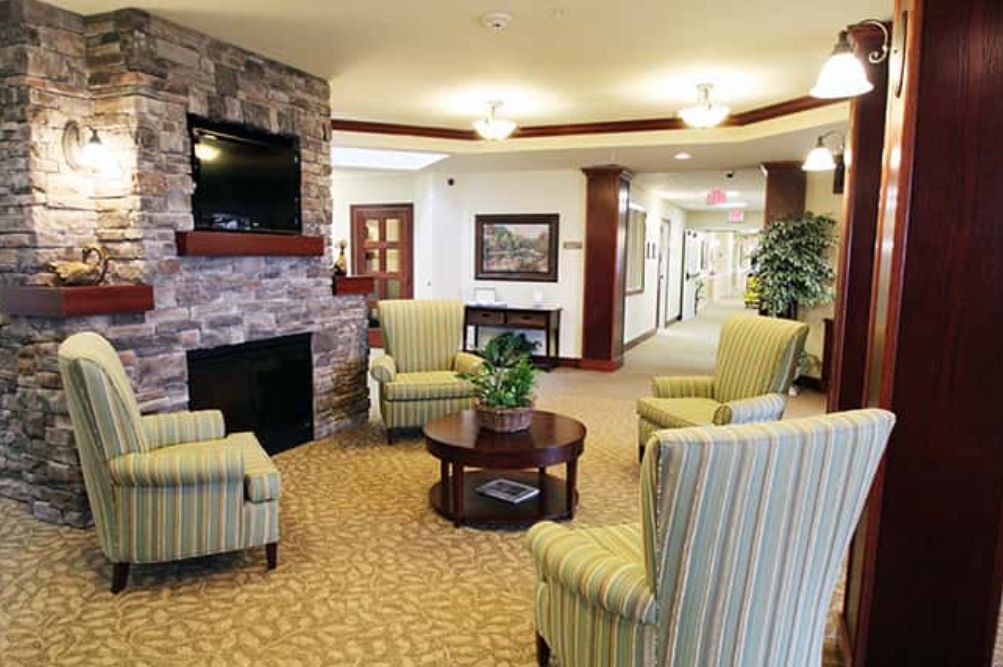
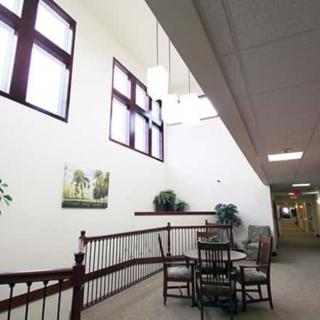
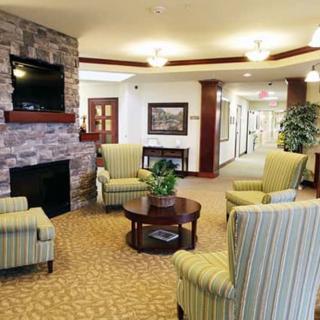
The strongest pros at Kennybrook, when weighed against these potential drawbacks, create a compelling offset. The facility is notably clean, well maintained, and aesthetically pleasing, with newly remodeled units and a design that emphasizes a home-like feel rather than institutional rigidity. The campus supports independence while protecting options for care, so moving within levels, from independent to assisted living or to Maggie’s Place, feels less disruptive. A broad calendar of activities, accessible transportation within a 15-mile radius, and on-site services such as a beauty salon, a private dining room for family gatherings, fitness and rehab facilities, and a dedicated memory-care environment all contribute to a high quality of daily life. The staff’s reputation for warmth, responsiveness, and genuine engagement, across multiple tours and resident interactions, helps translate those amenities into real daily satisfaction, making the cost more justifiable for families seeking peace of mind and predictable, scalable care.

On the care front, Kennybrook earns credibility through visible continuity and professional oversight. The presence of on-site doctors, regular nursing management, and rehabilitation services means a resident can transition through care levels without losing momentum or familiar routines. Rooms and common spaces feel designed for comfort, with attention to storage, privacy, and social gathering areas. The Maggie’s Place memory-care option offers a thoughtful path for a loved one who needs memory-specific programming, which many families value as a way to maintain dignity and connection. The overall environment, inviting common areas, veterans’ displays, and an emphasis on meaningful activities, helps residents stay engaged, which can offset concerns about ongoing costs by delivering tangible daily value and emotional reassurance to families.

Alyssa and the other tour staff consistently emerge as anchors of trust and clarity. Prospective residents repeatedly note that inquiries are answered thoroughly without rush, and current residents describe a genuine warmth from the team. The marketing and operations crew’s careful communication translates into a sense of transparency about what is included, what level of care is available, and how the payment structure works. The dining program, the variety of social opportunities, and even the on-site social venues contribute to a bustling, engaged atmosphere that makes Kennybrook feel like a supportive, active village rather than a clinical facility. While individual experiences vary, the ecosystem here tends to reinforce long-term satisfaction for families seeking reassurance that their loved one is among people who care and are well-supported.

Bottom line: Kennybrook Village is a practical, well-executed solution for families seeking a comprehensive senior-living choice that blends independent living with scalable care options on one campus. It excels for those who prize consistency, accessibility to care, robust social programming, and a community that feels like home. The main caveats are budget sensitivity and admission eligibility considerations, as well as some resident opinions about the depth of dining variety or the breadth of denominational spiritual services. For families committed to a continuum of care, a reassuring staff culture, and a vibrant, well-run residence, Kennybrook offers a clear path forward, one that minimizes upheaval and maximizes the chance that a loved one can grow old in a familiar, welcoming environment.

Features

Housing

  • 68 resident community capacity 68 resident community capacity

Types of Care

  • Assisted Living Assisted LivingAssisted living facilities provide crucial support and care for seniors who may need help with daily tasks such as medication management, bathing, and meal preparation. These communities offer a safe and comfortable environment where seniors can maintain their independence while receiving the assistance they need to thrive in their golden years.
  • Continuing Care Retirement Community (CCRC) Continuing Care Retirement Community (CCRC)Continuing Care Retirement Communities (CCRCs) are important for seniors because they provide a range of housing options and care services all in one location. This allows seniors to age in place and receive the level of care they need as their health changes, without having to move to a new facility. CCRCs provide a sense of security and peace of mind for seniors and their families, knowing that they will be taken care of no matter what the future holds.
  • Independent Living Independent LivingIndependent living communities are important for seniors because they offer a safe and supportive environment where older adults can live independently while still having access to amenities and services that enhance their quality of life. These communities provide social opportunities, recreational activities, and assistance with daily tasks, promoting overall well-being and allowing seniors to maintain their independence for as long as possible.
  • Skilled Nursing Facility Skilled Nursing FacilitySkilled Nursing Facilities are crucial for seniors as they provide round-the-clock medical care, rehabilitation services, and assistance with daily activities. These facilities ensure that seniors receive the specialized care they need to maintain their health and well-being as they age.

Pets

  • Cats allowed Cats allowed"Pet friendly" senior living communities are important for seniors because pets provide companionship, reduce feelings of loneliness and depression, promote physical activity and mental stimulation, and offer a sense of purpose and responsibility. Pets can improve overall well-being and quality of life for seniors in many ways.
  • Dogs allowed Dogs allowed"Pet friendly" senior living communities are important for seniors because pets provide companionship, reduce feelings of loneliness and depression, promote physical activity and mental stimulation, and offer a sense of purpose and responsibility. Pets can improve overall well-being and quality of life for seniors in many ways.

Amenities

  • Activities on-site Activities on-siteActivities on-site are important for seniors because they provide opportunities for socialization, mental stimulation, physical activity, and overall well-being. Engaging in activities can help seniors stay active, maintain their independence, and improve their quality of life.
  • Air-conditioning Air-conditioningAir conditioning is important for seniors as they are more vulnerable to heat-related illnesses and may have underlying health conditions that make it difficult for them to regulate their body temperature. It helps to keep them comfortable, safe, and healthy in hot weather.
  • Beautician on-site Beautician on-siteHaving a beautician on-site at a senior living community is important for seniors as it allows them to easily access grooming and personal care services, boosting their self-esteem and overall well-being. It also provides convenience and helps seniors maintain their sense of independence and personal style.
  • Beauty salon Beauty salonBeauty salons are important for seniors because they provide a space for them to feel pampered, socialize, and maintain their personal grooming and hygiene. Regular visits to a beauty salon can help boost seniors' self-esteem and overall well-being.
  • Cable or satellite TV Cable or satellite TVCable or satellite TV is important for seniors because it provides entertainment, news, and companionship, helping to combat loneliness and boredom. It also offers a wide range of programming options tailored to different interests and preferences.
  • Computer center Computer centerA computer center is essential for seniors as it provides access to technology, communication tools, and resources that can enhance their daily lives. It allows them to stay connected with loved ones, engage in online activities, and learn new skills, ultimately promoting socialization and mental stimulation.
  • Devotional services off-site Devotional services off-siteDevotional services off-site are important for seniors as they provide spiritual nourishment, social engagement, and a sense of community outside of the senior living facility. This can enhance overall well-being and help combat feelings of isolation and loneliness often experienced by older adults.
  • Fitness room Fitness roomHaving a fitness room in a senior living community is essential for seniors to stay active, maintain their physical health, and improve their overall well-being. Regular exercise can help prevent falls, reduce the risk of chronic diseases, and promote mental sharpness. It also provides social opportunities for residents to connect with others and enjoy a sense of community.
  • Fully furnished Fully furnishedFully furnished senior living communities are important for seniors because they provide convenience, comfort, and a hassle-free moving experience. Seniors can easily settle into their new living space without the stress of having to buy and move furniture. This allows them to focus on enjoying their new home and community.
  • Gaming room Gaming roomGaming rooms are important for seniors as they provide a fun and engaging environment for socializing, cognitive stimulation, and physical activity. Games can improve memory, problem-solving skills, and overall mental well-being while fostering friendships and reducing feelings of isolation.
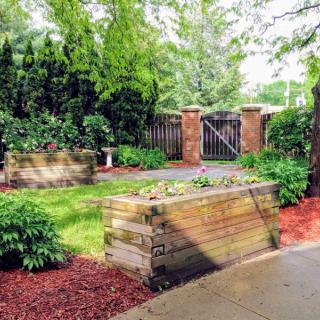
  • Garden GardenGardens are important for seniors as they provide a peaceful and therapeutic environment for relaxation, physical activity, and socialization. Being in nature has been shown to reduce stress, improve mood, and promote overall well-being. Gardens also offer opportunities for seniors to engage in gardening activities, which can improve mobility, flexibility, and cognitive function. Additionally, gardens create a sense of community and connection with others who share a passion for plants and outdoor spaces.
  • Housekeeping services Housekeeping servicesHousekeeping services are important for seniors because they help maintain a clean and safe living environment, promote independence, and reduce the risk of accidents or illnesses. Additionally, having assistance with household chores can alleviate physical strain and allow seniors to focus on other aspects of their well-being.
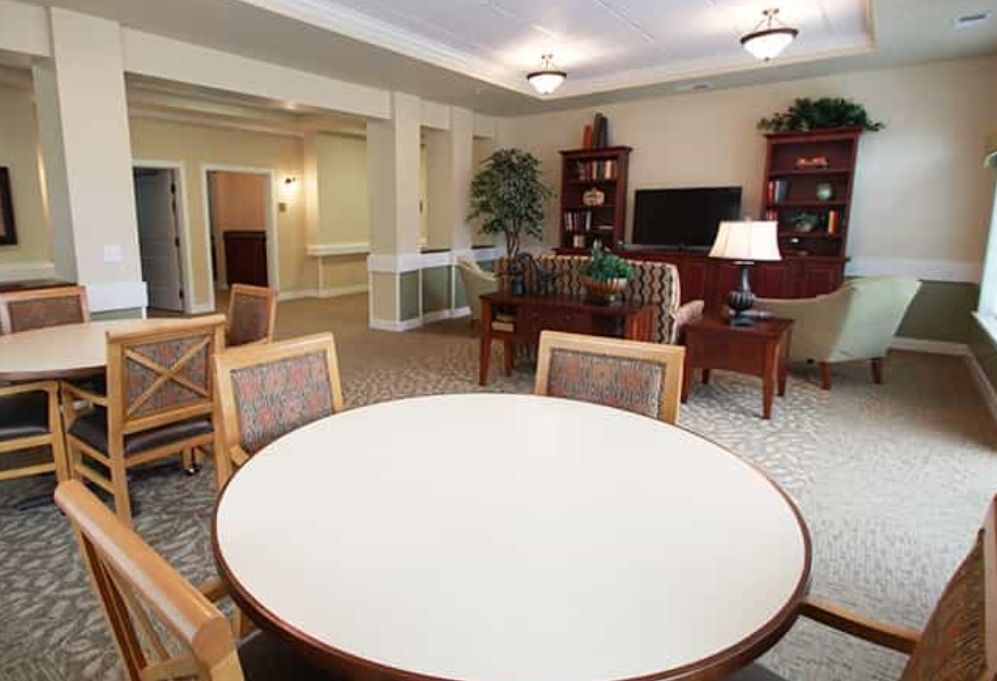
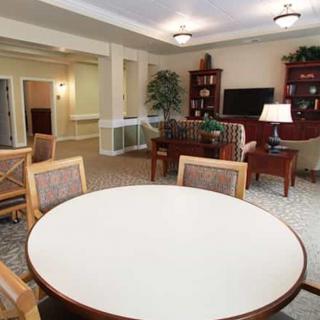
  • Indoor common areas Indoor common areasIndoor common areas are crucial for seniors as they provide a space for socialization, recreation, and community engagement, promoting overall well-being and reducing feelings of isolation and loneliness.
  • Kitchenette KitchenetteKitchenettes are important for seniors living in senior living communities because they provide the convenience and independence of being able to prepare simple meals and snacks in the comfort of their own living space. This can help promote a sense of autonomy and well-being for seniors, allowing them to maintain some level of control over their dietary choices and daily routines.
  • Move-in coordination Move-in coordinationMove-in coordination is important for seniors because it helps ease the transition into their new living environment. It ensures that all logistics, such as packing, organizing movers, and setting up utilities are taken care of, allowing seniors to focus on settling in and adjusting to their new home. Having a smooth move-in process can alleviate stress and anxiety, making the transition smoother and more enjoyable for seniors.
  • Outdoor space Outdoor spaceOutdoor spaces are important for seniors as they provide opportunities for physical activity, social interaction, exposure to natural light and fresh air, and a sense of connection to nature. Having access to outdoor spaces can improve overall well-being and quality of life for older adults living in senior communities.
  • Private PrivatePrivacy is important for seniors as it allows them to maintain their independence, dignity, and sense of control over their own lives. It also gives them the space and freedom to relax, reflect, and engage in activities that bring them joy and fulfillment. Creating private spaces within senior living facilities is crucial for promoting overall well-being and quality of life.
  • Private bathrooms Private bathroomsPrivate bathrooms are important for seniors in senior living communities because they provide independence, dignity, and comfort. Having a private bathroom allows seniors to maintain their personal hygiene routines without the need for assistance, promoting a sense of autonomy and privacy. Additionally, private bathrooms help prevent the spread of infections and provide a safe and clean environment for seniors to navigate safely.
  • Respite or short term stays offered Respite or short term stays offeredRespite or short term stays provide seniors with a temporary solution when their regular caregiver is unavailable, offering them the opportunity to receive additional care and support during times of need, while also giving caregivers a chance to rest and recharge.
  • Restaurant-style dining Restaurant-style diningRestaurant-style dining is important for seniors because it allows them to enjoy delicious, nutritious meals in a social and upscale setting. This enhances their dining experience, promotes healthy eating habits, and fosters socialization with fellow residents, ultimately contributing to their overall well-being and quality of life.
  • Small library Small librarySmall libraries are important for seniors as they provide access to a variety of reading materials, including books, newspapers, and magazines. This can help stimulate their minds, keep them engaged, and provide a sense of community through book clubs and other social activities. Additionally, reading has been shown to improve cognitive function and overall mental well-being in older adults.
  • Swimming pool / hot tub Swimming pool / hot tubSwimming pools and hot tubs are important for seniors as they provide a safe and enjoyable way to stay active, improve mobility, reduce joint pain, and promote relaxation. Regular use of these amenities can contribute to overall well-being and quality of life for older adults living in senior communities.
  • Telephone TelephoneTelephones are important for seniors as they provide a lifeline for communication with loved ones, emergency services, and healthcare providers. They offer a sense of security and independence, enabling seniors to stay connected and access assistance when needed.
  • Wellness center Wellness centerWellness centers are important for seniors because they offer a variety of programs and services that promote physical, mental, and emotional well-being. These centers provide opportunities for exercise, socialization, education, and relaxation, helping seniors maintain their overall health and quality of life.
  • Wheelchair accessible showers Wheelchair accessible showersWheelchair accessible showers are crucial for seniors as they provide a safe and independent bathing option for those with mobility challenges. These showers help prevent falls and allow seniors to maintain their dignity and autonomy while ensuring they can bathe comfortably.
  • Wi-Fi/high-speed internet available Wi-Fi/high-speed internet availableWi-Fi/high-speed internet is important for seniors to stay connected with loved ones, access online resources, and participate in virtual activities to combat feelings of loneliness and isolation. It also allows them to easily manage healthcare needs, access entertainment, and engage in lifelong learning opportunities.

Transportation

  • Des Moines International (13 miles away) Des Moines International (13 miles away)
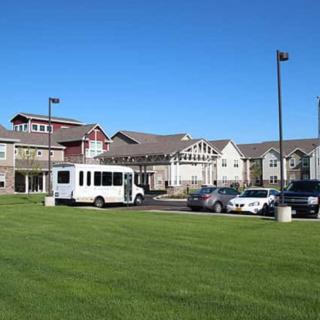
  • Community operated transportation Community operated transportationCommunity operated transportation is crucial for seniors as it provides them with the means to access essential services, social activities, and medical appointments. It allows seniors to maintain their independence and quality of life by ensuring they can participate in activities outside of their homes. Additionally, community-operated transportation services offer a safe and reliable way for seniors to travel without having to rely on family or friends for assistance.
  • Transportation arrangement Transportation arrangementTransportation arrangements are crucial for seniors as they may face challenges with driving, mobility, or access to public transportation. Having reliable transportation services ensures that seniors can easily attend appointments, social activities, and maintain their independence and quality of life.
  • Transportation arrangement (non-medical) Transportation arrangement (non-medical)Transportation arrangements are essential for seniors as they provide access to essential services, activities, and social interactions outside the home. This service helps maintain independence, mobility, and overall well-being for seniors who may have limited transportation options.

Care Services

  • 24-hour call system 24-hour call system24-hour call systems are important for seniors because they provide peace of mind and immediate assistance in case of emergencies. This technology ensures that help is always available, promoting safety and security for elderly individuals living alone or in assisted living facilities.
  • 24-hour supervision 24-hour supervision24-hour supervision is important for seniors to ensure their safety, well-being, and access to immediate assistance in case of emergencies or health issues. This constant support provides peace of mind for both seniors and their loved ones, allowing them to age in place with dignity and security.
  • Activities of daily living assistance Activities of daily living assistanceActivities of daily living assistance are important for seniors because they provide essential support with tasks such as eating, bathing, dressing, and mobility. This assistance helps seniors maintain their independence, dignity, and overall quality of life as they age.
  • Ambulatory care Ambulatory care"Ambulatory care services provide essential medical support and treatment to seniors without requiring hospitalization, allowing them to maintain their independence and quality of life while managing chronic conditions or receiving routine medical care."
  • Assistance with bathing Assistance with bathingAssistance with bathing is crucial for seniors as it helps maintain personal hygiene, prevents infections, and ensures their overall well-being and comfort. It also provides a sense of dignity and independence for seniors who may struggle with this task on their own.
  • Assistance with dressing Assistance with dressingAssistance with dressing is important for seniors because it helps maintain their independence, promotes personal hygiene, prevents accidents and injuries, and improves overall quality of life. This service ensures that seniors can continue to dress comfortably and confidently, despite any physical limitations they may have.
  • Assistance with transfers Assistance with transfersAssistance with transfers is crucial for seniors as it helps prevent falls and injuries, maintains their independence, and ensures they can safely navigate their living environment. It also provides peace of mind for both seniors and their loved ones.
  • Diabetes diet Diabetes dietA diabetes diet is crucial for seniors as it helps manage blood sugar levels, reduce risks of complications, and improve overall health and well-being. By following a balanced and nutritious diet tailored to their specific needs, seniors can better control their diabetes and enhance their quality of life.
  • Diabetic care Diabetic careDiabetic care is crucial for seniors as they are more susceptible to developing diabetes due to aging and other health conditions. Proper management of diabetes can help prevent complications such as heart disease, vision loss, and nerve damage, improving the overall quality of life for seniors in senior living communities.
  • Meal preparation and service Meal preparation and serviceMeal preparation and service are crucial for seniors as they may have limited mobility or energy to cook nutritious meals. Having access to healthy and convenient food options can ensure they are getting the proper nutrition needed to maintain their overall health and well-being.
  • Medication management Medication managementMedication management is crucial for seniors to ensure they are taking the right medications at the correct dosages and times. This helps prevent adverse drug interactions, reduces the risk of medication errors, and promotes overall health and well-being. Proactive management also allows for adjustments as needed based on changing health conditions or new prescriptions.
  • Special dietary restrictions Special dietary restrictionsSpecial dietary restrictions are important for seniors because age-related changes in metabolism and health conditions can make it difficult for their bodies to process certain foods. By following a diet tailored to their specific needs, seniors can maintain their overall health and well-being, manage chronic conditions, and reduce the risk of complications such as malnutrition or food interactions with medications.

Dining

  • Diabetes diet Diabetes dietA diabetes diet is crucial for seniors as it helps manage blood sugar levels, reduce risks of complications, and improve overall health and well-being. By following a balanced and nutritious diet tailored to their specific needs, seniors can better control their diabetes and enhance their quality of life.
  • Meals provided Meals provided"Meals provided" are crucial for seniors in assisted living communities as it ensures they have access to nutritious, balanced meals without the stress of meal planning and preparation. This can help promote overall health and well-being for seniors who may have limited mobility or cognitive abilities.
  • Special dietary restrictions Special dietary restrictionsSpecial dietary restrictions are important for seniors because age-related changes in metabolism and health conditions can make it difficult for their bodies to process certain foods. By following a diet tailored to their specific needs, seniors can maintain their overall health and well-being, manage chronic conditions, and reduce the risk of complications such as malnutrition or food interactions with medications.

Activities

  • Activities on-site Activities on-siteActivities on-site are important for seniors because they provide opportunities for socialization, mental stimulation, physical activity, and overall well-being. Engaging in activities can help seniors stay active, maintain their independence, and improve their quality of life.
  • Community-sponsored activities Community-sponsored activitiesCommunity-sponsored activities are important for seniors as they provide opportunities for social interaction, mental stimulation, and physical activity. These activities can help improve overall well-being, combat loneliness and isolation, and promote a sense of belonging and purpose among older adults.
  • Concierge services Concierge servicesConcierge services are essential for seniors as they provide assistance with daily tasks and errands, enhance their quality of life by offering convenience and personalized care, and promote a sense of safety and security.
  • Devotional activities offsite Devotional activities offsiteDevotional activities offsite are important for seniors because they provide social engagement, spiritual growth, and a sense of community outside of their living environment. This can improve overall well-being, mental health, and combat feelings of isolation or loneliness.
  • Fitness programs Fitness programsFitness programs are crucial for seniors as they help improve strength, flexibility, balance, and overall well-being. Staying active can reduce the risk of chronic diseases, improve mental health, and enhance quality of life in older adults.
  • Planned day trips Planned day tripsPlanned day trips are important for seniors because they offer opportunities for socialization, mental stimulation, and physical activity. They provide a change of scenery and help seniors stay engaged and connected to their community, promoting overall well-being and quality of life.
  • Resident-run activities Resident-run activitiesResident-run activities are important for seniors as they encourage social interaction, creativity, and a sense of autonomy. These activities empower seniors to stay engaged and active in their community while fostering meaningful connections with their peers.
  • Scheduled daily activities Scheduled daily activitiesScheduled daily activities are important for seniors because they provide structure, socialization, mental stimulation, and physical activity. Engaging in regular activities can improve overall well-being and quality of life for seniors living in a community setting.

Description

Kennybrook Village in Grimes, IA is an exceptional assisted living community that offers a range of care services and amenities to meet the unique needs and preferences of its residents. With a variety of living options available, including independent living, skilled nursing facility, and continuing care retirement community (CCRC), individuals can choose the level of care that suits them best.

The community boasts numerous amenities designed to enhance the comfort and convenience of its residents. From air-conditioning to ensure a pleasant environment year-round, to a beauty salon and beautician on-site for pampering sessions, Kennybrook Village truly caters to its residents' well-being. The fully furnished accommodations provide a cozy living space, while private bathrooms offer privacy and independence.

For those seeking social engagement and recreation, Kennybrook Village offers an array of activities and facilities. Residents can stay connected with Wi-Fi/high-speed internet in indoor common areas or utilize the computer center for their technological needs. The gaming room provides entertainment opportunities, while the small library satisfies bookworms. Fitness enthusiasts can make use of the fitness room or take advantage of the wellness center. Outdoor spaces such as gardens offer tranquility and fresh air, while the swimming pool/hot tub is perfect for relaxation.

In terms of care services, Kennybrook Village ensures around-the-clock supervision for peace of mind. Trained staff are available to provide assistance with activities of daily living such as bathing, dressing, and transfers. Medication management is also provided to ensure residents receive their required medications on time. Special dietary restrictions are accommodated by offering diabetic care and meals prepared according to specific dietary needs.

Residents at Kennybrook Village benefit from delicious restaurant-style dining where meals are provided throughout the day. Additionally, concierge services are available to assist with any requests or inquiries that may arise.

The community's excellent location makes it easily accessible, with nearby parks allowing residents to enjoy nature walks or picnics with loved ones. Several pharmacies and physicians in close proximity ensure convenient access to healthcare, while a variety of nearby restaurants offer dining options for residents and their guests.

Kennybrook Village is dedicated to providing a vibrant and caring environment where individuals can thrive and enjoy a fulfilling retirement lifestyle.

Nearby Places of Interest

Parks

  • Waterford Disc Golf Course (2.5 miles)
  • Stonegate Park (4.8 miles)
  • Terra Park (5.7 miles)
  • Lions Park (6 miles)
  • Jester Park Nature Center (6.4 miles)

Restaurants

  • McDonald's (3.5 miles)
  • Cancun Grill And Cantina (4.1 miles)
  • Taste of New York (4.4 miles)
  • Health House Food (4.4 miles)
  • Culver's (4.5 miles)
  • Viva Mexican Restaurant (4.9 miles)
  • Hotels near Iowa Machine Shed Restaurant (5.3 miles)

Physicians

  • Johnston Family Physicians (4 miles)
  • Mercy Family Medicine of Urbandale (4.5 miles)
  • Iowa Arthritis & Osteoporosis Center (4.6 miles)
  • Vision Eye Clinic (4.7 miles)
  • Greater Des Moines Dermatology, PC (5 miles)
  • Ducharme Dermatolgy (5.2 miles)
  • Waggoner Pediatrics of Central Iowa (Des Moines Pediatrics-West) (5.2 miles)

Pharmacies

  • National Pharmaceutical Returns (4.3 miles)
  • Walgreens (4.7 miles)
  • CVS Pharmacy (5 miles)
  • Walgreens (5.1 miles)
  • Hy-Vee Pharmacy (5.4 miles)
  • Onnen Co. (5.5 miles)
  • Walgreens (5.7 miles)

Places of Worship

  • Living Faith Lutheran Church (5.1 miles)
  • Westview Church (6 miles)

Theaters

  • The Palms Theatres & IMAX (5.9 miles)
  • Flix Brewhouse Des Moines (6.7 miles)

Cafes

  • Panera Bread (6 miles)
  • Scotters Coffee (6.1 miles)
  • Starbucks (6.5 miles)

Hospitals

  • Mercy Medical Center West Lake (6.3 miles)

Frequently Asked Questions

How much does it cost to live at Kennybrook Village in Grimes, IA?
Where is Kennybrook Village?
Does Kennybrook Village allow residents to have pets?
What photos are available for Kennybrook Village in Grimes, Iowa?

Nearby Communities

  • Brio of Johnston

    Brio of Johnston

    Johnston, IA

    3.9 from 27 reviews
     

    pro All-inclusive pricing with attentive staff and excellent meals.


  • Comfort Keepers

    Comfort Keepers

    Urbandale, IA

    4.2 from 5 reviews
     

    pro Compassionate, dedicated caregiver support during hospital visits.

  • Wesley Retirement Services

    Wesley Retirement Services

    Johnston, IA

    3.4 from 5 reviews
     

    pro Fully furnished apartments with 24-hour care, medication management, and active resident programs.

  • Signature Care Centers

    Signature Care Centers

    Johnston, IA

    3.9 from 36 reviews
     

    pro Excellent access to healthcare, dining, and outdoor spaces.

  • The Courtyards at Shadow Creek

    The Courtyards at Shadow Creek

    Clive, IA

    4.8 from 5 reviews
     

    pro Small, intimate assisted living with essential services and connectivity.

  • Urbandale Health Care Center

    Urbandale Health Care Center

    Urbandale, IA

    3.6 from 70 reviews
     

    pro Friendly, professional staff with effective rehab.

  • Edencrest At Green Meadows

    Edencrest At Green Meadows

    Johnston, IA

    4.5 from 65 reviews
    $4,900 to $6,691 / month

    pro Friendly, caring staff in a clean, pleasant environment with on-site activities.

  • Bishop Drumm Retirement Center

    Bishop Drumm Retirement Center

    Johnston, IA

    3.9 from 78 reviews
    $2,000 to $2,900 / month

    pro Friendly staff in a well-maintained, close-knit community with a range of care options.

  • Karen Acres Health Care Center

    Karen Acres Health Care Center

    Urbandale, IA

    4 from 36 reviews
     

    pro Caring, attentive staff with comfortable private-room accommodations.

Related Resources

  • assisted living activitiesBeyond the Bingo Hall: 50+ Enriching Activities for Seniors in Assisted Living

    Assisted living communities offer diverse activities beyond traditional games to enhance seniors' physical health, cognitive well-being, emotional enrichment, and social connections, including fitness classes, creative expression, and intergenerational interactions. These enriching programs foster community bonds and support residents' independence and happiness.

  • assisted living vs memory careUnderstanding the Distinctions: Assisted Living and Memory Care Explained

    The article differentiates between assisted living and memory care, explaining that assisted living supports seniors with daily activities while promoting independence, whereas memory care provides specialized services for individuals with dementia, focusing on secure environments and cognitive support. It also addresses staff training, safety considerations, costs, family involvement, and transition strategies for families navigating these care options.

  • elderly parent refuses assisted livingGuiding Elderly Parents Who Refuse Assisted Living: 6 Practical Steps
    Family caregivers face emotional, legal, and practical challenges when elderly parents refuse assisted living, often due to fears of losing autonomy. Open conversations and professional assessments can help address these concerns while exploring alternatives and ensuring safety, potentially leading to legal guardianship if necessary.