For more information about senior living options: (866) 208-4318
3.9 from 82 reviews
5 stars
46
4 stars
12
3 stars
8
2 stars
1
1 stars
15
Bishop Drumm Retirement Center Costs & Pricing
Bishop Drumm Retirement Center offers competitive pricing for various living arrangements, making it an attractive choice for seniors seeking affordable care options. For a studio apartment, residents pay $2,000 per month, which is significantly lower than the Polk County average of $3,533 and the state average of $3,613. One-bedroom units are priced at $2,400, maintaining affordability compared to the county's $2,528 and the state's $2,862. Two-bedroom accommodations at Bishop Drumm come in at $2,900 monthly - again showcasing a better value when compared to the Polk County average of $3,047 and Iowa's overall average of $3,329. These cost differences highlight Bishop Drumm's commitment to providing quality care without compromising on affordability in a supportive community setting.
Floor plans
Bishop Drumm Retirement Center
Polk County
Iowa
Studio
$2,000
$3,533
$3,609
1 Bedroom
$2,400
$2,528
$2,863
2 Bedrooms
$2,900
$3,047
$3,329
Skilled Nursing Facilities with a similar price nearby
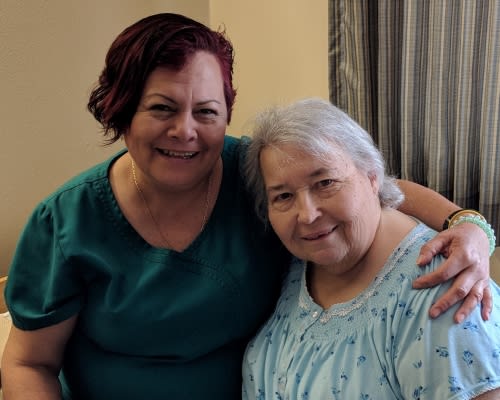
Residents and families frequently describe staff as caring, kind, and attentive.
Across many visits and experiences, reviewers describe staff and leadership as compassionate and responsive, with teams that take the time to treat residents with respect. Several comments specifically mention nurses and aides being patient and helpful, including support during therapy and daily needs. A few negative reviews contrast with that by describing poor communication, unresponsiveness, or indifference from some staff members, which is why experiences can vary.
differentiator11 reviews mention this
Meals stand out for many residents
Restaurant-style dining is a recurring positive in resident experiences.
Food comes up often, with multiple reviewers describing meals as excellent, fresh, and enjoyable, and others saying dining areas and the dining experience looked inviting on tour. Some families also mention specific diet support themes like meal detail and special dietary attention in day-to-day care. While most comments are favorable about meals, a small number of reviews include concerns tied to care coordination and daily support rather than the food itself.
common10 reviews mention this
Activities and enrichment keep days full
Reviewers consistently mention scheduled activities and enrichment.
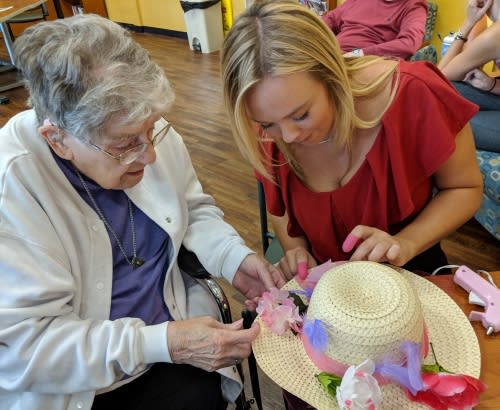
Residents and families describe meaningful life-enrichment programming, including arts and crafts, fitness or chair yoga, religious services, and regular scheduled activities. Some reviewers say activities helped them stay engaged and pass the time during rehab or recovery, and others mention planned trips and live performances. Several reviews also connect activity opportunities with mental and social support, while one tour perspective notes fewer people present at the time of the visit.
differentiator9 reviews mention this
Skilled rehab and therapy support
Rehab and therapy experiences are frequently described as helpful.
Many reviewers discuss skilled rehabilitation, naming physical and occupational therapy and saying staff challenged them while remaining patient. Some comments describe progress in mobility or strength and appreciation for the therapy team’s attention. A couple of negative reviews focus less on therapy outcomes and more on follow-through, coordination between shifts, and being able to reach help when needed, which affected overall impressions.
caveat4 reviews mention this
Billing and administration concerns
Some reviewers report serious issues with billing and communication.
A handful of reviews raise concerns about administrative responsiveness and billing—such as trouble getting the promised outcome on insurance coverage, difficulty reaching leadership, and a lack of return communication. Other comments mention how challenging it was to get timely help with medical coordination and daily needs, which families link to poor management follow-through. There are also reports of management later reaching out after concerns were raised, but the initial experiences described were still negative.
caveat3 reviews mention this
Pricing feels mixed to families
Cost is a recurring point of disagreement among reviewers.
Several families describe the community as expensive or not affordable for their situation, including one comment mentioning a buy-in decision. At the same time, at least one reviewer characterizes the rooms as sufficient and says they seemed affordable, suggesting cost perception depends on which care level and personal budget expectations you compare. Overall, reviews indicate you’ll want to confirm total affordability for the specific level of care you need.
How we summarize
Counts show how many written reviews mention each theme; a review can touch several themes, and only frequently mentioned themes are displayed.
Features
Housing
120 resident community capacity
1-bedroom apartments
2-bedroom apartments
Studio apartments
Types of Care
Assisted Living
Continuing Care Retirement Community (CCRC)
Independent Living
Respite Care
Skilled Nursing Facility
Amenities
Activities off-site
Activities on-site
Air-conditioning
Beautician on-site
Beauty salon
Cable or satellite TV
Computer center
Devotional services on-site
Dining room
Financial aid
Financing advice
Fitness room
Full kitchen
Fully furnished
Gaming room
Garden
General store
Home sale assistance
Housekeeping services
Indoor common areas
Kitchenette
Laundry
Move-in coordination
Outdoor common areas
Outdoor space
Party space
Private bathrooms
Respite or short term stays offered
Restaurant-style dining
Small library
TV room
Telephone
VA Benefits Consultation
Wellness center
Wheelchair accessible showers
Wi-Fi/high-speed internet available
Transportation
Des Moines International (10 miles away)
Community operated transportation
Transportation & parking
Transportation arrangement
Transportation arrangement (non-medical)
Care Services
24-hour call system
24-hour supervision
Activities of daily living assistance
Ambulatory care
Assistance with bathing
Assistance with dressing
Assistance with transfers
Diabetes diet
Diabetic care
Incontinence care
Meal preparation and service
Medication management
Physical therapy
Special dietary restrictions
Walking wheelchair assistance
Dining
Diabetes diet
Meals provided
Special dietary restrictions
Activities
Activities off-site
Activities on-site
Arts and crafts
Community-sponsored activities
Concierge services
Devotional activities on-site
Educational speakers / life long learning
Fitness programs
Games
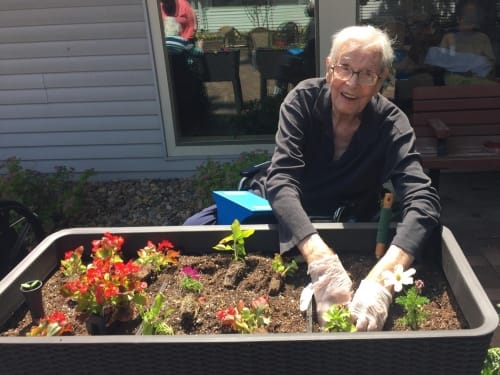
Gardening club
Live musical performances
Planned day trips
Religious services
Resident-run activities
Scheduled daily activities
Wii bowling
Yoga / chair yoga
Languages Spoken
English
Videos
Nearby Places of Interest
This part of Johnston, Iowa offers a variety of amenities within close proximity, making it a convenient and accessible area for senior living. There are several dining options nearby, ranging from ice cream shops to health-conscious food establishments. Pharmacies are also easily accessible for any medical needs. The parks in the area provide opportunities for outdoor recreation and relaxation, while nearby physicians' offices offer healthcare services. For entertainment, there are theaters and cafes within a short drive. Additionally, places of worship and hospitals are located within a reasonable distance. Overall, this area provides a well-rounded environment for seniors looking to reside in Johnston, Iowa.
Restaurants
Van Dee's Ice Cream Shoppe (0.1 miles)
El Mariachi (0.3 miles)
Bandit Burrito (0.9 miles)
McDonald's (1.5 miles)
Health House Food (2.1 miles)
Taste of New York (2.1 miles)
Jersey Mike's (2.4 miles)
Pharmacies
Walgreens (0.3 miles)
Walgreens (2.6 miles)
CVS Pharmacy (2.7 miles)
Walgreens (2.9 miles)
Walgreens (2.9 miles)
Medicap Pharmacy (3.6 miles)
CVS Pharmacy (3.7 miles)
Parks
Terra Park (0.7 miles)
Lions Park (2.5 miles)
Physicians
Johnston Family Physicians (2 miles)
Iowa Arthritis & Osteoporosis Center (2.2 miles)
Mercy Urbandale Medical Clinic (2.4 miles)
Vision Eye Clinic (2.6 miles)
Eyemart Optical Outlet - North Des Moines (2.7 miles)
Bishop Drumm Retirement Center offers competitive pricing for various living arrangements, making it an attractive choice for seniors seeking affordable care options. For a studio apartment, residents pay $2,000 per month, which is significantly lower than the Polk County average of $3,533 and the state average of $3,613. One-bedroom units are priced at $2,400, maintaining affordability compared to the county's $2,528 and the state's $2,862. Two-bedroom accommodations at Bishop Drumm come in at $2,900 monthly - again showcasing a better value when compared to the Polk County average of $3,047 and Iowa's overall average of $3,329. These cost differences highlight Bishop Drumm's commitment to providing quality care without compromising on affordability in a supportive community setting.
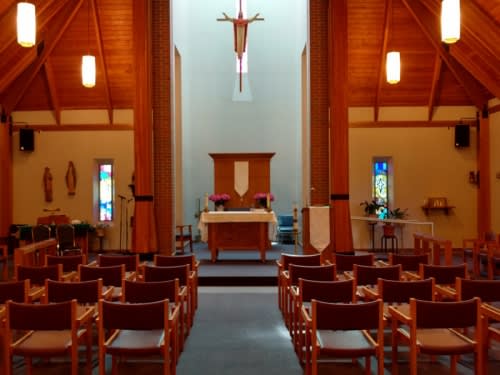
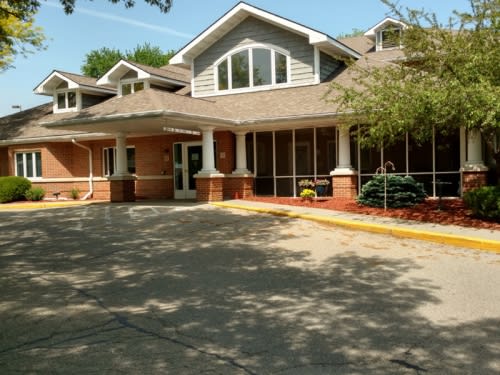
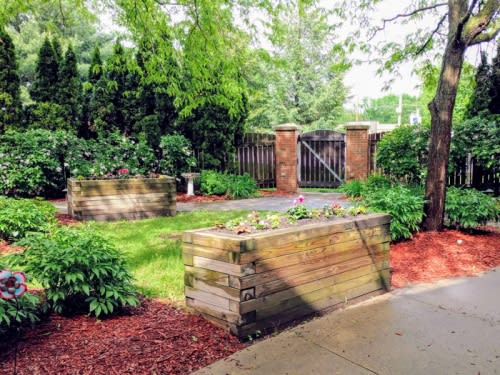
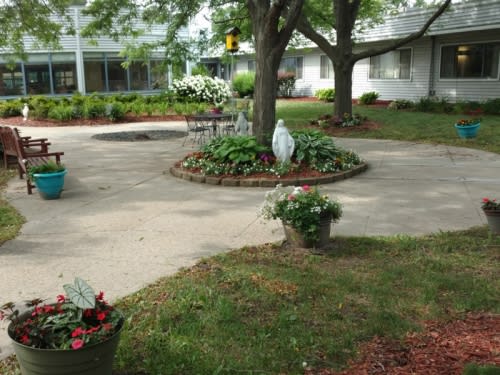
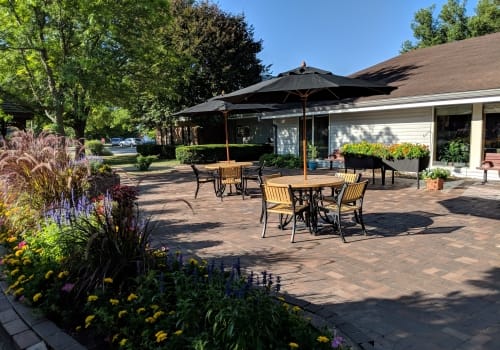
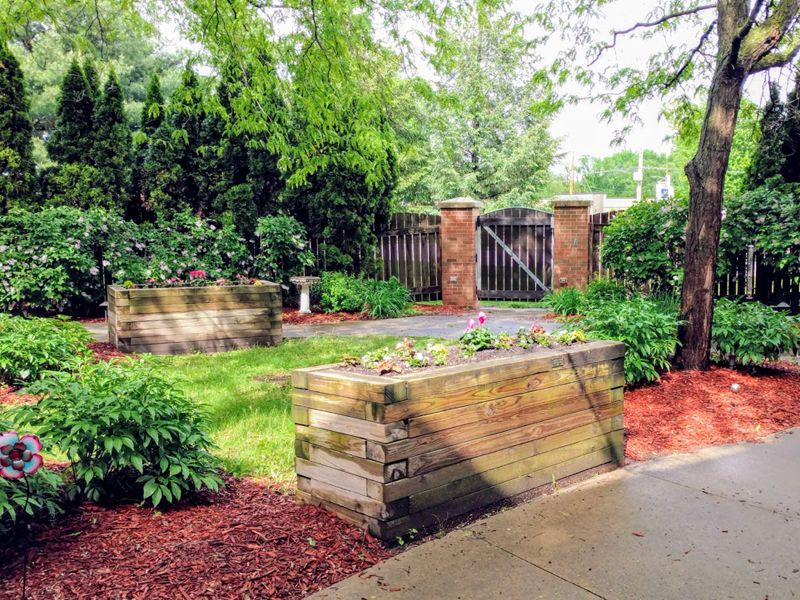
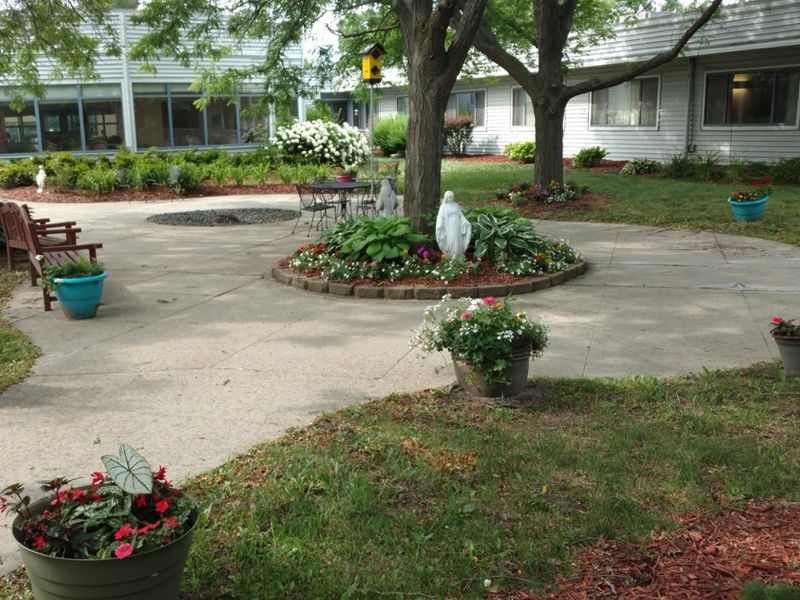
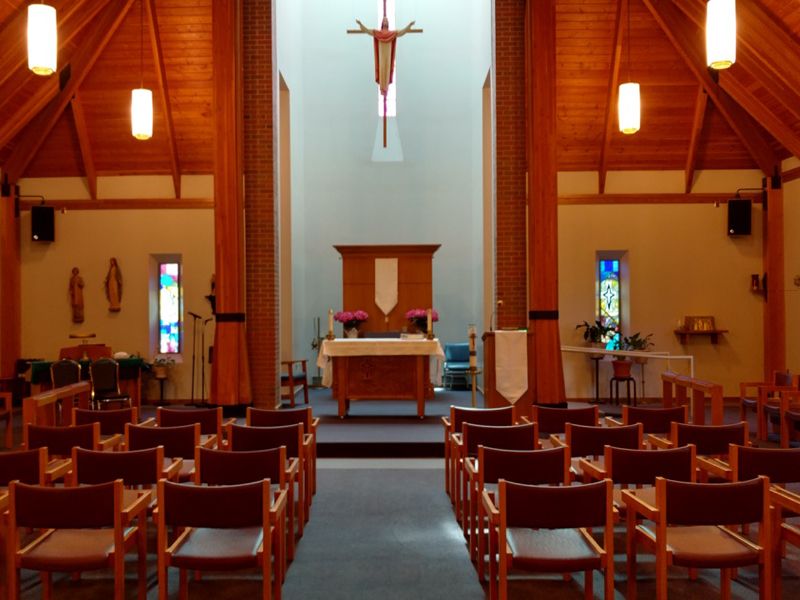
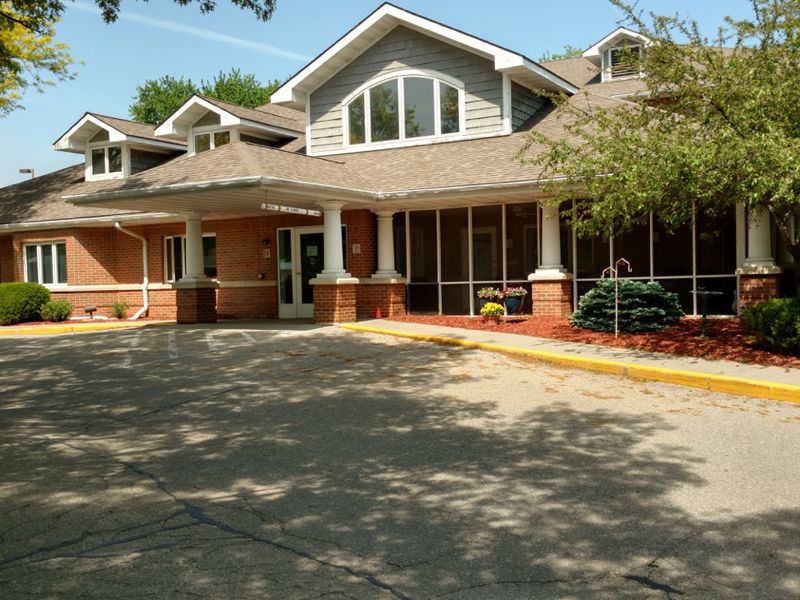
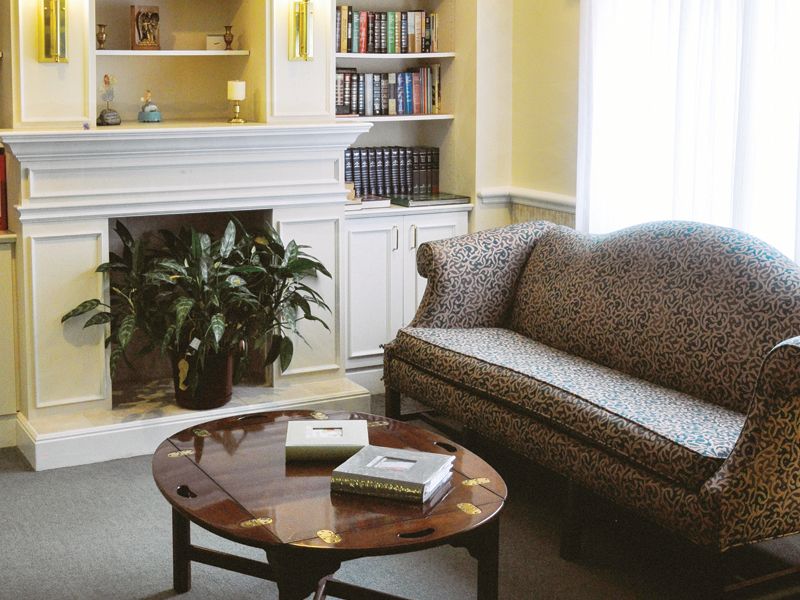
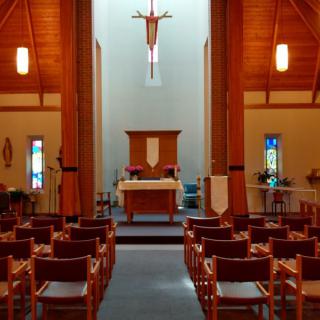
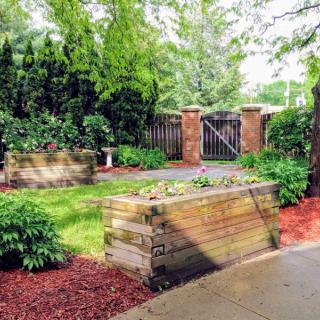
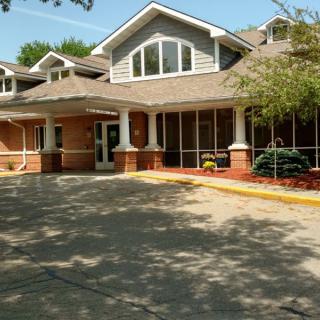
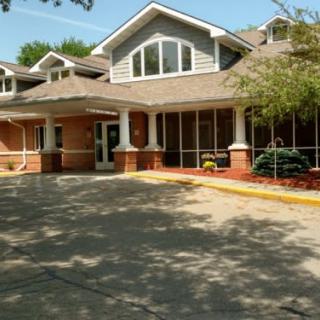
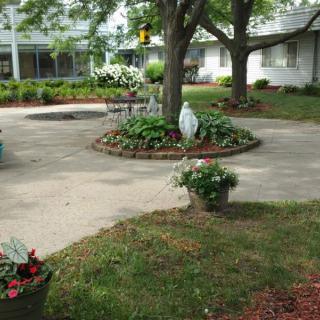
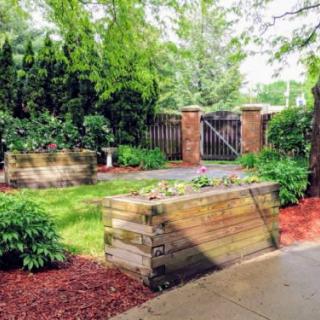
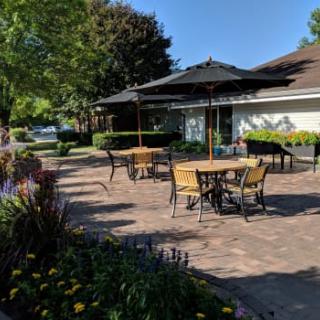
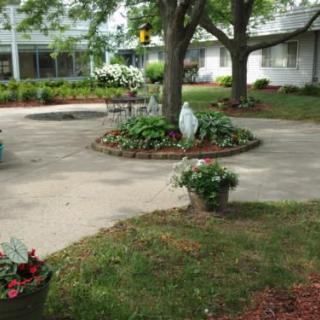
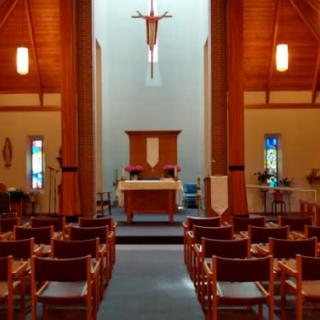
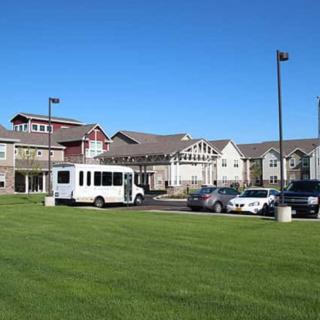
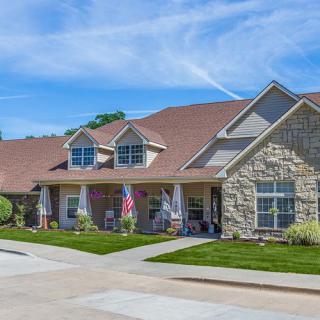
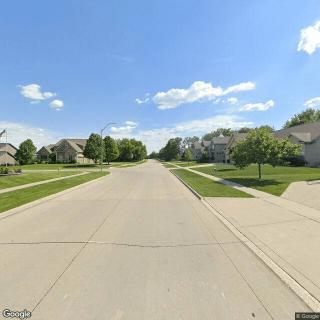
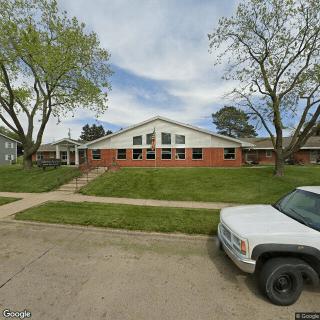
Bishop Drumm Retirement Center on seniors.fyi includes 14 photos including images showing landscaping, trees, garden, outdoor, outdoors, interior, entrance, architecture, and more.
Nearby Communities
Martina Place Assisted Living
Johnston, IA
4 from 5 reviews
All-in-one campus with independent living, memory care, and skilled nursing, plus diabetic care.
Ahepa 192 Apartments
Johnston, IA
4.5 from 13 reviews
Convenient location with access to dining, parks, worship, and healthcare nearby.
Childserve Habilitation Center
Johnston, IA
5 from 1 review
24/7 supervision with medication management and extensive on-site amenities (dining, fitness, salon, activities, transportation).
Edencrest At Green Meadows
Johnston, IA
4.4 from 66 reviews
$4,900 to $6,691 / month
Friendly, caring staff in a clean, pleasant environment with on-site activities.
Home Care Assistance Des Moines
West Des Moines, IA
4.9 from 84 reviews
Friendly, knowledgeable staff delivering attentive, professional care.
Bickford of Urbandale
Urbandale, IA
4.4 from 96 reviews
$1,406 to $4,867 / month
Caring staff, clean, welcoming environment, tasty dining, and a scenic setting with on-site activities.
Brio of Johnston
Johnston, IA
4 from 34 reviews
All-inclusive pricing with attentive staff and excellent meals.
Karen Acres Health Care Center
Urbandale, IA
4 from 36 reviews
Caring, attentive staff with comfortable private-room accommodations.
Attivo Trail Ankeny
Ankeny, IA
4.9 from 41 reviews
$1,845 to $2,345 / month
Spacious, fully equipped 2-bedroom, 2-bath apartments with a private lanai and a strong sense of community with engaging activities.
Assisted living facilities provide support for older adults needing help with daily activities without extensive medical care, but their costs can be high and vary by location and services offered. Families often seek various funding options and financial strategies to manage these expenses effectively while considering future needs and potential price increases.
The article discusses assisted living expenses, the importance of long-term care insurance in covering these costs, and various financing options, highlighting the need for careful policy review and early planning to address potential needs. It also clarifies common misconceptions about Medicare and private health insurance limitations regarding long-term care coverage.
Assisted living facilities offer crucial support for older adults needing help with daily activities but come with varying and significant costs, which can be financed through personal savings, government assistance programs, long-term care insurance, and home equity options. Professional guidance from experts can aid families in navigating these financial complexities to establish a sustainable budgeting approach for assisted living services.
Get PricingAsk A QuestionSchedule A TourContact Senior Advisor
By clicking submit, you agree to our Partner's Terms of Use. You
also consent to receive calls and texts, which may be autodialed, from our Partner. Your consent is not a condition to
using our Partner's service. Please visit our Partner's Privacy Policy for information about their privacy practices.




 120 resident community capacity
 1-bedroom apartments
 Assisted Living
 Continuing Care Retirement Community (CCRC)
 Independent Living
 Respite Care
 Skilled Nursing Facility
 Activities off-site
 Air-conditioning
 Beautician on-site
 Cable or satellite TV
 Computer center
 Devotional services on-site
 Dining room
 Financial aid
 Fitness room
 Full kitchen
 Fully furnished
 Gaming room
 Garden
 General store
 Housekeeping services
 Indoor common areas
 Laundry
 Move-in coordination
 Outdoor common areas
 Party space
 Private bathrooms
 Restaurant-style dining
 Small library
 Telephone
 Wellness center
 Wheelchair accessible showers
 Wi-Fi/high-speed internet available
 Des Moines International (10 miles away)
 Community operated transportation
 24-hour call system
 Ambulatory care
 Assistance with bathing
 Assistance with dressing
 Assistance with transfers
 Diabetes diet
 Diabetic care
 Incontinence care
 Medication management
 Physical therapy
 Special dietary restrictions
 Walking wheelchair assistance
 Arts and crafts
 Concierge services
 Educational speakers / life long learning
 Games
Games Live musical performances
 Planned day trips
 Wii bowling
 English
 All-in-one campus with independent living, memory care, and skilled nursing, plus diabetic care.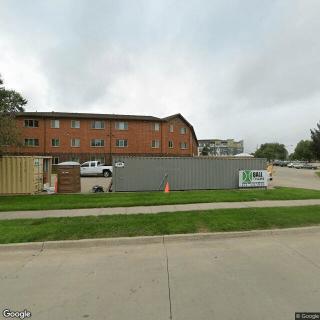




 Funding and Affording Assisted Living: A Thorough Overview
 Assisted Living Expenses and Long-Term Care Insurance: A Comprehensive Exploration
 Securing Financial Support for Assisted Living: A Comprehensive Overview