Bickford of Urbandale offers competitive pricing for its residents, particularly when compared to the broader market in Polk County and across Iowa. For a studio room, the monthly cost at Bickford is $1,406, significantly lower than the average costs of $3,533 in Polk County and $3,613 statewide. This presents an attractive option for individuals seeking affordable care without compromising on quality. However, for a one-bedroom unit, Bickford's price of $4,867 stands in stark contrast to the county average of $2,528 and the state average of $2,862. This discrepancy highlights a potential need for prospective residents to consider their options carefully based on their specific needs and budget constraints. Overall, while Bickford excels in affordability for studio accommodations, it may be worth exploring other alternatives for one-bedroom living arrangements within the region.
Floor plans
Bickford of Urbandale
Polk County
Iowa
Studio
$1,406
$3,533
$3,609
1 Bedroom
$4,867
$2,528
$2,863
Memory care communities with a similar price nearby
Residents and families consistently describe staff as kind, caring, and responsive to needs.
Many reviewers emphasize how welcoming and genuinely caring the staff feel, using words like “family” and noting that caregivers show up for daily needs. A number of families also mention specific help—answering questions, walking alongside them, and following up when something happens. Some negative reviews still point to problems with communication or care delivery, but even those reflect that staffing and leadership matter to residents’ day-to-day experiences.
common28 reviews mention this
Home-like feel with strong cleanliness
Reviewers repeatedly mention a home-like environment and ongoing cleanliness.
Across reviews, people describe the facility as clean, well kept, and warm in a way that feels less institutional. Multiple comments highlight a “homey” atmosphere, welcoming smells, and environments that look loved or maintained. A smaller set of notes includes concerns such as odor or less-than-perfect cleanliness in specific areas, including memory care.
common21 reviews mention this
Activities keep residents engaged
Residents often point to regular activities that help keep people engaged.
Reviewers frequently describe organized activities, off-site and on-site events, and an activities coordinator who helps residents stay entertained. Several mention engagement through games, music, crafts, and church services, and a few say family members see improved comfort or happiness when activities fit. There are also a few limits noted—some people say activities didn’t interest their loved one, and one reviewer describes activities being limited or inconsistent.
common19 reviews mention this
Dining is a frequent positive
Dining draws frequent praise for taste, variety, and meal support.
Many reviewers mention that meals are good, fresh, and thoughtfully prepared, with some specifically calling out variety and options. Families also describe meal support as part of daily routines, including breakfast, lunch, and dinner. A few reviews raise concerns about food quality or portions, but the overall theme is that dining is a standout part of the experience.
caveat10 reviews mention this
Care timing and staffing raise concerns
Some families report care breakdowns tied to staffing and medication timing.
A recurring concern in the reviews is delays and gaps in care delivery, including medication changes not being completed on time and difficulty getting needed attention. Several comments connect problems to being understaffed and mention inconsistent follow-through around resident needs. Even while many others report good care, these complaints are specific enough to focus attention on timeliness and consistency.
caveat6 reviews mention this
Cost feels high for some families
A number of families say the community is expensive for the level of fit.
Some reviewers describe pricing as too high or more than expected, and at least one compares cost and care levels with another option they considered. There is also a concern about eligibility for public funding mentioned by a tour review, which affected the decision for that family. Taken together, pricing comes up as a barrier even for visitors who otherwise liked the facility.
How we summarize
Counts show how many written reviews mention each theme; a review can touch several themes, and only frequently mentioned themes are displayed.
Features
Housing
98 resident community capacity
Types of Care
Assisted Living
Memory Care
Respite Care
Pets
Cats allowed
Dogs allowed
Amenities
Activities off-site
Activities on-site
Air-conditioning
Bath tubs
Beautician on-site
Beauty salon
Cable or satellite TV
Computer center
Devotional services off-site
Devotional services on-site
Dining room
Fitness room
Fully furnished
Gaming room
Garden
Housekeeping services
Indoor common areas
Kitchenette
Laundry
Move-in coordination
Outdoor common areas
Outdoor space
Private bathrooms
Resident parking
Respite or short term stays offered
Restaurant-style dining
Small library
Telephone
Wellness center
Wheelchair accessible showers
Wi-Fi/high-speed internet available
Transportation
Des Moines International (8 miles away)
Community operated transportation
Transportation & parking
Transportation arrangement
Transportation arrangement (non-medical)
Transportation to doctors appointments
Care Services
12-16 hour nursing
24-hour call system
24-hour supervision
Activities of daily living assistance
Ambulatory care
Assistance with bathing
Assistance with dressing
Assistance with transfers
Diabetes diet
Diabetic care
Incontinence care
Meal preparation and service
Medication management
Mental wellness program
Mild cognitive impairment
Special dietary restrictions
Specialized memory care programming
Dining
Diabetes diet
Meals provided
Special dietary restrictions
Vegetarian
Activities
Activities off-site
Activities on-site
Community-sponsored activities
Concierge services
Devotional activities offsite
Devotional activities on-site
Fitness programs
Planned day trips
Resident-run activities
Scheduled daily activities
Nearby Places of Interest
This area of Urbandale, Iowa offers a convenient and diverse range of amenities for seniors looking to reside in the community. With several reputable dining options such as McDonald's, Bandit Burrito, and El Mariachi nearby, residents can enjoy a variety of cuisine choices. In terms of healthcare services, Mercy Urbandale Medical Clinic and several pharmacies are within close proximity for easy access to medical care. Additionally, Terra Park and Lions Park provide opportunities for outdoor recreation and relaxation. For entertainment, Flix Brewhouse Des Moines is conveniently located for movie enthusiasts. Overall, this part of Urbandale offers a balanced mix of essential services and recreational activities suitable for senior living needs.
Restaurants
McDonald's (0.3 miles)
Bandit Burrito (0.6 miles)
Jersey Mike's (1 miles)
El Mariachi (1.2 miles)
McAlister's Deli (1.4 miles)
Maria's Mexican Food (1.4 miles)
Van Dee's Ice Cream Shoppe (1.4 miles)
Parks
Terra Park (0.8 miles)
Lions Park (1.2 miles)
Physicians
Mercy Urbandale Medical Clinic (0.9 miles)
Eyemart Optical Outlet - North Des Moines (1.3 miles)
Bickford of Urbandale offers competitive pricing for its residents, particularly when compared to the broader market in Polk County and across Iowa. For a studio room, the monthly cost at Bickford is $1,406, significantly lower than the average costs of $3,533 in Polk County and $3,613 statewide. This presents an attractive option for individuals seeking affordable care without compromising on quality. However, for a one-bedroom unit, Bickford's price of $4,867 stands in stark contrast to the county average of $2,528 and the state average of $2,862. This discrepancy highlights a potential need for prospective residents to consider their options carefully based on their specific needs and budget constraints. Overall, while Bickford excels in affordability for studio accommodations, it may be worth exploring other alternatives for one-bedroom living arrangements within the region.
Bickford of Urbandale's comprehensive memory care services are designed to address the unique needs of individuals with dementia or Alzheimer's disease. The 24-hour supervision ensures residents receive constant support and safety, while assistance with activities of daily living--including bathing, dressing, and transfers--promotes dignity and encourages independence. Incontinence care is managed with sensitivity, ensuring comfort for residents. Meal preparation and service cater to nutritional needs, which can impact cognitive health. Medication management ensures adherence to prescribed treatments, reducing the risk of confusion regarding dosages. The mental wellness program fosters cognitive engagement through tailored activities that stimulate memory and social interaction. Additionally, specialized memory care programming targets various stages of cognitive decline, including mild cognitive impairment, providing a structured environment that supports both emotional well-being and physical health throughout their journey.
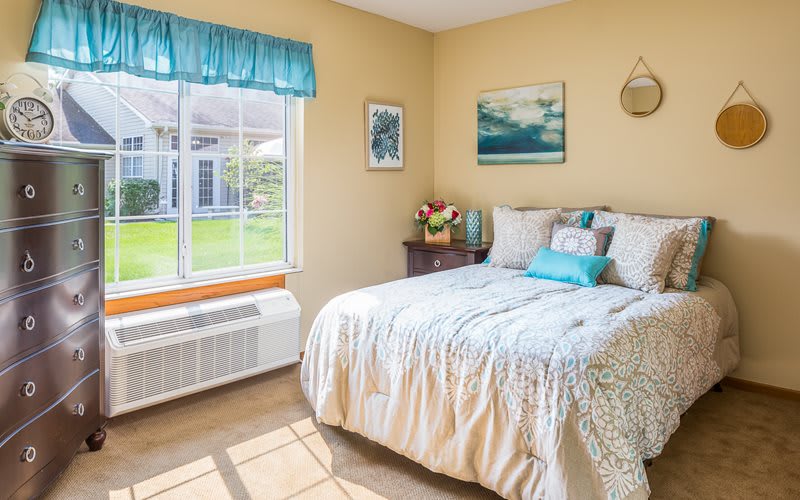
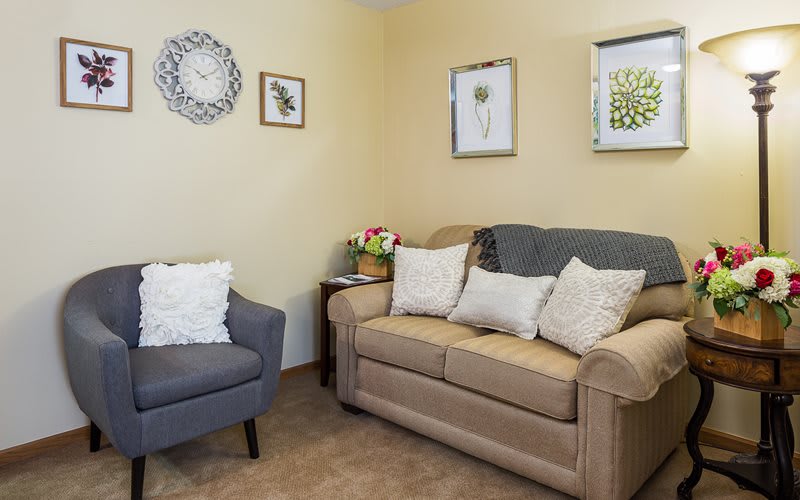
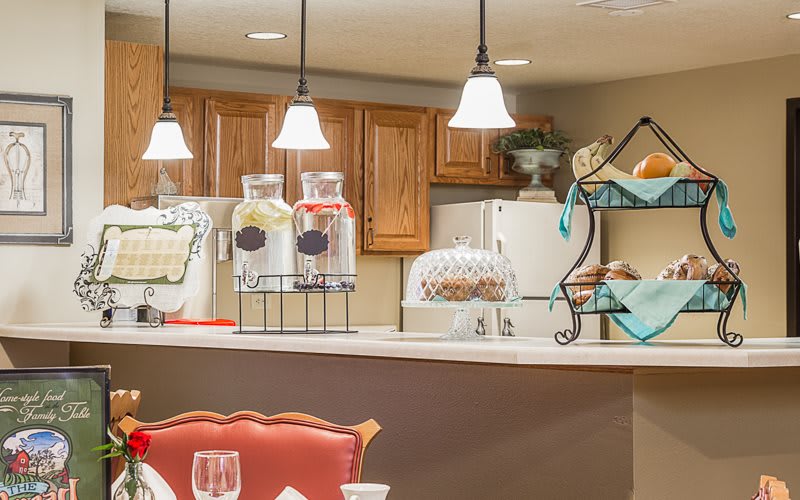
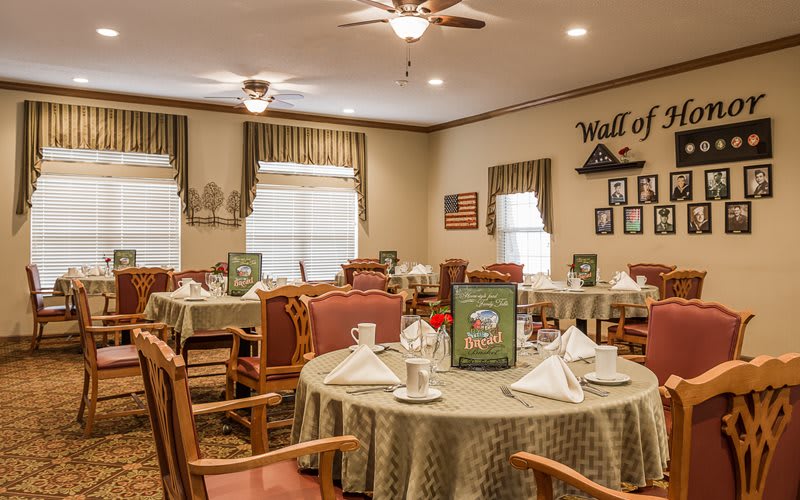
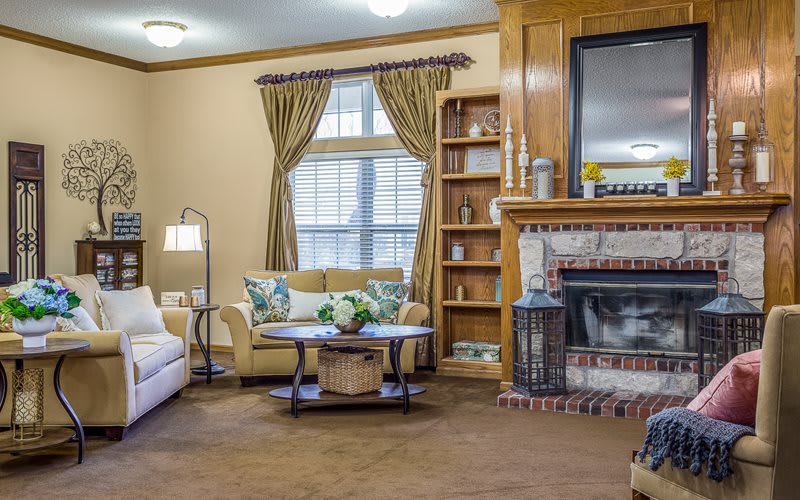
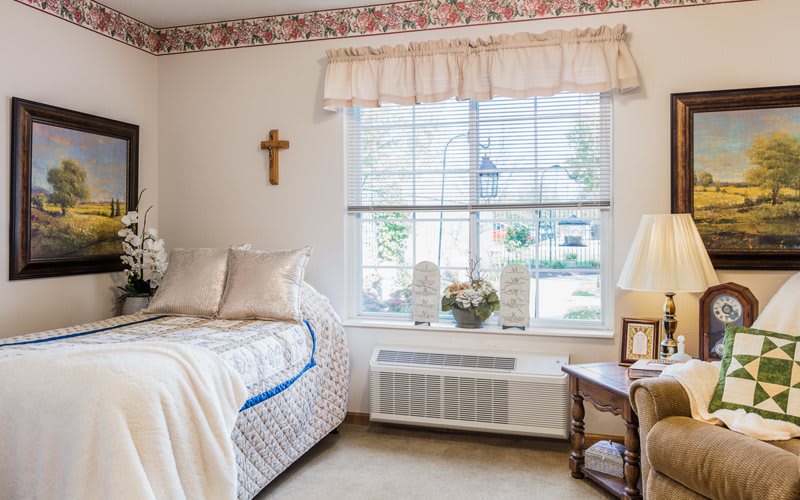
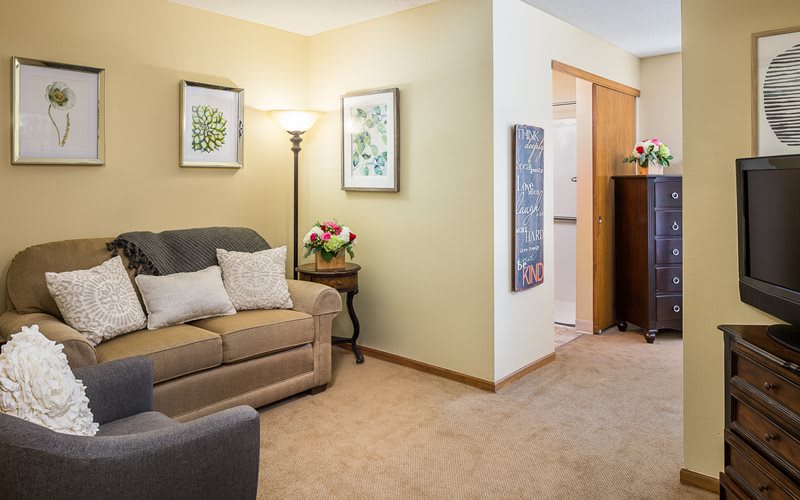
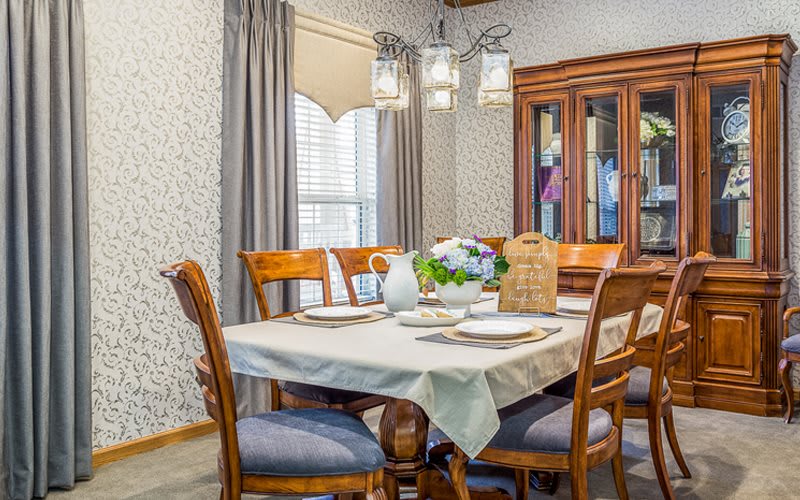
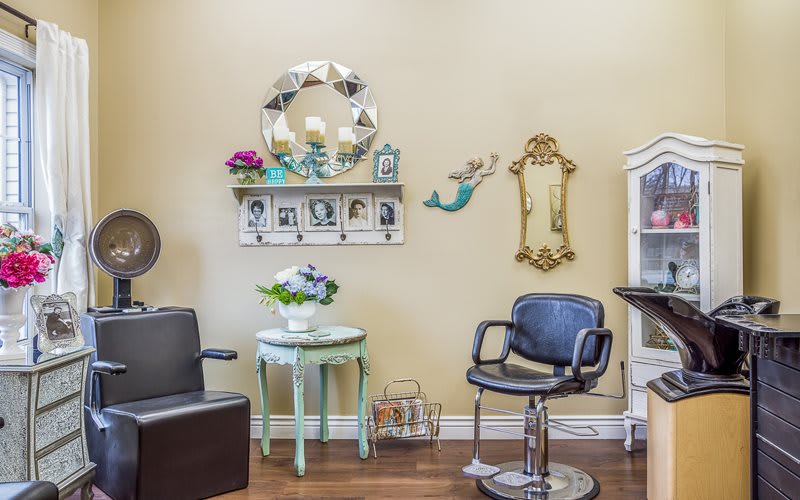
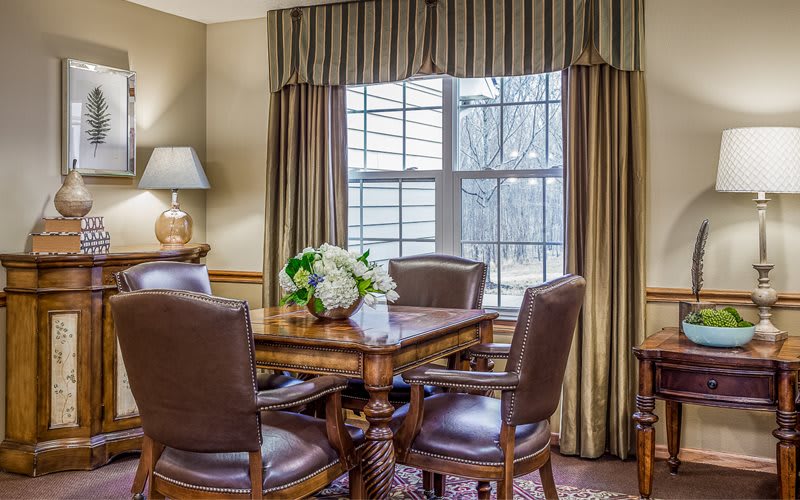
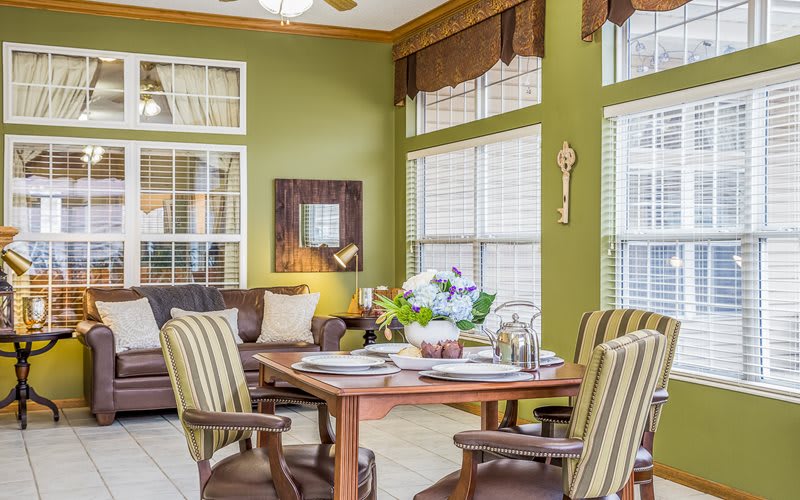
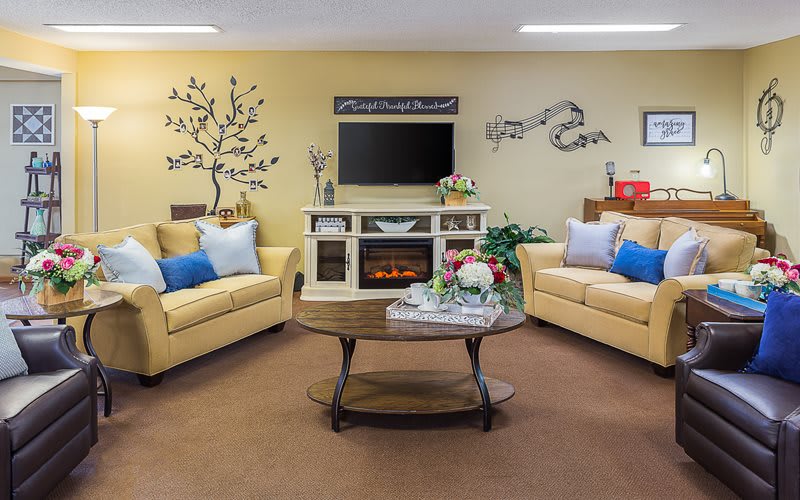
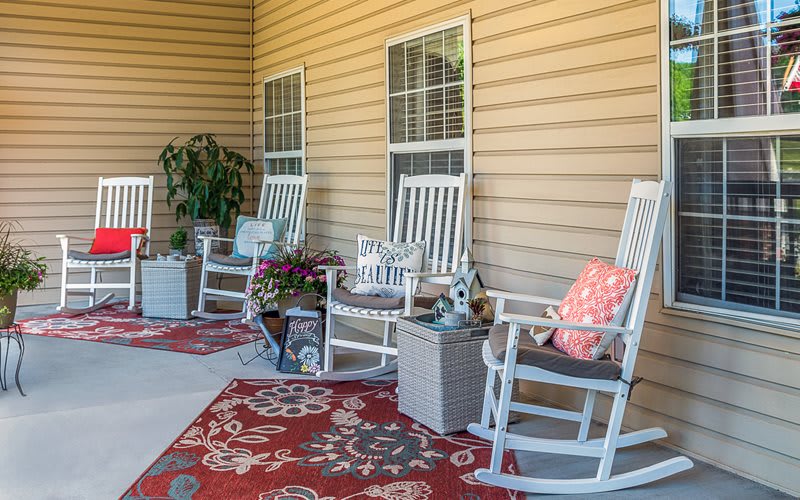
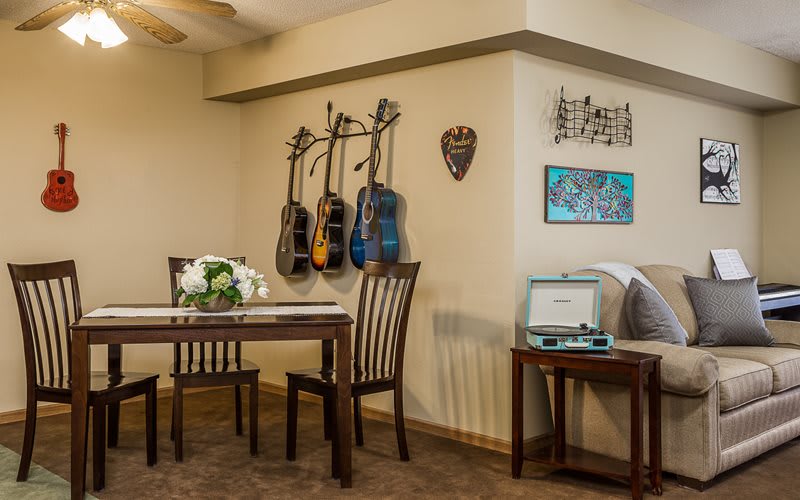
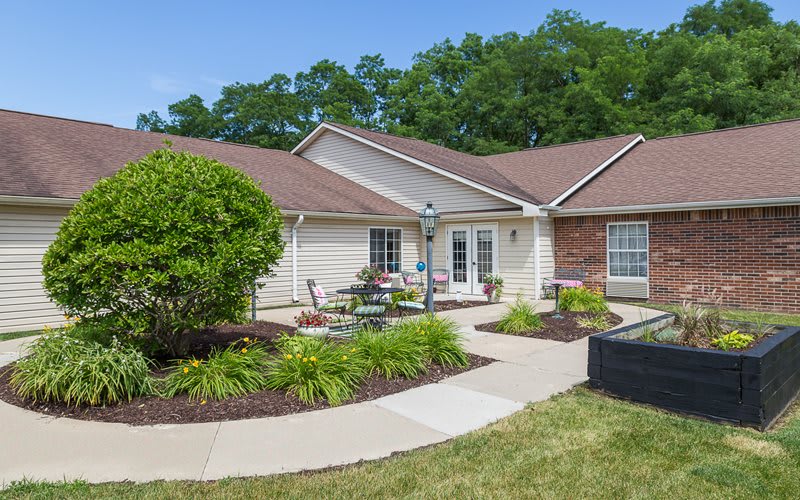
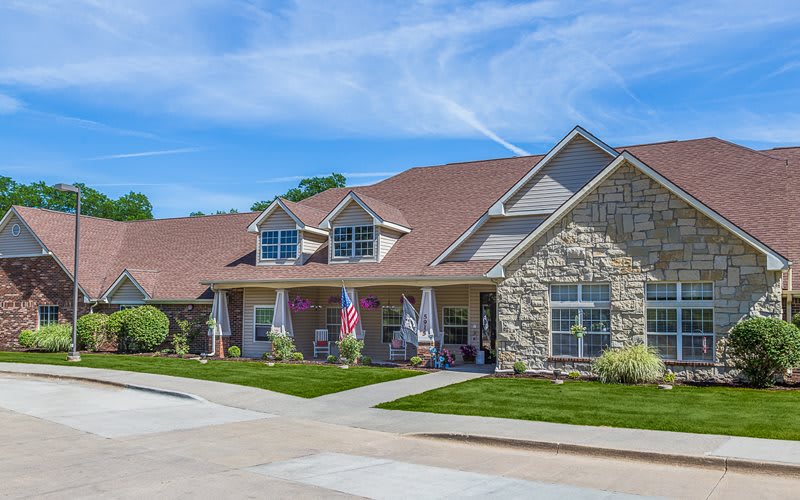
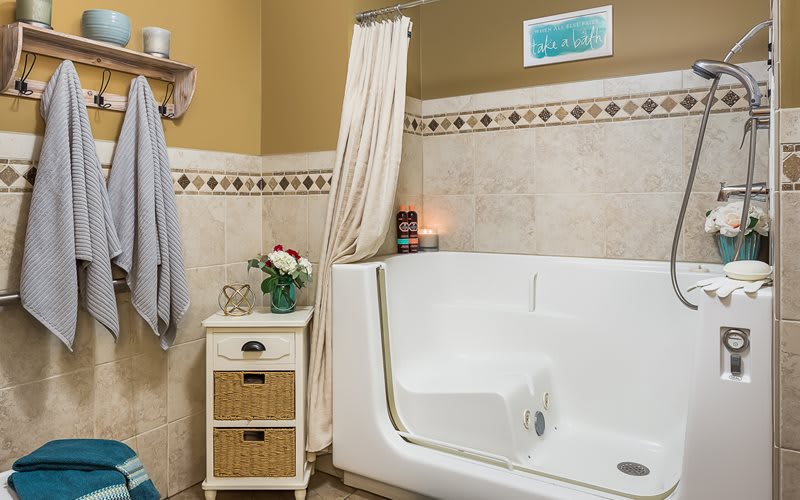
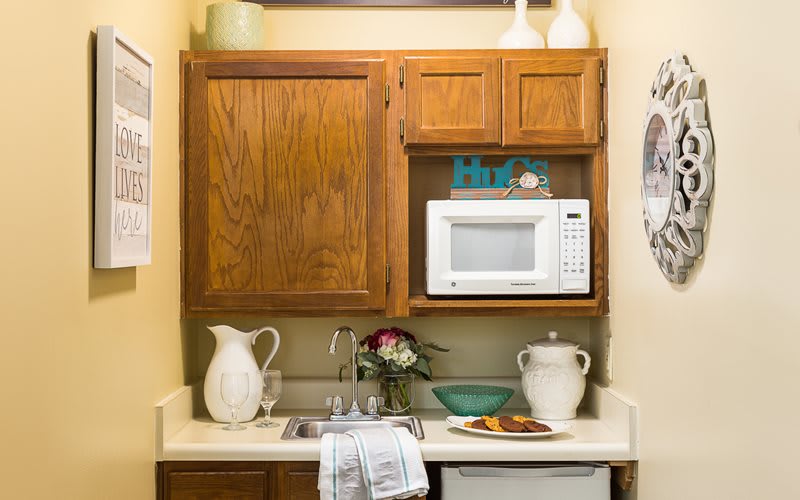
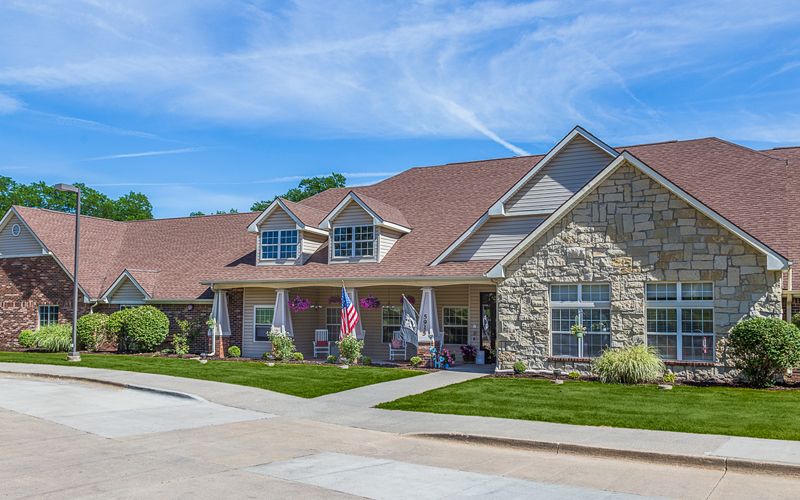
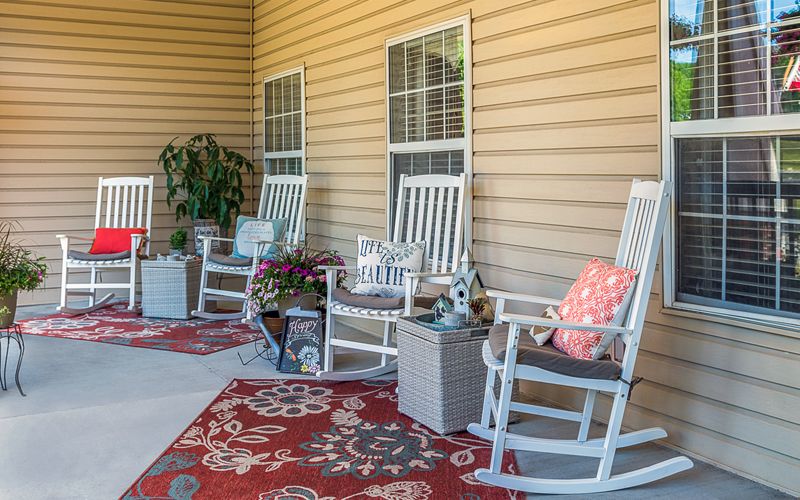
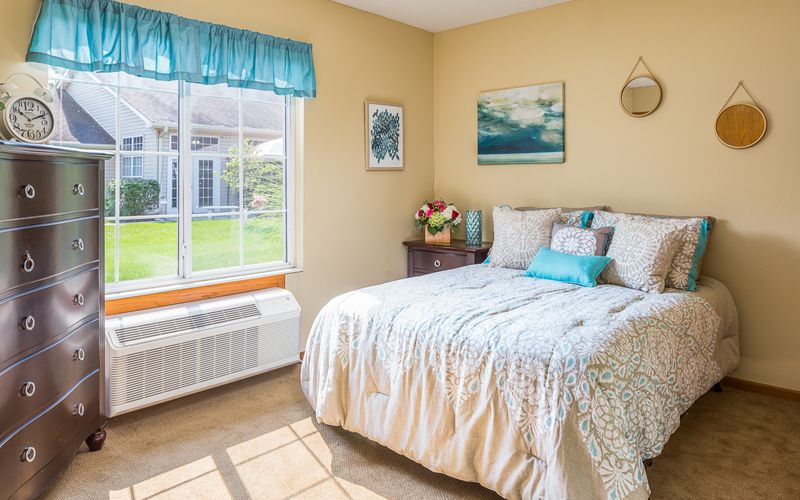
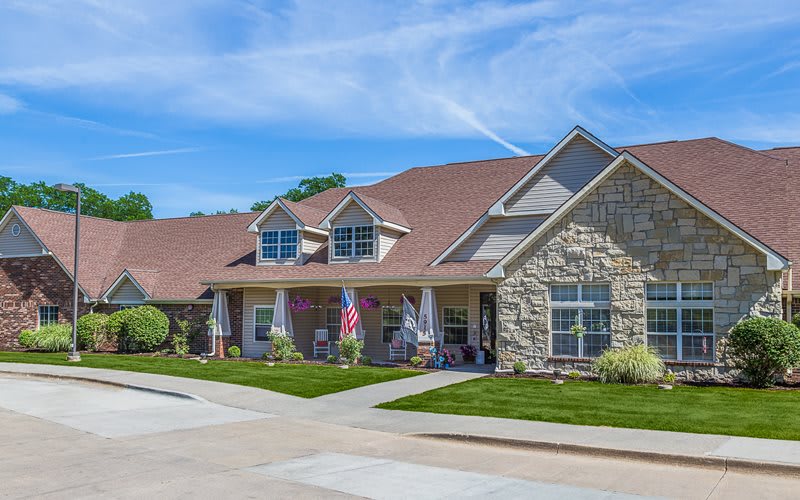
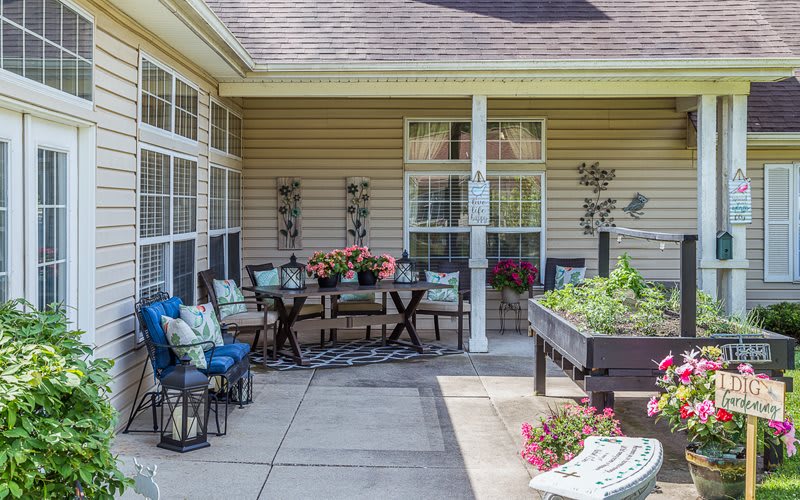
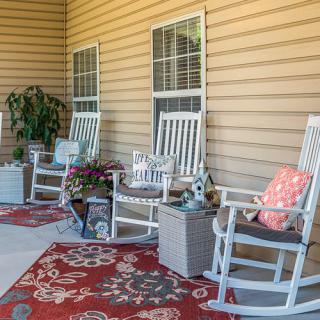
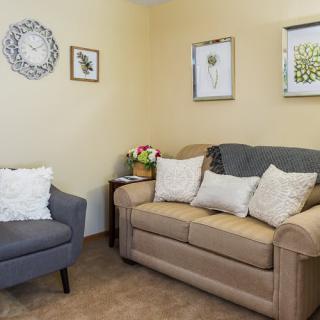
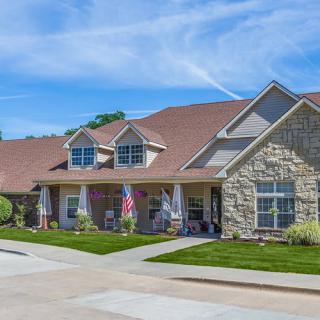
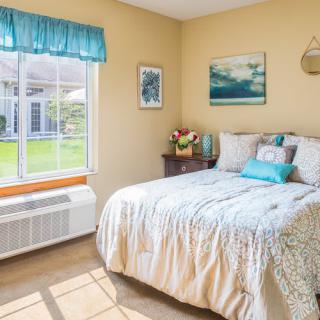
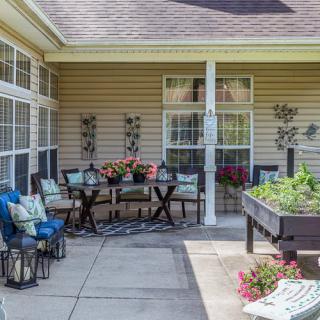
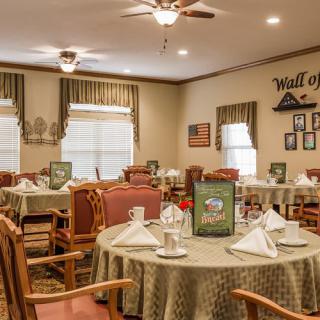
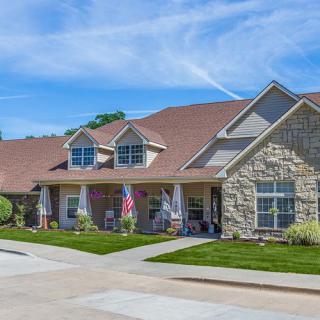
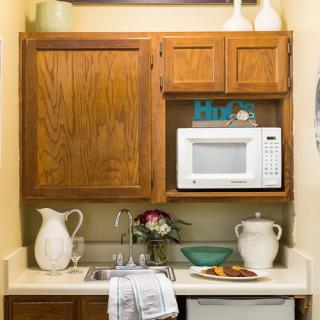
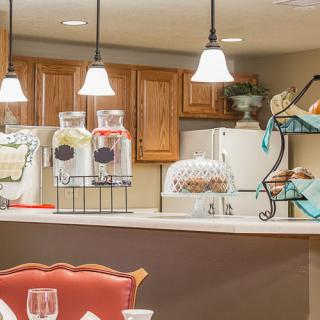
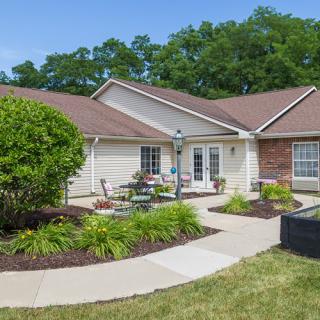
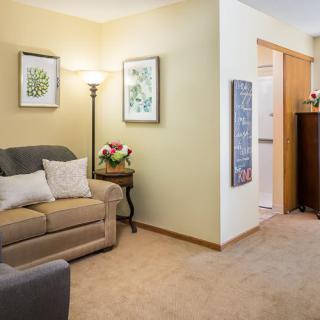
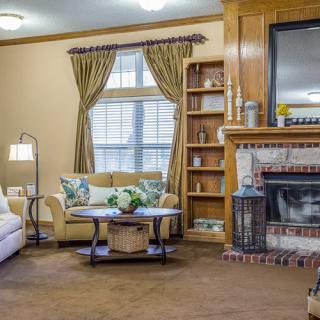
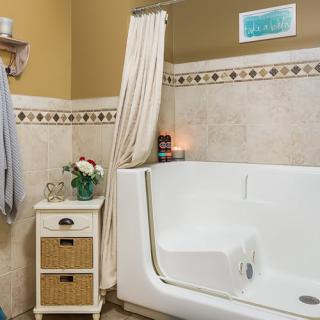
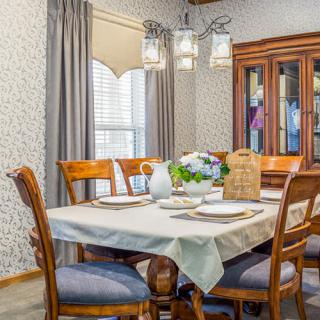
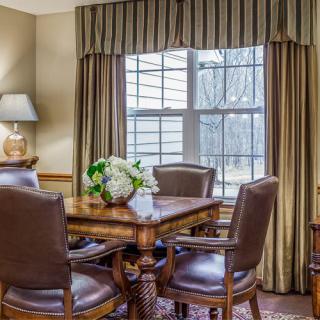
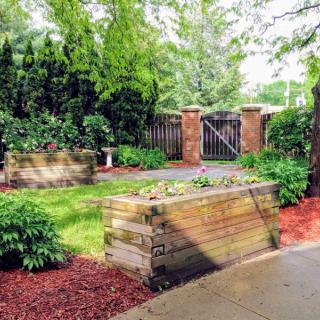
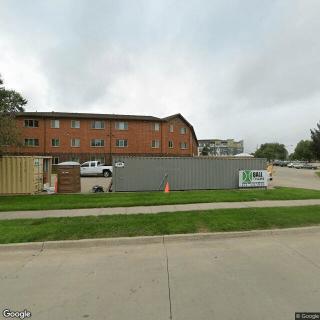
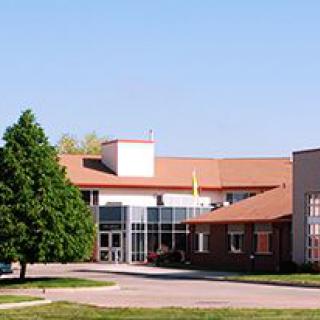
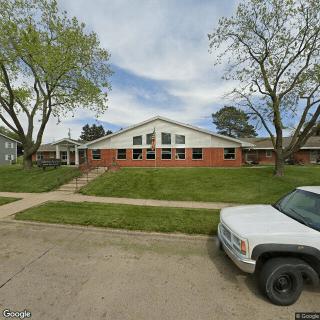
Bickford of Urbandale on seniors.fyi includes 24 photos including images showing decor, interior, windows, landscaping, dining, bedroom, living room, wall art, and more.
Nearby Communities
Childserve Habilitation Center
Johnston, IA
5 from 1 review
24/7 supervision with medication management and extensive on-site amenities (dining, fitness, salon, activities, transportation).
Edencrest At Green Meadows
Johnston, IA
4.4 from 66 reviews
$4,900 to $6,691 / month
Friendly, caring staff in a clean, pleasant environment with on-site activities.
Martina Place Assisted Living
Johnston, IA
4 from 5 reviews
All-in-one campus with independent living, memory care, and skilled nursing, plus diabetic care.
Bishop Drumm Retirement Center
Johnston, IA
3.9 from 82 reviews
$2,000 to $2,900 / month
Friendly staff in a well-maintained, close-knit community with a range of care options.
Ahepa 192 Apartments
Johnston, IA
4.5 from 13 reviews
Convenient location with access to dining, parks, worship, and healthcare nearby.
Senior Suites Of Urbandale
Urbandale, IA
4.4 from 19 reviews
Caring staff in a clean, home-like setting with engaging activities.
Karen Acres Health Care Center
Urbandale, IA
4 from 36 reviews
Caring, attentive staff with comfortable private-room accommodations.
Brio of Johnston
Johnston, IA
4 from 34 reviews
All-inclusive pricing with attentive staff and excellent meals.
Dementia causes cognitive decline and challenging behaviors that caregivers must manage, necessitating an understanding of the neurological basis of these issues. Effective strategies and self-care for caregivers can enhance support for those with dementia and improve their daily lives.
The content outlines five key early indicators of dementia, including significant memory loss and confusion about time and place, while emphasizing the need for professional evaluation and emotional support for both individuals showing symptoms and their caregivers. It encourages family members to monitor these signs closely and use online quizzes for initial awareness.
The article highlights eight indicators that a loved one with dementia may require specialized memory care, emphasizing the emotional and logistical challenges families encounter in this decision. It discusses signs such as difficulties with daily tasks, safety concerns, and caregiver burnout, suggesting that memory care facilities can provide the necessary support and structured environments for those experiencing cognitive decline.
Get PricingAsk A QuestionSchedule A TourContact Senior Advisor
By clicking submit, you agree to our Partner's Terms of Use. You
also consent to receive calls and texts, which may be autodialed, from our Partner. Your consent is not a condition to
using our Partner's service. Please visit our Partner's Privacy Policy for information about their privacy practices.



 98 resident community capacity
 Assisted Living
 Memory Care
 Respite Care
 Cats allowed
 Dogs allowed
 Activities off-site
 Air-conditioning
 Bath tubs
 Beautician on-site
 Cable or satellite TV
 Computer center
 Devotional services off-site
 Dining room
 Fitness room
 Fully furnished
 Gaming room
 Garden
 Housekeeping services
 Indoor common areas
 Kitchenette
 Laundry
 Move-in coordination
 Outdoor common areas
 Private bathrooms
 Resident parking
 Restaurant-style dining
 Small library
 Telephone
 Wellness center
 Wheelchair accessible showers
 Wi-Fi/high-speed internet available
 Des Moines International (8 miles away)
 Community operated transportation
 12-16 hour nursing
 24-hour call system
 Ambulatory care
 Assistance with bathing
 Assistance with dressing
 Assistance with transfers
 Diabetes diet
 Diabetic care
 Incontinence care
 Medication management
 Mental wellness program
 Special dietary restrictions
 Concierge services
 Planned day trips
 24/7 supervision with medication management and extensive on-site amenities (dining, fitness, salon, activities, transportation).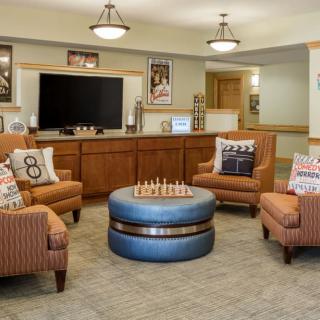

 Dementia Behaviors: In-Depth Understanding and Effective Coping Strategies
 5 Early Indicators of Dementia and What You Can Do
 8 Important Indicators That Memory Care May Be Necessary