
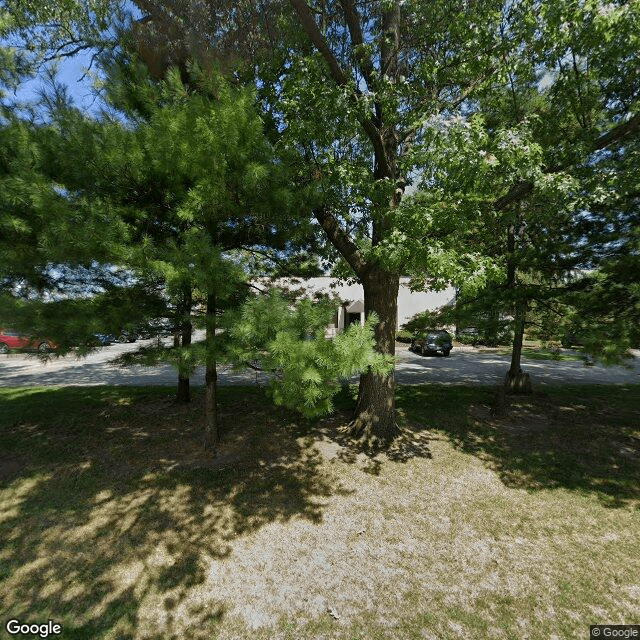
111 Sunnybrook Ct, South Bend, IN 46637
To contact a resident: (574) 243-3100
For more information about senior living options: (866) 208-4318
Overall Review of Hospice Of St Joseph County
Pros
 The reviewer loves the place and had volunteered there in their 30s.
- The reviewer describes it as a cool place.
- The reviewer notes there is new construction and parking and says the exterior looks great.
- The reviewer notes that the young lady they dropped off enjoyed her time there.
- The place was very nice.
- The place is described as friendly.
- Aris at Home is described as a wonderful group to work with, helping arrange in-home daily care.
- The staff were very professional, explained details clearly, and thoroughly answered all questions.
Cons
Review
This community is best suited for families that want a warm, approachable entry point into hospice planning, especially when there is consideration of at-home support as part of the care plan. It works well for those who value clear guidance and practical coordination with home-health resources. The strongest appeal lies in the staff’s ability to explain options in detail and to connect families with services that keep loved ones at home when that is feasible or desirable. Those who expect a long-term, on-site skilled-care environment with a dense menu of in-house medical services may want to look elsewhere, as the experiences described emphasize guidance and placement rather than a deep dive into facility-level clinical programming.
From the reviews, a clear strength emerges in how the team interacts with families. Staff are described as professional, patient, and thorough in answering questions, not shying away from difficult decisions. This matters when families are weighing “home-first” strategies versus moving into a facility setting. The willingness to walk through options, to explain who could help at home, and to coordinate with external providers is a meaningful asset. The overall vibe that comes through is one of approachability and collaboration, which reduces the anxiety many families feel when facing end-of-life planning and care transitions.
On the practical side, the facility’s visible assets, new construction and ample parking, offer tangible comfort to visitors and prospective residents. A modern exterior can translate into a perception of up-to-date practices and easier access, even if interior conditions and day-to-day routines require direct inspection. The social atmosphere described as “friendly” reinforces a perception of approachable staff and a respectful environment. For families prioritizing straightforward access, predictable logistics, and a smooth handoff to home-based services, these factors are not trivial; they offset some of the hesitancy that accompanies entrusting a loved one to hospice care.
Yet there are discernible caveats that prospective families should weigh carefully. The review set provides limited firsthand detail on actual in-facility care delivery, and one account notes that a reviewer did not enter the space to form a definitive opinion. A 2-star rating within the mix signals that experiences are not uniformly positive or that expectations may diverge, often a cue to probe further. Given the emphasis on external placement and home-care coordination, the main risk is a potential mismatch between expectations of on-site medical intensity and what the facility emphasizes as its core strength: planning, guidance, and connection to at-home supports rather than a heavy, in-house clinical routine.
These pros offset the stated cons most effectively for families leaning toward home-centric hospice planning. The standout advantage is the capability to leverage professional explanations and a network of home-care options, which can shorten the decision arc and clarify what is feasible for a loved one’s daily needs. The combination of clinical sensitivity (as reflected in professional, detail-oriented conversations) and practical logistics (new facilities, parking, and welcoming staff) positions this community as a practical choice for those who want to retain control over care settings while ensuring a supportive transition. For families needing a strong advocate to assemble home-based care teams, this environment offers credible, action-oriented support that can reduce decision fatigue.
In deciding whether this community is the right move, consider a focused next step: schedule a visit with a clear agenda to assess both the on-site atmosphere and the breadth of home-care connections available. Ask for candid scenarios, what a typical week looks like for someone receiving palliative services at home versus in a facility, what staff-to-patient ratios look like, and how the team collaborates with external providers. Request contact with a case manager who can walk through cost, coverage, and the exact nature of home-health referrals. If the priority is a facility with robust in-house programming and long-term skilled nursing stability, compare with alternatives that showcase transparent on-site metrics and longer-term care tracks. For families prioritizing planning expertise and seamless home-care integration, this community stands out as a practical, assertive partner.
 South Bend Regional (4 miles away)





 6 Crucial Ways an Elder Law Attorney Assists Families
 Navigating the Tax Landscape of Caregiving: Credits, Deductions, and Beyond
 Highly Beneficial Low-Impact Exercises for Senior Living Residents