
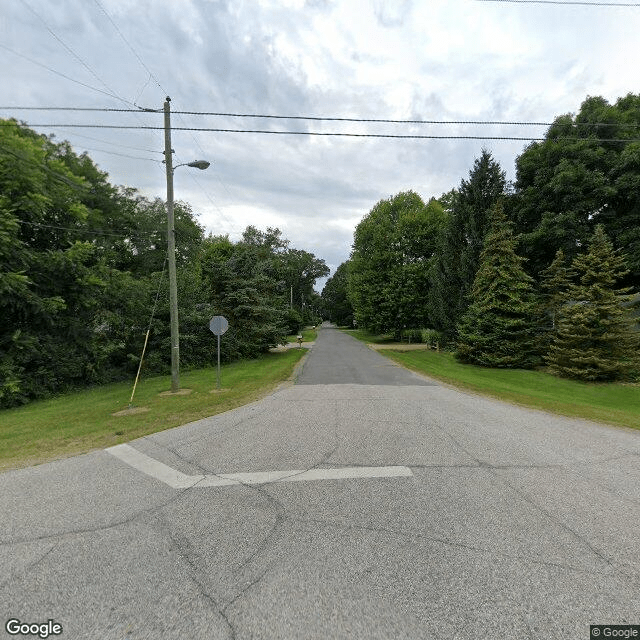
17400 Glendale Ave, South Bend, IN 46635
To contact a resident: (317) 333-4074
For more information about senior living options: (866) 208-4318
Overall Review of Helping Angels Care Assisted Living
Pros
 They provide a wonderful and safe living environment for seniors.
- They offer the best care and meet each senior’s unique needs.
- They treat residents like family.
- George and his wife exceed expectations with their dedication.
- They create a comforting home atmosphere where residents enjoy activities.
- They provide mobility support, helping residents move with walkers.
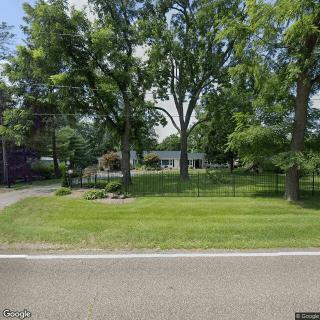
- The home is large, clean, and well cared for.
- George, Sarah, and the Helping Angels team are compassionate, professional, and attentive.
- They communicate frequently with families, often sharing photos to keep them informed.
- They are a blessing to families seeking high-quality care in a home environment.
Review
Helping Angels Care Assisted Living in South Bend is best suited for seniors who want a warm, home-like environment where care feels personal and consistently attentive. This community shines for individuals who need help with daily tasks, enjoy familiar routines, and value frequent human contact from caregivers who treat residents like family. The model hinges on the hands-on leadership of George and Sarah and a small, dedicated team that creates a safe, homey atmosphere rather than a clinical setting. For families seeking an intimate, relationship-driven care experience, where meals, conversations, and daily activities happen in a familiar, domestic space, this community stands out as a solid match.
Those who may want to consider alternatives are seniors requiring intensive medical oversight or a highly structured memory-care program, as well as families prioritizing a larger campus with a broader slate of on-site specialists and amenities. The reviews consistently highlight personal, home-based care rather than a hospital-like environment, which can be a limitation for residents with complex, 24/7 skilled nursing needs or advanced dementia care that demands specialized staff, equipment, and safety protocols typical of larger facilities. In short, this is not the pick for families seeking a traditional, expansive memory-care campus or a facility with extensive in-house medical teams.
The strongest pros, personalized attention, compassionate leadership, and a genuine home atmosphere, significantly offset potential drawbacks by delivering steadier responsiveness, lower patient-stress transitions, and meaningful daily engagement. Residents benefit from direct oversight by the owners, frequent check-ins, and visible care routines that emphasize safety, cleanliness, and consistent nourishment. The “like family” dynamic reduces anxiety around moving to care, helps families stay informed through regular updates and photos, and fosters trust that the senior will remain engaged rather than isolated. When a senior priorities warmth, humor, and relationship-based care, these advantages carry real weight.
Communication emerges as a central strength worth leaning into for families weighing options. The care team’s willingness to share regular updates, often accompanied by photographs, creates a transparent, reassuring link between the home and the family. This level of involvement helps families feel connected to daily life and decisions, making the transition less stressful and the ongoing care easier to monitor. Coupled with a clean, safe physical setting and well-maintained living spaces, the communication cadence amplifies the sense that loved ones are actively known and valued by the caregivers.
Memory and cognitive needs are addressed through flexible, person-centered care that adapts to varying levels of ability. The reviews reference both cognitive and non-cognitive seniors thriving in this environment, with the owners delivering humor, patience, and structured activities that maintain engagement. Still, the informal, home-based model may not replace a formal memory-care program for residents with advanced neurodegenerative conditions. Prospective families should verify the facility’s specific capabilities in dementia care, including staff training, environmental safeguards, and whether any dedicated memory-care spaces exist within the home, to ensure alignment with the resident’s trajectory.
In sum, Helping Angels Care Assisted Living is a strong fit for families seeking a closely supervised, family-style alternative to a traditional nursing home, one where the senior is treated like a member of a caring household and everyday life centers on connection, safety, and meaningful activity. Those who prioritize clinical intensity, broad on-site medical services, or specialized memory-care infrastructure should explore larger, more institution-like options. To move forward, schedule a visit to observe caregiver interactions, discuss staffing lines and shifts, confirm memory-care capabilities if needed, and review a clear plan for medical coordination, emergency protocols, and routine family communication. This approach will reveal whether the home’s distinctive strengths align with the senior’s specific needs and the family’s comfort level.
 Assisted Living
 Board and Care Home
 Activities on-site
 Devotional services off-site
 Indoor common areas
 South Bend Regional (5 miles away)
 Ambulatory care
 Diabetic care
 Meals provided

 How and When Medicaid May Cover Assisted Living Costs
 A Detailed Exploration of Assisted Living Medicaid Waivers Across the United States
 Comprehensive Residential Support and Assisted Living Solutions for Individuals with Disabilities