
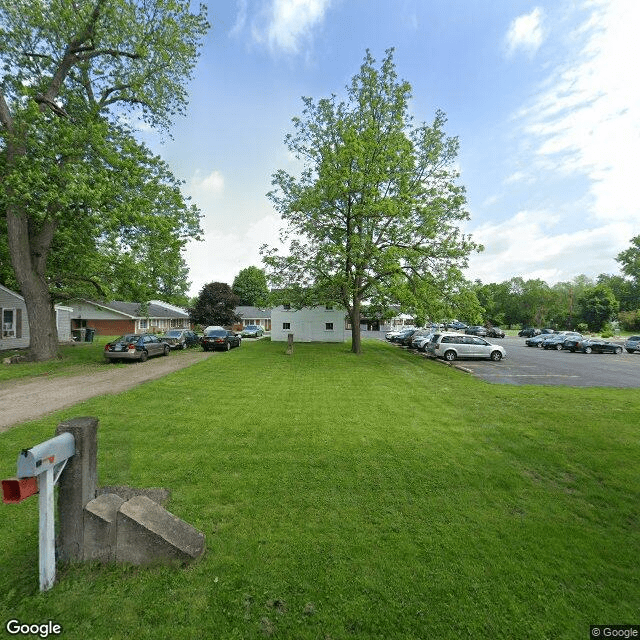
1042 Oak Drive, Richmond, IN 47374
For more information about senior living options: (866) 208-4318
Golden Living Center - Richmond Costs & Pricing
Golden Living Center - Richmond offers semi-private rooms at a monthly cost of $4,520, which positions it competitively within the local landscape. In Wayne County, the average expense for similar accommodations stands notably higher at $5,810, while statewide averages across Indiana reflect a lower benchmark of $3,739. This pricing suggests that Golden Living Center - Richmond provides a valued service that balances quality care with affordability, especially when compared to its county counterparts. The facility's fees could appeal to families seeking comprehensive care solutions without straining their budgets excessively in comparison to local options.
| Floor plans | Golden Living Center - Richmond | Wayne County | Indiana |
|---|---|---|---|
| Semi-Private | $4,520 | $5,810 | $3,739 |
Skilled Nursing Facilities with a similar price nearby
-
About the same
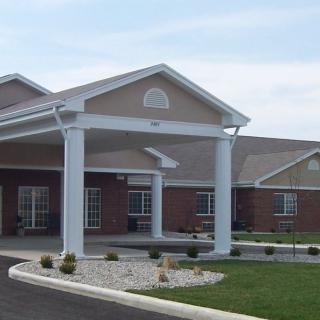
Forest Park Health Campus
$4,440 / month2.5 miles away -
About the same

Golden Living Center Golden Rule
$4,600 to $5,000 / month3.5 miles away -
from -$501 / mo

Brethren Retirement Community
$4,019 to $5,214 / month21.3 miles away -
from -$175 / mo

Arbor Trace Health & Living Community
$4,345 to $7,080 / month3.1 miles away
Overall Review of Golden Living Center - Richmond
Pros
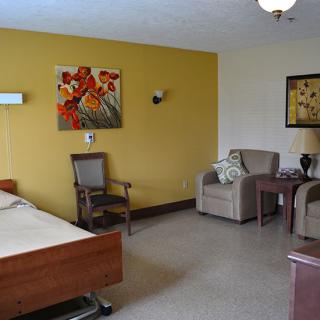
 Residents have long-term private Medicaid suites at no additional cost.
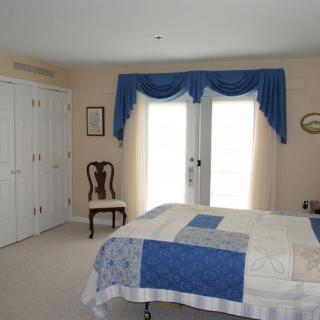
- Residents can bring their own furniture.
- The facility offers residents the freedom to create the lifestyle they've always wanted.
- Residents awaken each morning to a colorful palette of possibilities and can stay as active as they want.
- The Oak Ridge staff are experienced, detail-oriented professionals who are consistently respectful and gentle with residents.
- The staff, especially the nurses, are caring and compassionate and take time to discuss residents' conditions.
Cons
 The rooms are a bit small and many patients have to share a room.
- The facility constantly smells of urine and feces, which the reviewer hates.
- It is sad when residents pass away.
- The emotional toll of forming attachments to residents is described as the toughest part.
Review
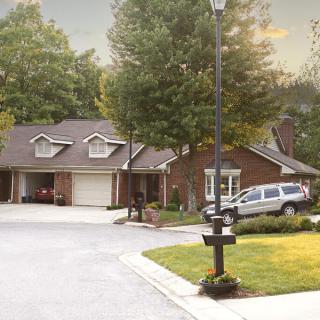
Golden Living Center - Richmond is best suited for seniors who need ongoing skilled nursing care and come with Medicaid considerations, and for families that want a tangible sense of home through long-term private suites at no extra cost. The community’s strongest appeal lies in the ability to furnish the patient’s room with personal items and in a care team that relatives consistently describe as attentive and genuinely engaged. For families navigating budget constraints, the prospect of private, Medicaid-supported living space helps stabilize the overall care plan, reducing the stress of funding care while keeping a familiar, homey atmosphere.
Those who should consider alternatives are primarily families prioritizing private room privacy as a baseline, or those who require a facility with minimal shared spaces. A recurring concern in the reviews is that rooms tend to be small and many residents must share. Odor control and cleanliness are also highlighted as significant issues for some visitors. If privacy, modern amenities, and consistently pristine room conditions are non-negotiables, it pays to broaden the search to other local options, facilities that offer all private rooms, newer design standards, and stronger odor management without compromising access to medically necessary care.
The positives around staff compassion and family communication can meaningfully offset some drawbacks, but they don’t erase the impact of limited in-room privacy. Families report that nurses and aides are respectful, caring, and willing to discuss a resident’s condition in a meaningful way, which translates into better day-to-day reassurance and better care coordination. The Medicaid-friendly suites reduce financial burden and provide a familiar, personalized space that helps residents maintain a sense of routine and identity. When these strengths align with a resident’s medical needs, the overall care experience remains solid and trustworthy, even if the physical footprint is imperfect.
From a decision-making standpoint, key questions to prioritize during a visit include: what are the current room arrangements and what options exist for private suites for long-term Medicaid residents? How reliably is housekeeping and odor control managed across shifts, and what is the plan if a room needs maintenance or renovation? Observe resident interactions with staff and try to gauge the atmosphere in common areas, does the environment feel clean and well-maintained? Inquire about room furnishings, the process for bringing personal items, and the flexibility for family involvement in daily routines and care planning. These specifics will reveal whether the facility’s care culture can compensate for the physical limitations observed.
If choosing this community, the practical path is to secure concrete assurances on room configuration and maintenance. Ask for a current floor plan showing which rooms are designated for Medicaid long-term residents and whether all-private-room arrangements are available under the same program. Clarify the frequency of room cleaning, linen services, and scent control measures to address odor concerns. It’s essential to verify staffing levels and continuity of care across shifts, plus how the team manages changes in medical status and rehabilitation goals. The combination of affordable, personalized living space and a compassionate, communicative staff makes this a viable option for cost-conscious families who can tolerate some constraints on privacy and room size; otherwise, survey alternatives that deliver more private, modernized accommodations without compromising essential nursing care.
 122 resident community capacity
 Assisted Living
 Skilled Nursing Facility
 Activities off-site
 Air-conditioning
 Beautician on-site
 Cable or satellite TV
 Computer center
 Devotional services on-site
 Dining room
 Fitness room
 Fully furnished
 Gaming room
 Garden
 Housekeeping services
 Indoor common areas
 Kitchenette
 Move-in coordination
 Outdoor common areas
 Private bathrooms
 Restaurant-style dining
 Small library
 Telephone
 Wellness center
 Wheelchair accessible showers
 Wi-Fi/high-speed internet available
 Community operated transportation
 24-hour call system
 Assistance with bathing
 Assistance with dressing
 Assistance with transfers
 Diabetes diet
 Diabetic care
 High acuity care
 Incontinence care
 Medication management
 Special dietary restrictions
 Concierge services
 Planned day trips


 How and When Medicaid May Cover Assisted Living Costs
 A Detailed Exploration of Assisted Living Medicaid Waivers Across the United States
 Comprehensive Residential Support and Assisted Living Solutions for Individuals with Disabilities