For more information about senior living options: (866) 208-4318
3.8 from 54 reviews
5 stars
30
4 stars
6
3 stars
6
2 stars
1
1 stars
11
Brethren Retirement Community Costs & Pricing
At Brethren Retirement Community, the costs for living arrangements reflect a commitment to quality care and comfortable living. A studio apartment is priced at $4,019 per month, which is slightly above the average cost in Darke County at $3,771 and higher than Ohio's statewide average of $3,727. For those seeking more space, a one-bedroom unit is available for $5,214 monthly, again surpassing both the county rate of $4,795 and significantly exceeding the state average of $3,712. These prices indicate that while Brethren Retirement Community may be higher than local and state averages, they likely offer enhanced amenities and services that justify the costs for residents looking for exceptional support in their retirement years.
Floor plans
Brethren Retirement Community
Darke County
Ohio
Studio
$4,019
$3,771
$3,727
1 Bedroom
$5,214
$4,795
$3,712
Assisted Living communities with a similar price nearby
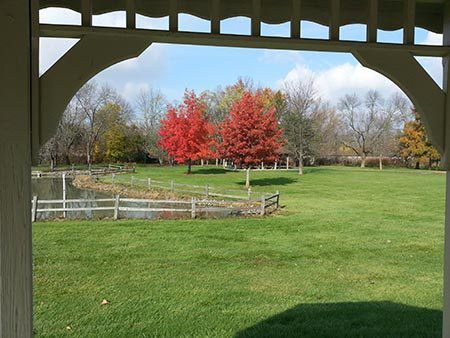
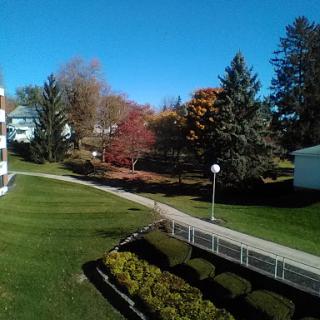
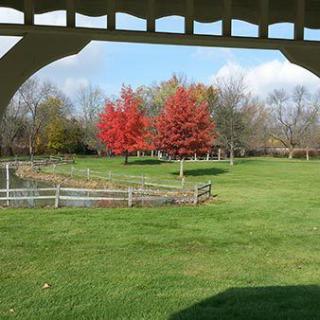
Residents and visitors repeatedly bring up the property’s pond setting.
Several reviews describe enjoying the pond area, including swans outside and rooms that look over the water. One visitor said everything was set up nicely for a family gathering on-site, while another described a loved one being happy with a room view. Overall, the outdoor setting shows up as a memorable part of the experience.
differentiator4 reviews mention this
Dining quality draws praise
Food is a recurring bright spot for residents and families.
Multiple reviews mention that residents like the food and describe it as good or varied. A reviewer also highlighted that their loved one’s favorite part was the food and noted choice at meals. Another family said their mother’s room and food met expectations, while others connected meal satisfaction with overall happiness.
common9 reviews mention this
Staff support is widely recognized
Many reviews highlight caring, responsive staff and caregivers.
Positive reviews frequently describe friendly, dedicated staff who keep families informed and follow through on concerns. Several reviewers say their loved one was well taken care of, including handling dementia-related behavior with a positive approach. Others add that staff members feel personable and genuinely invested in residents, not just completing tasks.
caveat10 reviews mention this
Short staffing and safety complaints
Some reviewers describe major issues with staffing, management, and safety.
A recurring negative thread is that the facility is short-staffed, leaving residents without the care families expected. Several reviews go further, describing unsafe working conditions, appalling conditions, and people not receiving full care. There are also complaints about management, including claims that residents were neglected and that staff could not properly attend to needs.
caveat2 reviews mention this
Cleanliness issues come up
Some reviews report cleanliness and odor problems.
While some reviewers speak positively about cleanliness and odor, others describe noticeable urine odor and concerns about living conditions. Separate complaints also mention extreme cleanliness-related problems, contributing to mixed impressions. As a result, cleanliness experiences appear inconsistent across reviews.
How we summarize
Counts show how many written reviews mention each theme; a review can touch several themes, and only frequently mentioned themes are displayed.
Features
Housing
120 resident community capacity
1-bedroom apartments
2-bedroom apartments
Condos / townhomes
Detached homes
Types of Care
Assisted Living
Continuing Care Retirement Community (CCRC)
Independent Living
Memory Care
Respite Care
Skilled Nursing Facility
Pets
Cats allowed
Dogs allowed
Amenities
Activities on-site
Air-conditioning
Beauty salon
Cable or satellite TV
Computer center
Devotional services off-site
Dining room
Fitness room
Full kitchen
Fully furnished
Gaming room
Garden
Guasts at mealtime
Handicap accessible
Housekeeping services
Indoor common areas
Kitchenette
Move-in coordination
Outdoor space
Private bathrooms
Private patio, deck, or balcony
Resident parking
Respite or short term stays offered
Restaurant-style dining
Small library
Telephone
Wellness center
Wheelchair accessible showers
Wi-Fi/high-speed internet available
Transportation
Community operated transportation
Transportation & parking
Transportation arrangement
Transportation arrangement (non-medical)
Care Services
24-hour call system
24-hour supervision
Activities of daily living assistance
Ambulatory care
Assistance with bathing
Assistance with dressing
Assistance with transfers
Diabetes diet
Diabetic care
High acuity care
Incontinence care
Meal preparation and service
Medication management
Physical therapy
Special dietary restrictions
Dining
Anytime dining
Diabetes diet
Guest meals
Meals provided
Restaurant style dining
Room service
Special dietary restrictions
Activities
Bible study group
Community-sponsored activities
Concierge services
Day trips and outings
Devotional activities offsite
Devotional activities on-site
Educational speakers / life long learning
Fitness programs
Live musical performances
Other religious services
Planned day trips
Religious services
Resident-run activities
Scheduled daily activities
Stretching classes
Visiting chaplain or priest
Yoga / chair yoga
Languages Spoken
American sign language
English
French
German
Italian
Japanese
Korean
Mandarin
Russian
Spanish
Vietnamese
Nearby Places of Interest
This part of Greenville, Ohio is a convenient and diverse area with a variety of amenities nearby. There are several pharmacies within a short distance, making it easy to access medication and healthcare supplies. In addition, there are reputable physicians and hospitals in close proximity for medical needs. For leisure activities, there are parks for outdoor relaxation and dining options ranging from casual eateries to family restaurants. Places of worship are also readily available for spiritual fulfillment. Overall, this neighborhood offers a mix of services and facilities that cater to the needs of seniors looking for a comfortable and convenient living environment.
Pharmacies
Good Neighbor Pharmacy (0.2 miles)
Medicine And More (0.2 miles)
Walgreens (1.5 miles)
Walmart Pharmacy (2.5 miles)
Kaup Pharmacy (12.2 miles)
Kaup Pharmacy (12.3 miles)
Porter's Products (15.4 miles)
Physicians
Bethel Cardiology of Greenville (0.3 miles)
Reid Hospital (0.3 miles)
The Vein Treatment Center (0.3 miles)
Greenville Orthopedics and Sports Medicine (0.3 miles)
Orthopedic Associates of SW Ohio (0.3 miles)
Greenville Heart Care (0.4 miles)
Dayton Heart Center (0.4 miles)
Hospitals
Wayne Hospital (0.4 miles)
Transportation
U-Haul (0.4 miles)
Darke County Airport (VES) (10 miles)
U-Haul Neighborhood Dealer (12.1 miles)
Places of Worship
Clay Family Ministries (0.6 miles)
EUM Single Identity (0.6 miles)
Eum Church (0.6 miles)
Gospel Baptist Church (0.7 miles)
First Congregational Christian Church (0.7 miles)
His Truth Education Ministries (0.7 miles)
Christian & Missionary Alliance Church (0.7 miles)
Parks
South Park (0.7 miles)
Greenville Parks & Rec Department (0.8 miles)
Treaty of Greenville State Park (1.2 miles)
Greenville City Park (1.5 miles)
Greenville Falls State Nature Preserve (13.9 miles)
At Brethren Retirement Community, the costs for living arrangements reflect a commitment to quality care and comfortable living. A studio apartment is priced at $4,019 per month, which is slightly above the average cost in Darke County at $3,771 and higher than Ohio's statewide average of $3,727. For those seeking more space, a one-bedroom unit is available for $5,214 monthly, again surpassing both the county rate of $4,795 and significantly exceeding the state average of $3,712. These prices indicate that while Brethren Retirement Community may be higher than local and state averages, they likely offer enhanced amenities and services that justify the costs for residents looking for exceptional support in their retirement years.
The 24-hour supervision at Brethren Retirement Community ensures that residents are continuously monitored and supported, enhancing their safety and providing reassurance for both residents and families. Assistance with activities of daily living, such as bathing, dressing, and transfers, promotes dignity while helping individuals maintain essential self-care routines. Incontinence care is handled with sensitivity to preserve comfort and respect for privacy. Meal preparation and service cater to nutritional needs while encouraging social interaction during mealtimes. Medication management helps ensure adherence to prescribed treatments, thereby reducing the risk of health complications associated with missed doses or incorrect usage. Furthermore, physical therapy addresses mobility challenges common in dementia patients, fostering independence and improving overall well-being through tailored exercise programs designed to enhance physical capabilities and cognitive engagement. Together, these features create a supportive environment tailored to the unique needs of individuals facing memory challenges.
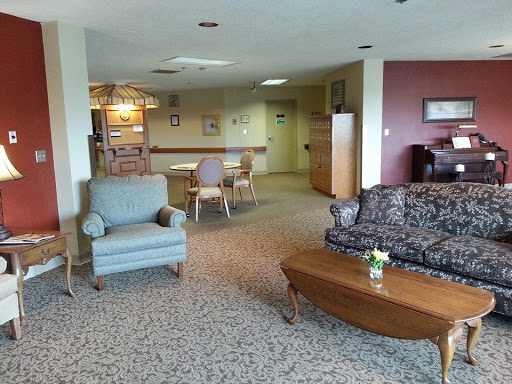
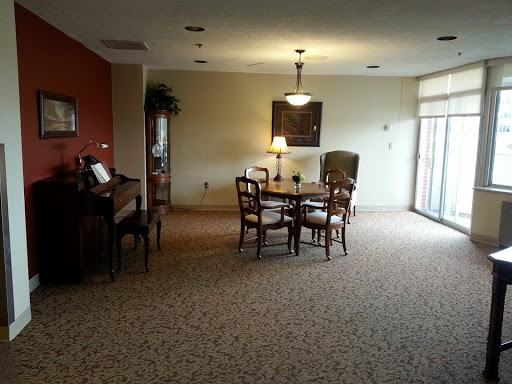
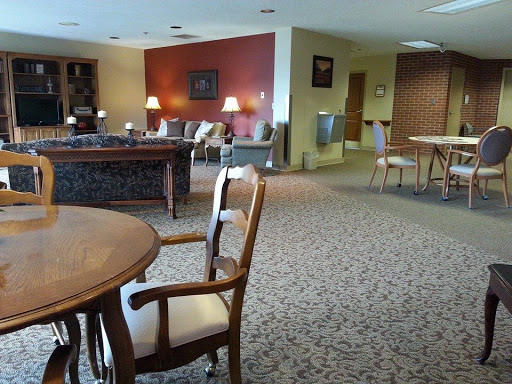
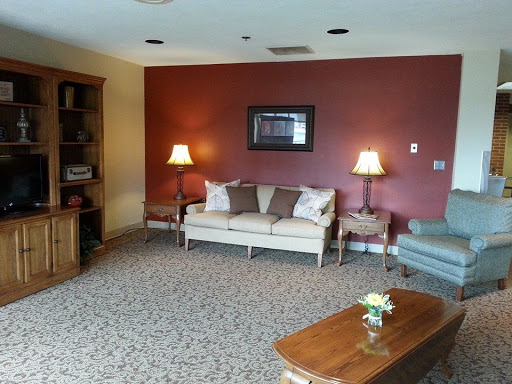
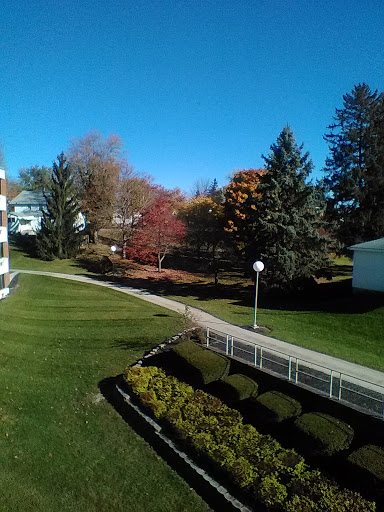
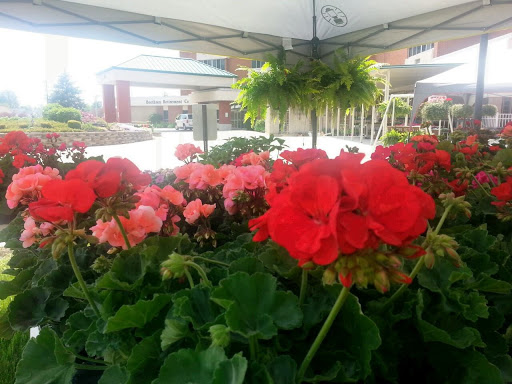
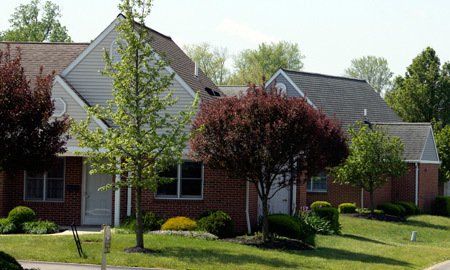
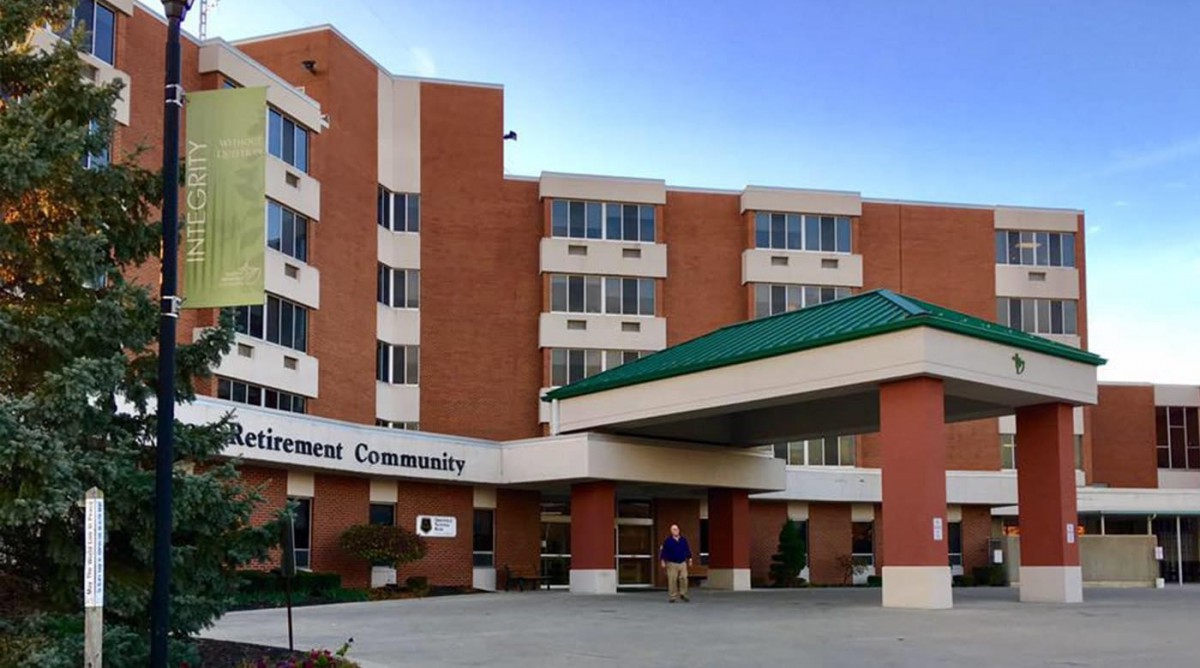
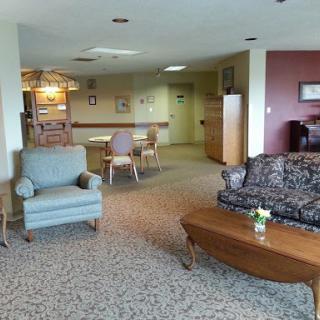
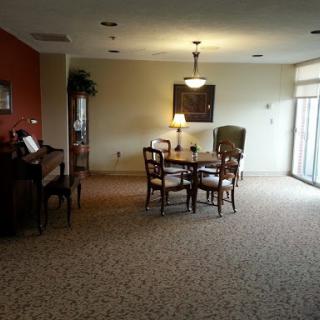
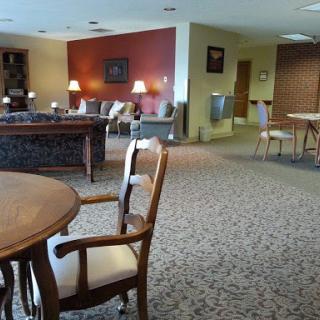
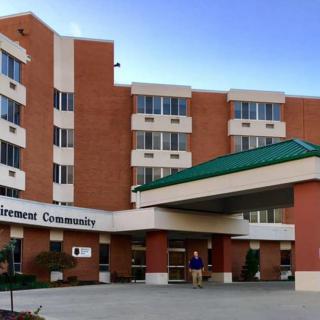
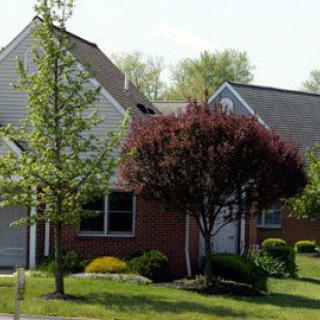
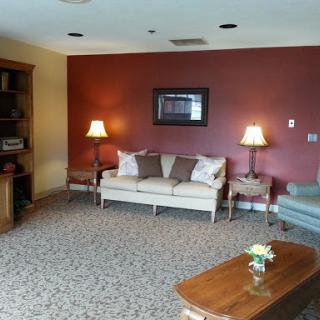
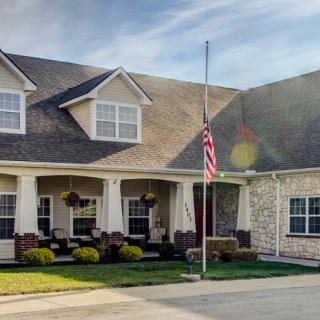
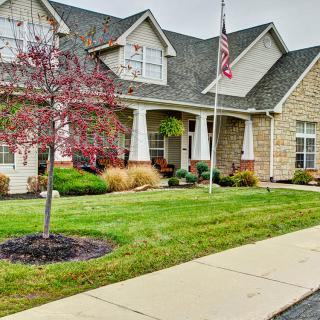
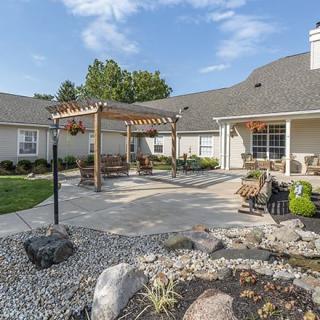
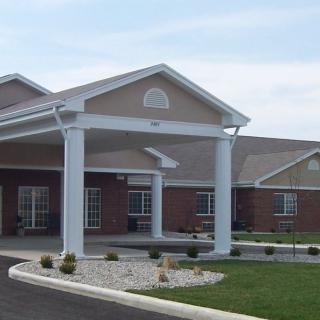
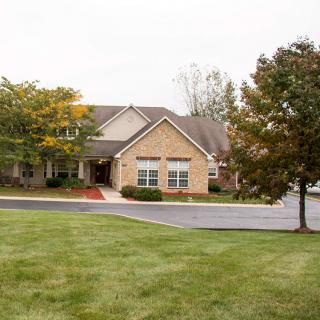
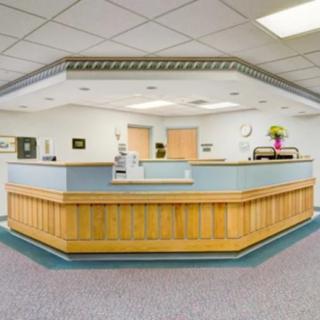
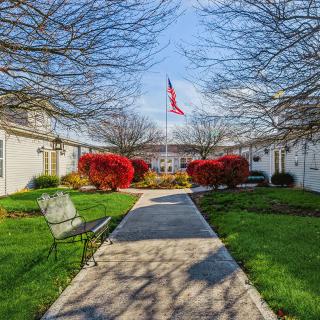
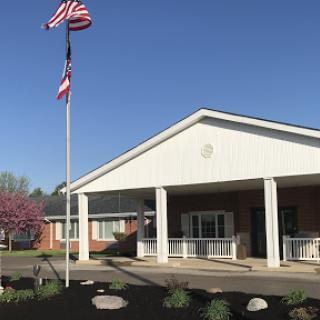
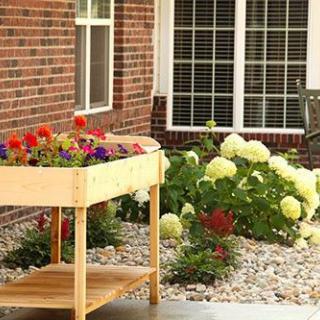
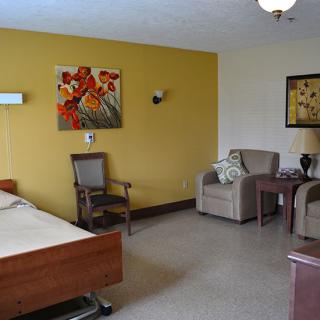
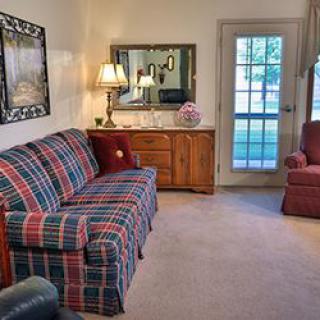
Brethren Retirement Community on seniors.fyi includes 14 photos including images showing outdoor, interior, living room, nature, park, decor, garden, architecture, and more.
Nearby Communities
Chestnut Village
Greenville, OH
4.9 from 43 reviews
$759 / month
Caring staff and a strong sense of community, with affordable pricing and comprehensive care options.
Heartland of Greenville
Greenville, OH
4.2 from 75 reviews
Willing to improve and open to family feedback.
Greenville Healthcare
Greenville, OH
4.4 from 58 reviews
Extensive amenities and personalized care
Oakley Place
Greenville, OH
4.5 from 87 reviews
$2,432 to $4,652 / month
Vibrant activities with friendly, attentive staff in a clean, welcoming environment.
Brookdale Greenville
Greenville, OH
4.8 from 45 reviews
$3,545 to $6,735 / month
Friendly, attentive staff in a clean, safe, home-like setting with a variety of engaging activities.
Rest Haven Nursing Home - Greenville
Greenville, OH
4.9 from 14 reviews
Extensive amenities and 24/7 care.
Village Green Health Campus
Greenville, OH
4.7 from 47 reviews
$2,790 to $4,110 / month
Comprehensive care options (assisted living, memory care, day program, skilled nursing) with on-site amenities and 24/7 staff.
Rosebud Village
Richmond, IN
4.6 from 43 reviews
Comprehensive care options (assisted living, memory care, skilled nursing) with robust amenities and active social programs.
BrookHaven Retirement Community
Brookville, OH
3.8 from 17 reviews
$1,900 to $9,954 / month
Caring staff in a clean, welcoming campus with multiple living options and on-site amenities.
Dementia encompasses a range of cognitive impairments characterized by types such as Alzheimer's and vascular dementia, and follows a seven-stage progression model known as the Global Deterioration Scale (GDS), highlighting varying symptoms and decline timelines. Early detection allows for lifestyle adjustments to potentially slow progression, while caregivers need support and resources to manage the challenges involved in caring for affected individuals.
The article presents eight strategies for preserving cognitive health and memory in older adults, emphasizing a nutrient-rich diet, regular exercise, intellectually stimulating activities, adequate sleep, social connections, stress management techniques, limiting harmful substances, and regular medical checkups to mitigate age-related memory decline.
Activities of Daily Living (ADLs) are fundamental tasks vital for an individual's independence, particularly in older adults over 85, and include functions like bathing and dressing; assessing ADLs alongside Instrumental Activities of Daily Living (IADLs) helps determine the level of required assistance due to age-related health challenges. Tailored support plans, involving family and community resources, are essential for maintaining dignity and autonomy in assisted living environments.
Get PricingAsk A QuestionSchedule A TourContact Senior Advisor
By clicking submit, you agree to our Partner's Terms of Use. You
also consent to receive calls and texts, which may be autodialed, from our Partner. Your consent is not a condition to
using our Partner's service. Please visit our Partner's Privacy Policy for information about their privacy practices.


 120 resident community capacity
 1-bedroom apartments
 Condos / townhomes
 Detached homes
 Assisted Living
 Continuing Care Retirement Community (CCRC)
 Independent Living
 Memory Care
 Respite Care
 Skilled Nursing Facility
 Cats allowed
 Dogs allowed
 Activities on-site
 Air-conditioning
 Beauty salon
 Cable or satellite TV
 Computer center
 Devotional services off-site
 Dining room
 Fitness room
 Full kitchen
 Fully furnished
 Gaming room
 Garden
 Handicap accessible
 Housekeeping services
 Indoor common areas
 Move-in coordination
 Outdoor space
 Private bathrooms
 Private patio, deck, or balcony
 Resident parking
 Restaurant-style dining
 Small library
 Telephone
 Wellness center
 Wheelchair accessible showers
 Wi-Fi/high-speed internet available
 Community operated transportation
 24-hour call system
 Ambulatory care
 Assistance with bathing
 Assistance with dressing
 Assistance with transfers
 Diabetes diet
 Diabetic care
 High acuity care
 Incontinence care
 Medication management
 Physical therapy
 Special dietary restrictions
 Bible study group
 Concierge services
 Day trips and outings
 Educational speakers / life long learning
 Live musical performances
 American sign language
 English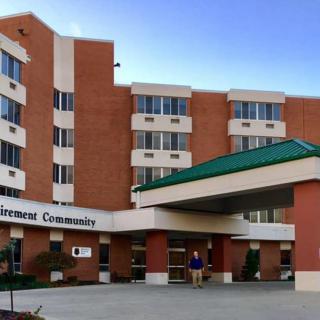
 Caring staff and a strong sense of community, with affordable pricing and comprehensive care options.
 Understanding Dementia Through Its Seven Stages: A Comprehensive Look at Progression and Expectations
 Safeguarding Your Memory Through the Golden Years: Eight Ways to Preserve Cognitive Health
 Comprehensive Insights into Activities of Daily Living (ADLs) and Their Assessment