Residents describe the meals as consistently good, with strong dining experiences and choices.
Food is one of the most repeated positives, with multiple residents and family members calling meals delicious and highlighting food quality, presentation, and service. Some also mention eating in a restaurant-style dining room versus having options in-room. A few remarks contrast this with a later decline in food quality and a desire for improvements, but even those comments still tie dining to resident experience rather than overall neglect.
common20 reviews mention this
Caring, welcoming staff stand out
Residents and families repeatedly describe staff as kind, responsive, and welcoming.
Across reviews, people describe the staff as friendly and attentive, often emphasizing how residents are greeted and how the team supports daily needs. Families mention help with transitions and therapy, and some describe staff showing up quickly when assistance is needed. There are a few negative staff-related comments, including isolated mentions of rudeness or staff turnover, but the overall tone in the reviews stays firmly positive about day-to-day care and support.
common9 reviews mention this
Activities and social life matter
Residents describe having plenty to do and ways to socialize.
Many reviews point to scheduled activities, organized events, and opportunities to meet other residents, including resident-run or community-sponsored options. Several residents tie these offerings to feeling connected and supported, rather than having to stay busy alone. A smaller number of comments suggest fewer activities in recent years, with one attributing that change to pandemic-related impacts and still wishing for more.
differentiator7 reviews mention this
Continuum of care adds peace of mind
A key selling point in reviews is knowing care levels are available on the same campus.
Reviews repeatedly highlight the benefit of having multiple care levels available as needs change, including independent living transitioning into assisted living and memory care. Some residents and family members mention support around medication management and assistance with daily activities, and they describe feeling secure about future care. One review also mentions a private-pay structure and describes cost as the main barrier to choosing the community, even while acknowledging the overall value.
caveat4 reviews mention this
Cost is the most common drawback
Multiple reviews flag the community as expensive or increasingly costly.
Cost comes up as a clear concern, with reviewers calling the community expensive and pointing to rate increases. One review also describes a financial requirement due to private pay and says that impacted whether their family could join. Even among the more positive reviews, a few suggest doing the math over time to understand long-term affordability, so the pricing theme is mixed but consistently present.
How we summarize
Counts show how many written reviews mention each theme; a review can touch several themes, and only frequently mentioned themes are displayed.
The features offered by Friends Fellowship Community are designed to address the unique challenges faced by residents with dementia or Alzheimer's disease. Assistance with dressing and bathing helps to maintain personal hygiene and dignity, fostering a sense of self-worth among residents. Medication management ensures that individuals receive their prescribed medications accurately and on time, which is crucial for physical health and cognitive stability. Meal preparation and service cater to nutritional needs while promoting social interaction during dining, enhancing overall well-being. Support with activities of daily living ensures that residents retain some independence while receiving help where needed, reducing frustration and confusion. Assistance with transfers minimizes the risk of falls, providing safety in mobility. Furthermore, 24-hour supervision offers peace of mind for both residents and families, ensuring immediate support during any crisis or disorientation. Finally, physical therapy can improve mobility and strength, contributing positively to both physical health and cognitive function, enabling a more active engagement with daily life.
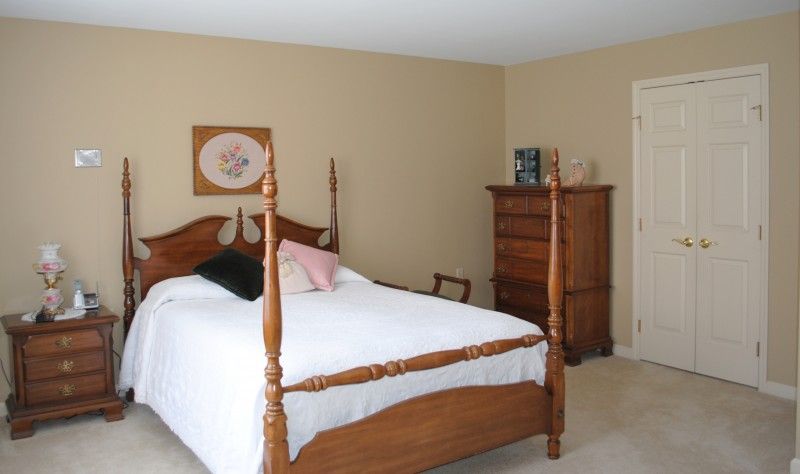
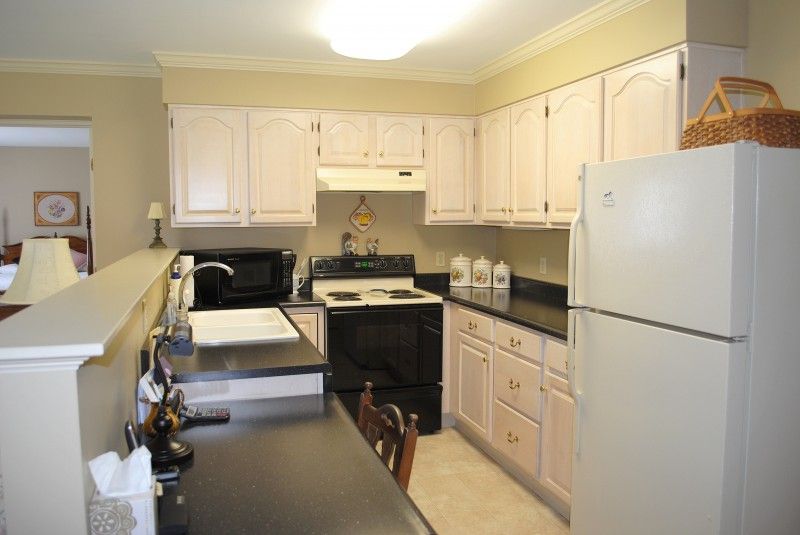
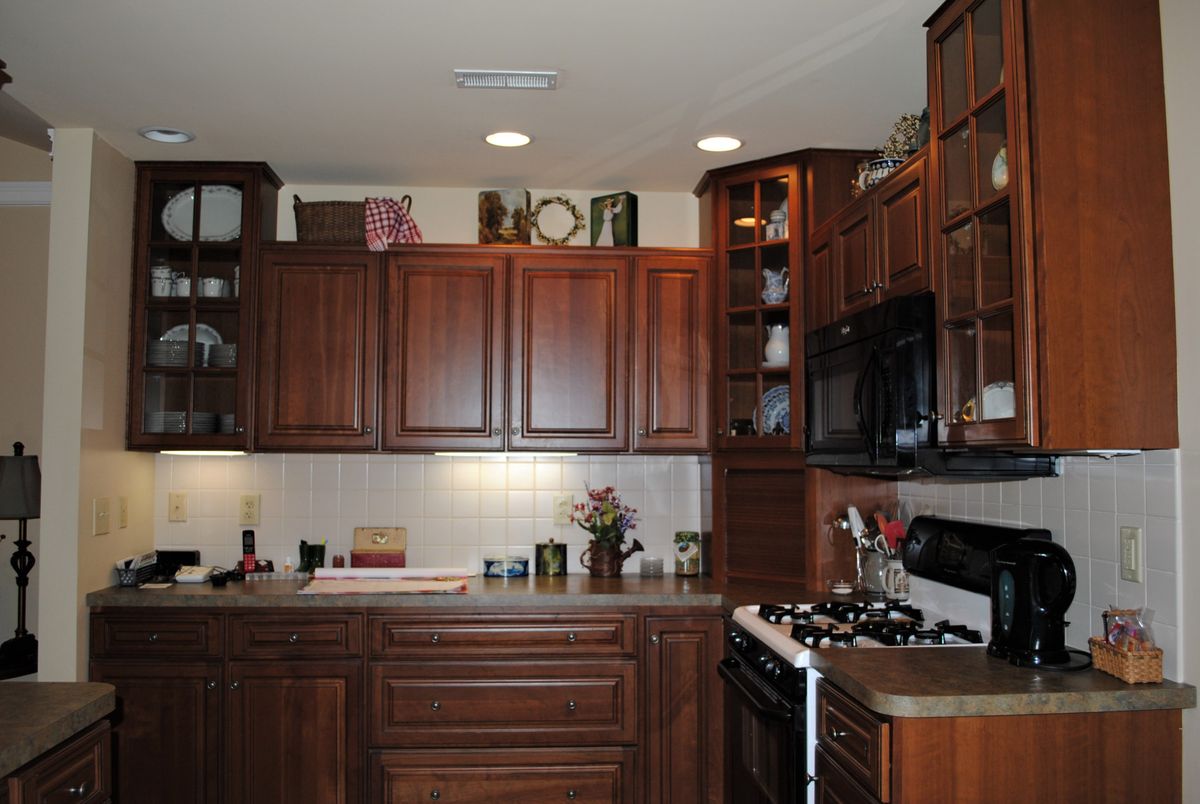
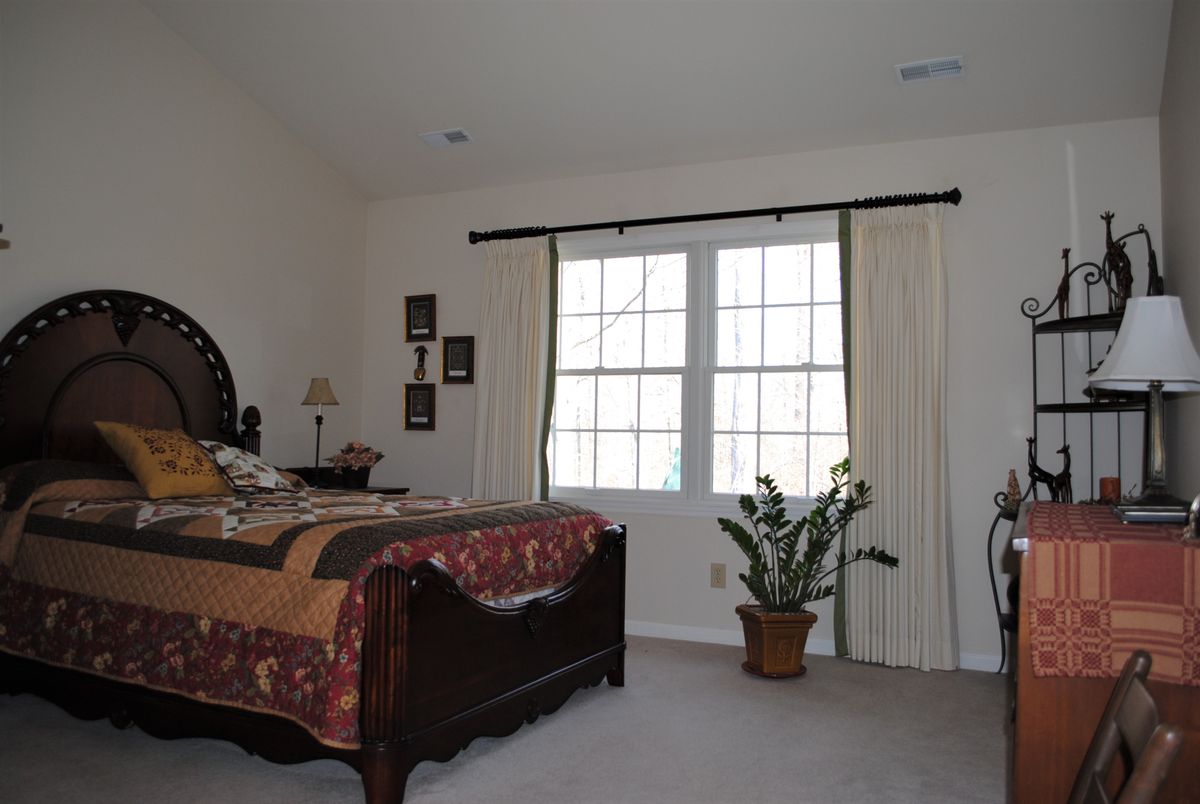
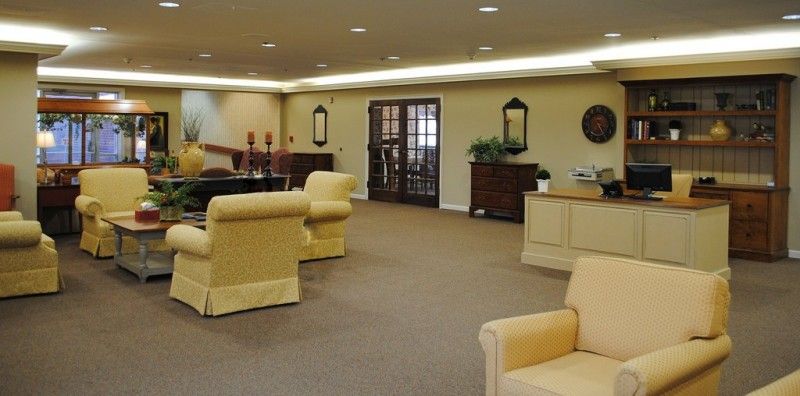
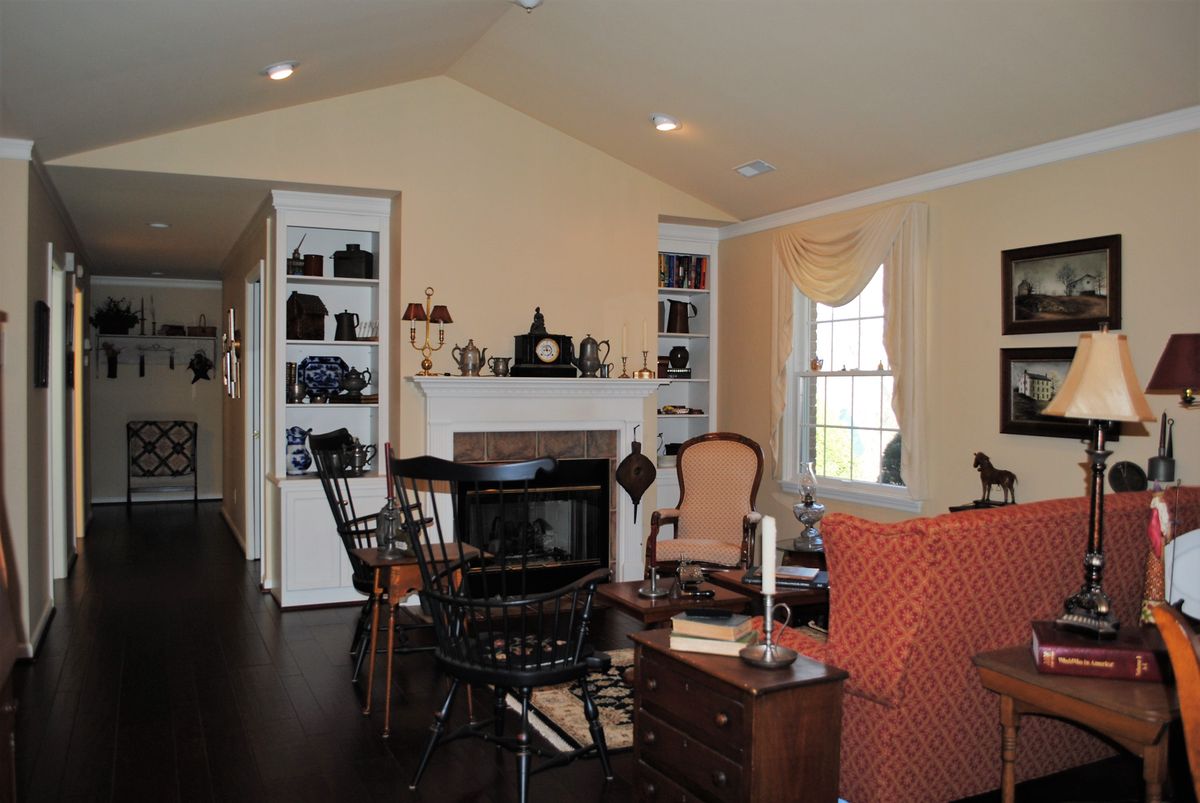
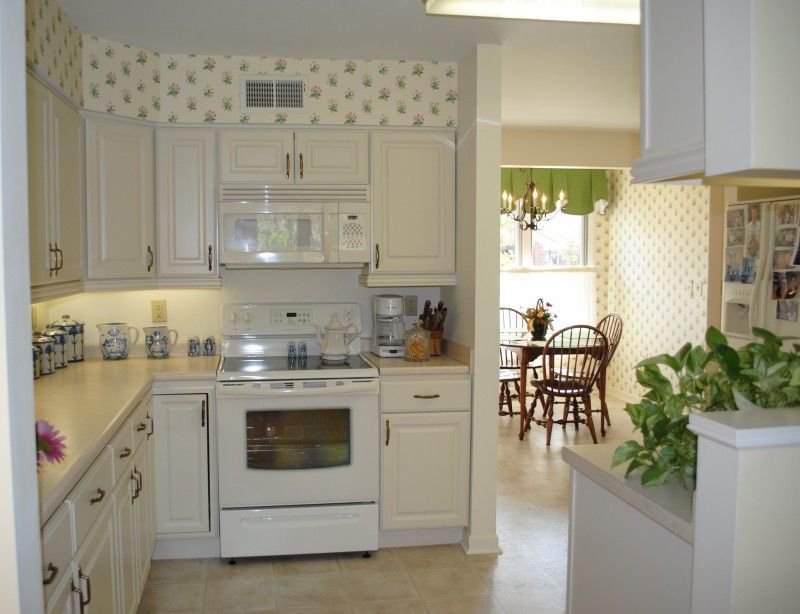
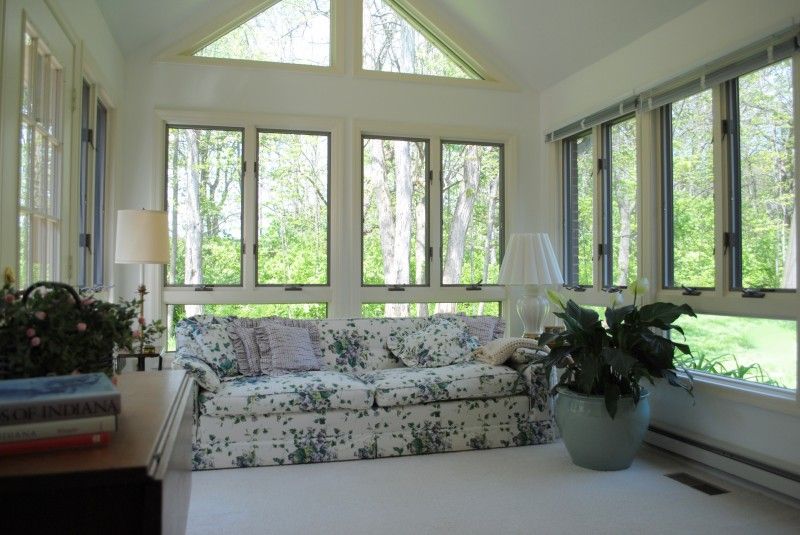
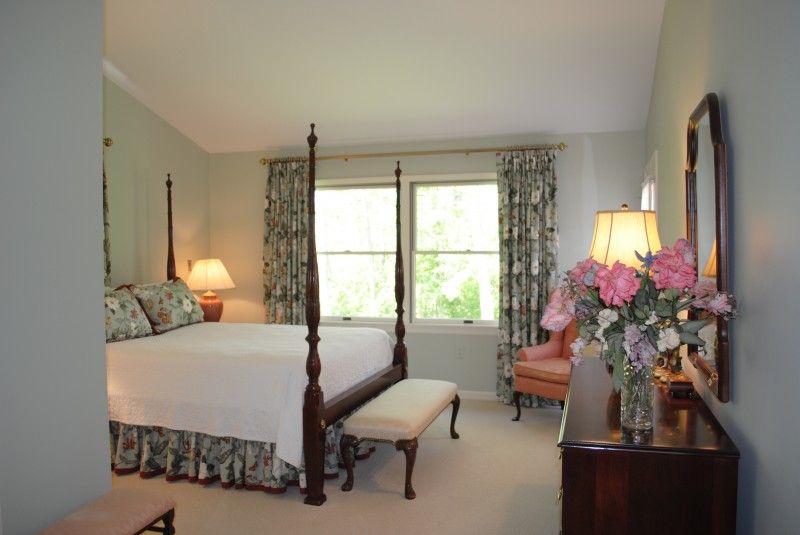
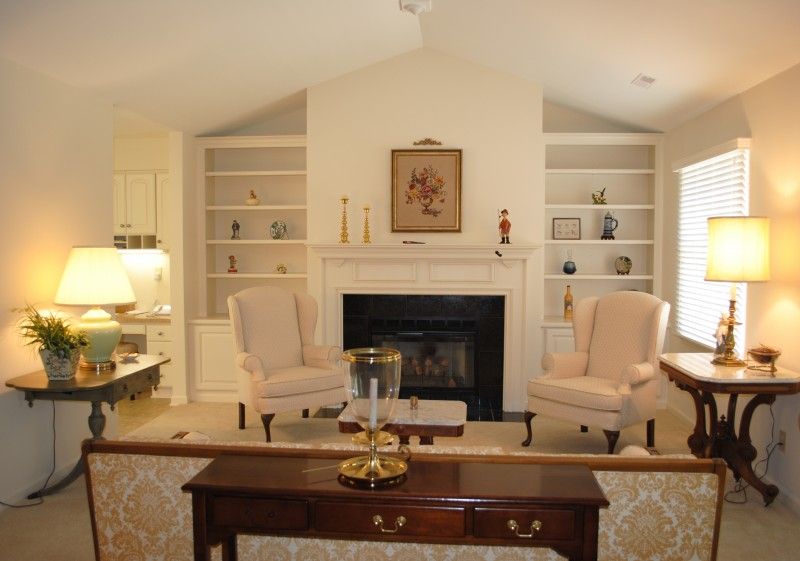
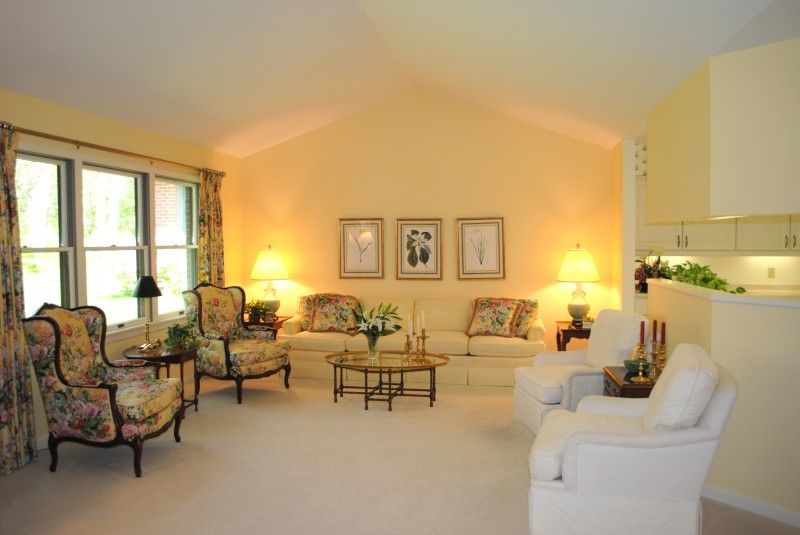
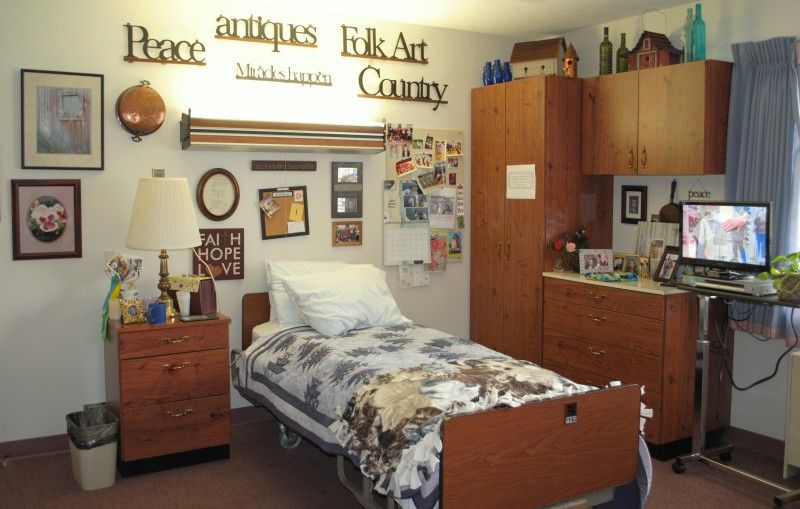
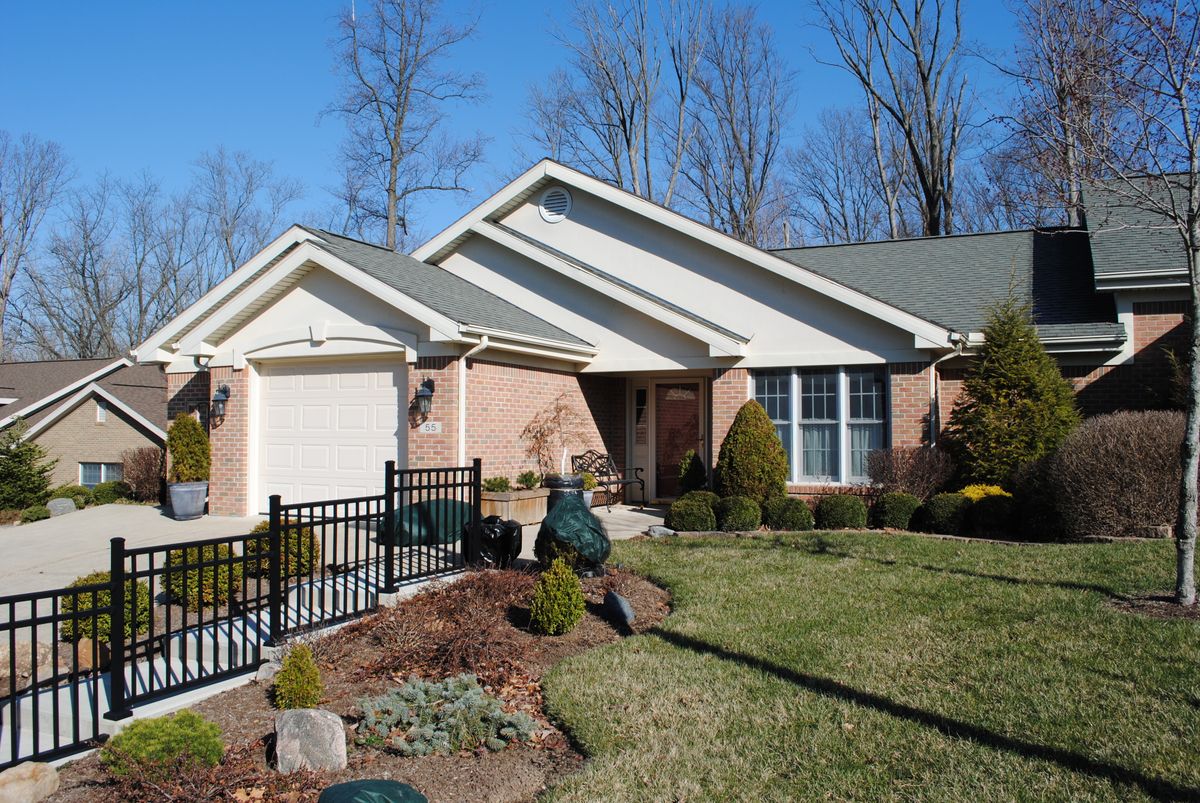
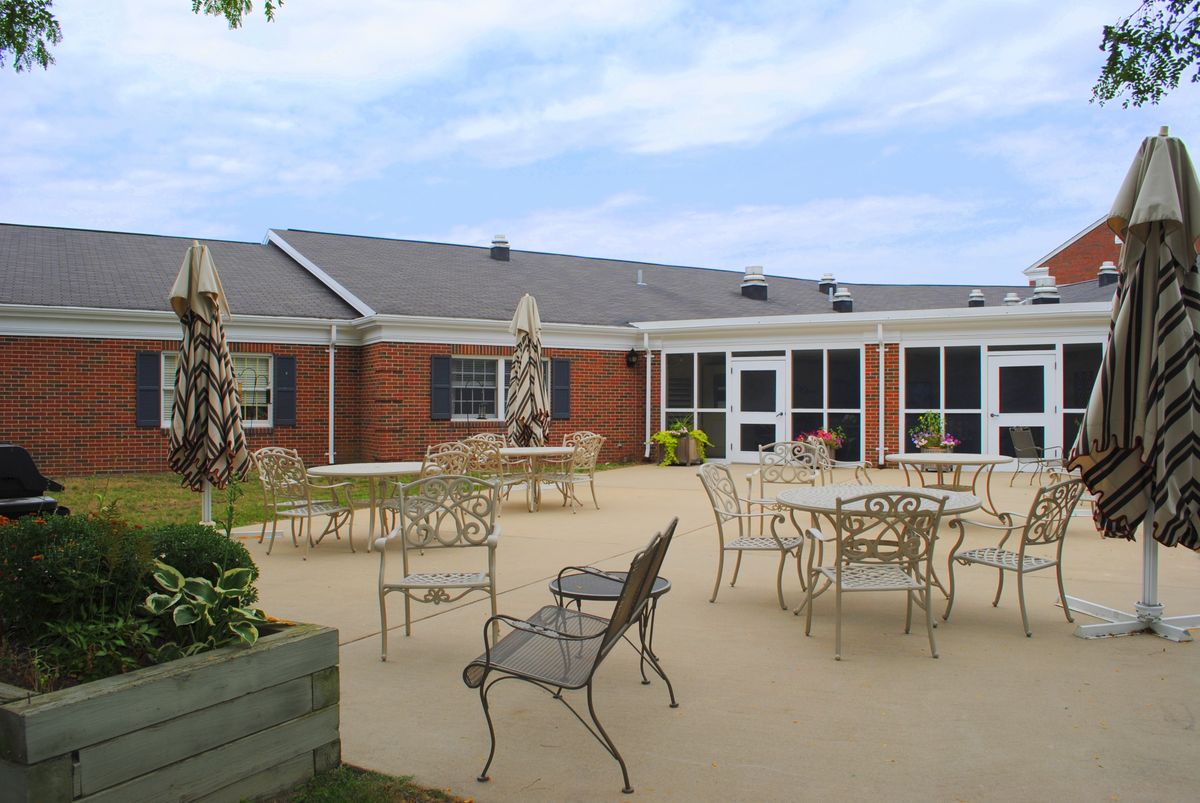
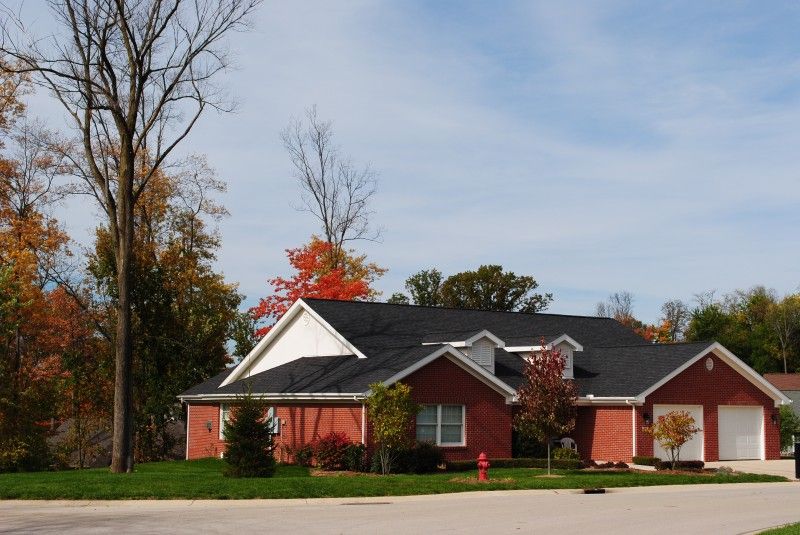
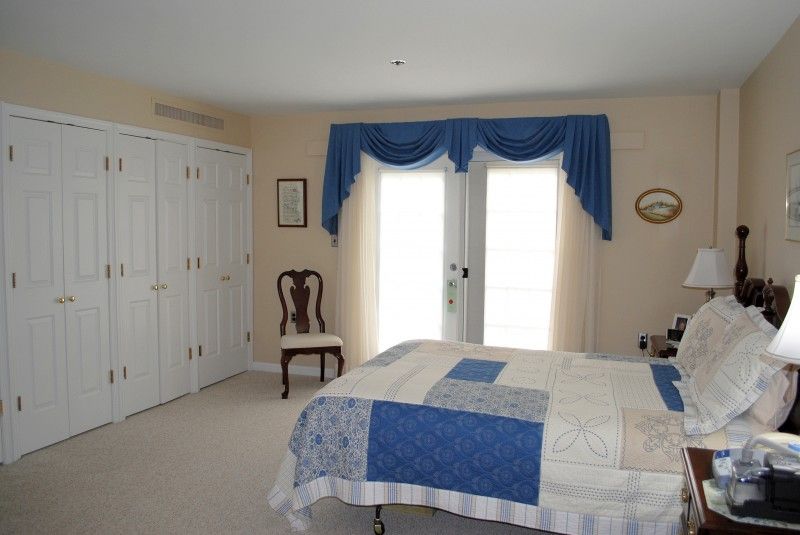
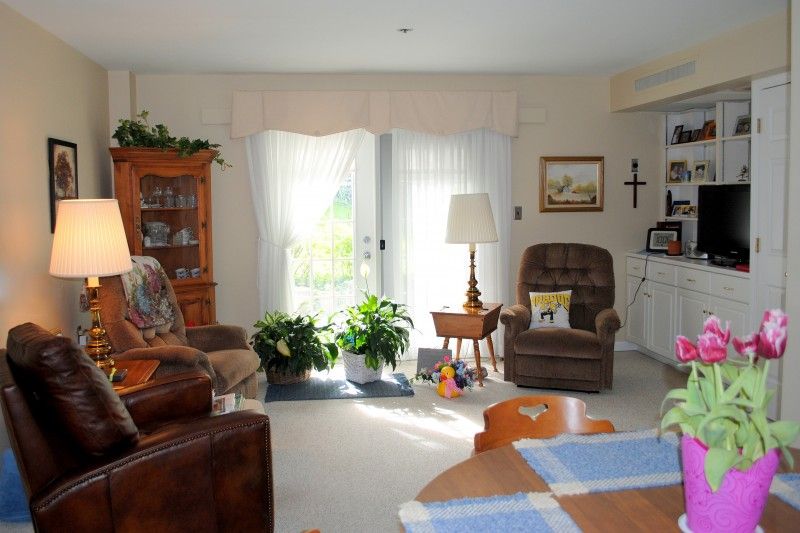
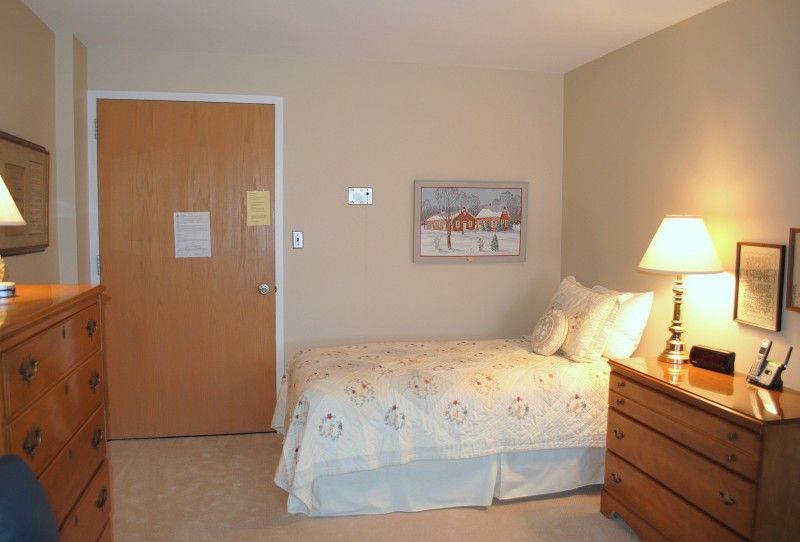
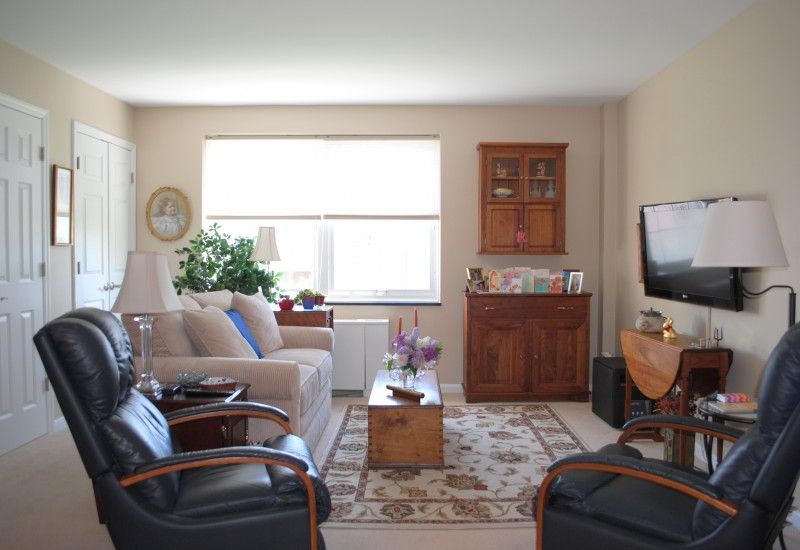
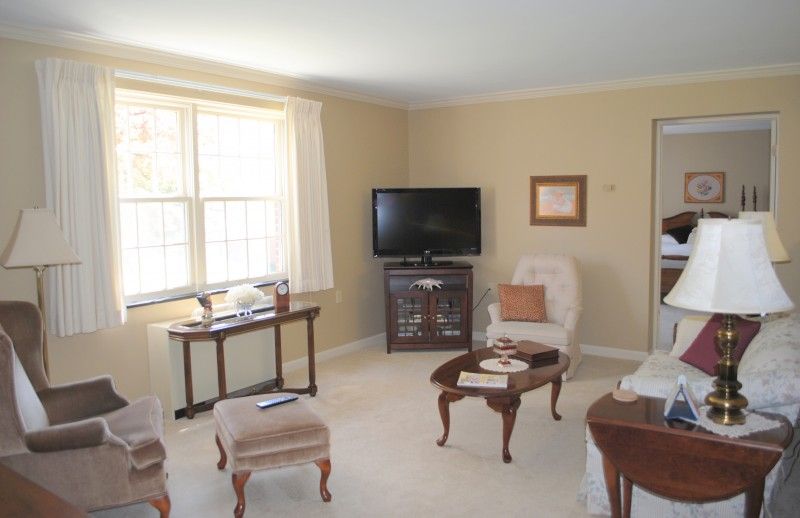
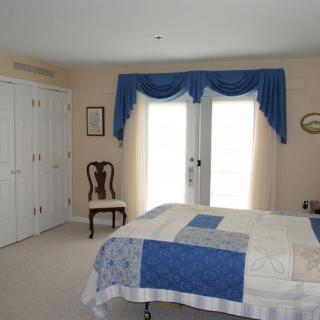
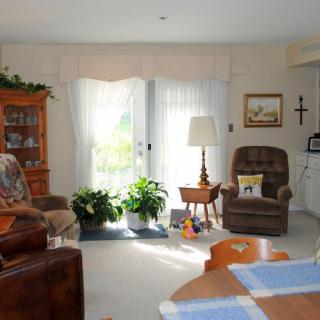
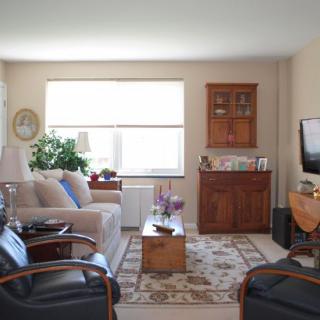
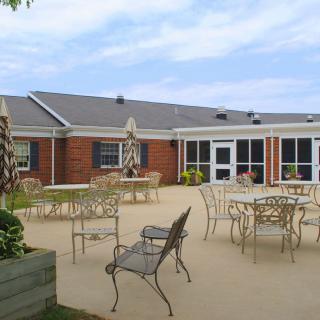
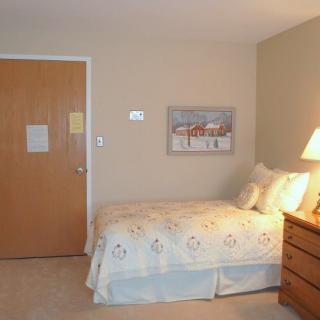
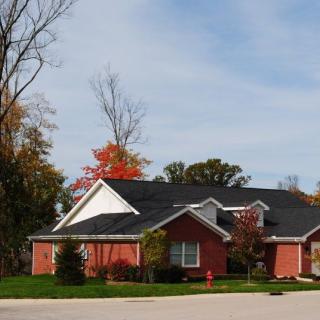
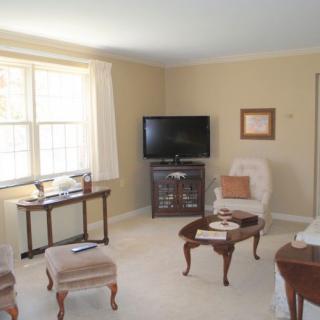
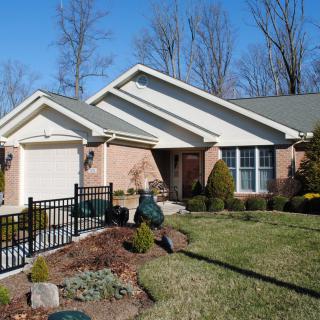
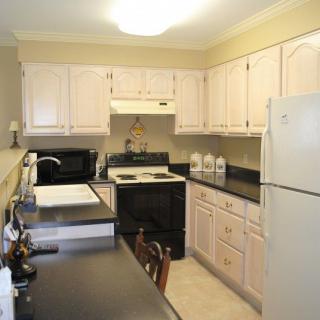
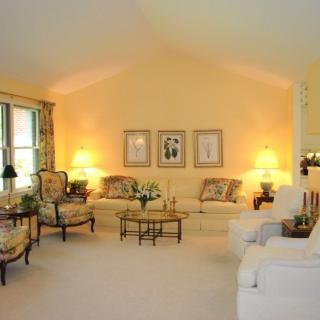
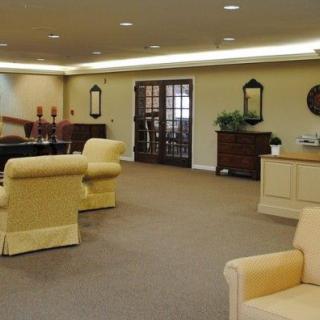
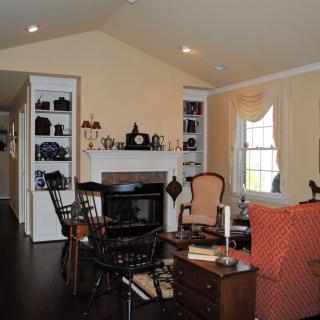
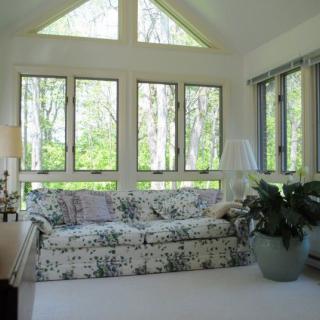
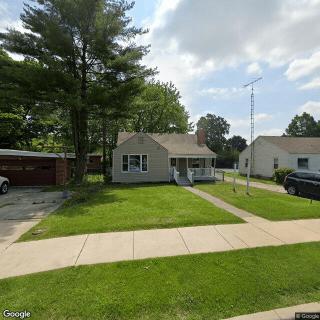
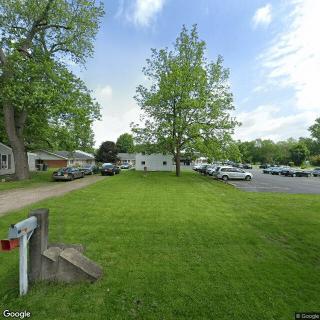
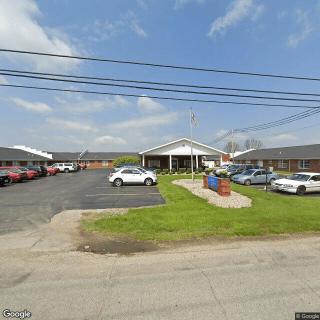
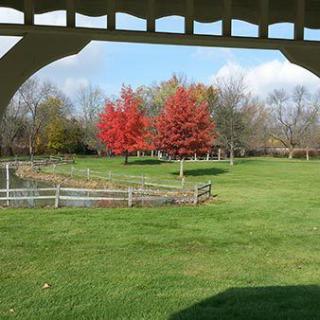
Friends Fellowship Community on seniors.fyi includes 23 photos including images showing interior, bedroom, decor, living room, windows, kitchen, appliances, trees, and more.
Nearby Communities
Friends Fellowship Community, a CCRC
Richmond, IN
4.8 from 60 reviews
$2,580 to $8,310 / month
Engaging activities, diverse housing options, attentive staff, and well-kept grounds with on-site amenities.
Rosebud Village
Richmond, IN
4.6 from 43 reviews
Comprehensive care options (assisted living, memory care, skilled nursing) with robust amenities and active social programs.
Heritage House Of Richmond
Richmond, IN
3.7 from 6 reviews
Caring staff in a well-maintained, home-like setting.
Advantage Home Health Care
Richmond, IN
5 from 1 review
Excellent access to healthcare, pharmacies, dining, parks, and other amenities nearby.
The Springs Of Richmond
Richmond, IN
4.2 from 110 reviews
Clean, pleasant environment with outdoor spaces and on-site amenities.
Golden Living Center - Richmond
Richmond, IN
3.6 from 7 reviews
$4,520 / month
Long-term private Medicaid suites at no extra cost and the option to bring personal furniture.
Golden Living Center Golden Rule
Richmond, IN
4.1 from 62 reviews
$4,600 to $5,000 / month
Caring, professional staff and a clean, well-maintained environment.
Brethren Retirement Community
Greenville, OH
3.8 from 54 reviews
$4,019 to $5,214 / month
Strong staff dedication with good communication and high-quality care.
Village Green Health Campus
Greenville, OH
4.7 from 47 reviews
$2,790 to $4,110 / month
Comprehensive care options (assisted living, memory care, day program, skilled nursing) with on-site amenities and 24/7 staff.
Alzheimer’s disease is a progressive neurological disorder that significantly impacts memory and cognitive functions, accounting for 60-80% of dementia cases, with early diagnosis being crucial yet challenging. It involves brain changes like beta-amyloid plaques and tau tangles, influenced by genetic and lifestyle factors, and while there is no cure, symptom management and support for caregivers are essential.
Dementia, influenced by aging and certain medications, may be exacerbated by drug classes such as anticholinergics, benzodiazepines, and antipsychotics, which are associated with cognitive impairment. Regular medication reviews by healthcare professionals are crucial for older adults to manage risks and optimize cognitive health.
Dementia often results in disrupted sleep patterns, leading to excessive daytime sleeping due to factors like brain damage affecting circadian rhythms, medication side effects, and lack of structure in daily activities. Caregivers must monitor these changes closely, as oversleeping can increase risks such as malnutrition or dehydration, and provide necessary support and routines to enhance patient engagement and well-being.
Get PricingAsk A QuestionSchedule A TourContact Senior Advisor
By clicking submit, you agree to our Partner's Terms of Use. You
also consent to receive calls and texts, which may be autodialed, from our Partner. Your consent is not a condition to
using our Partner's service. Please visit our Partner's Privacy Policy for information about their privacy practices.


 22 resident community capacity
 1-bedroom apartments
 Assisted Living
 Continuing Care Retirement Community (CCRC)
 Independent Living
 Memory Care
 Skilled Nursing Facility
 Beautician on-site
 Cable or satellite TV
 Dining room
 Full kitchen
 Fully furnished
 Garden
 Housekeeping services
 Laundry
 Move-in coordination
 Outdoor space
 Overnight guests
 Party space
 Private bathrooms
 Resident parking
 Wi-Fi/high-speed internet available
 Community operated transportation
 24-hour call system
 Activities of daily living assistance
 Assistance with bathing
 Assistance with dressing
 Assistance with transfers
 Diabetes diet
 Meal preparation and service
 Medication management
 Physical therapy
 Special dietary restrictions
 Fitness programs
 Religious services
 English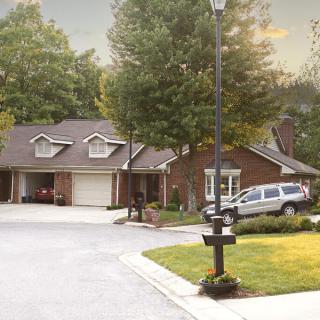
 Engaging activities, diverse housing options, attentive staff, and well-kept grounds with on-site amenities.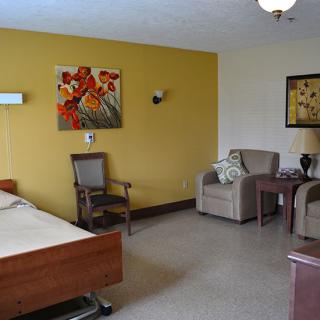



 Illuminating Insights About Alzheimer's Disease: Ten Crucial Realities
 A Thorough Discussion of Medications Potentially Linked to Dementia Risk
 Why Do Dementia Patients Sleep So Much? Understanding Oversleeping, Stages, and Care Approaches