
2070 Chester Boulevard, Richmond, IN 47374
For more information about senior living options: (866) 208-4318
Overall Review of Heritage House Of Richmond
Pros
 Emily is great.
- Tiffany is good.
- Kailey is great.
- Ally is good.
- Selena is good.
- The wife has had a very positive experience at Heritage House of Richmond.
- She is eating very well now.
- She is sleeping normal hours and receiving rehab to become stronger.
- She seems to be thriving very well, much better than at home with aides.
- The staff has been very good and has shown her a lot of care.
- They address concerns promptly.
- The facility offers activities such as bingo and music.
- The facility is close to home, which helps.
- It is a good value.
- They are very competitive with other facilities, and she can have a private room.
Cons
 They didn’t feed her in the first days and didn’t have a doctor see her.
 - She wasn’t given her blood thinner for a month.
- She developed bedsores, hadn’t been bathed or fed for 3–4 days, and had thrush from teeth not being brushed for weeks.
- The facility reeked and the staff neglected residents due to understaffing.
- They discharged her from her medical plan and drug coverage without the POA’s approval.
- The CMS rating as a high-performing facility was not true.
- The nurses on the third shift torment residents, withhold medication, and come to work high.
Review
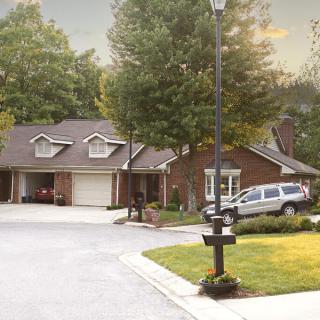
Heritage House of Richmond is best suited for families seeking an affordable, single-level option near Richmond, Indiana, where private rooms and practical rehab services are available and care can stay steady when staff coverage is solid. It works for residents who want proximity to home, straightforward amenities, and a community where daily care and rehabilitation can be delivered without the polish of a newer facility. The setting is not the newest or flashiest, but it remains reasonably well-kept and navigable, with a tangible emphasis on routine support. For seniors who are comfortable engaging with a facility that benefits from attentive family involvement to ensure smooth operations, Heritage House provides a practical, budget-conscious choice.
Those with high medical complexity or a strong need for constant nursing oversight should consider alternatives. Several reviews flag serious safety concerns, neglect, missed meals, delayed medications, and hygiene lapses, culminating in bedsores and thrush when ADLs go unattended. Such issues are not marginal and can escalate quickly for residents with mobility limitations or chronic conditions. Families evaluating options should compare with nearby facilities, including The Springs in Richmond, where more consistent 24/7 nursing coverage and medical oversight appear prioritized. The bottom line: Heritage House can work for the right person, but it is not the safest fit for the most medically fragile or for families unwilling to demand rigorous accountability and proactive monitoring.
On the plus side, several staff members receive consistent praise for care and warmth, and the facility offers meaningful day-to-day touches. Private rooms, a one-level footprint with two wings, and a generally well-kept environment contribute to a sense of dignity and ease of living. Residents benefit from prompt maintenance when issues are raised, access to a beautician, and visible social engagement options like bingo and music, with the potential for field trips and outings when restrictions loosen. These positives provide a credible offset to the realities of staffing variability, creating a home-like atmosphere that can support independent living skills and gradual rehab progress when care is well-coordinated.
Yet the gravity of the reported lapses cannot be dismissed. The most damaging reviews describe systemic under-staffing and inconsistent supervision, which undermine rehabilitation gains and raise red flags about day-to-day safety. Medication administration issues, late feeding, inadequate bathing, and somber reports of neglect darkness over otherwise encouraging elements. Such concerns illustrate that while the facility can deliver good moments, the risk of critical gaps in care remains if leadership and staffing do not maintain vigilant, responsive operations. The opportunity to offset these risks exists only where management demonstrates sustained commitment to corrective action, transparent reporting, and a dependable care plan for each resident.
Practical decision-making should center on staffing, oversight, and family rights. Prospective families should insist on current staffing ratios, especially during evenings and nights, and demand clear med-pass procedures, emergency response protocols, and documented oversight by a clinician. Verify that the POA’s authority is respected regarding enrollment decisions and coverage changes, and review the most recent state and CMS indicators rather than relying on outdated impressions. Request a comprehensive, written care plan with rehab milestones, daily schedules, and a clear escalation path for concerns. A candid tour should focus on cleanliness, infection control practices, and how quickly staff respond when concerns are raised by residents or families.
Visitation policies, still noted in some family feedback, significantly affect overall satisfaction. One account references prescheduled, limited visits, while others highlight improvements in everyday conveniences, such as hair appointments and responsive housekeeping. The presence of on-site comforts, birds in common areas, easy access to beauty services, and an in-house activity lineup, adds life to the routine, but the overall visitation reality matters. Families should assess how important social connection and outside-time are to their loved one, and whether the facility’s limitations align with those needs, balancing quality of life against the realities of staffing and oversight.
In sum, Heritage House of Richmond offers a practical, value-oriented option for near-home rehab and routine care when staffing is stable and oversight is active. It can be a solid fit for residents who tolerate some variability and prioritize a modest, comfortable setting with private rooms and accessible amenities. For those who require consistent, high-touch medical attention or cannot tolerate potential neglect or medication mismanagement, alternatives with stronger staffing, clearer governance, and more transparent safety records should be pursued. The prudent path is a thorough visit, conversations across all shifts, a review of concrete care plans, verification of enrollment practices, and a careful comparison of state and CMS data to peers before committing.
 87 resident community capacity
 Assisted Living
 Skilled Nursing Facility
 Air-conditioning
 Beauty salon
 Cable or satellite TV
 Computer center
 Dining room
 Fitness room
 Fully furnished
 Gaming room
 Garden
 Housekeeping services
 Kitchenette
 Move-in coordination
 Outdoor space
 Private bathrooms
 Restaurant-style dining
 Small library
 Telephone
 Wellness center
 Wi-Fi/high-speed internet available
 Community operated transportation
 24-hour call system
 Activities of daily living assistance
 Assistance with bathing
 Assistance with dressing
 Assistance with transfers
 Diabetes diet
 Medication management
 Special dietary restrictions
 Concierge services
 Planned day trips







 Understanding the True Cost of Assisted Living in 2025: A Comprehensive Guide
 Understanding Medicaid Coverage for Assisted Living: A Comprehensive Guide
 How and When Medicaid May Cover Assisted Living Costs