Friends Fellowship Community, a CCRC in Richmond, IN

Save

Friends Fellowship Community, a CCRC in Richmond, IN

2030 Chester Blvd, Richmond, IN 47374

For more information about senior living options: (844) 490-3973

4.7 from 58 reviews
5 stars
51
4 stars
3
3 stars
1
2 stars
2
1 stars
1

Assisted Living Independent Living Memory Care Skilled Nursing Facility

Friends Fellowship Community, a CCRC Costs & Pricing

Friends Fellowship Community, a Continuing Care Retirement Community (CCRC), offers competitive pricing for its various room types when compared to both Wayne County and the broader state of Indiana. For instance, residents can enjoy a studio at $2,580 per month - significantly more affordable than the county's average of $3,892 and the state's rate of $3,258. Similarly, the one-bedroom accommodation is attractively priced at $3,760, remaining close to the county's cost of $3,749 while still offering better value than the state average of $3,300. However, it is in the semi-private setting where Friends Fellowship Community shows a notable difference; priced at $8,310 per month, this option exceeds both Wayne County's average of $5,810 and Indiana's overall cost of $3,739. This disparity highlights an opportunity for prospective residents to consider their unique needs and budgetary constraints when evaluating long-term care options in this region.

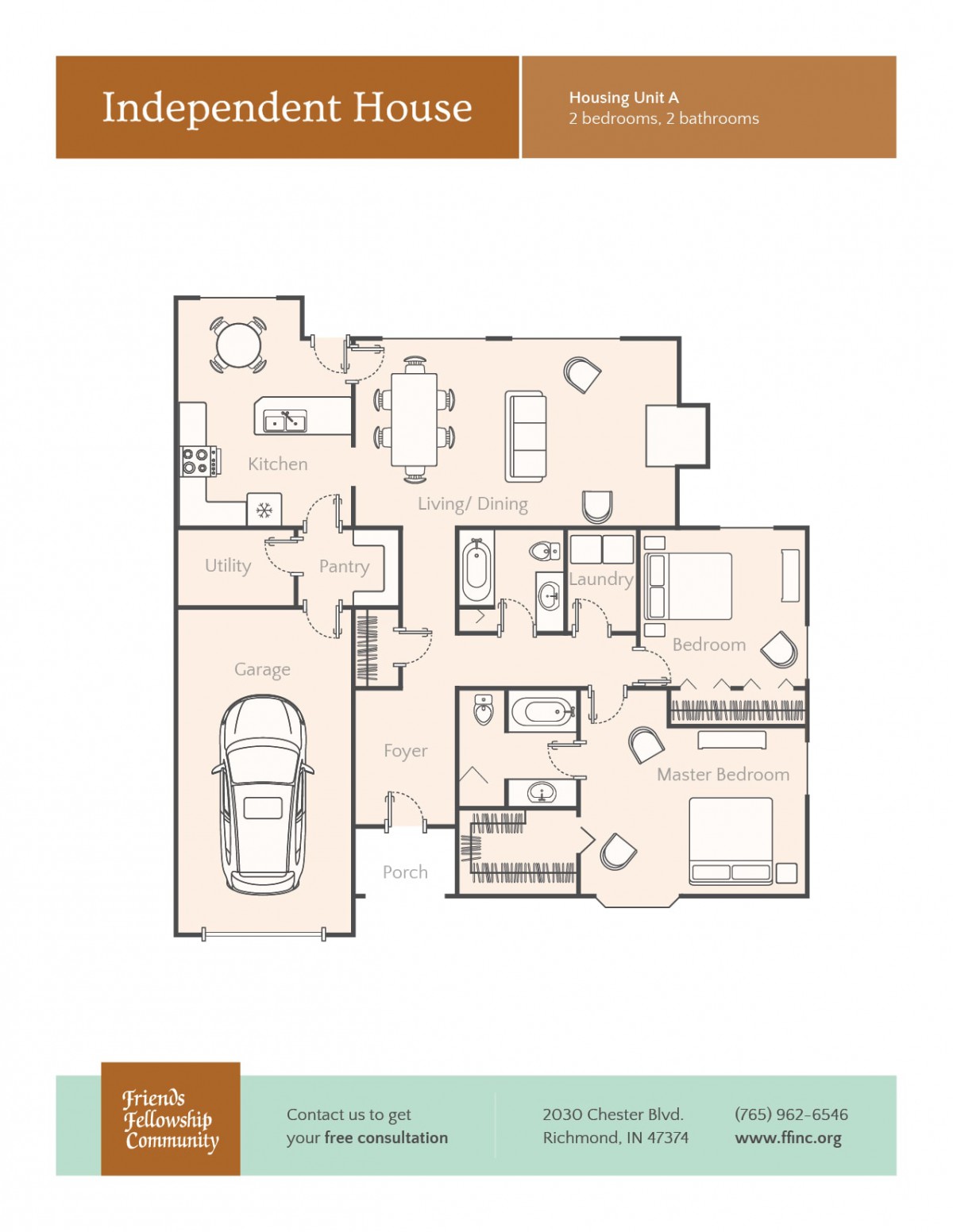
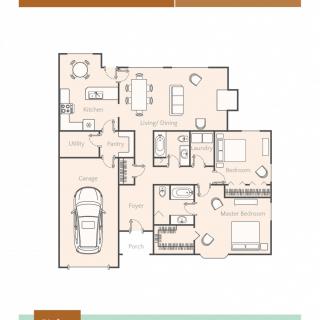
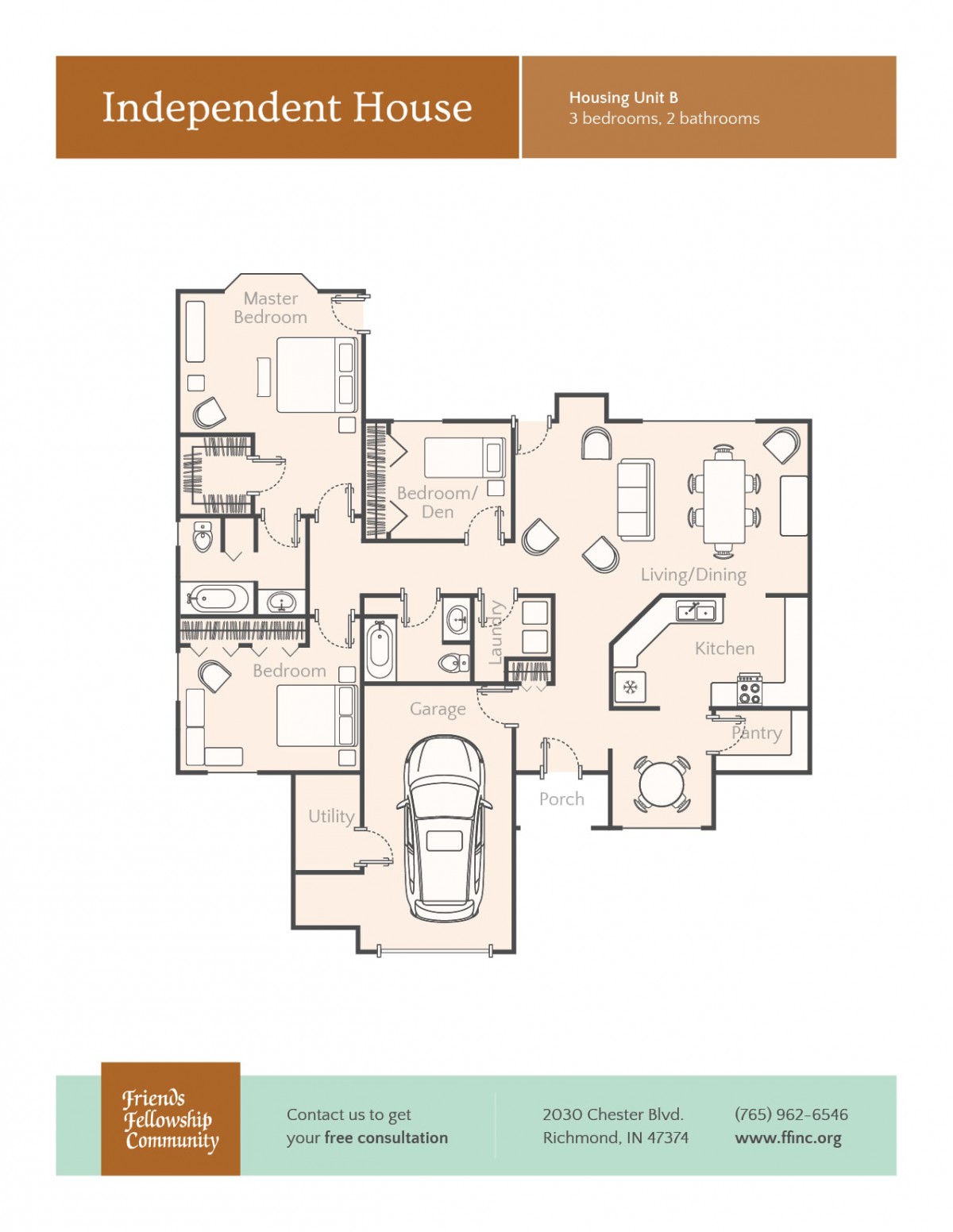
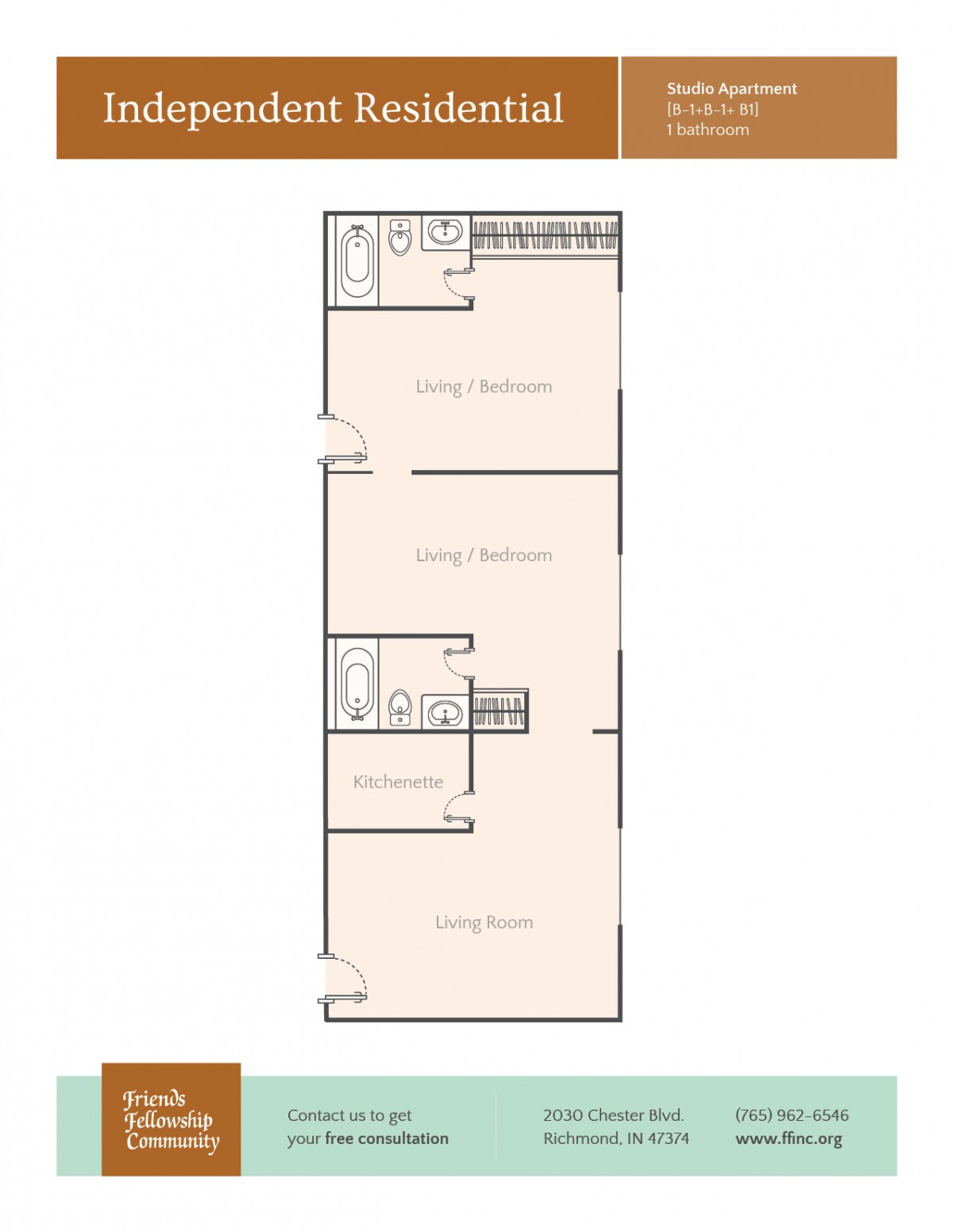
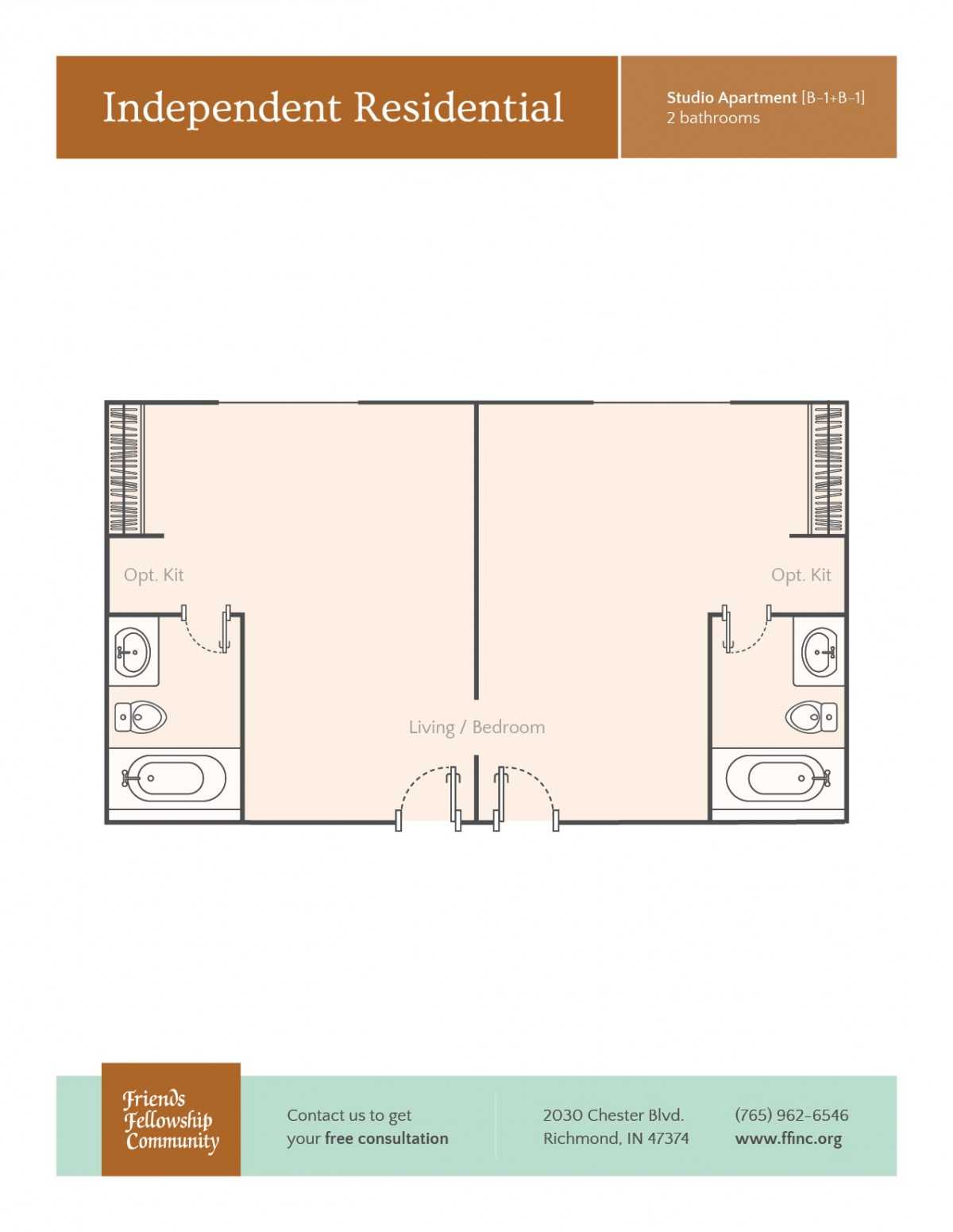
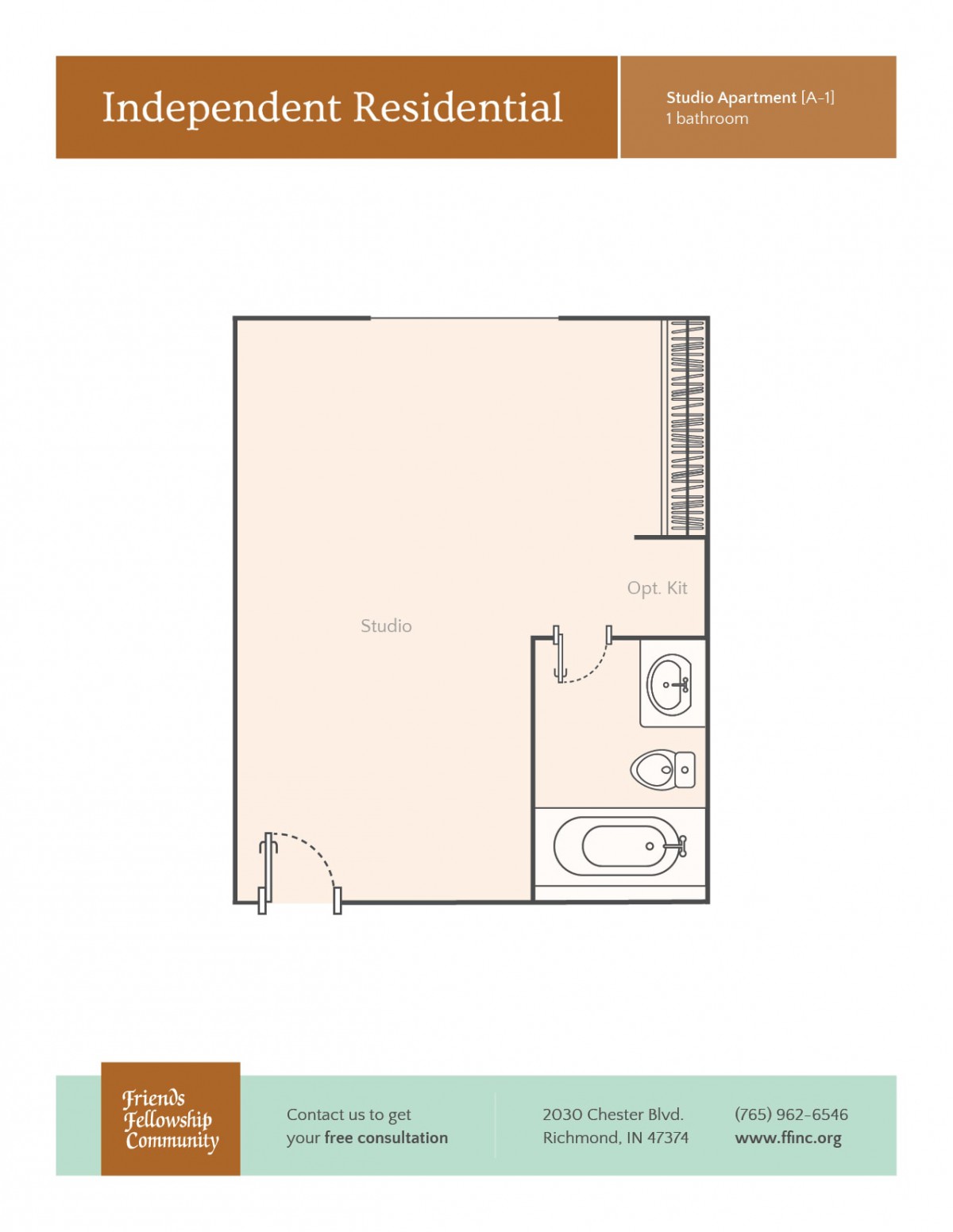
Floor plansFriends Fellowship Community, a CCRCWayne CountyIndiana
Studio$2,580$3,892$3,258
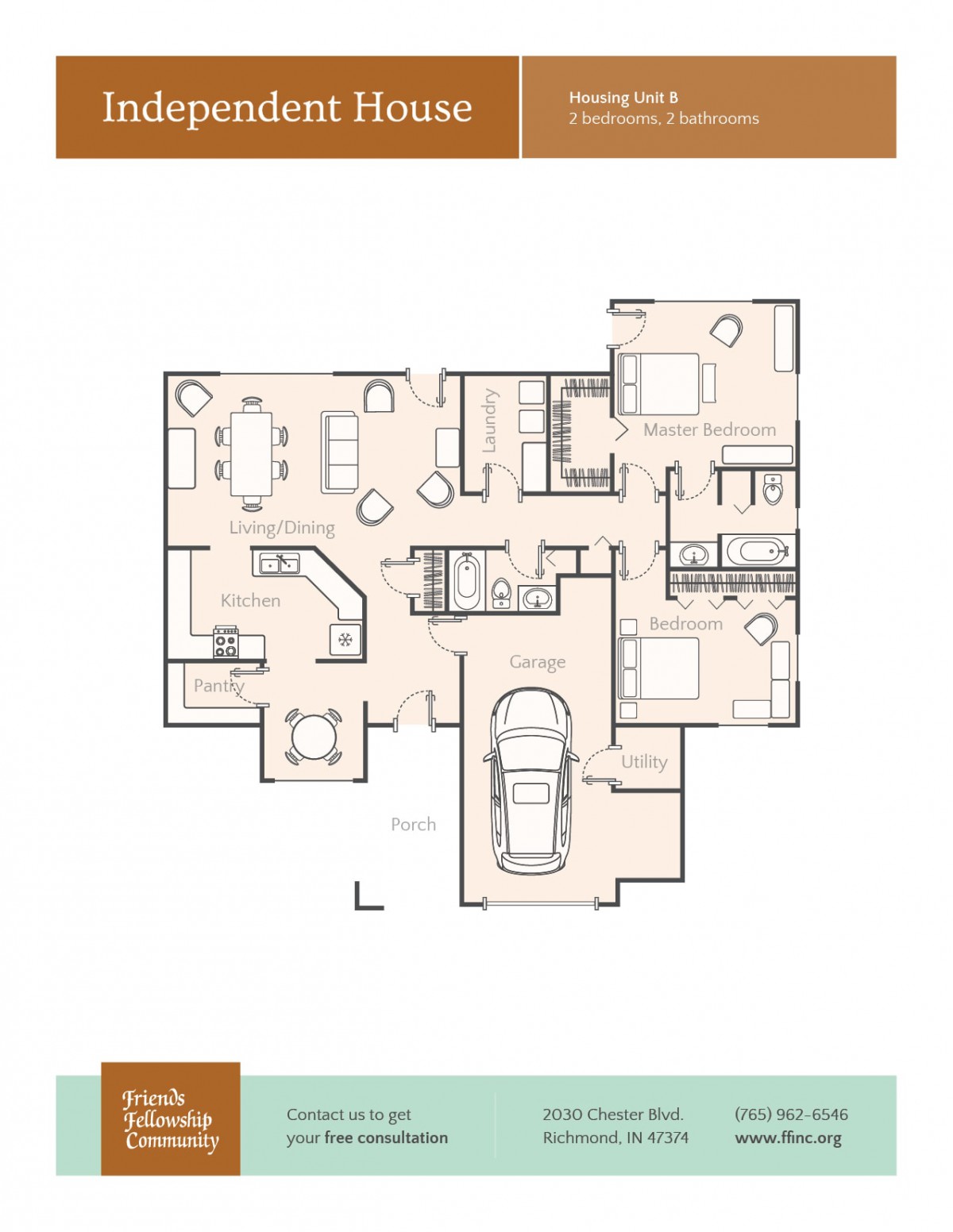
1 Bedroom$3,760$3,749$3,300
Semi-Private$8,310$5,810$3,739

Overall Review of Friends Fellowship Community, a CCRC

Pros

  • pro The staff are wonderful and the grounds are beautiful, with many activities that help residents meet new people.
  • pro The team is extremely helpful, knowledgeable, and caring.
  • pro The facility is beautiful, welcoming, and well-maintained for visitors and residents alike.
  • pro The campus provides a full continuum of care on one campus, giving residents peace of mind about future needs.
  • pro The meals are delicious, well-presented, and offer good variety.
  • pro The community feels warm, homelike, and like a family where staff truly cares for residents.
  • pro There are plentiful activities and social opportunities that keep residents engaged and connected.
  • pro Transportation is free, and staff go above and beyond to accommodate residents' needs.

Cons

  • pro The HR representative was rude and appeared narrow-minded and judgmental toward the reviewer because of a disability, with plans to pursue the EEOC.
  • pro The food lacks variety and offers only a single menu option at each meal.
  • pro Covid-related changes have reduced services significantly, diminishing overall care.
  • pro The rooms were small.
  • pro Some staff members smoke.
  • pro There is a high turnover rate, and a few nurses were rude and snooty.
  • pro The community is very expensive, with private-pay requirements and no Medicaid, which kept the reviewer from joining.
  • pro The dining service is short-staffed, causing delays and meals not being served warm.
  • pro The overall cost was described as exorbitant and unaffordable.

Review

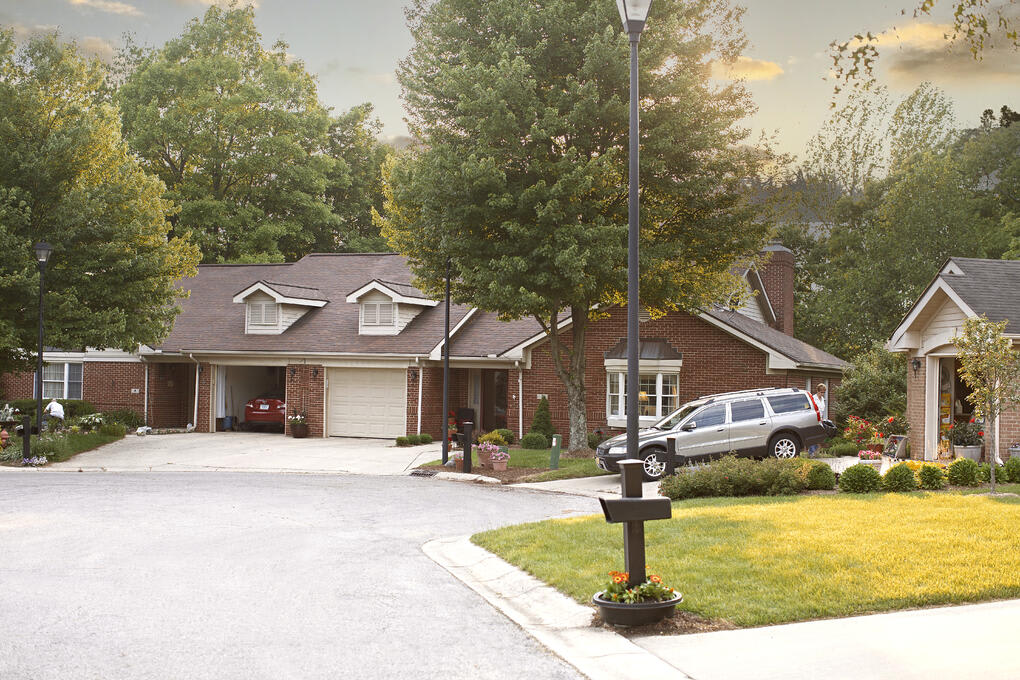
Friends Fellowship Community is best suited for seniors who want a true continuum-of-care experience on one campus, anchored by a warm, homelike culture. The campus architecture, full range of housing - from independent living to assisted options and memory care - and a Life Lease model create a predictable, all-inclusive path as needs evolve. For families who prize stability, social connection, and a sense that "care is constant," FFC delivers a comprehensive platform where transitions are already mapped, not left to chance. The strongest recommendation lands with those who value a tight-knit community atmosphere, robust programming, and staff who view residents as family.

That clarity, however, comes with caveats that deserve careful consideration. Private-pay cost is repeatedly highlighted in reviews as a defining factor, with several observers flagging the price as high and sometimes prohibitive for long-term plans. A few families describe the campus as large and ritzy, which can feel overwhelming or impersonal to those seeking a quieter, smaller-scale setting. In addition, some feedback points to operational strains - dining service bottlenecks during peak times, and occasional concerns about staffing levels - factors that can temper the otherwise high-caliber experience. For anyone counting on Medicaid coverage or seeking more modest pricing, alternatives may be a better fit.

The pros at Friends Fellowship offset many of these drawbacks in meaningful ways. The campus is repeatedly praised for its beauty, clean facilities, and an environment that fosters social engagement through abundant activities and accessible transportation. Residents routinely commend the staff's attentiveness, the sense of community, and the perception that care comes with genuine warmth rather than transactional interaction. The Life Lease framework, coupled with a true continuum of care, offers families reassurance that moving within the campus won't require uprooting to a different facility, a critical advantage for aging in place with predictable costs. The on-site amenities - meals, transportation for appointments, wellness offerings, and a culture of welcoming new residents - amplify the value of the investment for those who can afford it.

Yet the cons aren't purely theoretical. The cost dimension matters in real terms for most families, and some reviews describe the price as a barrier to entry or continuation, despite the perceived quality. Room sizes in independent living can feel compact, and some residents note that dining services, while good overall, lose a bit of warmth during busy periods due to staffing realities. There's also a cautionary thread about the campus size and the possibility of staff turnover influencing everyday experiences. A minority of observers raise concerns about encounters with staff behavior, underscoring the need for prospective residents to engage directly with administration to gauge culture and responsiveness before making a commitment.

Still, the strengths of FFC tend to offset these concerns for those who value long-term security and a thriving community. The ability to move smoothly from independent to assisted to memory care - often without leaving the same campus - addresses a core fear for families: the logistics and emotional strain of future transitions. The care philosophy - emphasizing compassion, continuity, and accessibility - enables residents to stay connected to friends and routines as needs evolve. Transportation, frequent programming, and on-site services help preserve independence where possible while providing reliable support when help is needed. For those who prioritize an established, well-regarded local institution with a proven track record, FFC remains a compelling, practical option.

For families weighing this choice, a disciplined due-diligence approach will yield the clearest answer. Start with a transparent cost comparison: request a detailed breakdown of Life Lease terms, what is included in independent versus assisted or memory care, and how pricing adjusts over time. Visit during mealtimes to observe dining flow and talk with current residents about their experiences with meals, wait times, and food quality. Seek out several staff members to gauge consistency of care, and ask about nurse availability, especially for independent residents who may need escalation. Finally, probe how well the campus handles transitions if care needs escalate, and whether the specific housing options (including any cottages or larger apartments) fit the family's space and budget expectations.

In the end, Friends Fellowship Community stands out as a practical, seasoned choice for families seeking a secure, all-inclusive living continuum with a deeply social, caring environment. It excels where continuity of care, engaged staff, and a strong sense of community deliver real peace of mind for residents and their families. If cost is manageable and the aspiration is to minimize future moves while maximizing social and wellness activities, the verdict is clear: FFC is hard to beat in the Richmond area for those who want long-term security paired with a genuine, family-like atmosphere. If those conditions don't align - whether due to budget, preference for a smaller setting, or concerns about dining flow - exploring alternatives with lower price points or different campus rhythms is prudent.

Features

Housing

  • 1-bedroom apartments 1-bedroom apartments1-bedroom apartments are important for seniors because they provide a sense of independence, privacy, and autonomy while still offering the necessary space for comfortable living. These apartments allow seniors to maintain their own personal space and lifestyle preferences in a supportive community setting.
  • 2-bedroom apartments 2-bedroom apartments2-bedroom apartments are important for seniors because they provide extra space for guests, hobbies, and caregivers, as well as potential for additional income through roommates or rental.
  • 3-bedroom apartments 3-bedroom apartments3-bedroom apartments are important for seniors as they provide ample space for visiting family, caregivers, or live-in assistance. This extra room can also be utilized for hobbies, storage, or a home office, allowing seniors to maintain independence and flexibility in their living arrangements.
  • Studio apartments Studio apartmentsStudio apartments are important for seniors because they offer a smaller, more manageable living space that is easier to navigate and maintain as physical abilities decline. Additionally, studio apartments provide seniors with independence and privacy while still being part of a community that offers support and social opportunities.

Types of Care

  • Assisted Living Assisted LivingAssisted living facilities provide crucial support and care for seniors who may need help with daily tasks such as medication management, bathing, and meal preparation. These communities offer a safe and comfortable environment where seniors can maintain their independence while receiving the assistance they need to thrive in their golden years.
  • Independent Living Independent LivingIndependent living communities are important for seniors because they offer a safe and supportive environment where older adults can live independently while still having access to amenities and services that enhance their quality of life. These communities provide social opportunities, recreational activities, and assistance with daily tasks, promoting overall well-being and allowing seniors to maintain their independence for as long as possible.
  • Memory Care Memory CareMemory care is crucial for seniors as it provides specialized support and services for individuals with dementia or Alzheimer's disease. These programs offer a safe and secure environment where residents receive personalized care, cognitive stimulation, and help with daily activities. Memory care helps seniors maintain their independence, quality of life, and dignity while also providing peace of mind for their families.
  • Skilled Nursing Facility Skilled Nursing FacilitySkilled Nursing Facilities are crucial for seniors as they provide round-the-clock medical care, rehabilitation services, and assistance with daily activities. These facilities ensure that seniors receive the specialized care they need to maintain their health and well-being as they age.

Amenities

  • Activities off-site Activities off-siteEngaging in off-site activities is crucial for seniors to maintain social connections, stay active, and stimulate their minds. It promotes overall well-being and helps combat feelings of isolation and loneliness.
  • Activities on-site Activities on-siteActivities on-site are important for seniors because they provide opportunities for socialization, mental stimulation, physical activity, and overall well-being. Engaging in activities can help seniors stay active, maintain their independence, and improve their quality of life.
  • Air-conditioning Air-conditioningAir conditioning is important for seniors as they are more vulnerable to heat-related illnesses and may have underlying health conditions that make it difficult for them to regulate their body temperature. It helps to keep them comfortable, safe, and healthy in hot weather.
  • Bath tubs Bath tubsBath tubs are important for seniors because they provide a safe and relaxing way to bathe, helping to prevent slips and falls while promoting independence and overall well-being.
  • Beautician on-site Beautician on-siteHaving a beautician on-site at a senior living community is important for seniors as it allows them to easily access grooming and personal care services, boosting their self-esteem and overall well-being. It also provides convenience and helps seniors maintain their sense of independence and personal style.
  • Cable or satellite TV Cable or satellite TVCable or satellite TV is important for seniors because it provides entertainment, news, and companionship, helping to combat loneliness and boredom. It also offers a wide range of programming options tailored to different interests and preferences.
  • Devotional services on-site Devotional services on-siteDevotional services on-site provide seniors with spiritual support and a sense of community, as well as an opportunity for reflection and guidance during their senior living experience. This can promote emotional well-being and connection to others, leading to a more fulfilling and enriching lifestyle in their later years.
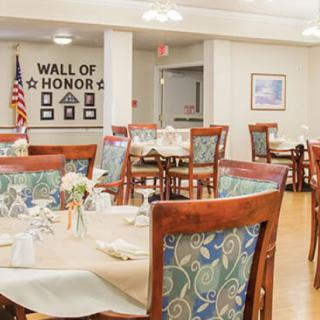
  • Dining room Dining roomDining rooms are important for seniors as they provide a space for socialization, connection, and nutritious meals. They offer opportunities for residents to bond over shared meals, foster a sense of community, and promote healthy eating habits. Dining rooms also ensure that seniors have access to well-balanced meals tailored to their dietary needs and preferences.
  • Full kitchen Full kitchenHaving a full kitchen in a senior living facility is important for seniors because it allows them to maintain their independence and prepare their own meals. This promotes healthy eating habits, saves money on dining out, and provides a sense of familiarity and comfort for residents.
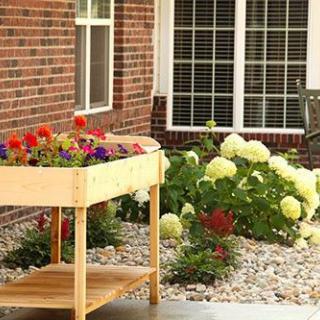
  • Garden GardenGardens are important for seniors as they provide a peaceful and therapeutic environment for relaxation, physical activity, and socialization. Being in nature has been shown to reduce stress, improve mood, and promote overall well-being. Gardens also offer opportunities for seniors to engage in gardening activities, which can improve mobility, flexibility, and cognitive function. Additionally, gardens create a sense of community and connection with others who share a passion for plants and outdoor spaces.
  • Ground floor units Ground floor unitsGround floor units are important for seniors because they provide easy accessibility, reduced risk of falls and injuries, and convenience for those with mobility issues. Seniors can avoid climbing stairs or using elevators, making daily tasks and activities more manageable and enjoyable.
  • Guasts at mealtime Guasts at mealtime"Guests at mealtime" offer seniors the opportunity for social interaction, companionship, and a sense of community during meals, which can help combat feelings of loneliness and isolation commonly experienced in senior living environments. It can also enhance their overall dining experience and improve their mental and emotional well-being.
  • Handicap accessible Handicap accessible"Handicap accessible" amenities are crucial for seniors to ensure they can easily navigate and access facilities, services, and activities without barriers or limitations due to physical impairments. This promotes independence, safety, and inclusivity for seniors in senior living communities.
  • Housekeeping services Housekeeping servicesHousekeeping services are important for seniors because they help maintain a clean and safe living environment, promote independence, and reduce the risk of accidents or illnesses. Additionally, having assistance with household chores can alleviate physical strain and allow seniors to focus on other aspects of their well-being.
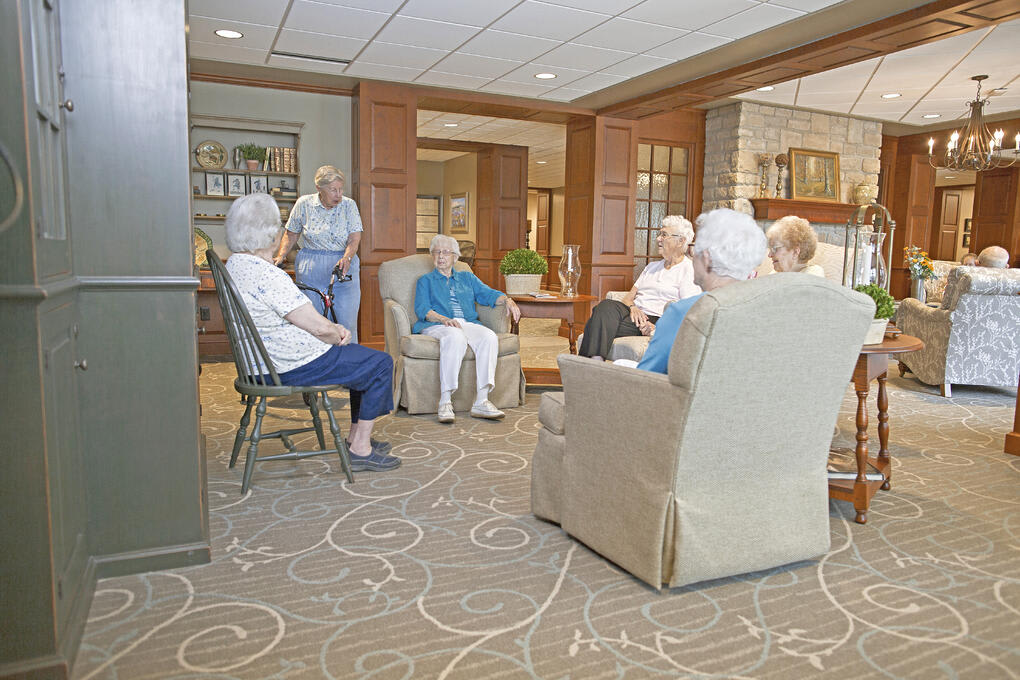
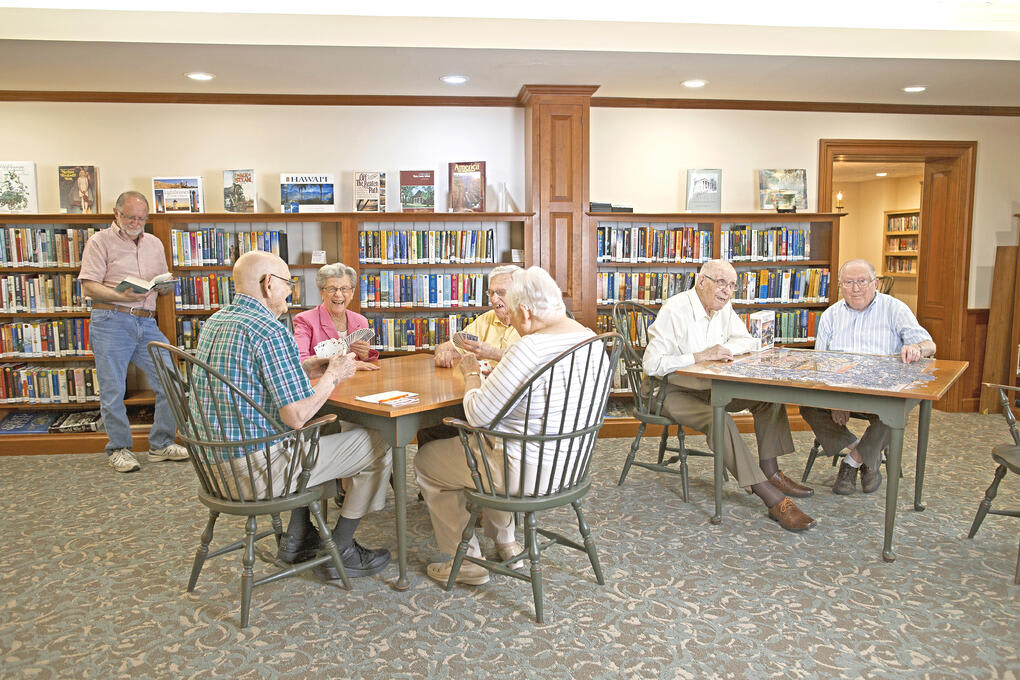
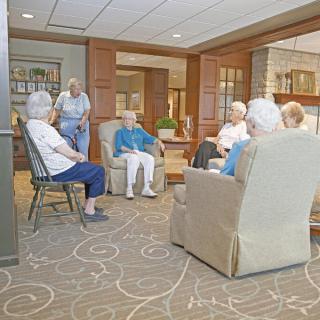
  • Indoor common areas Indoor common areasIndoor common areas are crucial for seniors as they provide a space for socialization, recreation, and community engagement, promoting overall well-being and reducing feelings of isolation and loneliness.
  • Kitchenette KitchenetteKitchenettes are important for seniors living in senior living communities because they provide the convenience and independence of being able to prepare simple meals and snacks in the comfort of their own living space. This can help promote a sense of autonomy and well-being for seniors, allowing them to maintain some level of control over their dietary choices and daily routines.
  • Laundry LaundryLaundry services are important for seniors as they may have difficulty with physical tasks such as bending, lifting, or carrying heavy loads. Having access to laundry services can help seniors maintain personal hygiene, cleanliness, and independence in their daily lives.
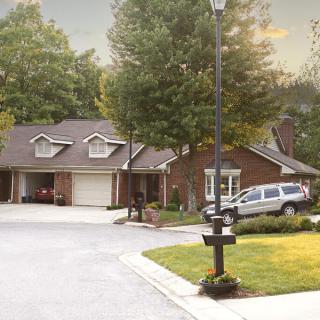
  • Outdoor common areas Outdoor common areasOutdoor common areas are important for seniors as they provide a space for socialization, physical activity, and relaxation. Being outside in nature can improve mood and overall well-being, while also encouraging movement and engagement with others. These spaces can help combat feelings of isolation and promote a sense of community among residents.
  • Overnight guests Overnight guestsOvernight guests provide companionship, social engagement, and emotional support for seniors in senior living communities. They can help reduce feelings of loneliness, isolation, and boredom, while also promoting mental well-being and overall quality of life. Additionally, overnight guests can offer a sense of familiarity and comfort for seniors who may be transitioning into a new living environment.
  • Party space Party spaceHaving access to party space is important for seniors as it provides opportunities for socialization, connection, and enjoyment. These spaces allow seniors to celebrate special occasions, host gatherings with friends and family, and participate in community events, enhancing their overall well-being and quality of life.
  • Resident parking Resident parkingResident parking is crucial for seniors in a senior living community as it provides convenience, accessibility, and safety for residents who may have limited mobility or rely on personal vehicles for transportation. Having designated parking spaces ensures that seniors can easily access their homes without having to walk long distances or navigate crowded parking lots, ultimately enhancing their overall quality of life and sense of independence.
  • Respite or short term stays offered Respite or short term stays offeredRespite or short term stays provide seniors with a temporary solution when their regular caregiver is unavailable, offering them the opportunity to receive additional care and support during times of need, while also giving caregivers a chance to rest and recharge.
  • Wheelchair accessible showers Wheelchair accessible showersWheelchair accessible showers are crucial for seniors as they provide a safe and independent bathing option for those with mobility challenges. These showers help prevent falls and allow seniors to maintain their dignity and autonomy while ensuring they can bathe comfortably.
  • Wi-Fi/high-speed internet available Wi-Fi/high-speed internet availableWi-Fi/high-speed internet is important for seniors to stay connected with loved ones, access online resources, and participate in virtual activities to combat feelings of loneliness and isolation. It also allows them to easily manage healthcare needs, access entertainment, and engage in lifelong learning opportunities.

Transportation

  • Transportation & parking Transportation & parkingTransportation and parking are vital for seniors as they offer access to essential services, activities, and social interactions. Reliable transportation options can help seniors maintain independence, stay connected within their community, and enjoy a higher quality of life. Additionally, convenient parking facilities ensure that seniors can easily access necessary resources and amenities without added stress or difficulty.

Care Services

  • Diabetic care Diabetic careDiabetic care is crucial for seniors as they are more susceptible to developing diabetes due to aging and other health conditions. Proper management of diabetes can help prevent complications such as heart disease, vision loss, and nerve damage, improving the overall quality of life for seniors in senior living communities.
  • High acuity care High acuity careHigh acuity care is important for seniors because it provides specialized medical attention and support for individuals with complex medical needs. This level of care ensures that seniors receive the appropriate treatment and assistance to maintain their health and quality of life as they age.
  • Incontinence care Incontinence careIncontinence care is essential for seniors to maintain their dignity, hygiene, and overall quality of life. By addressing incontinence issues promptly and effectively, seniors can enjoy a sense of independence and comfort in their daily activities.
  • Medication management Medication managementMedication management is crucial for seniors to ensure they are taking the right medications at the correct dosages and times. This helps prevent adverse drug interactions, reduces the risk of medication errors, and promotes overall health and well-being. Proactive management also allows for adjustments as needed based on changing health conditions or new prescriptions.
  • Physical therapy Physical therapyPhysical therapy is essential for seniors to maintain and improve their mobility, strength, and overall quality of life. It helps reduce pain, prevent falls, and enhance independence in daily activities. By promoting movement and function, physical therapy can help seniors stay active, healthy, and engaged in their communities.

Dining

  • Anytime dining Anytime diningAnytime dining is important for seniors because it allows them the flexibility to eat when they are hungry, rather than being restricted to set meal times. This can be especially beneficial for those with medical conditions or medications that affect their appetite, as well as those who may have difficulty adhering to a strict dining schedule. Overall, anytime dining promotes independence and overall well-being for seniors in senior living communities.
  • Gluten-free Gluten-freeGluten-free options are important for seniors as they are more prone to digestive issues and dietary sensitivities. Offering gluten-free meal choices in senior living communities can help improve their overall health and well-being.
  • Guest meals Guest mealsGuest meals are important for seniors living in senior living communities because they provide an opportunity for socialization and companionship. Sharing a meal with friends, family, or new acquaintances can help combat feelings of loneliness and isolation, promote a sense of community, and enhance overall well-being. Additionally, guest meals allow seniors to enjoy delicious food in a comfortable setting without the hassle of cooking or cleaning up, making dining a pleasurable and stress-free experience.
  • Kosher KosherKosher options are important for seniors because they adhere to dietary laws that are significant to many Jewish individuals, providing them with peace of mind and an opportunity to maintain their cultural traditions and beliefs while living in a senior living community.
  • Low / no sodium Low / no sodiumLow/no sodium options are important for seniors because excessive sodium intake can lead to high blood pressure, heart disease, and other health issues commonly experienced by older adults. By choosing low/no sodium foods, seniors can better manage their health and reduce their risk of developing these conditions.
  • Meals provided Meals provided"Meals provided" are crucial for seniors in assisted living communities as it ensures they have access to nutritious, balanced meals without the stress of meal planning and preparation. This can help promote overall health and well-being for seniors who may have limited mobility or cognitive abilities.
  • No Sugar No SugarNo sugar diets are important for seniors because they can help prevent or manage chronic conditions such as diabetes, heart disease, and obesity. Sugar can also contribute to cognitive decline and inflammation in the body, so reducing sugar intake can lead to overall improved health and well-being in older adults.
  • Restaurant style dining Restaurant style diningRestaurant style dining is important for seniors as it offers them a social and enjoyable dining experience, promotes healthy eating habits, and provides personalized menu options to cater to their dietary needs and preferences. This type of dining setting can enhance their overall quality of life and create a sense of community within the senior living facility.
  • Vegetarian VegetarianA vegetarian diet is important for seniors because it can help lower the risk of chronic diseases, maintain a healthy weight, and provide essential nutrients needed for aging bodies. Additionally, plant-based diets are often easier on digestive systems and can contribute to overall well-being in older adults.

Activities

  • Activities off-site Activities off-siteEngaging in off-site activities is crucial for seniors to maintain social connections, stay active, and stimulate their minds. It promotes overall well-being and helps combat feelings of isolation and loneliness.
  • Art classes Art classesArt classes are important for seniors because they provide a creative outlet, improve cognitive function, reduce stress and anxiety, promote socialization, and enhance overall well-being and quality of life.
  • Catholic services Catholic servicesCatholic services are important for seniors because they provide spiritual support, a sense of community, and opportunities for social interaction that can enhance overall well-being and quality of life in their later years.
  • Day trips and outings Day trips and outingsDay trips and outings are important for seniors as they provide opportunities for socialization, mental stimulation, physical activity, and a break from daily routines. These experiences can enhance overall well-being and quality of life for older adults living in senior communities.
  • Devotional activities on-site Devotional activities on-siteDevotional activities on-site provide seniors with a sense of community, spiritual fulfillment, and emotional support, promoting overall well-being and a positive sense of purpose in their lives.
  • Educational speakers / life long learning Educational speakers / life long learningEducational speakers and lifelong learning opportunities are crucial for seniors as they provide mental stimulation, promote social engagement, and contribute to overall well-being. Continuous learning helps seniors stay mentally sharp, build new skills, and maintain a sense of purpose and fulfillment in their lives. It also allows them to stay connected to the world around them and fosters a sense of community within senior living facilities.
  • Fitness programs Fitness programsFitness programs are crucial for seniors as they help improve strength, flexibility, balance, and overall well-being. Staying active can reduce the risk of chronic diseases, improve mental health, and enhance quality of life in older adults.
  • Live dance or theater performances Live dance or theater performancesLive dance or theater performances are important for seniors because they provide opportunities for socialization, mental stimulation, and emotional engagement. These performances can help combat feelings of isolation and loneliness, while also offering a sense of connection to the arts and culture. Additionally, watching live performances can bring joy and create lasting memories for seniors in their later years.
  • Live musical performances Live musical performancesLive musical performances can provide seniors with a sense of joy, nostalgia, and connection. Music has the power to evoke emotions and memories, improve mood and cognitive function, and foster social interaction among seniors. It can also serve as a form of therapy and stress relief for older adults, making it an important activity to include in senior living communities.
  • Live well programs Live well programs"Live well programs are essential for seniors as they provide opportunities for physical activity, social engagement, and mental stimulation, ultimately promoting overall health and well-being in later years."
  • Other religious services Other religious servicesOther religious services are important for seniors as they provide a sense of community, spiritual comfort, and opportunities for socializing. These services can help seniors feel connected to their faith and maintain a sense of purpose and belonging in their later years.
  • Protestant services Protestant servicesProtestant services are important for seniors because they provide spiritual nourishment, community support, and a sense of belonging. These services can help seniors connect with others who share their faith, find comfort and guidance in times of need, and maintain a sense of purpose and fulfillment in their later years.
  • Religious services Religious servicesReligious services provide seniors with a sense of community, support, and spiritual fulfillment, which can improve their overall well-being and mental health. It also offers them opportunities for socialization and connection with others who share their beliefs.
  • Stretching classes Stretching classesStretching classes are important for seniors because they help improve flexibility, reduce the risk of injury, and promote overall health and well-being. Regular stretching can also help alleviate joint pain and stiffness, enhance balance and coordination, and increase range of motion.

Languages Spoken

  • English EnglishEnglish is important for seniors as it allows them to communicate effectively with healthcare providers, understand important information related to their health and medications, stay connected with loved ones, and engage in social activities within their communities. It also opens up opportunities for lifelong learning and intellectual stimulation.

Description

Friends Fellowship Community is an exceptional assisted living community located in Richmond, IN. Our community offers a variety of housing options, including 2-bedroom apartments, 3-bedroom apartments, and studio apartments to suit each individual's preferences and needs.

At Friends Fellowship Community, we provide various levels of care to accommodate our residents' unique requirements. We offer independent living for those who are active and self-sufficient, memory care for individuals with Alzheimer's or dementia, and skilled nursing facility services for those who need more comprehensive medical assistance.

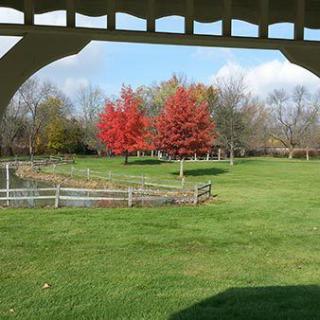
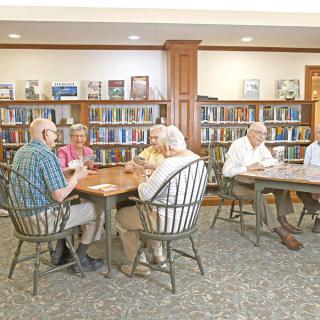
Our community boasts a wide range of amenities aimed at fostering an enjoyable and fulfilling lifestyle. Residents can participate in numerous on-site activities designed to stimulate their interests and passions. Our beautiful garden provides a serene outdoor space, while indoor common areas create opportunities for socialization. Additional conveniences include an on-site beautician, housekeeping services, laundry facilities, overnight guest accommodations, resident parking, transportation options for outings and appointments.

For those in need of special care services, our highly trained staff is available to provide high acuity care as well as assistance with incontinence management and medication administration. Physical therapy services are also offered to promote overall wellness.

Dining at Friends Fellowship Community is a delightful experience with our restaurant-style dining offering nutritious and delicious meals. We cater to diverse dietary needs such as gluten-free, kosher, low/no sodium options. Guests are welcome to join residents for meals upon request.

We believe in maintaining an active and engaging lifestyle through various activities catered to different interests. From art classes to fitness programs and educational speakers/life-long learning opportunities , there is something for everyone at Friends Fellowship Community. Our residents can also enjoy live dance or theater performances along with regular live musical performances.

Conveniently located near cafes, parks, pharmacies, physicians' offices restaurants places of worship nearby , Friends Fellowship Community ensures that everything residents may need is within easy reach. Moreover seven hospitals guarantee quick access to healthcare services.

When it comes to assisted living, Friends Fellowship Community stands out as a premier choice for individuals seeking the perfect balance of care and independence in a welcoming and vibrant community.

Nearby Places of Interest

Located in Richmond, Indiana, this area offers a mix of essential amenities within close proximity. With various places of worship, including the First Friends Meeting and Fairview Baptist Church, individuals have the opportunity to practice their faith conveniently. The neighborhood also provides easy access to healthcare services, with nearby physicians such as Skinsations Dermatherapy and Reid Outpatient Surgery and Endoscopy, as well as reputable hospitals like Reid Memorial Hospital. Additionally, residents can enjoy a variety of dining options ranging from fast food chains like Hardee's and Wendy's to family restaurants like Carver's Family Restaurant. For relaxation, seniors can visit the Middlefork Reservoir park or grab a coffee at Cafe At Twelve Hundred. Overall, this area combines convenience with community offerings that cater to a comfortable senior living experience.

Places of Worship

  • First Friends Meeting (0.2 miles)
  • Oak Park Early Learnin (0.2 miles)
  • Compass: Navigating Faith & Finances (0.8 miles)
  • Fairview Baptist Church (1.2 miles)
  • Journey Life Center (1.3 miles)
  • Southern Baptist Convention (1.4 miles)
  • Church of God First of Anderson (1.8 miles)

Physicians

  • Skinsations Dermatherapy (0.2 miles)
  • Eye Center of Richmond (0.3 miles)
  • Allure Center for Plastic Surgery (0.3 miles)
  • Reid Outpatient Surgery and Endoscopy (0.4 miles)
  • Derek Steven Serna (0.4 miles)
  • Oladapo, Oladele Reid Psychiatric Associates (0.4 miles)
  • Xinqiang Han, MD (0.4 miles)

Pharmacies

  • CVS Pharmacy (0.2 miles)
  • Phillip Drugs (2.1 miles)
  • Midtown Prescriptions (2.2 miles)
  • Midtown MediCenter Pharmacy (2.2 miles)
  • CVS Pharmacy (2.2 miles)
  • Phillips Drugs (2.8 miles)
  • Walgreens (3 miles)

Restaurants

  • Hardee's (0.3 miles)
  • Carver's Family Restaurant (0.4 miles)
  • McDonald's (0.5 miles)
  • Wendy's (0.5 miles)
  • El Bronco (0.7 miles)
  • Fricker's (1 miles)
  • Thai Thara (1.3 miles)

Hospitals

  • Reid Cancer Center (0.5 miles)
  • Reid Hospital & Health Care Services (0.5 miles)
  • Reid Memorial Hospital (0.6 miles)
  • Reid Hospital-Security Offices (0.6 miles)
  • Reid Outpatient Surgery & Endoscopy (1 miles)
  • Reid Hospital & Health Care Services (2.1 miles)
  • Richmond State Hospital (2.3 miles)

Cafes

  • Cafe At Twelve Hundred (0.6 miles)
  • Sunshine Cafe (2.8 miles)
  • Starbucks (3.1 miles)

Parks

  • Middlefork Resevoir (0.9 miles)
  • Elstro Plaza (2.1 miles)
  • Veteran's Memorial Park - Wayne County (2.2 miles)
  • Tenth Street Park (2.3 miles)
  • Richmond Parks & Recreation (2.3 miles)
  • Whitewater Valley Gorge Park (2.4 miles)

Transportation

  • Depot Taxi (1.8 miles)

Frequently Asked Questions

How much does it cost to live at Friends Fellowship Community, a CCRC in Richmond, IN?
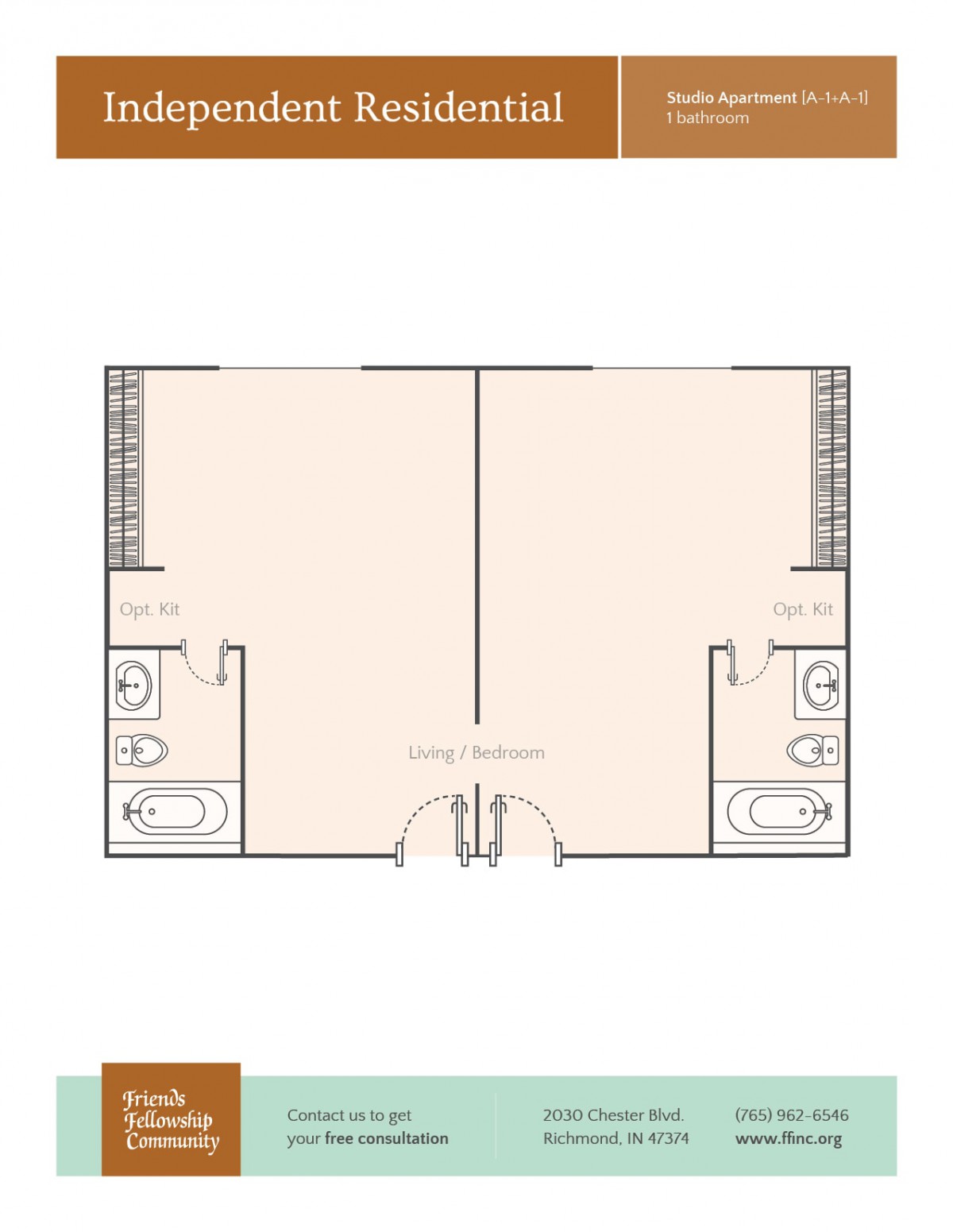
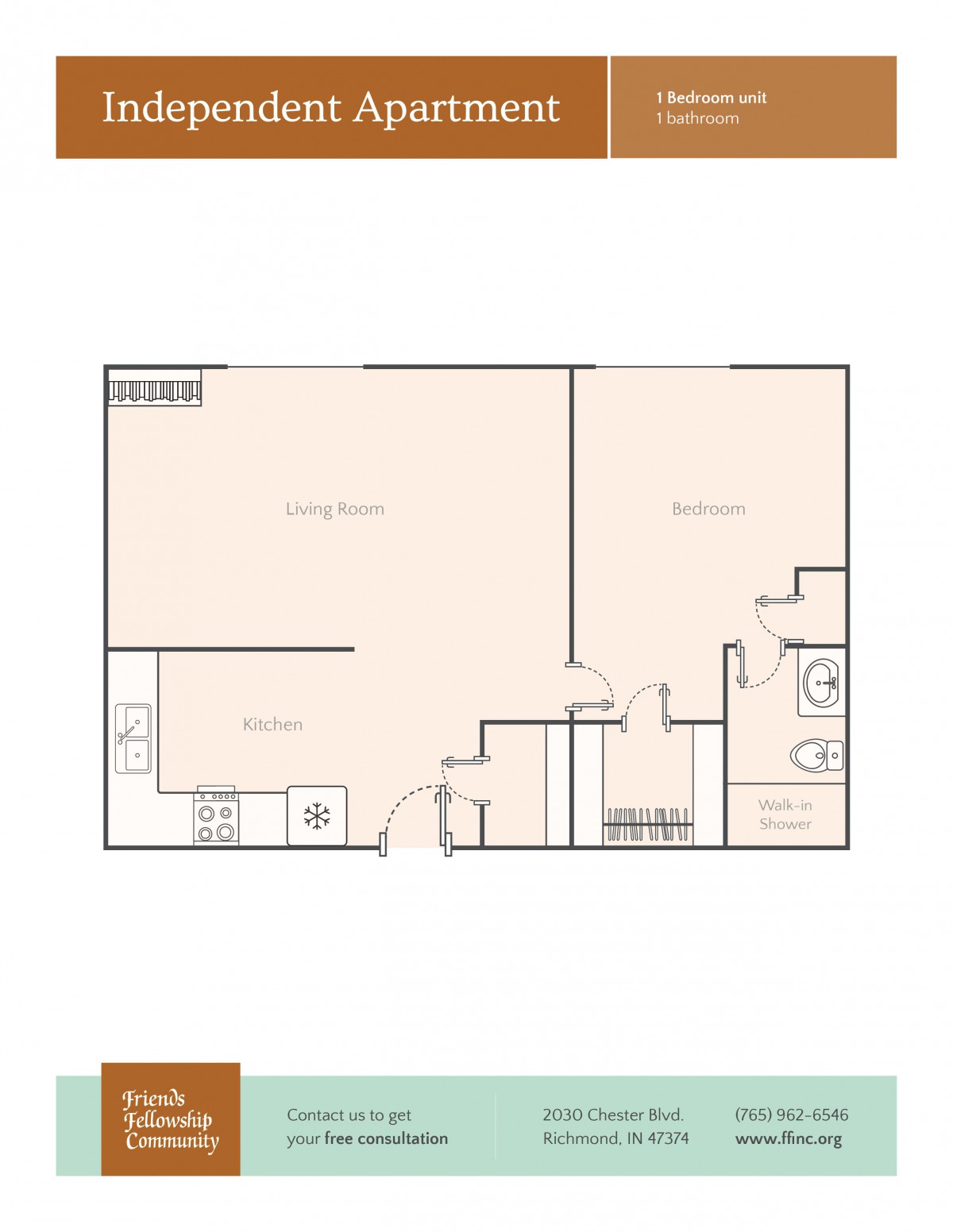
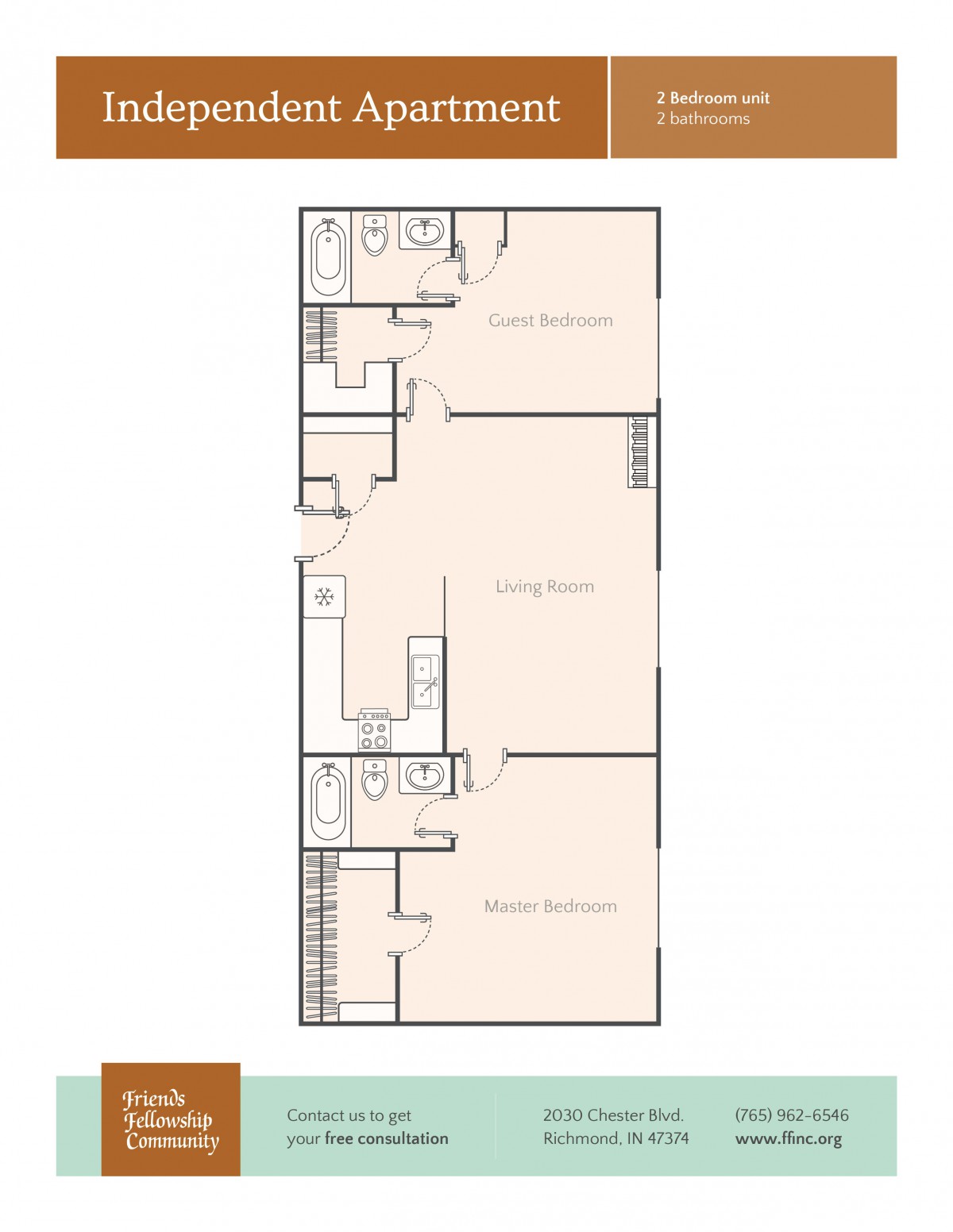
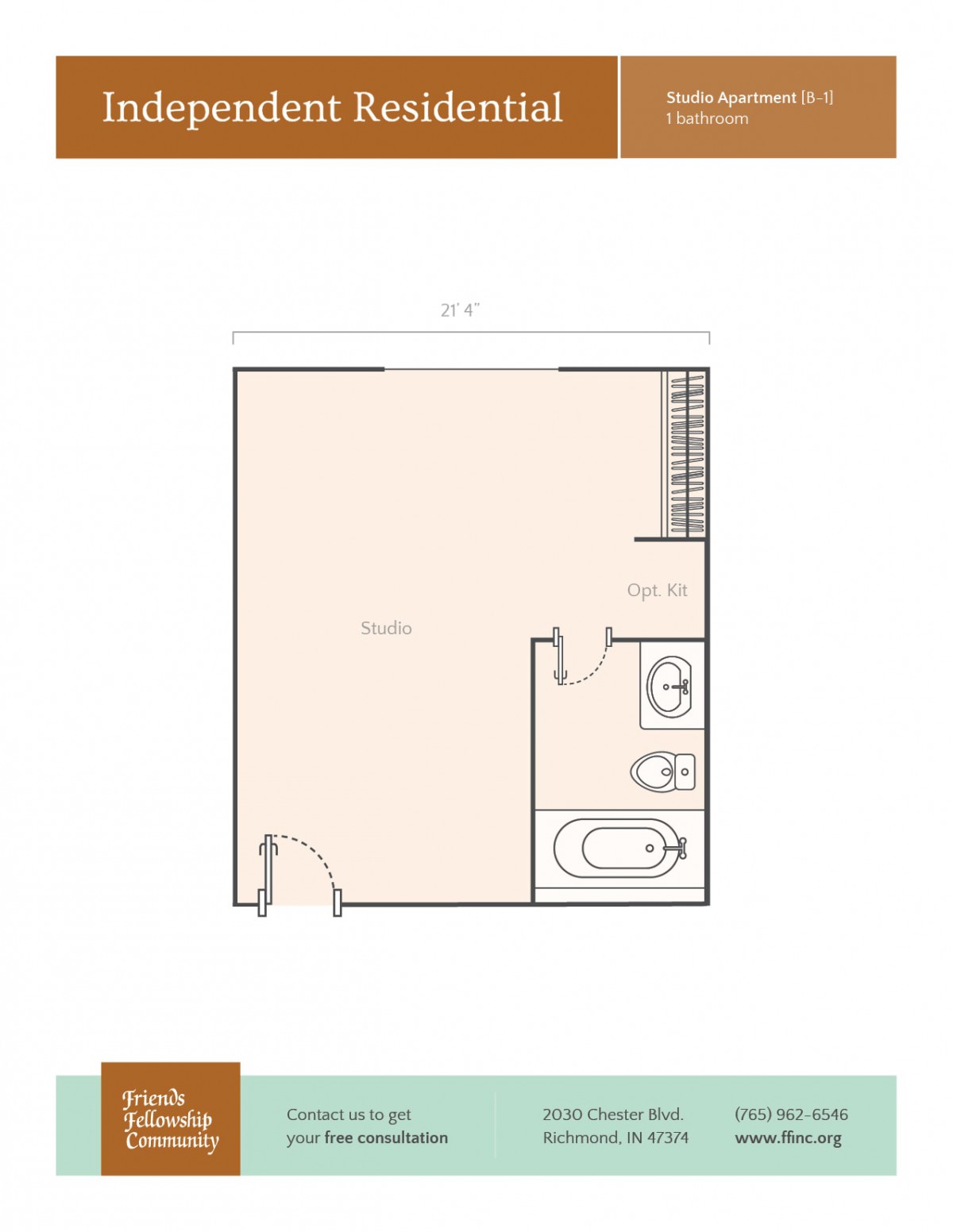
What floor plans and room types does Friends Fellowship Community, a CCRC offer?
Where is Friends Fellowship Community, a CCRC?
Does Friends Fellowship Community, a CCRC provide care for residents with dementia or Alzheimer's disease?
What photos are available for Friends Fellowship Community, a CCRC in Richmond, Indiana?

Nearby Communities

  • Friends Fellowship Community

    Friends Fellowship Community

    Richmond, IN

    4.7 from 58 reviews
     

    pro Friendly, attentive staff in a clean, well-maintained, amenity-rich community with transportation and multiple care options.


  • Rosebud Village

    Rosebud Village

    Richmond, IN

    4.6 from 41 reviews
     

    pro Comprehensive care options (assisted living, memory care, skilled nursing) with robust amenities and active social programs.

  • Heritage House Of Richmond

    Heritage House Of Richmond

    Richmond, IN

    3.7 from 6 reviews
     

    pro Caring staff in a well-maintained, home-like setting.

  • Advantage Home Health Care

    Advantage Home Health Care

    Richmond, IN


    pro Excellent access to healthcare, pharmacies, dining, parks, and other amenities nearby.

  • The Springs Of Richmond

    The Springs Of Richmond

    Richmond, IN

    4.1 from 93 reviews
     

    pro Clean, pleasant environment with outdoor spaces and on-site amenities.

  • Golden Living Center - Richmond

    Golden Living Center - Richmond

    Richmond, IN

    3.6 from 7 reviews
    $4,520 / month

    pro Long-term private Medicaid suites at no extra cost and the option to bring personal furniture.

  • Golden Living Center Golden Rule

    Golden Living Center Golden Rule

    Richmond, IN

    4.1 from 50 reviews
    $4,600 to $5,000 / month

    pro Caring, professional staff and a clean, well-maintained environment.

  • Brethren Retirement Community

    Brethren Retirement Community

    Greenville, OH

    3.8 from 52 reviews
    $4,019 to $5,214 / month

    pro Strong staff dedication with good communication and high-quality care.

  • Village Green Health Campus

    Village Green Health Campus

    Greenville, OH

    4.7 from 42 reviews
    $2,790 to $4,110 / month

    pro Comprehensive care options (assisted living, memory care, day program, skilled nursing) with on-site amenities and 24/7 staff.

Assisted Living in Nearby Cities

Related Resources

  • alzheimer's factsIlluminating Insights About Alzheimer's Disease: Ten Crucial Realities

    Alzheimer’s disease is a progressive neurological disorder that significantly impacts memory and cognitive functions, accounting for 60-80% of dementia cases, with early diagnosis being crucial yet challenging. It involves brain changes like beta-amyloid plaques and tau tangles, influenced by genetic and lifestyle factors, and while there is no cure, symptom management and support for caregivers are essential.

  • list of drugs linked to dementiaA Thorough Discussion of Medications Potentially Linked to Dementia Risk

    Dementia, influenced by aging and certain medications, may be exacerbated by drug classes such as anticholinergics, benzodiazepines, and antipsychotics, which are associated with cognitive impairment. Regular medication reviews by healthcare professionals are crucial for older adults to manage risks and optimize cognitive health.

  • do dementia patients sleep a lotWhy Do Dementia Patients Sleep So Much? Understanding Oversleeping, Stages, and Care Approaches
    Dementia often results in disrupted sleep patterns, leading to excessive daytime sleeping due to factors like brain damage affecting circadian rhythms, medication side effects, and lack of structure in daily activities. Caregivers must monitor these changes closely, as oversleeping can increase risks such as malnutrition or dehydration, and provide necessary support and routines to enhance patient engagement and well-being.