The Springs of Richmond Costs & Pricing
The Springs of Richmond offers a competitive monthly rate for its studio apartments at $3,498. This price is notably lower than the average cost in Wayne County, which stands at $3,892, suggesting that residents can enjoy a more affordable option without sacrificing quality. Furthermore, when compared to the state average in Indiana of $3,258, The Springs of Richmond positions itself slightly above this benchmark. This pricing structure reflects a commitment to providing valuable living options while ensuring that residents receive exceptional care and services tailored to their needs.
| Floor plans | The Springs of Richmond | Wayne County | Indiana |
|---|
| Studio | $3,498 | $3,892 | $3,258 |
Assisted Living communities with a similar price nearby
-
About the same
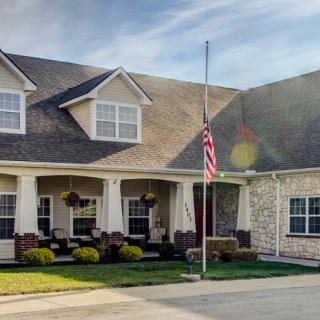
Brookdale Greenville
$3,545 to $6,735 / month
23.9 miles away
-
About the same
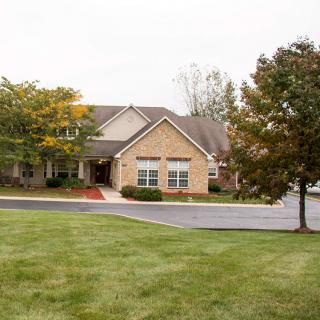
Brookdale Richmond
$3,495 to $3,895 / month
2.2 miles away
-
from +$521 / mo
Brethren Retirement Community
$4,019 to $5,214 / month
22.2 miles away
Overall Review of The Springs of Richmond
differentiator
3 reviews mention this
Medication handling is a focus
Care teams manage medications, and families notice both clarity and gaps.
Several reviewers describe medication coordination that felt helpful, including sorting meds and handling related testing. One family also described staff assisting with extra, non-routine measurements so their loved one could order the right items. Other residents’ families raised concerns when they weren’t told why a medicine was prescribed and linked confusion to dementia care.
common
7 reviews mention this
Therapy helps people recover
Residents and families consistently mention PT, OT, and progress.
Reviewers repeatedly point to physical, occupational, and therapy support as a key reason they would recommend the Springs for recovery. Multiple accounts describe noticeable improvement during a short stay or building strength after hospitalization. A few mentions are more mixed, including complaints that therapy pushed a body part too far and slowed progress until care changed.
common
5 reviews mention this
Dining feels better than typical
Food is repeatedly called out as satisfying and fresh.
Dining comes up across many reviews, with families describing the meals as good, home-cooked, and fresh. Even in less positive reviews, one common thread is that the food was still the standout. Some residents also describe options if they don’t like what’s offered at first.
common
6 reviews mention this
Staff support and compassion stand out
Families describe staff as caring, attentive, and respectful.
Many reviews focus on how staff members treat residents with kindness and respect, and how that made families feel comfortable. Reviewers also describe staff helping with everyday needs and explaining things so they understood what was happening. At the same time, a few reviews complain about unfriendliness, delays, or not helping in the moment when support was requested.
caveat
5 reviews mention this
Communication and call response vary
Multiple reviews report issues with communication and response times.
Some reviewers say communication was a problem, including concerns about appeals, missing updates, and families not being told about medication changes. Others describe long waits for help after using the call button and difficulty getting timely assistance for basics like bathroom support, drinks, or meals. While a later follow-up in one account suggests the situation improved after the family met with leadership, the overall theme is inconsistent responsiveness.
common
6 reviews mention this
Facility cleanliness is frequently praised
Reviewers often mention the facility is clean and not smelly.
Cleanliness is a recurring positive, with reviewers describing the building as clean, welcoming, and lacking the strong nursing-home odor they expected. Some also mention the dining space and rooms in ways that reinforce how well-kept it feels. A smaller number of negative reviews contrast this by describing dirty conditions and overflowing trash.
How we summarize
Counts show how many written reviews mention each theme; a review can touch several themes, and only frequently mentioned themes are displayed.

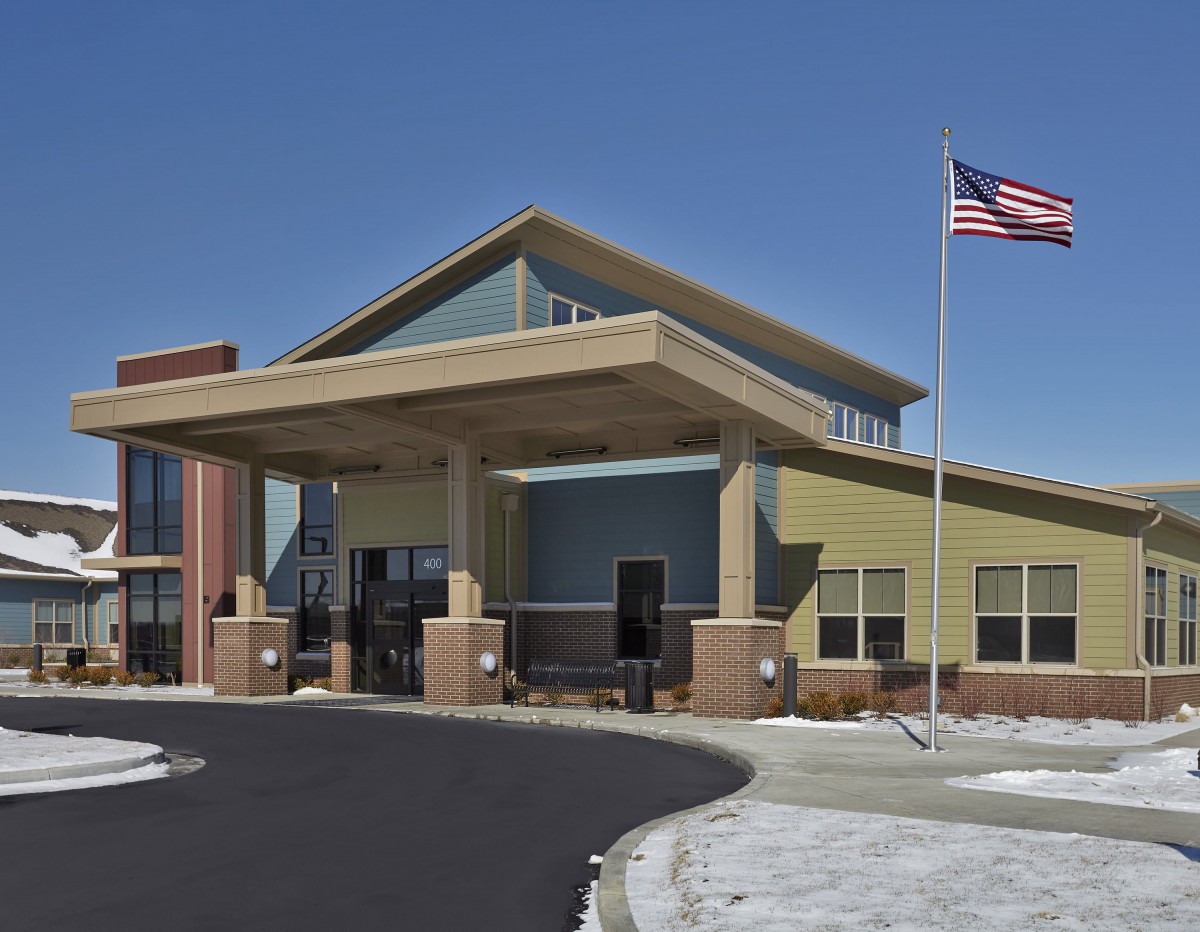
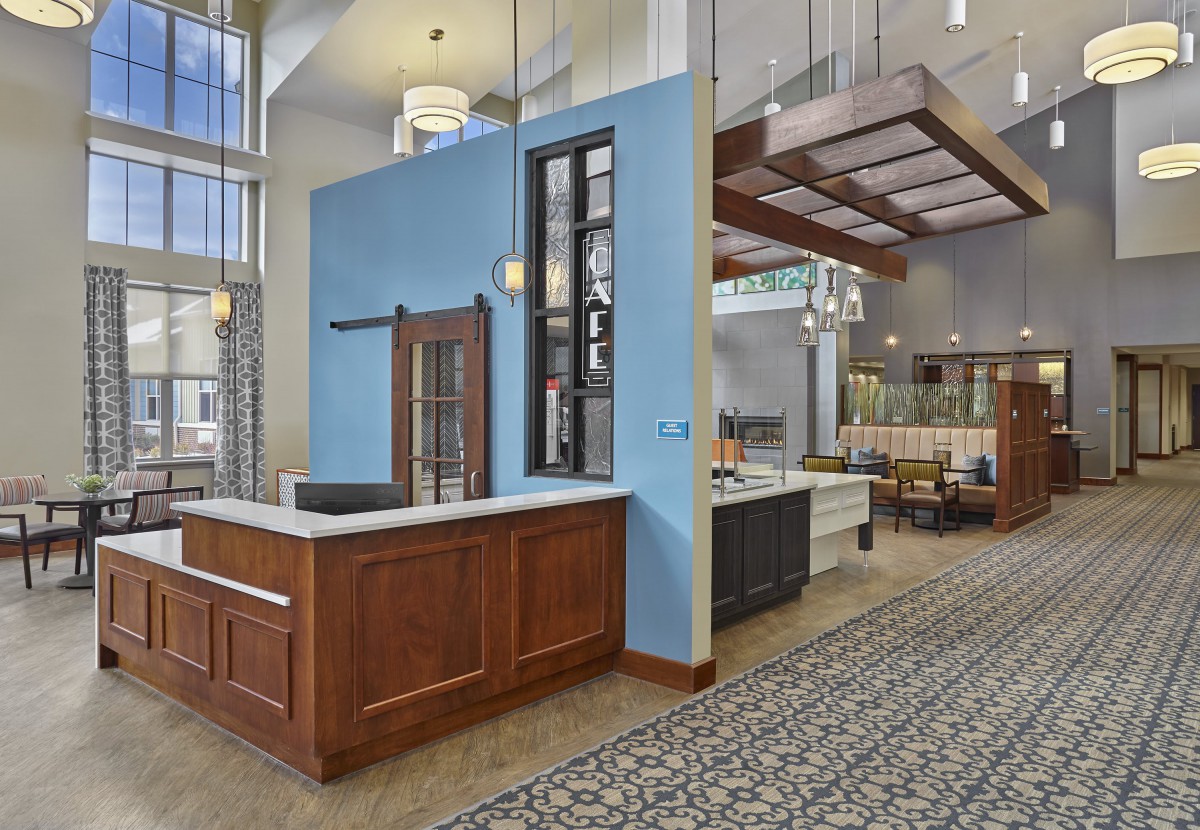
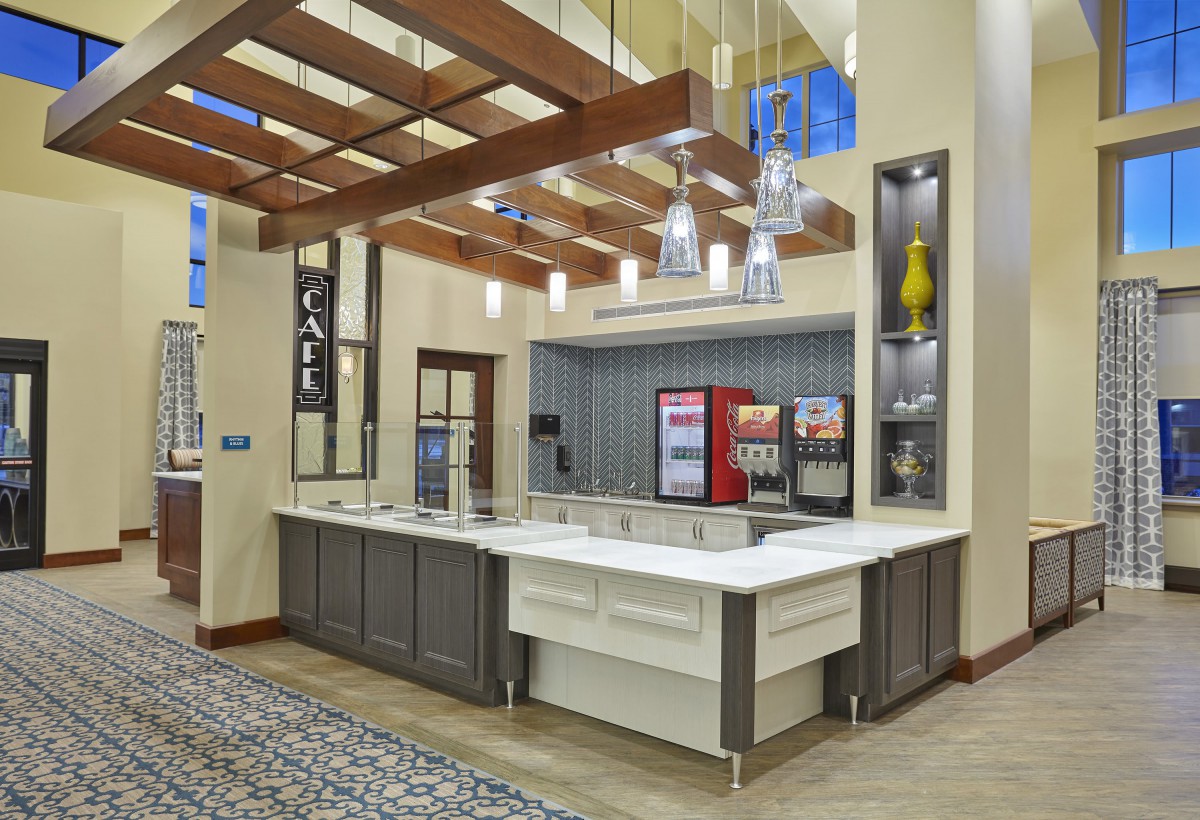
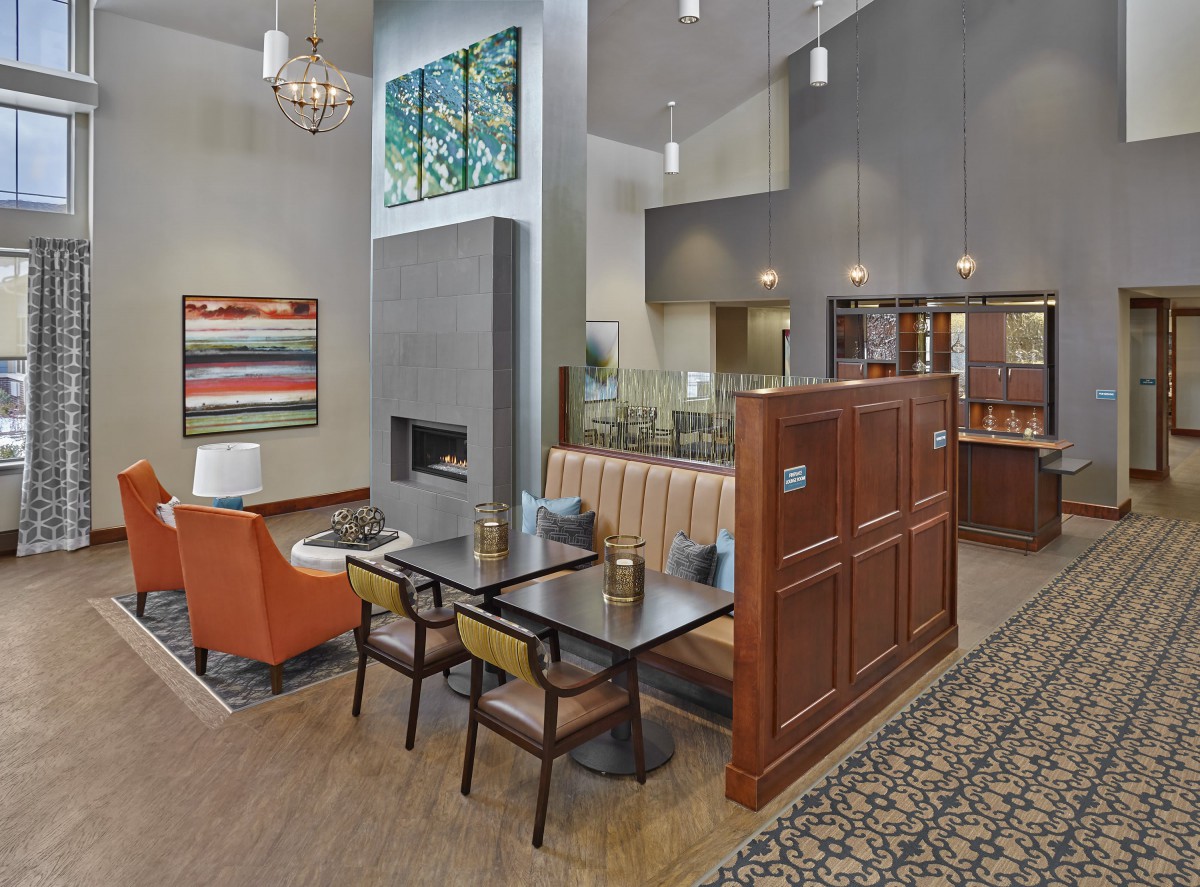
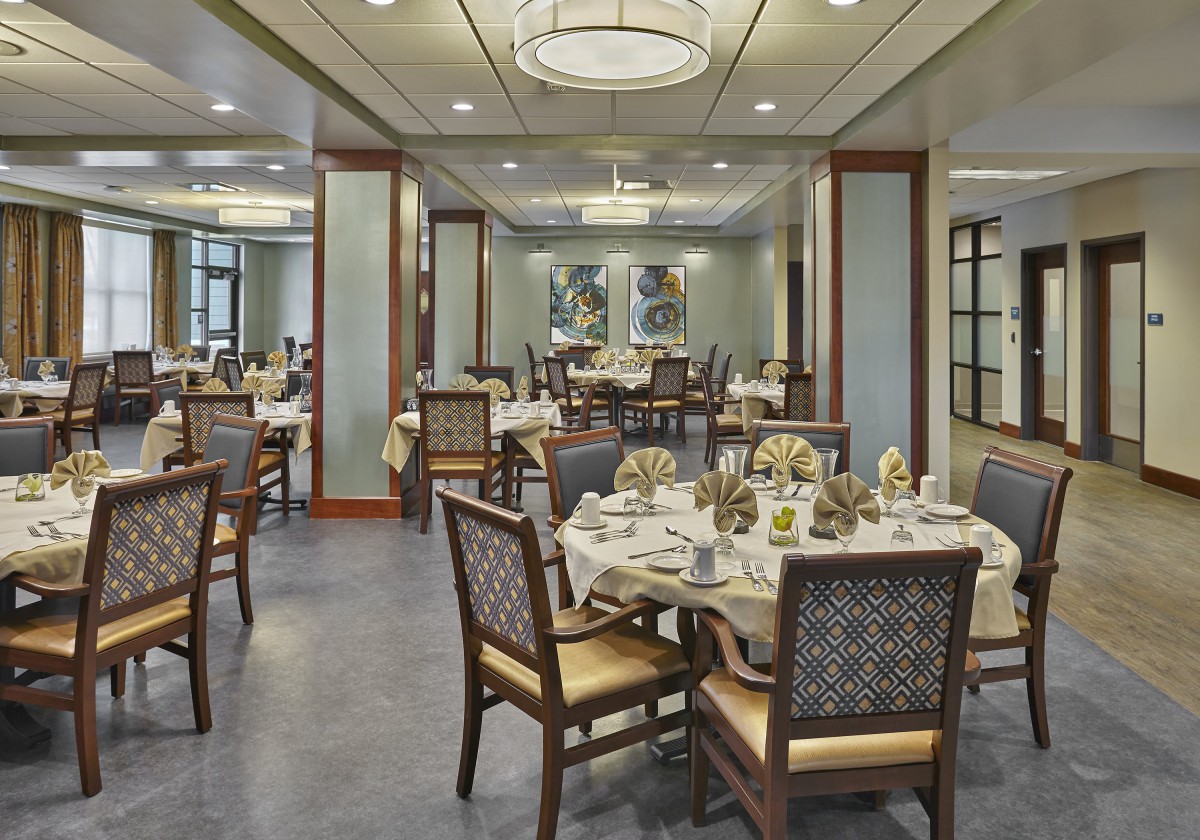
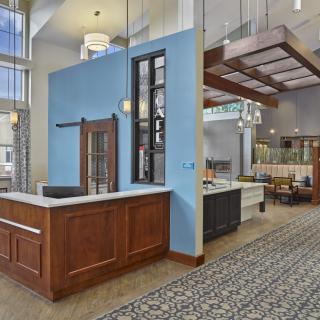

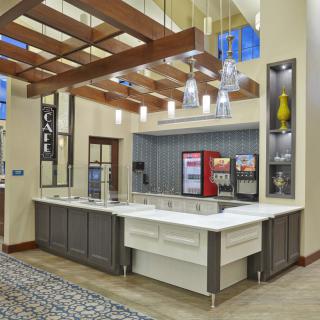


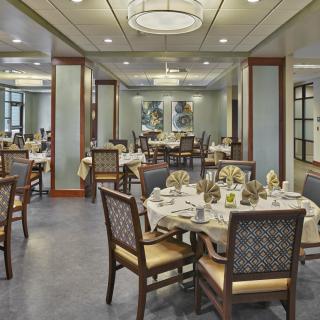



 Assisted Living
 Activities off-site
 Beautician on-site
 Devotional services off-site
 Indoor common areas
 Respite or short term stays offered
 Ambulatory care
 Diabetic care
 Incontinence care
 Medication management
 Meals provided
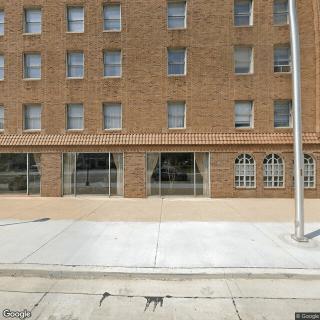
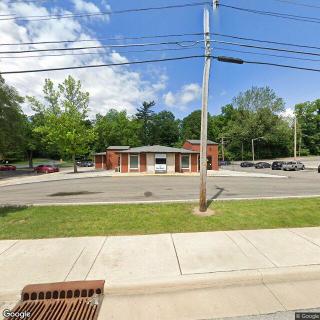
 Prime location with abundant nearby amenities (cafes, parks, pharmacies, hospitals, restaurants, worship venues) and comprehensive services.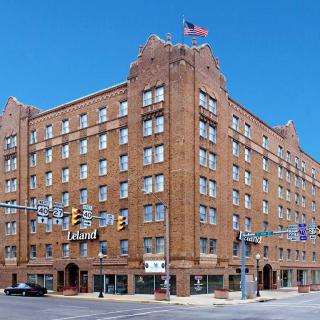

 Comprehensive Supportive Living Arrangements for Adults with Disabilities
 Funding and Affording Assisted Living: A Thorough Overview
 Assisted Living Expenses and Long-Term Care Insurance: A Comprehensive Exploration