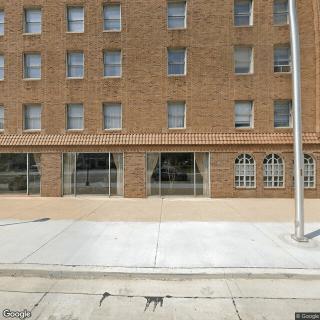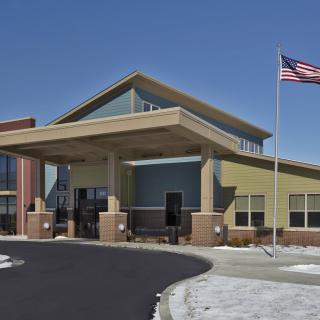


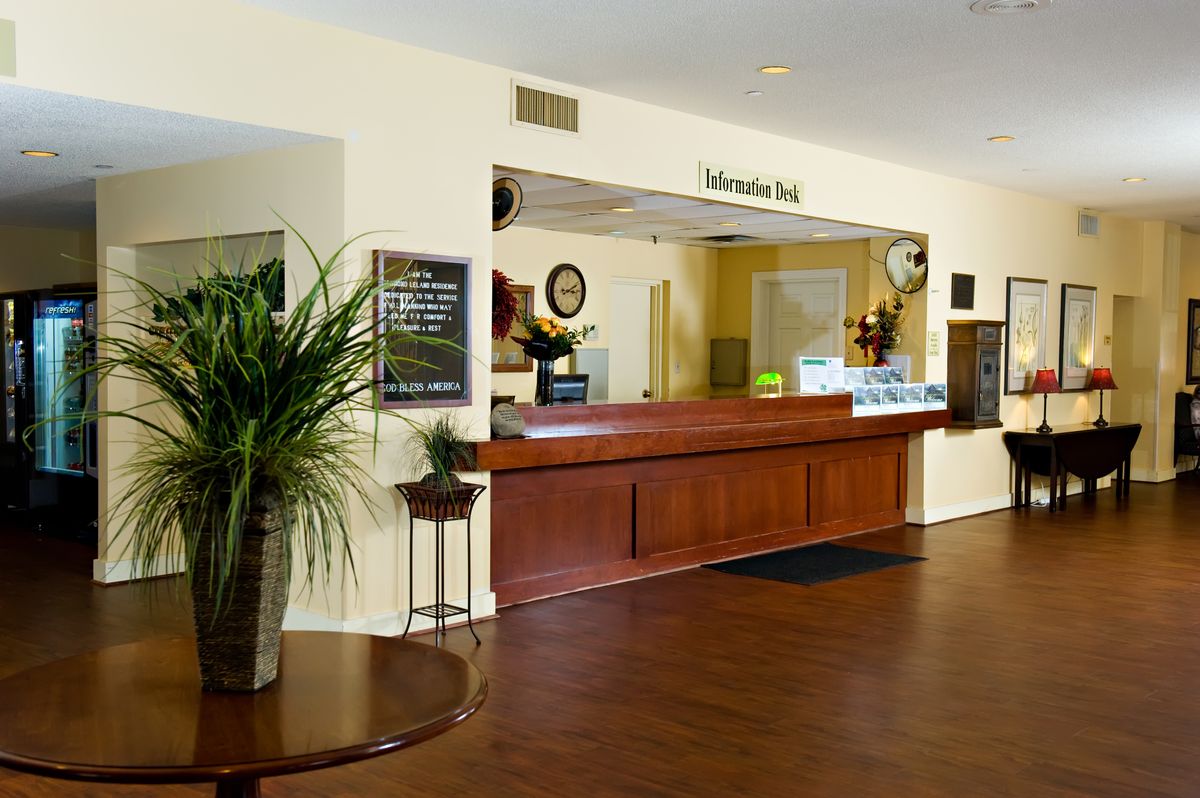
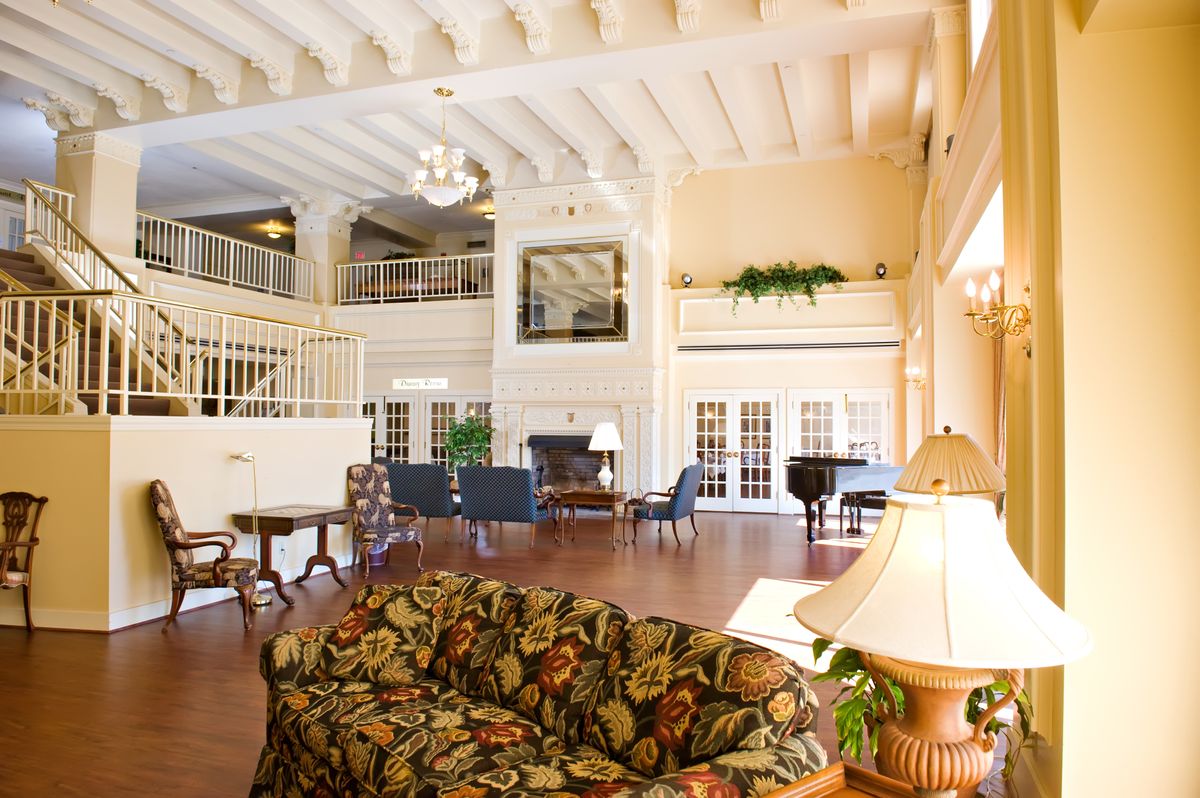
The Leland Legacy Senior Community in Richmond, IN

Save

The Leland Legacy Senior Community in Richmond, IN

900 South A Street, Richmond, IN 47374

For more information about senior living options: (844) 490-3973

4.6 from 14 reviews
5 stars
11
4 stars
2
3 stars
0
2 stars
0
1 stars
1

Assisted Living Independent Living

Overall Review of The Leland Legacy Senior Community

Pros

  • pro The staff at Leland Legacy are kind and caring, making residents feel wanted and valued.
  • pro The living environment feels like a true home, with friendly residents and warm, welcoming staff.
  • pro The dining program is delicious with generous portions, and desserts like cinnamon roll muffins are standout.
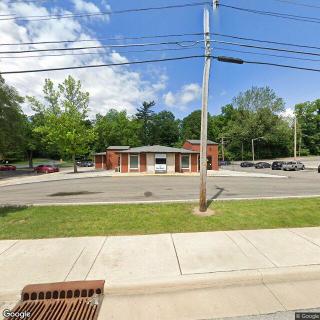
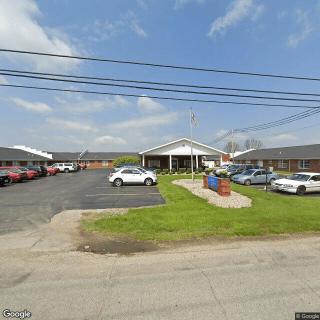
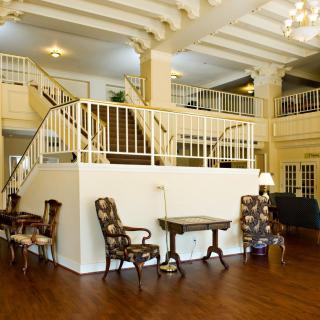
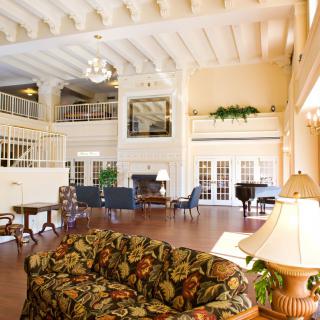
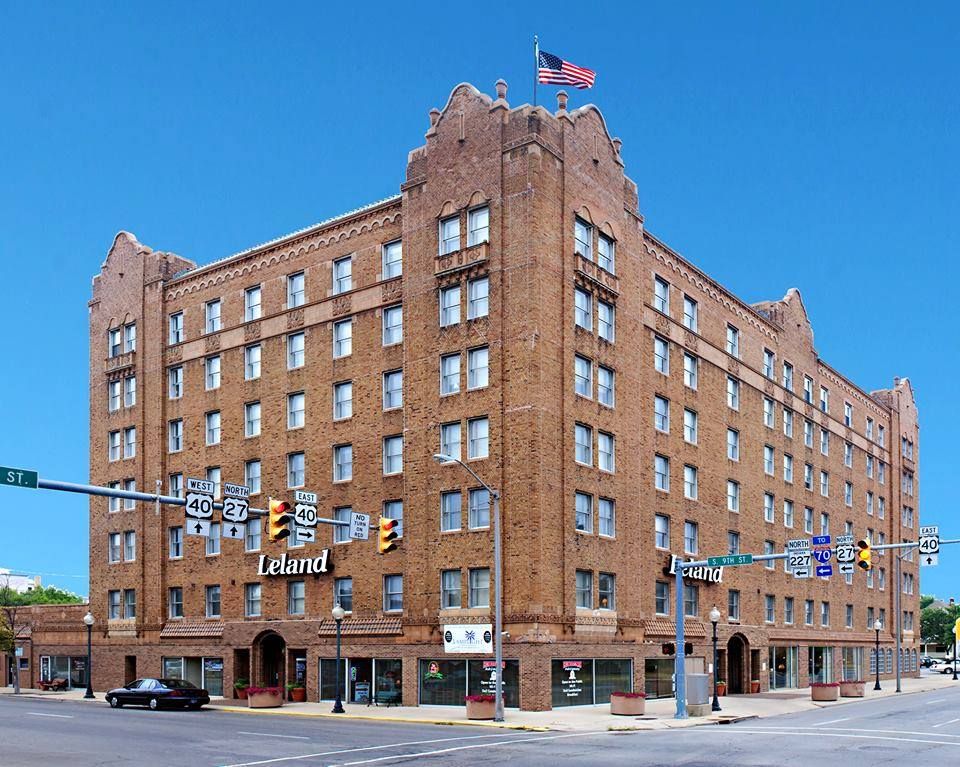
  • pro The facility is spotless, beautiful, and rich in history, serving as a safe haven for seniors.
  • pro Amanda Marquis's leadership and the team keep residents safe and well cared for, even through challenging times.
  • pro Families note that staff treat residents like family and provide exceptional, dignified care.
  • pro Leland Legacy is considered a vital part of the community and a great space for seniors and local events.
  • pro Residents enjoy a rich schedule of activities that keep spirits positive and foster a strong sense of community.

Cons

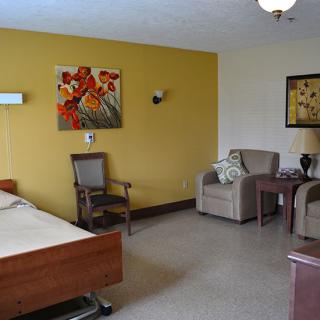
  • pro The room was too small.
  • pro The mother did not care for the food choices.
  • pro They discovered that he had bedbugs.
  • pro The staff refused to provide compensation, suggesting the bedbugs could have been contracted at the hospital.
  • pro The facility was not honest to deal with.

Review

This community is best suited for seniors who want a warm, home-like environment with deeply attentive staff and strong ties to Richmond's historic neighborhoods. The Leland Legacy rewards residents who value personal connections with caregivers, daily activities, and a setting that feels like a community of friends rather than a sterile facility. Residents repeatedly describe feeling seen and cared for, with staff who treat them with dignity and warmth. The building itself conveys history and a sense of steadiness, and leadership under Amanda Marquis is frequently highlighted as a stabilizing force that keeps the culture focused on family-like care. For families seeking a place where a loved one's well?being is intentionally prioritized, this community offers a powerful fit.

Those who should consider alternatives are families seeking notably larger living spaces, broader dining options, or higher-touch medical care within an assisted-living frame. A common note is that some residents would prefer bigger rooms, which can feel cramped in a home-like setting. Diet diversity and menu flexibility vary by resident, so exacting dietary preferences or weightier nutritional needs merit a deep tour of the dining program. Additionally, residents with care needs that verge on memory care or require more intensive medical oversight than typical assisted living provide may find other facilities better aligned with those demands. Price sensitivity or expectations around compensation for service gaps may also drive consideration of alternatives.

On balance, the strongest positives are unmistakable: consistently kind staff, a sense that residents are part of a family, and a clean, safe environment where ADL support is delivered with dignity. Regular activities and social engagement help residents stay connected and challenged, while the historic setting enhances pride in daily life. The leadership team's commitment shines through in program design and in how residents' voices are welcomed. These strengths help offset the smaller private spaces and occasional menu misalignments, because the daily lived experience centers on companionship, respect, and meaningful purpose rather than impersonal efficiency. For many families, those intangibles translate into lower stress and a higher quality of life for their loved ones.

Two elements consistently cited as standout assets are the facility's community role and the leadership that keeps cohesion intact. The team's emphasis on safety, personalized attention, and hospitality translates into a sense of belonging that extends beyond the halls into the broader Richmond area. Residents and families note that staff go above and beyond to maintain a positive atmosphere, with events and interactions that reinforce a true sense of home. The building's history adds depth, making the place feel rooted rather than transactional. In short, The Leland Legacy functions as more than a care setting; it acts as a neighborhood hub where residents can participate in ongoing life together rather than merely occupy space.

Yet no review is without caveats. One family raised a serious concern about bedbugs and questioned how remediation and compensation would be handled, underscoring the need for thorough pest-control history and clear remediation policies during tours. A separate note about the food choices signals that culinary fit matters; menus and daily options should be scrutinized to ensure alignment with personal tastes. A resident's wish for a larger room also surfaces as a practical limit of the physical footprint. These points do not erase the favorable experiences shared by many, but they do mean due diligence is essential before committing and a closer look at current resident satisfaction with meals, space, and incident handling is prudent.

Overall, The Leland Legacy is a compelling option for families prioritizing a trusted, relationship-driven care environment anchored in community and heritage. It shines for seniors who want to feel at home, supported, and engaged, with leadership that communicates clearly and cares deeply. It may not be the best match for those needing expansive private space, a highly varied dining program, or advanced medical staffing beyond standard assisted living. The prudent path is a structured tour with targeted questions about room size, meal flexibility, activity programming, and pest-control history, followed by a clear assessment of any memory or rehab needs. For the right resident, this community delivers practical, seasoned, and genuinely compassionate care.

Features

Housing

  • 109 resident community capacity 109 resident community capacity

Types of Care

  • Assisted Living Assisted LivingAssisted living facilities provide crucial support and care for seniors who may need help with daily tasks such as medication management, bathing, and meal preparation. These communities offer a safe and comfortable environment where seniors can maintain their independence while receiving the assistance they need to thrive in their golden years.
  • Independent Living Independent LivingIndependent living communities are important for seniors because they offer a safe and supportive environment where older adults can live independently while still having access to amenities and services that enhance their quality of life. These communities provide social opportunities, recreational activities, and assistance with daily tasks, promoting overall well-being and allowing seniors to maintain their independence for as long as possible.

Amenities

  • Air-conditioning Air-conditioningAir conditioning is important for seniors as they are more vulnerable to heat-related illnesses and may have underlying health conditions that make it difficult for them to regulate their body temperature. It helps to keep them comfortable, safe, and healthy in hot weather.
  • Beauty salon Beauty salonBeauty salons are important for seniors because they provide a space for them to feel pampered, socialize, and maintain their personal grooming and hygiene. Regular visits to a beauty salon can help boost seniors' self-esteem and overall well-being.
  • Cable or satellite TV Cable or satellite TVCable or satellite TV is important for seniors because it provides entertainment, news, and companionship, helping to combat loneliness and boredom. It also offers a wide range of programming options tailored to different interests and preferences.
  • Computer center Computer centerA computer center is essential for seniors as it provides access to technology, communication tools, and resources that can enhance their daily lives. It allows them to stay connected with loved ones, engage in online activities, and learn new skills, ultimately promoting socialization and mental stimulation.
  • Dining room Dining roomDining rooms are important for seniors as they provide a space for socialization, connection, and nutritious meals. They offer opportunities for residents to bond over shared meals, foster a sense of community, and promote healthy eating habits. Dining rooms also ensure that seniors have access to well-balanced meals tailored to their dietary needs and preferences.
  • Fitness room Fitness roomHaving a fitness room in a senior living community is essential for seniors to stay active, maintain their physical health, and improve their overall well-being. Regular exercise can help prevent falls, reduce the risk of chronic diseases, and promote mental sharpness. It also provides social opportunities for residents to connect with others and enjoy a sense of community.
  • Fully furnished Fully furnishedFully furnished senior living communities are important for seniors because they provide convenience, comfort, and a hassle-free moving experience. Seniors can easily settle into their new living space without the stress of having to buy and move furniture. This allows them to focus on enjoying their new home and community.
  • Gaming room Gaming roomGaming rooms are important for seniors as they provide a fun and engaging environment for socializing, cognitive stimulation, and physical activity. Games can improve memory, problem-solving skills, and overall mental well-being while fostering friendships and reducing feelings of isolation.
  • Garden GardenGardens are important for seniors as they provide a peaceful and therapeutic environment for relaxation, physical activity, and socialization. Being in nature has been shown to reduce stress, improve mood, and promote overall well-being. Gardens also offer opportunities for seniors to engage in gardening activities, which can improve mobility, flexibility, and cognitive function. Additionally, gardens create a sense of community and connection with others who share a passion for plants and outdoor spaces.
  • Housekeeping services Housekeeping servicesHousekeeping services are important for seniors because they help maintain a clean and safe living environment, promote independence, and reduce the risk of accidents or illnesses. Additionally, having assistance with household chores can alleviate physical strain and allow seniors to focus on other aspects of their well-being.
  • Kitchenette KitchenetteKitchenettes are important for seniors living in senior living communities because they provide the convenience and independence of being able to prepare simple meals and snacks in the comfort of their own living space. This can help promote a sense of autonomy and well-being for seniors, allowing them to maintain some level of control over their dietary choices and daily routines.
  • Move-in coordination Move-in coordinationMove-in coordination is important for seniors because it helps ease the transition into their new living environment. It ensures that all logistics, such as packing, organizing movers, and setting up utilities are taken care of, allowing seniors to focus on settling in and adjusting to their new home. Having a smooth move-in process can alleviate stress and anxiety, making the transition smoother and more enjoyable for seniors.
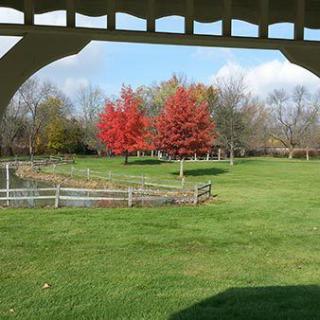
  • Outdoor space Outdoor spaceOutdoor spaces are important for seniors as they provide opportunities for physical activity, social interaction, exposure to natural light and fresh air, and a sense of connection to nature. Having access to outdoor spaces can improve overall well-being and quality of life for older adults living in senior communities.
  • Private bathrooms Private bathroomsPrivate bathrooms are important for seniors in senior living communities because they provide independence, dignity, and comfort. Having a private bathroom allows seniors to maintain their personal hygiene routines without the need for assistance, promoting a sense of autonomy and privacy. Additionally, private bathrooms help prevent the spread of infections and provide a safe and clean environment for seniors to navigate safely.
  • Restaurant-style dining Restaurant-style diningRestaurant-style dining is important for seniors because it allows them to enjoy delicious, nutritious meals in a social and upscale setting. This enhances their dining experience, promotes healthy eating habits, and fosters socialization with fellow residents, ultimately contributing to their overall well-being and quality of life.
  • Small library Small librarySmall libraries are important for seniors as they provide access to a variety of reading materials, including books, newspapers, and magazines. This can help stimulate their minds, keep them engaged, and provide a sense of community through book clubs and other social activities. Additionally, reading has been shown to improve cognitive function and overall mental well-being in older adults.
  • Telephone TelephoneTelephones are important for seniors as they provide a lifeline for communication with loved ones, emergency services, and healthcare providers. They offer a sense of security and independence, enabling seniors to stay connected and access assistance when needed.
  • Wellness center Wellness centerWellness centers are important for seniors because they offer a variety of programs and services that promote physical, mental, and emotional well-being. These centers provide opportunities for exercise, socialization, education, and relaxation, helping seniors maintain their overall health and quality of life.
  • Wi-Fi/high-speed internet available Wi-Fi/high-speed internet availableWi-Fi/high-speed internet is important for seniors to stay connected with loved ones, access online resources, and participate in virtual activities to combat feelings of loneliness and isolation. It also allows them to easily manage healthcare needs, access entertainment, and engage in lifelong learning opportunities.

Transportation

  • Community operated transportation Community operated transportationCommunity operated transportation is crucial for seniors as it provides them with the means to access essential services, social activities, and medical appointments. It allows seniors to maintain their independence and quality of life by ensuring they can participate in activities outside of their homes. Additionally, community-operated transportation services offer a safe and reliable way for seniors to travel without having to rely on family or friends for assistance.
  • Transportation arrangement Transportation arrangementTransportation arrangements are crucial for seniors as they may face challenges with driving, mobility, or access to public transportation. Having reliable transportation services ensures that seniors can easily attend appointments, social activities, and maintain their independence and quality of life.
  • Transportation arrangement (non-medical) Transportation arrangement (non-medical)Transportation arrangements are essential for seniors as they provide access to essential services, activities, and social interactions outside the home. This service helps maintain independence, mobility, and overall well-being for seniors who may have limited transportation options.
  • Transportation to doctors appointments Transportation to doctors appointmentsTransportation to doctors appointments is crucial for seniors as it ensures they have access to necessary medical care and support, promoting their health and well-being. It allows them to receive timely treatment, monitor existing conditions, and address any new health concerns efficiently. Additionally, transportation services can help seniors maintain their independence and quality of life by enabling them to stay connected with their healthcare providers.

Care Services

  • 12-16 hour nursing 12-16 hour nursing12-16 hour nursing care is crucial for seniors in order to ensure around-the-clock monitoring, timely medication administration, and prompt response to any health concerns or emergencies. This level of care helps to promote the overall well-being and safety of seniors living in senior living communities.
  • 24-hour call system 24-hour call system24-hour call systems are important for seniors because they provide peace of mind and immediate assistance in case of emergencies. This technology ensures that help is always available, promoting safety and security for elderly individuals living alone or in assisted living facilities.
  • 24-hour supervision 24-hour supervision24-hour supervision is important for seniors to ensure their safety, well-being, and access to immediate assistance in case of emergencies or health issues. This constant support provides peace of mind for both seniors and their loved ones, allowing them to age in place with dignity and security.
  • Activities of daily living assistance Activities of daily living assistanceActivities of daily living assistance are important for seniors because they provide essential support with tasks such as eating, bathing, dressing, and mobility. This assistance helps seniors maintain their independence, dignity, and overall quality of life as they age.
  • Assistance with bathing Assistance with bathingAssistance with bathing is crucial for seniors as it helps maintain personal hygiene, prevents infections, and ensures their overall well-being and comfort. It also provides a sense of dignity and independence for seniors who may struggle with this task on their own.
  • Assistance with dressing Assistance with dressingAssistance with dressing is important for seniors because it helps maintain their independence, promotes personal hygiene, prevents accidents and injuries, and improves overall quality of life. This service ensures that seniors can continue to dress comfortably and confidently, despite any physical limitations they may have.
  • Assistance with transfers Assistance with transfersAssistance with transfers is crucial for seniors as it helps prevent falls and injuries, maintains their independence, and ensures they can safely navigate their living environment. It also provides peace of mind for both seniors and their loved ones.
  • Diabetes diet Diabetes dietA diabetes diet is crucial for seniors as it helps manage blood sugar levels, reduce risks of complications, and improve overall health and well-being. By following a balanced and nutritious diet tailored to their specific needs, seniors can better control their diabetes and enhance their quality of life.
  • Meal preparation and service Meal preparation and serviceMeal preparation and service are crucial for seniors as they may have limited mobility or energy to cook nutritious meals. Having access to healthy and convenient food options can ensure they are getting the proper nutrition needed to maintain their overall health and well-being.
  • Medication management Medication managementMedication management is crucial for seniors to ensure they are taking the right medications at the correct dosages and times. This helps prevent adverse drug interactions, reduces the risk of medication errors, and promotes overall health and well-being. Proactive management also allows for adjustments as needed based on changing health conditions or new prescriptions.
  • Mental wellness program Mental wellness programMental wellness programs are essential for seniors as they promote cognitive stimulation, emotional support, and social engagement. These programs help prevent isolation, depression, and cognitive decline, ultimately enhancing the overall quality of life for older adults.
  • Special dietary restrictions Special dietary restrictionsSpecial dietary restrictions are important for seniors because age-related changes in metabolism and health conditions can make it difficult for their bodies to process certain foods. By following a diet tailored to their specific needs, seniors can maintain their overall health and well-being, manage chronic conditions, and reduce the risk of complications such as malnutrition or food interactions with medications.

Dining

  • Diabetes diet Diabetes dietA diabetes diet is crucial for seniors as it helps manage blood sugar levels, reduce risks of complications, and improve overall health and well-being. By following a balanced and nutritious diet tailored to their specific needs, seniors can better control their diabetes and enhance their quality of life.
  • Special dietary restrictions Special dietary restrictionsSpecial dietary restrictions are important for seniors because age-related changes in metabolism and health conditions can make it difficult for their bodies to process certain foods. By following a diet tailored to their specific needs, seniors can maintain their overall health and well-being, manage chronic conditions, and reduce the risk of complications such as malnutrition or food interactions with medications.

Activities

  • Community-sponsored activities Community-sponsored activitiesCommunity-sponsored activities are important for seniors as they provide opportunities for social interaction, mental stimulation, and physical activity. These activities can help improve overall well-being, combat loneliness and isolation, and promote a sense of belonging and purpose among older adults.
  • Concierge services Concierge servicesConcierge services are essential for seniors as they provide assistance with daily tasks and errands, enhance their quality of life by offering convenience and personalized care, and promote a sense of safety and security.
  • Fitness programs Fitness programsFitness programs are crucial for seniors as they help improve strength, flexibility, balance, and overall well-being. Staying active can reduce the risk of chronic diseases, improve mental health, and enhance quality of life in older adults.
  • Planned day trips Planned day tripsPlanned day trips are important for seniors because they offer opportunities for socialization, mental stimulation, and physical activity. They provide a change of scenery and help seniors stay engaged and connected to their community, promoting overall well-being and quality of life.
  • Resident-run activities Resident-run activitiesResident-run activities are important for seniors as they encourage social interaction, creativity, and a sense of autonomy. These activities empower seniors to stay engaged and active in their community while fostering meaningful connections with their peers.
  • Scheduled daily activities Scheduled daily activitiesScheduled daily activities are important for seniors because they provide structure, socialization, mental stimulation, and physical activity. Engaging in regular activities can improve overall well-being and quality of life for seniors living in a community setting.

Description

The Leland Legacy Senior Community is an assisted living community located in Richmond, IN. We offer a range of care services, including 24-hour supervision and assistance with activities of daily living such as bathing and dressing. Medication management and special dietary restrictions are also provided to ensure the health and well-being of our residents.

Our community boasts an array of amenities to enhance the comfort and convenience of our residents. From a beauty salon to a gaming room, there are plenty of opportunities for socializing and entertainment. Residents can enjoy delicious meals in our restaurant-style dining room or opt for the privacy of their own kitchenette. Wi-Fi/high-speed internet is available throughout the community for easy connectivity.

We prioritize the wellness of our residents, offering fitness programs and access to our fitness room and wellness center. Planned day trips, resident-run activities, and scheduled daily activities provide ample opportunities for recreation and social engagement.

With numerous nearby amenities, including cafes, parks, pharmacies, physicians' offices, restaurants, places of worship, hospitals, and transportation options, our community is conveniently located near everything residents may need or desire.

At The Leland Legacy Senior Community in Richmond, IN, we strive to create a welcoming and supportive environment where seniors can enjoy their independence while receiving the care they need.

Nearby Places of Interest

Pharmacies

  • Midtown MediCenter Pharmacy (0 miles)
  • Midtown Prescriptions (0.1 miles)
  • Phillip Drugs (0.2 miles)
  • CVS Pharmacy (0.5 miles)
  • Phillips Drugs (1.7 miles)
  • Walmart Pharmacy (2 miles)
  • CVS Pharmacy (2 miles)

Parks

  • Tenth Street Park (0.1 miles)
  • Elstro Plaza (0.2 miles)
  • Veteran's Memorial Park - Wayne County (0.5 miles)
  • Whitewater Valley Gorge Park (0.7 miles)
  • Richmond Parks & Recreation (0.9 miles)
  • Middlefork Resevoir (1.9 miles)

Physicians

  • Richmond Radiologists (0.1 miles)
  • Eye Care Center (0.3 miles)
  • Dr Fisher's (0.5 miles)
  • Wayne County Health Department (0.5 miles)
  • Richmond Family Care Center (0.9 miles)
  • Richmond VA (0.9 miles)
  • Reid Health Residency Clinic (0.9 miles)

Places of Worship

  • The Spot (0.1 miles)
  • First Presbyterian Church (0.2 miles)
  • Central United Methodist Church (0.4 miles)
  • Central United Methodist Preschool (0.4 miles)
  • Church of God First of Anderson (0.7 miles)
  • Christ Connection Ministries (0.8 miles)
  • Brethren Foundation (1.1 miles)

Restaurants

  • Walker's Night Club (0.2 miles)
  • 5th Street Coffee & Bagels (0.3 miles)
  • The Olde Richmond Inn (0.3 miles)
  • Firehouse BBQ and Blues (0.4 miles)
  • Little Sheba S Re (0.4 miles)
  • Ullery's Homemade Ice Cream (0.4 miles)
  • Main Street Diner (0.5 miles)

Hospitals

  • Reid Hospital & Health Care Services (0.3 miles)
  • Reid Outpatient Surgery & Endoscopy (1.2 miles)
  • Richmond State Hospital (2 miles)
  • Va Medical Center (2.5 miles)
  • Reid Memorial Hospital (2.6 miles)
  • Reid Hospital-Security Offices (2.6 miles)
  • Reid Hospital & Health Care Services (2.6 miles)

Transportation

  • Depot Taxi (0.5 miles)

Cafes

  • Sunshine Cafe (1.7 miles)
  • Starbucks (2.2 miles)
  • Cafe At Twelve Hundred (2.5 miles)

Frequently Asked Questions

Where is The Leland Legacy Senior Community?
What photos are available for The Leland Legacy Senior Community in Richmond, Indiana?

Nearby Communities

  • Senior Suites at The Leland

    Senior Suites at The Leland

    Richmond, IN

    4.6 from 16 reviews
    $2,260 to $2,995 / month

    pro Competitive pricing for independent living with on-site care and amenities.

  • Omni Home Care

    Omni Home Care

    Richmond, IN

    2.8 from 4 reviews
     

    pro Prime location with abundant nearby amenities (cafes, parks, pharmacies, hospitals, restaurants, worship venues) and comprehensive services.

  • The Springs of Richmond

    The Springs of Richmond

    Richmond, IN

     
    $3,498 / month

    pro Competitive local pricing with comprehensive assisted living services.

  • Interfaith Apartments

    Interfaith Apartments

    Richmond, IN

    3.8 from 81 reviews
     

    pro Vibrant, inclusive community with easy access to parks, pharmacies, doctors, restaurants, places of worship, and hospitals.

  • Lauramoore Friends Home

    Lauramoore Friends Home

    Richmond, IN


    pro Excellent access to healthcare, dining, parks, and transportation nearby.

  • American Nursing Care

    American Nursing Care

    Richmond, IN

    2.3 from 3 reviews
     

    pro Prime location with extensive nearby amenities (restaurants, parks, pharmacies, physicians, hospitals, worship, transport).

  • Golden Living Center Golden Rule

    Golden Living Center Golden Rule

    Richmond, IN

    4.1 from 50 reviews
    $4,600 to $5,000 / month

    pro Caring, professional staff and a clean, well-maintained environment.

  • Rosebud Village

    Rosebud Village

    Richmond, IN

    4.6 from 41 reviews
     

    pro Comprehensive care options (assisted living, memory care, skilled nursing) with robust amenities and active social programs.

  • Brethren Retirement Community

    Brethren Retirement Community

    Greenville, OH

    3.8 from 52 reviews
    $4,019 to $5,214 / month

    pro Strong staff dedication with good communication and high-quality care.

Assisted Living in Nearby Cities

Related Resources

  • activities of daily livingComprehensive Insights into Activities of Daily Living (ADLs) and Their Assessment

    Activities of Daily Living (ADLs) are fundamental tasks vital for an individual's independence, particularly in older adults over 85, and include functions like bathing and dressing; assessing ADLs alongside Instrumental Activities of Daily Living (IADLs) helps determine the level of required assistance due to age-related health challenges. Tailored support plans, involving family and community resources, are essential for maintaining dignity and autonomy in assisted living environments.

  • does medicare pay for assisted livingMedicare Coverage for Assisted Living: An In-Depth Exploration

    Medicare does not cover assisted living costs, as it focuses on acute medical needs and short-term care, with exceptions for certain medically necessary services like physical therapy. Individuals must explore other options such as Medicaid, veterans' benefits, or long-term care insurance to manage these expenses effectively.

  • assisted living vs nursing homeChoosing the Right Senior Care: A Detailed Exploration of Assisted Living and Nursing Homes

    Choosing between assisted living and nursing homes involves evaluating emotional and financial factors, with assisted living offering independence and support for daily activities at a lower cost, while nursing homes provide intensive medical care for individuals with significant health needs. The decision is influenced by personal preferences, health status, cognitive function, and varying Medicaid coverage across states.