At Prairie Lakes Health Campus, the monthly costs for room types reflect a competitive pricing structure when compared to both Madison County and the state of Indiana as a whole. The semi-private room is priced at $2,970, which is notably lower than the $3,525 average in Madison County and significantly less than the state average of $3,739. For those seeking more privacy, the studio option is available at $3,960; this is higher than Madison County's average of $2,773 but still below Indiana's average of $3,258. Lastly, the one-bedroom unit stands at $4,590 - more expensive than the $2,939 found in Madison County yet closely aligned with Indiana's average of $3,300. Overall, Prairie Lakes Health Campus offers a range of options that cater to varying needs while maintaining a focus on affordability relative to local and state competitors.
Floor plans
Prairie Lakes Health Campus
Madison County
Indiana
Semi-Private
$2,970
$3,525
$3,739
Studio
$3,960
$2,773
$3,258
1 Bedroom
$4,590
$2,939
$3,300
Skilled Nursing Facilities with a similar price nearby
Many residents and families describe staff who are genuinely attentive to needs.
Across many reviews, people describe the staff as kind, responsive, and invested in residents’ day-to-day comfort. Several families say communication and overall support made a difference during rehab, memory care, or long-term stays. One reviewer also notes that residents are treated with respect and that staff help residents feel welcomed.
common6 reviews mention this
Cleanliness stands out
Multiple reviews praise the facility’s cleanliness and ongoing housekeeping.
Several reviews mention clean rooms and common areas, with housekeeping described as thorough and consistent. Families also connect cleanliness with peace of mind during longer stays, including when visiting daily or settling in after hospitalization. Even in generally positive reviews that focus on care, cleanliness is repeatedly brought up as a visible standard.
differentiator9 reviews mention this
Restaurant-style dining gets praise
Dining is frequently described as better than expected, with restaurant-style experiences.
Food quality comes up often, with reviewers describing meals as tasty and meals being a bright spot during rehab or long-term stays. Multiple people highlight variety and the role of kitchen staff in making dining feel more personal. The community also provides restaurant-style dining and room service in its offering, which aligns with what residents and families comment on most.
caveat10 reviews mention this
Care concerns and neglect complaints
Some reviews report serious lapses in attention, hygiene, and follow-through.
A recurring negative theme is that care sometimes feels inconsistent or slow to respond, including call light delays and hygiene not being maintained. Several reviewers describe medication issues, incomplete assistance with daily needs, or staff not acting quickly after falls or health concerns. A few reviews also mention lack of adequate communication with families when problems occur.
caveat4 reviews mention this
Rehab and therapy quality varies
Therapy experiences are mixed, with some families praising results and others disagreeing.
Some reviews say physical therapy and occupational therapy are well staffed and help residents make progress. Others describe therapy as mediocre, including concerns about scheduling and the level of attention provided. Taken together, the reviews suggest rehab outcomes depend heavily on the day-to-day experience and staff support.
common6 reviews mention this
Activities help residents stay engaged
Reviews often mention a busy activities calendar and resident participation.
Families frequently describe residents joining activities such as crafts, exercise routines, music or gatherings, and scheduled outings. Several reviews say activities help residents feel stimulated and social, rather than isolated. The community’s broader activity and devotional offerings also match the kinds of engagement residents and families bring up most.
caveat2 reviews mention this
Room sizes can feel limiting
A couple of reviews say rooms feel small for daily comfort.
At least a few reviewers mention that rooms are limited in size, which can affect comfort and layout. One family also describes a small room setup with a separate seating and kitchen area, implying less flexibility for personal space. Reviews that focus positively still tend to describe a home-like feel, but room size comes up as a specific drawback in the more critical accounts.
How we summarize
Counts show how many written reviews mention each theme; a review can touch several themes, and only frequently mentioned themes are displayed.
Features
Housing
134 resident community capacity
1-bedroom apartments
Studio apartments
Types of Care
Assisted Living
Day Program
Memory Care
Skilled Nursing Facility
Amenities
Activities off-site
Activities on-site
Air-conditioning
Beautician on-site
Beauty salon
Cable or satellite TV
Computer center
Devotional services off-site
Devotional services on-site
Dining room
Fitness room
Fully furnished
Gaming room
Garden
Ground floor units
Handicap accessible
Housekeeping services
Indoor common areas
Kitchenette
Laundry
Move-in coordination
Outdoor common areas
Outdoor space
Party space
Private bathrooms
Respite or short term stays offered
Restaurant-style dining
Small library
Telephone
Wellness center
Wheelchair accessible showers
Wi-Fi/high-speed internet available
Transportation
Community operated transportation
Transportation & parking
Transportation arrangement
Care Services
24-hour call system
24-hour supervision
Activities of daily living assistance
Ambulatory care
Assistance with bathing
Assistance with dressing
Assistance with transfers
Diabetes diet
Diabetic care
Incontinence care
Meal preparation and service
Medication management
Mental wellness program
Mild cognitive impairment
Physical therapy
Special dietary restrictions
Specialized memory care programming
Dining
Anytime dining
Diabetes diet
Gluten-free
Guest meals
International cuisine
Kosher
Low / no sodium
Meals provided
No Sugar
Organic
Professional chef
Restaurant style dining
Room service
Special dietary restrictions
Special dining programs
Vegan
Vegetarian
Activities
Activities off-site
Art classes
Catholic services
Community-sponsored activities
Concierge services
Cooking classes
Day trips and outings
Devotional activities offsite
Devotional activities on-site
Educational speakers / life long learning
Fitness programs
Karaoke
Live well programs
Planned day trips
Protestant services
Religious services
Resident-run activities
Scheduled daily activities
Visiting chaplain or priest
Wine tasting
Languages Spoken
English
Nearby Places of Interest
This area of Noblesville, Indiana offers a range of healthcare options including rheumatology, women's health, allergy specialists, and OB/GYN services within close proximity. There are also several pharmacies nearby for easy access to medication. In terms of dining options, there are various restaurants catering to different tastes such as Mexican, fast food, and cafes serving coffee. Places of worship are also within a short distance if spiritual nourishment is important to you. For entertainment, there are parks for outdoor activities and theaters for movie buffs. Transportation is convenient with car rental services available nearby. Overall, this area provides a mix of healthcare services, dining options, recreational facilities, and transportation convenience making it a well-rounded location for senior living in Noblesville.
Physicians
Community Rheumatology (0.2 miles)
Women’s Specialty Health Centers P.C. (0.2 miles)
Allergy Partners of Central Indiana (3.5 miles)
Mindrebo Norman MD (3.6 miles)
Noblesville OB/GYN (3.6 miles)
Dermatology of Noblesville (3.7 miles)
Riverview Health Pavillion (3.8 miles)
Hospitals
Indiana Surgery Center (0.2 miles)
Community Health Pavillion (4.3 miles)
Riley Hospital For Children (7 miles)
Community Heart And Vascular Surgery ICU Waiting Room (7.2 miles)
Community (7.2 miles)
Community Rehabilitation Hospital North (7.2 miles)
At Prairie Lakes Health Campus, the monthly costs for room types reflect a competitive pricing structure when compared to both Madison County and the state of Indiana as a whole. The semi-private room is priced at $2,970, which is notably lower than the $3,525 average in Madison County and significantly less than the state average of $3,739. For those seeking more privacy, the studio option is available at $3,960; this is higher than Madison County's average of $2,773 but still below Indiana's average of $3,258. Lastly, the one-bedroom unit stands at $4,590 - more expensive than the $2,939 found in Madison County yet closely aligned with Indiana's average of $3,300. Overall, Prairie Lakes Health Campus offers a range of options that cater to varying needs while maintaining a focus on affordability relative to local and state competitors.
The comprehensive features offered at Prairie Lakes Health Campus are designed to enhance the quality of life for residents experiencing dementia or Alzheimer's disease. With 24-hour supervision, residents receive constant oversight, ensuring their safety and well-being at all times. Assistance with activities of daily living, including bathing and dressing, helps maintain dignity while fostering independence. Support with transfers minimizes fall risks, while incontinence care addresses comfort and hygiene needs without stigma. Meal preparation and service cater to nutritional requirements essential for health, complemented by medication management that ensures compliance with treatment regimens. The mental wellness program and specialized memory care programming stimulate cognitive function, providing tailored experiences that resonate with individual residents. Additionally, physical therapy promotes mobility and overall physical health, addressing any coexisting conditions associated with mild cognitive impairment. Together, these services create an environment conducive to dignity, security, and engagement for those navigating the challenges of memory loss.
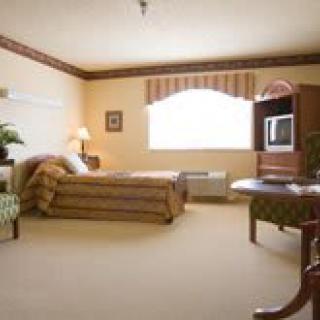
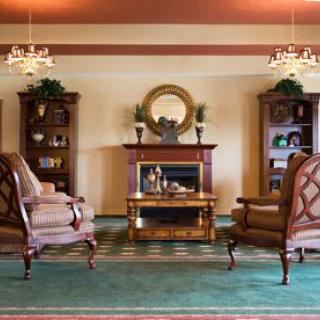
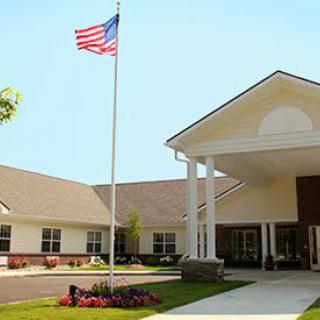
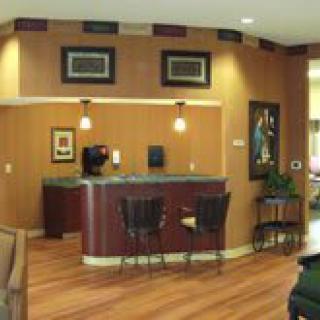
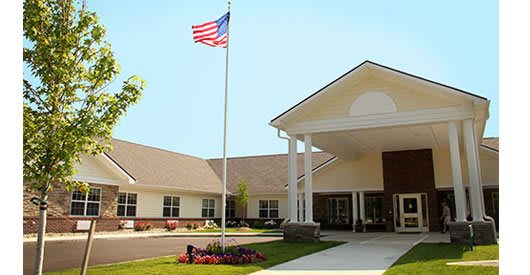
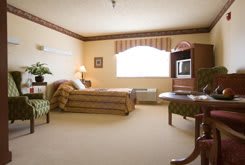
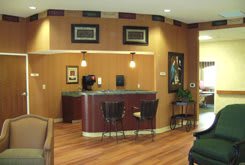
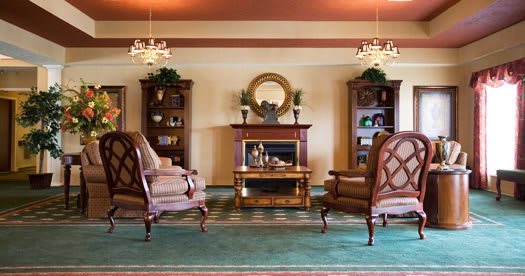
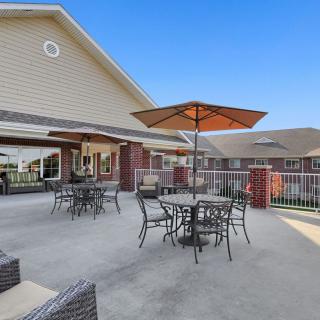
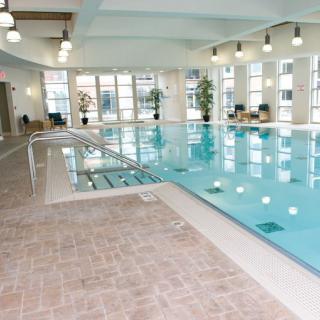
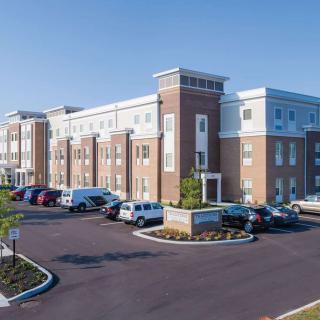
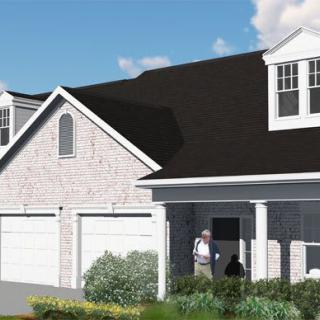
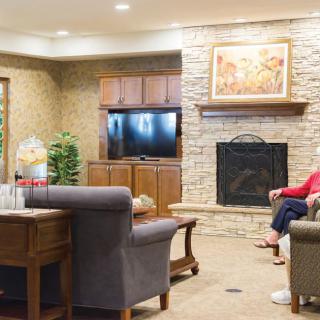
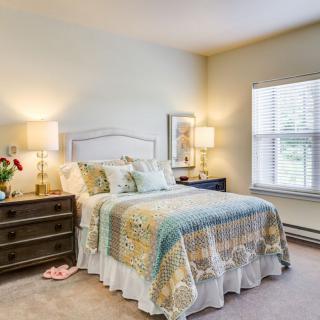
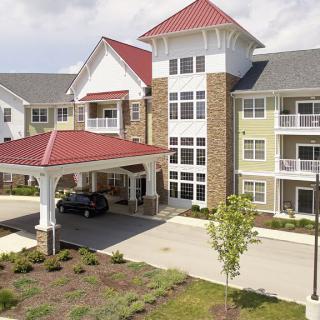
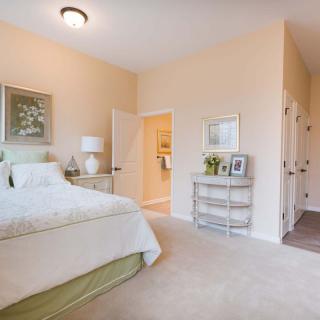
Prairie Lakes Health Campus on seniors.fyi includes 5 photos including images showing interior, flag, bedroom, entrance, landscaping, television, windows, lobby, and more.
Nearby Communities
Heritage Woods Of Noblesville
Noblesville, IN
4.3 from 76 reviews
Friendly staff with engaging activities in a well-maintained setting.
Grand Brook Memory Care of Fishers
Fishers, IN
4.4 from 70 reviews
$7,200 to $7,995 / month
Clean, inviting memory care with friendly, attentive staff and engaging daily activities.
Northridge Gracious Retirement Living
Fishers, IN
4.6 from 72 reviews
$2,695 to $4,495 / month
Vibrant community with attentive staff and a full range of on-site amenities.
Chapel Villas
Noblesville, IN
4.3 from 9 reviews
Medication management and tailored meals with convenient access to pharmacies and physicians.
Lake Meadows Senior Assisted Living
Fishers, IN
3.9 from 49 reviews
24/7 supervision with memory care programming
Lake Meadows
Fishers, IN
3.9 from 48 reviews
$2,900 to $3,200 / month
Memory-care specialization with competitive pricing; on-site beautician and wheelchair-accessible facilities, with nearby cafes, parks, and medical services.
The Reserve at Hamilton Trace
Fishers, IN
4.7 from 61 reviews
$2,703 to $4,055 / month
Caring staff, engaging activities, and a clean, well-maintained environment.
Outlook Hamilton
Noblesville, IN
4.7 from 26 reviews
$1,299 to $3,250 / month
Competitive pricing across unit types compared to Madison County and Indiana averages.
Independence Village of Fishers East
Fishers, IN
4.6 from 118 reviews
$3,329 to $4,824 / month
Clean, well-maintained community with friendly staff and engaging activities.
Reminiscence therapy is a structured method for older adults, especially those with dementia, to share life stories using prompts and sensory cues, fostering emotional well-being, social engagement, and self-identity. It aims to improve quality of life by enhancing interpersonal connections and cognitive stimulation while requiring careful facilitation to avoid distressing memories.
Dementia, particularly Lewy body dementia, often involves hallucinations that can significantly distress both patients and caregivers due to disruptions in sensory processing and neurotransmitter imbalances. Effective management includes compassionate communication, environmental adjustments, and a multidisciplinary approach to care while addressing the emotional needs of caregivers.
Alzheimer’s disease is a progressive neurological disorder that significantly impacts memory and cognitive functions, accounting for 60-80% of dementia cases, with early diagnosis being crucial yet challenging. It involves brain changes like beta-amyloid plaques and tau tangles, influenced by genetic and lifestyle factors, and while there is no cure, symptom management and support for caregivers are essential.
Living Room, Chandelier, Fireplace, and Bookshelves
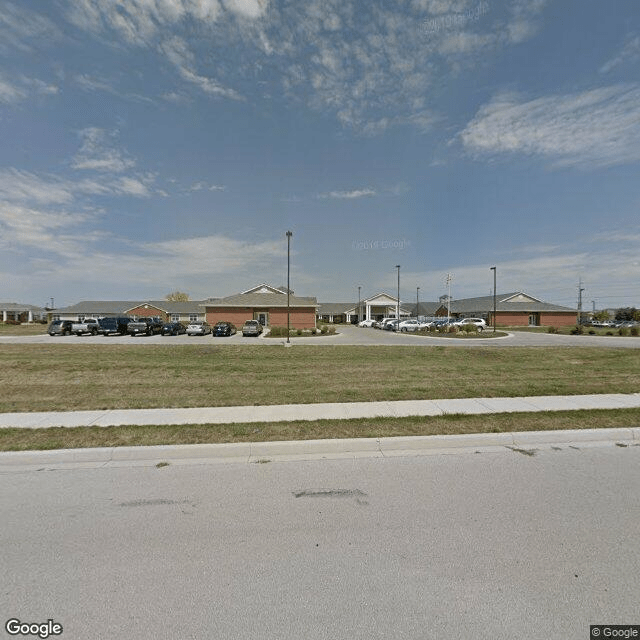
Landscaping, Building, Entrance, and Flag
Lobby, Seating, and Reception Area
Get PricingAsk A QuestionSchedule A TourContact Senior Advisor
By clicking submit, you agree to our Partner's Terms of Use. You
also consent to receive calls and texts, which may be autodialed, from our Partner. Your consent is not a condition to
using our Partner's service. Please visit our Partner's Privacy Policy for information about their privacy practices.

 134 resident community capacity
 1-bedroom apartments
 Assisted Living
 Day Program
 Memory Care
 Skilled Nursing Facility
 Air-conditioning
 Beautician on-site
 Cable or satellite TV
 Computer center
 Devotional services off-site
 Dining room
 Fitness room
 Fully furnished
 Gaming room
 Garden
 Ground floor units
 Handicap accessible
 Housekeeping services
 Indoor common areas
 Kitchenette
 Laundry
 Move-in coordination
 Outdoor common areas
 Party space
 Private bathrooms
 Respite or short term stays offered
 Restaurant-style dining
 Small library
 Telephone
 Wellness center
 Wheelchair accessible showers
 Wi-Fi/high-speed internet available
 Community operated transportation
 24-hour call system
 Ambulatory care
 Assistance with bathing
 Assistance with dressing
 Assistance with transfers
 Diabetes diet
 Diabetic care
 Incontinence care
 Medication management
 Mental wellness program
 Physical therapy
 Special dietary restrictions
 Art classes
 Catholic services
 Concierge services
 Cooking classes
 Day trips and outings
 Educational speakers / life long learning
 Karaoke
 Wine tasting
 English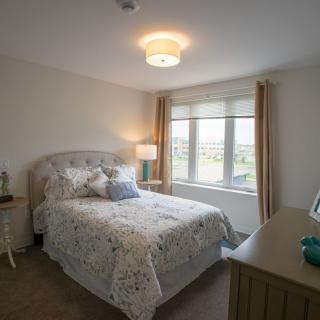
 Friendly staff with engaging activities in a well-maintained setting.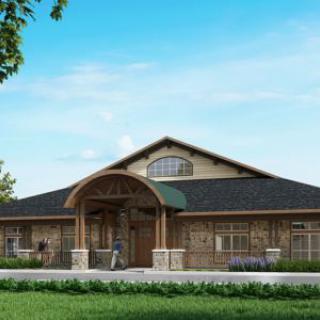



 An In-Depth Look at Reminiscence Therapy in Dementia Care
 Dementia-Related Hallucinations: Causes, Experiences, and Practical Approaches
 Illuminating Insights About Alzheimer's Disease: Ten Crucial Realities