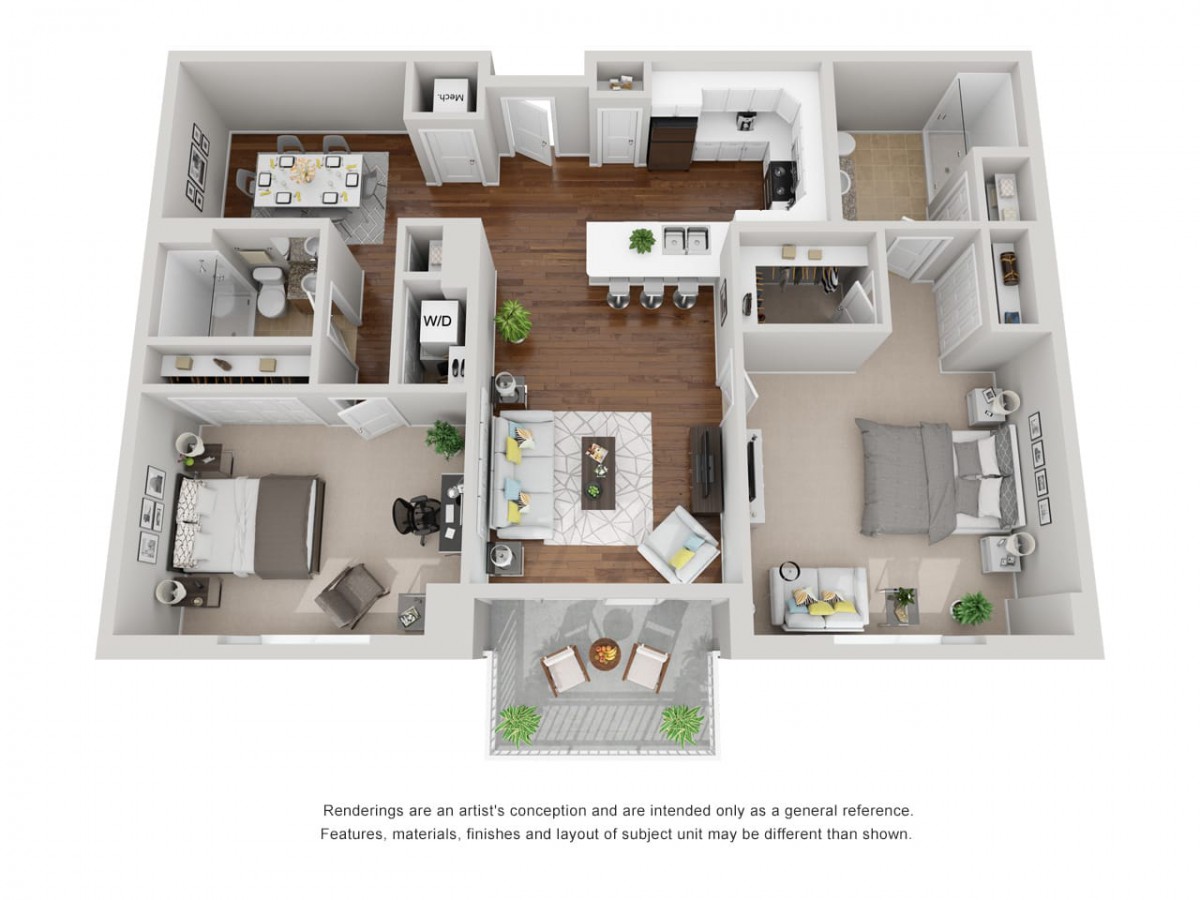
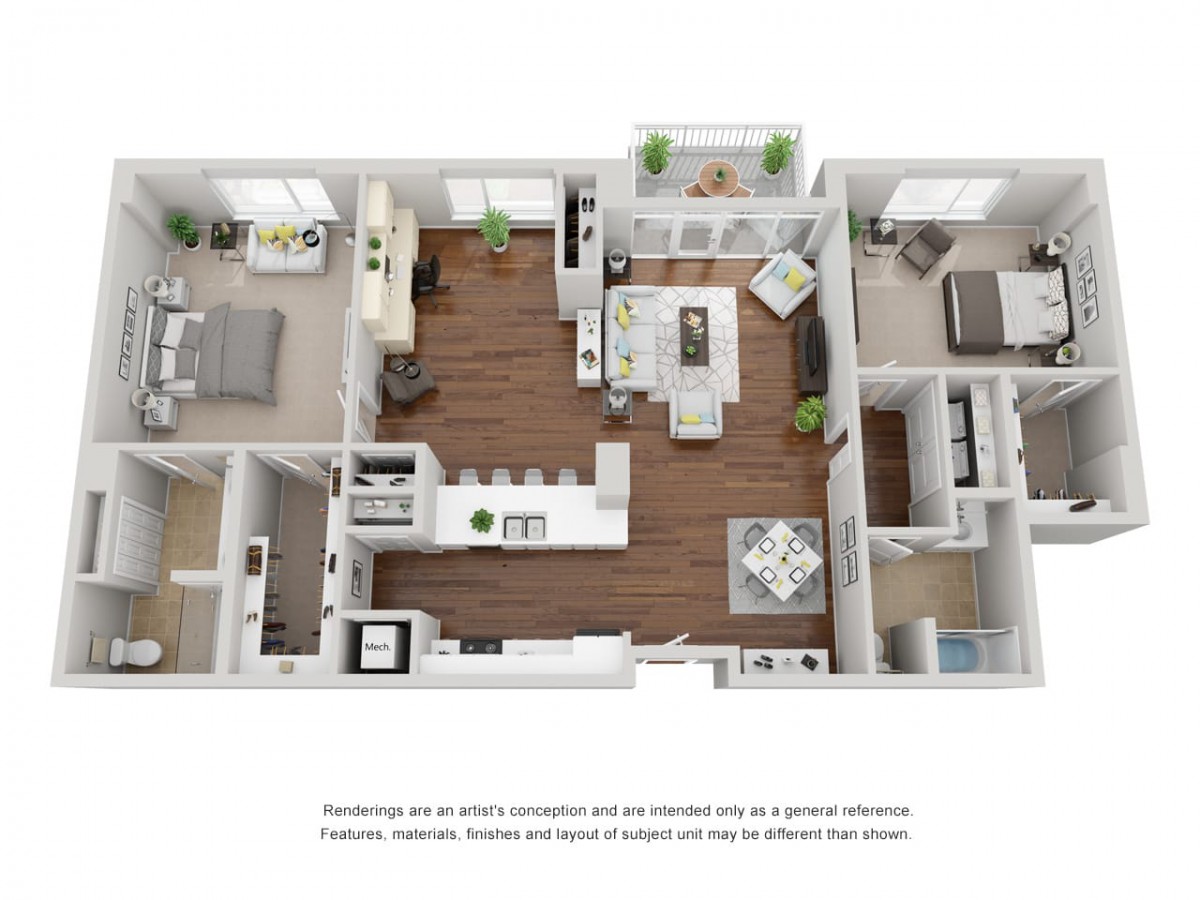
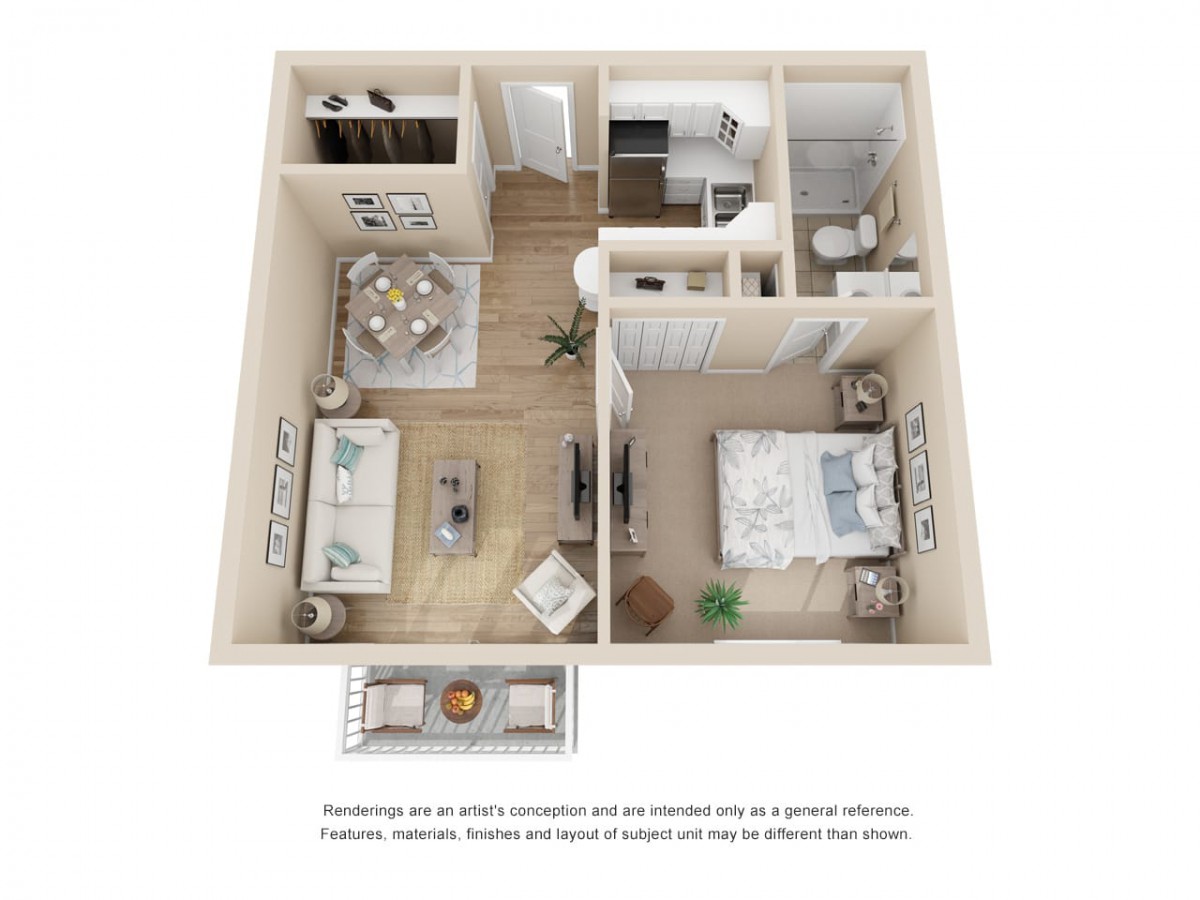
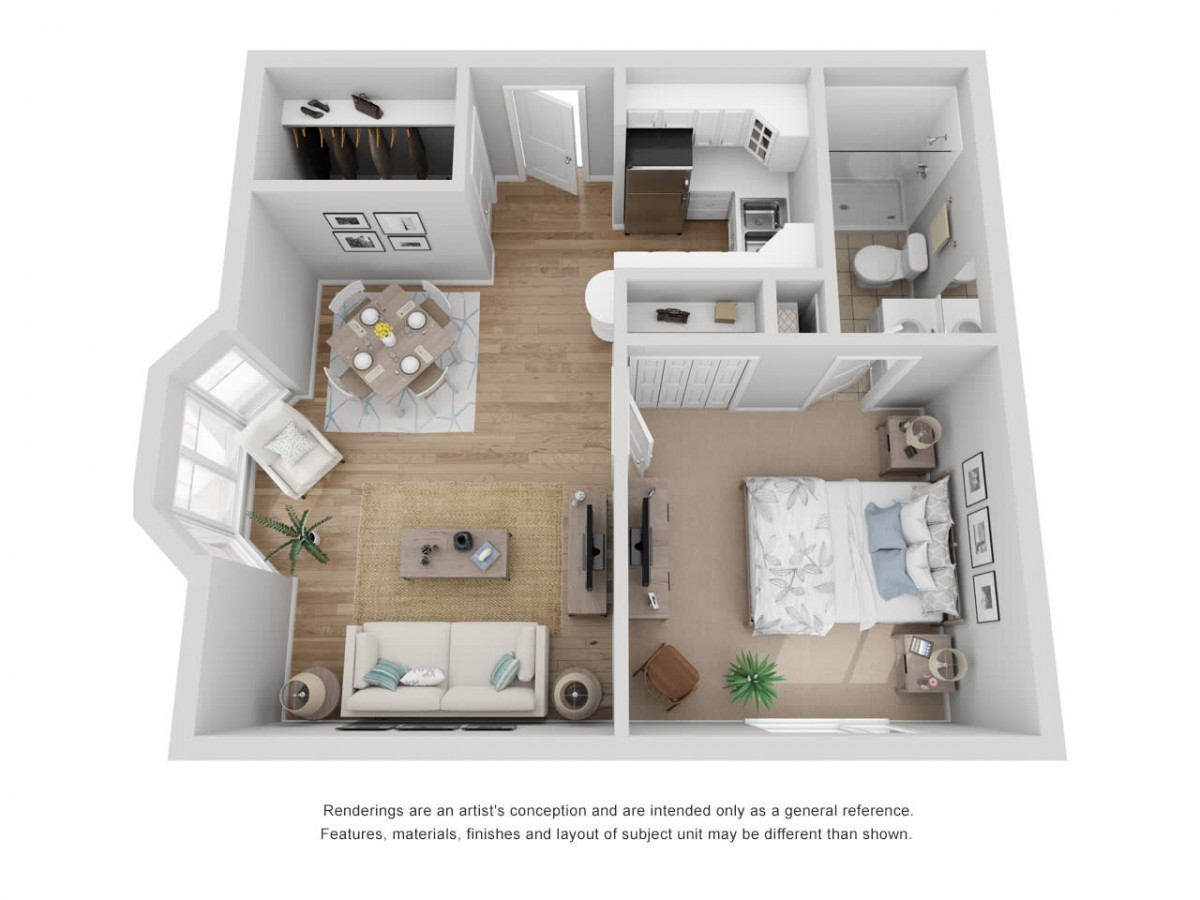
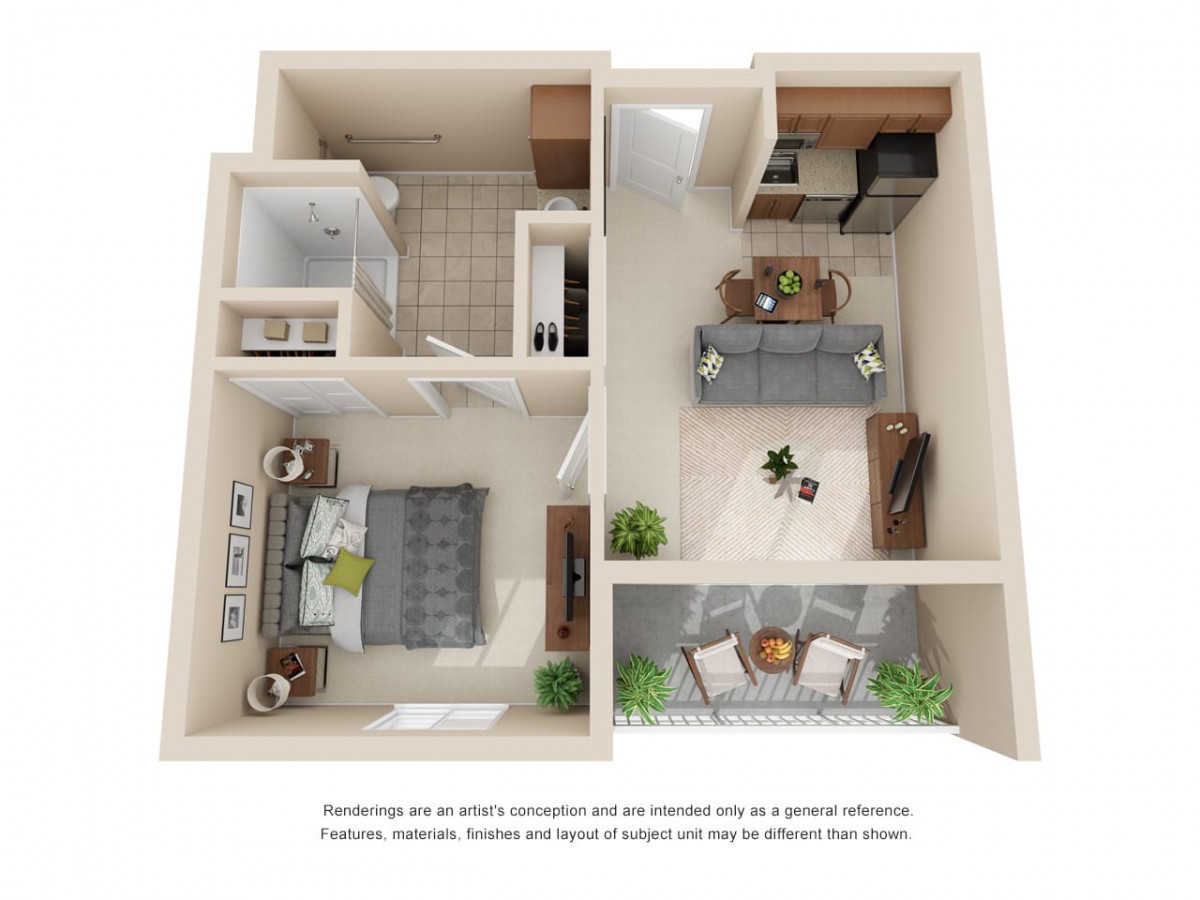
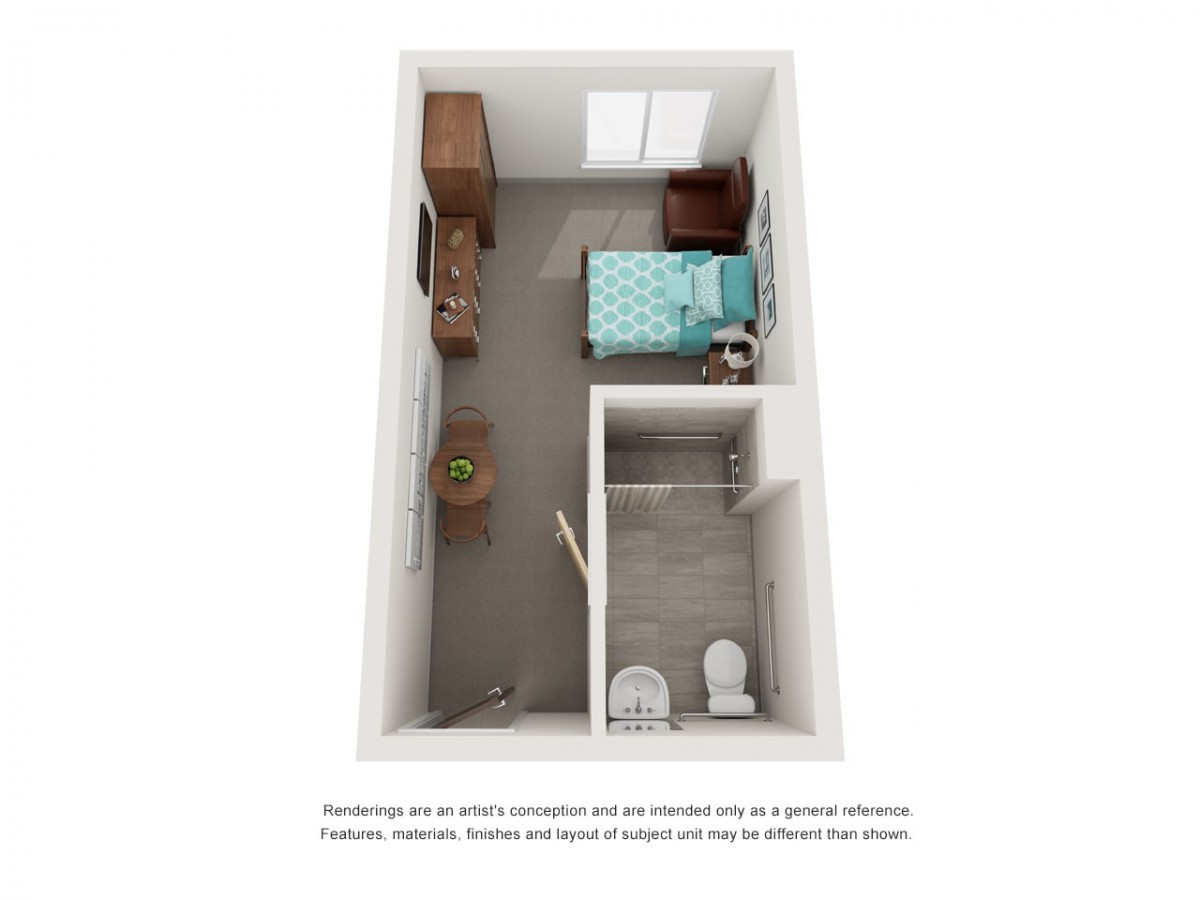
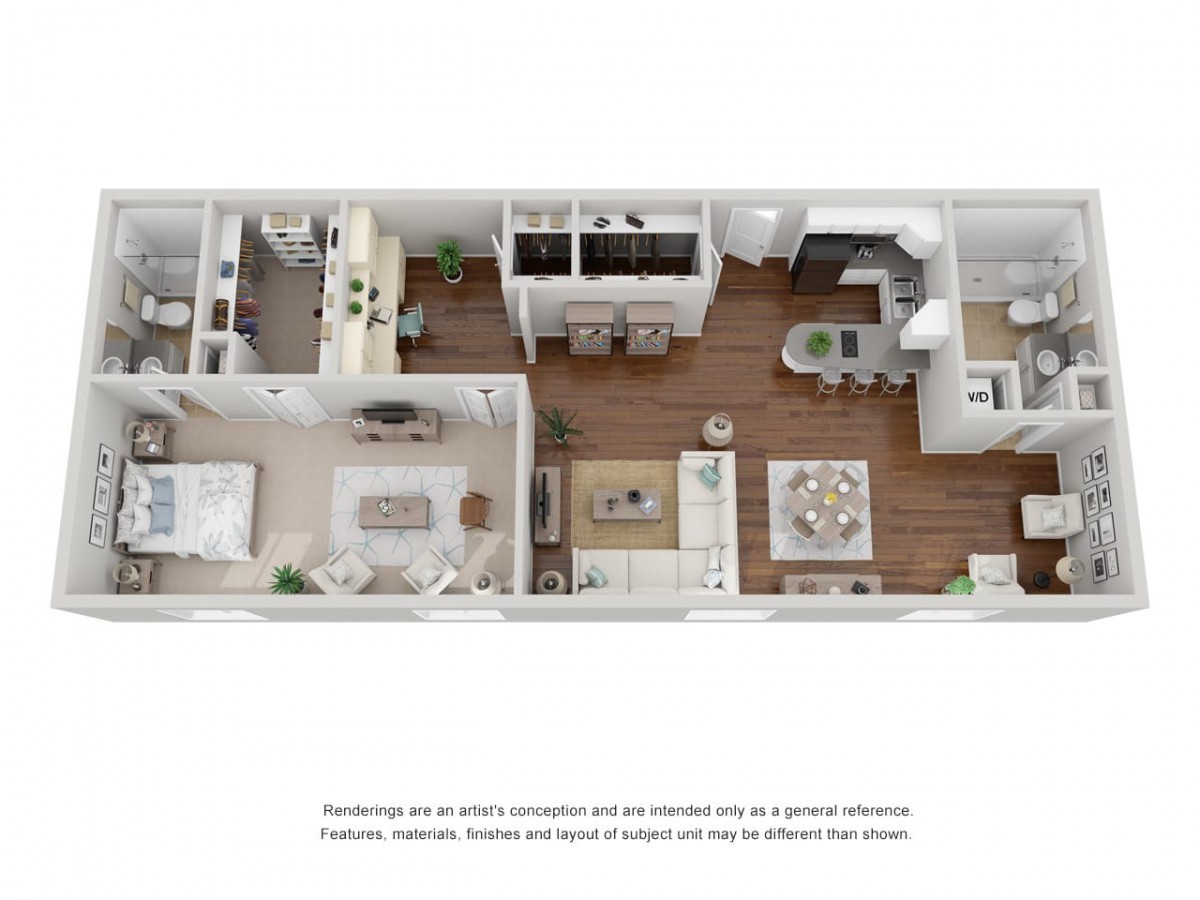
In Marquette, the monthly housing costs present a unique picture when compared to both Marion County and the broader state of Indiana. For a one-bedroom unit, residents can expect to pay approximately $2,800, which is slightly more affordable than the Marion County average of $2,917 but significantly lower than the state average of $3,300. However, the trend shifts when looking at two-bedroom units; Marquette's rate of $4,000 exceeds both Marion County's average of $2,997 and Indiana's average of $3,208 by a notable margin. Interestingly, studio apartments in Marquette are also priced on the higher side at $5,910 compared to Marion County at $2,869 and Indiana at $3,258. This data suggests that while one-bedroom options remain competitively priced in Marquette, larger living spaces may carry a premium that sets them apart from nearby regions.
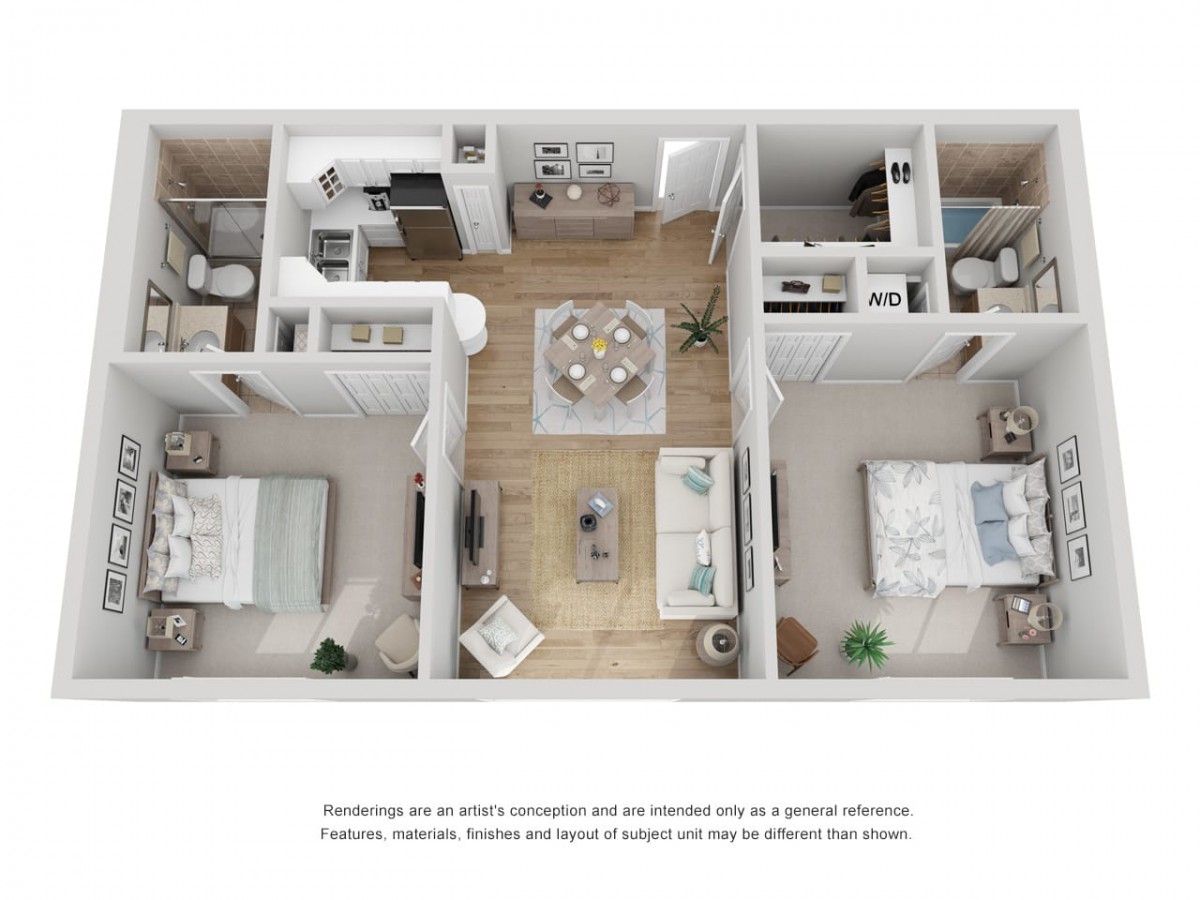
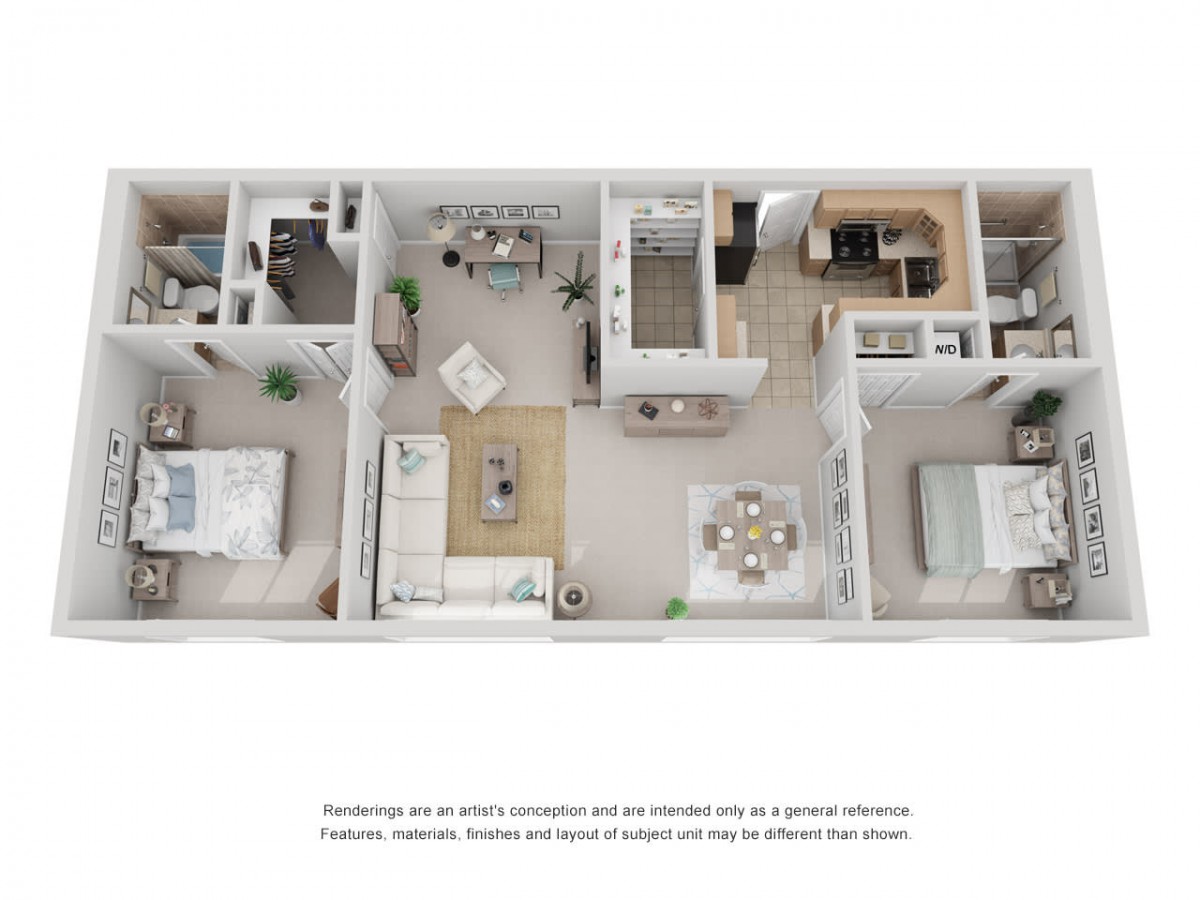
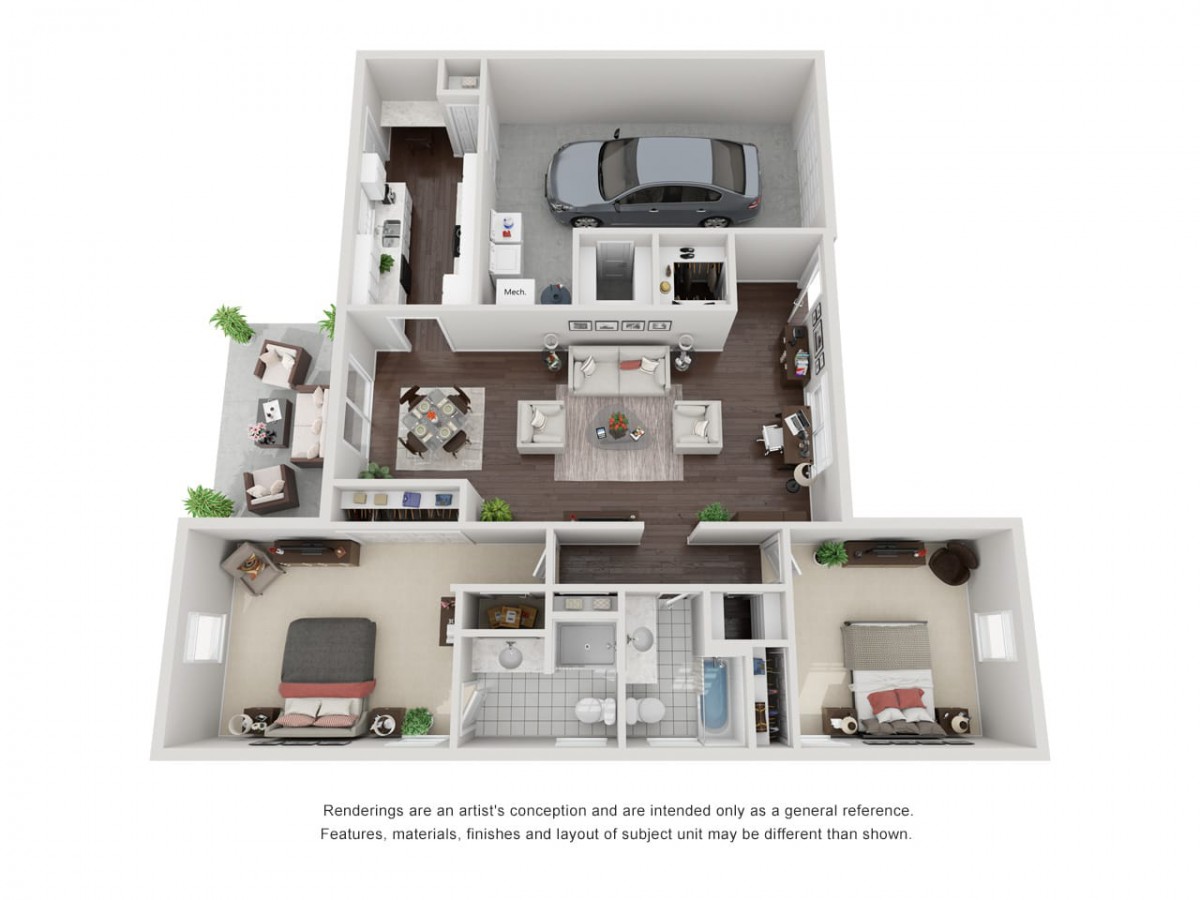
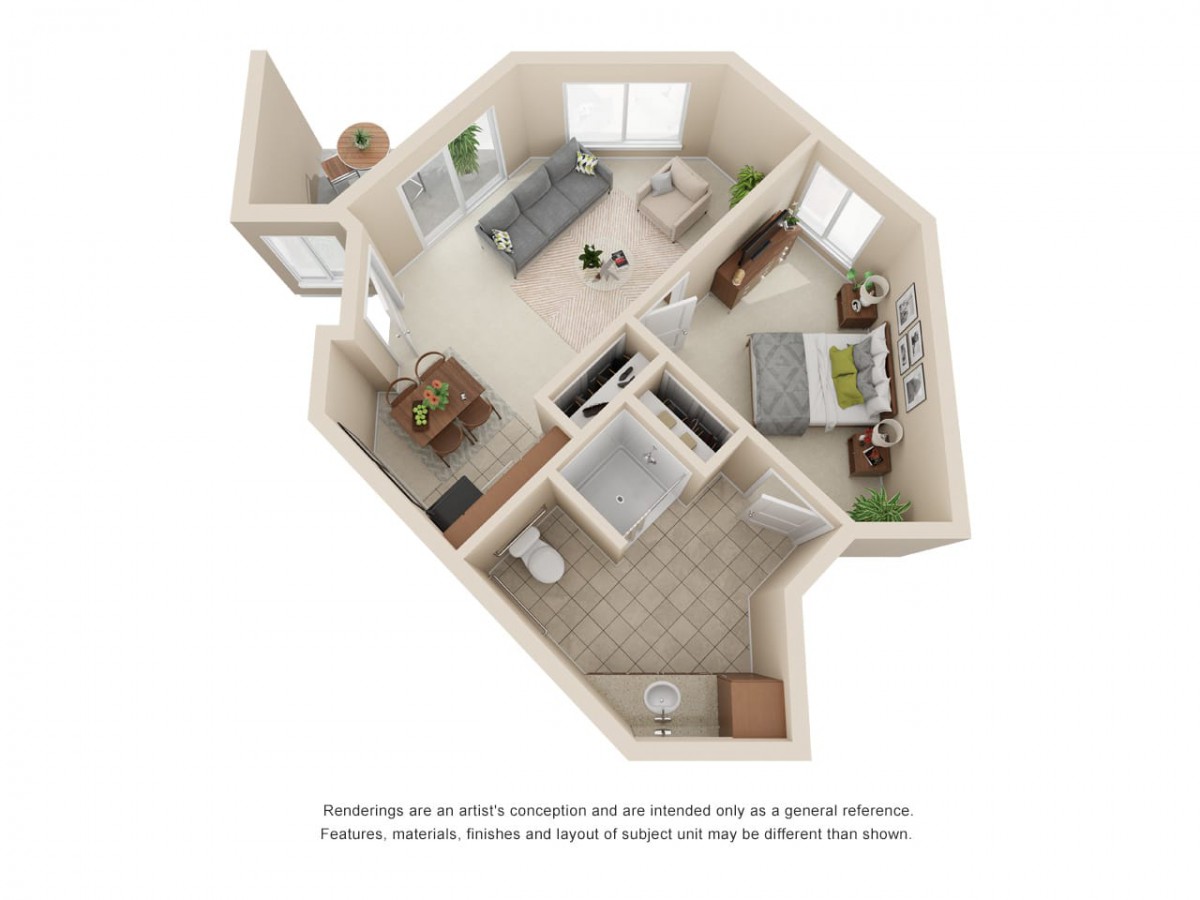
Floor plans
Marquette
Marion County
Indiana
1 Bedroom
$2,800
$2,917
$3,300
2 Bedrooms
$4,000
$2,997
$3,208
Studio
$5,910
$2,869
$3,258
Assisted Living communities with a similar price nearby
Residents and families repeatedly describe staff as caring and invested in well-being.
Many reviews emphasize how supportive and compassionate the staff feels day to day, including calm communication and follow-through when families have questions. Several people also mention peace of mind from having help available when health needs change. A few reviews also describe caregivers as professional and responsive during rehab and nursing stays.
common
Meals and restaurant-style dining
Dining is a frequent bright spot, with residents highlighting both taste and variety.
Reviews often call out the food as delicious, with enough choice that people can keep their routines without feeling limited. Families describe dining room experiences and, in some cases, meals being available in apartments. The community also offers restaurant-style dining and special diet support options.
common
On-site activities keep residents engaged
Residents describe a packed schedule of activities that helps them stay socially connected.
Multiple reviews mention constant things to do, from group events and outings to fitness and education programs. People describe being able to maintain friendships and find daily routines that feel engaging rather than passive. The community offers planned activities, day trips, and fitness programs, along with resident-run options.
differentiator
Health care continuum on one campus
A key advantage is the ability to move across care levels without leaving the campus.
Several reviews describe transitions across independent living, assisted living, and memory care as needs changed, with families valuing continuity. Others talk about skilled rehab or health center experiences and how the staff monitored and supported recovery. The community also indicates a full continuum of care, including assisted living, memory care, and skilled nursing facility services.
caveat
Pricing feels high to some
Some families say the community is too expensive for their budget.
A handful of reviews explicitly mention cost, including comments that the community is expensive or not a high rating because of price. Pricing in the listing is also positioned above county and state benchmarks across unit types, which helps explain why affordability comes up. If you’re cost-sensitive, it may be worth comparing what care level you expect to need as part of the decision.
caveat
Care experiences can be inconsistent
Some residents and families report problems with communication, staffing, or response times.
While many reviews are highly positive, a few describe neglect-related concerns, rude interactions, or delays when help is needed. Others mention confusion about who would provide specific support during hospice or care changes, leading to extra steps by families. There are also complaints about understaffing and room-level issues in certain health center settings.
How we summarize
We summarize when many written reviews mention each theme; a review can touch several themes, and only frequently mentioned themes are displayed.
Features
Housing
122 resident community capacity
Types of Care
Assisted Living
Continuing Care Retirement Community (CCRC)
Independent Living
Memory Care
Skilled Nursing Facility
Amenities
Activities on-site
Air-conditioning
Beautician on-site
Beauty salon
Cable or satellite TV
Computer center
Devotional services on-site
Dining room
Fitness room
Fully furnished
Gaming room
Garden
Housekeeping services
Indoor common areas
Kitchenette
Move-in coordination
Outdoor space
Private bathrooms
Restaurant-style dining
Small library
Telephone
Wellness center
Wi-Fi/high-speed internet available
Transportation
Indianapolis International (14 miles away)
Community operated transportation
Transportation arrangement
Transportation arrangement (non-medical)
Care Services
24-hour call system
24-hour supervision
Activities of daily living assistance
Ambulatory care
Assistance with bathing
Assistance with dressing
Assistance with transfers
Coordination with health care providers
Dementia waiver
Diabetes diet
Diabetic care
High acuity care
Hospice waiver
Incontinence care
Meal preparation and service
Medication management
Mental wellness program
Special dietary restrictions
Specialized memory care programming
Transportation arrangement (medical)
Transportation to doctors appointments
Dining
Diabetes diet
Meals provided
Special dietary restrictions
Special dining programs
Activities
Activities on-site
Catholic services
Community-sponsored activities
Concierge services
Devotional activities on-site
Fitness programs
Jewish services
Other religious services
Planned day trips
Protestant services
Resident-run activities
Scheduled daily activities
Visiting Rabbi
Visiting chaplain or priest
Virtual Tour
Videos
Nearby Places of Interest
Located in Indianapolis, Indiana, this area offers a variety of healthcare options with physicians specializing in pediatrics, oncology, hand and shoulder care, occupational health, and ophthalmology. Nearby hospitals include trauma and neuro ICUs, as well as orthopedic and wound care centers. Several pharmacies are within close proximity for easy access to medications. Residents can also find spiritual support at various places of worship such as churches and a Christian congregation. Additionally, there are several dining options ranging from fast food to Tex-Mex cuisine, as well as cafes for coffee lovers. For recreational activities, the area features parks like Holliday Park and Eagle Creek Park for outdoor leisure opportunities. Transportation services including car rentals and moving facilities are also available nearby for convenient mobility.
Physicians
Township Line Road Pediatrics (0.3 miles)
Hematology Oncology of Indiana (0.8 miles)
Indiana Hand to Shoulder Center (0.8 miles)
Hill, Susan E, Do - Methodist Occupational Health (2.2 miles)
Center For Sight (2.9 miles)
Indiana Neuroscience Associates (2.9 miles)
St Vincent Physician Network (3.2 miles)
Hospitals
Trauma /Neuro ICU (0.6 miles)
St Vincent Hospital Trauma ICU (0.6 miles)
Orthoindy (3.2 miles)
Franciscan St Francis Health (5.1 miles)
Advanced Wound Center at Community Westview Hospital (5.9 miles)
Pharmacies
Walgreens (0.9 miles)
CVS Pharmacy (1.3 miles)
CVS Pharmacy (1.3 miles)
Walgreens (2.9 miles)
PCA Pharmacy (3.5 miles)
CVS Pharmacy (3.9 miles)
Walgreens (3.9 miles)
Places of Worship
College Park Church (1.7 miles)
St Luke Catholic Church (2.5 miles)
Second Presbyterian Church (2.6 miles)
Holy Trinity Church (2.7 miles)
Zionsville Christian Church (4.8 miles)
Orchard Park Presbyterian Church (4.9 miles)
St Alphonsus Catholic Church (5.4 miles)
Restaurants
McDonald's (1.9 miles)
Chuy's Tex-Mex (2.7 miles)
McDonald's (3 miles)
Big Lug Canteen (3.8 miles)
Jimmy John's (3.8 miles)
Flatwater Restaurant (4 miles)
McDonald's (4.2 miles)
Cafes
Starbucks (2.8 miles)
Starbucks (3 miles)
Homemade Ice Cream & Bakery Café (3.3 miles)
Panera Bread (3.3 miles)
Starbucks (3.6 miles)
Starbucks (4.1 miles)
Starbucks (4.9 miles)
Transportation
U-Haul Moving & Storage at Michigan Rd (2.9 miles)
In Marquette, the monthly housing costs present a unique picture when compared to both Marion County and the broader state of Indiana. For a one-bedroom unit, residents can expect to pay approximately $2,800, which is slightly more affordable than the Marion County average of $2,917 but significantly lower than the state average of $3,300. However, the trend shifts when looking at two-bedroom units; Marquette's rate of $4,000 exceeds both Marion County's average of $2,997 and Indiana's average of $3,208 by a notable margin. Interestingly, studio apartments in Marquette are also priced on the higher side at $5,910 compared to Marion County at $2,869 and Indiana at $3,258. This data suggests that while one-bedroom options remain competitively priced in Marquette, larger living spaces may carry a premium that sets them apart from nearby regions.
Marquette's comprehensive approach to memory care is designed to cater to the unique needs of residents with dementia or Alzheimer's disease by offering 24-hour supervision, ensuring a safe and secure environment at all times. Assistance with activities of daily living, such as bathing, dressing, and transfers, promotes dignity and independence while providing essential support. Coordination with health care providers enhances personalized care plans, while the dementia waiver allows for tailored interventions suited to individual conditions. Incontinence care ensures comfort and respect, while meal preparation and service focus on nutrition that meets specific dietary requirements. Medication management is critical in maintaining overall health, and the mental wellness program fosters emotional well-being through engaging activities. Specialized memory care programming is vital in addressing cognitive challenges effectively, ensuring enriching experiences that can help stimulate memory recall. Finally, transportation arrangements for medical appointments further support residents' health management by facilitating necessary access to healthcare services.
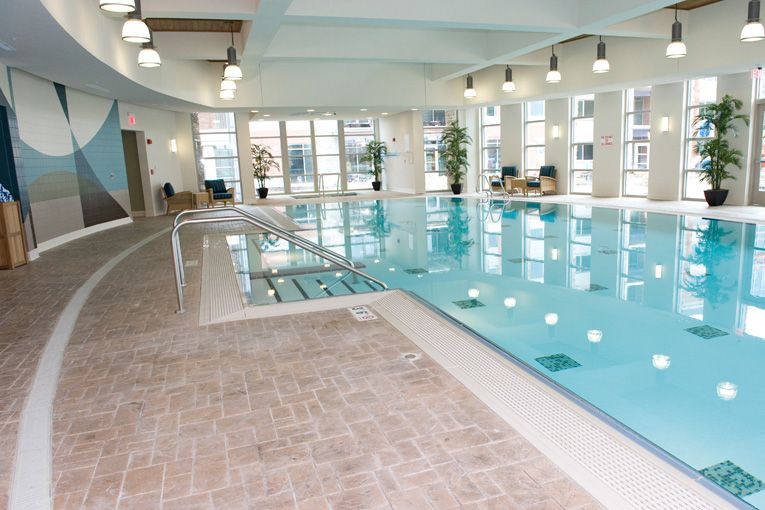
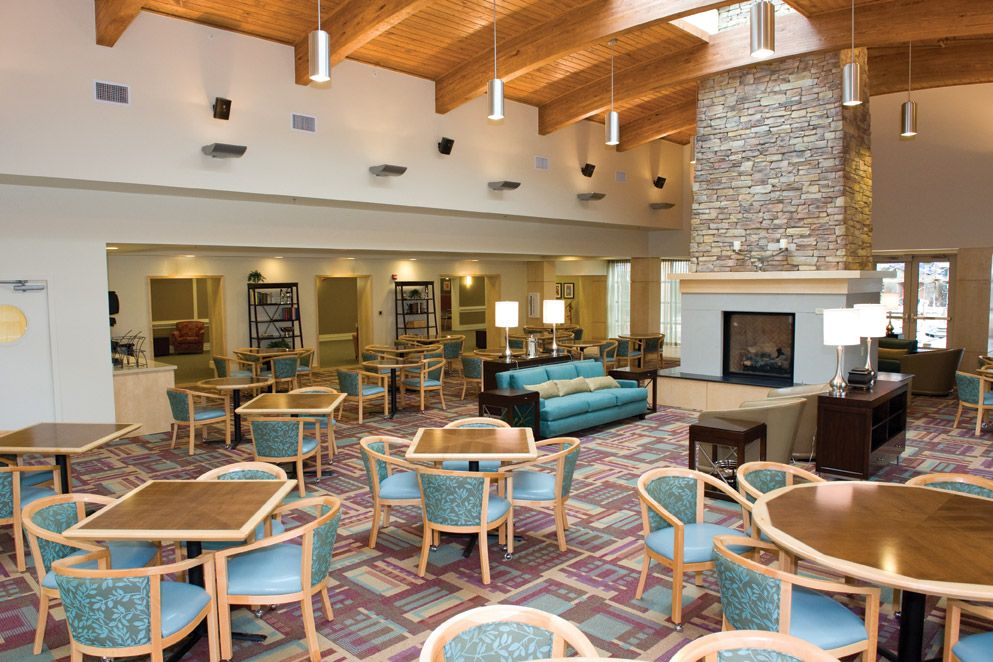
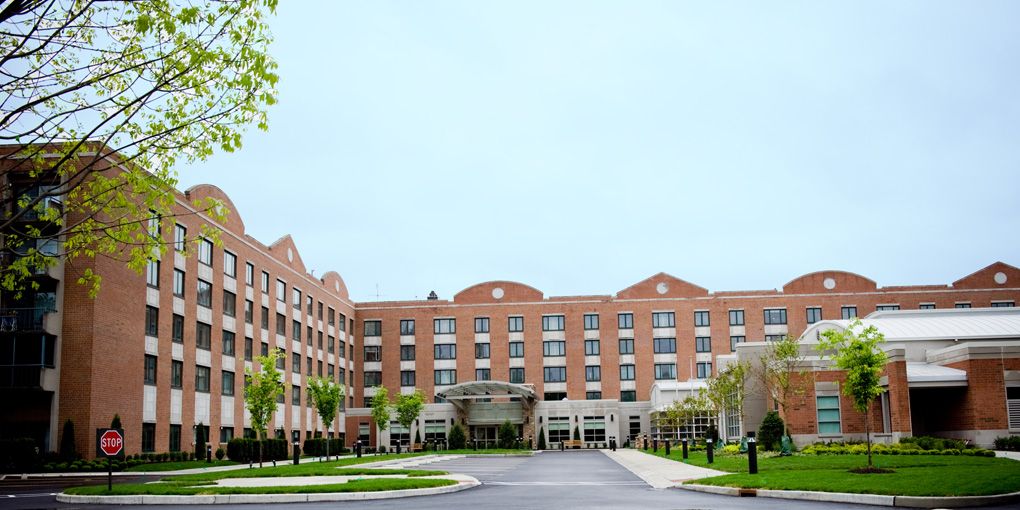
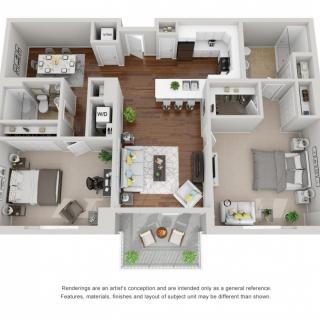
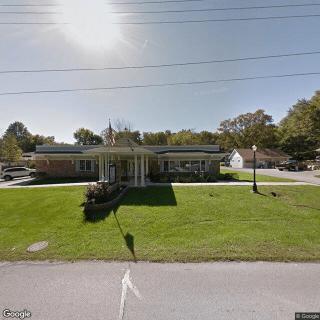
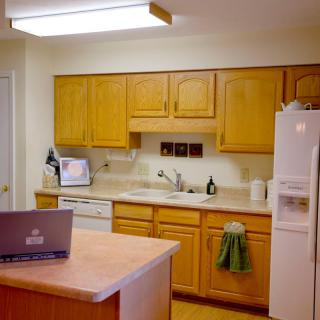
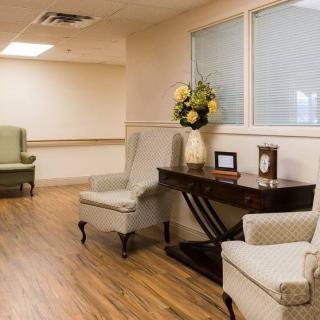
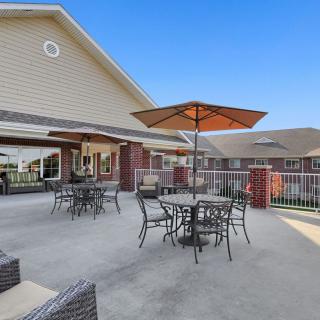
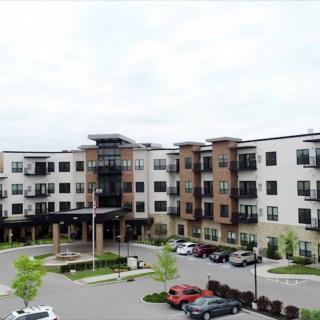
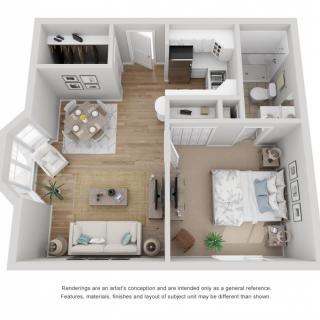
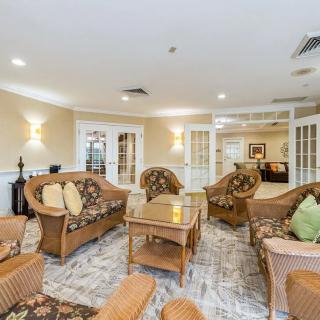
Marquette on seniors.fyi includes 18 photos including images showing floor plan, interior, bedroom, bathroom, living room, kitchen, dining, home design, and more.
Nearby Communities
Bernard L Strange Pavilion
Indianapolis, IN
Vibrant assisted living with rich nearby amenities.
Pyramid Point Post Acute Rehab
Indianapolis, IN
2.8 from 11 reviews
Excellent access to nearby amenities and healthcare.
St Augustine Home For The Aged
Indianapolis, IN
4.7 from 19 reviews
Compassionate care from dedicated staff (Little Sisters of the Poor) in a welcoming community with a garden and chapel.
Willow Lake Place
Indianapolis, IN
3.9 from 95 reviews
$2,340 to $4,924 / month
Friendly staff and a clean, welcoming atmosphere.
Cedar Commons
Indianapolis, IN
3.9 from 20 reviews
Excellent access to nearby dining, parks, healthcare, worship, and transportation.
Crooked Creek Tower
Indianapolis, IN
4.2 from 80 reviews
Clean, well-maintained building with friendly staff.
Spring Mill Meadows
Indianapolis, IN
3.9 from 99 reviews
$1,175 to $1,740 / month
Friendly, responsive staff; clean, well-maintained facilities; pleasant environment with garden homes.
Rittenhouse Village At Northside
Indianapolis, IN
4.3 from 58 reviews
$2,125 to $3,270 / month
Friendly staff, clean facility, restaurant-style dining, and engaging activities.
Hooverwood
Indianapolis, IN
3.8 from 39 reviews
Clean, well-maintained facility with friendly staff.
The guide outlines the complexities of Medicaid coverage for assisted living, highlighting significant state-to-state variations, limited coverage often restricted to personal care services, and the existence of specialized waivers for certain needs like memory care. It advises families to consult local Medicaid offices for options while emphasizing the importance of understanding state-specific regulations and facility policies.
Medicaid coverage for assisted living varies by state and is primarily available to low-income individuals, with eligibility dependent on strict income and asset limits. Some states offer HCBS waivers for specific services in assisted living, but families must generally cover room and board costs, and should verify facility acceptance of Medicaid while considering potential waiting lists.
Medicaid waivers for assisted living services provide vital support for seniors and individuals with disabilities in need of long-term care, with varying state-specific eligibility criteria and benefits. These waivers cover personal care and case management but often do not fully cover room and board, leading to waiting lists for many applicants.
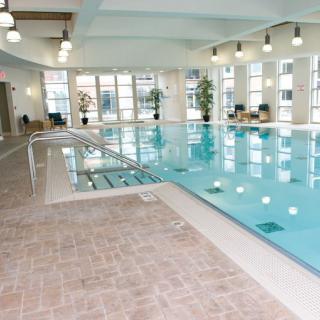
Swimming Pool, Modern Architecture, Fitness Center, and Indoor Pool
Balcony
Home Design
Garage and Open Concept
Two-bedroom
Get PricingAsk A QuestionSchedule A TourContact Senior Advisor
By clicking submit, you agree to our Partner's Terms of Use. You
also consent to receive calls and texts, which may be autodialed, from our Partner. Your consent is not a condition to
using our Partner's service. Please visit our Partner's Privacy Policy for information about their privacy practices.










 122 resident community capacity
 Assisted Living
 Continuing Care Retirement Community (CCRC)
 Independent Living
 Memory Care
 Skilled Nursing Facility
 Activities on-site
 Air-conditioning
 Beautician on-site
 Cable or satellite TV
 Computer center
 Devotional services on-site
 Dining room
 Fitness room
 Fully furnished
 Gaming room
 Garden
 Housekeeping services
 Indoor common areas
 Kitchenette
 Move-in coordination
 Outdoor space
 Private bathrooms
 Restaurant-style dining
 Small library
 Telephone
 Wellness center
 Wi-Fi/high-speed internet available
 Indianapolis International (14 miles away)
 Community operated transportation
 24-hour call system
 Ambulatory care
 Assistance with bathing
 Assistance with dressing
 Assistance with transfers
 Diabetes diet
 Diabetic care
 High acuity care
 Hospice waiver
 Incontinence care
 Medication management
 Mental wellness program
 Special dietary restrictions
 Transportation arrangement (medical)
 Catholic services
 Concierge services
 Jewish services
 Planned day trips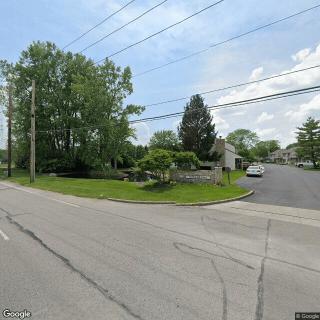
 Vibrant assisted living with rich nearby amenities.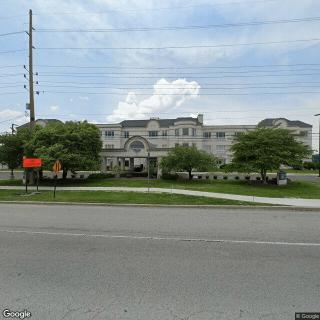


 Understanding Medicaid Coverage for Assisted Living: A Comprehensive Guide
 How and When Medicaid May Cover Assisted Living Costs
 A Detailed Exploration of Assisted Living Medicaid Waivers Across the United States