

8530 Township Line Rd, Indianapolis, IN 46260
To contact a resident: (317) 876-9955
For more information about senior living options: (866) 208-4318
Overall Review of Pyramid Point Post Acute Rehab
Pros
 The staff is wonderful.
- The rehab team is awesome.
Cons
 The place seems to be closed around April 2018, with the parking lot always empty.
 - Some reviews are described as big fat lies.
- The reviewer notes the previous rehab facility had a lack of care and horrible conditions.
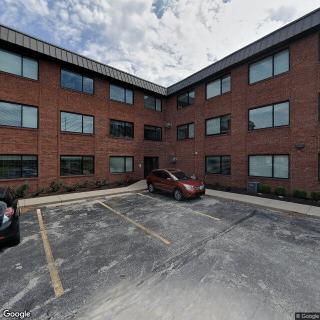
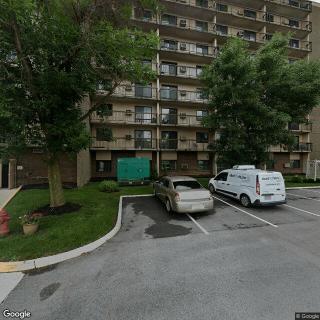
- The place is described as sad and dirty, with the outside appearance and video being misleading.
- The website video is fake, and the resident rooms do not resemble what is shown.
- There is never enough help, with only two nursing assistants for a whole unit.
- Nurses are rude, and the reviewer advises not to let a family member stay there.
Review
This community in Indianapolis is best suited for short-term post-acute residents who want a rehab-focused program and are prepared to actively monitor care and press for accountability. For families, the upside lies in the potential for focused rehabilitation and timely medication management when staff are engaged. However, this setting is not a fit for those who require an immaculately clean environment and consistently staffed, responsive care around the clock. If cleanliness, reliability, and transparent operations are non-negotiable, alternatives should be considered.
The strongest argument in favor of Pyramid Point Post Acute Rehab rests on the rehab and medication dimensions. Several accounts describe a rehabilitative team that is capable and responsive when engaged, with residents seeing benefit from hands-on therapy and medical oversight. A transfer from another facility cited improved care and proper medication administration, underscoring that when staff are aligned with a careful doctor-ordered plan, progress is attainable. This indicates potential value for residents who prioritize rehabilitation outcomes and the structured routine of a post-acute stay.
Yet the clear, persistent downsides cannot be ignored. A chorus of reviews paints a troubling picture of cleanliness and overall environment, including rooms and common areas that feel dirty, linens and supplies that appear inadequately managed, and visible lapses in basic infection-control practices. Reports of cluttered or inadequate housekeeping, coupled with questionable food-service and discarded or under-supplied materials, feed concerns about patient dignity and safety. The sentiment that the facility’s exterior and marketing do not reflect the true conditions adds a layer of skepticism that families should not dismiss.
Staffing and responsiveness emerge as the other dominant red flags. Multiple accounts describe insufficient staffing, with caregivers unable to attend to residents promptly, and at least one interaction depicting rude behavior from nursing staff. When a unit operates with only a couple of aides, the risk to timely assistance and critical monitoring increases, an allocation that clashes with the expectations of families seeking dependable round-the-clock support. These concerns amplify the weight of the environmental issues and suggest a fragile balance between rehabilitation potential and daily quality of life.
The tradeoffs matter for care decisions. If the need centers on skilled rehab optimization and medication management, Pyramid Point can deliver meaningful benefit, provided that the patient-to-staff dynamics allow for close supervision and rapid escalation of concerns. However, for residents who require consistently spotless surroundings, predictable service, and uniformly courteous staff, the cons nearly always outweigh the pros. The mixed reviews create a scenario where outcomes hinge on day-to-day staffing luck and the level of proactive advocacy brought by family and clinicians.
Given the uncertainties, those evaluating Pyramid Point should pursue a disciplined due diligence plan. Schedule a tour and insist on speaking directly with the rehab director and front-line supervisors. Request current staffing levels by shift, explicit cleaning protocols, and recent infection-control metrics. Verify the facility’s operational status and whether it remains open and actively accepting residents, especially in light of historical questions about its status. If proceeding, negotiate a concrete care plan with clear expectations, and arrange for a first-term length that allows for close monitoring, with rapid escalation channels if care quality dips. For families who value transparency, a broader comparison with other Indianapolis post-acute options will likely yield a more reliable fit.
 Skilled Nursing Facility
 Indianapolis International (14 miles away)





 Understanding the Nuances of Palliative Care and Hospice: A Comprehensive Exploration
 Is In-Home Healthcare Tax Deductible? Your Comprehensive Guide
 Nurturing Well-Being Through Gardening: A Detailed Guide for Senior Enthusiasts