Grand Brook Memory Care of Fishers Costs & Pricing
Grand Brook Memory Care of Fishers offers specialized memory care services with monthly costs reflecting the premium nature of its accommodations. For a semi-private room, residents can expect to pay $7,200, significantly higher than the average costs in Hamilton County at $4,746 and well above Indiana's statewide average of $3,739. Those opting for a studio will find the price set at $7,995 - again surpassing local and state averages, which are $3,561 and $3,258 respectively. While these rates may seem elevated in comparison to regional norms, they underscore the facility's commitment to providing exceptional care tailored to individuals with memory-related needs.
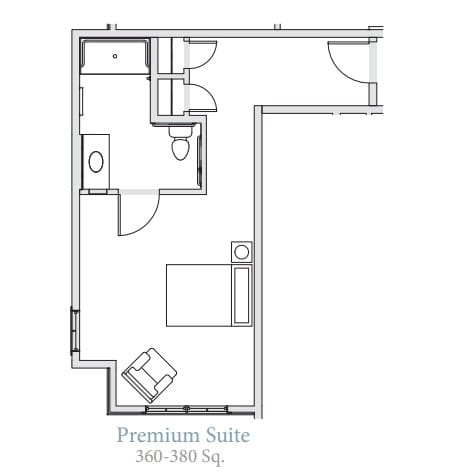
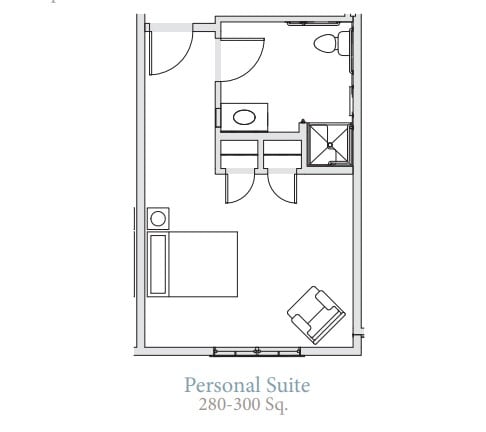
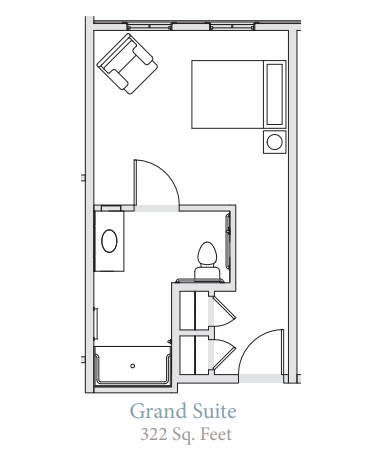
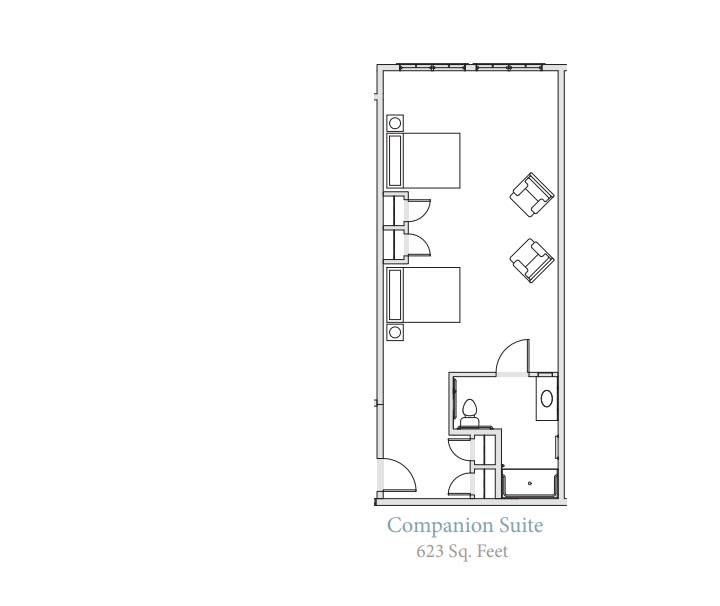
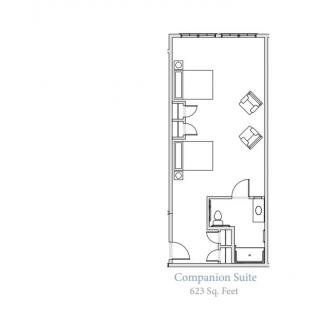
Floor plans
Grand Brook Memory Care of Fishers
Hamilton County
Indiana
Semi-Private
$7,200
$4,746
$3,739
Studio
$7,995
$3,561
$3,258
Memory care communities with a similar price nearby
Overall Review of Grand Brook Memory Care of Fishers
common27 reviews mention this
Care teams are frequently described
Families and residents describe staff as caring, welcoming, and responsive to needs.
Across many reviews, residents and families say the staff treat people with kindness, dignity, and respect, and that concerns get handled. Multiple reviewers specifically mention feeling welcomed, supported, and reassured after questions or problems. A few other reviews, however, describe management or staffing breakdowns that led to missed needs and poor experiences, including situations that left families frustrated or uneasy.
common12 reviews mention this
Activities and family involvement
Residents are described as staying engaged through scheduled activities and family-friendly events.
Several reviews describe activities as well planned and inclusive, with residents involved in scheduled daily programming. A number of families also mention community-sponsored events and family participation, including group gatherings that made visits feel easier. One set of negative reviews counters that claim, saying activities were limited or not consistently available across residents.
caveat13 reviews mention this
Food quality is mixed
Dining reviews range from food served hot to complaints about limited freshness.
Some reviewers say meals are hot and plentiful, and others mention improved nutrition. At the same time, multiple negative reviews criticize food quality and preparation, with concerns about meals being warmed rather than freshly prepared and limited availability of fresh options. A few reviewers connect meal concerns to quality-of-life issues, while others report improvements after family input.
common18 reviews mention this
Clean spaces and outdoor areas
Many reviews highlight cleanliness, plus outdoor space for residents and visitors.
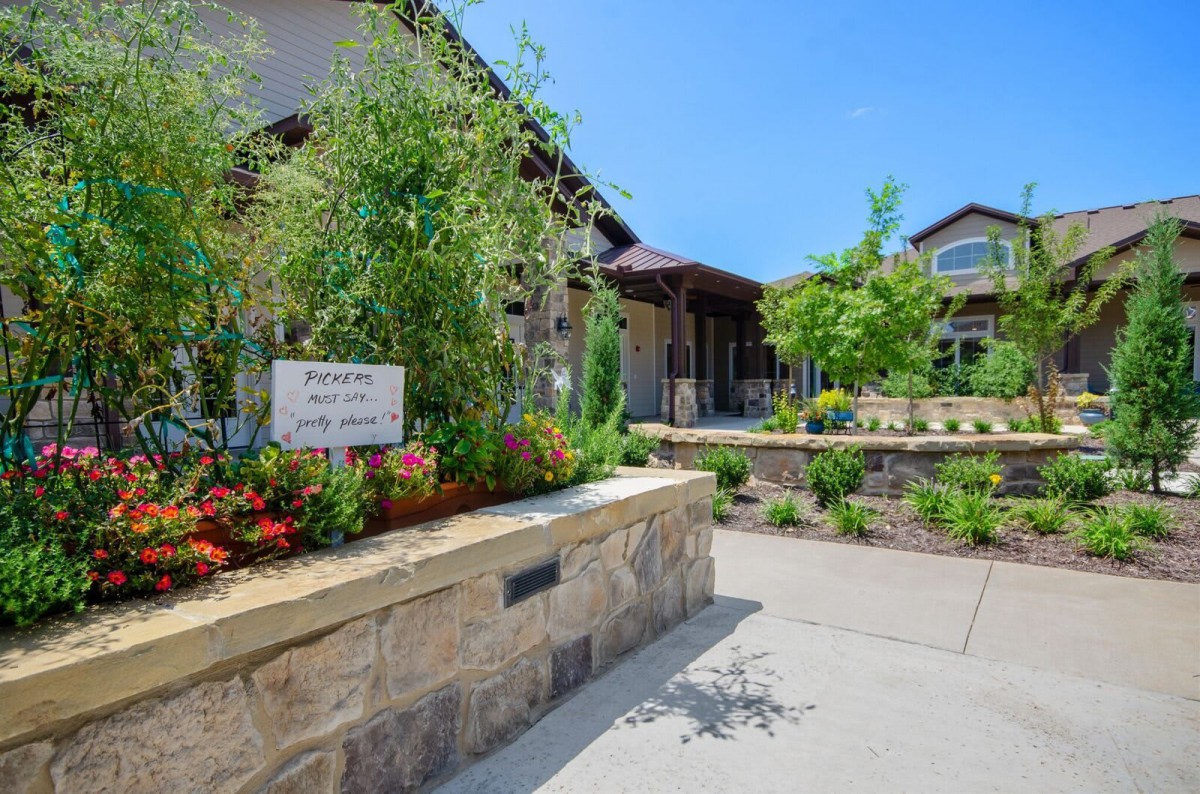
A consistent strength in the reviews is the building’s cleanliness and the atmosphere residents and visitors notice when they arrive. Several reviewers call out outdoor areas such as a garden, courtyard, or spaces for fresh air and time together. A smaller number of negative reviews describe problems with cleanliness and room condition, including complaints that rooms were not cleaned as expected after issues were reported.
caveat6 reviews mention this
Care staffing and management concerns
Some families report staffing or leadership issues that affected daily care and communication.
A handful of reviews describe inadequate staffing levels, especially on certain shifts, and link that to problems like insufficient monitoring and delayed responses. These reviewers also raise concerns about how management handled incidents and family questions, including communication breakdowns. Other reviews characterize staffing as adequate and leadership as supportive, so resident experiences appear uneven across reviewers.
caveat
Pricing is above local averages
Costs are presented as above county and state averages for the unit types shown.
The listed price ranges place the community at the higher end relative to county and state benchmarks for the unit types provided. Reviews do not consistently focus on pricing, so the most common agreement in the feedback is about care, cleanliness, and dining rather than cost.
How we summarize
We summarize when many written reviews mention each theme; a review can touch several themes, and only frequently mentioned themes are displayed.
Features
Housing
36 resident community capacity
Types of Care
Assisted Living
Memory Care
Respite Care
Pets
Dogs allowed
Amenities
Activities on-site
Air-conditioning
Beautician on-site
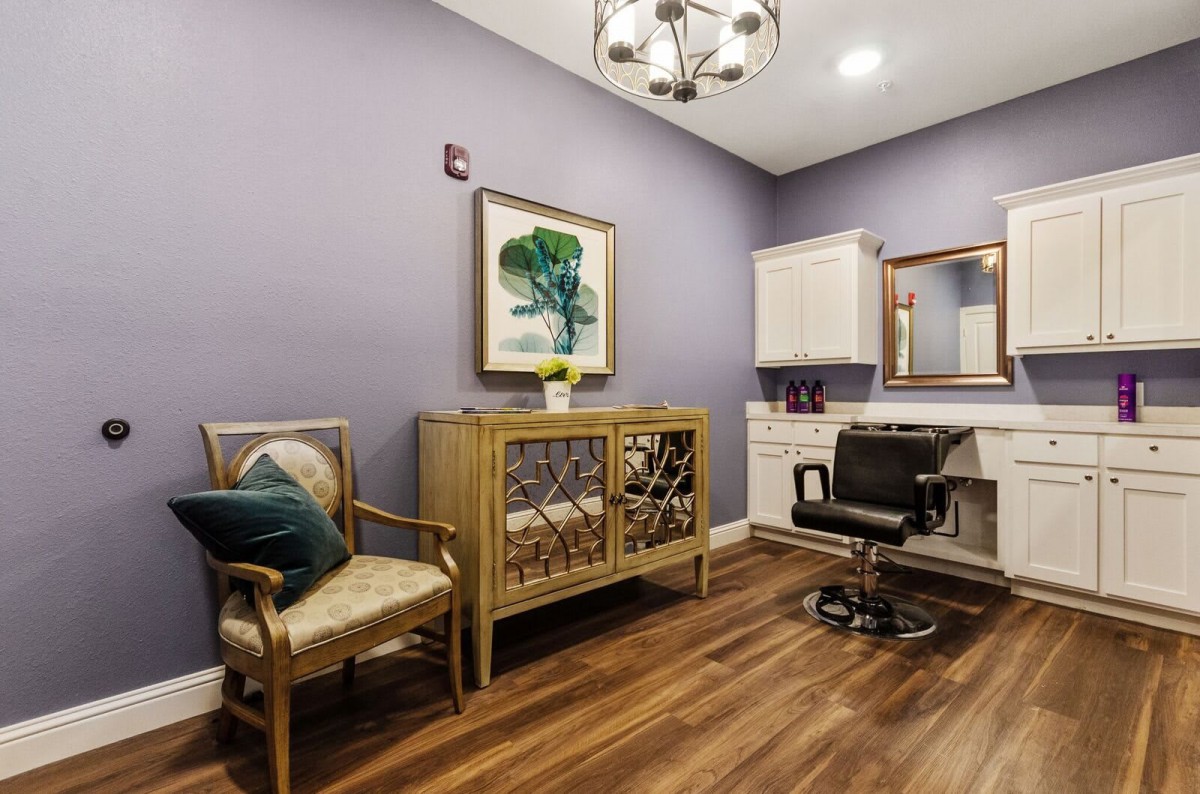
Beauty salon
Cable or satellite TV
Dining room
Fully furnished
Garden
Ground floor units
Housekeeping services
Indoor common areas
Kitchenette
Move-in coordination
Outdoor common areas
Outdoor space
Respite or short term stays offered
Restaurant-style dining
Small library
Telephone
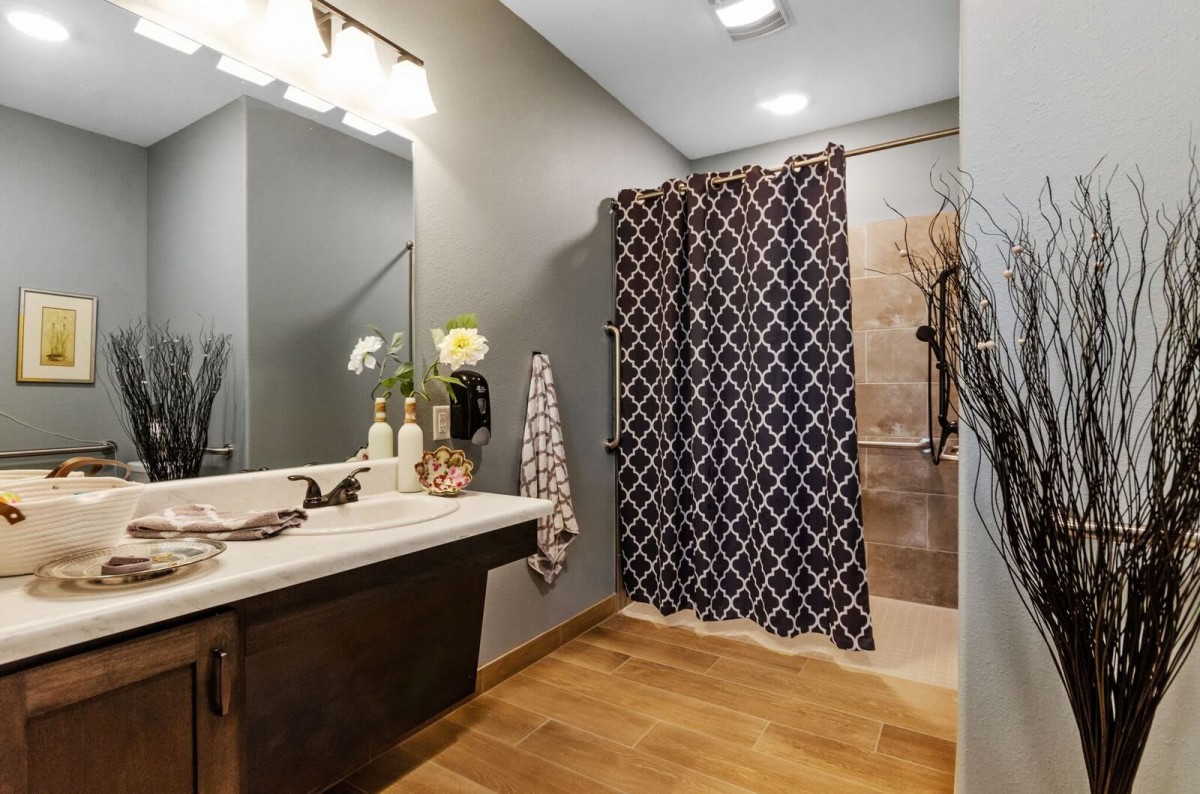
Wheelchair accessible showers
Wi-Fi/high-speed internet available
Transportation
Indianapolis International (24 miles away)
Care Services
24-hour call system
24-hour supervision
Activities of daily living assistance
Ambulatory care
Assistance with bathing
Assistance with dressing
Assistance with transfers
Diabetes diet
Diabetic care
Incontinence care
Meal preparation and service
Medication management
Mental wellness program
Mild cognitive impairment
Special dietary restrictions
Specialized memory care programming
Dining
Diabetes diet
Guest meals
Meals provided
Special dietary restrictions
Activities
Activities on-site
BBQs or picnics
Birthday parties
Community-sponsored activities
Holiday parties
Live musical performances
Resident-run activities
Scheduled daily activities
Videos
Nearby Places of Interest
Located in Fishers, Indiana, this bustling area offers a variety of amenities and conveniences that cater to senior living. With multiple pharmacies including CVS and Innovative Rx within a few miles, accessing medications is easy and convenient. There are also numerous restaurants such as Eddy's Sports Bar, El Rodeo, and Bento Cafe for dining options. For medical needs, there are reputable physicians and hospitals nearby, including Community Rheumatology and Indiana Surgery Center. Additionally, there are places of worship such as ITOWN Church and Hazel Dell Christian Church for spiritual fulfillment. Residents can enjoy leisure time at theaters like Regal UA Galaxy or outdoor parks like Founders Park and Gray Road Park. Overall, this part of Fishers offers a vibrant community with diverse amenities for seniors to enjoy their retirement years.
Pharmacies
CVS Pharmacy (0.4 miles)
CVS Pharmacy (1.4 miles)
CVS Pharmacy (2.1 miles)
Innovative Rx (2.7 miles)
CVS Pharmacy (2.9 miles)
CVS Pharmacy (3.5 miles)
Walgreens (4.1 miles)
Restaurants
Eddy's Sports Bar (1.1 miles)
El Rodeo (1.1 miles)
Bento Cafe (1.4 miles)
Chipotle Mexican Grill (1.6 miles)
Torchy’S Tacos (1.6 miles)
Portillo's Hot Dogs (1.7 miles)
Sunrise Cafe (1.7 miles)
Physicians
Community Rheumatology (1.4 miles)
Women’s Specialty Health Centers P.C. (1.5 miles)
Central Indiana Centers (3.1 miles)
Dermatology (4 miles)
Riverview Health Pavillion (4 miles)
Northpoint Pediatrics (4.1 miles)
Urology Associates (4.3 miles)
Hospitals
Indiana Surgery Center (1.5 miles)
Community Health Pavillion (4.1 miles)
Community Heart And Vascular Surgery ICU Waiting Room (6 miles)
Grand Brook Memory Care of Fishers offers specialized memory care services with monthly costs reflecting the premium nature of its accommodations. For a semi-private room, residents can expect to pay $7,200, significantly higher than the average costs in Hamilton County at $4,746 and well above Indiana's statewide average of $3,739. Those opting for a studio will find the price set at $7,995 - again surpassing local and state averages, which are $3,561 and $3,258 respectively. While these rates may seem elevated in comparison to regional norms, they underscore the facility's commitment to providing exceptional care tailored to individuals with memory-related needs.
The comprehensive features of Grand Brook Memory Care of Fishers are thoughtfully designed to address the unique needs of residents with dementia or Alzheimer's disease, fostering a supportive and safe environment. With 24-hour supervision, residents receive constant oversight, ensuring their safety and providing peace of mind for families. Assistance with activities of daily living, such as bathing and dressing, promotes dignity while allowing individuals to maintain as much independence as possible. Support with transfers and incontinence care further enhances comfort and hygiene, minimizing distress often associated with these challenges. Meal preparation and service are tailored to meet dietary needs while promoting social interaction during mealtimes. Medication management is crucial in ensuring proper adherence to treatment plans, which can significantly impact health outcomes. The mental wellness program and specialized memory care programming cater specifically to cognitive impairments by engaging residents through tailored activities that stimulate cognitive function and emotional well-being. These elements convergently create a holistic approach that nurtures both the physical and psychological aspects of memory care, ultimately enriching the lives of residents.
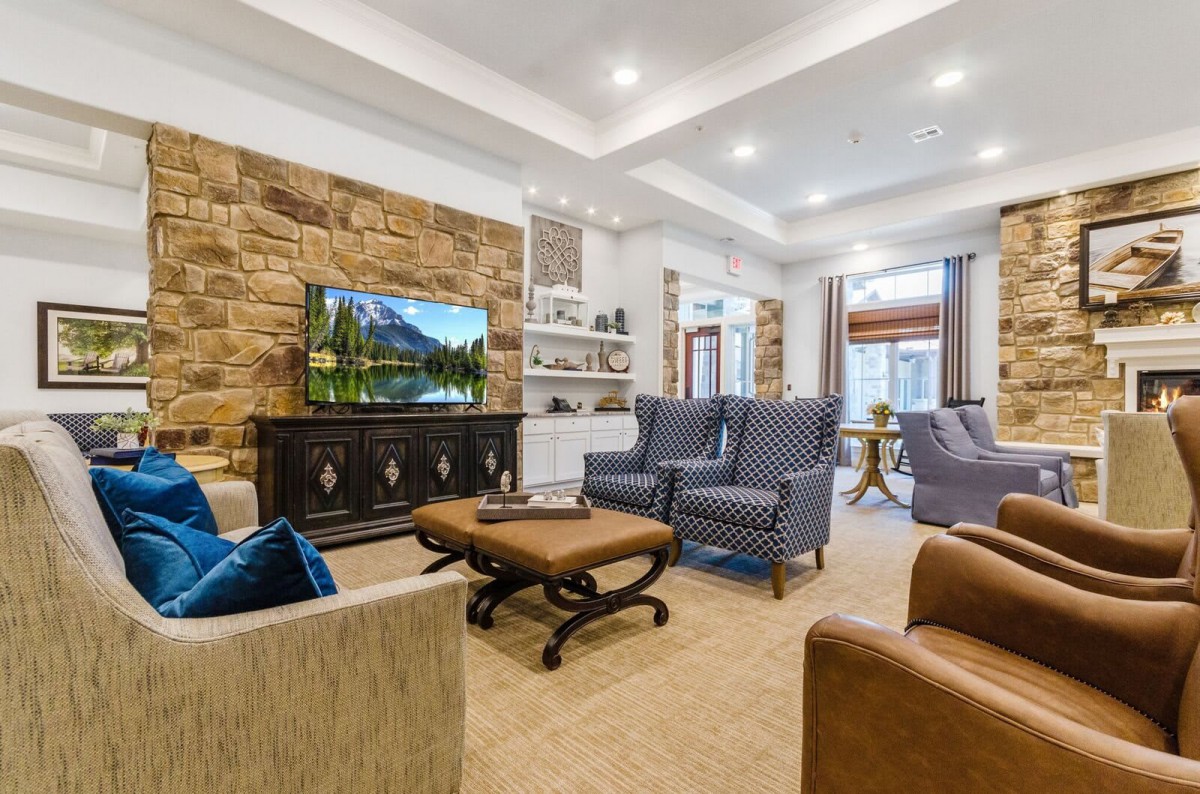
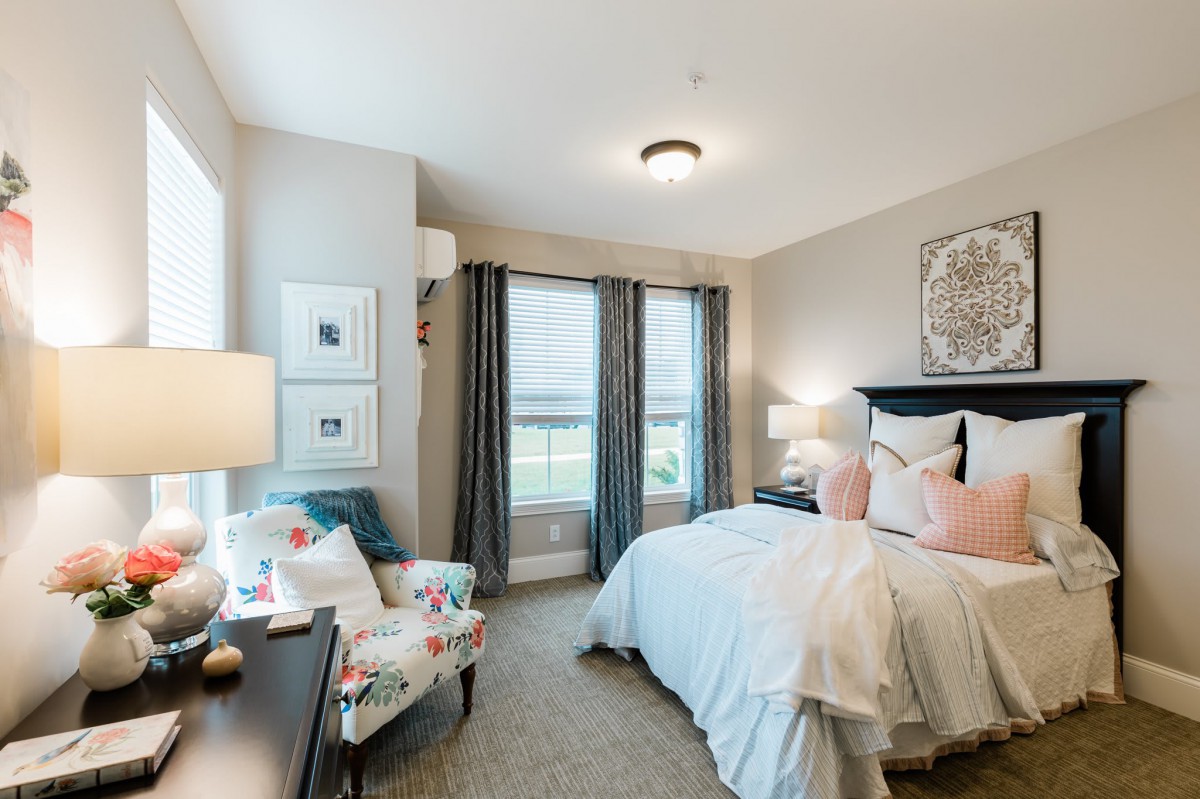
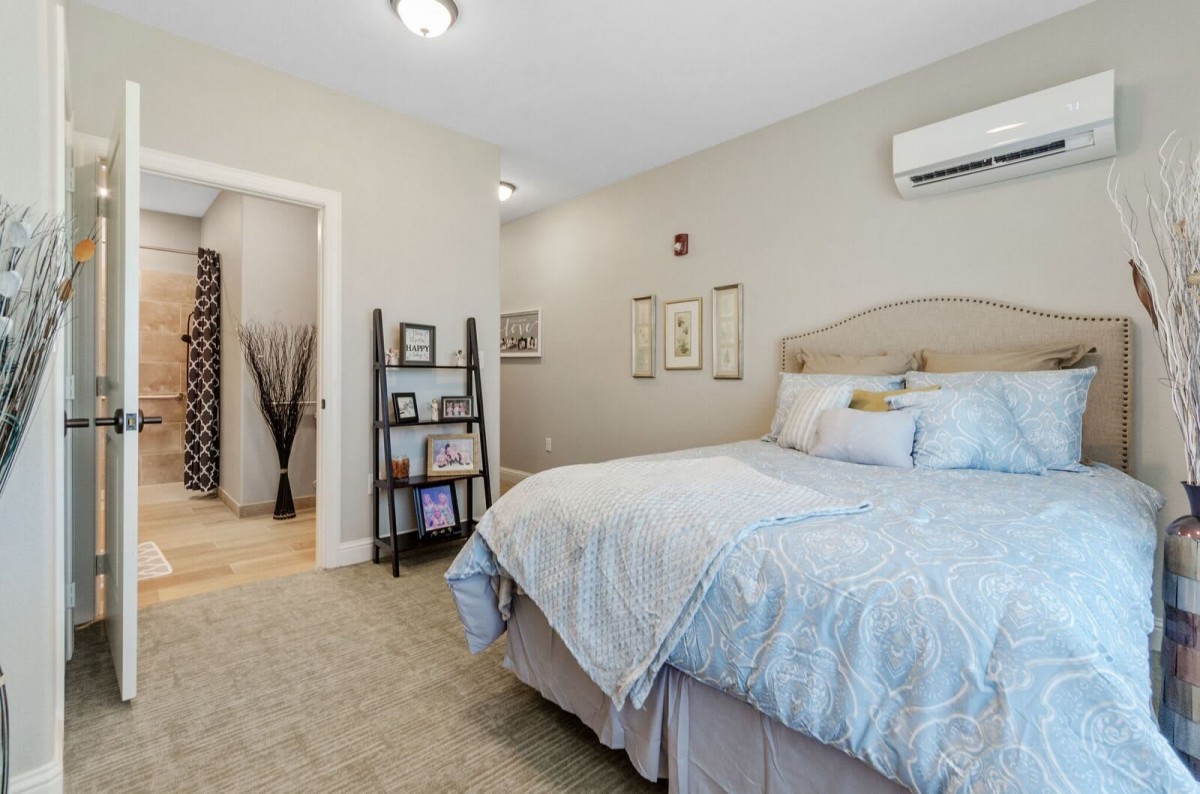
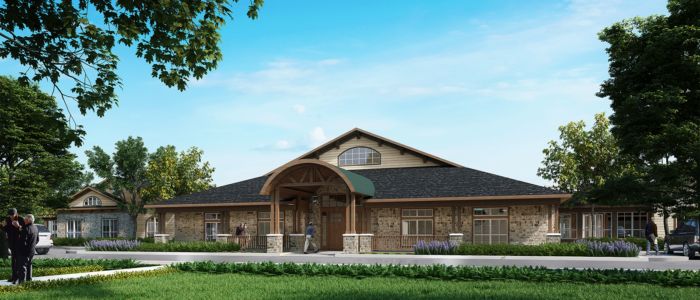
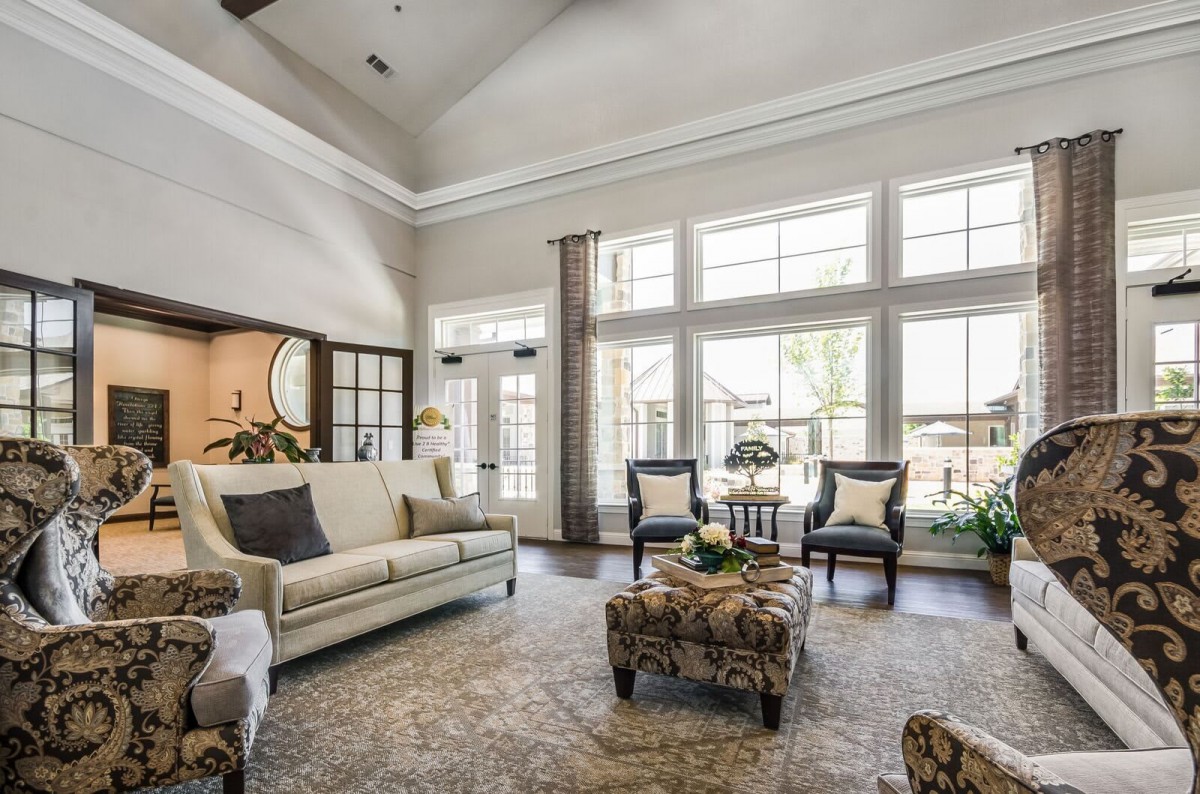
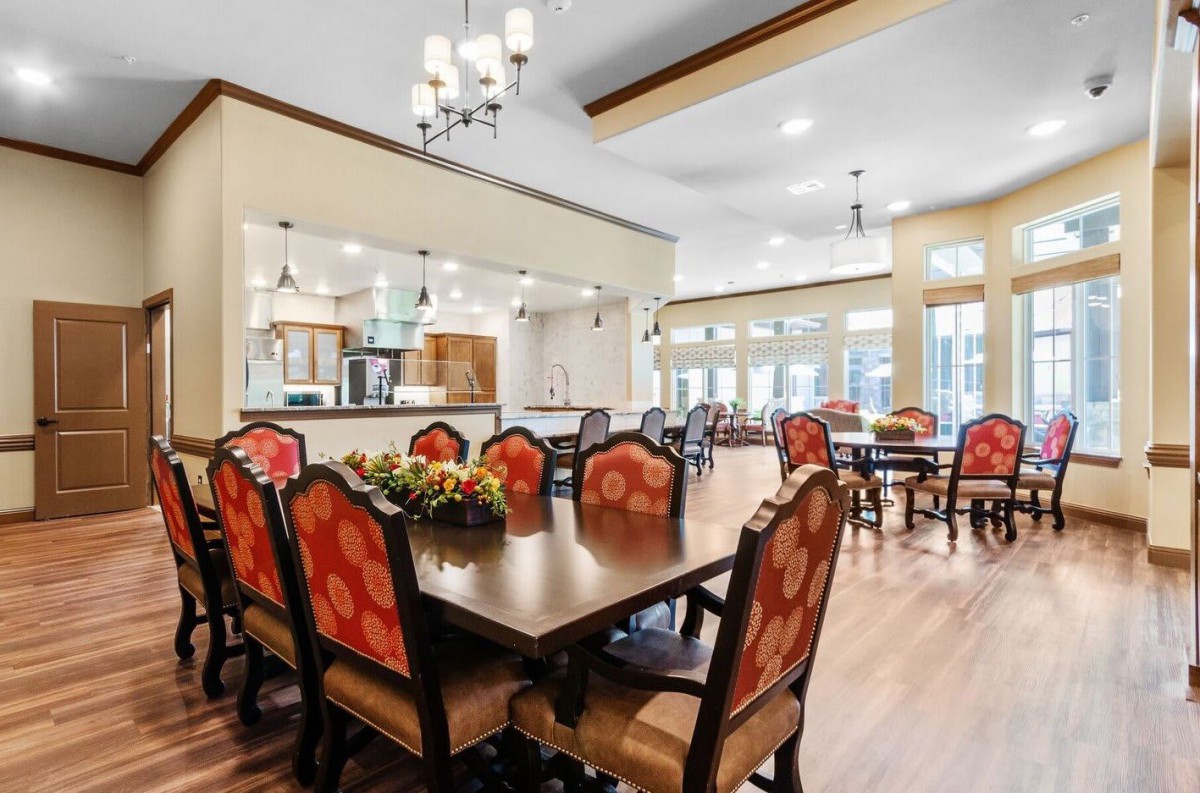
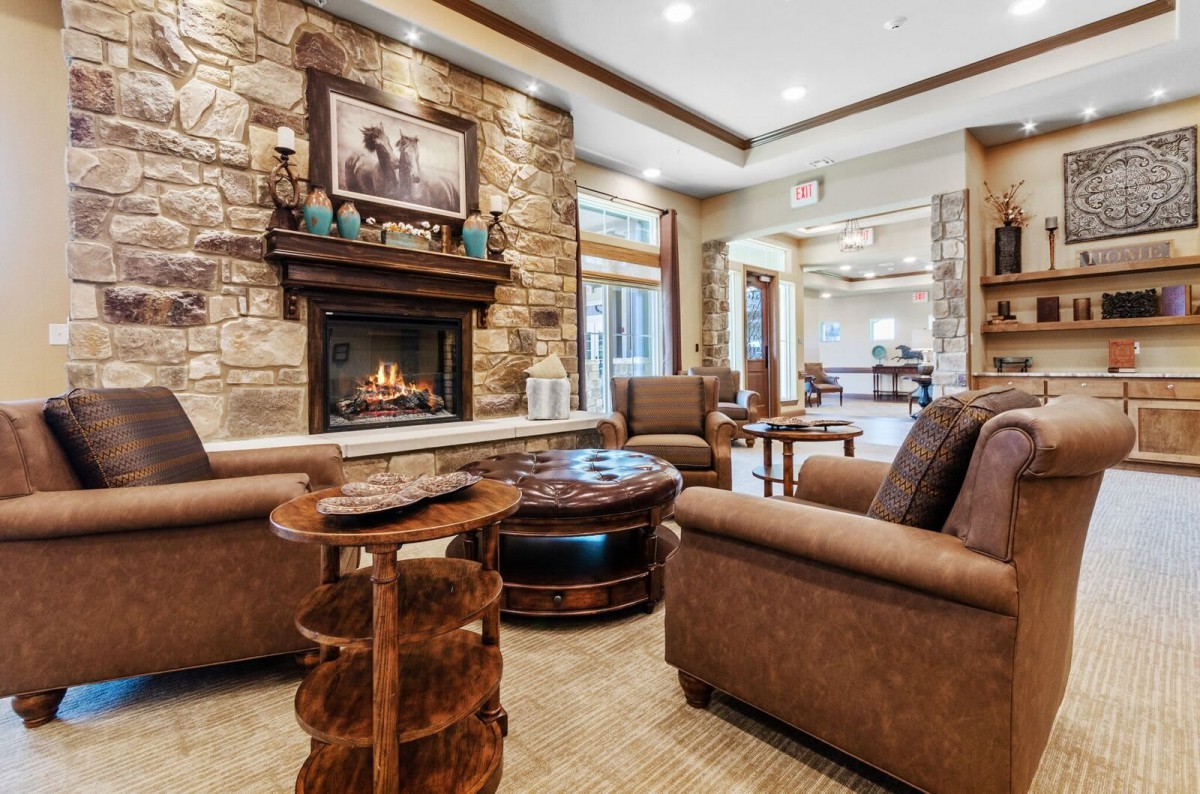
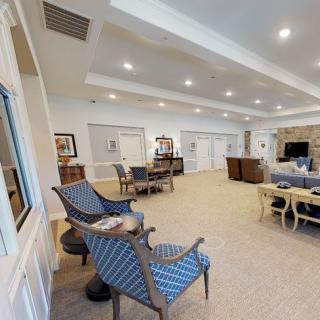
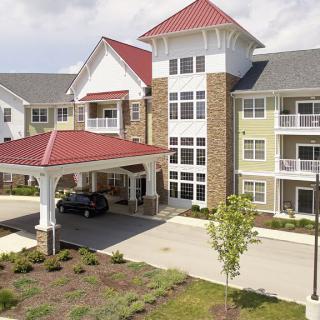
Grand Brook Memory Care of Fishers on seniors.fyi includes 16 photos including images showing interior, decor, floor plan, architecture, bedroom, stone wall, landscaping, living room, and more.
Nearby Communities
Prairie Lakes Health Campus
Noblesville, IN
3.5 from 75 reviews
$2,970 to $4,590 / month
Spacious, clean rooms with attentive staff, engaging activities, and fresh meals.
Hamilton Trace Of Fishers
Fishers, IN
4.1 from 32 reviews
Friendly staff with engaging activities in a well-maintained, spacious environment.
The Reserve at Hamilton Trace
Fishers, IN
4.7 from 61 reviews
$2,703 to $4,055 / month
Caring staff, engaging activities, and a clean, well-maintained environment.
Heritage Woods Of Noblesville
Noblesville, IN
4.3 from 76 reviews
Friendly staff with engaging activities in a well-maintained setting.
Lake Meadows Senior Assisted Living
Fishers, IN
3.9 from 49 reviews
24/7 supervision with memory care programming
Lake Meadows
Fishers, IN
3.9 from 48 reviews
$2,900 to $3,200 / month
Memory-care specialization with competitive pricing; on-site beautician and wheelchair-accessible facilities, with nearby cafes, parks, and medical services.
Northridge Gracious Retirement Living
Fishers, IN
4.6 from 72 reviews
$2,695 to $4,495 / month
Vibrant community with attentive staff and a full range of on-site amenities.
Independence Village of Fishers East
Fishers, IN
4.6 from 118 reviews
$3,329 to $4,824 / month
Clean, well-maintained community with friendly staff and engaging activities.
Outlook Hamilton
Noblesville, IN
4.7 from 26 reviews
$1,299 to $3,250 / month
Competitive pricing across unit types compared to Madison County and Indiana averages.
Dementia, influenced by aging and certain medications, may be exacerbated by drug classes such as anticholinergics, benzodiazepines, and antipsychotics, which are associated with cognitive impairment. Regular medication reviews by healthcare professionals are crucial for older adults to manage risks and optimize cognitive health.
Dementia often results in disrupted sleep patterns, leading to excessive daytime sleeping due to factors like brain damage affecting circadian rhythms, medication side effects, and lack of structure in daily activities. Caregivers must monitor these changes closely, as oversleeping can increase risks such as malnutrition or dehydration, and provide necessary support and routines to enhance patient engagement and well-being.
The transition from assisted living to skilled nursing care is often prompted by complex medical needs that assisted living cannot meet, with key indicators including frequent health declines, increased falls, severe memory issues, and caregiver burnout. Families should recognize these signs early to discuss options with healthcare providers and prepare for the emotional and logistical aspects of moving to a facility that offers comprehensive medical support.
Get PricingAsk A QuestionSchedule A TourContact Senior Advisor
By clicking submit, you agree to our Partner's Terms of Use. You
also consent to receive calls and texts, which may be autodialed, from our Partner. Your consent is not a condition to
using our Partner's service. Please visit our Partner's Privacy Policy for information about their privacy practices.














 36 resident community capacity
 Assisted Living
 Memory Care
 Respite Care
 Dogs allowed
 Activities on-site
 Air-conditioning
 Beautician on-site
 Cable or satellite TV
 Dining room
 Fully furnished
 Garden
 Ground floor units
 Housekeeping services
 Indoor common areas
 Kitchenette
 Move-in coordination
 Outdoor common areas
 Restaurant-style dining
 Small library
 Telephone
 Wheelchair accessible showers
 Wi-Fi/high-speed internet available
 Indianapolis International (24 miles away)
 24-hour call system
 Ambulatory care
 Assistance with bathing
 Assistance with dressing
 Assistance with transfers
 Diabetes diet
 Diabetic care
 Incontinence care
 Medication management
 Mental wellness program
 Special dietary restrictions
 BBQs or picnics
 Birthday parties
 Live musical performances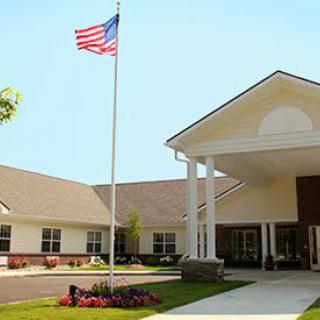
 Spacious, clean rooms with attentive staff, engaging activities, and fresh meals.






 A Thorough Discussion of Medications Potentially Linked to Dementia Risk
 Why Do Dementia Patients Sleep So Much? Understanding Oversleeping, Stages, and Care Approaches
 8 Key Indicators That Suggest It May Be Time to Transition from Assisted Living to Skilled Nursing Care