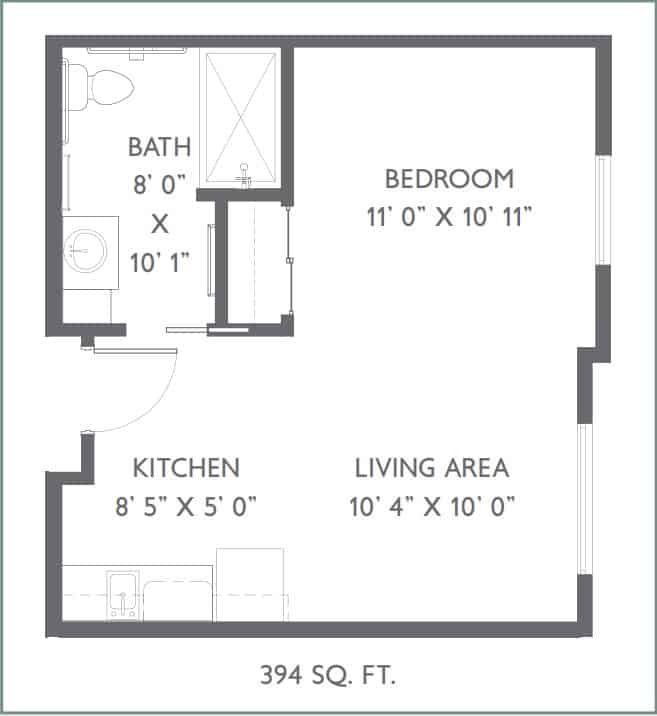
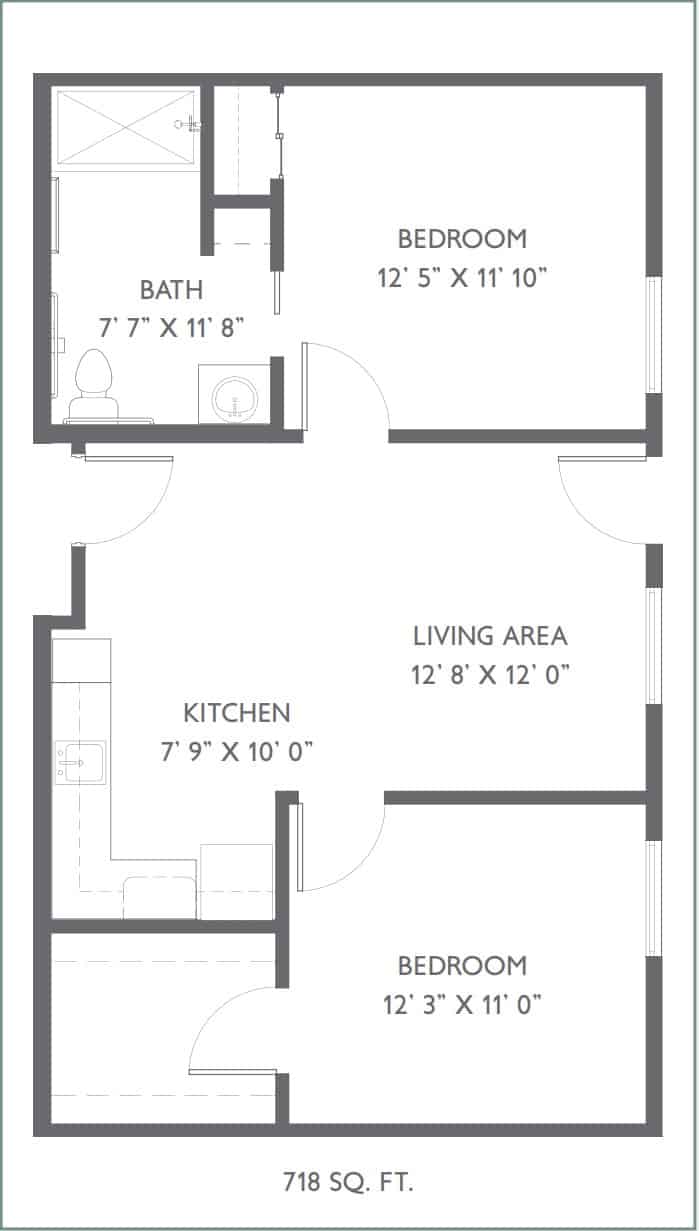
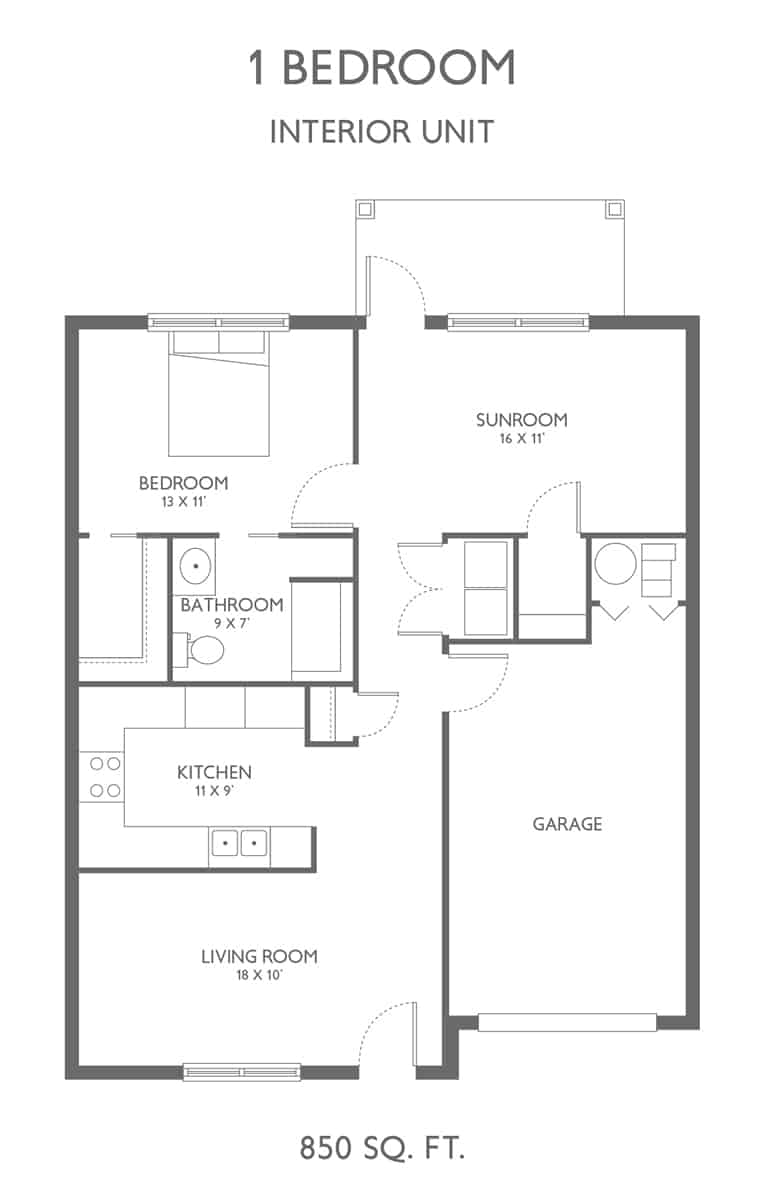
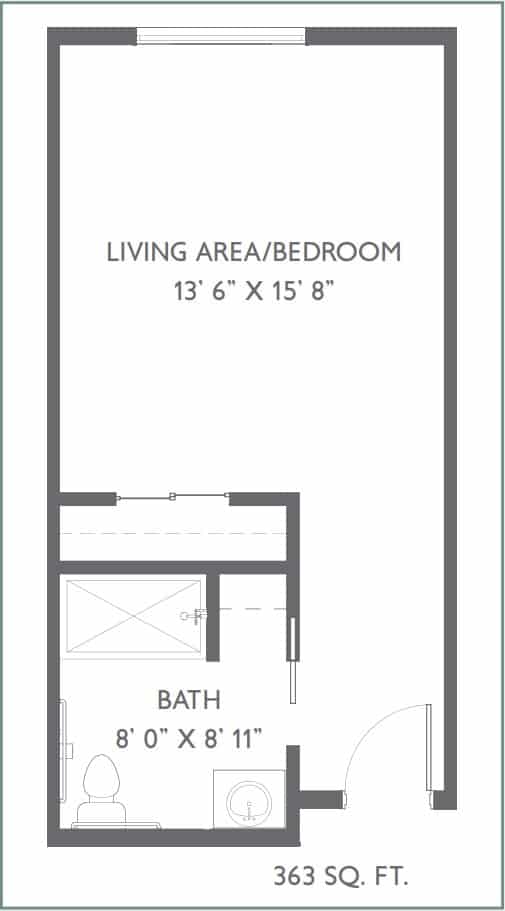
Traditions at North Willow offers a range of living accommodations at competitive pricing relative to both Marion County and the broader state of Indiana. For a studio apartment, residents can expect to pay $3,195 per month, which is slightly above the county average of $2,869 but remains lower than the state average of $3,258. One-bedroom apartments are priced at $3,595, aligning closely with local and state averages - Marion County stands at $2,917 while Indiana lists an average of $3,300. The two-bedroom option is available for $4,210, significantly surpassing both Marion County's average of $2,997 and Indiana's overall figure of $3,208. While Traditions at North Willow may be higher in cost for larger units, it reflects the quality and amenities offered within this premier senior living community.
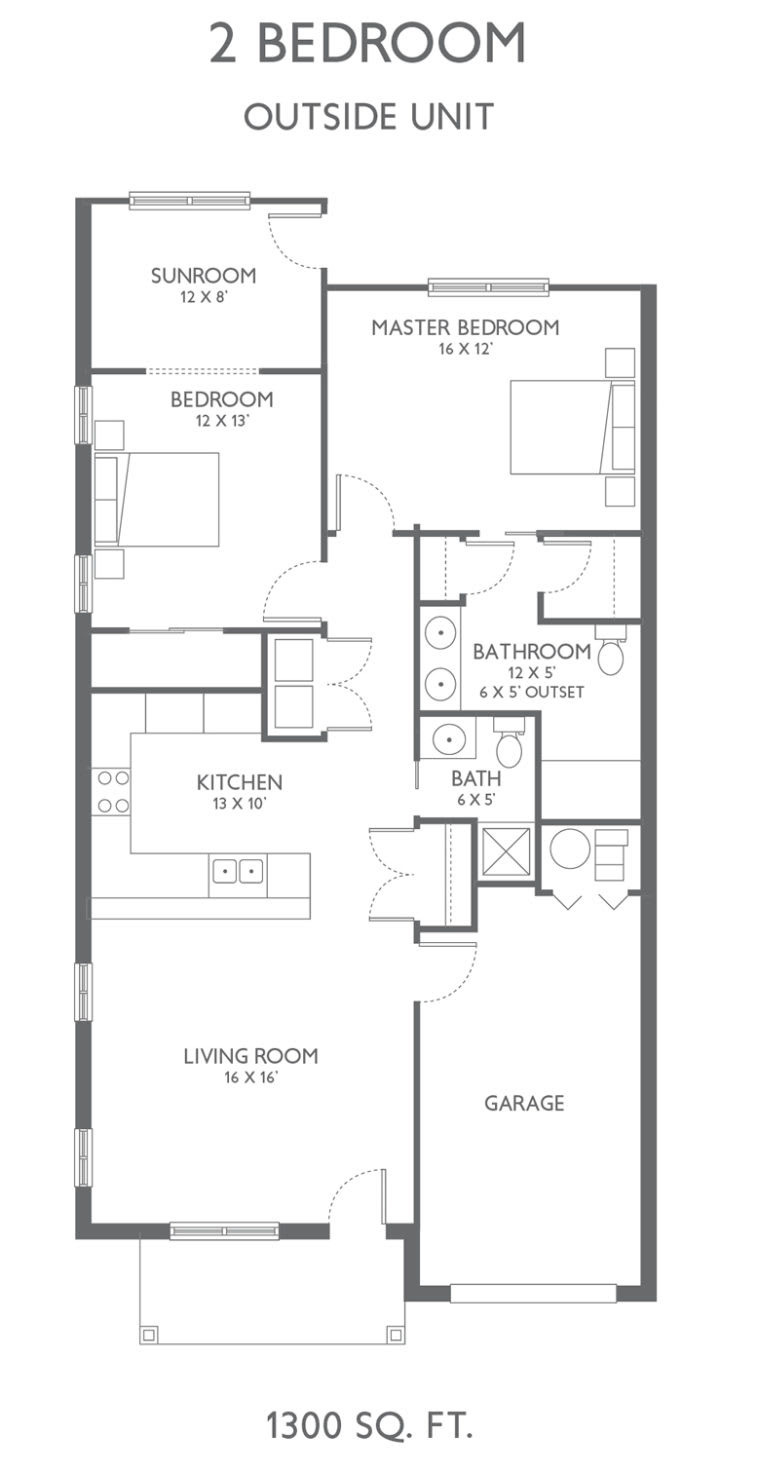
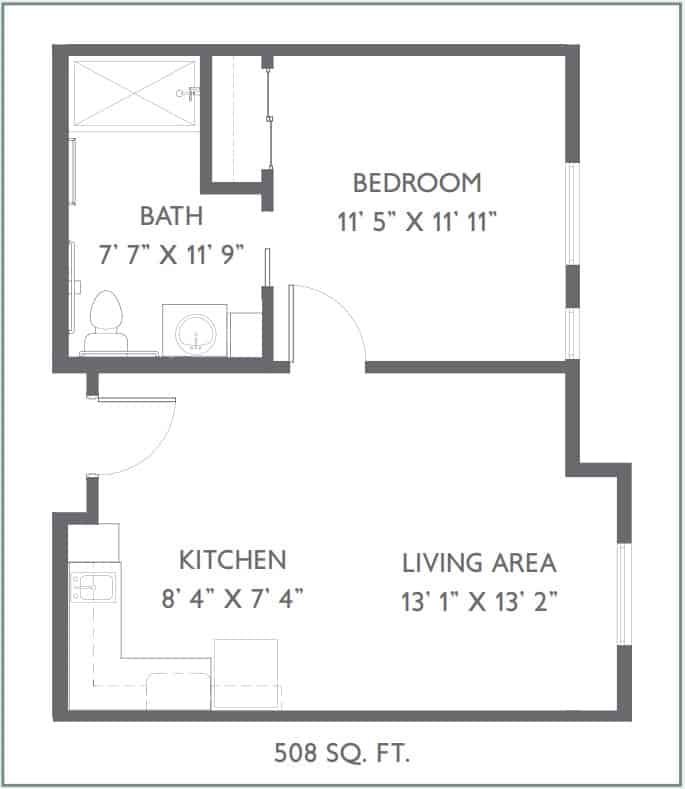
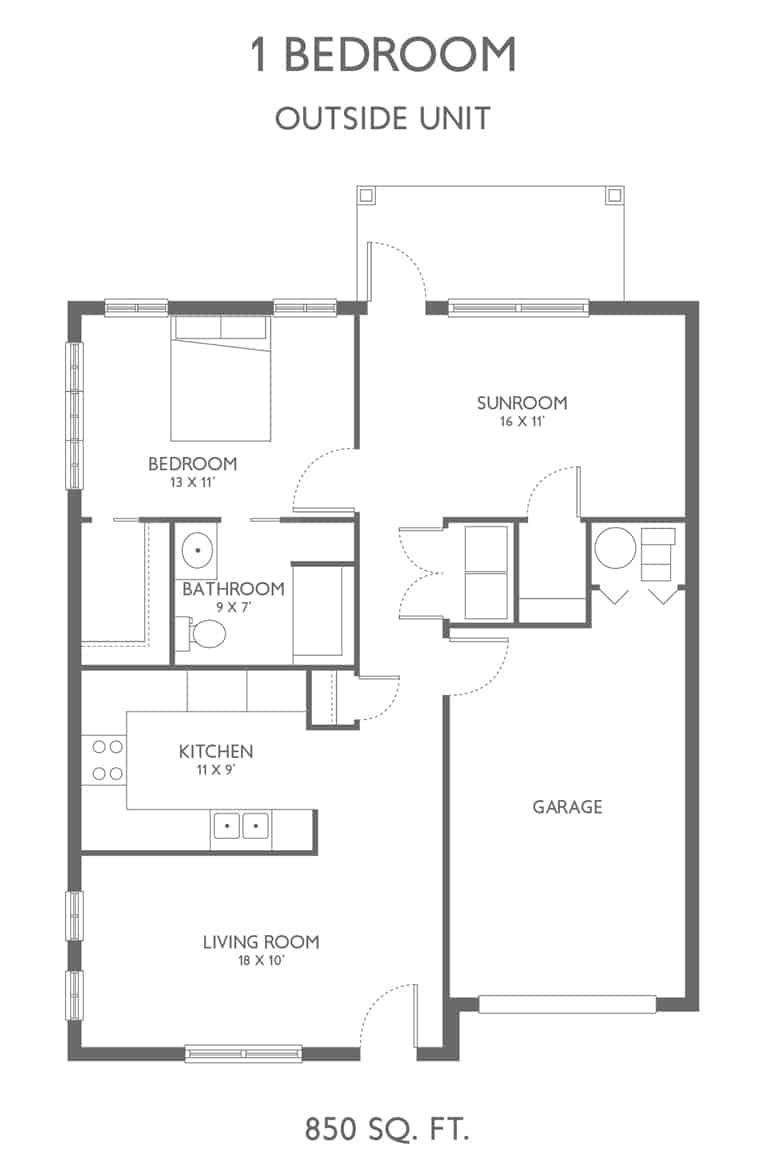
Floor plans
Traditions at North Willow
Marion County
Indiana
Studio
$3,195
$2,869
$3,258
1 Bedroom
$3,595
$2,917
$3,300
2 Bedrooms
$4,210
$2,997
$3,208
Assisted Living communities with a similar price nearby
Residents and families consistently describe a caring, responsive team.
Many reviews say the staff is friendly and attentive, and that daily help feels personal rather than institutional. Several families also mention strong communication with leadership and the nursing team, especially when concerns come up. A number of reviewers highlight specific leaders and departments, describing them as willing to listen and adapt care plans to changing needs.
common31 reviews mention this
Clean, home-like feel
Reviews repeatedly mention a clean, welcoming environment.
Residents and visitors frequently comment on cleanliness and overall upkeep, including observations that the building doesn’t feel like a hospital. Multiple reviews describe a comfortable, apartment-like or home-like atmosphere, with welcoming common spaces and easy-to-navigate layouts. Some families also note additional safety or comfort improvements, like adjustments made to residents’ bathrooms.
common22 reviews mention this
Activities keep residents engaged
Residents describe an active schedule with frequent outings.
A recurring theme is that there are many activities and opportunities to get involved, including daily or scheduled programming and community-sponsored events. Several reviews mention exercise options, social events, and themed gatherings that help residents make friends. One caveat in the reviews is that some residents felt weekend programming could be limited.
caveat18 reviews mention this
Dining quality is mixed
Dining gets both praise and complaints in reviews.
Some residents and families like the flexibility of meals and describe the dining experience as good or improving over time. Others report concerns about food quality, variety for special diets, and a need for better seasoning or menu choices. A few reviewers also mention separate charges or access limitations around room meals, which affects how convenient dining feels for certain residents.
differentiator24 reviews mention this
Care support for daily needs
Residents and families describe care that adapts as needs change.
Reviews often mention help with daily needs and reassurance that residents are monitored and reassessed as conditions shift. Families moving someone into assisted living or memory care frequently describe staff working closely with residents and coordinating support when circumstances change. At least a few reviews, however, describe gaps in staffing response time or medication safety during specific experiences, which is a notable downside compared with the overall praise.
How we summarize
Counts show how many written reviews mention each theme; a review can touch several themes, and only frequently mentioned themes are displayed.
Features
Housing
1-bedroom apartments
2-bedroom apartments
Detached homes
Studio apartments
Types of Care
Assisted Living
Independent Living
Memory Care
Skilled Nursing Facility
Pets
Cats allowed
Dogs allowed
Amenities
Activities off-site
Activities on-site
Air-conditioning
Beautician on-site
Cable or satellite TV
Devotional services off-site
Devotional services on-site
Dining room
Full kitchen
Fully furnished
Garden
Ground floor units
Guasts at mealtime
Guest parking
Handicap accessible
Housekeeping services
Indoor common areas
Kitchenette
Laundry
Move-in coordination
Outdoor common areas
Outdoor space
Party space
Resident parking
Respite or short term stays offered
Security gate
Telephone
VA Benefits Consultation
Wheelchair accessible showers
Wi-Fi/high-speed internet available
Transportation
Indianapolis International (14 miles away)
Transportation & parking
Care Services
24-hour supervision
Activities of daily living assistance
Ambulatory care
Assistance with bathing
Assistance with dressing
Assistance with transfers
Coordination with health care providers
Dementia waiver
Diabetes diet
Diabetic care
Hospice waiver
Incontinence care
Meal preparation and service
Medication management
Mental wellness program
Mild cognitive impairment
Special dietary restrictions
Specialized memory care programming
Transportation arrangement (medical)
Transportation to doctors appointments
Dining
Anytime dining
Diabetes diet
Guest meals
Meals provided
Professional chef
Restaurant style dining
Room service
Special dietary restrictions
Vegan
Vegetarian
Activities
Activities off-site
Art classes
Community-sponsored activities
Cooking classes
Day trips and outings
Devotional activities offsite
Devotional activities on-site
Educational speakers / life long learning
Fitness programs
Happy hour
Jewish services
Karaoke
Live dance or theater performances
Live musical performances
Live well programs
Religious services
Scheduled daily activities
Wine tasting
Languages Spoken
English
Nearby Places of Interest
This part of Indianapolis, Indiana, offers a variety of healthcare options with several reputable physicians and hospitals located within a short distance. The proximity of pharmacies provides convenient access to medications and healthcare supplies. Additionally, there are numerous places of worship nearby for spiritual support and community engagement. The area also offers a selection of dining options ranging from fast food to sit-down restaurants, as well as cafes for socializing or relaxing with a cup of coffee. Parks provide opportunities for outdoor recreation and relaxation, while transportation services like U-Haul and National Car Rental offer convenience for travel needs. Overall, this area presents a mix of essential services and amenities suitable for senior living.
Physicians
Indiana Hand to Shoulder Center (0.2 miles)
Hematology Oncology of Indiana (0.2 miles)
Township Line Road Pediatrics (0.8 miles)
Indiana Neuroscience Associates (1.9 miles)
Midwest Eye Institute (2.4 miles)
Meridian Plastic Surgeons (2.7 miles)
Avruc (2.8 miles)
Hospitals
St Vincent Hospital Trauma ICU (0.4 miles)
Trauma /Neuro ICU (0.4 miles)
Orthoindy (4.1 miles)
Franciscan St Francis Health (4.3 miles)
Pharmacies
CVS Pharmacy (0.4 miles)
Walgreens (1.7 miles)
CVS Pharmacy (2 miles)
Walgreens (3 miles)
CVS Pharmacy (3.1 miles)
Walgreens (3.2 miles)
Market District Pharmacy (3.2 miles)
Places of Worship
College Park Church (1.4 miles)
Second Presbyterian Church (2 miles)
St Luke Catholic Church (2 miles)
Holy Trinity Church (2.7 miles)
Orchard Park Presbyterian Church (3.9 miles)
Zionsville Christian Church (5.2 miles)
First Friends Church (5.2 miles)
Restaurants
McDonald's (2 miles)
McDonald's (2.3 miles)
Big Lug Canteen (2.9 miles)
Jimmy John's (2.9 miles)
Chuy's Tex-Mex (2.9 miles)
McDonald's (3.4 miles)
Flatwater Restaurant (3.7 miles)
Cafes
Starbucks (2.1 miles)
Starbucks (2.7 miles)
Starbucks (3.1 miles)
Starbucks (3.2 miles)
Homemade Ice Cream & Bakery Café (3.5 miles)
Panera Bread (4.1 miles)
Panera Bread (4.8 miles)
Parks
Holliday Park (3.1 miles)
Central Park Playground (3.8 miles)
Lakeside Park (5.4 miles)
Transportation
U-Haul Moving & Storage at Michigan Rd (3.3 miles)
Traditions at North Willow offers a range of living accommodations at competitive pricing relative to both Marion County and the broader state of Indiana. For a studio apartment, residents can expect to pay $3,195 per month, which is slightly above the county average of $2,869 but remains lower than the state average of $3,258. One-bedroom apartments are priced at $3,595, aligning closely with local and state averages - Marion County stands at $2,917 while Indiana lists an average of $3,300. The two-bedroom option is available for $4,210, significantly surpassing both Marion County's average of $2,997 and Indiana's overall figure of $3,208. While Traditions at North Willow may be higher in cost for larger units, it reflects the quality and amenities offered within this premier senior living community.
Traditions at North Willow offers a comprehensive range of services that address the unique needs of residents with dementia or Alzheimer's disease, promoting their well-being and quality of life. The 24-hour supervision ensures safety and immediate support, while assistance with activities of daily living, such as bathing and dressing, fosters independence and dignity. Coordination with healthcare providers facilitates integrated care management, essential for addressing the health complexities associated with memory disorders. The specialized memory care programming is tailored to stimulate cognitive function, complemented by a mental wellness program that nurtures emotional health. Additionally, incontinence care and meal preparation cater to personal hygiene and nutritional needs, while medication management ensures adherence to prescribed treatments. For those experiencing mild cognitive impairment, targeted support helps maintain cognitive abilities longer. Moreover, transportation arrangements for medical appointments enhance access to necessary healthcare services, reinforcing a holistic approach to memory care that addresses both physical and emotional aspects of well-being.
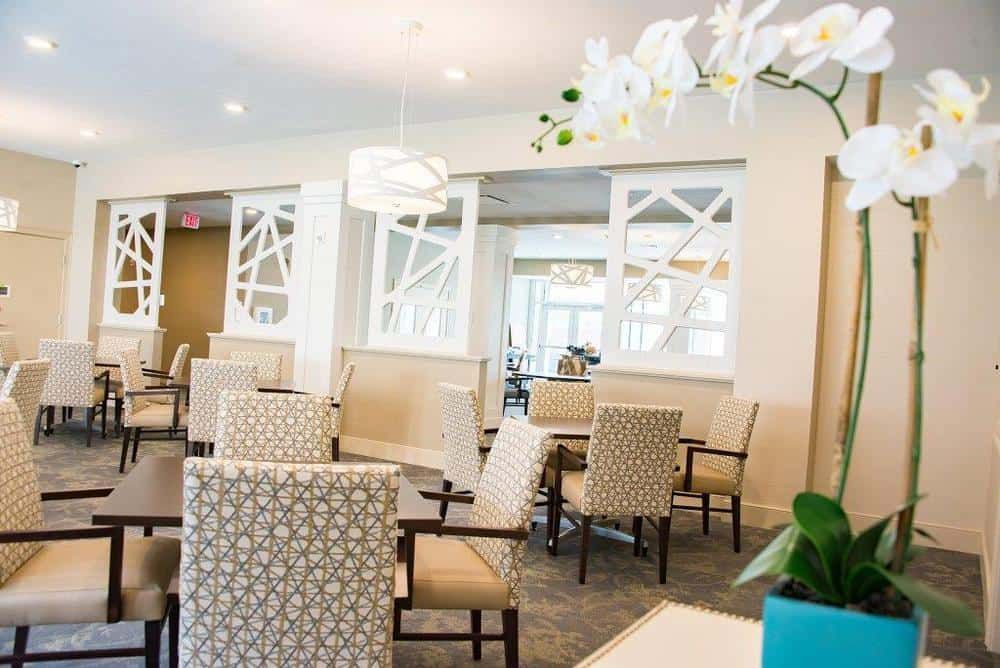
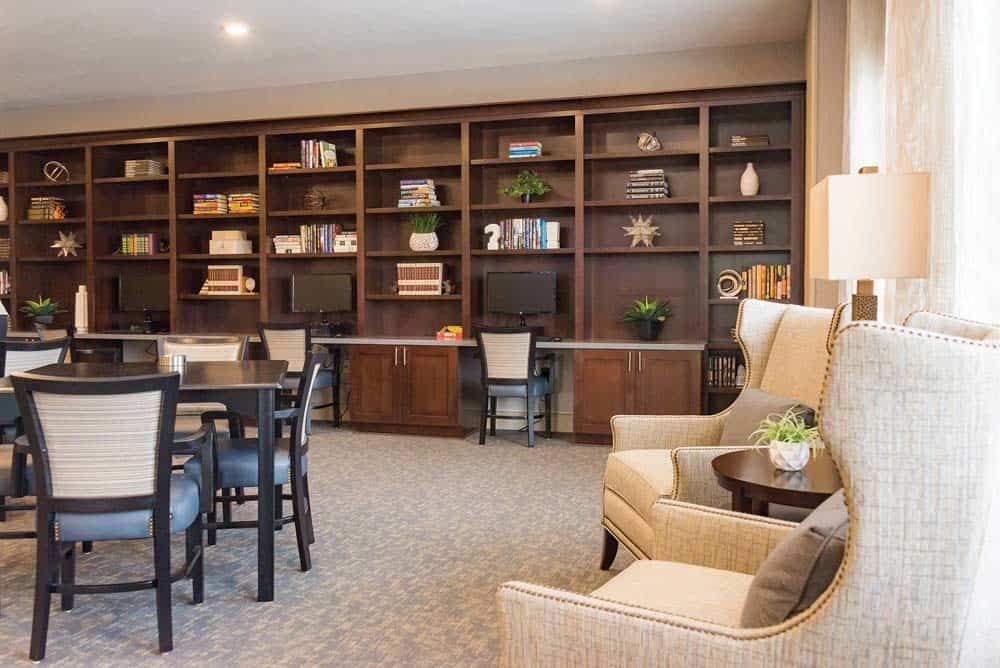
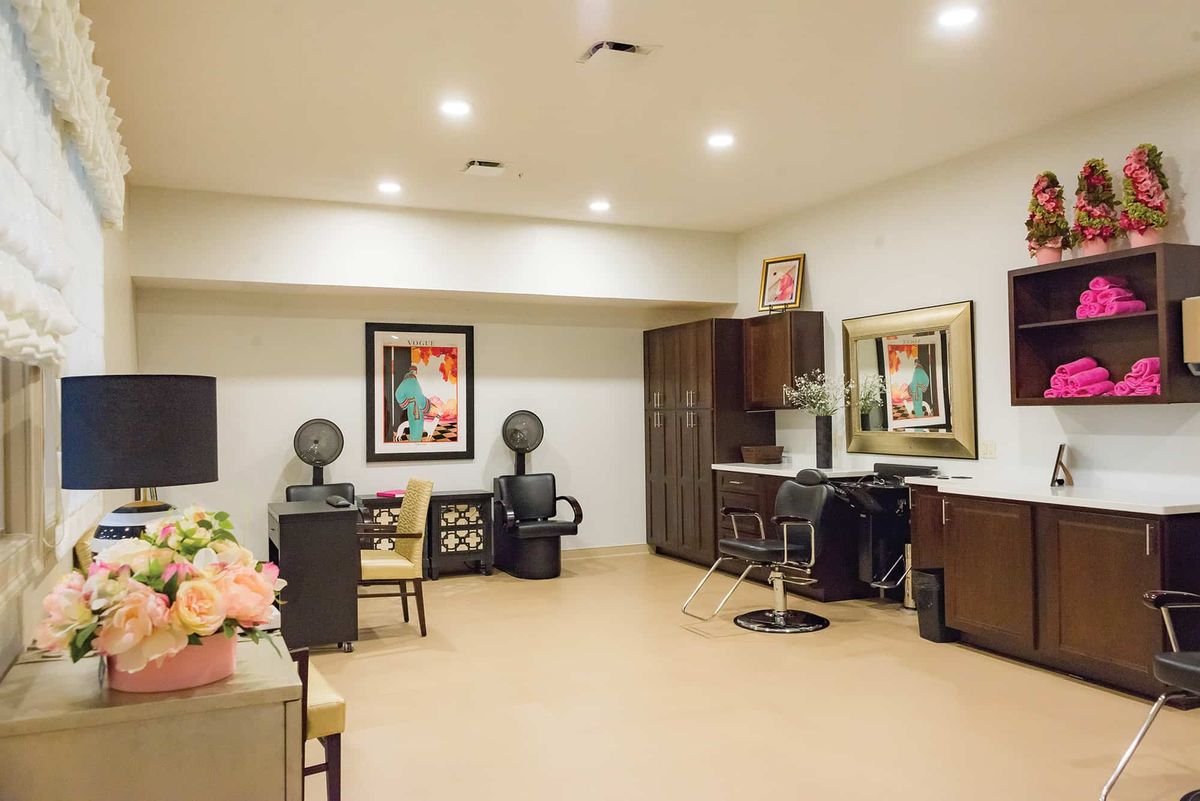
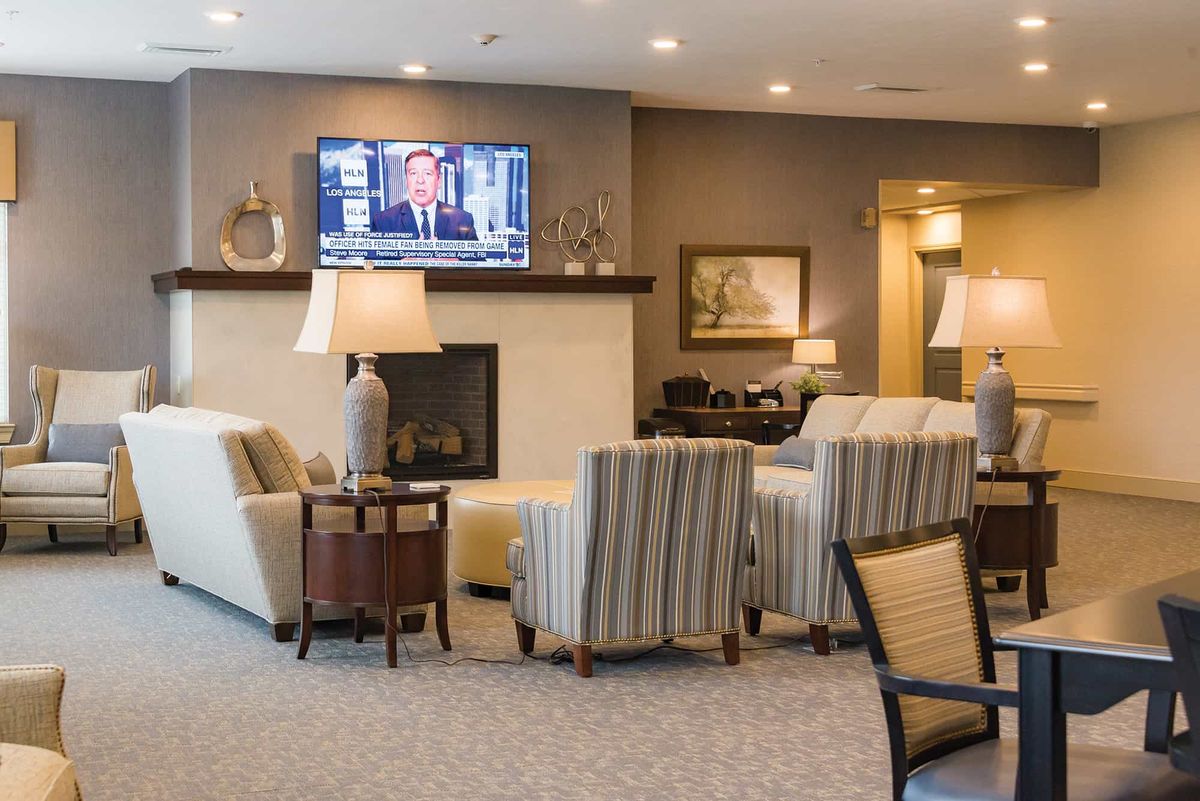
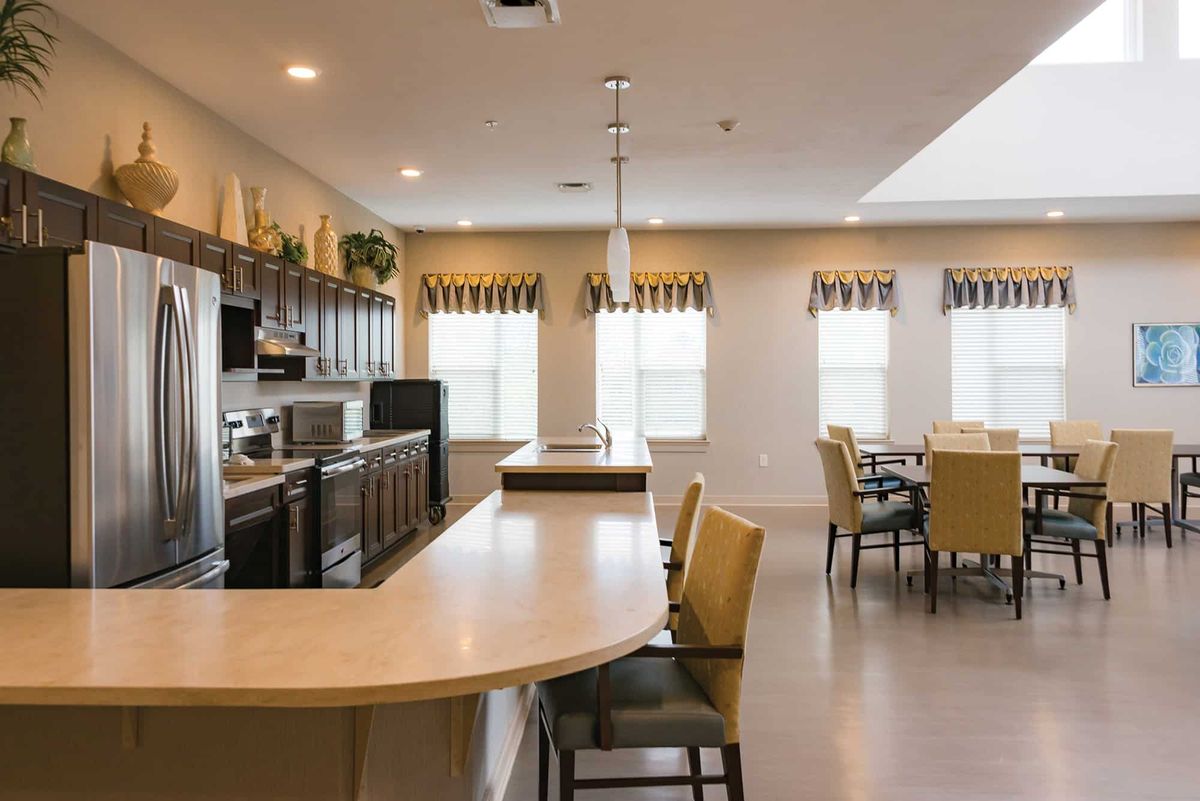
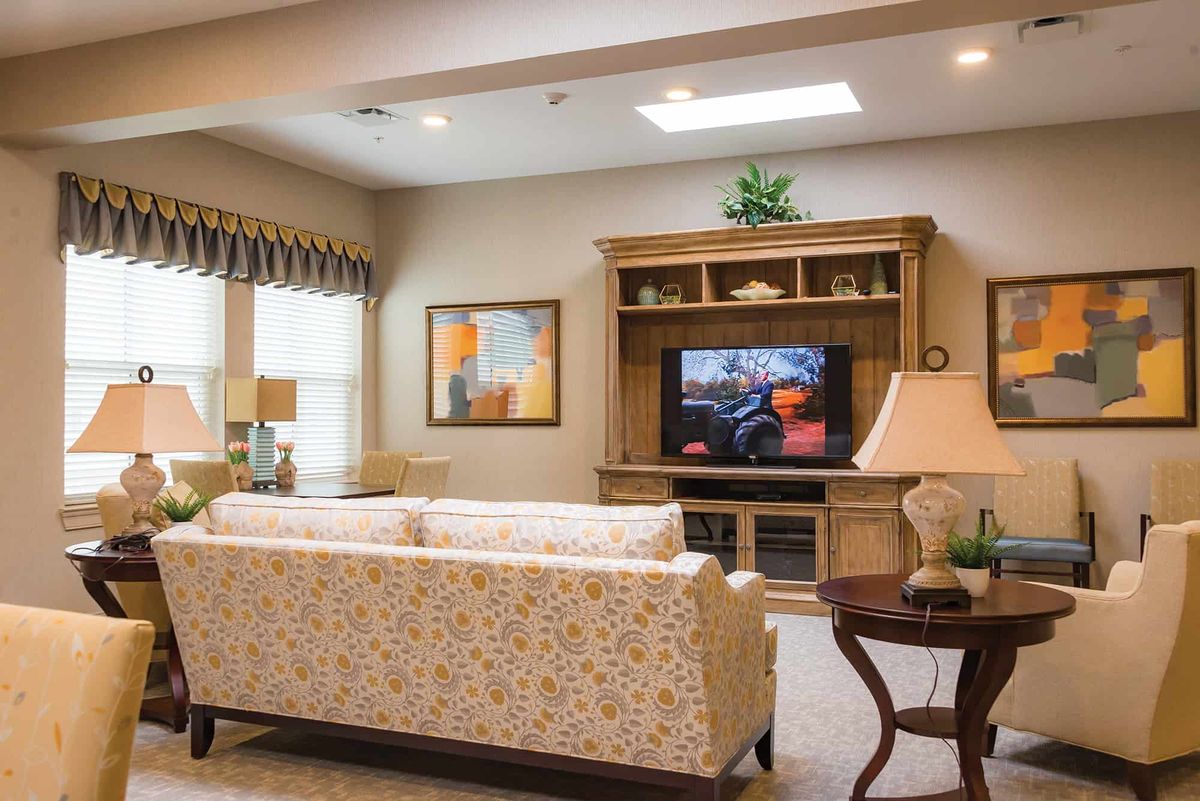
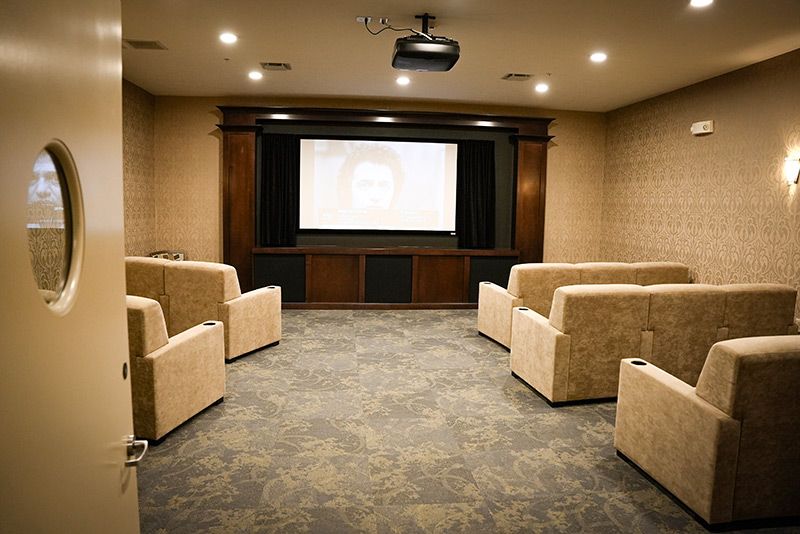
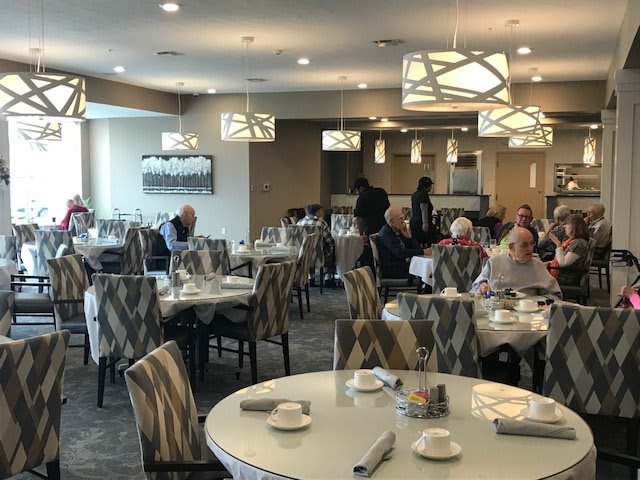
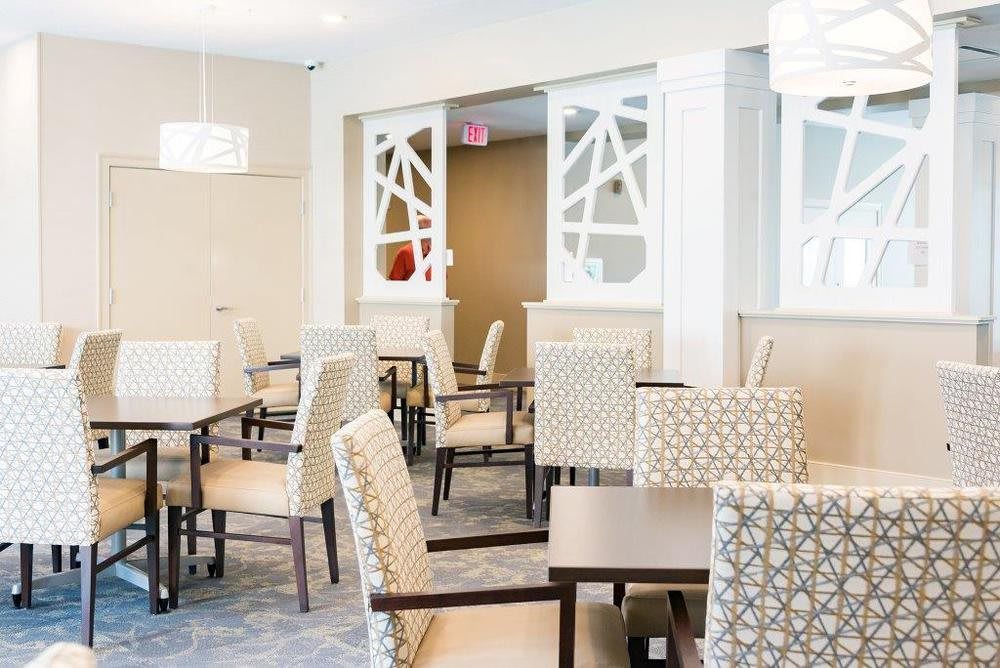
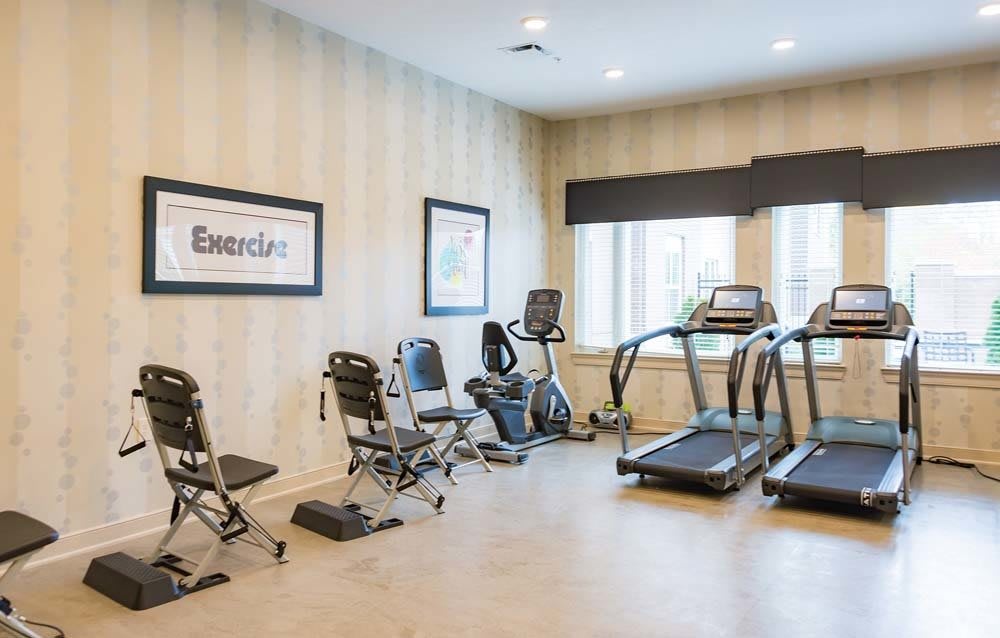
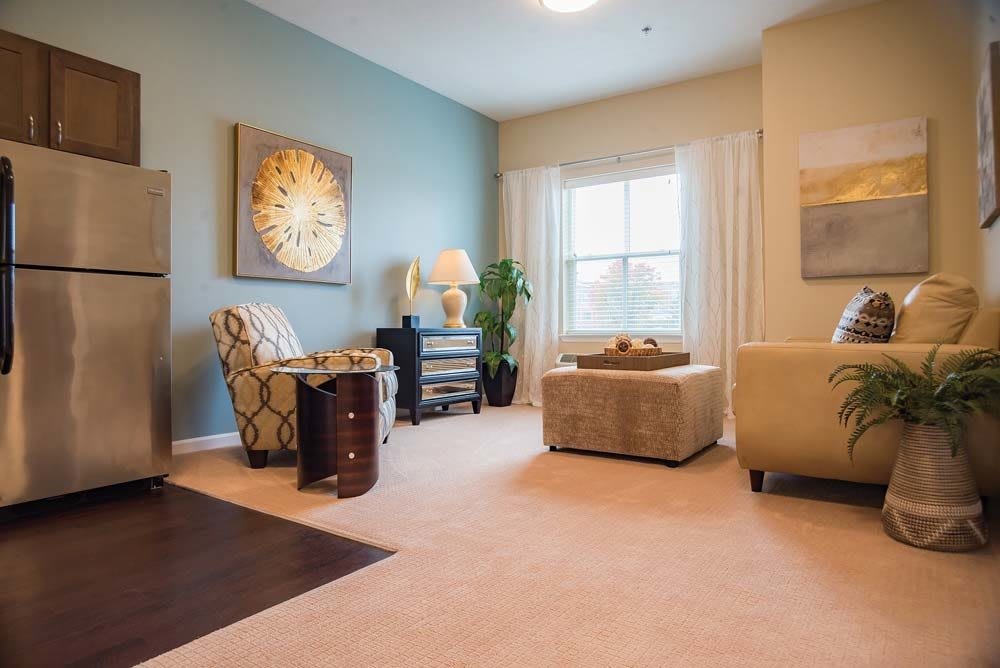
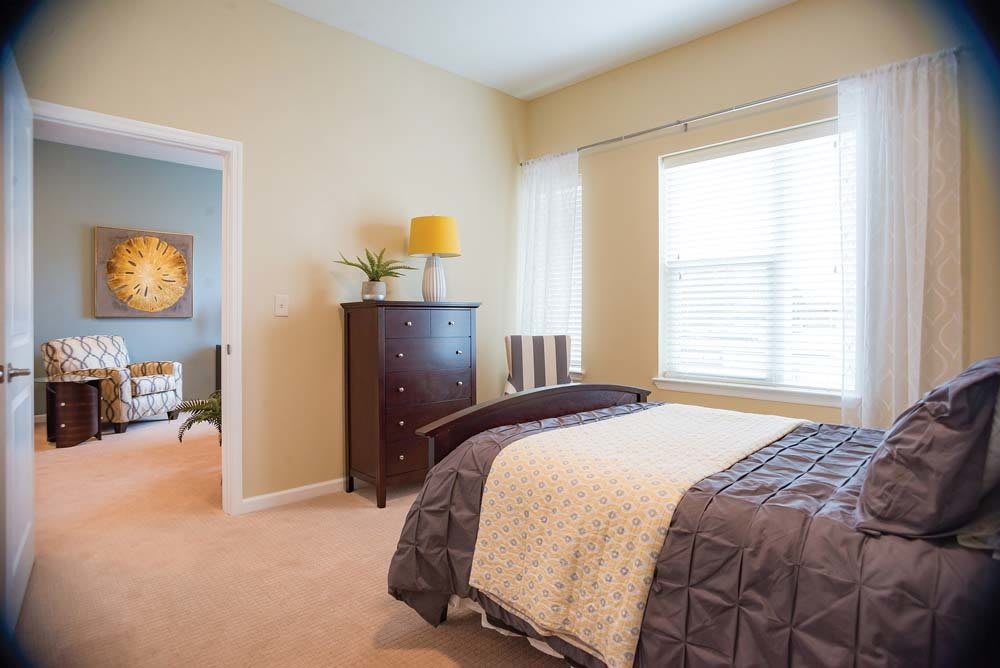
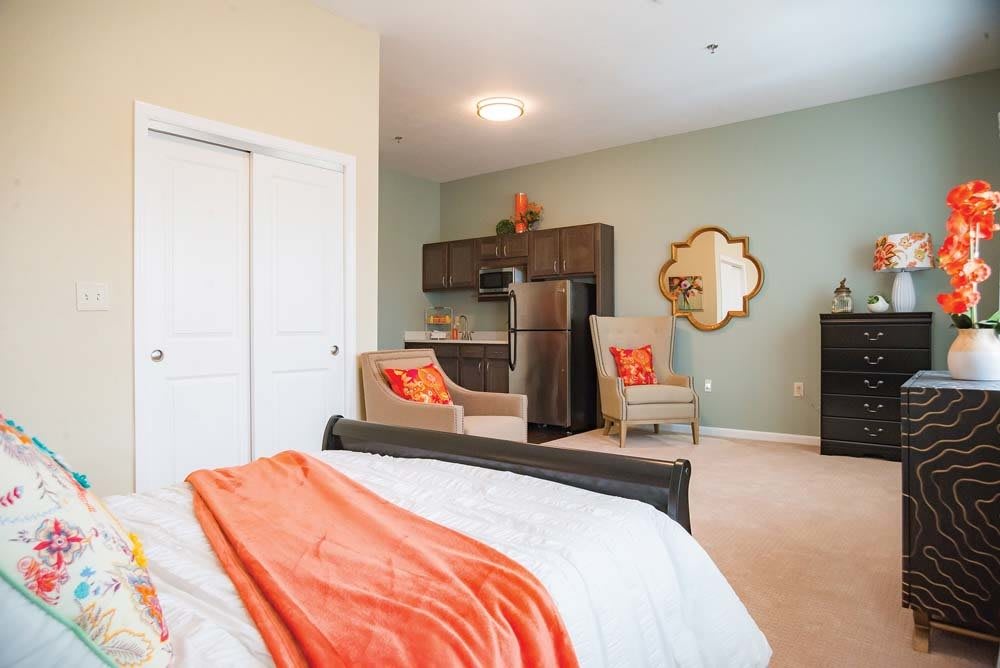
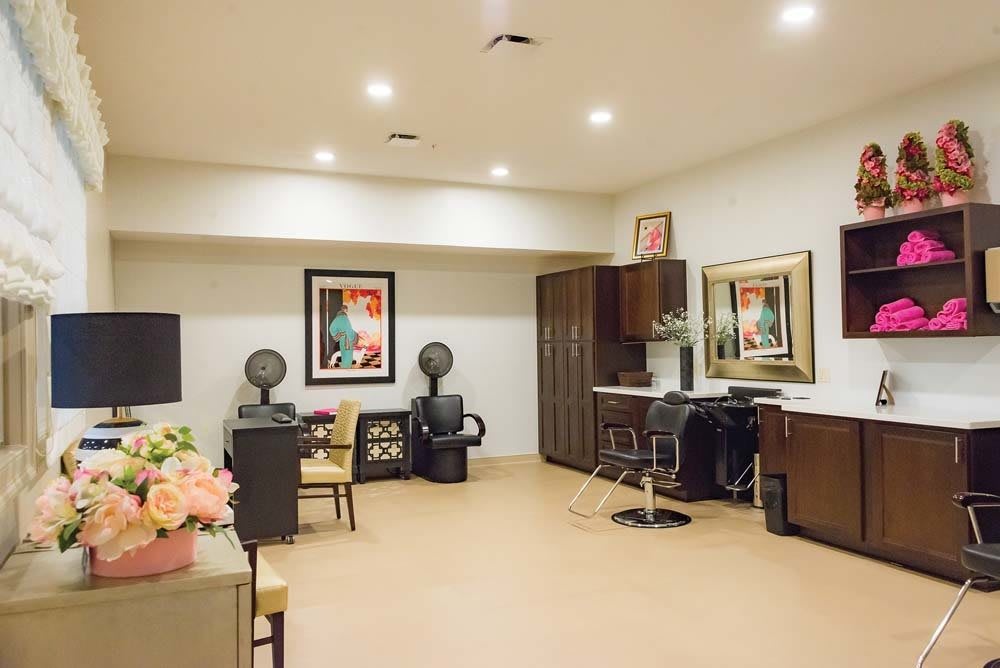
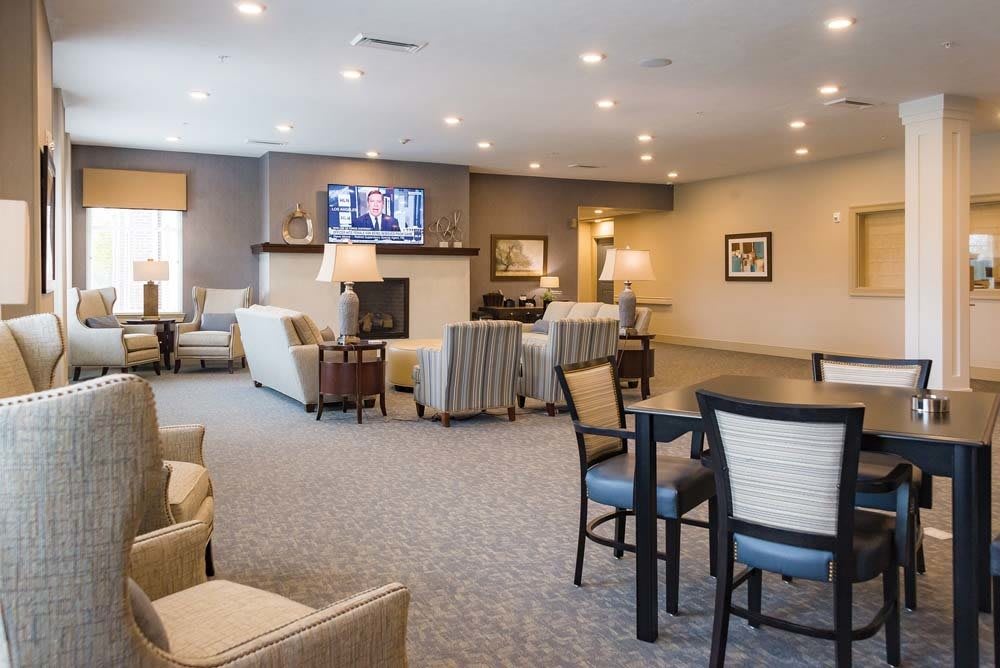
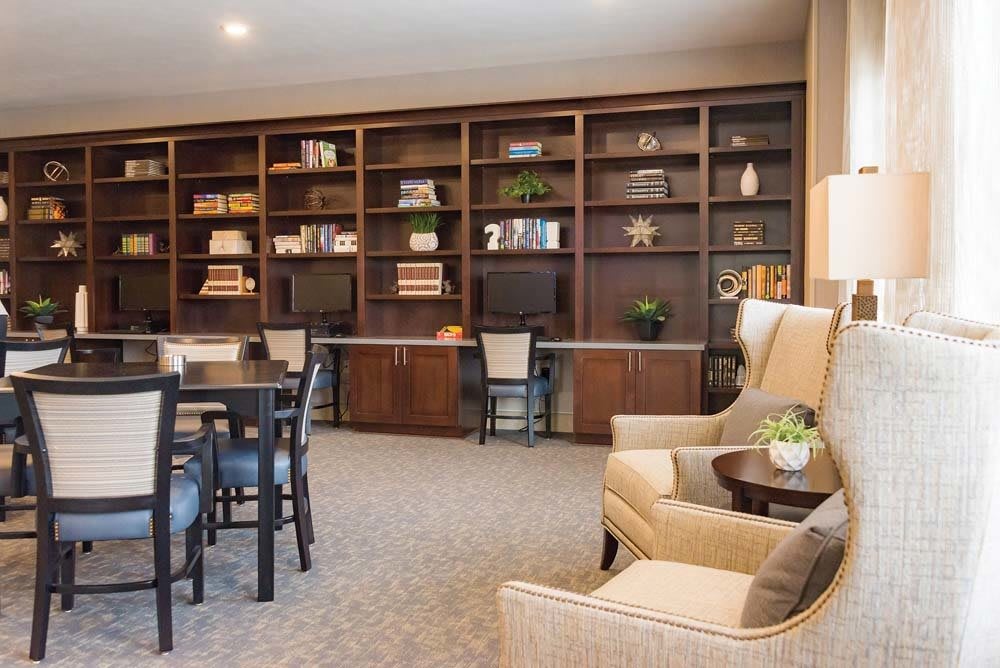
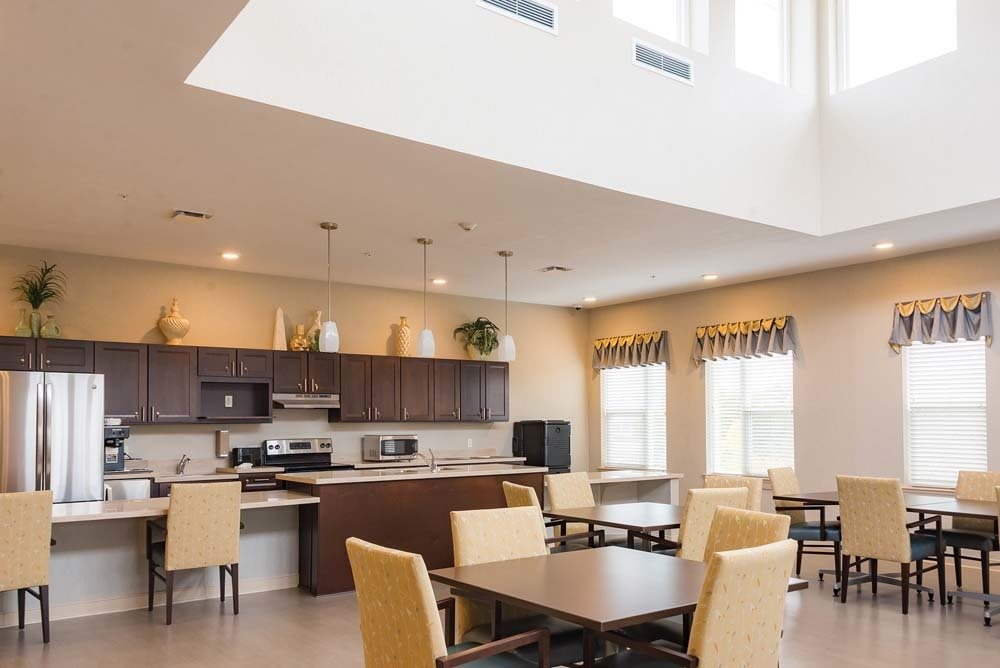
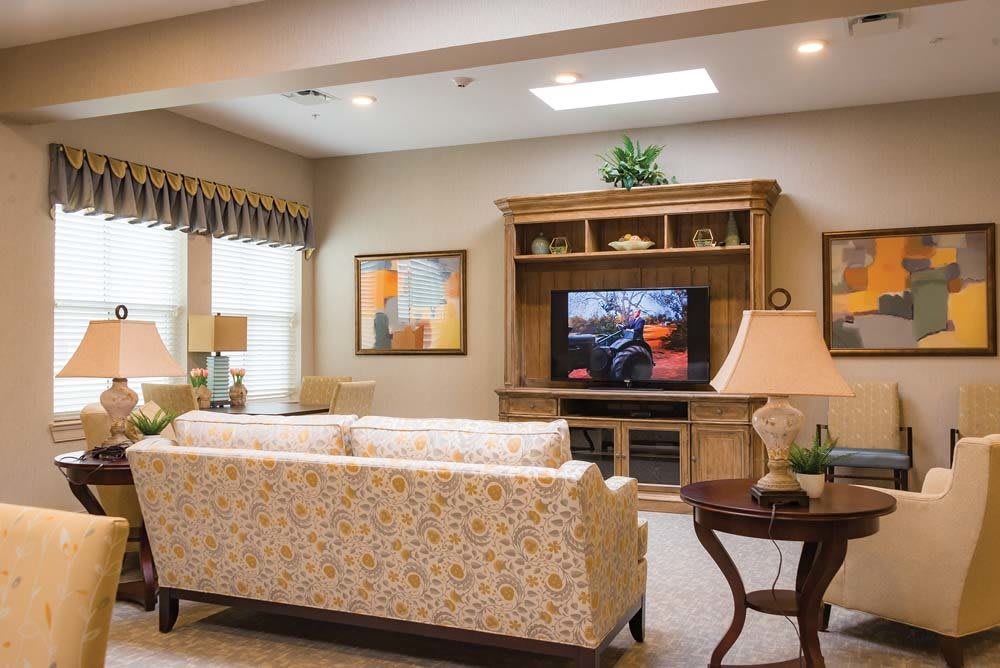
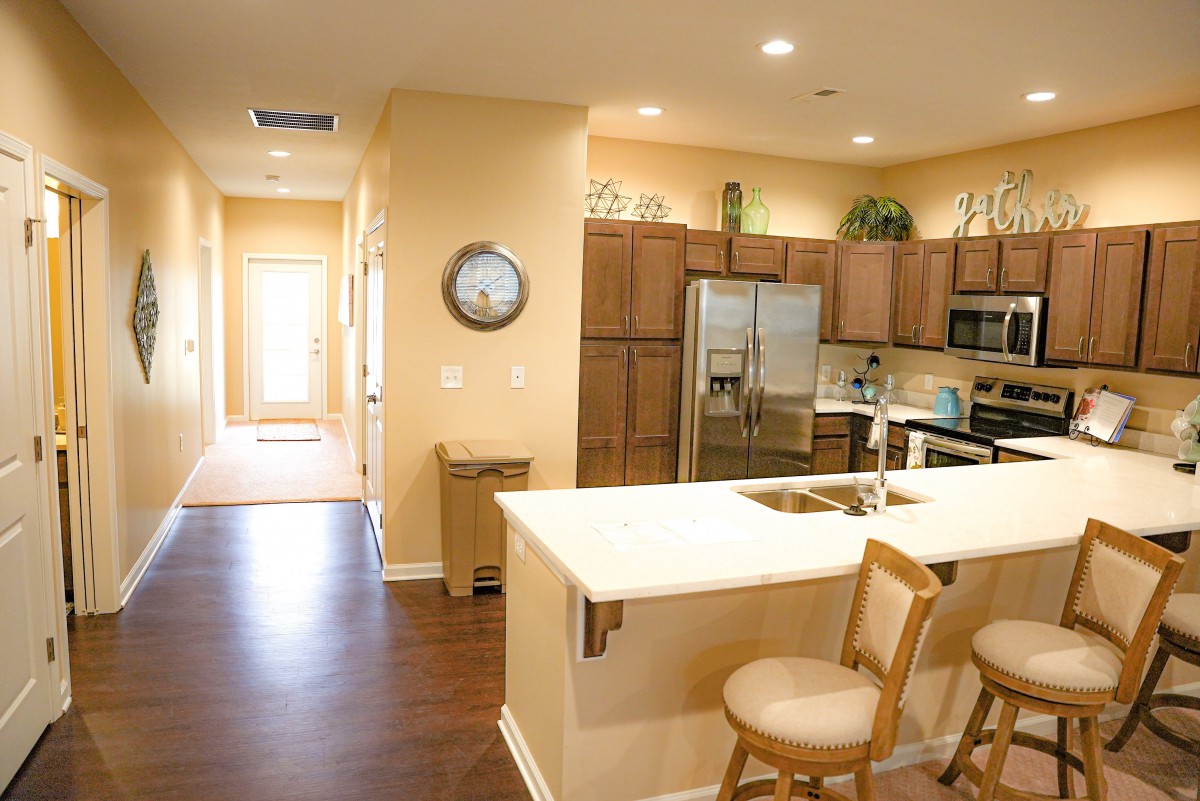
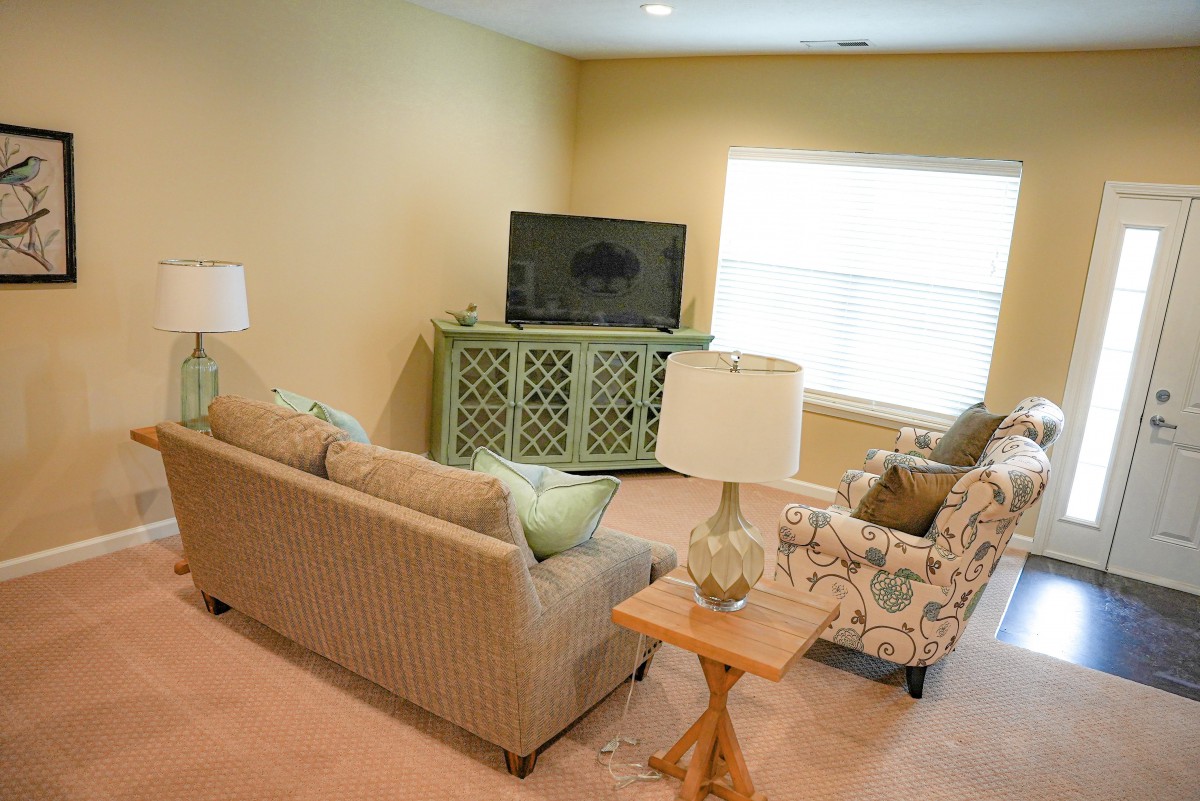
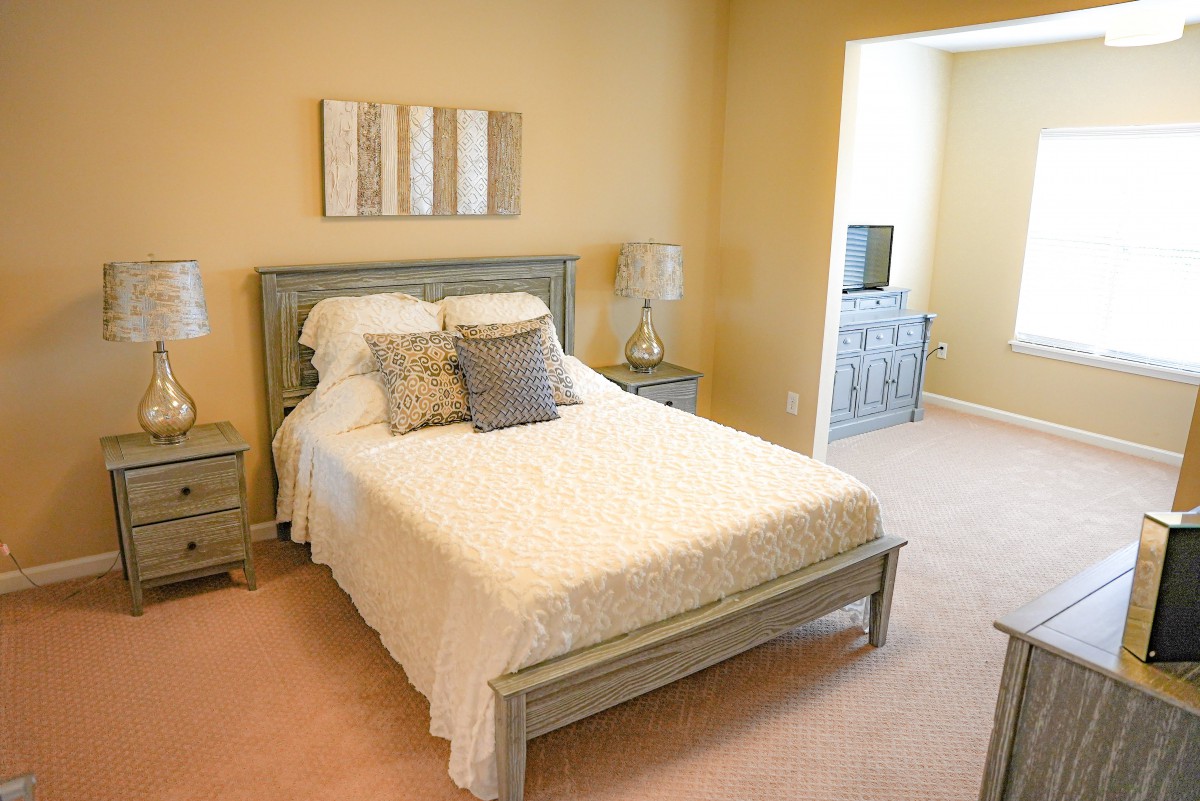
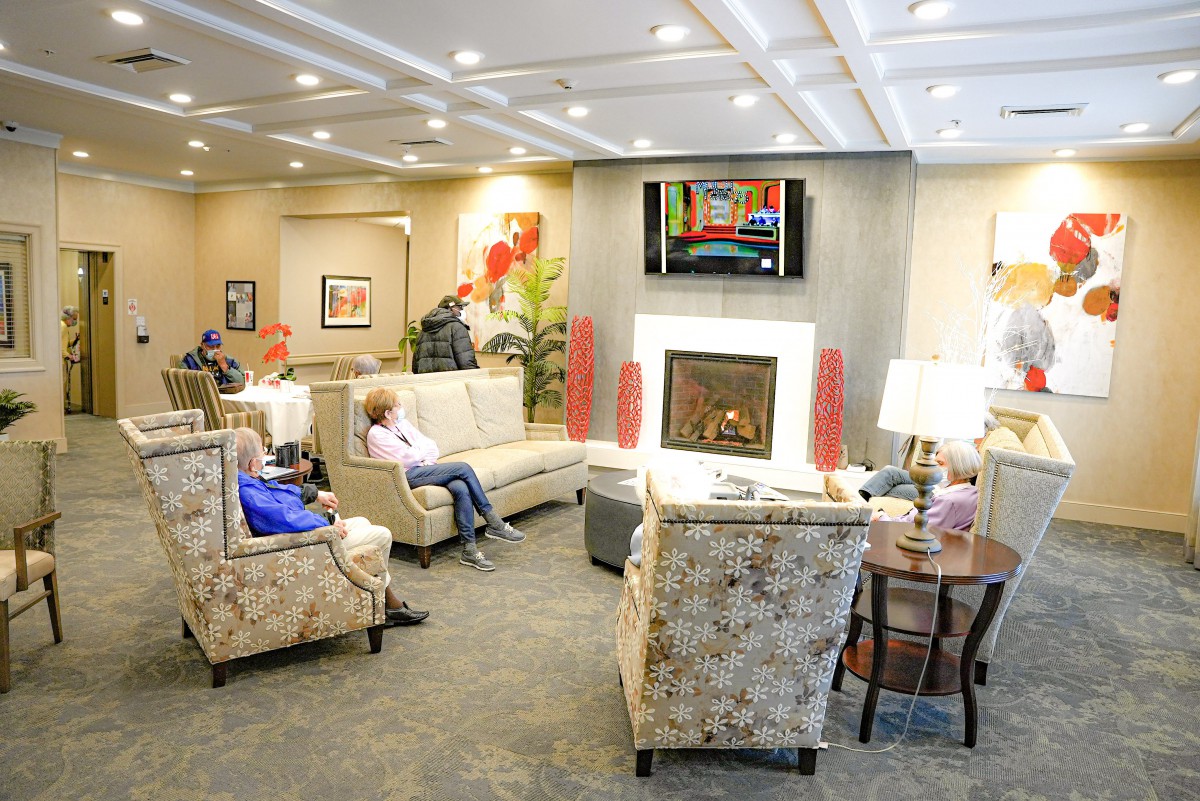
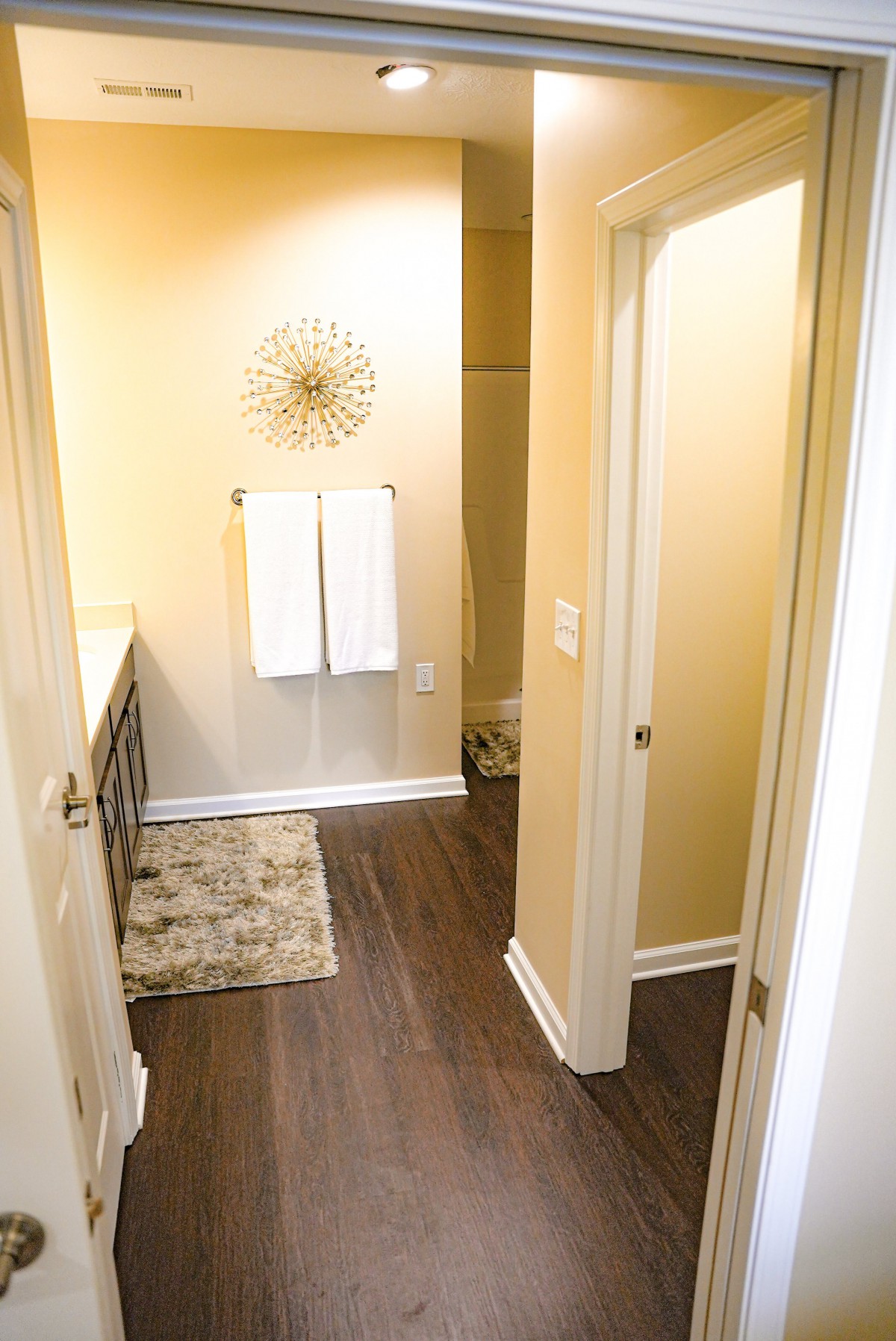
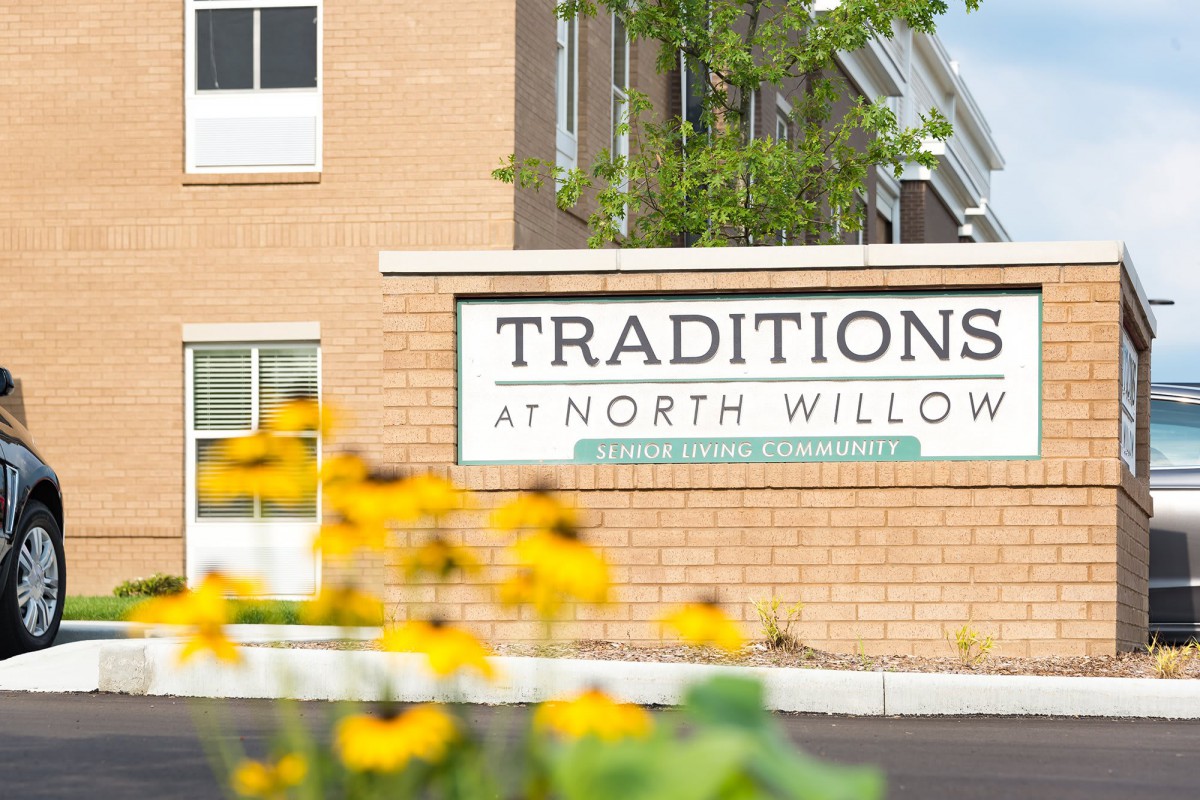
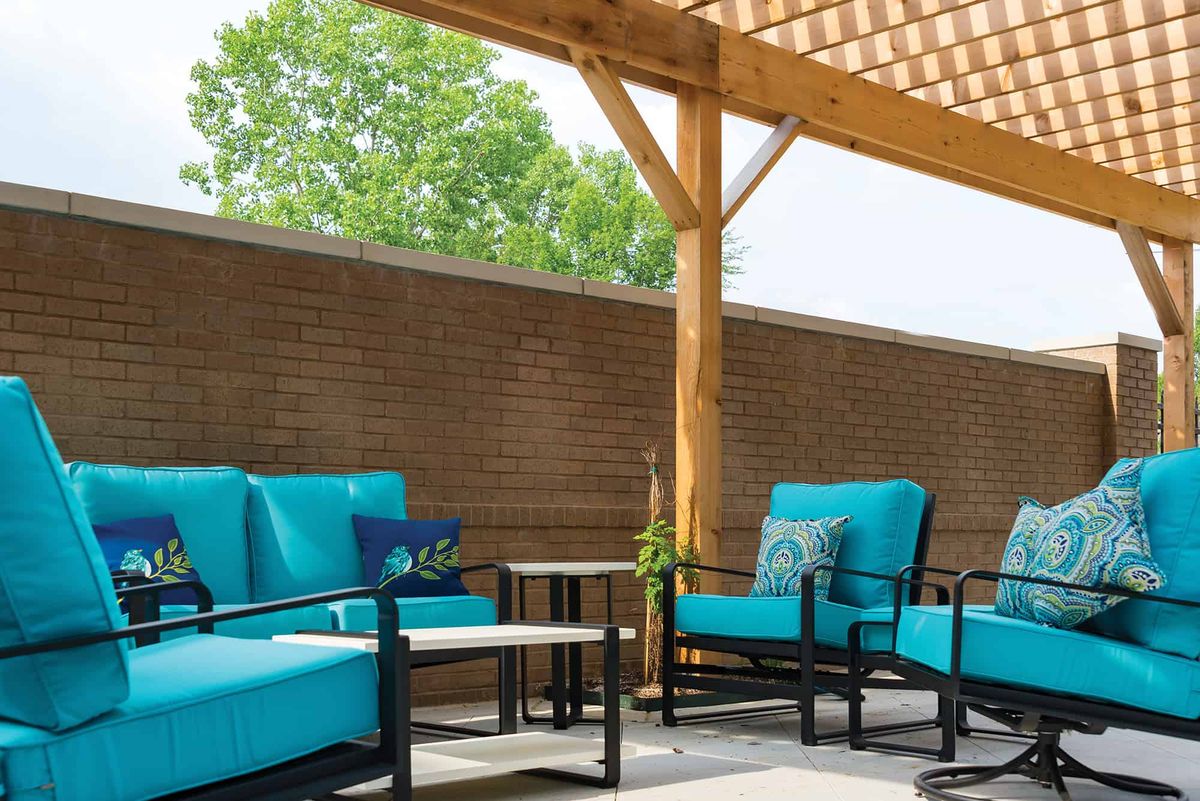
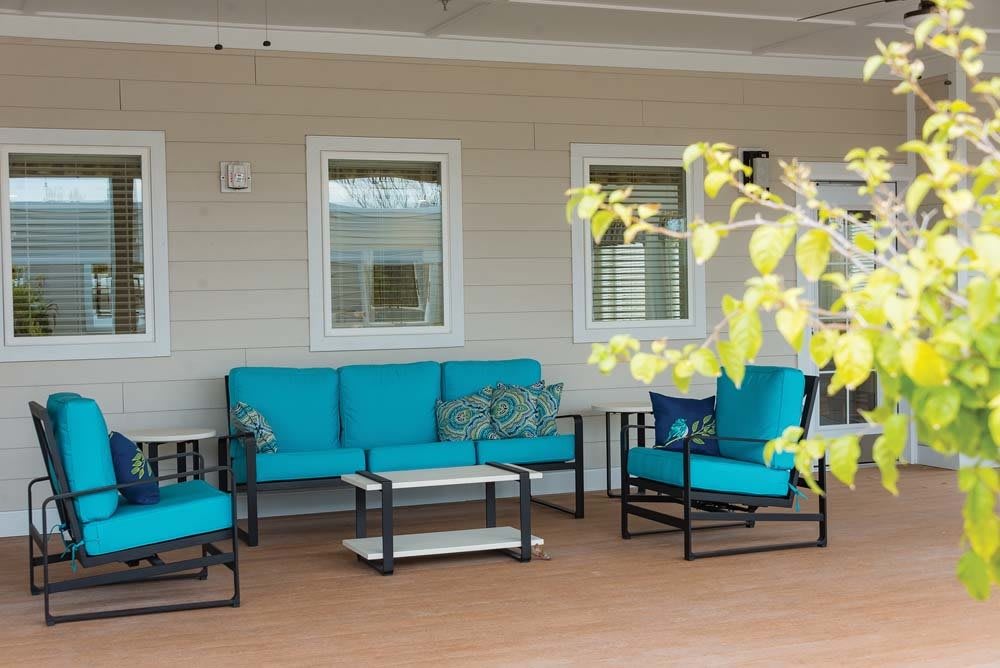
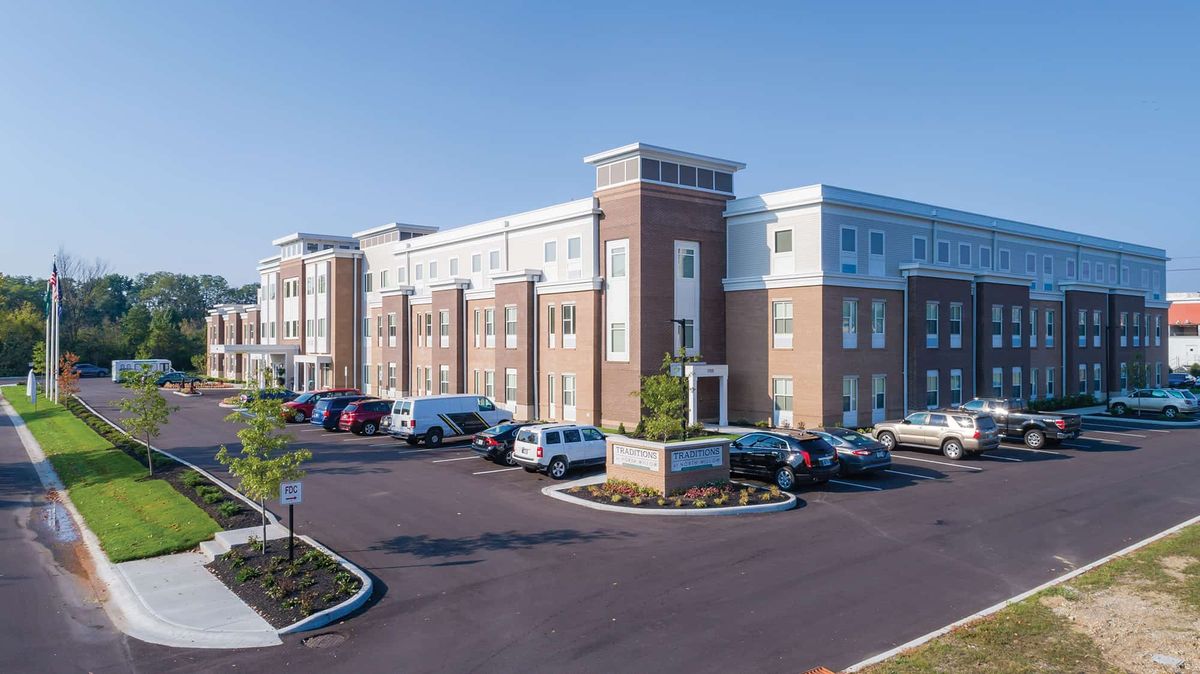
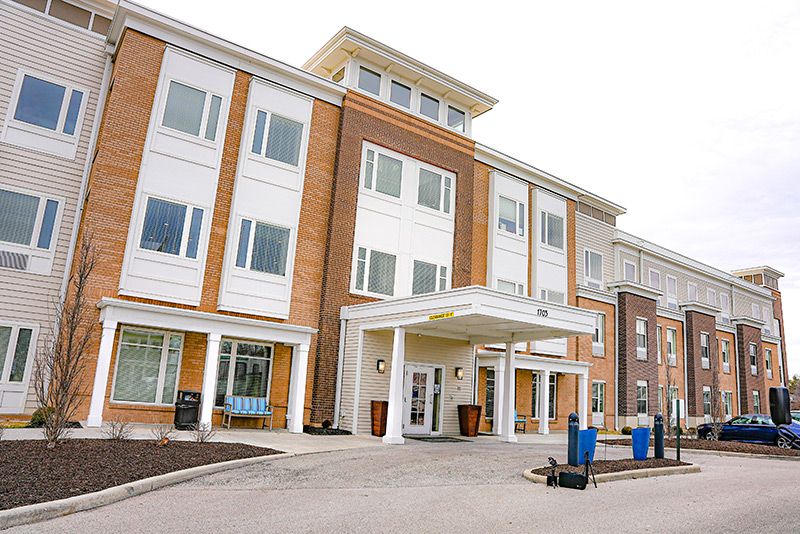
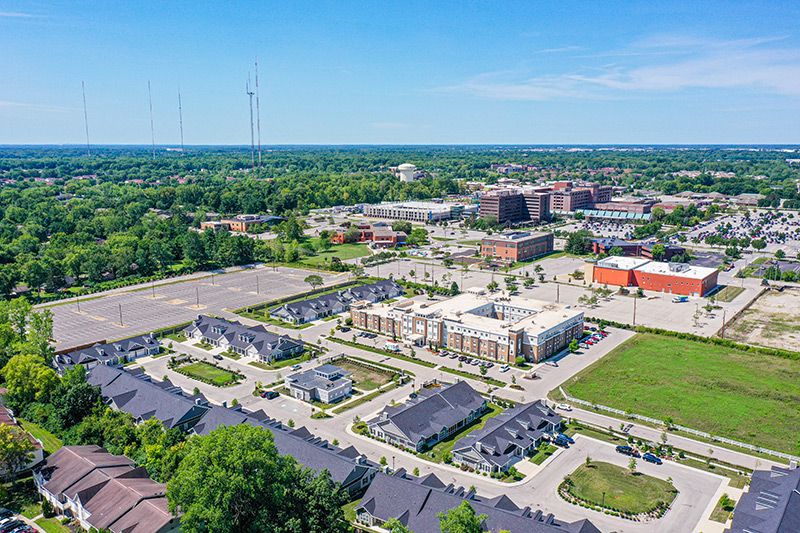
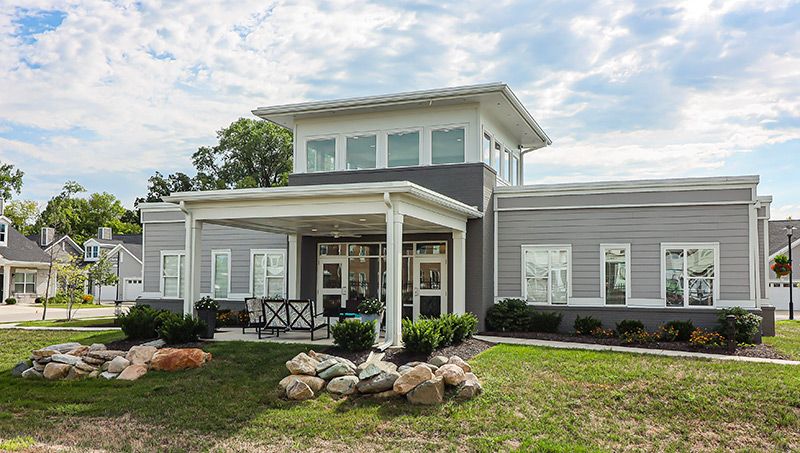
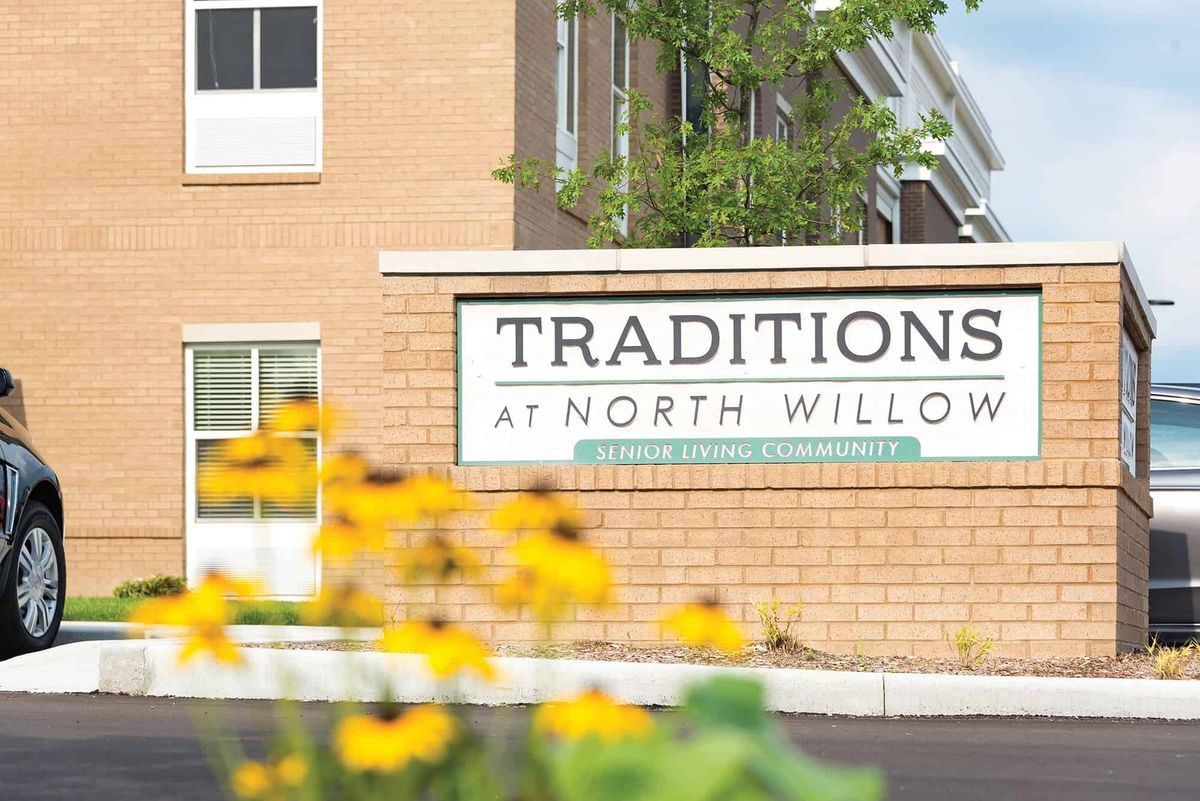
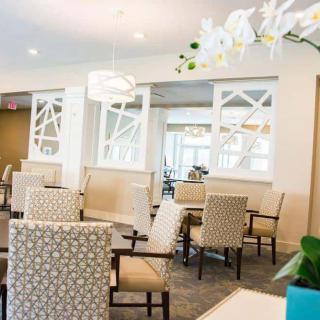
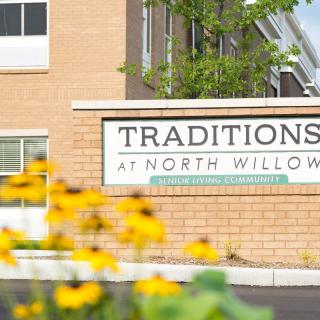
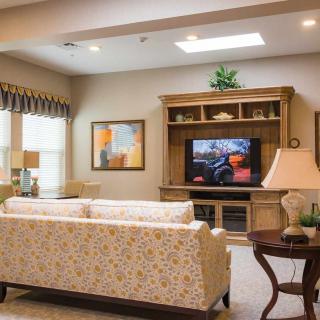
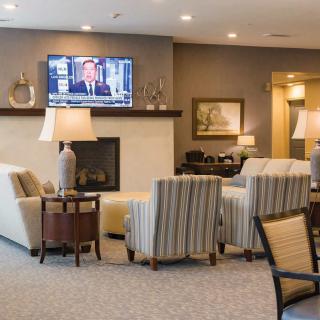
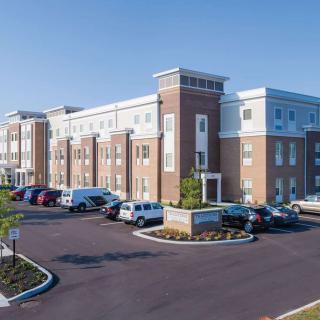
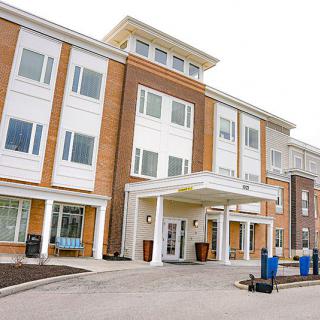
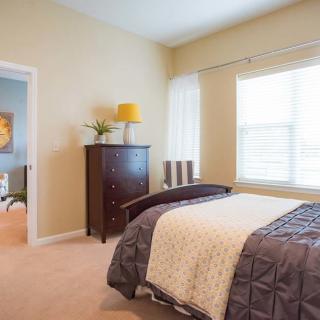
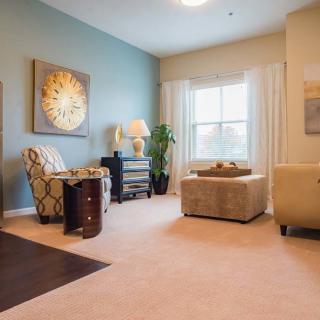
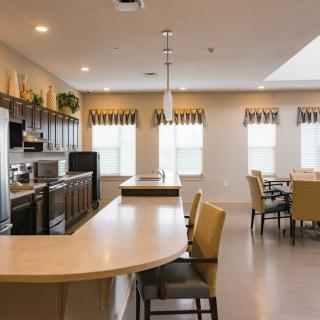
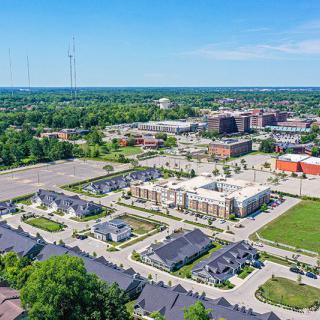
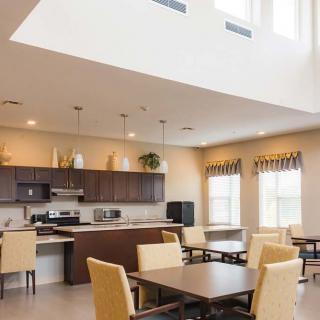
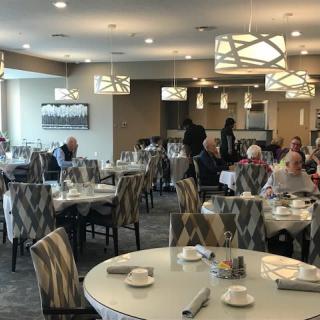
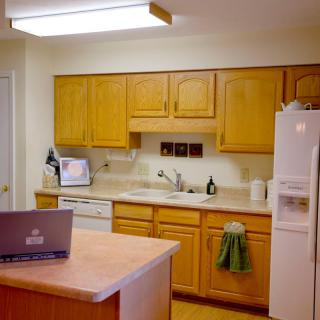
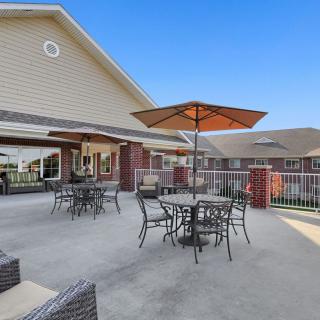
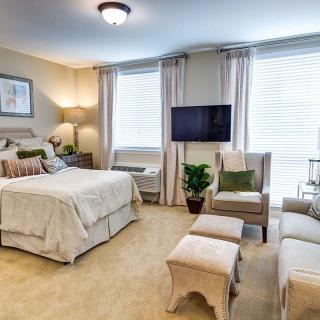
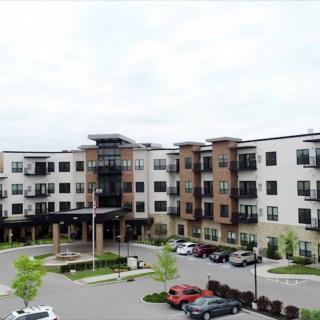
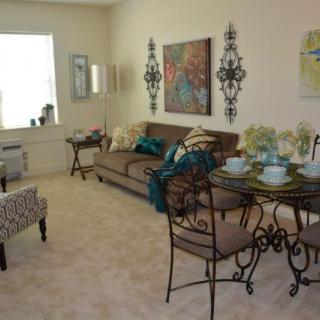
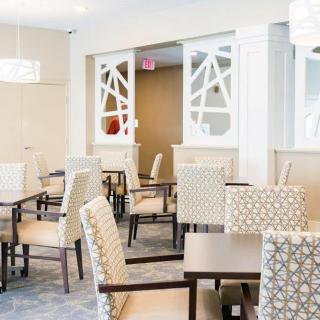
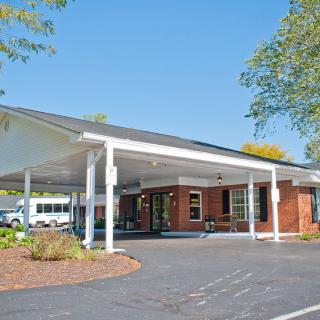
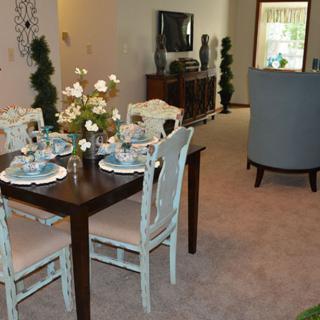
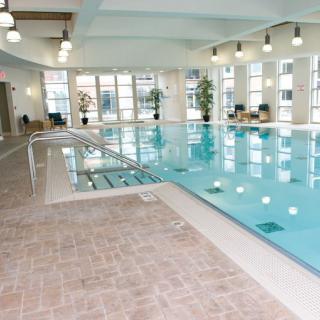
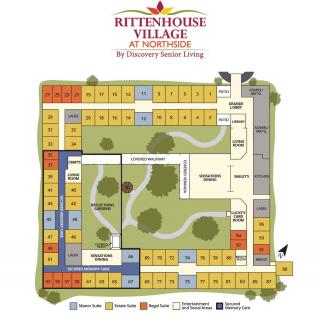
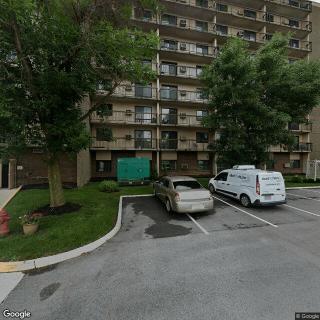
Traditions at North Willow on seniors.fyi includes 43 photos including images showing interior, floor plan, decor, bedroom, building, living room, television, dining, and more.
Nearby Communities
Home Health Svc-St Vincent
Indianapolis, IN
2.7 from 119 reviews
Excellent access to nearby health services, dining, and transportation.
Golden Living Center - Willow Springs
Indianapolis, IN
24/7 supervision with comprehensive care and restaurant-style dining.
Harcourt Terrace Nursing & Rehabilitation
Indianapolis, IN
3 from 27 reviews
Comprehensive care options with on-site amenities and 24/7 supervision.
Spring Mill Meadows
Indianapolis, IN
3.9 from 99 reviews
$1,175 to $1,740 / month
Friendly, responsive staff; clean, well-maintained facilities; pleasant environment with garden homes.
Spring Mill Meadows - Garden Homes
Indianapolis, IN
3.5 from 54 reviews
Intimate Garden Homes with in-unit kitchenette, 24/7 care, mental wellness program, and daily activities.
St Augustine Home For The Aged
Indianapolis, IN
4.7 from 19 reviews
Compassionate care from dedicated staff (Little Sisters of the Poor) in a welcoming community with a garden and chapel.
Marquette
Indianapolis, IN
4.7 from 164 reviews
$2,800 to $5,910 / month
Friendly, welcoming atmosphere with a strong sense of community, plus diverse activities and good dining.
Rittenhouse Village At Northside
Indianapolis, IN
4.3 from 58 reviews
$2,125 to $3,270 / month
Friendly staff, clean facility, restaurant-style dining, and engaging activities.
Crooked Creek Tower
Indianapolis, IN
4.2 from 80 reviews
Clean, well-maintained building with friendly staff.
Transitioning from assisted living to memory care is driven by an individual's cognitive decline and specific needs, requiring careful evaluation of indicators like increased confusion and wandering. The process involves consulting medical professionals, researching suitable communities, considering financial and legal aspects, and ensuring effective communication for personalized care plans.
The article differentiates between assisted living and memory care, explaining that assisted living supports seniors with daily activities while promoting independence, whereas memory care provides specialized services for individuals with dementia, focusing on secure environments and cognitive support. It also addresses staff training, safety considerations, costs, family involvement, and transition strategies for families navigating these care options.
The article outlines effective communication strategies for interacting with loved ones with dementia, highlighting the need for empathy, patience, and understanding while emphasizing supportive approaches like using simple language, minimizing distractions, and focusing on feelings over facts to maintain dignity and foster connection. It also suggests seeking professional guidance when needed as communication challenges evolve.
Exercise Equipment, Gym, Treadmill, and Fitness Room
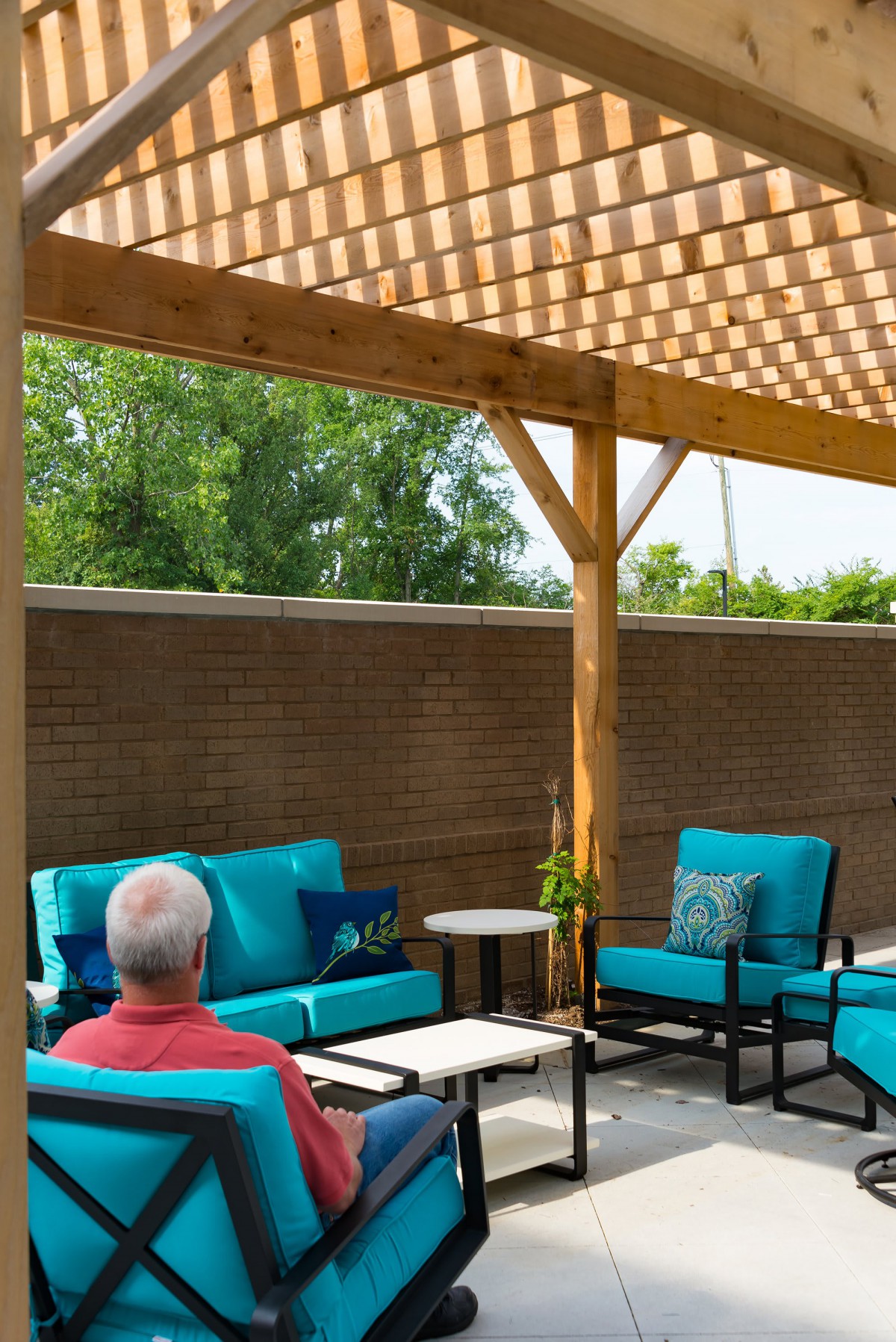
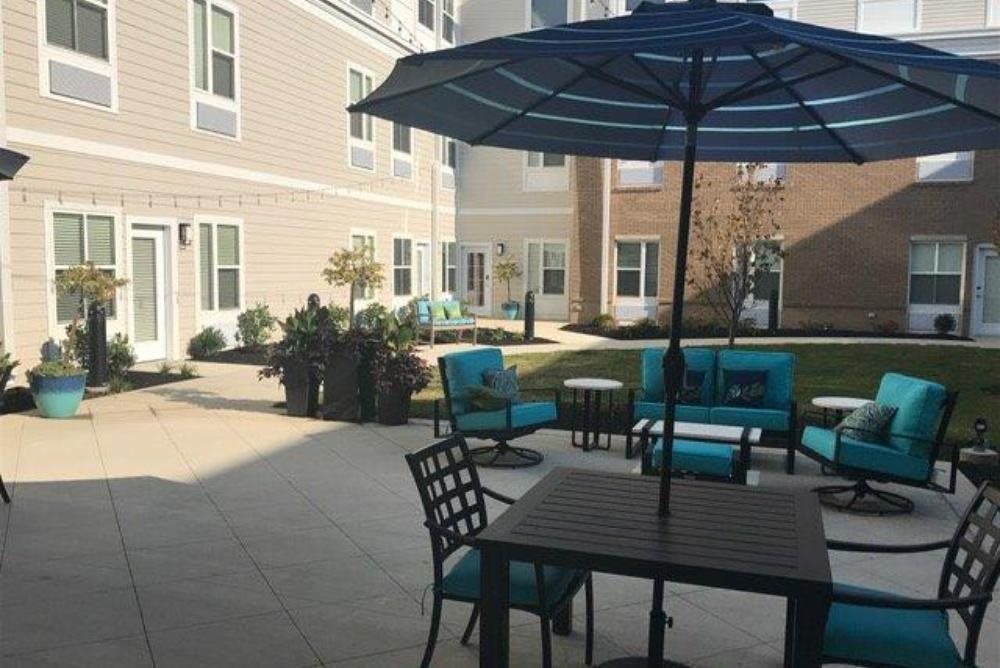
Outdoor Seating
Exterior and Modern Architecture
Salon and Mirrors
Appliances
Bookshelves and Library
Seating, Theater, and Projector
Parking
Hardwood Floor
Rug
Kitchenette
Lights
Pergola
Aerial View
Brick Wall
Open Space
Living Area
Home Design
Architectural Drawing
Deck
Reading Room
Lounge Area
Workspace
Light Fixture
Get PricingAsk A QuestionSchedule A TourContact Senior Advisor
By clicking submit, you agree to our Partner's Terms of Use. You
also consent to receive calls and texts, which may be autodialed, from our Partner. Your consent is not a condition to
using our Partner's service. Please visit our Partner's Privacy Policy for information about their privacy practices.





 1-bedroom apartments
 Detached homes
 Assisted Living
 Independent Living
 Memory Care
 Skilled Nursing Facility
 Cats allowed
 Dogs allowed
 Activities off-site
 Air-conditioning
 Beautician on-site
 Cable or satellite TV
 Devotional services off-site
 Dining room
 Full kitchen
 Fully furnished
 Garden
 Ground floor units
 Guest parking
 Handicap accessible
 Housekeeping services
 Indoor common areas
 Laundry
 Move-in coordination
 Outdoor common areas
 Party space
 Respite or short term stays offered
 Security gate
 Telephone
 VA Benefits Consultation
 Wheelchair accessible showers
 Wi-Fi/high-speed internet available
 Indianapolis International (14 miles away)
 Transportation & parking
 24-hour supervision
 Ambulatory care
 Assistance with bathing
 Assistance with dressing
 Assistance with transfers
 Diabetes diet
 Diabetic care
 Hospice waiver
 Incontinence care
 Meal preparation and service
 Medication management
 Mental wellness program
 Special dietary restrictions
 Transportation arrangement (medical)
 Art classes
 Cooking classes
 Day trips and outings
 Educational speakers / life long learning
 Fitness programs
 Happy hour
 Jewish services
 Karaoke
 Live dance or theater performances
 Live musical performances
 Live well programs
 Wine tasting
 English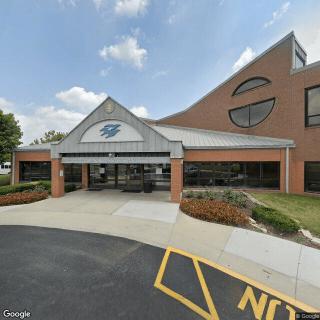
 Excellent access to nearby health services, dining, and transportation.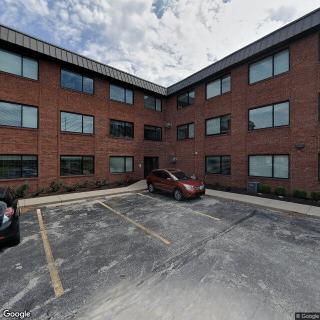


 When to Transition from Assisted Living to Memory Care: Key Indicators, Steps, and Finding the Right Community
 Understanding the Distinctions: Assisted Living and Memory Care Explained
 How to Communicate with a Loved One Living with Dementia: 10 Supportive Strategies