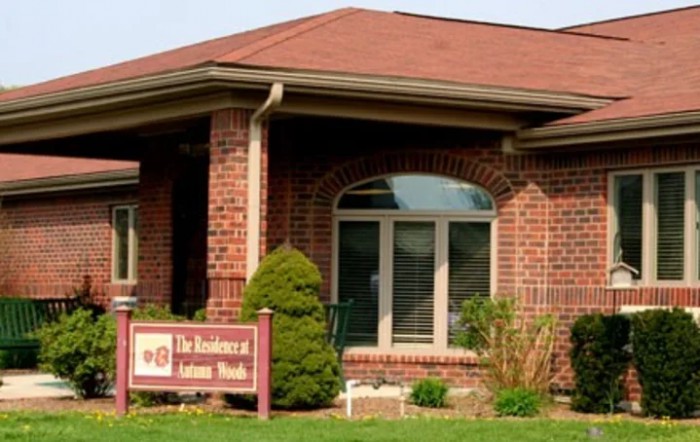
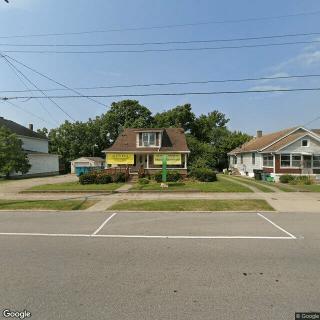
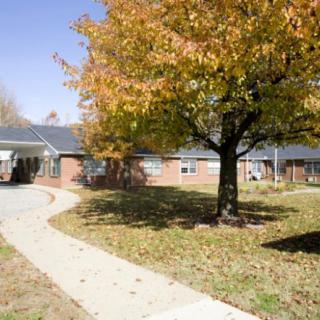
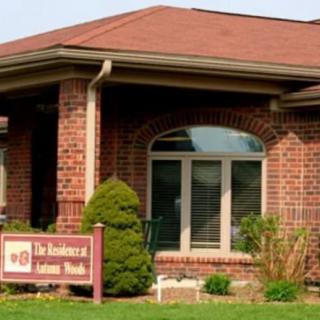
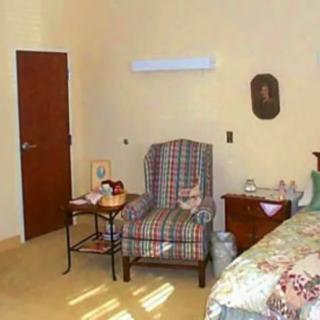
Autumn Woods Health Campus in New Albany, IN

Save

Autumn Woods Health Campus in New Albany, IN

Information last verified:

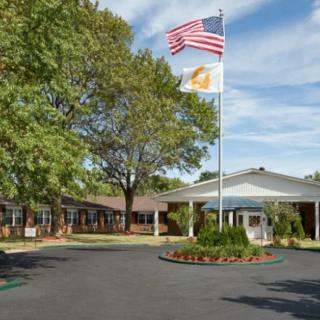
2911 Green Valley Road, New Albany, IN 47150

For more information about senior living options: (844) 490-3973

4.6 from 123 reviews
5 stars
107
4 stars
2
3 stars
2
2 stars
2
1 stars
10

Seniors.FYI Elite Community Awards

Top 5% Senior Living Community in 2019Top 5% Senior Living Community in 2023Top 5% Senior Living Community in 2026

Add this award to your website

Overall Review of Autumn Woods Health Campus

Pros

  • pro The staff at Autumn Woods treat residents with respect, dignity, and genuine kindness.
  • pro Autumn Woods is a clean and safe facility for residents and staff.
  • pro The staff go above and beyond for their residents.
  • pro The food at Autumn Woods is amazing.
  • pro Autumn Woods offers engaging activities and a home-like environment.
  • pro The staff are fantastic, with Bobby Jo in particular going above and beyond.
  • pro Autumn Woods feels like home thanks to its caring and compassionate team.
  • pro The staff go above and beyond to serve residents and make life enjoyable.
  • pro The facility is well-maintained and the dining service is nice with good meals.
  • pro The staff are friendly, professional, and responsive to residents' needs.
  • pro The activities department keeps residents engaged and entertained.
  • pro Autumn Woods is highly recommended for rehabilitation and long-term care.

Cons

  • pro The facility was described as dirty with mean staff and a lack of professionalism.
  • pro The staff were rude, insolent, and too busy chatting or taking breaks to attend to residents.
  • pro In memory care, infections and UTIs occurred due to a lack of cleanliness and attentiveness.
  • pro A social worker was reported to have spoken about a resident's situation in public.
  • pro The finance staff were described as hostile and coercive, demanding immediate payment.
  • pro Call lights were frequently ignored, leaving residents without prompt assistance.

Review

Autumn Woods Health Campus in New Albany is best suited for families seeking a warm, relationship-centered skilled-nursing and rehab environment where staff truly treats residents like family. It shines for those who want a home-like atmosphere, robust daily programming, and strong family engagement, with care teams that are consistently praised for compassion, respect, and responsiveness. The community is especially appealing to families prioritizing meaningful activity schedules, quality dining, and a sense of continuity in caregiving, the kind of place where staff turnover is low and long-tenured team members become trusted anchors. If the goal is a clinical, highly specialized dementia program or a setting with ultra-rurgical oversight, alternatives may serve better. Prospective residents should not assume that “good care” is uniform across units; the mix of memory care, rehab, and long-term care requires careful, unit-by-unit evaluation.

The strongest advantages come from staff who demonstrate genuine warmth and dedication. Multiple reviewers describe staff as compassionate, patient, and respectful, with aides and nurses building rapport that feels like family. Cleanliness and a bright, inviting campus are repeatedly noted, along with a lively calendar of activities, from in-house entertainment to devotional and vitality programs, that keep residents engaged and socially connected. Families consistently praise the dining experience, with many residents and relatives highlighting tasty, well-prepared meals and attentive dietary staff. The therapy teams, too, receive strong endorsements when residents rebound from surgery or illness, and the facility earns credibility for coordinating rehab and medical needs with clear family updates. In short, Autumn Woods often delivers the level of personal attention that turns a facility into a trusted home during recovery and aging.

Yet, a spectrum of concerns appears in the reviews, tempering the otherwise positive portrait. A subset of families reports inconsistencies in day-to-day care, with some call lights going unanswered for longer than acceptable and perceptions that staff prioritize conversations or non-urgent tasks over immediate resident needs. Administrative and financial interactions crop up in a few reviews as tense or unsatisfying, including accusations of pressure or miscommunication around billing and discharge planning. Memory-care experiences are not uniformly praised; some families report neglectful tendencies or insufficient attentiveness in the dementia unit, and a few recount incidents that damaged trust or left family members uneasy about safety. There are also claims of notable lapses, falls, infections, or alleged theft, rooted in a minority of experiences, along with feedback that private rooms aren’t available for couples or private rest, which can complicate arrangements for some families. Taken together, these threads signal that operations and culture can vary by shift, unit, or leadership moment.

Those pros offset the main cons where the facility’s culture, stability, and programmatic strengths matter most. For families whose priority is daily life quality, dignified treatment, meaningful activities, wholesome meals, and visible joy in residents’ faces, the positives often outweigh episodic concerns. The presence of long-tenured staff and leaders who seem genuinely invested in resident well-being helps mitigate worries about routine responsiveness and care consistency. The ability to participate in care planning, receive regular photo updates, and enjoy a busy activity calendar can disproportionately improve mood, rehab engagement, and overall satisfaction. In short, Autumn Woods can deliver a high level of living quality that makes it worthwhile for many families, particularly when a loved one benefits from regular social stimulation and a steady, nurturing caregiving approach.

Alternatives should be seriously considered by families with particular needs or red flags from past experiences. If memory care demands proven dementia-specific expertise and a facility can demonstrate isolated, well-staffed units with proactive behavioral support, those options may outperform in that arena. For households where rapid call-light response and consistently vigilant monitoring are non-negotiable, it is prudent to verify current staffing levels, response times, and supervisor accessibility on a daily basis during a tour. Private-room availability and the ability to house loved ones together without compromising safety or care continuity also deserve explicit confirmation. Finally, those with serious concerns about administrative interactions or discharge processes should probe the campus’s billing practices, transparency, and escalation paths, ensuring a clear, respectful experience if problems arise.

The bottom line is that Autumn Woods Health Campus represents a compelling choice for many families in Southern Indiana, especially those who prize a nurturing, community-focused environment with a strong life-enrichment program. Its proven strengths in staff compassion, cleanliness, and resident engagement create undeniable value for long-term care, rehab, and memory-care needs when the unit delivers consistent execution. However, potential residents must approach with eyes-wide open: ask pointed questions about call-light responsiveness, dementia-care staffing, and the administrative culture. Visit multiple times, speak with residents and families, and request recent clinical outcomes and staffing rosters. If the impression is of a facility where care feels personal, where residents smile when staff enter the room, and where activities keep life engaging, Autumn Woods is likely to be among the top options. If not, alternatives with stronger clinical oversight, uniform memory-care protocols, or a more consistently responsive operations model should be pursued with equal vigor.

Features

Housing

  • 93 resident community capacity 93 resident community capacity

Types of Care

  • Assisted Living Assisted LivingAssisted living facilities provide crucial support and care for seniors who may need help with daily tasks such as medication management, bathing, and meal preparation. These communities offer a safe and comfortable environment where seniors can maintain their independence while receiving the assistance they need to thrive in their golden years.
  • Memory Care Memory CareMemory care is crucial for seniors as it provides specialized support and services for individuals with dementia or Alzheimer's disease. These programs offer a safe and secure environment where residents receive personalized care, cognitive stimulation, and help with daily activities. Memory care helps seniors maintain their independence, quality of life, and dignity while also providing peace of mind for their families.

Amenities

  • Air-conditioning Air-conditioningAir conditioning is important for seniors as they are more vulnerable to heat-related illnesses and may have underlying health conditions that make it difficult for them to regulate their body temperature. It helps to keep them comfortable, safe, and healthy in hot weather.
  • Beauty salon Beauty salonBeauty salons are important for seniors because they provide a space for them to feel pampered, socialize, and maintain their personal grooming and hygiene. Regular visits to a beauty salon can help boost seniors' self-esteem and overall well-being.
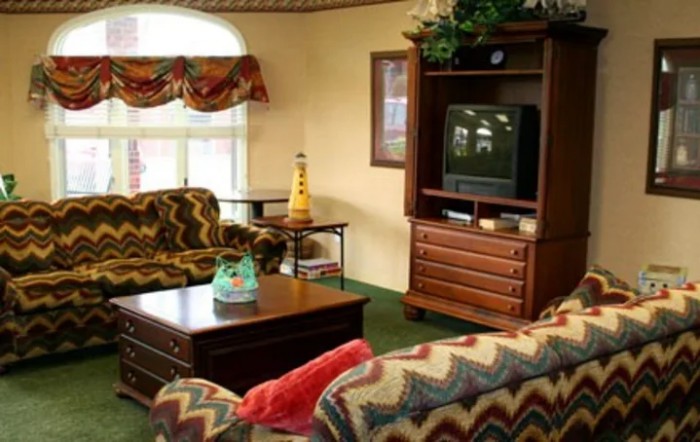
  • Cable or satellite TV Cable or satellite TVCable or satellite TV is important for seniors because it provides entertainment, news, and companionship, helping to combat loneliness and boredom. It also offers a wide range of programming options tailored to different interests and preferences.
  • Computer center Computer centerA computer center is essential for seniors as it provides access to technology, communication tools, and resources that can enhance their daily lives. It allows them to stay connected with loved ones, engage in online activities, and learn new skills, ultimately promoting socialization and mental stimulation.
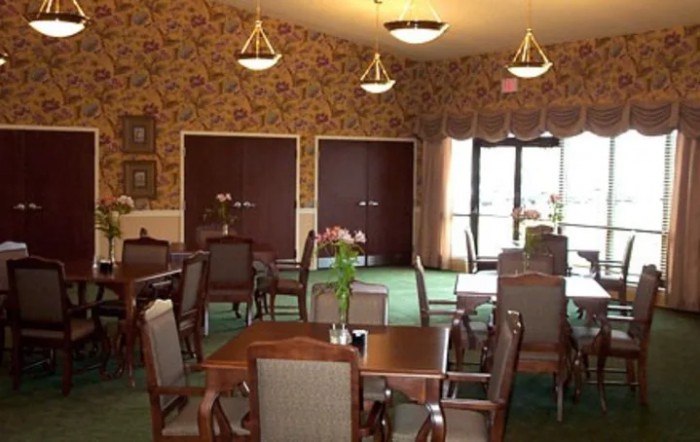
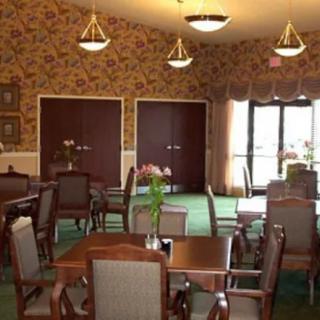
  • Dining room Dining roomDining rooms are important for seniors as they provide a space for socialization, connection, and nutritious meals. They offer opportunities for residents to bond over shared meals, foster a sense of community, and promote healthy eating habits. Dining rooms also ensure that seniors have access to well-balanced meals tailored to their dietary needs and preferences.
  • Fitness room Fitness roomHaving a fitness room in a senior living community is essential for seniors to stay active, maintain their physical health, and improve their overall well-being. Regular exercise can help prevent falls, reduce the risk of chronic diseases, and promote mental sharpness. It also provides social opportunities for residents to connect with others and enjoy a sense of community.
  • Fully furnished Fully furnishedFully furnished senior living communities are important for seniors because they provide convenience, comfort, and a hassle-free moving experience. Seniors can easily settle into their new living space without the stress of having to buy and move furniture. This allows them to focus on enjoying their new home and community.
  • Gaming room Gaming roomGaming rooms are important for seniors as they provide a fun and engaging environment for socializing, cognitive stimulation, and physical activity. Games can improve memory, problem-solving skills, and overall mental well-being while fostering friendships and reducing feelings of isolation.
  • Garden GardenGardens are important for seniors as they provide a peaceful and therapeutic environment for relaxation, physical activity, and socialization. Being in nature has been shown to reduce stress, improve mood, and promote overall well-being. Gardens also offer opportunities for seniors to engage in gardening activities, which can improve mobility, flexibility, and cognitive function. Additionally, gardens create a sense of community and connection with others who share a passion for plants and outdoor spaces.
  • Housekeeping services Housekeeping servicesHousekeeping services are important for seniors because they help maintain a clean and safe living environment, promote independence, and reduce the risk of accidents or illnesses. Additionally, having assistance with household chores can alleviate physical strain and allow seniors to focus on other aspects of their well-being.
  • Kitchenette KitchenetteKitchenettes are important for seniors living in senior living communities because they provide the convenience and independence of being able to prepare simple meals and snacks in the comfort of their own living space. This can help promote a sense of autonomy and well-being for seniors, allowing them to maintain some level of control over their dietary choices and daily routines.
  • Move-in coordination Move-in coordinationMove-in coordination is important for seniors because it helps ease the transition into their new living environment. It ensures that all logistics, such as packing, organizing movers, and setting up utilities are taken care of, allowing seniors to focus on settling in and adjusting to their new home. Having a smooth move-in process can alleviate stress and anxiety, making the transition smoother and more enjoyable for seniors.
  • Outdoor space Outdoor spaceOutdoor spaces are important for seniors as they provide opportunities for physical activity, social interaction, exposure to natural light and fresh air, and a sense of connection to nature. Having access to outdoor spaces can improve overall well-being and quality of life for older adults living in senior communities.
  • Private bathrooms Private bathroomsPrivate bathrooms are important for seniors in senior living communities because they provide independence, dignity, and comfort. Having a private bathroom allows seniors to maintain their personal hygiene routines without the need for assistance, promoting a sense of autonomy and privacy. Additionally, private bathrooms help prevent the spread of infections and provide a safe and clean environment for seniors to navigate safely.
  • Restaurant-style dining Restaurant-style diningRestaurant-style dining is important for seniors because it allows them to enjoy delicious, nutritious meals in a social and upscale setting. This enhances their dining experience, promotes healthy eating habits, and fosters socialization with fellow residents, ultimately contributing to their overall well-being and quality of life.
  • Small library Small librarySmall libraries are important for seniors as they provide access to a variety of reading materials, including books, newspapers, and magazines. This can help stimulate their minds, keep them engaged, and provide a sense of community through book clubs and other social activities. Additionally, reading has been shown to improve cognitive function and overall mental well-being in older adults.
  • Telephone TelephoneTelephones are important for seniors as they provide a lifeline for communication with loved ones, emergency services, and healthcare providers. They offer a sense of security and independence, enabling seniors to stay connected and access assistance when needed.
  • Wellness center Wellness centerWellness centers are important for seniors because they offer a variety of programs and services that promote physical, mental, and emotional well-being. These centers provide opportunities for exercise, socialization, education, and relaxation, helping seniors maintain their overall health and quality of life.
  • Wi-Fi/high-speed internet available Wi-Fi/high-speed internet availableWi-Fi/high-speed internet is important for seniors to stay connected with loved ones, access online resources, and participate in virtual activities to combat feelings of loneliness and isolation. It also allows them to easily manage healthcare needs, access entertainment, and engage in lifelong learning opportunities.

Transportation

  • Louisville International-Standiford (12 miles away) Louisville International-Standiford (12 miles away)
  • Community operated transportation Community operated transportationCommunity operated transportation is crucial for seniors as it provides them with the means to access essential services, social activities, and medical appointments. It allows seniors to maintain their independence and quality of life by ensuring they can participate in activities outside of their homes. Additionally, community-operated transportation services offer a safe and reliable way for seniors to travel without having to rely on family or friends for assistance.
  • Transportation arrangement Transportation arrangementTransportation arrangements are crucial for seniors as they may face challenges with driving, mobility, or access to public transportation. Having reliable transportation services ensures that seniors can easily attend appointments, social activities, and maintain their independence and quality of life.
  • Transportation arrangement (non-medical) Transportation arrangement (non-medical)Transportation arrangements are essential for seniors as they provide access to essential services, activities, and social interactions outside the home. This service helps maintain independence, mobility, and overall well-being for seniors who may have limited transportation options.

Care Services

  • 12-16 hour nursing 12-16 hour nursing12-16 hour nursing care is crucial for seniors in order to ensure around-the-clock monitoring, timely medication administration, and prompt response to any health concerns or emergencies. This level of care helps to promote the overall well-being and safety of seniors living in senior living communities.
  • 24-hour call system 24-hour call system24-hour call systems are important for seniors because they provide peace of mind and immediate assistance in case of emergencies. This technology ensures that help is always available, promoting safety and security for elderly individuals living alone or in assisted living facilities.
  • 24-hour supervision 24-hour supervision24-hour supervision is important for seniors to ensure their safety, well-being, and access to immediate assistance in case of emergencies or health issues. This constant support provides peace of mind for both seniors and their loved ones, allowing them to age in place with dignity and security.
  • Activities of daily living assistance Activities of daily living assistanceActivities of daily living assistance are important for seniors because they provide essential support with tasks such as eating, bathing, dressing, and mobility. This assistance helps seniors maintain their independence, dignity, and overall quality of life as they age.
  • Assistance with bathing Assistance with bathingAssistance with bathing is crucial for seniors as it helps maintain personal hygiene, prevents infections, and ensures their overall well-being and comfort. It also provides a sense of dignity and independence for seniors who may struggle with this task on their own.
  • Assistance with dressing Assistance with dressingAssistance with dressing is important for seniors because it helps maintain their independence, promotes personal hygiene, prevents accidents and injuries, and improves overall quality of life. This service ensures that seniors can continue to dress comfortably and confidently, despite any physical limitations they may have.
  • Assistance with transfers Assistance with transfersAssistance with transfers is crucial for seniors as it helps prevent falls and injuries, maintains their independence, and ensures they can safely navigate their living environment. It also provides peace of mind for both seniors and their loved ones.
  • Coordination with health care providers Coordination with health care providersCoordination with health care providers is crucial for seniors to ensure proper medical care, medication management, and overall well-being. This collaboration helps prevent overlapping treatments, track progress more effectively, and provide comprehensive support tailored to individual needs.
  • Dementia waiver Dementia waiverDementia waivers are essential for seniors as they provide critical protections and accommodations for those experiencing cognitive decline. These waivers ensure individuals with dementia receive appropriate care, support, and resources to maintain their quality of life and dignity as they navigate the challenges of this progressive condition.
  • Diabetes diet Diabetes dietA diabetes diet is crucial for seniors as it helps manage blood sugar levels, reduce risks of complications, and improve overall health and well-being. By following a balanced and nutritious diet tailored to their specific needs, seniors can better control their diabetes and enhance their quality of life.
  • Hospice waiver Hospice waiverHospice waivers are important for seniors because they allow individuals to receive specialized end-of-life care and support at home or in a hospice facility. This waiver ensures that seniors can access the necessary resources and services to maintain comfort and dignity during their final days.
  • Meal preparation and service Meal preparation and serviceMeal preparation and service are crucial for seniors as they may have limited mobility or energy to cook nutritious meals. Having access to healthy and convenient food options can ensure they are getting the proper nutrition needed to maintain their overall health and well-being.
  • Medication management Medication managementMedication management is crucial for seniors to ensure they are taking the right medications at the correct dosages and times. This helps prevent adverse drug interactions, reduces the risk of medication errors, and promotes overall health and well-being. Proactive management also allows for adjustments as needed based on changing health conditions or new prescriptions.
  • Mental wellness program Mental wellness programMental wellness programs are essential for seniors as they promote cognitive stimulation, emotional support, and social engagement. These programs help prevent isolation, depression, and cognitive decline, ultimately enhancing the overall quality of life for older adults.
  • Mild cognitive impairment Mild cognitive impairment"Mild cognitive impairment" is important for seniors because it is an early stage of cognitive decline that can potentially progress to more severe conditions such as dementia. Recognizing and addressing mild cognitive impairment can help seniors receive appropriate care and support to maintain their quality of life and independence for as long as possible.
  • Special dietary restrictions Special dietary restrictionsSpecial dietary restrictions are important for seniors because age-related changes in metabolism and health conditions can make it difficult for their bodies to process certain foods. By following a diet tailored to their specific needs, seniors can maintain their overall health and well-being, manage chronic conditions, and reduce the risk of complications such as malnutrition or food interactions with medications.
  • Specialized memory care programming Specialized memory care programmingSpecialized memory care programming is crucial for seniors with cognitive impairments such as dementia or Alzheimer's disease. These programs provide a safe and supportive environment tailored to the unique needs of individuals with memory loss, helping them maintain their independence, dignity, and quality of life.
  • Transportation arrangement (medical) Transportation arrangement (medical)Transportation arrangements for medical purposes are essential for seniors as they may have difficulty driving themselves to appointments or accessing public transportation. Having reliable and safe transportation options ensures that seniors can receive timely medical care and maintain their health and well-being.
  • Transportation to doctors appointments Transportation to doctors appointmentsTransportation to doctors' appointments is crucial for seniors as it ensures they have access to necessary medical care and support for their health needs. Without reliable transportation, seniors may struggle to attend important appointments, leading to potential delays in treatment and health complications. Providing transportation services helps seniors maintain their overall well-being and quality of life.

Dining

  • Diabetes diet Diabetes dietA diabetes diet is crucial for seniors as it helps manage blood sugar levels, reduce risks of complications, and improve overall health and well-being. By following a balanced and nutritious diet tailored to their specific needs, seniors can better control their diabetes and enhance their quality of life.
  • Special dietary restrictions Special dietary restrictionsSpecial dietary restrictions are important for seniors because age-related changes in metabolism and health conditions can make it difficult for their bodies to process certain foods. By following a diet tailored to their specific needs, seniors can maintain their overall health and well-being, manage chronic conditions, and reduce the risk of complications such as malnutrition or food interactions with medications.

Activities

  • Community-sponsored activities Community-sponsored activitiesCommunity-sponsored activities are important for seniors as they provide opportunities for social interaction, mental stimulation, and physical activity. These activities can help improve overall well-being, combat loneliness and isolation, and promote a sense of belonging and purpose among older adults.
  • Concierge services Concierge servicesConcierge services are essential for seniors as they provide assistance with daily tasks and errands, enhance their quality of life by offering convenience and personalized care, and promote a sense of safety and security.
  • Fitness programs Fitness programsFitness programs are crucial for seniors as they help improve strength, flexibility, balance, and overall well-being. Staying active can reduce the risk of chronic diseases, improve mental health, and enhance quality of life in older adults.
  • Planned day trips Planned day tripsPlanned day trips are important for seniors because they offer opportunities for socialization, mental stimulation, and physical activity. They provide a change of scenery and help seniors stay engaged and connected to their community, promoting overall well-being and quality of life.
  • Resident-run activities Resident-run activitiesResident-run activities are important for seniors as they encourage social interaction, creativity, and a sense of autonomy. These activities empower seniors to stay engaged and active in their community while fostering meaningful connections with their peers.
  • Scheduled daily activities Scheduled daily activitiesScheduled daily activities are important for seniors because they provide structure, socialization, mental stimulation, and physical activity. Engaging in regular activities can improve overall well-being and quality of life for seniors living in a community setting.

Description

Autumn Woods Health Campus in New Albany, IN is an exceptional assisted living community that specializes in memory care. With a range of amenities and care services, residents can enjoy a comfortable and fulfilling lifestyle.

The campus offers various amenities to enhance the quality of life for residents. A beauty salon provides convenient grooming services, while cable or satellite TV ensures entertainment options. Community-operated transportation makes it easy for residents to access nearby areas, and the computer center allows them to stay connected with loved ones. The dining room offers restaurant-style dining for delicious meals, and a fitness room promotes overall wellness. Additionally, there are fully furnished accommodations available along with a gaming room, garden, housekeeping services, kitchenette, move-in coordination support, outdoor space, private bathrooms, small library, telephone service, wellness center, and Wi-Fi/high-speed internet connectivity.

Residents receive comprehensive care services tailored to their individual needs around the clock. With a 24-hour call system and supervision provided by dedicated staff members, residents can feel safe and secure at all times. Assistance with activities of daily living such as bathing and dressing is readily available. Coordination with health care providers ensures seamless medical support and continuity of care. Specialized memory care programming caters specifically to individuals with dementia or mild cognitive impairment.

Nutrition plays a vital role in maintaining overall health; therefore special dietary restrictions are accommodated in the dining options provided within Autumn Woods Health Campus. Meal preparation and service are included as well as diabetes diet plans if needed.

Engaging activities are an integral part of life at Autumn Woods Health Campus. Residents can enjoy concierge services for personalized assistance and fitness programs to promote physical activity. Planned day trips offer exciting opportunities for exploration outside the community while resident-run activities foster social connections among peers. Scheduled daily activities ensure that there is always something enjoyable happening within the community.

Furthermore, Autumn Woods Health Campus benefits from its convenient location near various amenities in New Albany. There are numerous cafes, parks, pharmacies, physicians, restaurants, places of worship, and hospitals nearby. This ensures easy access to essential services and enriching experiences for residents.

Autumn Woods Health Campus in New Albany, IN is an exceptional assisted living community that provides memory care with a wide range of amenities and care services. With a focus on personalized care and vibrant activities, residents can enjoy a fulfilling lifestyle in a beautiful environment.

Nearby Places of Interest

Physicians

  • Floyd Memorial Medical Group-New Albany (0.8 miles)
  • Visionworks Doctors Of Optometry - Wesley Commons (1 miles)
  • Roseline Okeke, MD (1 miles)
  • Orthopedic Surgeons (1.2 miles)
  • Armstrong, James Baptist Health Medical Group Surgery (1.2 miles)
  • Dermatology Center (1.3 miles)
  • Gsi (1.3 miles)

Pharmacies

  • Williams Brothers Healthcare (1 miles)
  • Kroger Pharmacy (1.1 miles)
  • Kroger Pharmacy (1.2 miles)
  • Walgreens (1.3 miles)
  • Westmoreland Pharmacy (1.3 miles)
  • Mathes Pharmacy (1.8 miles)
  • Walgreens (2.6 miles)

Parks

  • Sam Peden Community Park (1 miles)
  • Shawnee Park (3.8 miles)
  • Falls of the Ohio State Park (5.1 miles)
  • Riverfront Plaza/Belvedere (6.2 miles)
  • Waterfront Park (6.6 miles)

Hospitals

  • Clark Memorial Hospital (1.4 miles)
  • Baptist Health Floyd (1.4 miles)
  • Physicians Medical Center (1.4 miles)
  • Clark Memorial Hospital (5.5 miles)
  • Clark Memorial Hospital (6.4 miles)
  • KentuckyOne Health Jewish Hospital (6.8 miles)
  • Norton Children's Hospital (7 miles)

Restaurants

  • Taco Bell (1.8 miles)
  • McDonald's (1.8 miles)
  • Asian Buffet (2.5 miles)
  • Cattleman's Roadhouse (2.5 miles)
  • Cluckers (3.2 miles)
  • Taco Bell (3.2 miles)
  • McDonald's (3.2 miles)

Places of Worship

  • Northside Christian Church (3.2 miles)
  • Southeast Christian Indiana Campus (4.8 miles)
  • Eastside Christian Church (5.7 miles)
  • Central Presbyterian Church (7.1 miles)

Cafes

  • Panera Bread (4 miles)
  • Starbucks (6.3 miles)
  • North Lime Coffee and Donuts (7.2 miles)

Transportation

  • Clark County Airport (6.3 miles)

Frequently Asked Questions

Where is Autumn Woods Health Campus?
Does Autumn Woods Health Campus provide care for residents with dementia or Alzheimer's disease?
What photos are available for Autumn Woods Health Campus in New Albany, Indiana?

Nearby Communities

  • Green Valley Care Center

    Green Valley Care Center

    New Albany, IN

    4.4 from 108 reviews
     

    pro Friendly staff, clean environment, and good dining.
  • Senior Helpers - New Albany,  IN

    Senior Helpers - New Albany, IN

    New Albany, IN

    4.7 from 23 reviews
     

    pro Excellent access to healthcare, dining, and parks nearby.

  • Hellenic Senior Living of New Albany

    Hellenic Senior Living of New Albany

    New Albany, IN

    3.9 from 37 reviews
    $3,850 to $4,150 / month

    pro Beautiful, comfortable apartments with friendly, family-like staff and supportive independence.

  • Lincoln Hills Health Ctr

    Lincoln Hills Health Ctr

    New Albany, IN

    4.1 from 101 reviews
     

    pro Compassionate, family-like care with engaging memory care.

  • Lincoln Hills Of New Albany

    Lincoln Hills Of New Albany

    New Albany, IN

    3.8 from 102 reviews
     

    pro Clean facility with courteous staff and an effective rehab program

  • Ohio Valley Home Health

    Ohio Valley Home Health

    New Albany, IN

    4.2 from 10 reviews
     

    pro Affordable pricing and Mayo Clinic endorsement.

  • Azalea Hills

    Azalea Hills

    Floyds Knobs, IN

    4 from 22 reviews
     

    pro Clean dining area and rooms; friendly staff and engaging activities.

  • Villages At Historic Silvercrest

    Villages At Historic Silvercrest

    New Albany, IN

    4.3 from 63 reviews
    $2,363 to $4,260 / month

    pro Active community with good meals and friendly front-office staff.

  • Wedgewood Healthcare Center

    Wedgewood Healthcare Center

    Clarksville, IN

    3 from 63 reviews
     

    pro Helpful rehabilitation program and a clean, well-maintained environment.

Related Resources

  • caregiver support group22 Remarkable Caregiver Support Groups Available Online and In-Person

    Caregiver support groups are crucial for providing emotional and practical assistance to those caring for loved ones, offering resources, coping strategies, and a sense of community through various organizations and platforms. These groups help alleviate isolation and burnout while addressing the unique challenges faced by caregivers of individuals with specific conditions.

  • does medicaid pay for assisted livingUnderstanding Medicaid Coverage for Assisted Living: A Comprehensive Guide

    The guide outlines the complexities of Medicaid coverage for assisted living, highlighting significant state-to-state variations, limited coverage often restricted to personal care services, and the existence of specialized waivers for certain needs like memory care. It advises families to consult local Medicaid offices for options while emphasizing the importance of understanding state-specific regulations and facility policies.

  • does medicaid pay for assisted livingHow and When Medicaid May Cover Assisted Living Costs

    Medicaid coverage for assisted living varies by state and is primarily available to low-income individuals, with eligibility dependent on strict income and asset limits. Some states offer HCBS waivers for specific services in assisted living, but families must generally cover room and board costs, and should verify facility acceptance of Medicaid while considering potential waiting lists.