

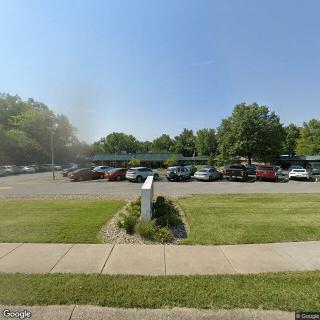
3317 Grant Line Road Suite 202, New Albany, IN 47150
To contact a resident: (812) 590-4817
For more information about senior living options: (866) 208-4318
Overall Review of Senior Helpers - New Albany, IN
Pros
 Laura is a great helper and is very considerate and conscientious.
- Sheba Reed is the very best caregiver.
- Sheba Reed has the patience of Job and is unfazed by anything her client does.
- Aubrey is an amazing caregiver.
- The mom's caretaker is like part of the family and is always available in emergencies.
- The caregivers and management staff provide professional, caring services.
Review
Senior Helpers - New Albany is best suited for families pursuing intensely personalized, at-home care with dementia-friendly pacing and strong caregiver continuity. It fits seniors who want to age in place, with reliable help for daily tasks, medication reminders, and routine monitoring in familiar surroundings. The reviews consistently spotlight caregivers who bring warmth and patience, especially with memory challenges, turning the home into a calm, predictable space. When Laura handles a case, families notice a level of attentiveness that makes everyday tasks smoother and less stressful for loved ones. The core value is human connection: familiar caregivers who respond quickly, respect boundaries, and become an integral part of the household routine. For progressive cognitive decline, the home-based setup paired with hands-on support can be a decisive advantage.
Those weighing options should be clear about who may want alternatives. If 24/7, fully supervised living with built-in peer interaction and structured activities inside a single residence is non-negotiable, a traditional assisted living or memory care community may serve better. In-home care hinges on the availability and compatibility of individual caregivers, which can create gaps if schedules clash or preferred caregivers aren’t always assigned. Families with very high daily care demand or who require constant around-the-clock presence may find the in-home model less predictable than a facility setting. If a strong emphasis on social programming, group outings, or shared meals is a priority, in-home care will offer less of that built-in structure. Weighing these factors against proven staff reliability is essential before committing to in-home services.
On the upside, the strongest advantages lie in caregiver quality and management responsiveness. Several caregivers are singled out for exceptional reliability: Laura’s attentiveness, Sheba Reed’s patience with dementia, and Aubrey’s standout performance. The staff shows competence plus genuine care, translating into calmer mornings, safer routines, and fewer crisis moments. Management is described as professional and accessible, with clear communication and quick problem resolution. That mix goes a long way toward offsetting the risk of variability in home-care assignments. When a client forms trust with a primary caregiver, the rest of the team becomes a dependable backup rather than a source of anxiety. In practice, continuity means fewer repositionings, steady medication reminders, and a more predictable daily rhythm for dementia care.
Another strong pro is integration into the household rather than an impersonal service. The best experiences describe caregivers who feel like family, available in emergencies and flexible enough to adapt to changing needs. That familiarity reduces agitation for seniors who avoid new faces and helps families sleep better at night. A second caregiver or alternates, as Aubrey is noted, signals the program’s readiness to preserve continuity when a primary caregiver isn’t available. This relief matters: when a caregiver takes a day off or falls ill, the program can mobilize a trusted substitute and keep care steady. For families seeking a gentle, respectful approach to daily tasks, dressing, bathing, mobility support, this model delivers tangible daily benefits that a rigid facility schedule often cannot match.
Yet, not every experience is flawless, and a few lower-rated reviews alongside the strong majority warrant cautions. In-home care can be uneven if a preferred caregiver isn’t consistently scheduled or if family-agency communication falters. The lower ratings suggest some families faced gaps in coverage or misaligned expectations about what the caregiver could provide. Given the model’s dependence on individual caregivers, this risk isn’t unusual, but it is real. Another caveat is the relative absence of built-in social programming; even with superb one-on-one attention, seniors can become isolated if visits don’t include community activities. Families should gauge how much institutional social life matters and whether the trade-off for personalized care is acceptable.
Decision-makers should anchor choices to current needs and future trajectory. For dementia care in a familiar dwelling with steady, compassionate hands, Senior Helpers - New Albany offers practical, emotionally reassuring advantages that few facilities match. Before committing, interview caregivers with a focus on continuity: is there a preferred caregiver, what is the plan for backup coverage, and how will emergencies be handled? Arrange a trial period if possible and set explicit expectations for hours, tasks, and communication. Confirm the agency’s caregiver-matching process and request references from other families with similar needs. If the loved one values a quiet, respectful routine, consistent presence, and a home-like atmosphere, this option can be a powerful enabler of independence. If a built-in social calendar or stronger daily supervision is essential, compare against a traditional assisted living or memory care to avoid future regrets.
 Louisville International-Standiford (10 miles away)





 Understanding Home Health Care: A Comprehensive Guide
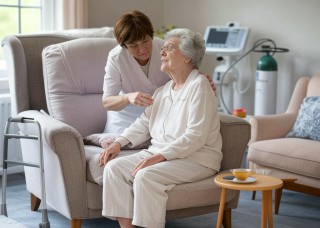 Home Health Care Demystified: A Comprehensive Guide for Families and Caregivers
 Seniors and Modern Transportation: Exploring Uber, Lyft, and Other Ride-Hailing Options