For more information about senior living options: (866) 208-4318
3.1 from 69 reviews
5 stars
32
4 stars
4
3 stars
3
2 stars
1
1 stars
29
Overall Review of Wedgewood Healthcare Center
common30 reviews mention this
Staff care is often described warmly
Residents and families frequently describe the staff as caring, attentive, and professional.
Many reviews highlight positive day-to-day attention, including nurses and therapy teams who help residents feel supported. A number of reviewers specifically call out nurses by name and describe responsiveness to concerns. Several also mention friendly interactions and a clean, welcoming feel from staff when they visited or moved a loved one in.
caveat13 reviews mention this
Staffing and call response concerns recur
Some reviews describe slow response times and inconsistent staffing.
A recurring complaint is that call lights and care requests take too long, especially during nights. Multiple reviewers describe limited help on shift, delays with medications, and difficulty getting assistance with basic needs like toileting or bathing. Even among mixed reviews, the overall concern is that care depends heavily on which shift staff are working.
caveat11 reviews mention this
Food quality and options are debated
Food quality and dietary options are inconsistent in reviews.
Several residents and families criticize meals as poorly prepared, mediocre, or inconsistent, including accounts of greasy food and insufficient meal fulfillment. There are also specific concerns about diabetic food options and residents not getting proper portions. Other reviews acknowledge food is not always great but describe it as basic or merely mediocre, so expectations appear mixed.
caveat10 reviews mention this
Cleanliness and odors are mixed
Reviews give a mixed picture of cleanliness and odors.
Some reviewers describe the facility as clean, well kept, and not having a strong nursing-home smell. Others report the opposite, including statements about being filthy, unpleasant odors, and poor housekeeping. A separate set of comments also points to cleanliness breakdowns like dirty linens or surfaces not being properly maintained.
differentiator8 reviews mention this
Rehab and therapy are highlighted
Rehabilitation and therapy are frequently cited as a reason families chose to stay.
A number of reviews credit the therapy team with helping residents regain mobility or make progress toward returning home. Several describe physical therapy as highly trained and motivated, and some connect that support to meaningful recovery milestones. Other reviews are critical of care overall, but rehab-specific experiences are often described as a clear bright spot.
How we summarize
Counts show how many written reviews mention each theme; a review can touch several themes, and only frequently mentioned themes are displayed.
Features
Housing
124 resident community capacity
Types of Care
Assisted Living
Skilled Nursing Facility
Amenities
Air-conditioning
Beauty salon
Cable or satellite TV
Computer center
Dining room
Fitness room
Fully furnished
Gaming room
Garden
Housekeeping services
Kitchenette
Move-in coordination
Outdoor space
Private bathrooms
Restaurant-style dining
Small library
Telephone
Wellness center
Wi-Fi/high-speed internet available
Transportation
Louisville International-Standiford (11 miles away)
Community operated transportation
Transportation arrangement
Care Services
24-hour call system
24-hour supervision
Activities of daily living assistance
Assistance with bathing
Assistance with dressing
Assistance with transfers
Diabetes diet
Meal preparation and service
Medication management
Special dietary restrictions
Dining
Diabetes diet
Special dietary restrictions
Activities
Community-sponsored activities
Concierge services
Fitness programs
Planned day trips
Resident-run activities
Scheduled daily activities
Videos
Nearby Places of Interest
Physicians
Norton Community Medical Associates - Clarksville (1 miles)
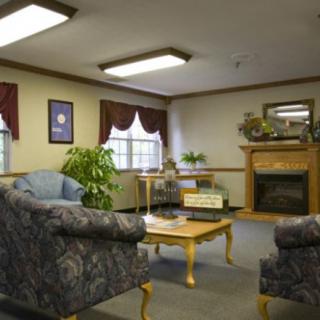
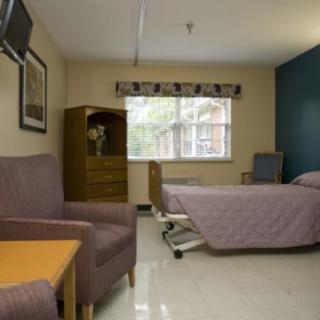
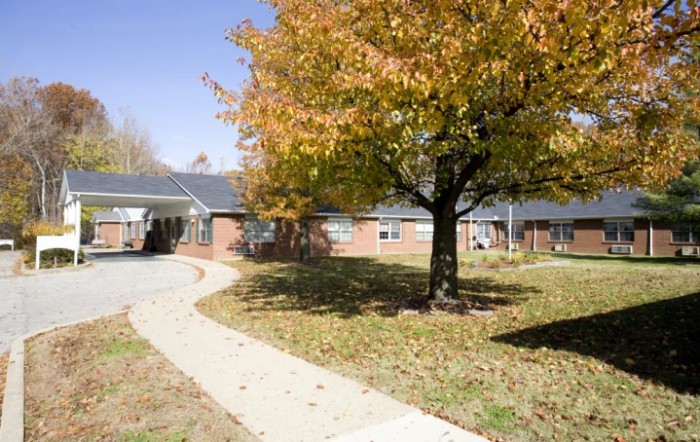
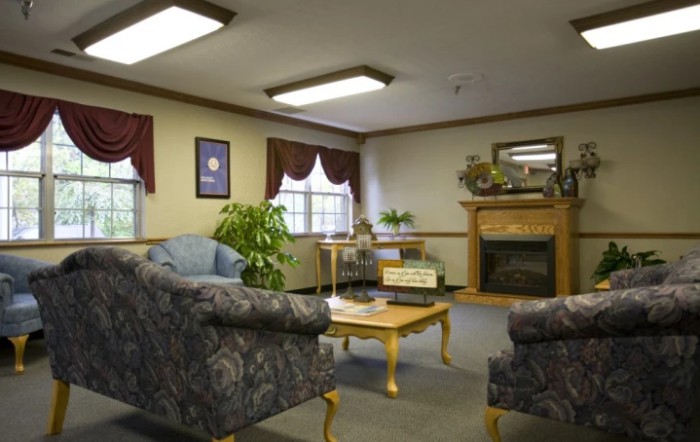
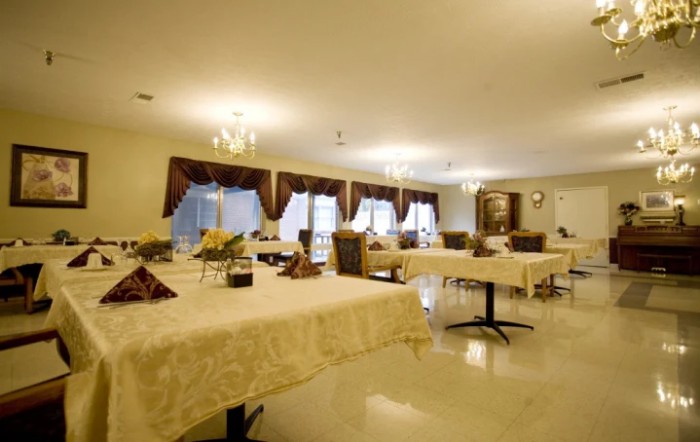
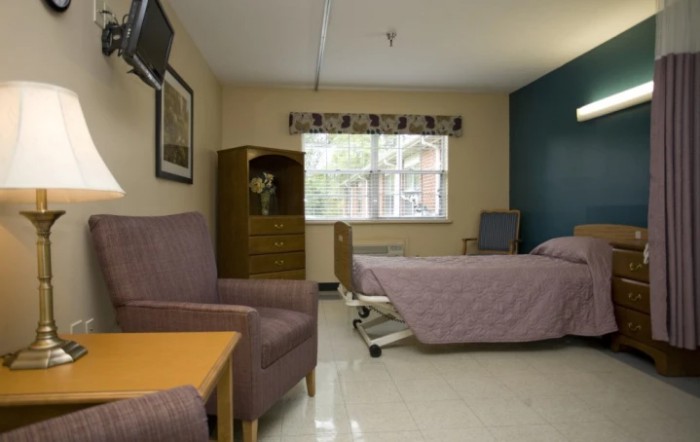
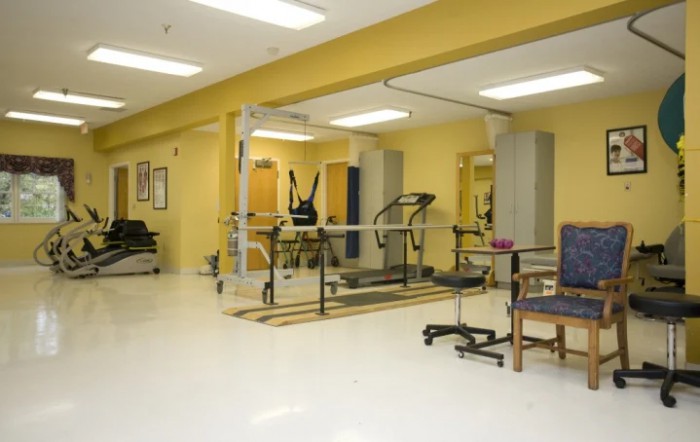
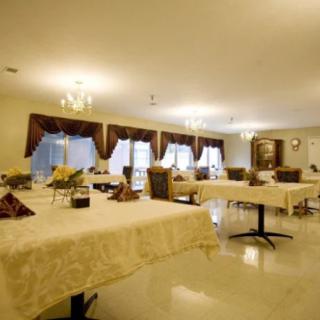
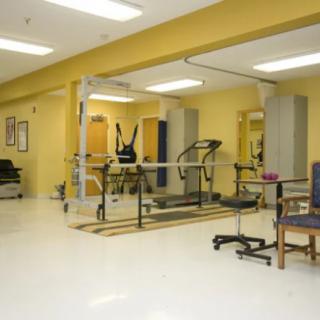
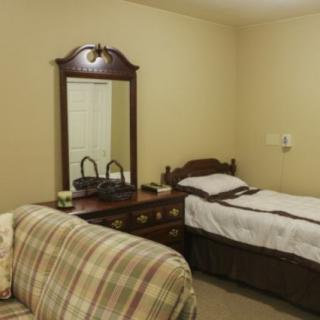
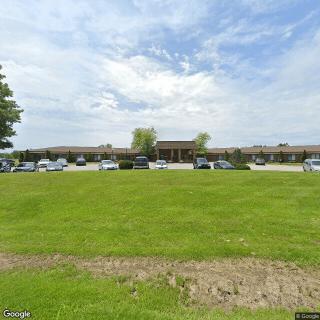
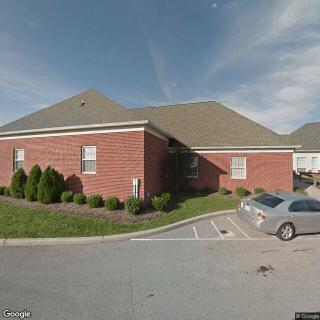
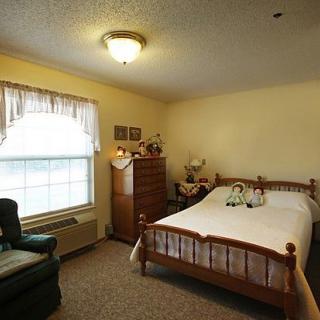
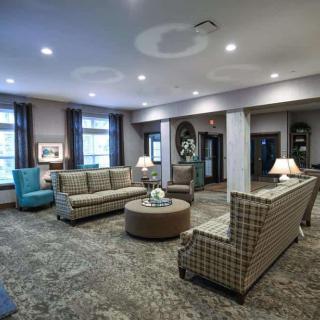
Wedgewood Healthcare Center on seniors.fyi includes 5 photos including images showing windows, interior, decor, dining, chandelier, bedroom, television, rehabilitation, and more.
Assisted living in 2025 offers a crucial balance of independence and support for seniors, with costs varying from $2,500 to over $7,000 per month based on factors such as location and care level. Understanding pricing complexities, including regional differences and potential hidden fees, is essential for families to plan financially while ensuring quality care for their loved ones.
The guide outlines the complexities of Medicaid coverage for assisted living, highlighting significant state-to-state variations, limited coverage often restricted to personal care services, and the existence of specialized waivers for certain needs like memory care. It advises families to consult local Medicaid offices for options while emphasizing the importance of understanding state-specific regulations and facility policies.
Medicaid coverage for assisted living varies by state and is primarily available to low-income individuals, with eligibility dependent on strict income and asset limits. Some states offer HCBS waivers for specific services in assisted living, but families must generally cover room and board costs, and should verify facility acceptance of Medicaid while considering potential waiting lists.
Rehabilitation, Physical Therapy, and Exercise Room
Get PricingAsk A QuestionSchedule A TourContact Senior Advisor
By clicking submit, you agree to our Partner's Terms of Use. You
also consent to receive calls and texts, which may be autodialed, from our Partner. Your consent is not a condition to
using our Partner's service. Please visit our Partner's Privacy Policy for information about their privacy practices.

 124 resident community capacity
 Assisted Living
 Skilled Nursing Facility
 Air-conditioning
 Beauty salon
 Cable or satellite TV
 Computer center
 Dining room
 Fitness room
 Fully furnished
 Gaming room
 Garden
 Housekeeping services
 Kitchenette
 Move-in coordination
 Outdoor space
 Private bathrooms
 Restaurant-style dining
 Small library
 Telephone
 Wellness center
 Wi-Fi/high-speed internet available
 Louisville International-Standiford (11 miles away)
 Community operated transportation
 24-hour call system
 Activities of daily living assistance
 Assistance with bathing
 Assistance with dressing
 Assistance with transfers
 Diabetes diet
 Medication management
 Special dietary restrictions
 Concierge services
 Planned day trips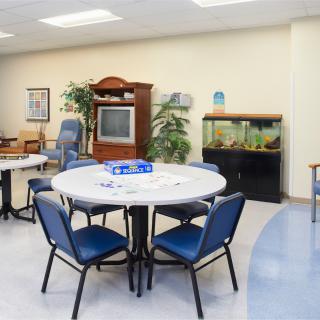
 Around-the-clock supervision with ADL support and care coordination.
 Understanding the True Cost of Assisted Living in 2025: A Comprehensive Guide
 Understanding Medicaid Coverage for Assisted Living: A Comprehensive Guide
 How and When Medicaid May Cover Assisted Living Costs