
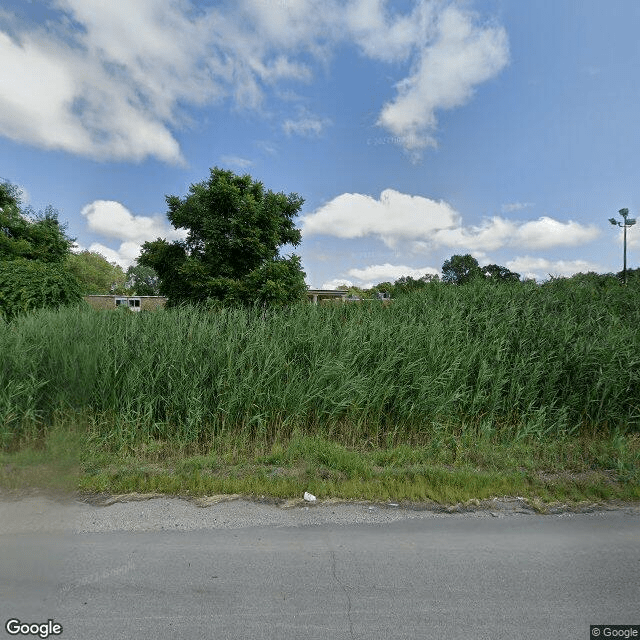
2075 Ripley Street, Lake Station, IN 46405
For more information about senior living options: (866) 208-4318
Lake Park Residential Care Costs & Pricing
Lake Park Residential Care offers a more affordable option for residents seeking studio accommodations, with a monthly cost of $1,529. This rate is significantly lower than both the average costs in Lake County, which stands at $3,986, and the state average for Indiana at $3,258. By providing competitive pricing without compromising on care quality, Lake Park Residential Care positions itself as an attractive choice for individuals and families looking for reasonable rates in a supportive environment.
| Floor plans | Lake Park Residential Care | Lake County | Indiana |
|---|---|---|---|
| Studio | $1,529 | $3,986 | $3,258 |
Assisted Living communities with a similar price nearby
-
from +$73 / mo

Wittenberg Village
$1,602 to $4,031 / month13.8 miles away -
from +$91 / mo
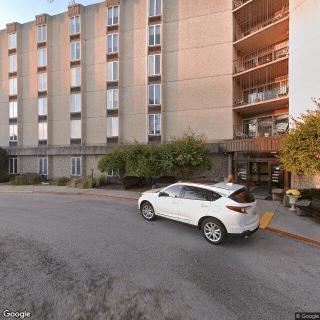
Rest Haven Holland Home
$1,620 to $2,980 / month19.2 miles away -
from -$179 / mo

Elevate South Holland
$1,350 to $1,595 / month19.2 miles away
Overall Review of Lake Park Residential Care
Pros
 The staff are very good.
- The facility is clean.
- The environment is clean.
- The atmosphere is friendly.
Cons
 It is the worst place to stay.
- It is the worst place to place a loved one.
- The staff mocks residents and cannot provide help when needed.
- The facility takes residents' money and offers little to spend.
- The beds do not get changed and the environment feels poorly managed.
- The staff treats residents badly, and management thrives on the drama.
- The facility should be shut down due to alleged privacy violations and neglect.
- The facility is a disgrace.
Review
Lake Park Residential Care in Lake Station, IN is best suited for families seeking a basic assisted-living option with on-site nursing presence and a clean, orderly environment, coupled with a willingness to actively oversee care and push staff when needs arise. The facility advertises a sizable population, roughly 150 residents, with a full-time nursing staff, and several reviews note the environment is clean and the staff can be very good in certain situations. For families prioritizing routine coverage and a straightforward setting, Lake Park can feel adequate on paper, provided attentive advocacy accompanies every step of care.
However, the community should not be chosen without a clear understanding of substantial red flags that recur across multiple reports. A large group of reviewers describe management as problematic, with frequent complaints about how residents are treated over the phone and in person, and a sense that issues are dismissed rather than resolved. The most serious concerns center on perceived neglect, poor responsiveness to requests for help, and a culture where drama appears to govern daily operation rather than consistent, resident-centered care. This is not a place to rely on incidental goodwill; it requires constant, hands-on oversight from families or trusted representatives.
The key pros, cleanliness, a seemingly calm atmosphere, and the presence of a full-time nursing staff, are meaningful in assisted living, but they do not reliably offset the principal drawbacks. A clean facility lowers infection risk and supports comfort, and a dedicated nursing team provides essential medical oversight. Yet without consistent, respectful, and timely engagement from management and front-line staff, those advantages quickly erode. When requests for assistance are met with laughter, delays, or dismissiveness, even a well-maintained building fails to deliver safe, dignified care. In short, the positives exist, but they are fragile in a climate alleged to be fraught with leadership turnover and resident-management friction.
Financial transparency emerges as another decisive fault line. Reviewers describe financial practices that feel opaque or punitive, with one account suggesting residents are left with only a small amount of discretionary funds while the bulk of resources is tied up in ongoing care. The impression that money and access to personal funds are not handled with clarity or security is a non-starter for families safeguarding a loved one’s resources. The prudent response is to pursue written, itemized billing, a clear breakdown of services included in the rate, and a formal process for reviewing any trust or personal bill accounts before committing to residency. If such documentation cannot be produced promptly, that alone should steer families toward alternatives.
From a safety and care-quality standpoint, several reviews raise acute concerns that demand direct verification. Reports of beds not being changed, ongoing staff drama, and a management culture that seems to tolerate dysfunction create a hazardous undercurrent, especially for residents with higher care needs. Reports that HIPAA information was mishandled further compound risk. Before choosing Lake Park, prospective families should request a detailed tour with focus on staffing patterns, turnover rates, wound-care protocols, call-bell response times, medication management procedures, and incident-report histories. Checking the facility’s licensing and inspection records with state authorities can provide objective context to these claims.
The bottom-line decision is decisive: Lake Park may satisfy families seeking affordability and a clean, staffed environment, but it carries significant risk for anyone prioritizing reliable, respectful, and financially transparent care. This site is not appropriate for high-dependency residents who require consistent, proactive intervention and unambiguous financial governance, nor for families unwilling to engage in persistent advocacy. Alternatives should be seriously considered, prefer facilities with demonstrably stable leadership, transparent billing, rapid responsiveness, and a culture that places resident dignity at the forefront. If Lake Park is pursued, prepare a comprehensive plan: schedule in-depth tours, demand current inspection and complaint records, insist on written financial disclosures, establish a clear escalation path for concerns, and appoint a vigilant point person to oversee daily care and documentation.
 151 resident community capacity
 Assisted Living
 Activities on-site
 Air-conditioning
 Beauty salon
 Cable or satellite TV
 Computer center
 Devotional services off-site
 Dining room
 Fitness room
 Fully furnished
 Gaming room
 Garden
 Housekeeping services
 Indoor common areas
 Kitchenette
 Move-in coordination
 Outdoor space
 Private bathrooms
 Restaurant-style dining
 Small library
 Telephone
 Wellness center
 Wi-Fi/high-speed internet available
 Community operated transportation
 12-16 hour nursing
 24-hour call system
 Ambulatory care
 Assistance with bathing
 Assistance with dressing
 Assistance with transfers
 Diabetes diet
 Diabetic care
 Medication management
 Mental wellness program
 Special dietary restrictions
 Concierge services
 Planned day trips




 Assisted Living and Memory Care: Understanding Their Core Differences
 Beyond the Bingo Hall: 50+ Enriching Activities for Seniors in Assisted Living
 Understanding the Distinctions: Assisted Living and Memory Care Explained