Twin Falls Center

Save

Twin Falls Center

Information last verified:

674 Eastland Drive, Twin Falls, ID 83301

For more information about senior living options: (844) 490-3973

4.3 from 89 reviews
5 stars
68
4 stars
6
3 stars
0
2 stars
5
1 stars
10

Seniors.FYI Elite Community Awards

Top 5% Senior Living Community in 2024

Add this award to your website

Overall Review of Twin Falls Center

Pros

  • pro The staff are amazing and dedicated.
  • pro The facility is clean and well managed.
  • pro The staff engage well with residents and support the healing process.
  • pro The therapy team works well together and helps patients get back home.
  • pro The staff are knowledgeable, skilled, and passionate about resident care.
  • pro The management team goes above and beyond to ensure the best care.
  • pro Every staff member loves what they do, and it shows in the level of care.
  • pro The activity department is amazing and engaging for residents.
  • pro The CNAs and nurses are caring, kind, respectful, and attentive to residents.
  • pro The care and therapy at the facility are top-notch and focused on outcomes.

Cons

  • pro The rehab-focused revenue model appears to prioritize intake and long-term placement, leaving chronically ill residents underserved.
  • pro Speech rehabilitation was described as a mere checkbox to funnel Medicare dollars rather than genuinely helping patients.
  • pro Medical oversight was negligent, with rounds scheduled too early and little attention to serious needs.
  • pro Some staff were rude or unprofessional, undermining patient care.
  • pro The facility was described as hell, with nurses laughing at patients and some staff failing to feed residents.
  • pro Day-to-day staff sometimes seemed indifferent and unreceptive to residents' concerns, leading to slow or missing responses.
  • pro There were not enough staff to support activities and resident engagement, making programs unreliable.
  • pro There were reports of residents being starved or underfed, indicating serious quality concerns.
  • pro Communications about care and prognosis could leave families in limbo for weeks.

Review

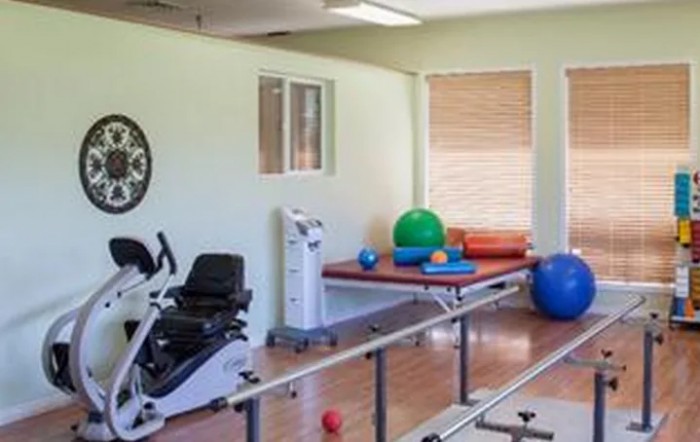
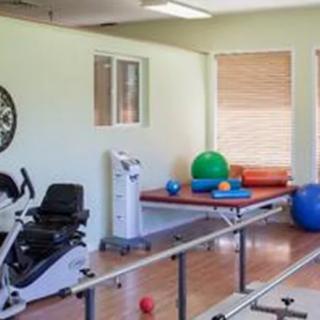
Twin Falls Center is best suited for families navigating a transitional care path after a medical event, most notably a stroke or major rehab need, where the goal is to regain function while staying on a campus that offers on-site skilled nursing and ongoing medical oversight. The facility markets a rehab-first approach with a short-term unit and access to physical, occupational, and speech therapy alongside a nurse practitioner and physician presence. For residents with substantial medical needs who still have a realistic recovery objective, this setting supports a recovery-to-home trajectory rather than a straight, long-term custodial placement. It is a strong pick for those seeking a defined bridge between inpatient rehab and eventual independent or assisted living, rather than a pure long-term care home.

Who should consider alternatives is explicit: families prioritizing relentless, 24/7 chronic medical management should scrutinize whether this campus truly delivers the day-to-day, high-touch oversight required. Multiple reviews flag gaps in ongoing care coordination and long-term planning, with some residents shifted from rehab to assisted living without a clear, enduring plan. For individuals with severe dementia, high flight risk, or pronounced behavioral challenges, resources at times appear insufficient. Out-of-state families frequently report communication hurdles and limited involvement, which can complicate decision-making. If continuous, robust chronic-care safety and daily medical touchpoints are non-negotiable, exploring other hospital-affiliated or larger, resource-rich centers is prudent.

The strongest positives center on rehab quality and the medical support structure. The rehab program, including well-regarded therapy teams, tends to produce real gains in mobility and independence, while the on-site NP and nursing staff provide concrete medical continuity during recovery. Families repeatedly praise staff for kindness, attentiveness, and the sense of a welcoming, home-like atmosphere during a stressful transition. Clean facilities, engaging activities, and consistently compassionate CNAs, nurses, and therapists bolster confidence that a resident’s day-to-day needs will be met. The counterpoint resides in recurring themes of inconsistent care planning, staffing fluctuations on certain shifts, occasional delays in assistance, and communication gaps that leave families wondering about a resident’s status or progress.

These positives offset the negatives most of the time when the focus is strictly on rehabilitation outcomes and short-term care within a single campus. A well-staffed rehab unit paired with an integrated medical team creates a credible path to meaningful functional improvement and a smoother handoff to assisted living if needed. Where the system shines, strong therapy results and accessible medical oversight translate into tangible, practical benefits, faster progress toward goals and clearer updates for families. But the offset only holds when staffing is stable and care coordination is tight; where those elements falter, the same strengths cannot fully compensate for delays, miscommunications, or perceived gaps in long-term planning.

For practical decision-making, prospective residents should tour with a sharp checklist: ask about staffing ratios, how coverage is allocated across shifts, and how care plans are coordinated among rehab therapists, RNs, and the on-site physician team. Seek clarity on long-term support for residents who require ongoing disease management, cognitive support, and safety monitoring, and request concrete information about how medication administration and charting are verified. It is wise to meet the on-site NP and the therapy director, and to request recent quality metrics or performance updates. The right fit hinges on aligning rehabilitation goals with a clear, reliable long-term care strategy, something this campus typically can deliver, provided expectations are set and sustained by proactive, well-coordinated care.

Bottom line: Twin Falls Center offers a credible, rehab-oriented path with standout therapy outcomes and a compassionate clinical team. It is particularly appropriate for residents aiming to rebound from a stroke or surgical rehab while staying within a single medical ecosystem. Yet for families needing unwavering, comprehensive long-term medical oversight, robust dementia-specific safety, or seamless continuity of care regardless of rehab status, it pays to look at alternatives. The facility can be an excellent bridge when care-coordination, staffing stability, and family engagement align with the resident’s recovery goals. When those conditions are in place, the combination of strong rehab and medical support makes it a practical, results-oriented choice.

Features

Housing

  • 21 resident community capacity 21 resident community capacity

Types of Care

  • Assisted Living Assisted LivingAssisted living facilities provide crucial support and care for seniors who may need help with daily tasks such as medication management, bathing, and meal preparation. These communities offer a safe and comfortable environment where seniors can maintain their independence while receiving the assistance they need to thrive in their golden years.
  • Skilled Nursing Facility Skilled Nursing FacilitySkilled Nursing Facilities are crucial for seniors as they provide round-the-clock medical care, rehabilitation services, and assistance with daily activities. These facilities ensure that seniors receive the specialized care they need to maintain their health and well-being as they age.

Amenities

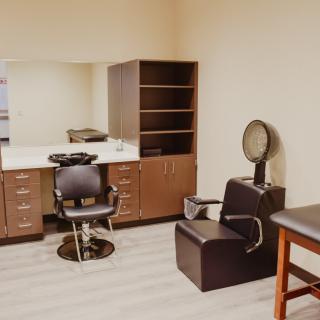
  • Beauty salon Beauty salonBeauty salons are important for seniors because they provide a space for them to feel pampered, socialize, and maintain their personal grooming and hygiene. Regular visits to a beauty salon can help boost seniors' self-esteem and overall well-being.
  • Cable or satellite TV Cable or satellite TVCable or satellite TV is important for seniors because it provides entertainment, news, and companionship, helping to combat loneliness and boredom. It also offers a wide range of programming options tailored to different interests and preferences.
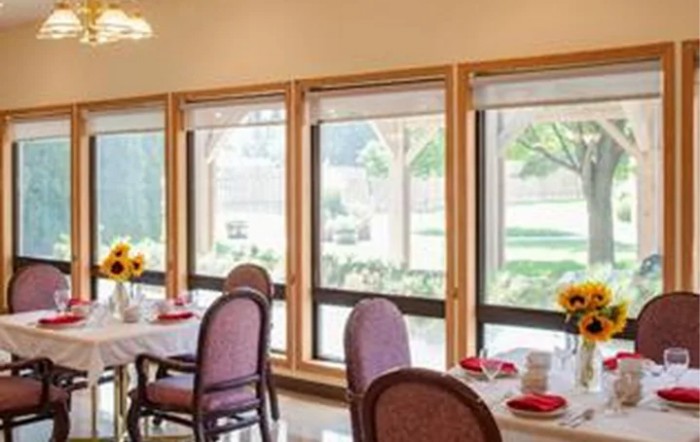
  • Dining room Dining roomDining rooms are important for seniors as they provide a space for socialization, connection, and nutritious meals. They offer opportunities for residents to bond over shared meals, foster a sense of community, and promote healthy eating habits. Dining rooms also ensure that seniors have access to well-balanced meals tailored to their dietary needs and preferences.
  • Fully furnished Fully furnishedFully furnished senior living communities are important for seniors because they provide convenience, comfort, and a hassle-free moving experience. Seniors can easily settle into their new living space without the stress of having to buy and move furniture. This allows them to focus on enjoying their new home and community.
  • Garden GardenGardens are important for seniors as they provide a peaceful and therapeutic environment for relaxation, physical activity, and socialization. Being in nature has been shown to reduce stress, improve mood, and promote overall well-being. Gardens also offer opportunities for seniors to engage in gardening activities, which can improve mobility, flexibility, and cognitive function. Additionally, gardens create a sense of community and connection with others who share a passion for plants and outdoor spaces.
  • Housekeeping services Housekeeping servicesHousekeeping services are important for seniors because they help maintain a clean and safe living environment, promote independence, and reduce the risk of accidents or illnesses. Additionally, having assistance with household chores can alleviate physical strain and allow seniors to focus on other aspects of their well-being.
  • Kitchenette KitchenetteKitchenettes are important for seniors living in senior living communities because they provide the convenience and independence of being able to prepare simple meals and snacks in the comfort of their own living space. This can help promote a sense of autonomy and well-being for seniors, allowing them to maintain some level of control over their dietary choices and daily routines.
  • Move-in coordination Move-in coordinationMove-in coordination is important for seniors because it helps ease the transition into their new living environment. It ensures that all logistics, such as packing, organizing movers, and setting up utilities are taken care of, allowing seniors to focus on settling in and adjusting to their new home. Having a smooth move-in process can alleviate stress and anxiety, making the transition smoother and more enjoyable for seniors.
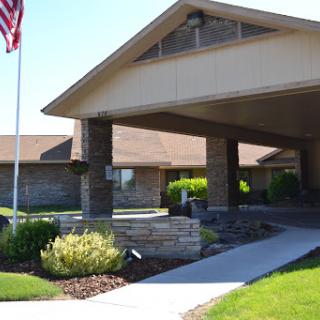
  • Outdoor space Outdoor spaceOutdoor spaces are important for seniors as they provide opportunities for physical activity, social interaction, exposure to natural light and fresh air, and a sense of connection to nature. Having access to outdoor spaces can improve overall well-being and quality of life for older adults living in senior communities.
  • Telephone TelephoneTelephones are important for seniors as they provide a lifeline for communication with loved ones, emergency services, and healthcare providers. They offer a sense of security and independence, enabling seniors to stay connected and access assistance when needed.
  • Wi-Fi/high-speed internet available Wi-Fi/high-speed internet availableWi-Fi/high-speed internet is important for seniors to stay connected with loved ones, access online resources, and participate in virtual activities to combat feelings of loneliness and isolation. It also allows them to easily manage healthcare needs, access entertainment, and engage in lifelong learning opportunities.

Transportation

  • Joslin Field - Magic Valley (6 miles away) Joslin Field - Magic Valley (6 miles away)

Care Services

  • 24-hour call system 24-hour call system24-hour call systems are important for seniors because they provide peace of mind and immediate assistance in case of emergencies. This technology ensures that help is always available, promoting safety and security for elderly individuals living alone or in assisted living facilities.
  • 24-hour supervision 24-hour supervision24-hour supervision is important for seniors to ensure their safety, well-being, and access to immediate assistance in case of emergencies or health issues. This constant support provides peace of mind for both seniors and their loved ones, allowing them to age in place with dignity and security.
  • Activities of daily living assistance Activities of daily living assistanceActivities of daily living assistance are important for seniors because they provide essential support with tasks such as eating, bathing, dressing, and mobility. This assistance helps seniors maintain their independence, dignity, and overall quality of life as they age.
  • Assistance with bathing Assistance with bathingAssistance with bathing is crucial for seniors as it helps maintain personal hygiene, prevents infections, and ensures their overall well-being and comfort. It also provides a sense of dignity and independence for seniors who may struggle with this task on their own.
  • Assistance with dressing Assistance with dressingAssistance with dressing is important for seniors because it helps maintain their independence, promotes personal hygiene, prevents accidents and injuries, and improves overall quality of life. This service ensures that seniors can continue to dress comfortably and confidently, despite any physical limitations they may have.
  • Assistance with transfers Assistance with transfersAssistance with transfers is crucial for seniors as it helps prevent falls and injuries, maintains their independence, and ensures they can safely navigate their living environment. It also provides peace of mind for both seniors and their loved ones.
  • Coordination with health care providers Coordination with health care providersCoordination with health care providers is crucial for seniors to ensure proper medical care, medication management, and overall well-being. This collaboration helps prevent overlapping treatments, track progress more effectively, and provide comprehensive support tailored to individual needs.
  • Diabetes diet Diabetes dietA diabetes diet is crucial for seniors as it helps manage blood sugar levels, reduce risks of complications, and improve overall health and well-being. By following a balanced and nutritious diet tailored to their specific needs, seniors can better control their diabetes and enhance their quality of life.
  • Meal preparation and service Meal preparation and serviceMeal preparation and service are crucial for seniors as they may have limited mobility or energy to cook nutritious meals. Having access to healthy and convenient food options can ensure they are getting the proper nutrition needed to maintain their overall health and well-being.
  • Medication management Medication managementMedication management is crucial for seniors to ensure they are taking the right medications at the correct dosages and times. This helps prevent adverse drug interactions, reduces the risk of medication errors, and promotes overall health and well-being. Proactive management also allows for adjustments as needed based on changing health conditions or new prescriptions.
  • Mental wellness program Mental wellness programMental wellness programs are essential for seniors as they promote cognitive stimulation, emotional support, and social engagement. These programs help prevent isolation, depression, and cognitive decline, ultimately enhancing the overall quality of life for older adults.
  • Special dietary restrictions Special dietary restrictionsSpecial dietary restrictions are important for seniors because age-related changes in metabolism and health conditions can make it difficult for their bodies to process certain foods. By following a diet tailored to their specific needs, seniors can maintain their overall health and well-being, manage chronic conditions, and reduce the risk of complications such as malnutrition or food interactions with medications.
  • Transportation arrangement (medical) Transportation arrangement (medical)Transportation arrangements for medical purposes are essential for seniors as they may have difficulty driving themselves to appointments or accessing public transportation. Having reliable and safe transportation options ensures that seniors can receive timely medical care and maintain their health and well-being.
  • Transportation to doctors appointments Transportation to doctors appointmentsTransportation to doctors' appointments is crucial for seniors as it ensures they have access to necessary medical care and support for their health needs. Without reliable transportation, seniors may struggle to attend important appointments, leading to potential delays in treatment and health complications. Providing transportation services helps seniors maintain their overall well-being and quality of life.

Dining

  • Diabetes diet Diabetes dietA diabetes diet is crucial for seniors as it helps manage blood sugar levels, reduce risks of complications, and improve overall health and well-being. By following a balanced and nutritious diet tailored to their specific needs, seniors can better control their diabetes and enhance their quality of life.
  • Special dietary restrictions Special dietary restrictionsSpecial dietary restrictions are important for seniors because age-related changes in metabolism and health conditions can make it difficult for their bodies to process certain foods. By following a diet tailored to their specific needs, seniors can maintain their overall health and well-being, manage chronic conditions, and reduce the risk of complications such as malnutrition or food interactions with medications.

Activities

  • Community-sponsored activities Community-sponsored activitiesCommunity-sponsored activities are important for seniors as they provide opportunities for social interaction, mental stimulation, and physical activity. These activities can help improve overall well-being, combat loneliness and isolation, and promote a sense of belonging and purpose among older adults.
  • Scheduled daily activities Scheduled daily activitiesScheduled daily activities are important for seniors because they provide structure, socialization, mental stimulation, and physical activity. Engaging in regular activities can improve overall well-being and quality of life for seniors living in a community setting.

Description

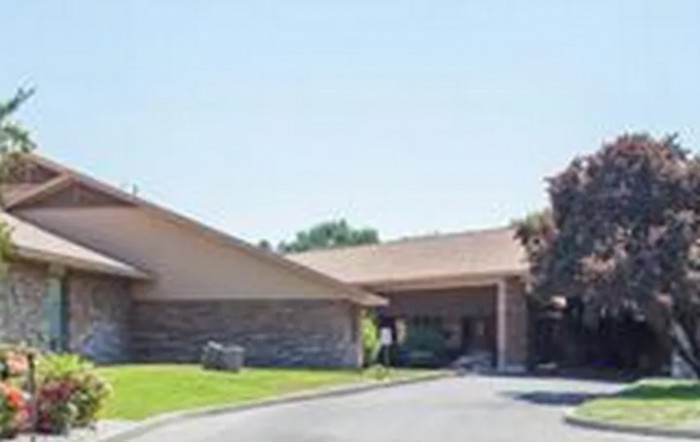
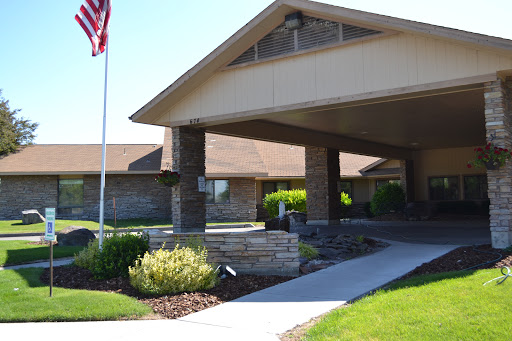
Twin Falls Center in Twin Falls, ID is a skilled nursing facility that provides various care services for seniors. Our residents can enjoy comfortable and fully furnished accommodations with amenities such as cable or satellite TV, a dining room, and Wi-Fi/high-speed internet.

We offer 24-hour supervision and assistance with daily living activities including bathing, dressing, and transfers. Our dedicated staff also coordinates with health care providers to ensure our residents receive the necessary medical attention. We provide specialized diets for diabetes and cater to special dietary restrictions.

At Twin Falls Center, we understand the importance of mental wellness. We have a mental wellness program in place to support the emotional health of our residents.

Transportation arrangements are available for medical appointments and we are conveniently located near various cafes, parks, pharmacies, physicians, restaurants, transportation options, places of worship, and hospitals.

Our assisted living community strives to create a welcoming and nurturing environment where our residents can feel safe and well-cared for.

Nearby Places of Interest

Places of Worship

  • Lighthouse Christian Fellowship (0.2 miles)
  • Ascension Twin Falls (0.7 miles)
  • The Place Where The Church Meets (0.9 miles)
  • Immanuel Lutheran School (0.9 miles)
  • Genealogical Library-Twin Falls Idaho (1.1 miles)
  • Grace Baptist Church (1.3 miles)
  • Christian & Missionary Alliance Church (1.6 miles)

Pharmacies

  • Kmart Pharmacy (0.3 miles)
  • Smith's Food & Drug (0.6 miles)
  • American Pharmacy Purchasing Alliance (1.1 miles)
  • R And R Pharmacy (1.2 miles)
  • Walgreens (1.2 miles)
  • Kurt's Pharmacy (1.4 miles)
  • Sav Mor Drug (1.6 miles)

Parks

  • Dierkes Lake (0.5 miles)
  • Drury Park (1.5 miles)
  • Jump Time (1.5 miles)
  • Twin Falls City Park (1.7 miles)

Physicians

  • Physicians Center (0.5 miles)
  • Lab Services at St Luke's Clinic Internal Medicine: Twin Falls, Addison Ave (0.5 miles)
  • St Luke's Clinic Physician Center: Twin Falls, Addison Ave (0.5 miles)
  • Poppleton Family Dentistry (1.2 miles)
  • St Luke's Physician Center: Downtown Clinic (1.3 miles)
  • Snake River Urology (1.3 miles)
  • Intermountain Spine and Orthopaedics (1.7 miles)

Restaurants

  • Pressbox Sports Bar (0.8 miles)
  • Sakura Steakhouse (1 miles)
  • Arby's (1.3 miles)
  • Sushi Ya (1.3 miles)
  • Sonic Drive-In (1.4 miles)
  • Idaho Joes (1.5 miles)
  • Juanitas Tacos and More (1.5 miles)

Transportation

  • U-Haul (1.2 miles)
  • U-Haul Moving & Storage (1.2 miles)
  • Lou's Wild-Bird Taxidermy (1.7 miles)
  • Eastern Idaho Railroad (1.8 miles)
  • Intermountain Taxidermy & Worldwide Adventures (2.3 miles)

Cafes

  • Java (1.2 miles)
  • Dutch Bros Coffee (1.3 miles)
  • Moxie Java Tuscany (1.3 miles)
  • Capriotti's Sandwich Shop (1.4 miles)
  • Starbucks (1.4 miles)
  • Yellow Brick Cafe (1.6 miles)
  • Twin Beans Coffee (1.9 miles)

Hospitals

  • St Luke's Magic Valley Sleep Institute (2.2 miles)
  • St Luke's Magic Valley Medical Center (2.3 miles)
  • Blue Cross Of Idaho Twin Falls District Office (2.4 miles)

Frequently Asked Questions

Where is Twin Falls Center?
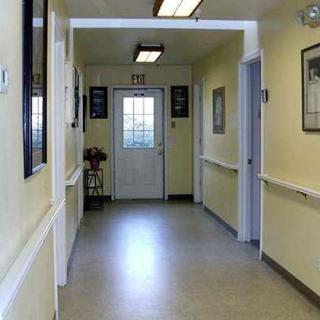
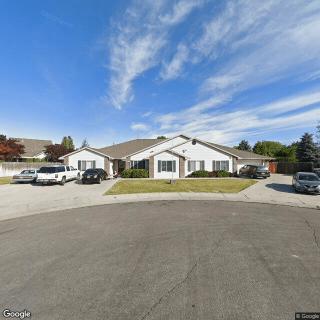
What photos are available for Twin Falls Center in Twin Falls, Idaho?

Nearby Communities

  • Twin Falls Care and Rehabilitation Center

    Twin Falls Care and Rehabilitation Center

    Twin Falls, ID

    4.3 from 96 reviews
    $5,200 to $5,502 / month

    pro Compassionate aides who give residents personal attention.
  • A Caring Hand Home Care

    A Caring Hand Home Care

    Twin Falls, ID

    4.4 from 32 reviews
     

    pro Compassionate, respectful caregivers with responsive office support.

  • Desert Rose Retirement Estates

    Desert Rose Retirement Estates

    Twin Falls, ID

    3 from 4 reviews
     

    pro Extensive nearby amenities and healthcare access.

  • Desert Rose Retirement Estate

    Desert Rose Retirement Estate

    Twin Falls, ID

    3 from 4 reviews
     

    pro Small 22-bed setting with comprehensive care including meals, housekeeping, medication management, and mental wellness.

  • Chardonnay Assisted Living

    Chardonnay Assisted Living

    Twin Falls, ID

    4.8 from 49 reviews
    $4,000 / month

    pro Caring staff and well-maintained rooms.

  • Cenoma House

    Cenoma House

    Twin Falls, ID

    4.9 from 8 reviews
     

    pro 24-hour supervision with specialized memory care in a fully furnished environment.

  • Rosetta Of Twin Falls

    Rosetta Of Twin Falls

    Twin Falls, ID

    4 from 24 reviews
     

    pro Family-run, close-knit setting with 24-hour supervision and diabetes-focused care.

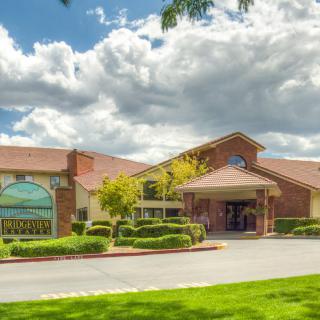
  • Bridgeview Estates

    Bridgeview Estates

    Twin Falls, ID

    4.4 from 135 reviews
    $1,995 to $2,595 / month

    pro Friendly staff, engaging activities, and restaurant-style dining.

  • Serenity Healthcare

    Serenity Healthcare

    Twin Falls, ID

    3.9 from 61 reviews
     

    pro Caring staff and a clean, well-maintained environment with visible recovery progress.

Assisted Living in Nearby Cities

Related Resources

  • assisted living costUnderstanding the True Cost of Assisted Living in 2025: A Comprehensive Guide

    Assisted living in 2025 offers a crucial balance of independence and support for seniors, with costs varying from $2,500 to over $7,000 per month based on factors such as location and care level. Understanding pricing complexities, including regional differences and potential hidden fees, is essential for families to plan financially while ensuring quality care for their loved ones.

  • does medicaid pay for assisted livingUnderstanding Medicaid Coverage for Assisted Living: A Comprehensive Guide

    The guide outlines the complexities of Medicaid coverage for assisted living, highlighting significant state-to-state variations, limited coverage often restricted to personal care services, and the existence of specialized waivers for certain needs like memory care. It advises families to consult local Medicaid offices for options while emphasizing the importance of understanding state-specific regulations and facility policies.

  • does medicaid pay for assisted livingHow and When Medicaid May Cover Assisted Living Costs
    Medicaid coverage for assisted living varies by state and is primarily available to low-income individuals, with eligibility dependent on strict income and asset limits. Some states offer HCBS waivers for specific services in assisted living, but families must generally cover room and board costs, and should verify facility acceptance of Medicaid while considering potential waiting lists.