
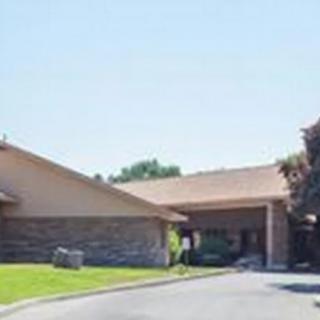
983 Gallup Drive, Twin Falls, ID 83301
For more information about senior living options: (866) 208-4318
Overall Review of Desert Rose Retirement Estate
Pros
 The staff and owners are wonderful.
- They provide the greatest care for loved ones.
- They are always present, inviting, and go above the call of duty.
- They are truly a godsend.
Cons
 The staff took photos of her in her nightgown twice.
- Her clothes were stolen as well.
Review
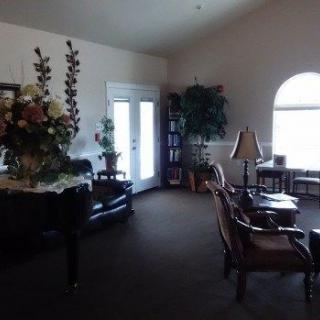
Desert Rose Retirement Estate in Twin Falls is best suited for families seeking a small, hands-on care environment where staff and owners are deeply involved in daily life. It works for residents who value personal connection, frequent face-to-face communication, and a warm, home-like atmosphere over a larger, more corporate setting. The community can be a strong fit for seniors needing daily assistance with activities, meaningful engagement, and a staff presence that feels truly accessible to families who want direct, ongoing involvement in care decisions.
Those who should consider alternatives include individuals with stringent privacy expectations or those who require a higher level of medical oversight and formal security. If boundary issues and privacy breaches are non-negotiable concerns, this setting may not provide the safeguards necessary to feel fully protected. Families seeking comprehensive memory care programming, broader activity schedules, or larger-scale governance with robust auditing may find more suitable options elsewhere. For anyone with valuables or highly sensitive personal privacy needs, additional due diligence is essential before committing.
The strongest advantage lies in the relational care model. The staff and owners are described as present, inviting, and willing to go above and beyond, creating a sense of trust and warmth that can markedly improve day-to-day well-being and reduce caregiver friction for families. That level of attentiveness translates into quicker response times, more personalized activities, and a caregiving atmosphere that feels deeply invested. These relational strengths, however, only go so far if privacy and security are in question; the positive care demeanor must be matched by credible safeguards to be truly sustainable.
The most serious concerns center on privacy and personal property. There are troubling reports of boundary violations, including alleged photographs taken of a resident in a nightgown and the theft of clothing. Even if these incidents are not universal, they undermine trust and demand transparent, verifiable processes: clear incident investigation procedures, visible staff supervision, consistent disciplinary measures, and timely, forthright communication with families. Until policies and practices demonstrate strong accountability, the appreciated warmth of caregiving cannot fully compensate for the risk to dignity and belongings.
Prospective families should approach with a focused checklist during tours and conversations. Demand current staff-to-resident ratios, turnover rates, and clarity about which owners are actively on-site. Inquire explicitly about privacy policies, especially around photography and personal items, and the procedures for reporting, investigating, and remedying any violations. Look for concrete examples of how incidents are prevented, resolved, and communicated, and verify contract language regarding liabilities or protections for losses. Observing the environment for visible security cues, and speaking candidly with current residents or families about their experiences, will illuminate whether the claimed care quality persists alongside solid safeguards.
In the end, Desert Rose serves best for families prioritizing intimate, relationship-driven caregiving with accessible leadership, provided that privacy protections and property security are no longer secondary concerns. For families where formal governance, stringent privacy safeguards, and a broader spectrum of services are non-negotiable, exploring alternatives is prudent. The decisive step is a thorough tour focused on incident handling, staff supervision, and personal-item security, followed by a candid assessment of whether the emotional warmth from staff can coexist with the strict safeguards necessary to protect dignity and possessions.
 22 resident community capacity
 Assisted Living
 Board and Care Home
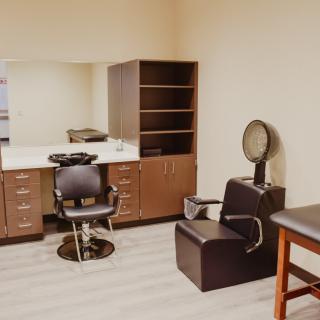
 Beauty salon
 Cable or satellite TV
 Dining room
 Fully furnished
 Garden
 Housekeeping services
 Kitchenette
 Move-in coordination
 Outdoor space
 Telephone
 Wi-Fi/high-speed internet available
 Joslin Field - Magic Valley (6 miles away)
 24-hour call system
 Activities of daily living assistance
 Assistance with bathing
 Assistance with dressing
 Assistance with transfers
 Diabetes diet
 Meal preparation and service
 Medication management
 Mental wellness program
 Special dietary restrictions
 Transportation arrangement (medical)
 Transportation to doctors appointments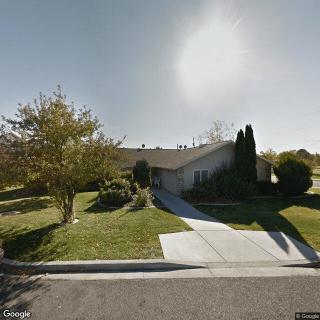
 Exploring the Path to Senior Living: A Comprehensive Look at Independent Living and Assisted Living
 Is Assisted Living Deductible on Your Taxes? Understanding the Complexities of Assisted Living Expenses and Deductions
 Assisted Living Support for Veterans: A Complete and Detailed Overview