
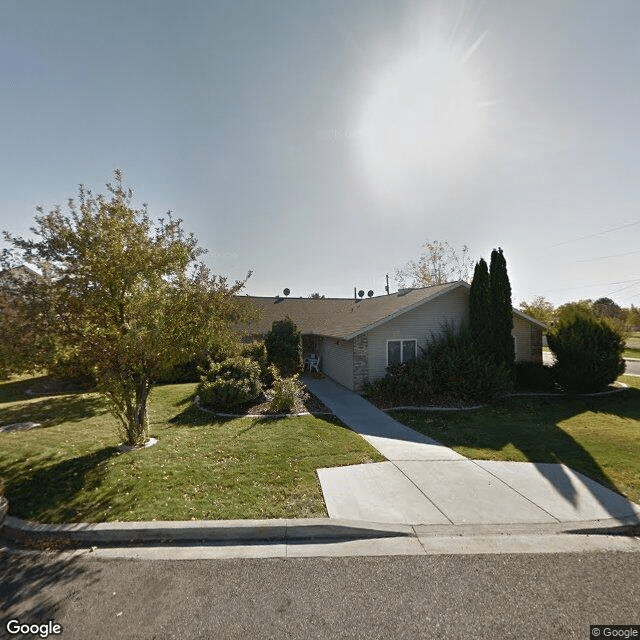
983 Gallup Dr, Twin Falls, ID 83301
To contact a resident: (208) 734-1866
For more information about senior living options: (866) 208-4318
Overall Review of Desert Rose Retirement Estates
Pros
 The staff and owners are wonderful.
- They provide the greatest care for their clients’ loved ones.
- They were always present, inviting, and went above the call of duty for their clients.
- They are truly a godsend.
Cons
 The guest's privacy was violated when photos were taken of her in a nightgown.
- The guest's clothes were stolen.
Review
Desert Rose Retirement Estates in Twin Falls, Idaho, is best suited for families that value a small, hands-on care team and a home-like atmosphere over institutional polish. The community earns its credibility through consistent ownership involvement and a staff that is visibly present, approachable, and ready to respond. Residents who thrive on personal relationships with caregivers, frequent check-ins, and a culture of staying closely connected to family members will find this setting practical and comforting. In essence, Desert Rose rewards a caregiving approach that feels intimate and responsive, even if it means accepting less formal structure in exchange.
However, not every family should consider Desert Rose. For residents who require stringent privacy protections, formalized safety protocols, or highly predictable routines, alternatives with stronger governance may feel more secure. The property has raised privacy concerns in multiple accounts, including allegations of intrusive photo-taking and mislaid personal belongings. When trust depends on clear, documented processes and robust incident reporting, those realities are hard to overlook. Families prioritizing a regimented, clearly auditable environment may want to examine other options before committing.
On the pro side, the strongest and most consistent praise centers on the people running Desert Rose. Owners and staff are described as present, welcoming, and willing to go above and beyond in service to residents and families. This translates into practical benefits: responsive caregiving, a sense that concerns will be heard, and a culture of doing whatever it takes to keep someone comfortable. The atmosphere can reduce anxiety for families worried about neglect or apathy. Such accessibility and warmth can translate into reliable daily routines, timely assistance with activities of daily living, and straightforward, open communication with the care team.
Yet the main drawbacks carry serious weight. The alleged privacy lapses and property mishaps point to gaps in supervision, policy enforcement, and day-to-day controls. If a resident’s photos can be taken without consent or clothing can vanish, the risk extends beyond embarrassment to potential violations of dignity and personal safety. These incidents can erode trust not only with residents but with families who must place personal belongings and private moments in staff hands. They are not minor irritants; they signal systemic weaknesses that could undermine a resident’s sense of security over time.
The central question is whether strong personal care can offset weaker privacy protections. For some families, the answer may be yes, provided there are credible assurances: clear privacy policies, transparent incident reporting, and demonstrable staff training on confidentiality, plus ongoing owner oversight. Prospective residents should demand concrete, written commitments covering privacy practices, how incidents are investigated, who has access to personal information, and how belongings are safeguarded. It is also prudent to speak with current residents or families to gauge whether reported improvements have taken root. If these assurances cannot be produced, exploring alternatives with more robust privacy controls is prudent.
In practical terms, Desert Rose represents a viable option for those who prize hands-on, personable care and can accept that privacy protections may not be consistently guaranteed. For families that cannot tolerate potential privacy violations or who require tighter security and formalized governance, looking at other communities, especially those with explicit privacy protocols or larger, more regulated operations, is a wise step. The mixed feedback, enthusiastic endorsements alongside serious red flags, highlights the necessity of due diligence: visit, interview, review written policies, and verify references before deciding. The right choice balances cherished daily care with safeguards that preserve dignity, privacy, and trust.
 Independent Living
 Joslin Field - Magic Valley (6 miles away)




 Nurturing Our Elders: Linda's Journey of Supporting Her Mother
 A Comprehensive Exploration of Common Misunderstandings about Powers of Attorney
 Senior Move Management: Understanding the Role, Value, and Associated Costs