For more information about senior living options: (866) 208-4318
3.9 from 71 reviews
5 stars
39
4 stars
14
3 stars
4
2 stars
2
1 stars
12
Overall Review of Serenity Healthcare
common5 reviews mention this
Rehab therapy is consistently praised
Rehab therapy support is repeatedly described as effective and encouraging.
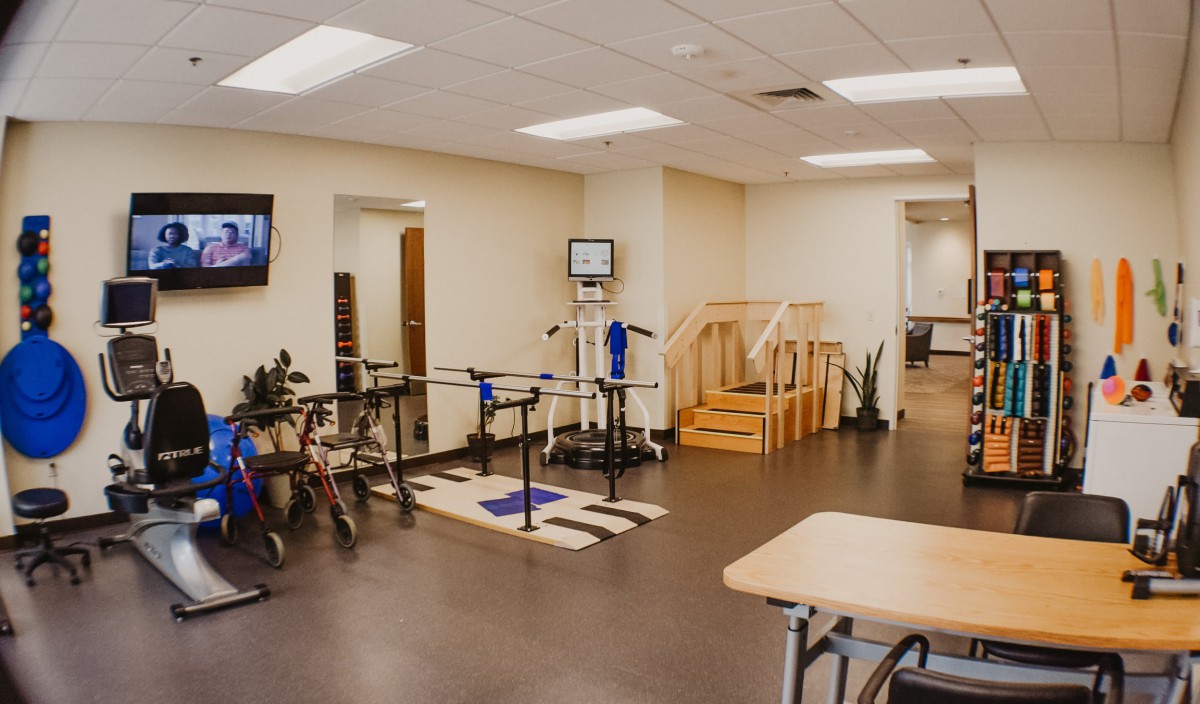
Residents and family members describe physical therapy and occupational therapy as a key part of the recovery experience, with therapists helping them work toward getting home. Multiple reviewers specifically call out consistent rehab progress after surgeries like a broken hip and hip surgery, and mention therapists who stay engaged when goals feel difficult. One reviewer also credits the staff with helping a loved one walk comfortably again on a short timeline.
common3 reviews mention this
Food and dining get compliments
Dining is a frequent bright spot, with several residents and families impressed by meals.
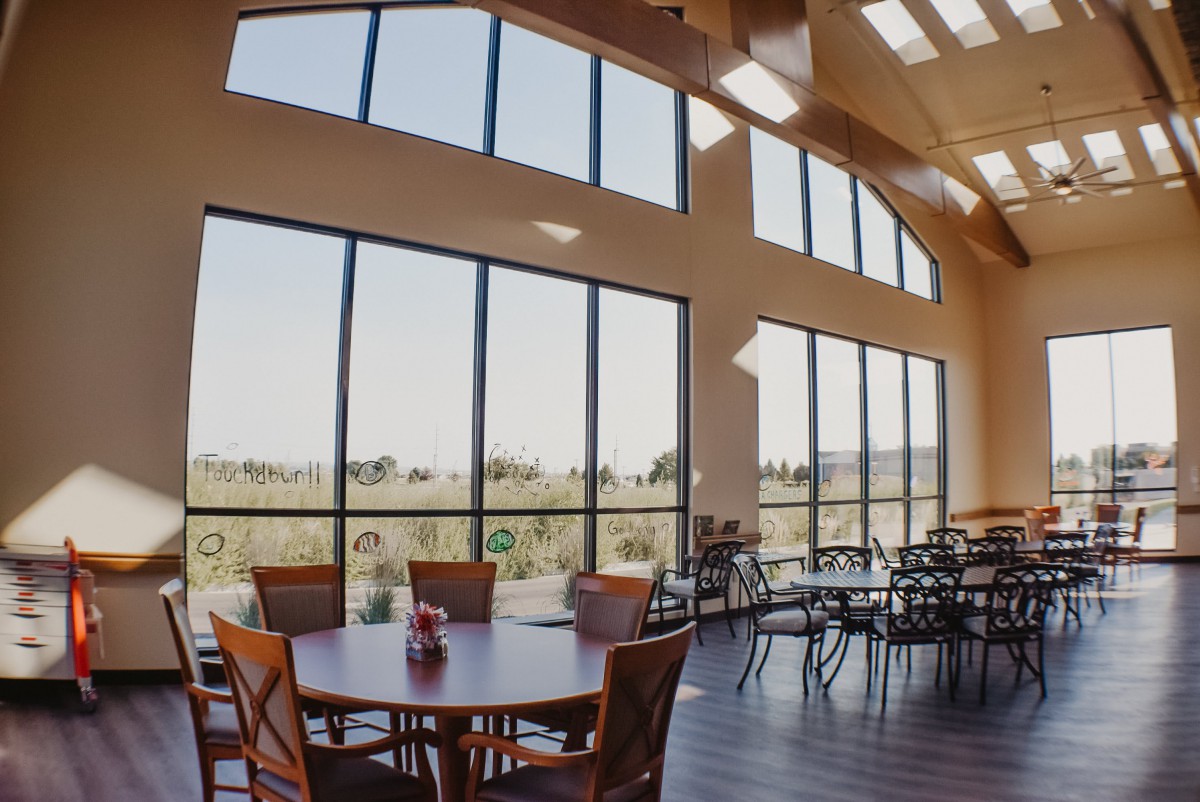
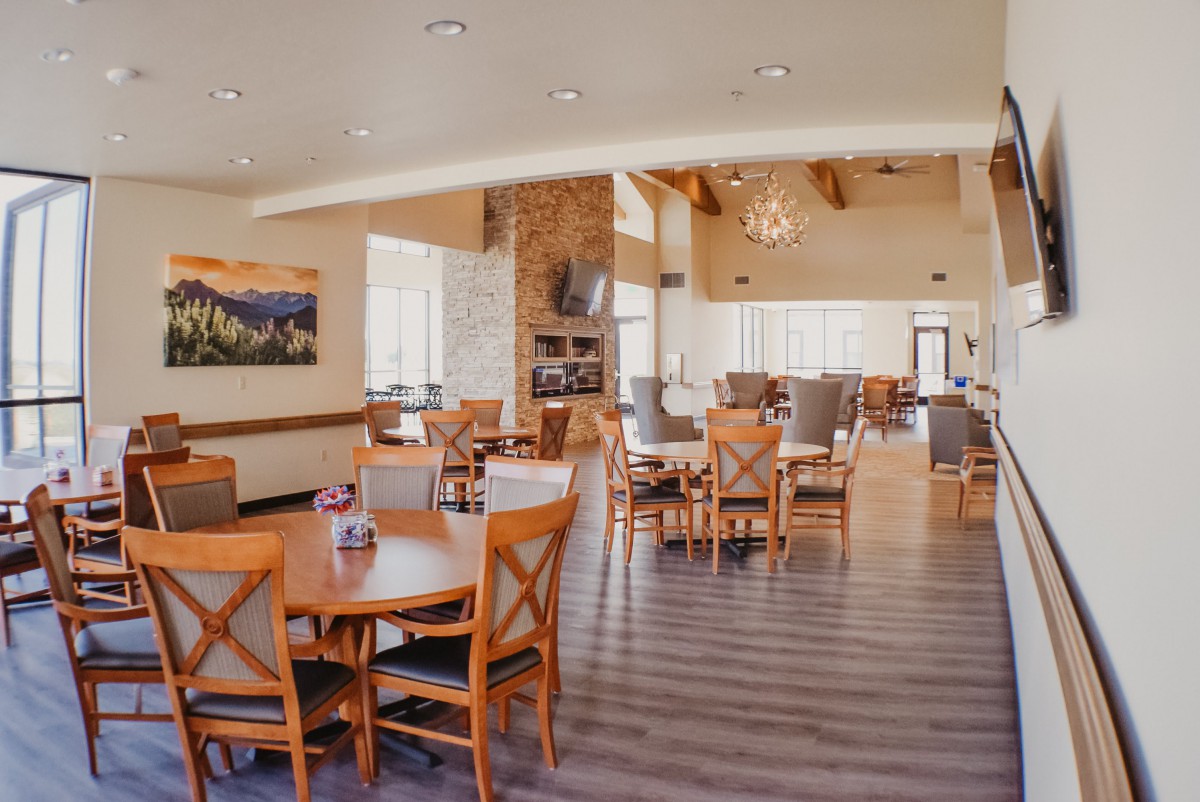
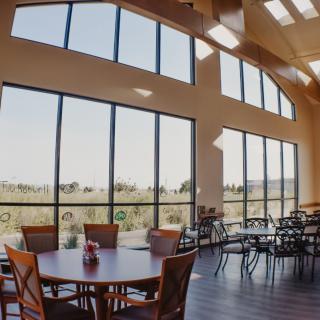
Several reviews mention the food positively, including comments that meals were very good and delicious. Families also describe the dining area as comparable to a restaurant, not just a place to eat. This aligns with the community offering restaurant-style dining along with meal preparation and service.
common6 reviews mention this
Clean, comfortable facilities stand out
Cleanliness and a comfortable setting come through clearly in reviews.
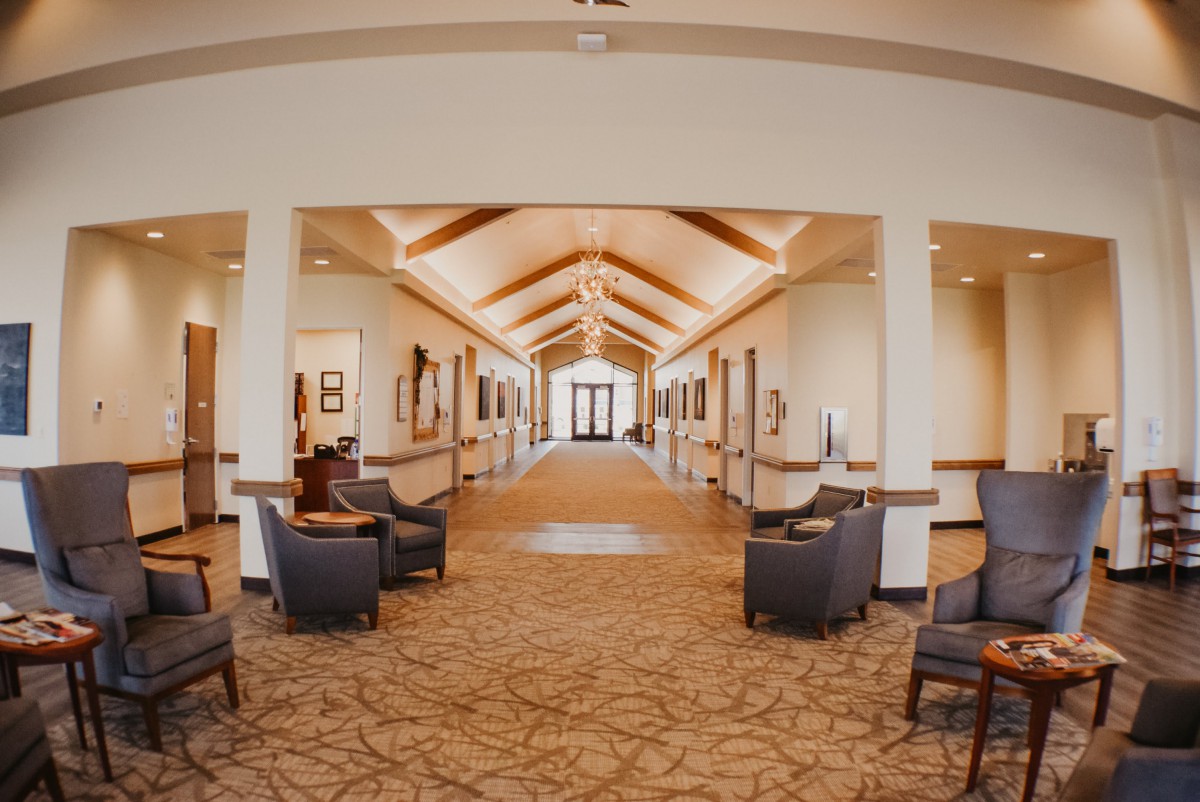
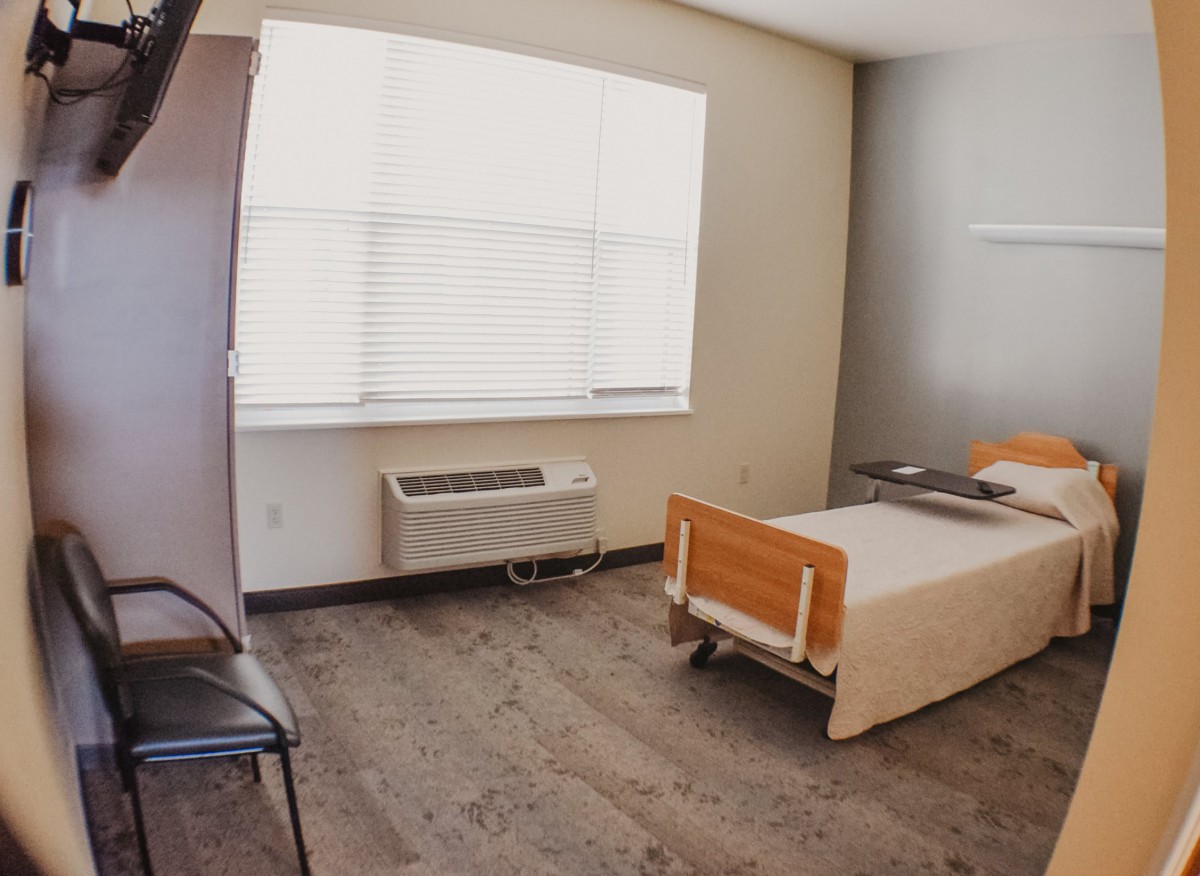
Reviewers repeatedly describe the facility as clean and well kept, often pairing that with feeling comfortable or at ease while visiting or receiving care. Some comments also highlight the rooms being clean and sanitary. A reviewer even calls out the facility as the cleanest they have been in, reinforcing how often cleanliness appears as a first impression.
caveat2 reviews mention this
Call-light response and staffing concerns
Some families report slow help at times, especially after using the call light.
While many reviews are positive, a few describe delays when assistance is needed, including comments about longer waits after ringing a call light. Another reviewer questions staffing levels and notes care could be improved by having more proactive support. Taken together, the recurring concern is responsiveness when residents need help right away.
caveat2 reviews mention this
Communication and follow-through gaps
Some reviews point to communication breakdowns with families during transitions.
A couple of reviewers describe feeling left out of important updates, including a missed plan for a care meeting after a loved one’s release and difficulty getting information after the first few days. Another reviewer says they would have preferred staff to contact them proactively, not only when they ask questions. These accounts center on coordination and keeping families informed, especially around planning and discharge.
How we summarize
Counts show how many written reviews mention each theme; a review can touch several themes, and only frequently mentioned themes are displayed.
Features
Housing
60 resident community capacity
Types of Care
Skilled Nursing Facility
Amenities
Activities off-site
Activities on-site
Air-conditioning
Beauty salon
Cable or satellite TV
Computer center
Dining room
Fitness room
Fully furnished
Gaming room
Garden
Housekeeping services
Kitchenette
Move-in coordination
Outdoor space
Private bathrooms
Restaurant-style dining
Small library
Telephone
Wellness center
Wi-Fi/high-speed internet available
Transportation
Joslin Field - Magic Valley (7 miles away)
Community operated transportation
Transportation arrangement
Transportation arrangement (non-medical)
Transportation to doctors appointments
Care Services
12-16 hour nursing
24-hour call system
24-hour supervision
Activities of daily living assistance
Assistance with bathing
Assistance with dressing
Assistance with transfers
Diabetes diet
High acuity care
Meal preparation and service
Medication management
Mental wellness program
Special dietary restrictions
Dining
Diabetes diet
Special dietary restrictions
Activities
Activities off-site
Activities on-site
Community-sponsored activities
Concierge services
Fitness programs
Planned day trips
Resident-run activities
Scheduled daily activities
Nearby Places of Interest
This part of Twin Falls, Idaho offers a convenient and diverse range of amenities for seniors considering the area for living. With several places of worship nearby, residents have easy access to spiritual communities. The presence of pharmacies and medical offices within close proximity ensures that healthcare needs can be easily met. In addition, there are various dining options ranging from fast food to sit-down restaurants, providing plenty of choices for meals. Parks nearby offer opportunities for outdoor recreation and relaxation. Transportation services are also available for those needing assistance getting around. Overall, this neighborhood provides a well-rounded environment with essential services and recreational activities that cater to the needs of seniors in the community.
Places of Worship
Twin Falls Reformed Church (0.2 miles)
Church of Jesus Christ of Latter Day Saints (2 miles)
Church of Jesus Christ of Latter Day Saints (2.1 miles)
Christian & Missionary Alliance Church (2.6 miles)
Pharmacies
Bohm (0.4 miles)
Medical Office Pharmacy (0.8 miles)
Norco (1 miles)
Natures Forum (1 miles)
Walgreens (1.3 miles)
CVS Pharmacy (2.1 miles)
Shopko Twin Falls Pharmacy (2.7 miles)
Physicians
St Luke's Clinic Pulmonology (0.5 miles)
St Luke's Clinic Internal Medicine: Twin Falls, Pole Line Rd (0.6 miles)
Miracle-Ear Hearing Aid Center (0.8 miles)
Hearing Aid Counselors & Audiology (0.8 miles)
Dr Laurence Hicks (1.5 miles)
Sawtooth Surgery Center (1.5 miles)
Canyon Crest Eye Physicians (1.5 miles)
Hospitals
Imaging at St Luke's Magic Valley Medical Center (0.5 miles)
St Luke's Magic Valley Medical Center (1.7 miles)
St Luke's Mountain States Tumor Institute-Msti (1.8 miles)
DaVita Twin Falls At Home (1.8 miles)
St Luke's Magic Valley Sleep Institute (1.9 miles)
Emergency Services at St Luke's Magic Valley (1.9 miles)
St Luke's Magic Valley Medical Center (1.9 miles)
Restaurants
Sweeto Burrito (1 miles)
Taco John's (1.3 miles)
Culver's (1.4 miles)
Denny's (1.5 miles)
Elevation 486 (1.5 miles)
Canyon Crest Event Center (1.7 miles)
Black Bear Diner Twin Falls (1.8 miles)
Parks
Northridge Park (1.2 miles)
Centennial Waterfront Park (1.9 miles)
Shoshone Falls Park (2.4 miles)
Cafes
Dutch Bros Coffee (1.9 miles)
The Human Bean Twin Falls, Addison Ave. W (2.2 miles)
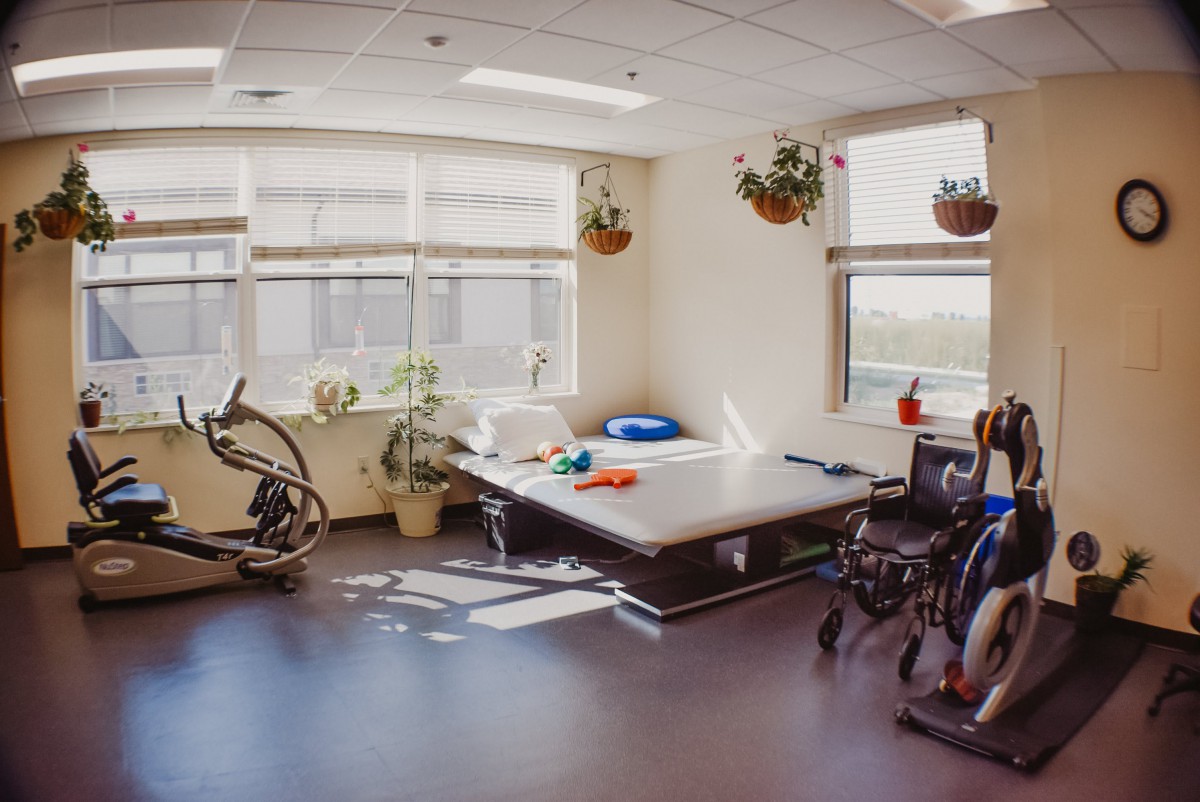
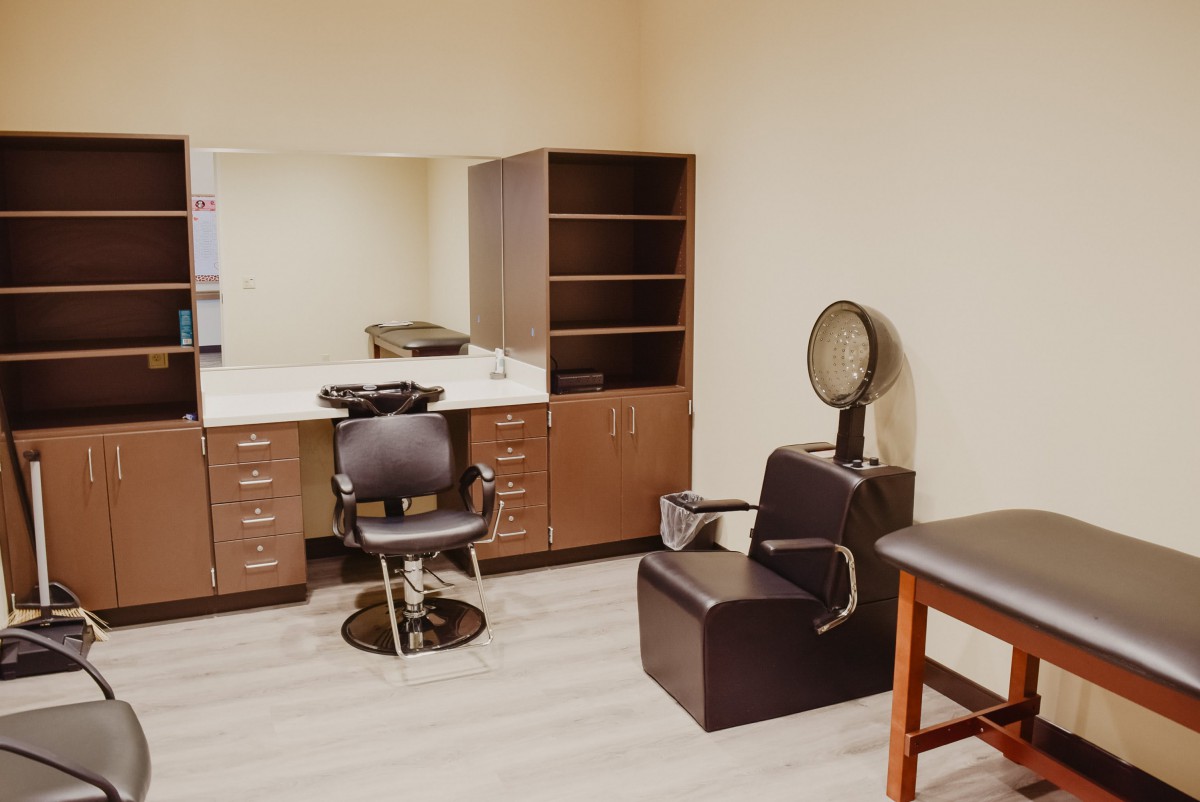
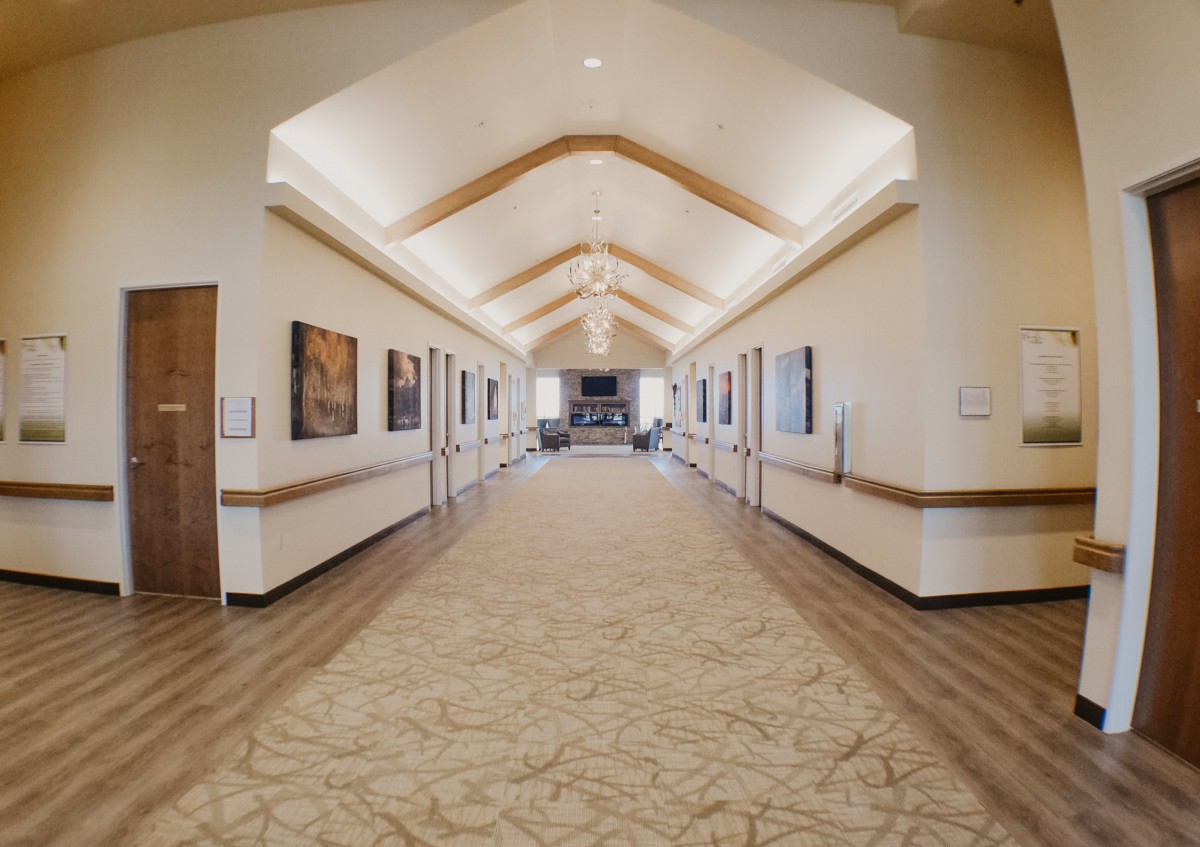
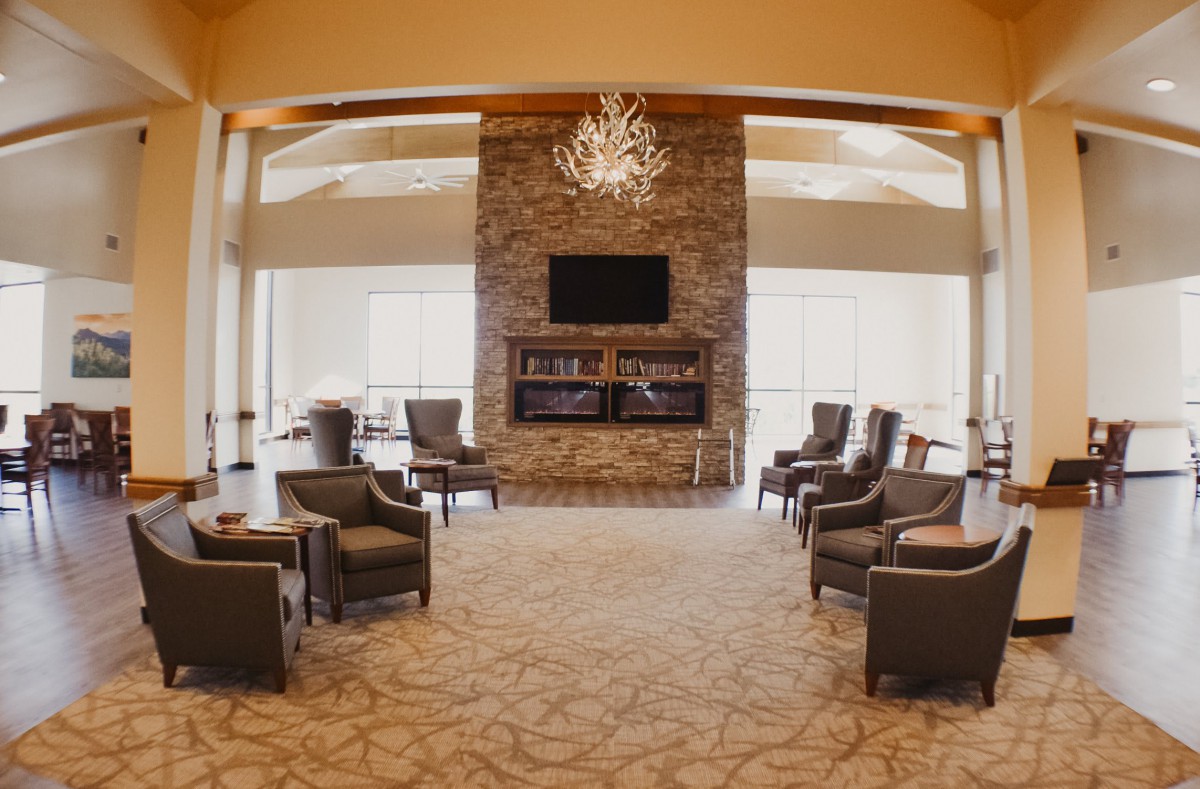
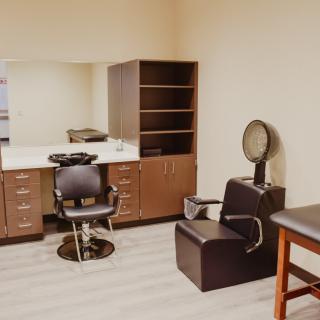
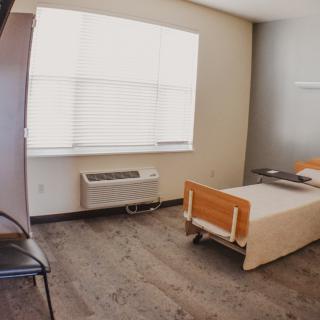
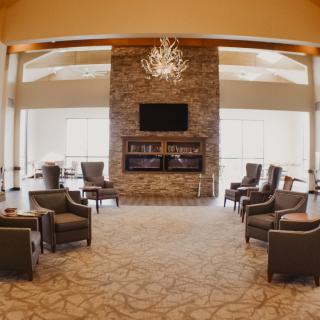
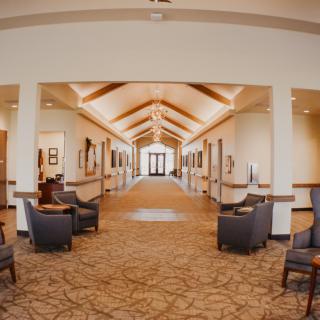
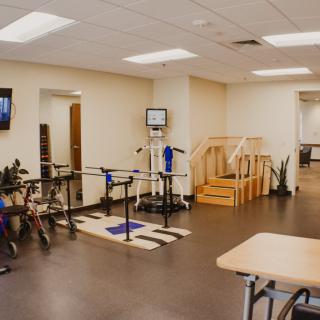
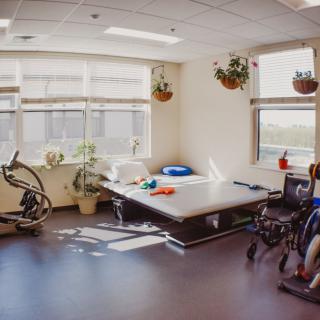
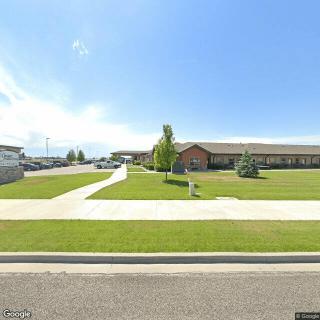
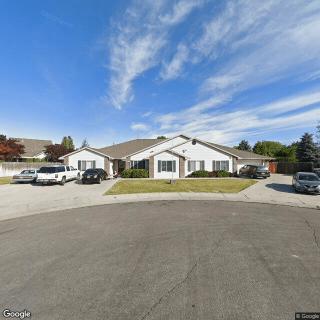
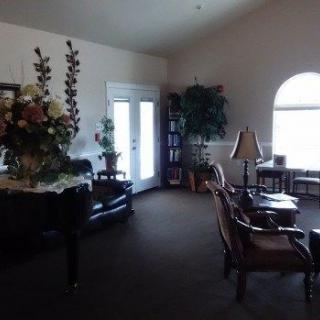
Serenity Healthcare on seniors.fyi includes 11 photos including images showing interior, dining, chandelier, windows, salon, rehabilitation, wheelchair, physical therapy, and more.
Nearby Communities
Canyons Retirement Community
Twin Falls, ID
4.5 from 56 reviews
$3,300 to $3,700 / month
Friendly, responsive staff with well-designed private rooms and a home-like atmosphere.
Grace At Twin Falls
Twin Falls, ID
4.4 from 50 reviews
Clean, well-maintained facility with professional staff, delicious meals, and engaging activities.
Grace Assisted Living at Twin Falls
Twin Falls, ID
4.4 from 63 reviews
$2,200 to $4,000 / month
Clean, welcoming environment with caring staff and on-site activities.
Ashley Manor - Parkview Drive
Twin Falls, ID
4.7 from 42 reviews
$3,800 / month
Compassionate, attentive staff in a clean, well-maintained setting.
Ashley Manor - Parkview Drive
Twin Falls, ID
4.6 from 38 reviews
Specialized memory care programming with 24/7 supervision and cognitive support.
Northern Light
Twin Falls, ID
4.3 from 3 reviews
$4,950 to $7,380 / month
Excellent location with abundant nearby amenities and healthcare options.
Bridgeview Estates
Twin Falls, ID
4.4 from 144 reviews
$1,995 to $2,595 / month
Friendly staff, engaging activities, and restaurant-style dining.
Rosetta Of Twin Falls
Twin Falls, ID
4 from 24 reviews
Family-run, close-knit setting with 24-hour supervision and diabetes-focused care.
Palliative care focuses on alleviating distress at any stage of a serious illness and can accompany curative treatments, while hospice care is for those nearing the end of life with a prognosis of six months or less, emphasizing comfort over curative measures. Both prioritize holistic care for patients and families but differ in timing, goals, and scope.
The guide details the tax deductibility of in-home healthcare expenses according to IRS guidelines, differentiating between medically necessary services and non-medical assistance, while emphasizing the need for proper documentation and itemization requirements. It also highlights state-level variations, the importance of record-keeping, and encourages seeking professional tax help to understand evolving regulations.
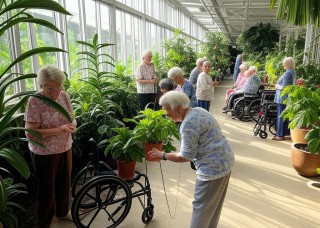
Gardening provides seniors with physical exercise, mental and emotional support, and social interaction opportunities, while accommodating their needs through raised beds and ergonomic tools. It promotes health benefits like improved dexterity and cardiovascular health, encourages sustainable practices, and allows for manageable upkeep with low-maintenance plants.
Exercise Equipment, Rehabilitation, and Physical Therapy
Salon and Workspace
Healthcare
Hallway
Wheelchair
Get PricingAsk A QuestionSchedule A TourContact Senior Advisor
By clicking submit, you agree to our Partner's Terms of Use. You
also consent to receive calls and texts, which may be autodialed, from our Partner. Your consent is not a condition to
using our Partner's service. Please visit our Partner's Privacy Policy for information about their privacy practices.



 60 resident community capacity
 Skilled Nursing Facility
 Activities off-site
 Air-conditioning
 Beauty salon
 Cable or satellite TV
 Computer center
 Dining room
 Fitness room
 Fully furnished
 Gaming room
 Garden
 Housekeeping services
 Kitchenette
 Move-in coordination
 Outdoor space
 Private bathrooms
 Restaurant-style dining
 Small library
 Telephone
 Wellness center
 Wi-Fi/high-speed internet available
 Joslin Field - Magic Valley (7 miles away)
 Community operated transportation
 12-16 hour nursing
 24-hour call system
 Assistance with bathing
 Assistance with dressing
 Assistance with transfers
 Diabetes diet
 High acuity care
 Medication management
 Mental wellness program
 Special dietary restrictions
 Concierge services
 Planned day trips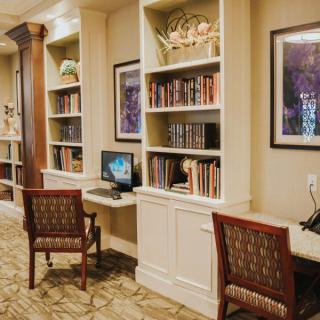
 Friendly, responsive staff with well-designed private rooms and a home-like atmosphere.
 Understanding the Nuances of Palliative Care and Hospice: A Comprehensive Exploration
 Is In-Home Healthcare Tax Deductible? Your Comprehensive Guide
 Nurturing Well-Being Through Gardening: A Detailed Guide for Senior Enthusiasts