
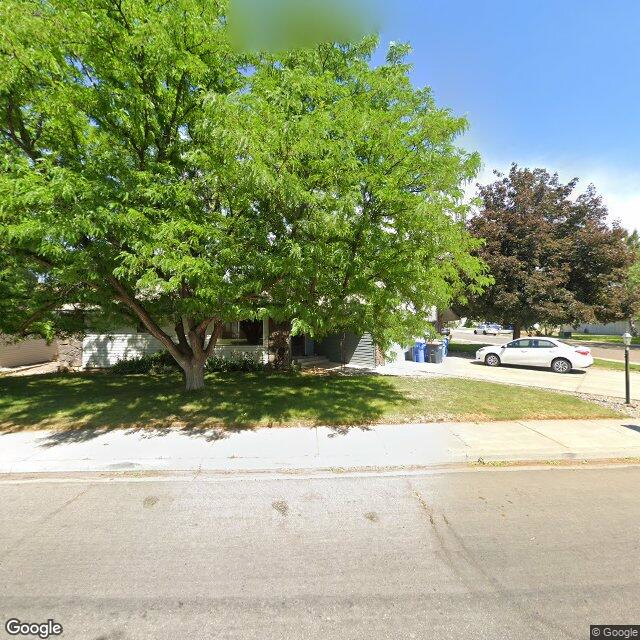
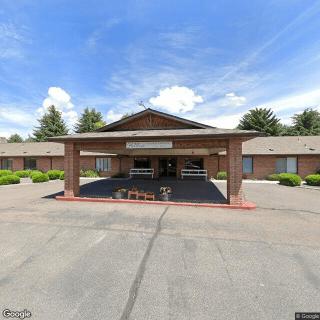
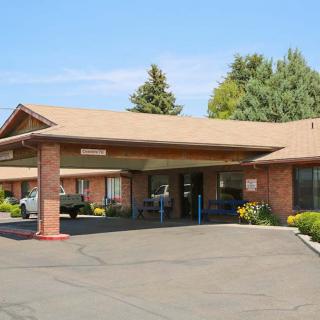
964 Blake St N, Twin Falls, ID 83301
To contact a resident: (208) 734-3537
For more information about senior living options: (866) 208-4318
Northern Light Costs & Pricing
Northern Light provides a range of care options that reflect a higher pricing tier compared to both Twin Falls County and the overall state of Idaho. For semi-private rooms, costs at Northern Light range from $4,950 to $6,480, which notably exceeds the county average of $3,746 and the state average of $3,026. Similarly, for private accommodations, residents can expect to pay between $5,760 and $7,380 - a significant premium over Twin Falls County's rate of $5,242 and the state's average of $3,906. These figures suggest that while Northern Light may present a more substantial investment for families seeking care facilities in Idaho, it likely offers exceptional services or amenities that justify this elevated cost.
| Floor plans | Northern Light | Twin Falls County | Idaho |
|---|---|---|---|
| Semi-Private | $4,950 to $6,480 | $3,746 | $3,026 |
| Private | $5,760 to $7,380 | $5,242 | $3,906 |
Senior living communities with a similar price nearby
-
from -$950 / mo
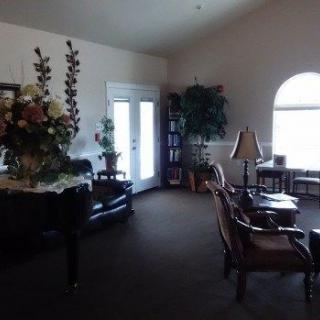
Chardonnay Assisted Living
$4,000 / month2.9 miles away -
from -$830 / mo
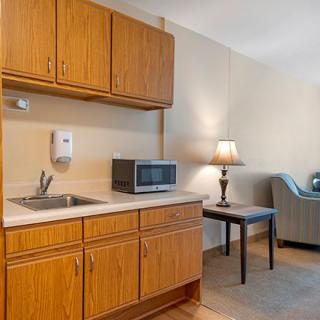
Brookdale Twin Falls
$4,120 to $5,135 / month1.5 miles away -
from +$250 / mo
Twin Falls Care and Rehabilitation Center
$5,200 to $5,502 / month2.7 miles away -
from +$850 / mo

Oak Creek Rehabilitation Center Of Kimberly
$5,800 / month6.8 miles away -
from +$900 / mo
River Rock Assisted Living
$5,850 / month14.1 miles away
Overall Review of Northern Light
Pros
 Northern Light is a great family setting that makes residents feel loved and at home.
Cons
 None found in the provided review.
Review
Northern Light in Twin Falls, ID is best suited for seniors who prize a warm, family-like environment where residents feel genuinely cared for and treated as part of a close-knit community. The atmosphere emphasizes personal warmth and a sense of belonging, which translates into daily life that feels homey and emotionally supportive. For older adults who value companionship, familiar routines, and a less clinical feel, this is the kind of setting that makes the transition into assisted living less daunting and more like a continuation of cherished habits.
Those considering alternatives should note that Northern Light may not be the fit for everyone, especially families prioritizing dense clinical oversight or highly structured medical programming. If robust nurse staffing ratios, frequent skilled care, memory-care specialization, or expansive on-site services are non-negotiable, a larger community with documented, intensive care offerings could be a better match. In short, when measurable care intensity and clear, formalized care plans are essential, it’s prudent to compare multiple options with transparent staffing and service data.
The primary strengths revolve around the emotional texture of daily life. The reviews consistently spotlight a family-setting feel and the sense that residents are loved and made to feel at home. That intangible quality, staff who engage warmly, residents who appear connected, and a culture of welcome, can significantly elevate day-to-day quality of life. Even without a long catalog of services listed in the public view, this kind of relational caregiving often translates into easier mornings, more meaningful conversations, and a calmer, more dignified daily rhythm for many residents.
On the downside, the data available is sparse and mixed. With only three reviews contributing to the picture, there isn’t a comprehensive portrait of staffing patterns, clinical capabilities, activity programming, or cost structures. One 3-star note among the trio signals that experiences can vary and that some aspects of the offering may not fully meet every family’s expectations. The limited sample means potential residents should approach due diligence with sharper questions and a willingness to dig beyond surface impressions.
The way the positives can offset the limited information hinges on priorities. For families who prioritize emotional safety, continuity of care, and a home-like vibe, the warmth and personal attention described can outweigh the lack of granular data. In a smaller, intimate setting, residents often benefit from closer observer-ship by caregivers, more tailored routines, and quicker, more frequent informal check-ins. Yet this same small footprint can also mask gaps in formal programming or advanced clinical resources, so it becomes essential to verify specific services on site and to seek direct testimonials from current families about how the community handles medical needs, emergencies, and daily activity variety.
Practical next steps for decision-makers are clear. If the goal centers on creating a nurturing, responsive living atmosphere, Northern Light warrants serious consideration and a hands-on tour. Bring questions that matter: exact staff-to-resident ratios during mornings and evenings, access to on-site medical professionals, available memory-care options, and a clear picture of what is included in monthly costs versus potential add-ons. Compare with other local communities to confirm whether the warmth you observe here is matched by the level of clinical oversight and programming you require. If warmth and belonging are non-negotiable, Northern Light can be a very competent match; if you need a stronger emphasis on formal care structures, prepare to widen the search rather than settle.
 Board and Care Home
 Joslin Field - Magic Valley (7 miles away)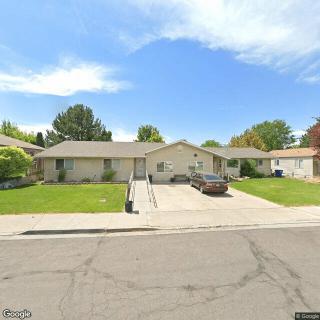

 A Detailed Exploration of Living Wills and Advance Directives
 Comprehensive Guide to Medicare Coverage for Hospice Care
 Caring for Those Who Care: Recognizing, Understanding, and Overcoming Caregiver Burnout