
653 Rose St N # 62, Twin Falls, ID 83301
To contact a resident: (208) 733-3500
For more information about senior living options: (866) 208-4318
Overall Review of Valley Vista Village
Pros
 Valley Vista is a great place.
- The residents there are very friendly, open, and nice.
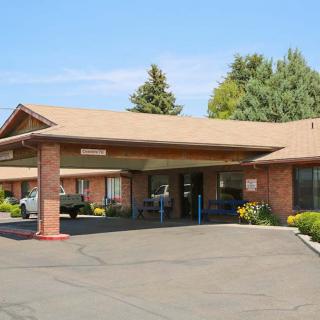
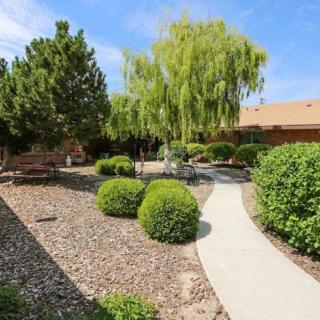
- The units are great, very clean, with beautiful grounds.
- Residents enjoy seeing friends.
Cons
 The new staff are not experienced, and the service coordinator, her boyfriend (maintenance man), and the apartment manager bullied the residents until some left.
- They claimed that old people don’t follow rules, or they don’t like change.
- The owner or manager never bothered to come see what the problem was.
Review
Valley Vista Village in Twin Falls is best suited for cost-conscious seniors who want a social, neighborhood feel and are comfortable with a flexible management environment. The community posts itself as HUD-assisted housing blended with assisted living, which can make monthly expenses more predictable and manageable. A built-in peer network lives here, and the units are described as clean with well-kept grounds, creating an inviting first impression for residents who prioritize social interaction and a straightforward, walkable setup. For seniors who can tolerate some variability in staffing and on-site responsiveness, the setting offers tangible everyday value, especially for those who want affordable housing options that still preserve a sense of community.
Those who should consider alternatives are families that cannot tolerate inconsistent management or uncertain access. If reliable, responsive front-office communication, predictable hours, and prompt maintenance are non-negotiables, other communities with stronger resident-services infrastructures should be explored. Individuals needing regular caregiver coordination, timely emergency responses, or on-site medical oversight may find Valley Vista lacking, particularly when turnover brings unfamiliar staff or tense dynamics between residents and some team members. In short, a stable, proactive care framework is the differentiator that would push families toward other options.
The main positives observable here are material and social in nature. Clean, comfortable units and attractive, well-maintained grounds create an inviting living environment. The resident population reportedly tends to be friendly, open, and welcoming, which can ease the transition for newcomers and foster day-to-day social engagement. The affordability angle, being part of HUD housing, addresses financial constraints that many families face, allowing residents to participate in activities and maintain independence without astronomical costs. When those factors align, Valley Vista Village can feel like a genuine community hub rather than a sterile facility.
The most troubling elements cluster around management and staff stability. Several accounts describe a shift about a year ago, with newer staff deemed inexperienced and a service coordinator allied with maintenance and management in ways that felt punitive to residents. Allegations of bullying, especially directed at older residents who “don’t follow rules” or resist change, point to a culture that undermines trust and safety. Accessibility issues compound the problem: doors locked, posted hours not reflected in practice, unanswered phone calls, and a front office that can feel inaccessible. In extreme cases, these patterns prompted residents’ families to involve authorities, signaling a failure to provide reliable, compassionate oversight.
Those contrasting elements, the social plus the cost benefits, do offset the downsides only to a limited degree. The warmth of the community and the clean, pleasant living spaces remain definite strengths, but they are insufficient to fully counteract concerns about safety, accountability, and consistent staff performance. When residents rely on staff for help with daily living tasks or for timely problem resolution, the impact of poor management becomes magnified. The charm of the setting cannot erase the experience of frequent unanswered calls, locked doors, and tense interactions, which ultimately affect peace of mind for residents and their families.
Practical steps guide families toward an informed decision. First, visit at multiple times to observe how management operates in real life, different days and hours reveal whether accessibility is genuine or illusory. Speak candidly with residents about their day-to-day experiences, paying particular attention to how problems are resolved and whether staff demonstrate warmth and respect. Request a transparent tour of maintenance processes, staffing ratios, and training programs, and review the behavior and accountability policies within the contract. Compare with nearby alternatives that emphasize stable administration and proactive care; if those features appear more robust, shift the focus toward options with demonstrable, lasting commitments to resident well-being.
 Independent Living
 Joslin Field - Magic Valley (6 miles away)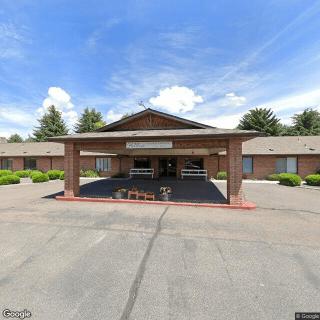


 In-Depth Look at the VA Aid and Attendance Program
 Nurturing Our Loved Ones: A Daughter's Journey in Caring for Her Mother
 Nurturing Our Elders: Linda's Journey of Supporting Her Mother