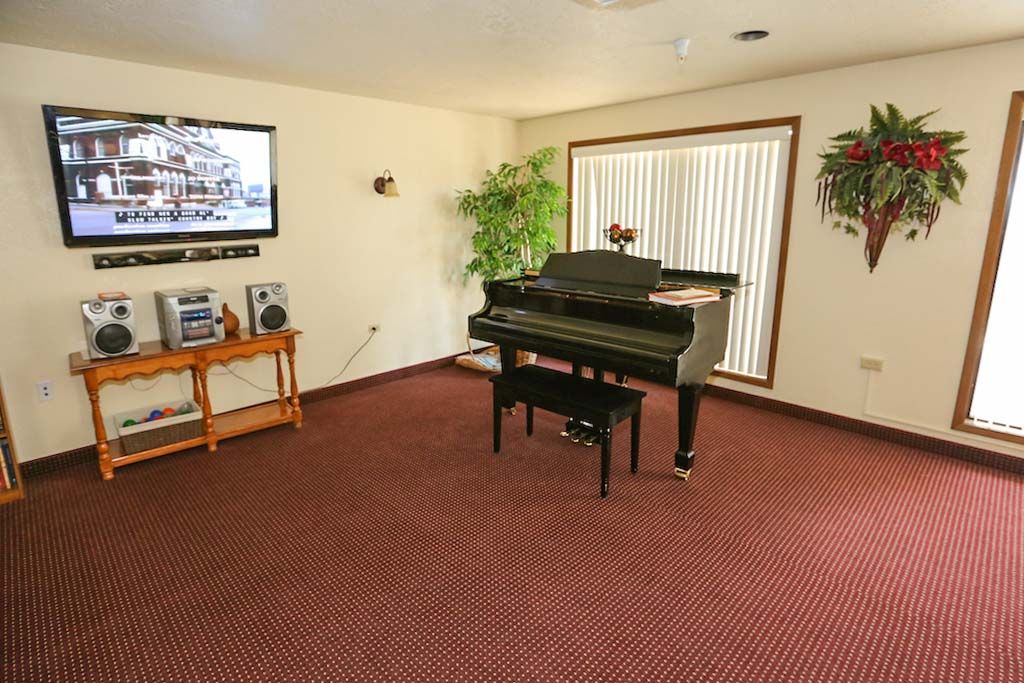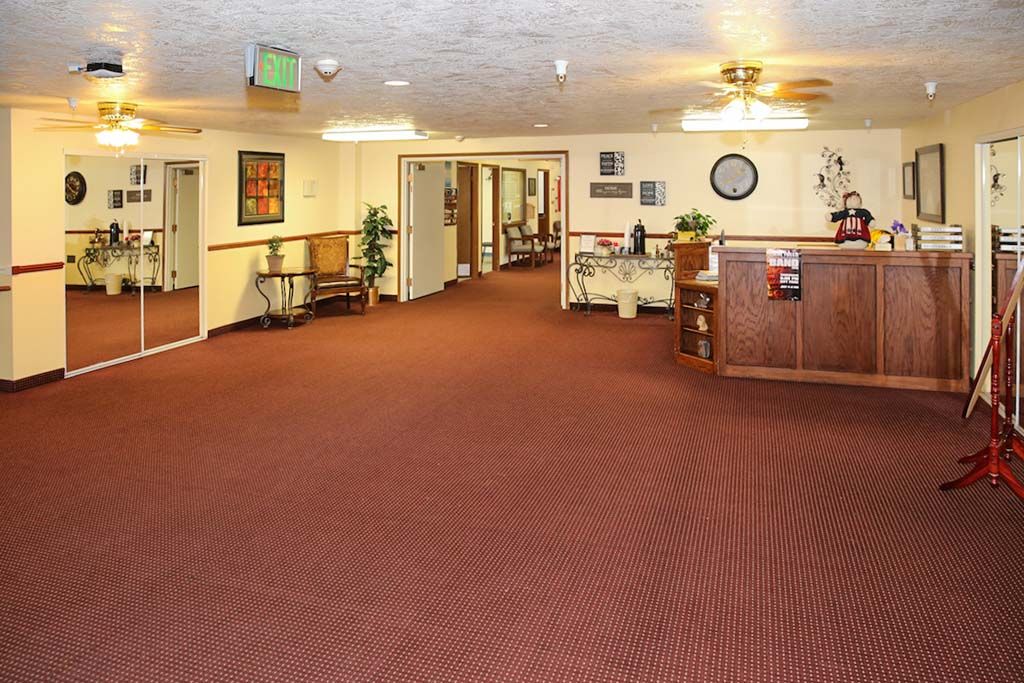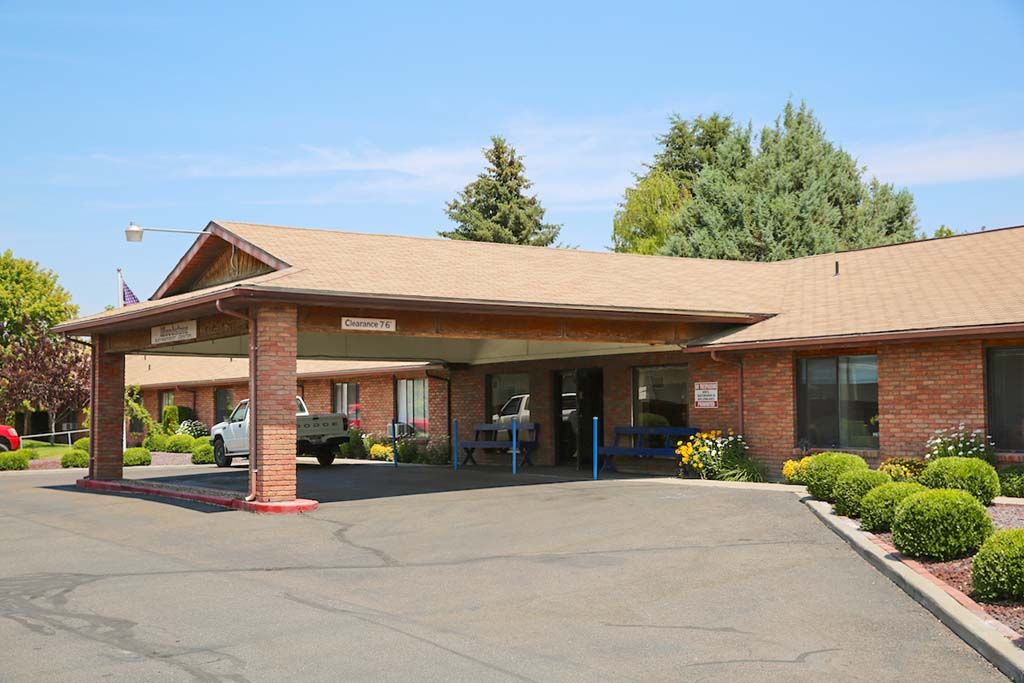
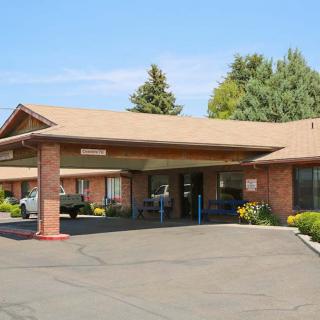
491 Caswell Avenue West, Twin Falls, ID 83301
For more information about senior living options: (866) 208-4318
Overall Review of Woodstone Assisted Living
Pros
 The inspectors were impressed with the RNs and their nursing care.
- The staff is kind and possesses enormous patience.
- The state inspection showed no core deficiencies.
- This says a lot about Woodstone Assisted Living.
Cons
 Residents are locked in their rooms.
- They sometimes don’t get to eat dinner.
- Two workers were sleeping during their shift.
- The situation is ridiculous.
Review
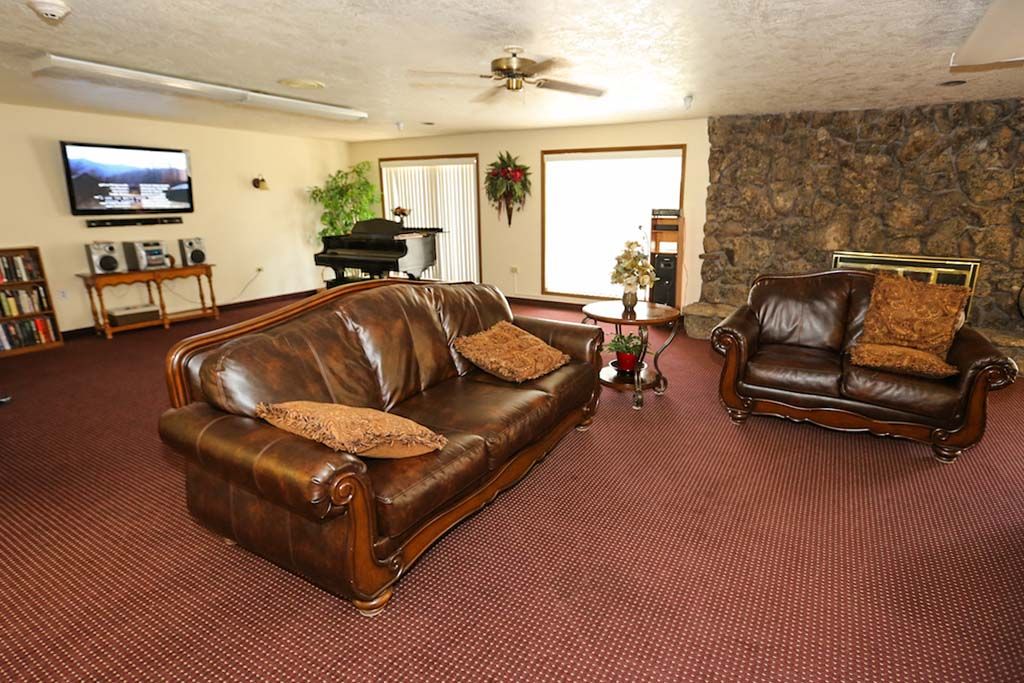
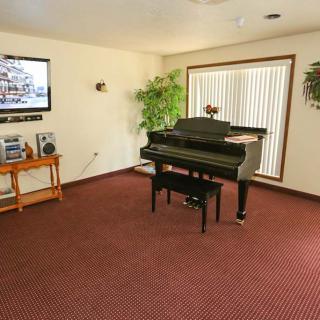
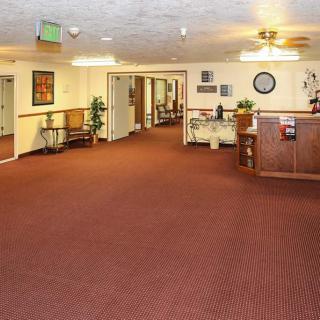
Woodstone Assisted Living in Twin Falls, Idaho, is best suited for families that prioritize steady nursing oversight and a compassionate, patient caregiving culture within a smaller, intimate setting. The community shows real strength in licensed nursing staff and aides who can provide reliable assistance with daily living tasks, delivering a calm rhythm to residents who do not require constant hospital-level intervention. For families seeking clear clinical stewardship and a staff-driven approach to daily care, Woodstone offers a foundation built on attentive support and routine, rather than high-end amenities or aggressive medical management.
At the same time, several red flags push toward considering alternatives for certain families. If safety and predictable day-to-day operation are non-negotiables, Woodstone’s reported dining lapses and on-shift staffing concerns raise legitimate concerns. The environment may be less suitable for residents who require uninterrupted meal service, unfettered mobility, or consistently present and alert staff across all shifts. For loved ones who value transparent, around-the-clock supervision and a guaranty of uninterrupted daily structure, it is prudent to compare options that emphasize stronger near-term staffing presence and more reliable meal delivery.
On the upside, the recent state inspection, whether viewed as a broad indicator of overall quality or a specific signal of care practices, found no core deficiencies and impressed inspectors with the nursing care provided by the team. That regulatory stamp, paired with the report that the RN staff demonstrates solid capability, signals credible clinical oversight and adherence to established care standards. The staff’s kindness and substantial patience come through as a reliable backbone for residents needing assistance, reinforcing trust that care plans are carried out and concerns are addressed thoughtfully. These positives establish a defensible baseline for those who prize clinically grounded care and respectful, attentive aides.
Yet the most tangible concerns center on daily operations: residents reportedly being locked in rooms, missing dinners, and shift coverage gaps that allow workers to sleep on the job. Such issues strike at safety, dignity, and the everyday quality of life that families expect from an assisted living setting. They contrast sharply with the strong nursing signal and raise questions about how consistently the facility can deliver meals, supervise residents, and respond to needs during evenings and weekends. While the nursing team may provide solid clinical support, these operational lapses can erode confidence in a seamless, reliable routine for residents who depend on dependable daily structure.
For families evaluating Woodstone against other options, choice comes down to prioritizing clinical oversight versus daily operational reliability. If nursing quality and a respectful, patient staff are non-negotiable, Woodstone can meet those expectations, especially when leadership demonstrates ongoing attention to meal service and shift accountability. Prospective residents should demand transparent explanations about dining schedules, engagement activities, and the facility’s plan for promptly addressing staffing shortages. A thorough visit, observing mealtime flow, resident interaction, and staff responsiveness, coupled with conversations with the director of nursing and front-line caregivers, will reveal whether the current gaps are being actively remedied.
In sum, Woodstone Assisted Living can be a solid fit for families prioritizing dependable nursing care and a compassionate, steady staff, reinforced by regulatory oversight. However, the combination of operational concerns and inconsistent daily routines means alternatives deserve serious consideration for anyone whose non-negotiables are reliable meals, visible staff presence, and unimpeded resident freedom. If these standards are non-negotiable and a firm improvement plan cannot be demonstrated, exploring other community options is wise. When the right facility aligns clinical excellence with consistent daily flow, the decision becomes clear: Woodstone is viable, but not universally optimal.
 22 resident community capacity
 Assisted Living
 Board and Care Home
 Respite Care
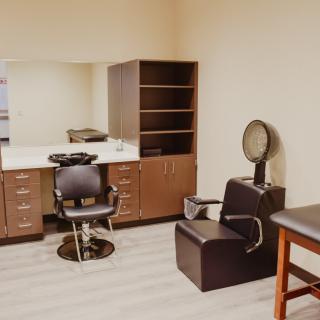
 Beauty salon
 Cable or satellite TV
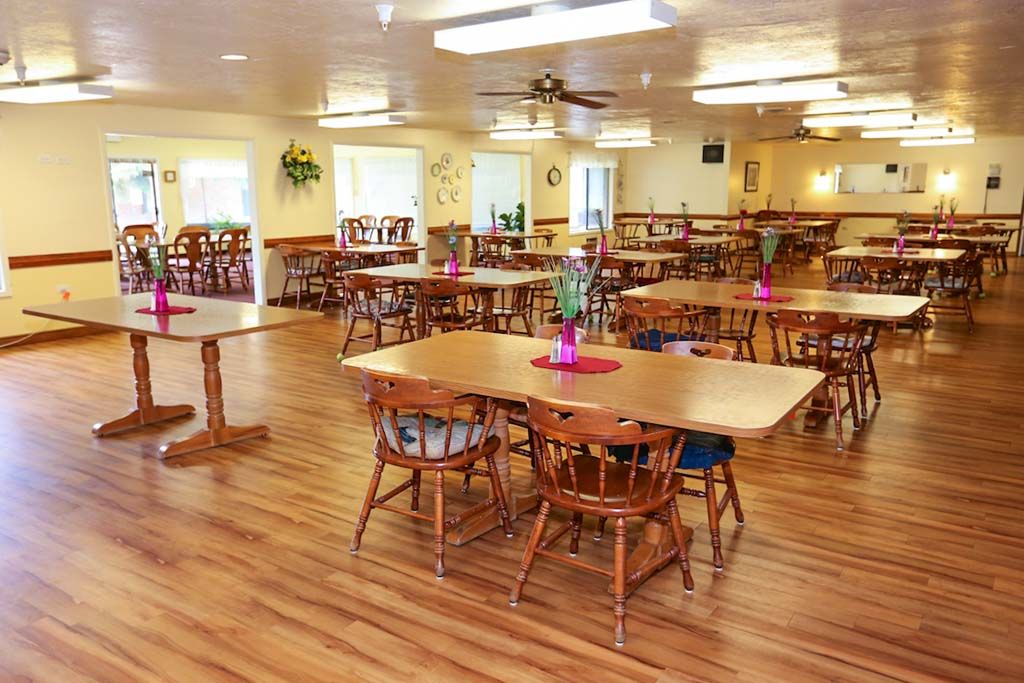
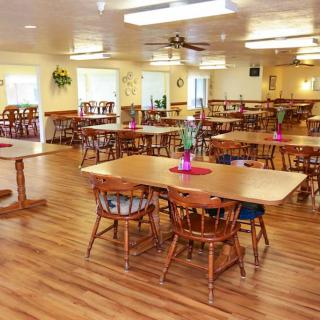
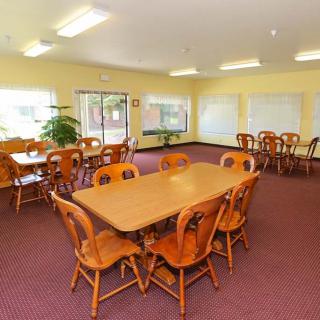
 Dining room
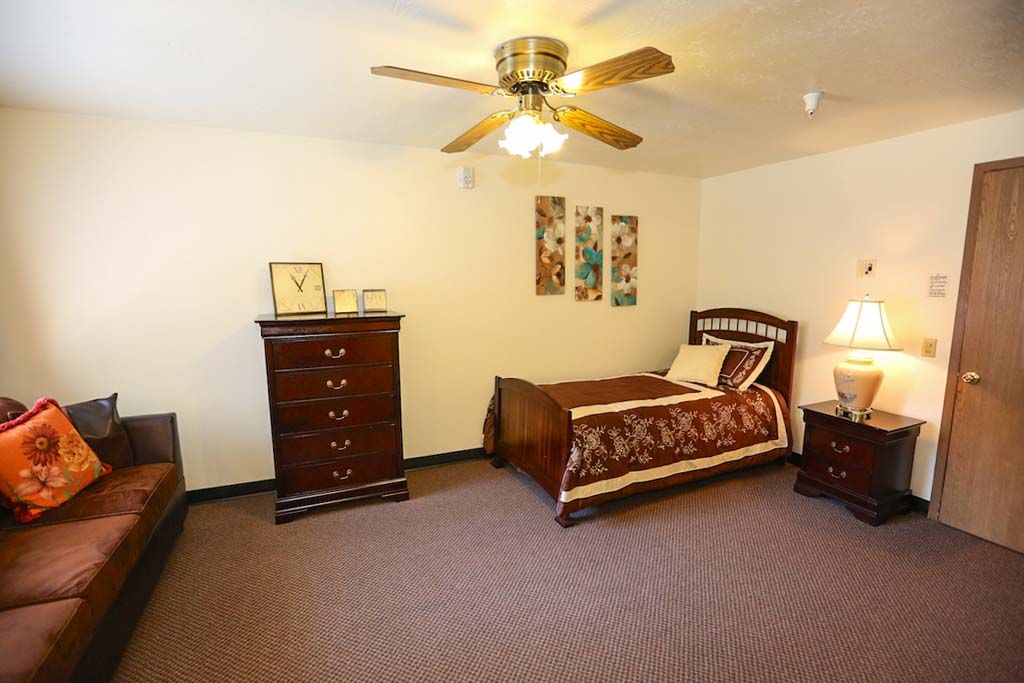
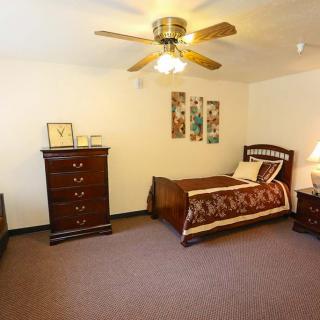
 Fully furnished
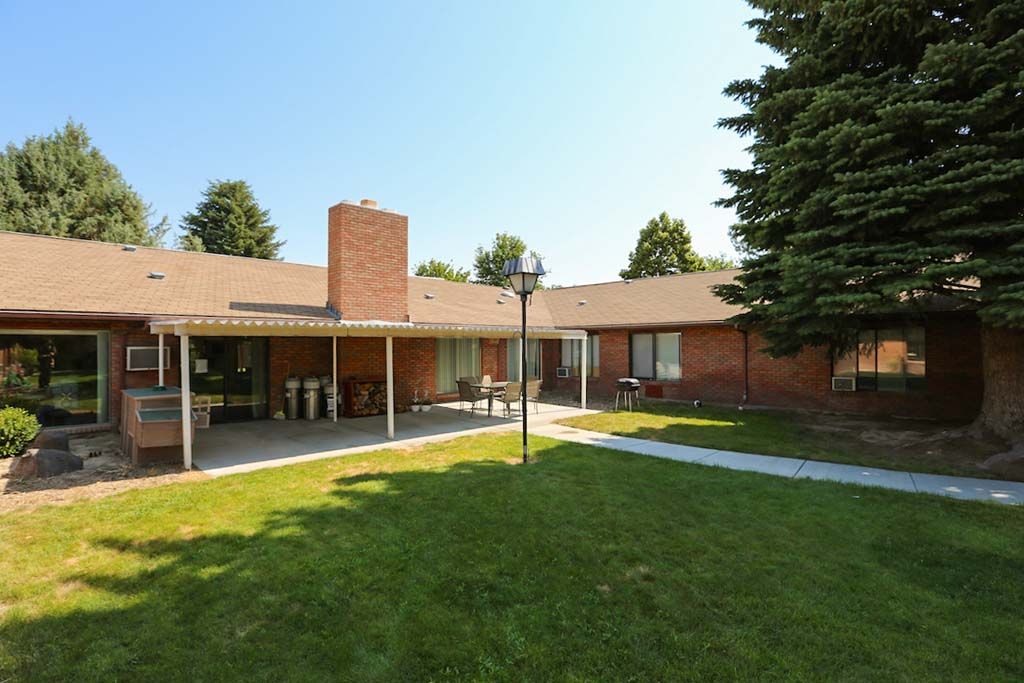
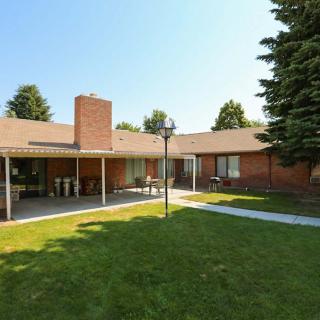
 Garden
 Housekeeping services
 Kitchenette
 Move-in coordination
 Outdoor space
 Telephone
 Wi-Fi/high-speed internet available
 Joslin Field - Magic Valley (6 miles away)
 24-hour call system
 Activities of daily living assistance
 Assistance with bathing
 Assistance with dressing
 Assistance with transfers
 Diabetes diet
 Meal preparation and service
 Medication management
 Mental wellness program
 Special dietary restrictions
 Transportation arrangement (medical)
 Transportation to doctors appointments


 Understanding Medicaid Coverage for Assisted Living: A Comprehensive Guide
 How and When Medicaid May Cover Assisted Living Costs
 A Detailed Exploration of Assisted Living Medicaid Waivers Across the United States