Grace Assisted Living at Twin Falls Costs & Pricing
Grace Assisted Living at Twin Falls offers competitive pricing compared to the broader market in Twin Falls County and the state of Idaho. For those seeking a semi-private room, the monthly rate is an attractive $2,200, significantly lower than the county's average of $3,746 and the state average of $3,026. Studio accommodations are priced at $2,800, which is also below both the county average of $2,993 and Idaho's average of $3,213. Additionally, one-bedroom units at Grace are available for $3,500, slightly higher than the county's average of $3,489 but still more affordable than the state's figure of $3,774. Two-bedroom options are priced at $4,000 - while this exceeds the county's average of $3,792 and stands above Idaho's statewide average of $3,599 - the overall cost structure showcases Grace Assisted Living as a compelling option for families looking for quality senior care without breaking the bank.
Floor plans
Grace Assisted Living at Twin Falls
Twin Falls County
Idaho
Semi-Private
$2,200
$3,746
$3,026
Studio
$2,800
$2,993
$3,213
1 Bedroom
$3,500
$3,489
$3,774
2 Bedrooms
$4,000
$3,792
$3,599
Memory care communities with a similar price nearby
Overall Review of Grace Assisted Living at Twin Falls
common26 reviews mention this
Staff attentiveness is a theme
Residents and families repeatedly describe attentive, kind help from the staff.
Many reviewers highlight how staff members were responsive and caring, including nurses and caregiving teams on both assisted living and memory care. Several families mention that staff helped with transitions, stayed engaged with residents, and communicated to keep relatives informed. Even when reviews were mixed, they often still describe parts of daily support—like help getting to appointments, medication support, or keeping routines going—as valuable.
common12 reviews mention this
Clean facility and welcoming feel
A clean, comfortable environment comes up often in reviews.
Multiple residents and families say the facility felt clean and comfortable, and that housekeeping and maintenance helped keep rooms and common areas in good shape. Some reviewers connect cleanliness with peace of mind, especially for memory care. A minority of feedback raises concerns about specific hygiene or maintenance quality, which is the main reason this doesn’t read as uniformly perfect.
common10 reviews mention this
Dining gets praise and complaints
Dining is both a frequent compliment and a recurring concern.
Several reviewers praise the meals, describing good food, variety, and appreciation for dining support. Others mention slower serving at times and use meal quality as a deciding factor, particularly in memory care. The community also includes dining-focused services in its offering, including restaurant-style dining and room service.
differentiator9 reviews mention this
Memory care activities feel personal
Memory care reviews frequently emphasize engaging activities and tailored care.
A consistent thread in memory care feedback is that residents participate in activities that feel inclusive and thoughtfully planned. Families specifically call out activity coordinators and directors helping bring structure and enjoyment, including musical interests and social engagement. This aligns with the community’s focus on on-site and off-site devotional programming plus scheduled educational and live well-style programming.
caveat2 reviews mention this
Medication, staffing, and neglect fears
Some reviews raise serious concerns about care quality and staffing coverage.
While many reviews are positive, a couple are sharply critical about medication handling and staff coverage during certain shifts. These accounts describe situations where families felt residents were not being cared for at the level they expected and that medication processes did not seem well managed. Taken with the broader praise for nursing and support, these stand out as major caveats rather than isolated comments.
caveat2 reviews mention this
PPE and infection-safety concerns
Two reviews report alarming concerns about PPE and infection protection.
Two negative reviews describe observations involving limited PPE practices, including no gloves and limited sanitizing during visits. Another complaint within a staff-experience review also alleges missing infection-control items and inconsistent mask or sanitizer use during the COVID period. Because these accounts focus on safety procedures rather than day-to-day friendliness, they should be treated as the biggest caution in the set.
How we summarize
Counts show how many written reviews mention each theme; a review can touch several themes, and only frequently mentioned themes are displayed.
Features
Types of Care
Assisted Living
Independent Living
Memory Care
Amenities
Activities off-site
Activities on-site
Air-conditioning
Beautician on-site
Cable or satellite TV
Devotional services off-site
Devotional services on-site
Ground floor units
Indoor common areas
Kitchenette
Outdoor common areas
Private bathrooms
Respite or short term stays offered
Wheelchair accessible showers
Wi-Fi/high-speed internet available
Transportation
Joslin Field - Magic Valley (8 miles away)
Care Services
Ambulatory care
Diabetic care
Incontinence care
Medication management
Dining
Guest meals
Meals provided
Professional chef
Restaurant style dining
Room service
Special dining programs
Activities
Art classes
Catholic services
Cooking classes
Day trips and outings
Devotional activities offsite
Devotional activities on-site
Educational speakers / life long learning
Live well programs
Mormon/LDS services
Protestant services
Visiting chaplain or priest
Videos
Nearby Places of Interest
This part of Twin Falls, Idaho offers a convenient and diverse range of amenities for seniors looking to relocate to the area. With several pharmacies, medical offices, and hospitals within close proximity, residents can easily access healthcare services. Additionally, there are various restaurants and cafes nearby for dining options, as well as parks for outdoor recreation. Places of worship are also available for spiritual needs. The neighborhood is well-connected with transportation options and entertainment venues such as theaters within a short distance. Overall, this area provides a mix of essential services and recreational opportunities in a welcoming community setting.
Pharmacies
Natures Forum (0.2 miles)
Norco (0.3 miles)
Medical Office Pharmacy (0.4 miles)
Bohm (0.4 miles)
Walgreens (0.6 miles)
CVS Pharmacy (1.4 miles)
Shopko Twin Falls Pharmacy (1.9 miles)
Physicians
St Luke's Clinic Internal Medicine: Twin Falls, Pole Line Rd (0.2 miles)
Miracle-Ear Hearing Aid Center (0.4 miles)
St Luke's Clinic Pulmonology (0.4 miles)
Hearing Aid Counselors & Audiology (0.5 miles)
Canyon Crest Eye Physicians (0.7 miles)
Tudor Janette Taylor Halverson Twin Falls (0.7 miles)
Health Science And Human Services (1.1 miles)
Hospitals
Imaging at St Luke's Magic Valley Medical Center (0.4 miles)
DaVita Twin Falls At Home (1.1 miles)
Emergency Services at St Luke's Magic Valley (1.1 miles)
St Luke's Magic Valley Sleep Institute (1.5 miles)
Blue Cross Of Idaho Twin Falls District Office (1.5 miles)
St Luke's Magic Valley Medical Center (2 miles)
St Luke's Magic Valley Medical Center (2 miles)
Restaurants
Sweeto Burrito (0.5 miles)
Taco John's (0.5 miles)
Culver's (0.6 miles)
Elevation 486 (0.7 miles)
Denny's (0.7 miles)
Canyon Crest Event Center (0.9 miles)
Black Bear Diner Twin Falls (1 miles)
Parks
Northridge Park (0.6 miles)
Centennial Waterfront Park (1.1 miles)
Shoshone Falls Park (1.6 miles)
Drury Park (2.3 miles)
Places of Worship
Twin Falls Reformed Church (0.6 miles)
Church of Jesus Christ of Latter Day Saints (1.4 miles)
Church of Jesus Christ of Latter Day Saints (1.7 miles)
Grace Assisted Living at Twin Falls offers competitive pricing compared to the broader market in Twin Falls County and the state of Idaho. For those seeking a semi-private room, the monthly rate is an attractive $2,200, significantly lower than the county's average of $3,746 and the state average of $3,026. Studio accommodations are priced at $2,800, which is also below both the county average of $2,993 and Idaho's average of $3,213. Additionally, one-bedroom units at Grace are available for $3,500, slightly higher than the county's average of $3,489 but still more affordable than the state's figure of $3,774. Two-bedroom options are priced at $4,000 - while this exceeds the county's average of $3,792 and stands above Idaho's statewide average of $3,599 - the overall cost structure showcases Grace Assisted Living as a compelling option for families looking for quality senior care without breaking the bank.
Grace Assisted Living at Twin Falls offers specialized medication management to ensure that residents receive their prescribed medications accurately and on time, which is crucial for maintaining cognitive function and overall health in individuals with dementia or Alzheimer's disease. This feature minimizes the risk of medication errors and enhances the efficacy of treatment plans, allowing residents to experience improved stability. Incontinence care, on the other hand, provides dignity and comfort by addressing one of the common challenges faced by individuals with cognitive impairments. The staff is trained to handle this sensitive issue compassionately, promoting hygiene and reducing anxiety associated with incontinence, thus fostering a more supportive environment for residents as they navigate their day-to-day lives. Together, these features create a holistic approach that prioritizes both health and quality of life for those living with memory-related conditions.
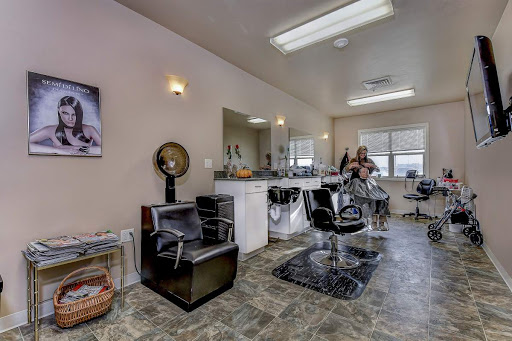
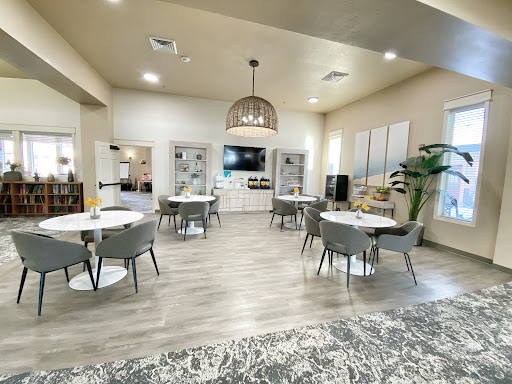
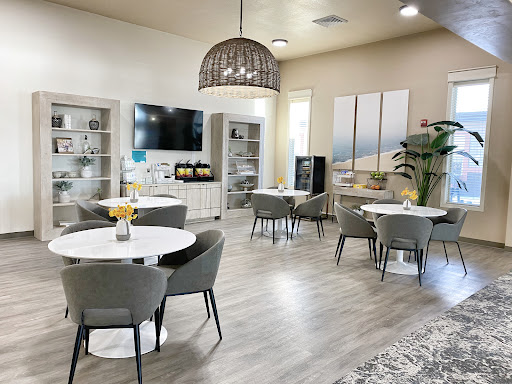
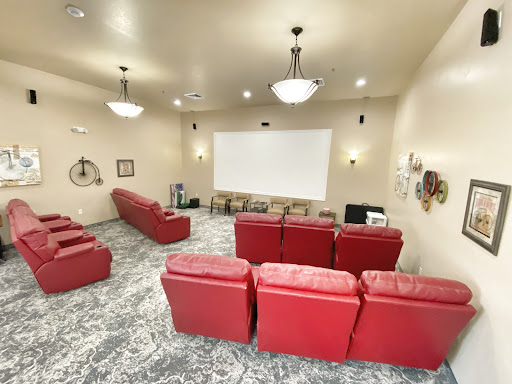
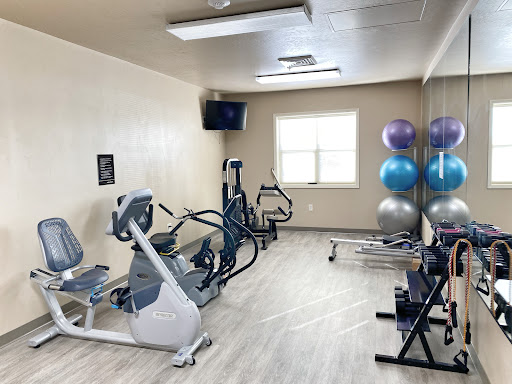
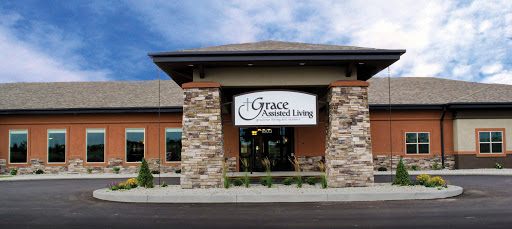
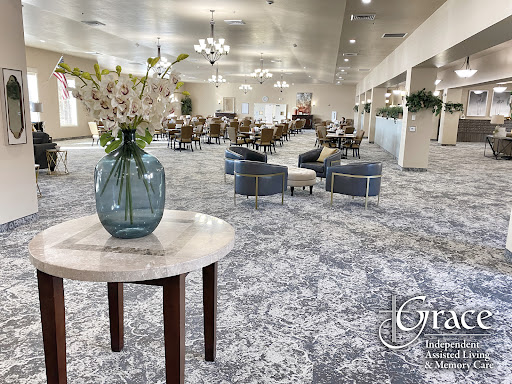
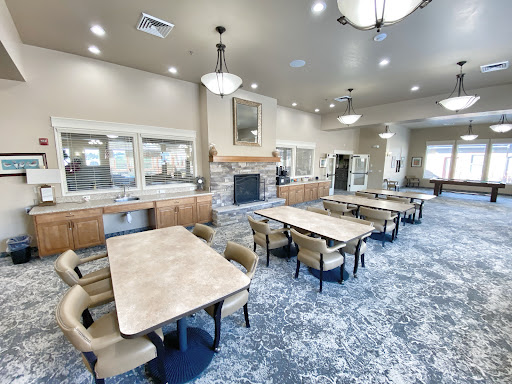
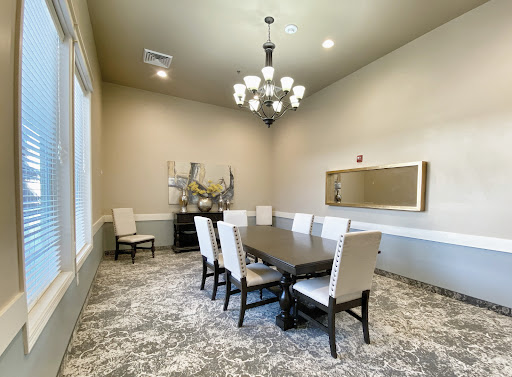
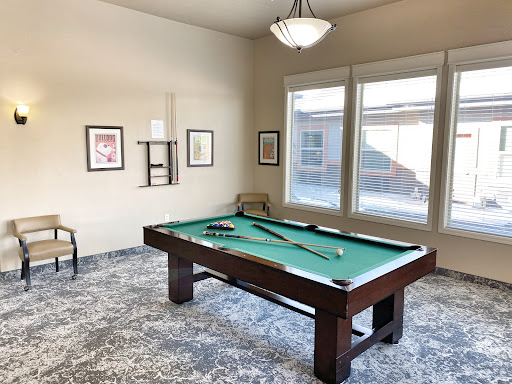
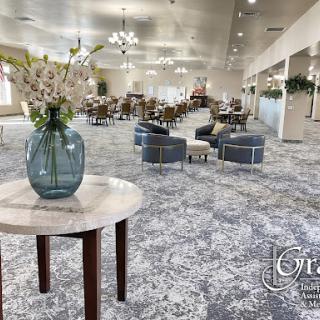
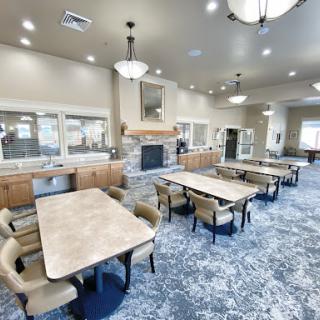
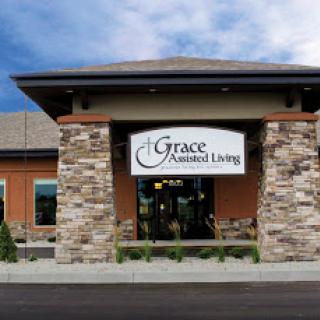
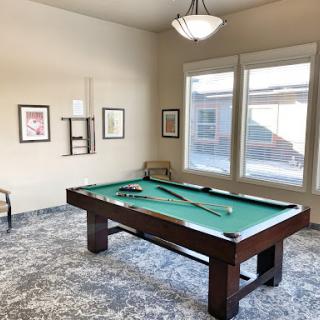
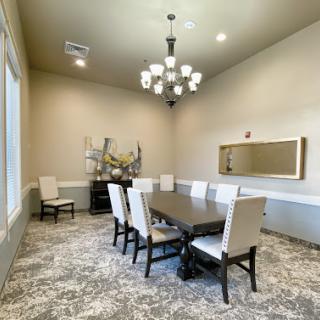
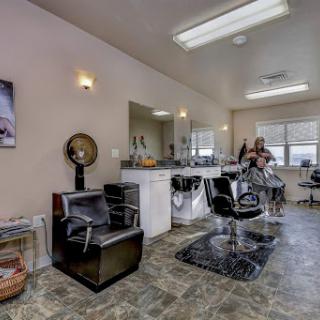
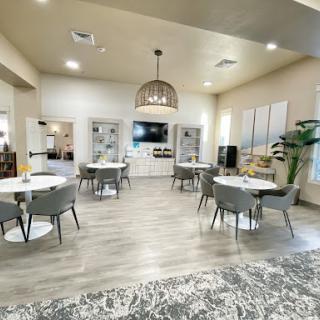
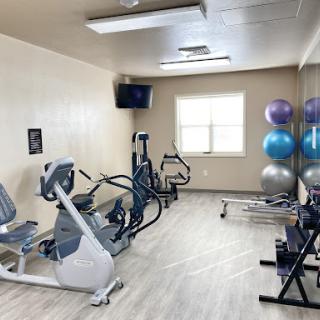
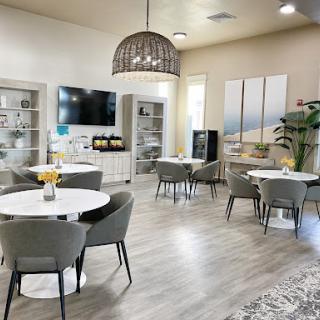
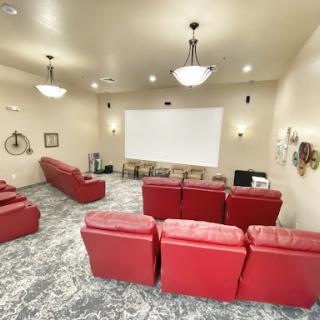
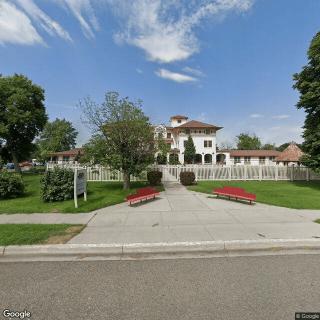
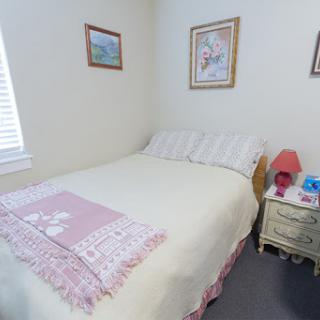
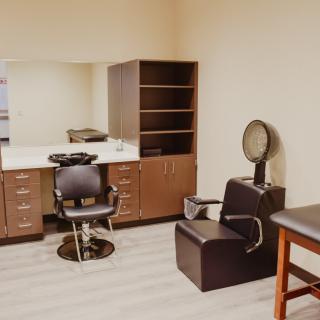
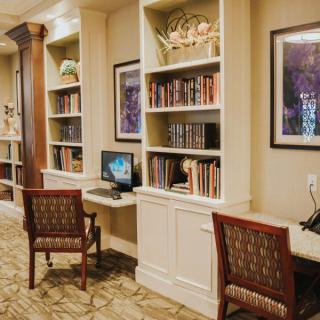
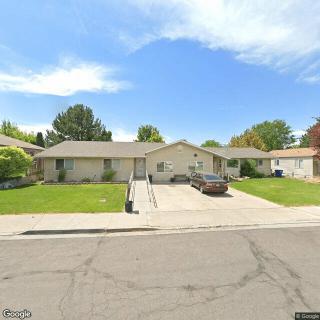
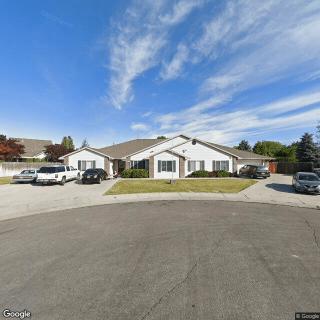
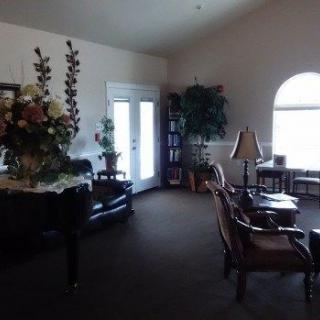
Grace Assisted Living at Twin Falls on seniors.fyi includes 11 photos including images showing interior, decor, dining, exercise equipment, lobby, salon, open space, lounge, and more.
Nearby Communities
Grace At Twin Falls
Twin Falls, ID
4.4 from 50 reviews
Clean, well-maintained facility with professional staff, delicious meals, and engaging activities.
Ashley Manor - Parkview Drive
Twin Falls, ID
4.7 from 42 reviews
$3,800 / month
Compassionate, attentive staff in a clean, well-maintained setting.
Ashley Manor - Parkview Drive
Twin Falls, ID
4.6 from 38 reviews
Specialized memory care programming with 24/7 supervision and cognitive support.
Serenity Healthcare
Twin Falls, ID
3.9 from 71 reviews
Caring staff and a clean, well-maintained environment with visible recovery progress.
Canyons Retirement Community
Twin Falls, ID
4.5 from 56 reviews
$3,300 to $3,700 / month
Friendly, responsive staff with well-designed private rooms and a home-like atmosphere.
Alpine Manor
Twin Falls, ID
4.2 from 5 reviews
Intimate, caregiver-focused setting with attentive staff and good meals.
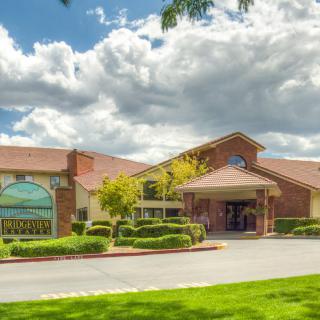
Bridgeview Estates
Twin Falls, ID
4.4 from 144 reviews
$1,995 to $2,595 / month
Friendly staff, engaging activities, and restaurant-style dining.
Rosetta Of Twin Falls
Twin Falls, ID
4 from 24 reviews
Family-run, close-knit setting with 24-hour supervision and diabetes-focused care.
The guide on holistic dementia care outlines the complexity of dementia and stresses the need for individualized caregiver strategies that include medical treatment, psychological support, and environmental adaptations, while emphasizing early detection, various therapeutic options, and caregiver support to enhance quality of life and maintain dignity.
"Memory Care Pathways: A Holistic Guide to Dementia Support" outlines the complexities of dementia and its various types, emphasizing early detection, patient-centered care strategies, caregiver support, and long-term care options while addressing legal and financial considerations to enhance the quality of life for individuals with dementia and their families.
Sundown syndrome, or sundowning, is a phenomenon in dementia patients characterized by increased confusion and agitation during late afternoon and evening, influenced by factors like disrupted circadian rhythms and fatigue. Effective caregiver strategies include establishing routines and managing environmental light while addressing caregiver stress through support services.
Windows, Wall Art, Billiards, Game Room, and Recreation
Building, Architecture, Exterior, and Healthcare
Lighting and Salon
Chandelier
Lobby
Exercise Equipment, Gym, Fitness, and Exercise Room
Lounge
Theater and Projector Screen
Open Space
Spacious
Get PricingAsk A QuestionSchedule A TourContact Senior Advisor
By clicking submit, you agree to our Partner's Terms of Use. You
also consent to receive calls and texts, which may be autodialed, from our Partner. Your consent is not a condition to
using our Partner's service. Please visit our Partner's Privacy Policy for information about their privacy practices.

 Assisted Living
 Independent Living
 Memory Care
 Activities off-site
 Air-conditioning
 Beautician on-site
 Cable or satellite TV
 Devotional services off-site
 Ground floor units
 Indoor common areas
 Kitchenette
 Outdoor common areas
 Private bathrooms
 Respite or short term stays offered
 Wheelchair accessible showers
 Wi-Fi/high-speed internet available
 Joslin Field - Magic Valley (8 miles away)
 Ambulatory care
 Diabetic care
 Incontinence care
 Medication management
 Guest meals
 Art classes
 Catholic services
 Cooking classes
 Day trips and outings
 Educational speakers / life long learning
 Live well programs
 Clean, well-maintained facility with professional staff, delicious meals, and engaging activities.
 A Holistic Dementia Care Guide: Effective Strategies for Memory Support
 Memory Care Pathways: A Holistic Guide to Dementia Support
 Comprehending Evening Confusion in Dementia: Causes, Manifestations, and Support