At Canyons Retirement Community, the monthly costs for living accommodations reflect a commitment to quality and care. For a studio apartment, residents can expect to pay $3,300, which is slightly higher than the average cost in Twin Falls County at $2,993 but lower than the state average of $3,213. Similarly, for a one-bedroom unit priced at $3,700, the community remains competitive against local and state benchmarks - Twin Falls County averages are at $3,489 while Idaho's overall average stands at $3,774. These figures indicate that while Canyons Retirement Community may be positioned above county rates for studios and one-bedrooms, it provides valuable amenities and services that justify the investment in a comfortable and supportive living environment.
Floor plans
Canyons Retirement Community
Twin Falls County
Idaho
Studio
$3,300
$2,993
$3,213
1 Bedroom
$3,700
$3,489
$3,774
Memory care communities with a similar price nearby
Many residents describe staff as caring, attentive, and responsive to family questions.
Across the reviews, families frequently say staff members are kind, supportive, and easy to work with. Several mention feeling kept updated and getting help promptly when questions came up. A smaller set of reviews is sharply critical, describing issues ranging from poor communication to disrespectful behavior, which is the main downside to the otherwise consistent praise.
common16 reviews mention this
Facility feels clean and homelike
Residents and families repeatedly point to cleanliness and a home-like feel.
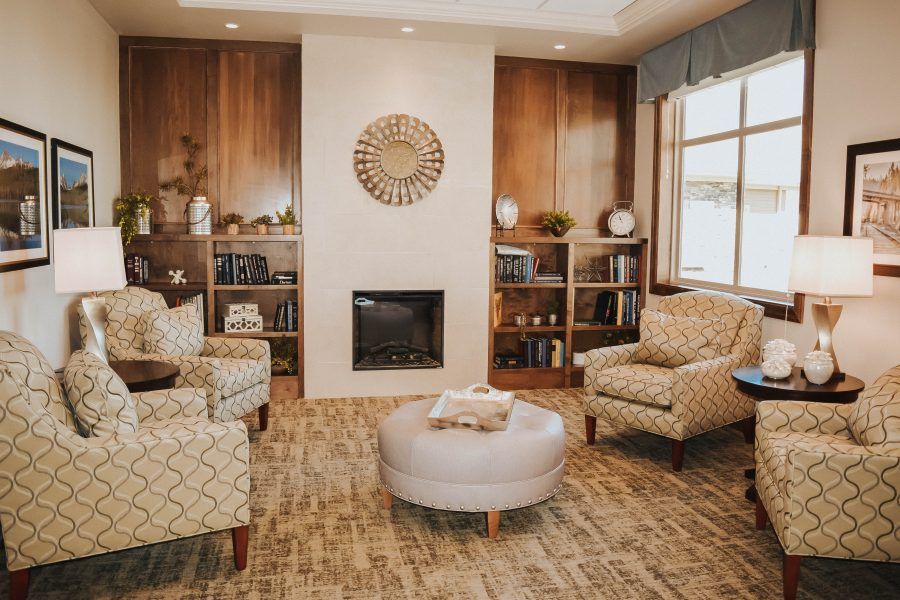
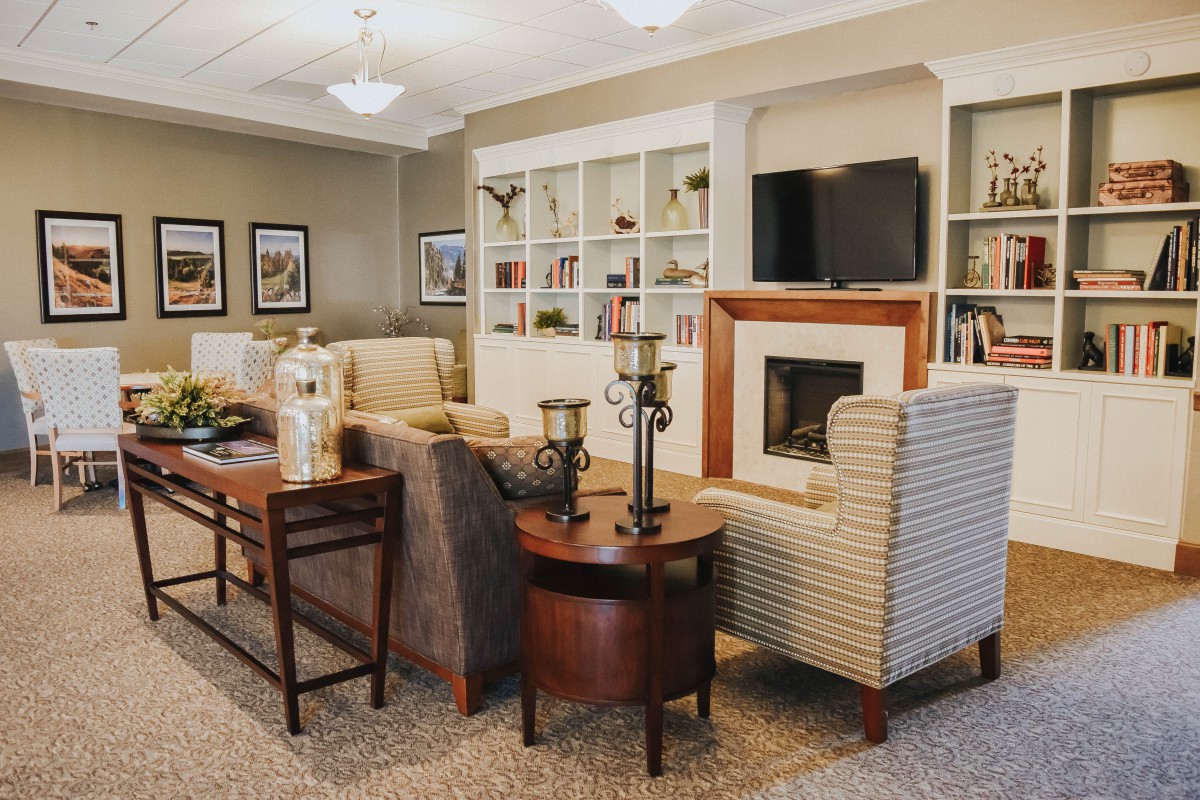
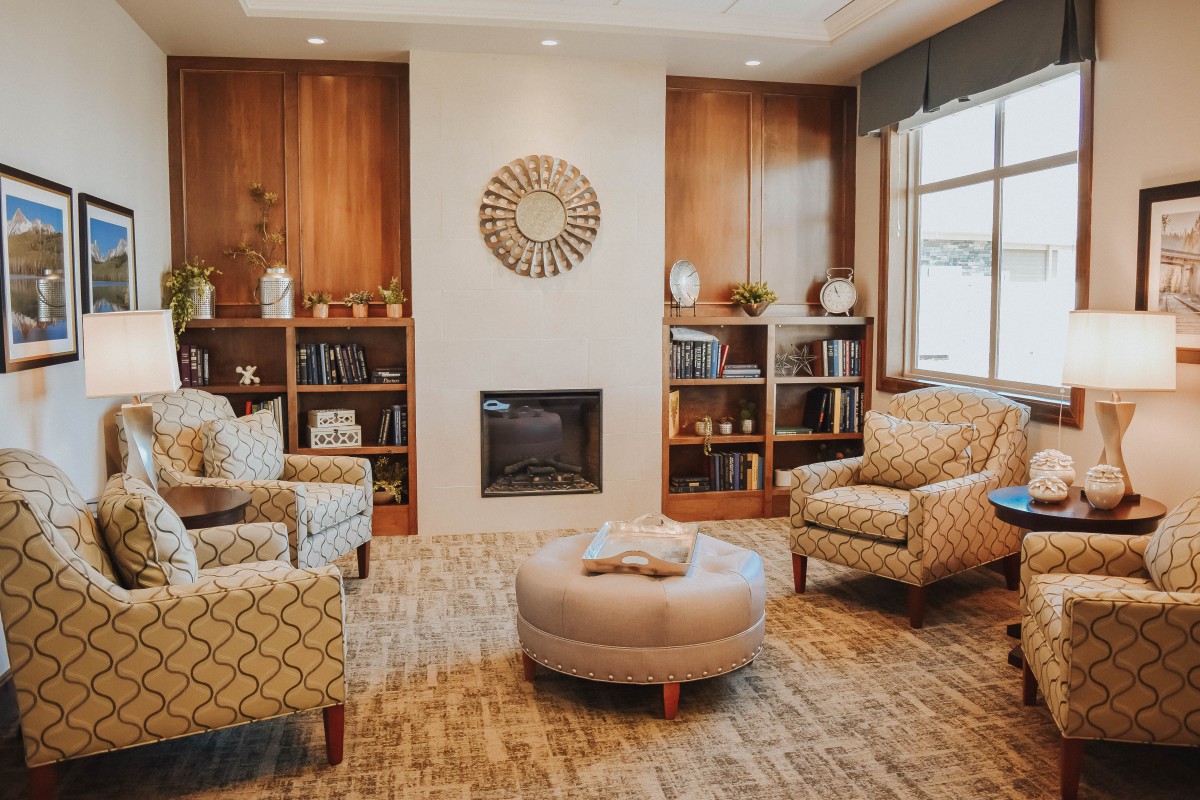
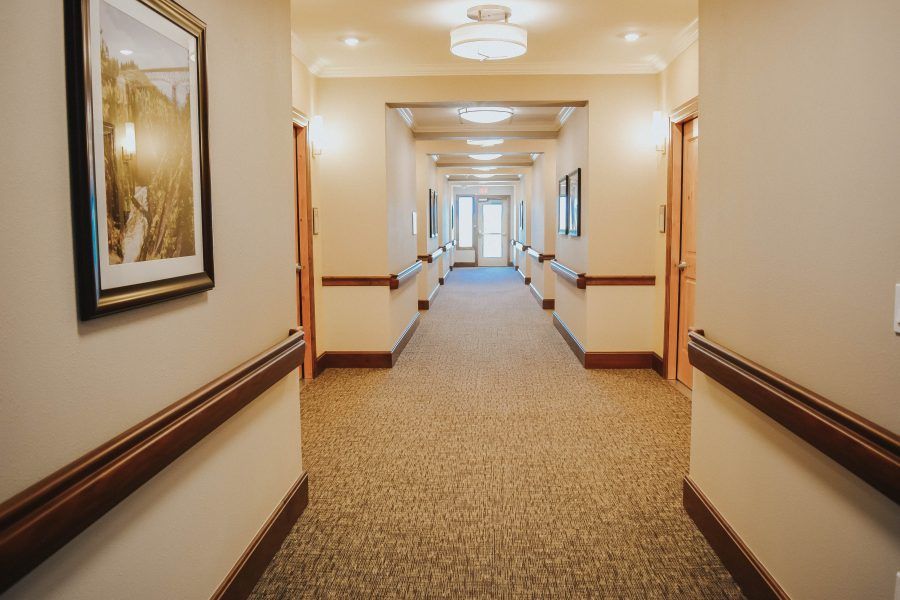
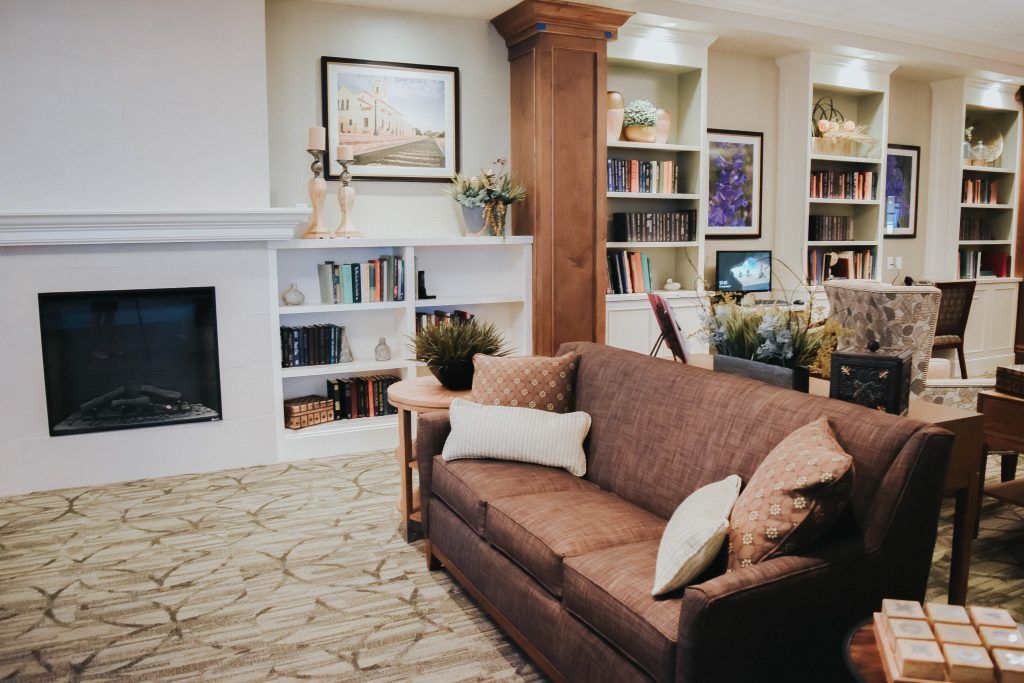
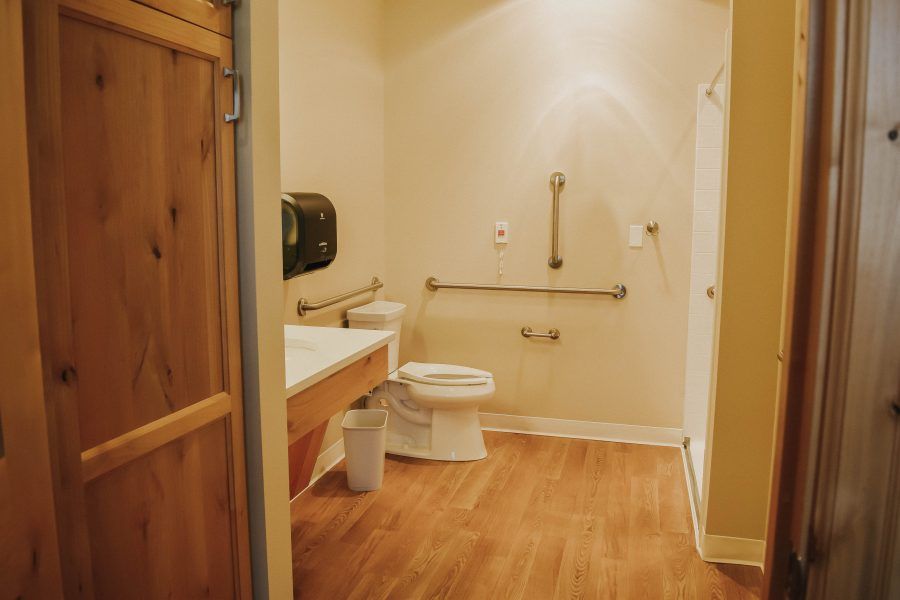
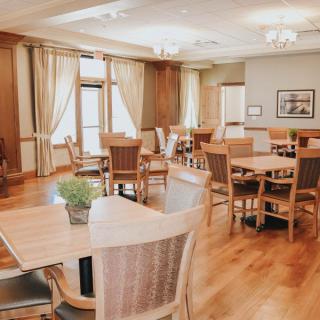
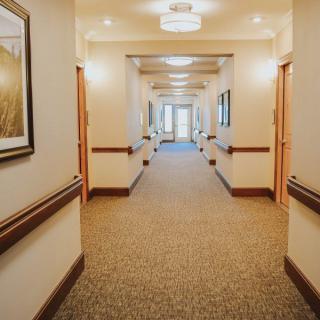
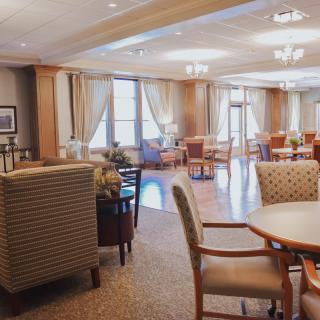
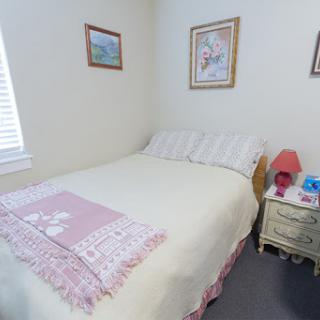
Multiple reviews highlight how clean the community is and describe it as warm, welcoming, and comfortable. People also mention a well-presented, attractive building and private rooms with private bathrooms. This theme is also reflected in the care experience described by families who feel their loved ones are in a supportive environment.
differentiator7 reviews mention this
Dining is chef-led and varied
Dining gets frequent praise, including a chef-led program and options that fit preferences.
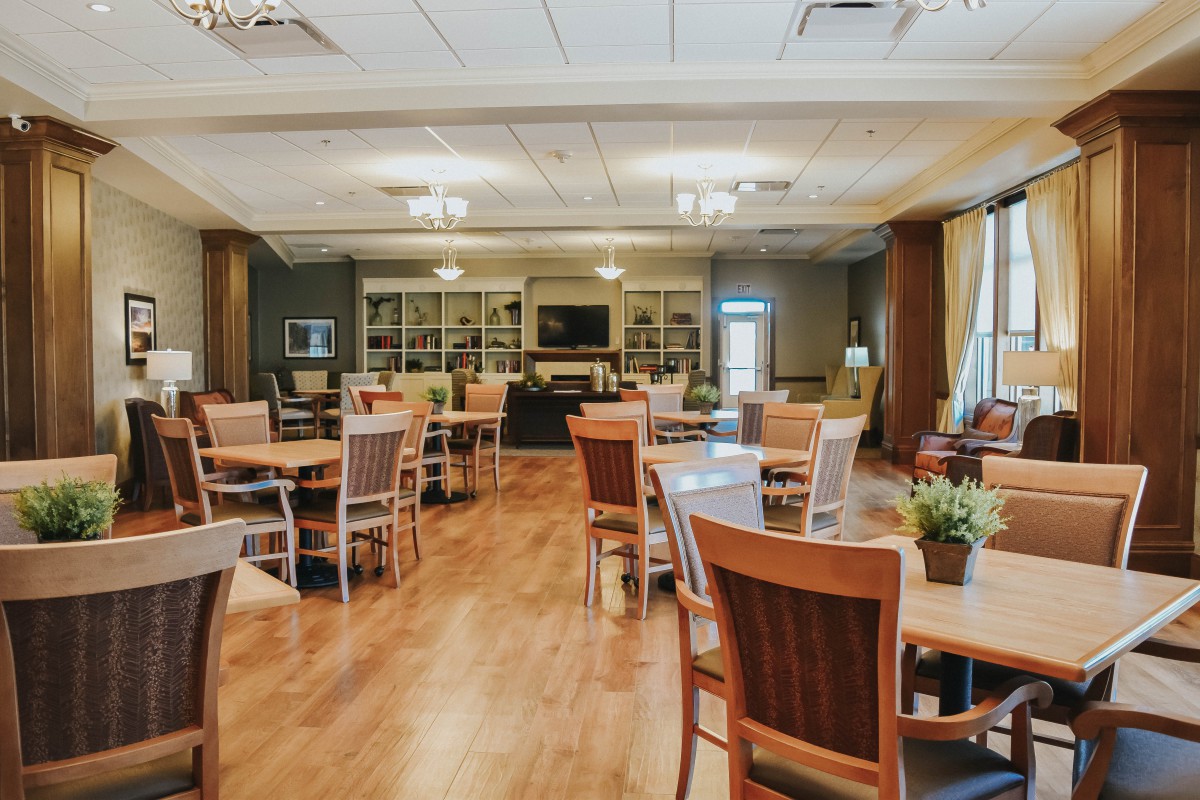
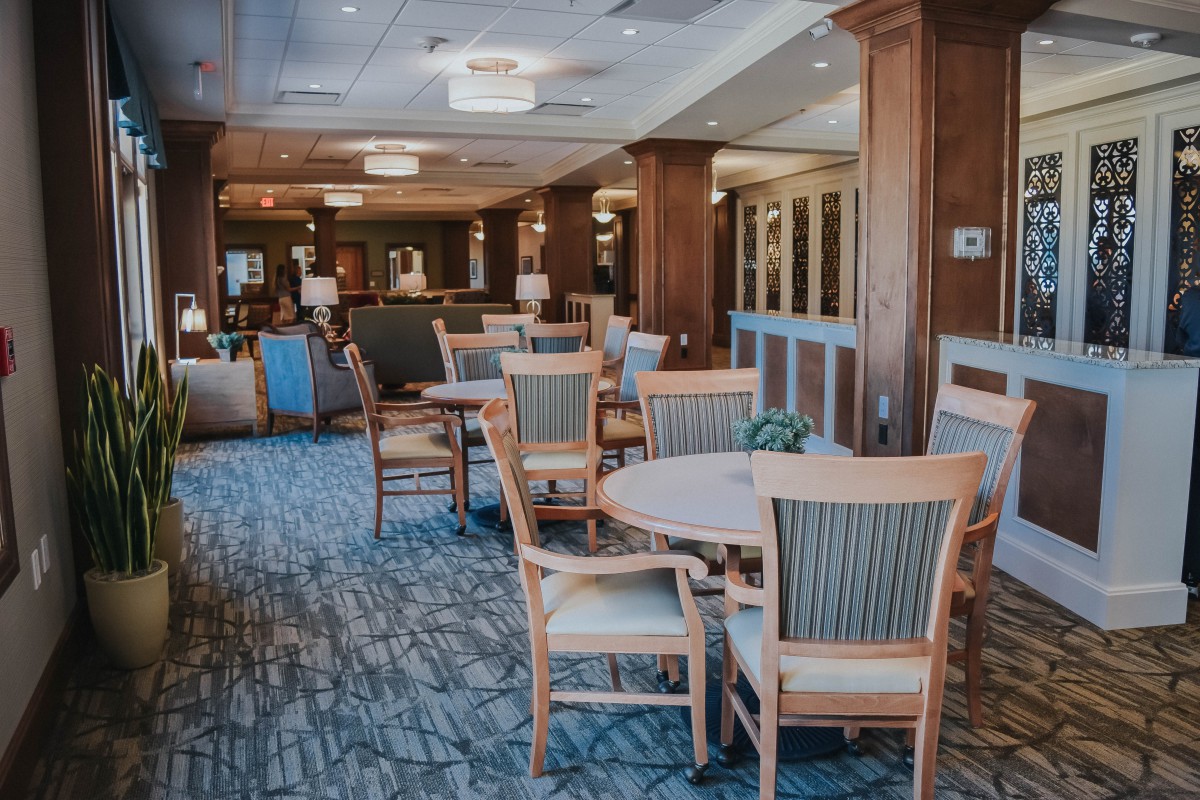
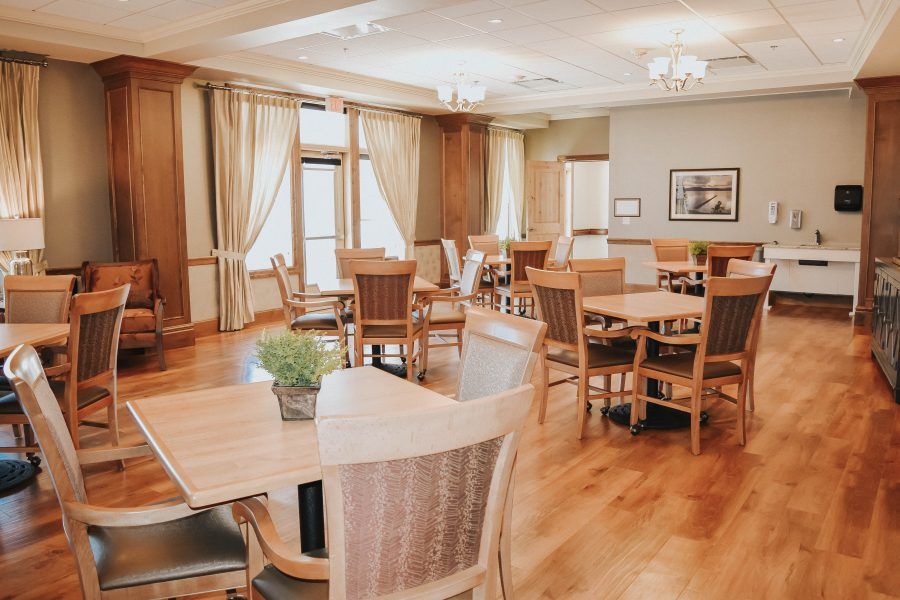
Several reviews specifically call out the food quality and describe meals as delicious and varied. Multiple families mention a chef overseeing dining and point to house-made treats as an example. The community also offers restaurant-style dining and room service, which matches residents and families describing meals as more than cafeteria-style.
differentiator6 reviews mention this
Memory care support gets specific
Memory care reviews emphasize reassurance, redirection, and structured support.
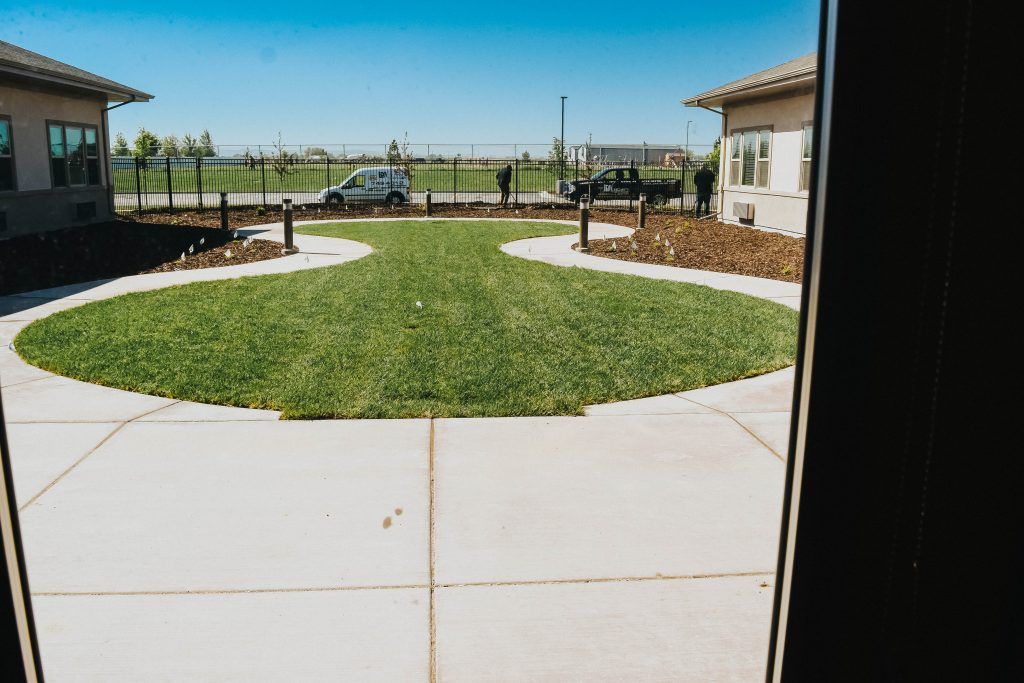
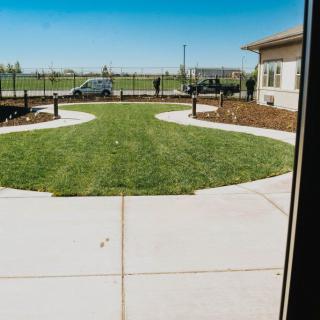
Families with loved ones in the memory care area describe individualized attention and a staff team that understands dementia or related memory changes. Reviews mention comforting interactions, redirection when residents get upset, and activity time designed for memory care residents. Some also note secure outdoor space and take outings for meals or social time, reinforcing that care is designed around daily routines and engagement.
common4 reviews mention this
Activities help residents stay engaged
Reviews describe regular activities and outings, with some limits on where residents go.
Several reviews mention schedules of activities that give residents opportunities to socialize and participate. Others specifically mention the activities director taking residents out for outings. One review stands out as a caveat, saying residents are not taken on drives or to stores (though they are taken to doctors), which may matter for families comparing options.
caveat5 reviews mention this
Billing and staffing concerns appear
Some reviews raise concerns about cost transparency and staffing or response issues.
A recurring concern in critical reviews is that families struggled with transparency and communication, including problems with charges and invoices. Reviews also mention staffing concerns and slow response times in at least one instance. At the same time, pricing for studios is shown as above county and above state averages, while one-bedroom pricing is shown as below county and below state averages, so the experience may vary by unit type.
How we summarize
Counts show how many written reviews mention each theme; a review can touch several themes, and only frequently mentioned themes are displayed.
Features
Housing
22 resident community capacity
Types of Care
Assisted Living
Board and Care Home
Independent Living
Memory Care
Amenities
Activities off-site
Activities on-site
Air-conditioning
Beautician on-site
Beauty salon
Cable or satellite TV
Devotional services off-site
Devotional services on-site
Dining room
Fully furnished
Garden
Housekeeping services
Indoor common areas
Kitchenette
Move-in coordination
Outdoor common areas
Outdoor space
Private bathrooms
Respite or short term stays offered
Telephone
Wi-Fi/high-speed internet available
Transportation
Joslin Field - Magic Valley (7 miles away)
Care Services
24-hour call system
24-hour supervision
Activities of daily living assistance
Ambulatory care
Assistance with bathing
Assistance with dressing
Assistance with transfers
Coordination with health care providers
Dementia waiver
Diabetes diet
Diabetic care
High acuity care
Hospice waiver
Incontinence care
Meal preparation and service
Medication management
Mental wellness program
Mild cognitive impairment
Special dietary restrictions
Specialized memory care programming
Transportation arrangement (medical)
Transportation to doctors appointments
Dining
Diabetes diet
Gluten-free
Guest meals
Low / no sodium
Meals provided
No Sugar
Professional chef
Restaurant style dining
Room service
Special dietary restrictions
Special dining programs
Activities
Art classes
Community-sponsored activities
Cooking classes
Day trips and outings
Devotional activities offsite
Devotional activities on-site
Educational speakers / life long learning
Live dance or theater performances
Live musical performances
Other religious services
Scheduled daily activities
Visiting chaplain or priest
Nearby Places of Interest
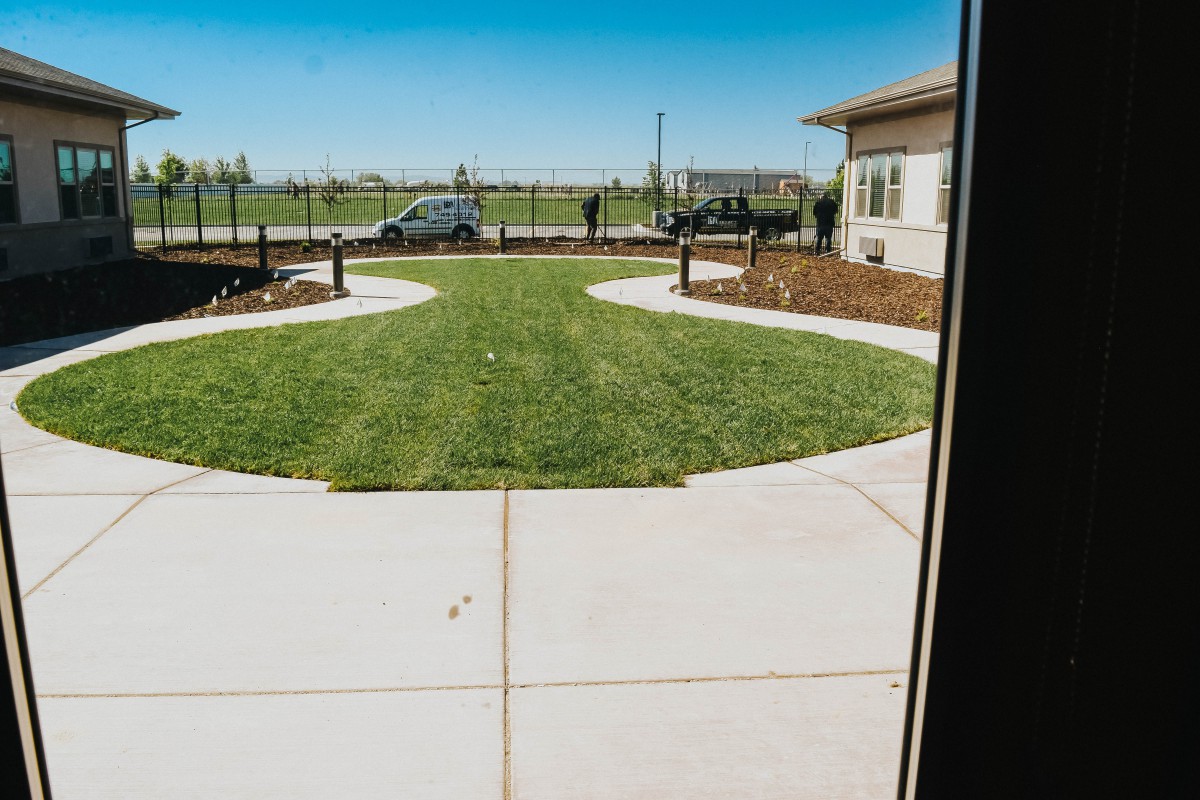
This particular area of Twin Falls, Idaho offers a variety of amenities and services that cater to the needs of seniors. With several places of worship in close proximity, individuals can easily attend religious services. Additionally, there are multiple pharmacies nearby for convenient access to medications and medical supplies. The area also boasts reputable hospitals and physicians' offices, ensuring quality healthcare options. For leisure activities, residents can enjoy dining at a range of restaurants or explore nearby parks for outdoor recreation. Various cafes provide opportunities for socializing over coffee, while transportation services are available for easy travel around the area. Overall, this neighborhood provides a well-rounded environment with essential services and recreational opportunities for seniors looking to settle in Twin Falls.
Places of Worship
Twin Falls Reformed Church (0.3 miles)
Church of Jesus Christ of Latter Day Saints (2.1 miles)
Church of Jesus Christ of Latter Day Saints (2.2 miles)
Christian & Missionary Alliance Church (2.6 miles)
Pharmacies
Bohm (0.6 miles)
Medical Office Pharmacy (0.9 miles)
Norco (1.1 miles)
Natures Forum (1.2 miles)
Walgreens (1.5 miles)
CVS Pharmacy (2.2 miles)
Kurt's Pharmacy (2.7 miles)
Hospitals
Imaging at St Luke's Magic Valley Medical Center (0.6 miles)
St Luke's Magic Valley Medical Center (1.7 miles)
St Luke's Mountain States Tumor Institute-Msti (1.7 miles)
St Luke's Magic Valley Medical Center (1.9 miles)
St Luke's Magic Valley Sleep Institute (1.9 miles)
DaVita Twin Falls At Home (2 miles)
Emergency Services at St Luke's Magic Valley (2 miles)
Physicians
St Luke's Clinic Pulmonology (0.6 miles)
St Luke's Clinic Internal Medicine: Twin Falls, Pole Line Rd (0.8 miles)
Hearing Aid Counselors & Audiology (0.9 miles)
Miracle-Ear Hearing Aid Center (0.9 miles)
Dr Laurence Hicks (1.4 miles)
Hodges Ryan D Pa Family Health Services Twin Falls (1.5 miles)
Sawtooth Surgery Center (1.5 miles)
Restaurants
Sweeto Burrito (1.1 miles)
Taco John's (1.4 miles)
Culver's (1.5 miles)
Denny's (1.6 miles)
Elevation 486 (1.7 miles)
Pueblo Bakery (1.8 miles)
Canyon Crest Event Center (1.8 miles)
Parks
Northridge Park (1.3 miles)
Centennial Waterfront Park (2.1 miles)
Shoshone Falls Park (2.5 miles)
Cafes
Dutch Bros Coffee (2 miles)
The Human Bean Twin Falls, Addison Ave. W (2.2 miles)
At Canyons Retirement Community, the monthly costs for living accommodations reflect a commitment to quality and care. For a studio apartment, residents can expect to pay $3,300, which is slightly higher than the average cost in Twin Falls County at $2,993 but lower than the state average of $3,213. Similarly, for a one-bedroom unit priced at $3,700, the community remains competitive against local and state benchmarks - Twin Falls County averages are at $3,489 while Idaho's overall average stands at $3,774. These figures indicate that while Canyons Retirement Community may be positioned above county rates for studios and one-bedrooms, it provides valuable amenities and services that justify the investment in a comfortable and supportive living environment.
Canyons Retirement Community's comprehensive features are designed to support residents with varying stages of dementia and Alzheimer's disease, enhancing their overall quality of life. The 24-hour supervision ensures that residents receive constant care and safety, while assistance with activities of daily living, including bathing and dressing, promotes dignity and fosters independence. Coordinated care with healthcare providers ensures that each resident's medical needs are met effectively, complemented by medication management to avoid confusion or missed doses. The specialized memory care programming and mental wellness initiatives cater specifically to cognitive challenges, providing stimulating activities that engage the mind while addressing mild cognitive impairment. Furthermore, incontinence care offers comfort and respect for residents' privacy, while meal preparation guarantees nutritional needs are met in a supportive environment. Transportation arrangements for medical appointments further streamline access to necessary health services, reinforcing Canyons' commitment to holistic care tailored for individuals navigating the complexities of memory-related conditions.
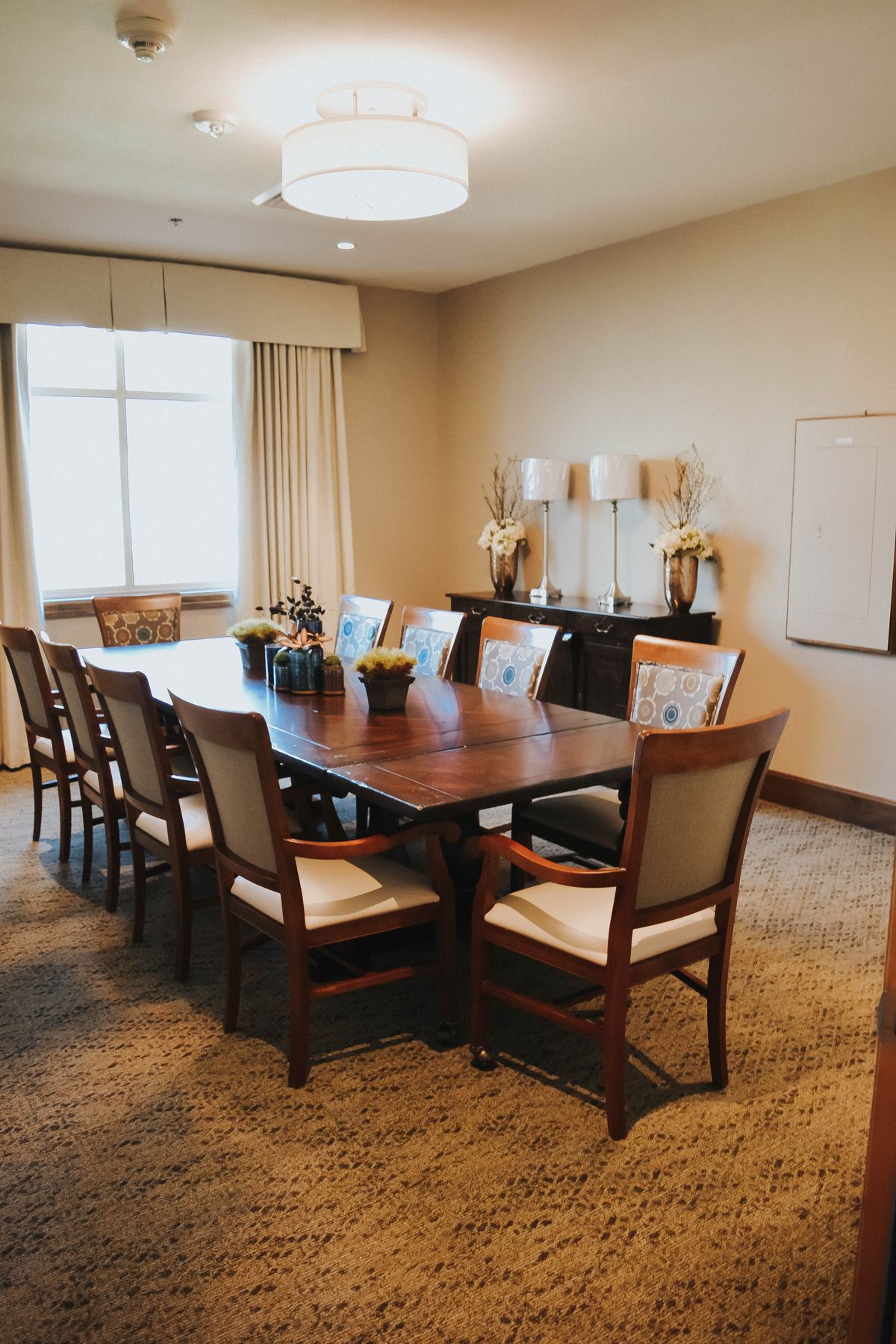
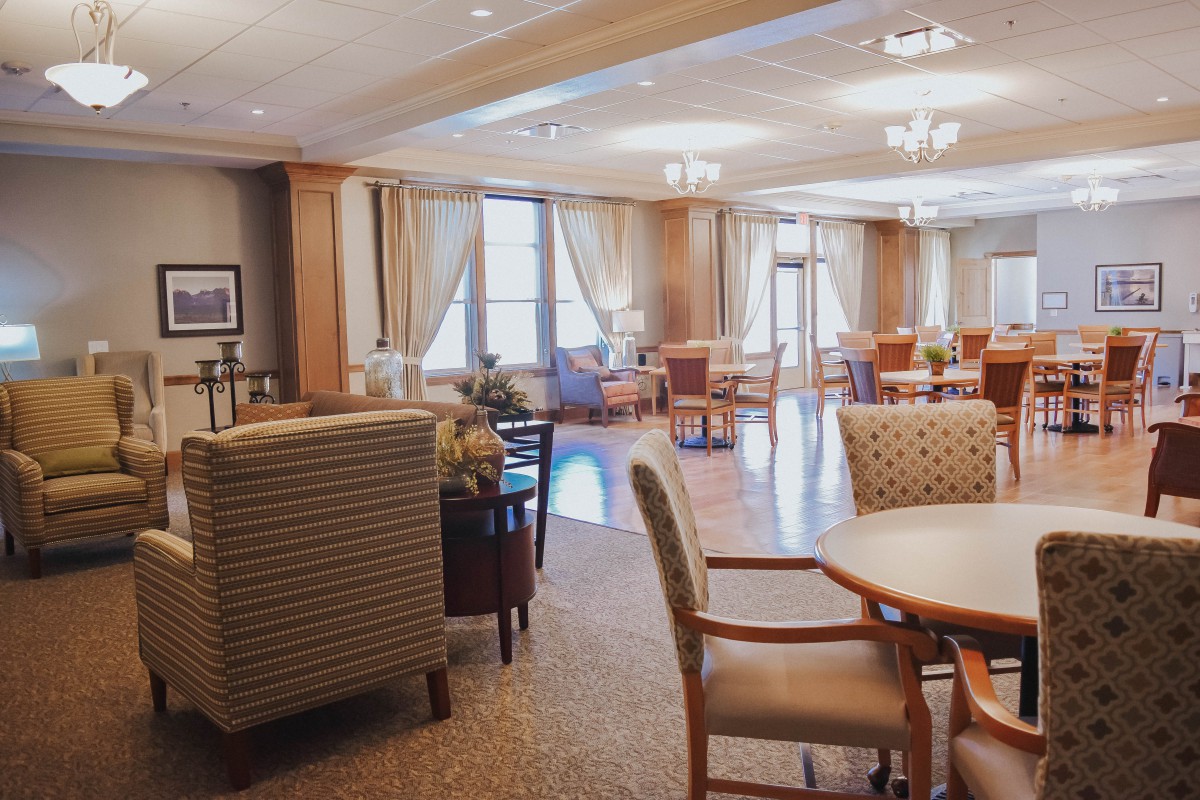
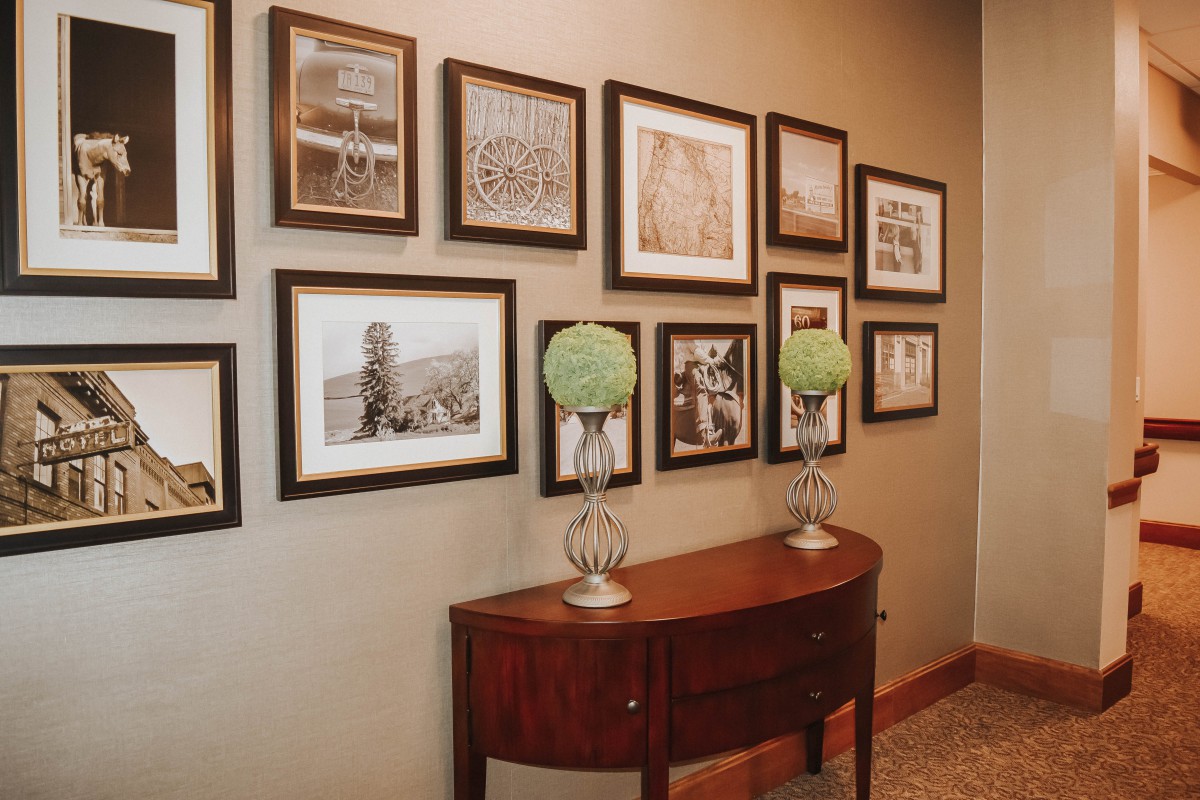
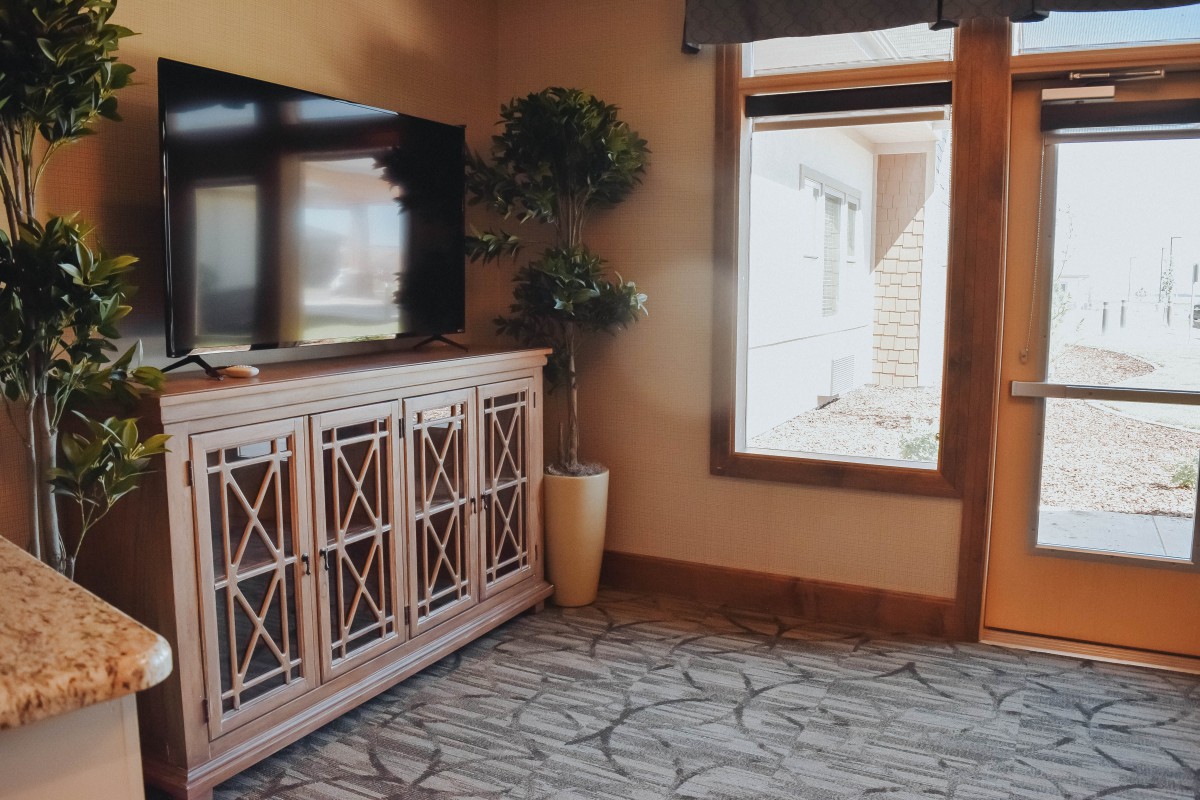
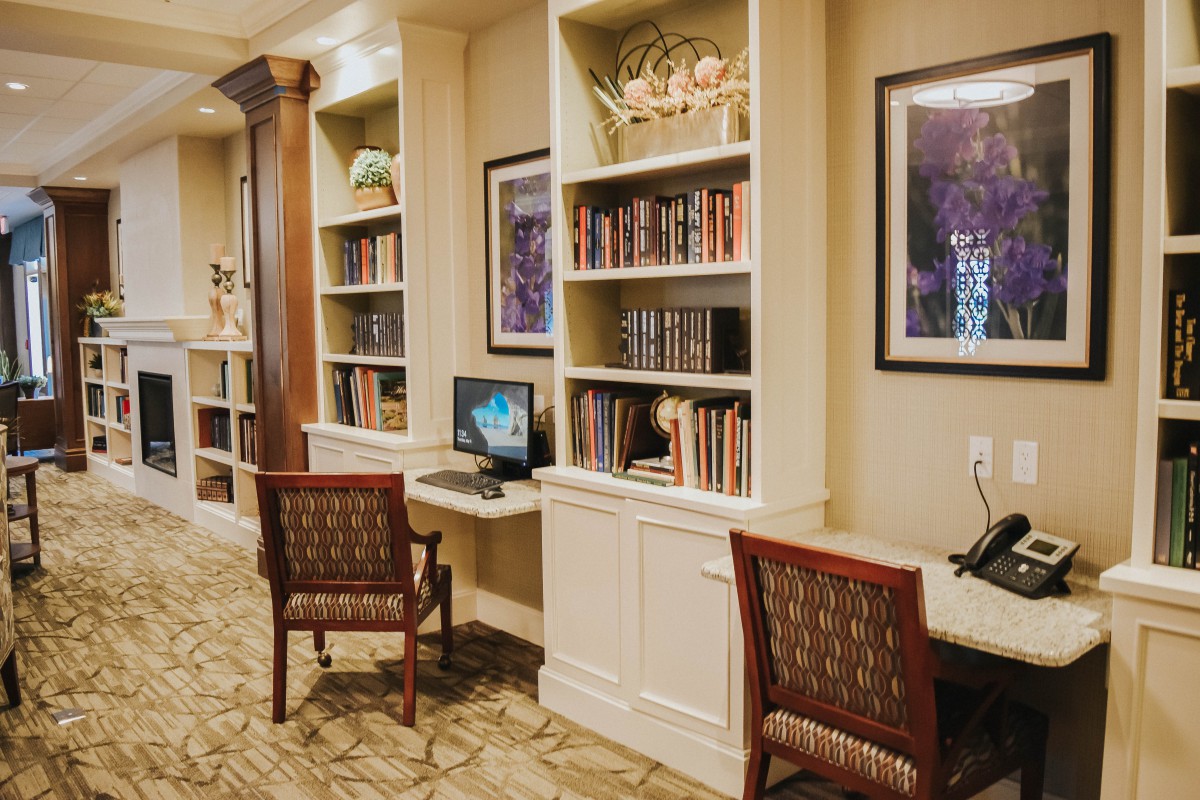
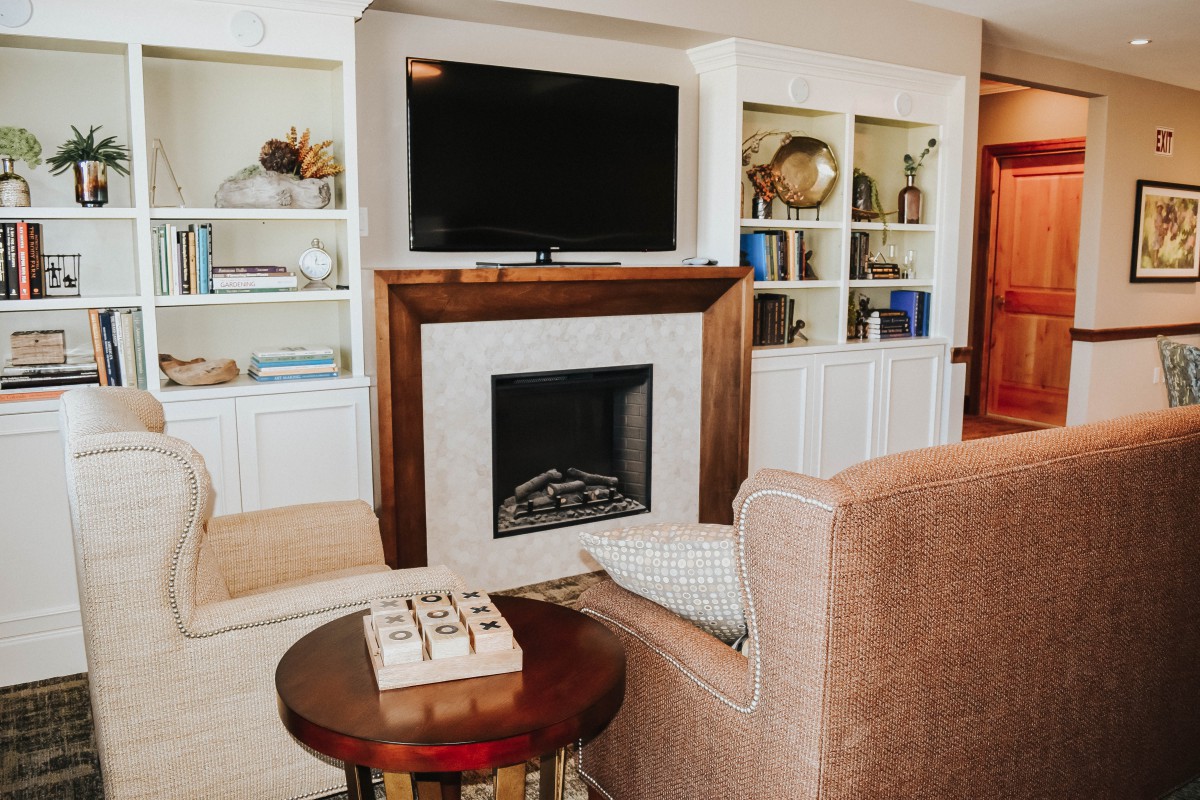
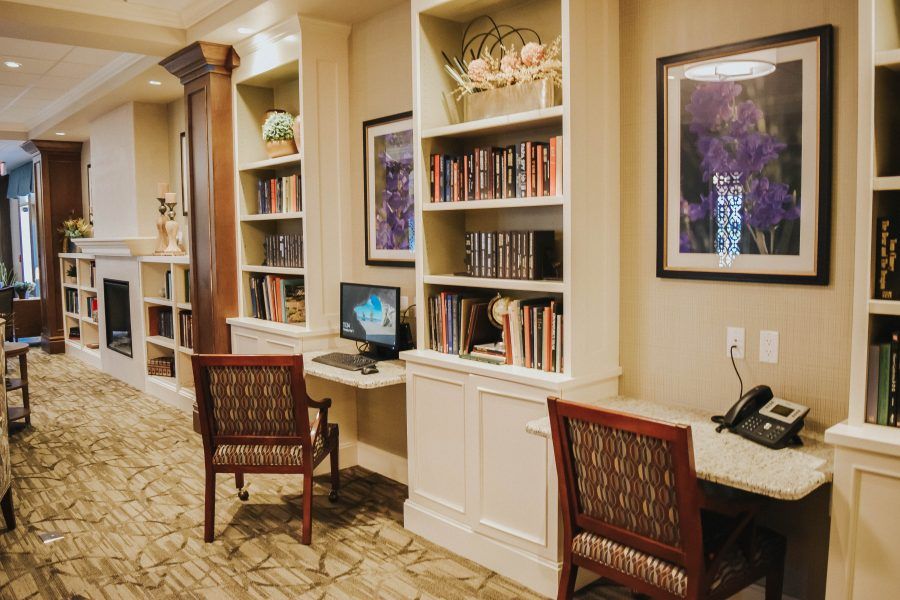
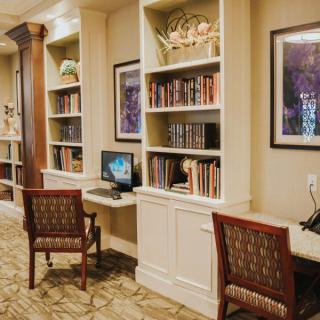
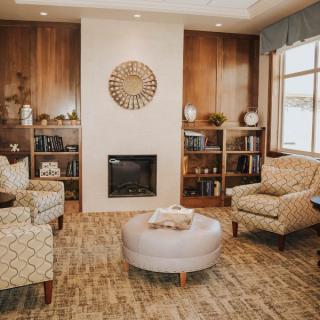
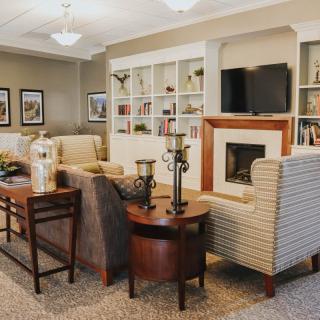
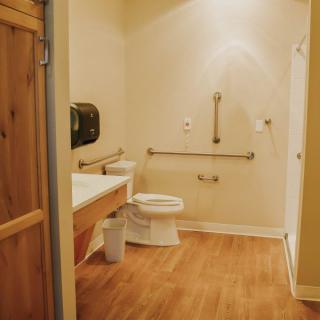
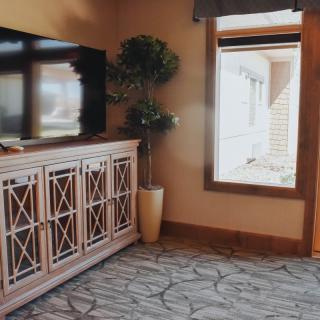
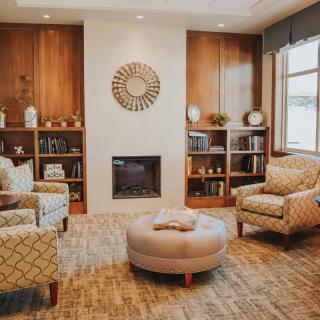
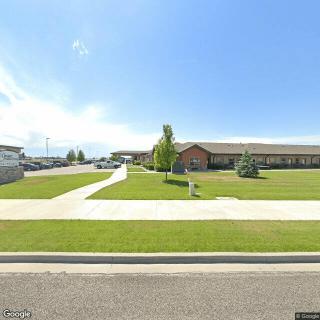
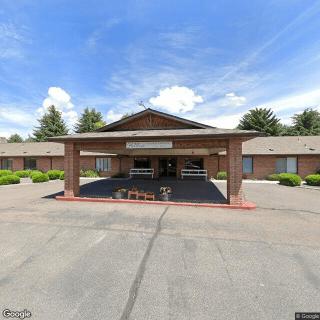
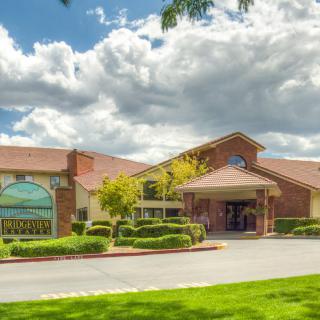
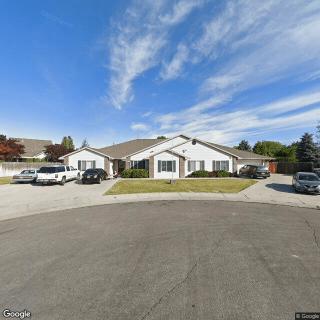
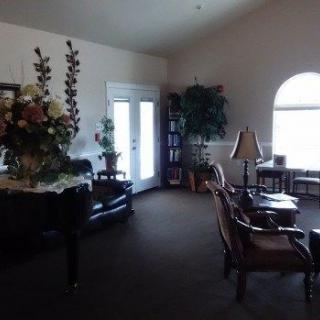
Canyons Retirement Community on seniors.fyi includes 22 photos including images showing interior, decor, living room, bookshelves, fireplace, dining, lighting, television, and more.
Nearby Communities
Serenity Healthcare
Twin Falls, ID
3.9 from 71 reviews
Caring staff and a clean, well-maintained environment with visible recovery progress.
Grace At Twin Falls
Twin Falls, ID
4.4 from 50 reviews
Clean, well-maintained facility with professional staff, delicious meals, and engaging activities.
Grace Assisted Living at Twin Falls
Twin Falls, ID
4.4 from 63 reviews
$2,200 to $4,000 / month
Clean, welcoming environment with caring staff and on-site activities.
Ashley Manor - Parkview Drive
Twin Falls, ID
4.7 from 42 reviews
$3,800 / month
Compassionate, attentive staff in a clean, well-maintained setting.
Ashley Manor - Parkview Drive
Twin Falls, ID
4.6 from 38 reviews
Specialized memory care programming with 24/7 supervision and cognitive support.
Twin Falls Manor
Twin Falls, ID
3.9 from 10 reviews
$1,895 to $3,695 / month
Friendly staff, good meals, and engaging activities.
Bridgeview Estates
Twin Falls, ID
4.4 from 144 reviews
$1,995 to $2,595 / month
Friendly staff, engaging activities, and restaurant-style dining.
Rosetta Of Twin Falls
Twin Falls, ID
4 from 24 reviews
Family-run, close-knit setting with 24-hour supervision and diabetes-focused care.
Dementia causes cognitive decline and challenging behaviors that caregivers must manage, necessitating an understanding of the neurological basis of these issues. Effective strategies and self-care for caregivers can enhance support for those with dementia and improve their daily lives.
The content outlines five key early indicators of dementia, including significant memory loss and confusion about time and place, while emphasizing the need for professional evaluation and emotional support for both individuals showing symptoms and their caregivers. It encourages family members to monitor these signs closely and use online quizzes for initial awareness.
The article highlights eight indicators that a loved one with dementia may require specialized memory care, emphasizing the emotional and logistical challenges families encounter in this decision. It discusses signs such as difficulties with daily tasks, safety concerns, and caregiver burnout, suggesting that memory care facilities can provide the necessary support and structured environments for those experiencing cognitive decline.
Get PricingAsk A QuestionSchedule A TourContact Senior Advisor
By clicking submit, you agree to our Partner's Terms of Use. You
also consent to receive calls and texts, which may be autodialed, from our Partner. Your consent is not a condition to
using our Partner's service. Please visit our Partner's Privacy Policy for information about their privacy practices.






 22 resident community capacity
 Assisted Living
 Board and Care Home
 Independent Living
 Memory Care
 Activities off-site
 Air-conditioning
 Beautician on-site
 Cable or satellite TV
 Devotional services off-site
 Dining room
 Fully furnished
 Garden
 Housekeeping services
 Indoor common areas
 Kitchenette
 Move-in coordination
 Outdoor common areas
 Private bathrooms
 Respite or short term stays offered
 Telephone
 Wi-Fi/high-speed internet available
 Joslin Field - Magic Valley (7 miles away)
 24-hour call system
 Ambulatory care
 Assistance with bathing
 Assistance with dressing
 Assistance with transfers
 Diabetes diet
 Diabetic care
 High acuity care
 Hospice waiver
 Incontinence care
 Meal preparation and service
 Medication management
 Mental wellness program
 Special dietary restrictions
 Transportation arrangement (medical)
 Transportation to doctors appointments
 Art classes
 Cooking classes
 Day trips and outings
 Educational speakers / life long learning
 Live dance or theater performances
 Live musical performances
 Visiting chaplain or priest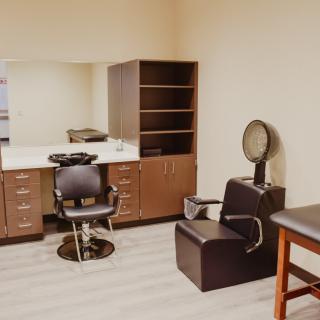
 Caring staff and a clean, well-maintained environment with visible recovery progress.
 Dementia Behaviors: In-Depth Understanding and Effective Coping Strategies
 5 Early Indicators of Dementia and What You Can Do
 8 Important Indicators That Memory Care May Be Necessary