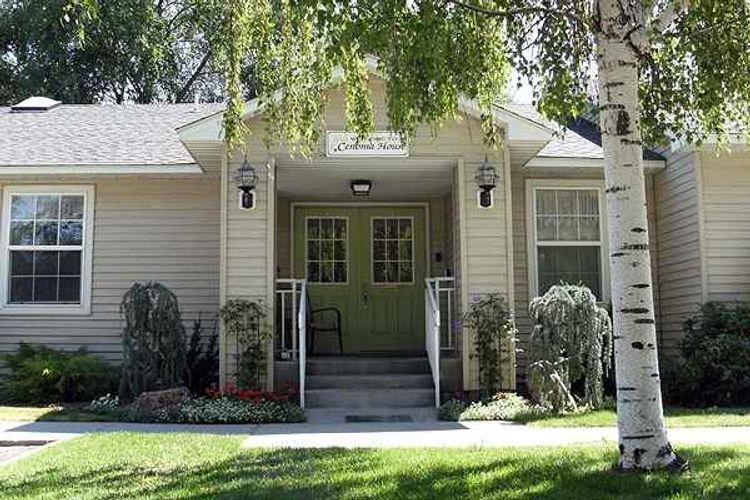
1930 Heyburn Avenue E, Twin Falls, ID 83301
For more information about senior living options: (866) 208-4318
Overall Review of Cenoma House
Pros
 All previous disputes have been resolved.
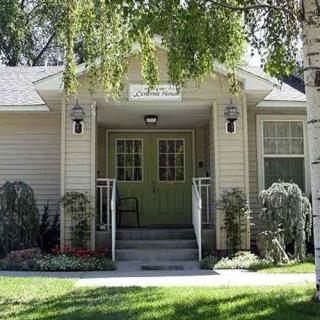
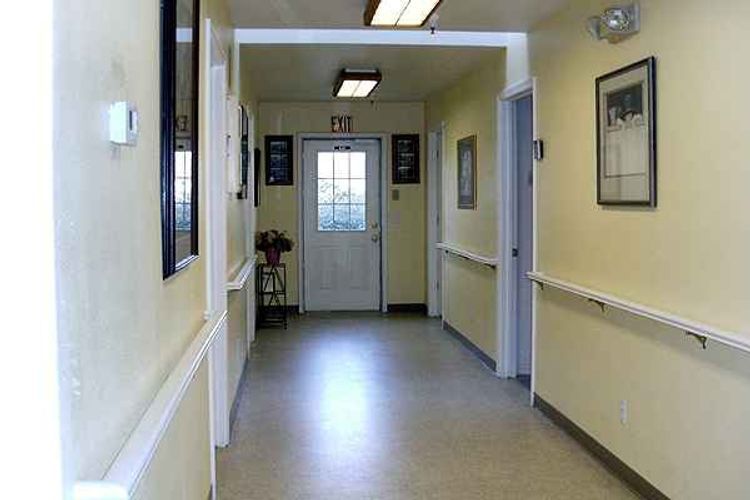
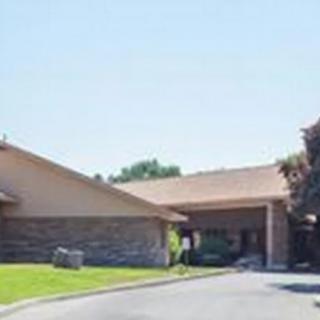
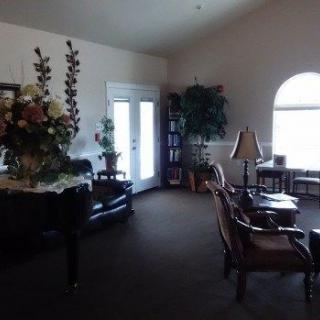
- The facility is very nice and clean.
- The residents look healthy and happy.
- Lori is a highly valued nurse and administrator.
Review
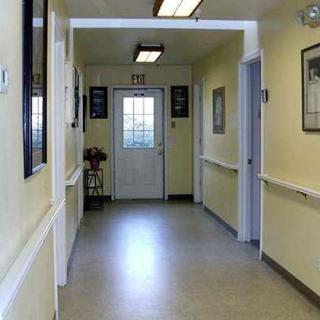
Cenoma House in Twin Falls is best suited for seniors who want a clean, well-run assisted-living option where day-to-day life feels calm, orderly, and resident-centered. The community clearly benefits from visible on-site leadership, with Lori serving as both nurse and administrator and earning praise for keeping care responsive and accessible. Eight families weighed in with high marks, and the atmosphere comes across as healthy and content, the residents appear well cared for, well nourished, and engaged. That combination, solid clinical oversight paired with a welcoming living environment, addresses the core fear families carry: will Mom or Dad be cared for with attentiveness without constant disruption? Cenoma House answers affirmatively on that front.
However, Cenoma House is not the right fit for every situation. For families with seniors who require advanced medical monitoring, 24/7 skilled nursing beyond standard assisted living, or dementia care with structured memory-support programming, alternative communities with dedicated memory-care wings or higher-acuity services may be preferable. The eight-review pool, while overwhelmingly positive, is small; prospective residents should verify that the level of care matches current needs and not assume a long runway of care without checking specifics. Similarly, those seeking extensive social programming, diverse activity offerings, or different price points should compare options to ensure value aligns with expectations.
The strongest positives, an exceptionally clean facility, residents who look healthy and happy, and leadership that is both accessible and competent, tend to offset common anxieties about quality of life and safety in assisted living. Cleanliness reduces cross-contamination and irritants; visible health and happiness among residents signals effective daily routines, nutrition, and engagement. Lori’s dual role as nurse and administrator creates a direct line of accountability, which tends to shorten response times and stabilize care plans. The sense of dispute resolution being effective reinforces the notion of a stable community culture where conflicts are handled swiftly and fairly, reducing the risk of ongoing tensions that can erode well-being.
Still, the current picture has gaps that families should weigh. The small number of published reviews means the long-term consistency of care remains somewhat unproven; there is no explicit detail about specialized memory-care options, rehab services, or the breadth of social programming. For families evaluating peace of mind, it is essential to request concrete metrics: staff-to-resident ratios, nursing on-site hours, and recent audit results. A four-star outlier among otherwise glowing feedback invites questions about what adjustments or improvements were noted by that reviewer, and how delivery is monitored going forward to ensure that performance remains steady.
To determine fit, families should schedule a structured visit with Lori and the care director, ask to meet frontline staff, and review a sample week’s calendar of activities, meals, and outings. Request a transparent outline of costs, what is included in base rates, and any potential add-ons. Inquire about the dispute-resolution process, and seek recent examples of how concerns were addressed. If possible, propose a trial stay to observe daily rhythms, and confirm the availability of transportation, family communications, and emergency procedures. These steps turn positive impressions into verifiable safety and quality metrics that matter when choosing a home.
In sum, Cenoma House offers a compelling package for seniors who prize cleanliness, visible clinical leadership, and a serene living environment in Twin Falls. It stands out as a practical, well-run choice for families prioritizing stability and resident well-being, with Lori’s leadership delivering tangible benefits in care responsiveness. Alternatives become more appealing for those needing dementia-focused programming, higher-acuity medical support, or more expansive social and activity options, or for families seeking different price structures or neighborhoods. For the right match, Cenoma House delivers reassurance that daily life will be well cared for, with a culture that keeps disputes low and outcomes high.
 22 resident community capacity
 Assisted Living
 Board and Care Home
 Memory Care
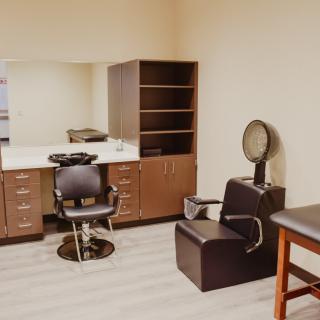
 Beauty salon
 Cable or satellite TV
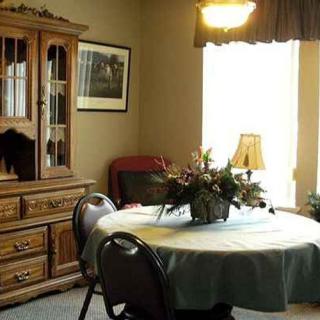
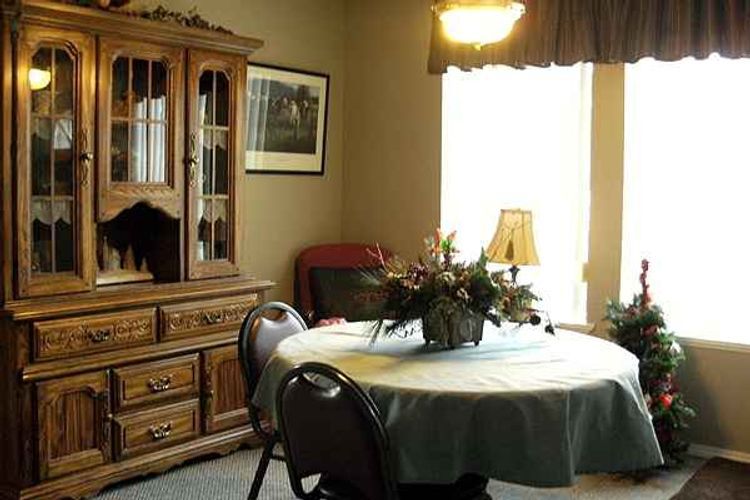
 Dining room
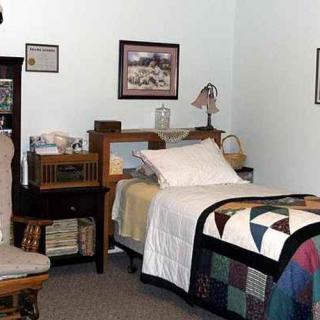
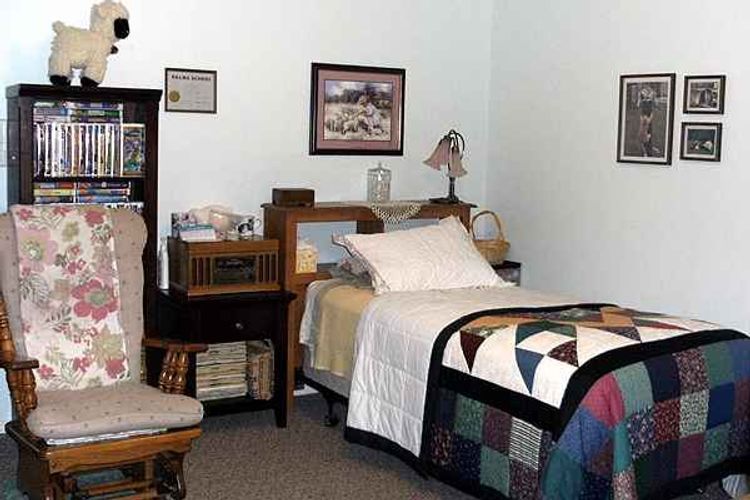
 Fully furnished
 Garden
 Housekeeping services
 Kitchenette
 Move-in coordination
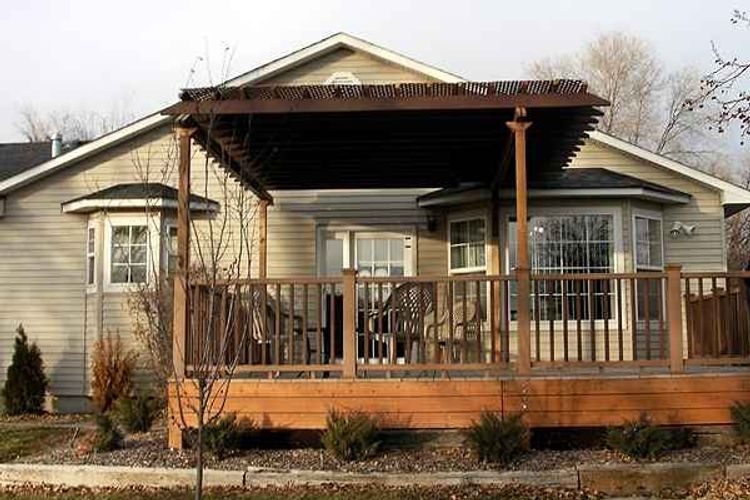
 Outdoor space
 Telephone
 Wi-Fi/high-speed internet available
 Joslin Field - Magic Valley (6 miles away)
 24-hour call system
 Activities of daily living assistance
 Assistance with bathing
 Assistance with dressing
 Assistance with transfers
 Diabetes diet
 Hospice waiver
 Meal preparation and service
 Medication management
 Mental wellness program
 Special dietary restrictions
 Transportation arrangement (medical)
 Transportation to doctors appointments

 Choosing the Right Senior Care: A Detailed Exploration of Assisted Living and Nursing Homes
 Safeguarding Your Memory Through the Golden Years: Eight Ways to Preserve Cognitive Health
 Comprehensive Insights into Activities of Daily Living (ADLs) and Their Assessment