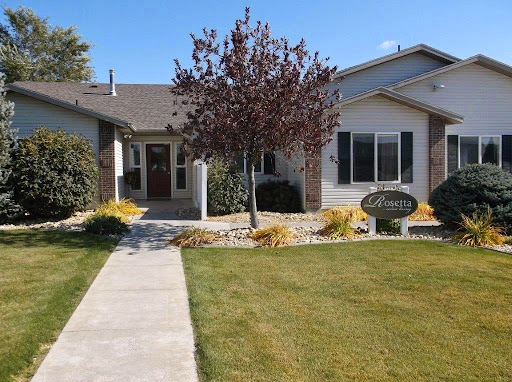
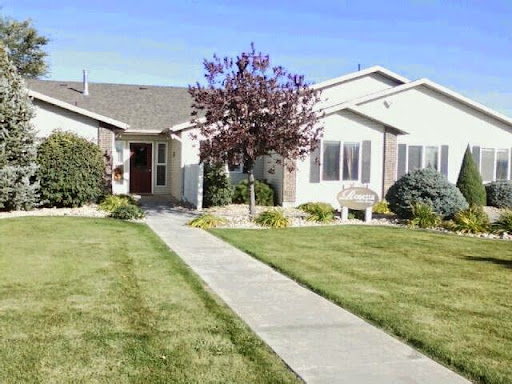
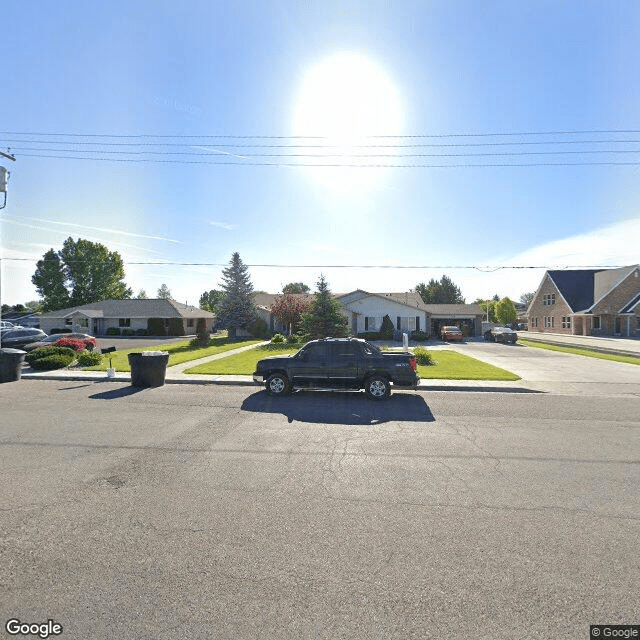
1919 Hiland Avenue, Burley, ID 83318
For more information about senior living options: (866) 208-4318

Rosetta Of Burley Costs & Pricing
At Rosetta of Burley, the monthly cost for a studio apartment is set at $3,000, which positions it as a competitively priced option within both Minidoka County and the broader state of Idaho. In comparison to Minidoka County's average studio rate of $3,362 and Idaho's average of $3,213, Rosetta offers significant savings while maintaining a high standard of care and comfort. This pricing strategy reflects Rosetta's commitment to providing accessible senior living solutions without compromising on quality, making it an appealing choice for families seeking value in their care options.
| Floor plans | Rosetta Of Burley | Minidoka County | Idaho |
|---|---|---|---|
| Studio | $3,000 | $3,362 | $3,213 |
Memory care communities with a similar price nearby
-
from -$250 / mo
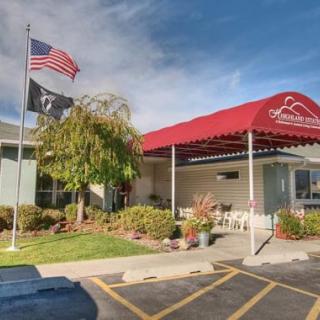
Highland Estates
$2,750 to $4,250 / month0.1 miles away
Overall Review of Rosetta Of Burley
Pros
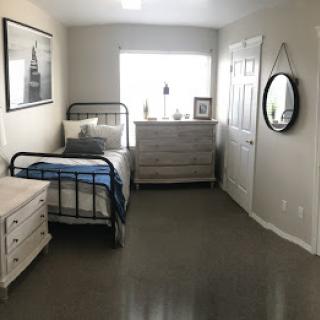
 The home-like environment is praised, and the staff are great.
- Phenomenal caregivers and management staff are caring and talented.
- The staff take time to learn about residents and respond, helping them feel safe and comfortable.
- Administration and staff are easy to communicate with and open to feedback.
- Rosetta has a home-like atmosphere with caring staff.
- The facility provides wonderful care and meets residents' individual needs.
- The building is clean and residents appear happy under attentive care.
- Nurses visit regularly and staff maintain good communication to address residents' needs.
- Families are grateful for Rosetta and would highly recommend it for memory care.
Cons
 There has been a lot of turnover among staff.
- There is not a nurse on-site most of the time.
- The reviews suggest raises or bonuses are needed to retain staff.
Review
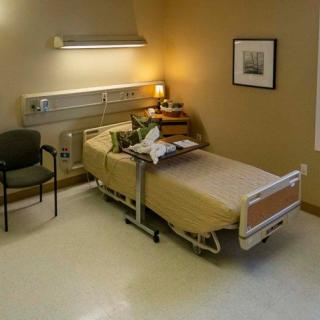
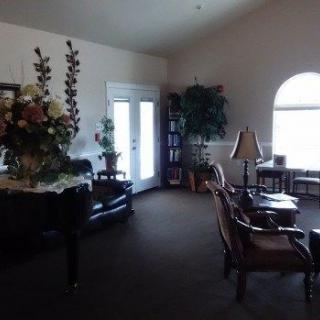
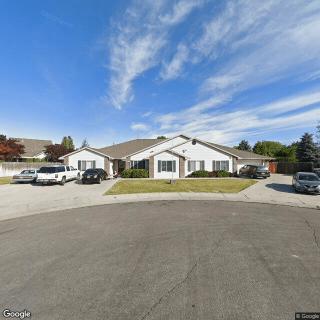
Rosetta Of Burley is best suited for families seeking a small, home-like assisted living environment that prioritizes memory-care support and deeply attentive, relationship-driven care. In Burley, Idaho, this community operates like a private home more than a clinical campus, with a turnover of residents kept low by a familiar, intimate setting. The intimate size, approximately a dozen residents, allows staff to tailor routines and responses to individual histories, preferences, and daily rhythms, creating a sense of safety and belonging that can be difficult to sustain in larger facilities.
That said, not every family will find this the right fit. Those needing a larger continuum of care, more on-site medical availability, or a more bustling social calendar may want to consider alternatives. A facility with a full-time on-site nurse, broader activity programming, and a wider network of specialists could better serve residents with complex medical needs or a desire for constant medical coverage. Families looking for a higher level of clinical resources or rapid escalation of care should weigh whether the small-scale model can reliably meet evolving health requirements.
The strongest point in Rosetta’s favor is the warmth generated by a home-like atmosphere and a staff that truly knows residents. Reviews repeatedly highlight caregivers who take time to learn personal histories and respond with reassurance, particularly for residents with memory challenges. The on-site administration is described as approachable and responsive, with families appreciating open communication when concerns arise. Cleanliness and general upkeep reinforce the sense that residents live in a calm, well-maintained home, where staff interactions feel genuine and consistent. These factors translate into noticeable peace of mind for families who want their loved ones to feel known and respected every day.
Still, the community’s advantages must be weighed against the notable con, turnover among caregivers. An updated review points to a year of significant staff movement, which can threaten continuity of care and the familiar routines families rely on. While the culture remains supportive and appreciative of staff, this turnover risks unpredictability in daily caregiving, handoffs, and the consistency residents experience from week to week. The on-site nursing presence is not constant, with a nurse visiting regularly rather than standing by full-time, which matters for families who require steady medical supervision or frequent clinical oversight. These realities do not negate the care quality, but they do heighten the importance of proactive communication and a clear plan for continuity.
For families evaluating Rosetta against peers, the practical approach is decisive: verify leadership stability, request a current staffing profile, and observe how the team handles transitions during a visit. Seek specifics on memory-care programming, how it’s structured, how staff respond to wandering or cognitive shifts, and how daily activities reflect individual histories. Confirm how medical needs are coordinated when the on-site nurse isn’t present, and ask about any anticipated staffing changes or retention strategies. If the goal is steady clinical oversight alongside intimate, person-centered care, this facility offers substantial strengths but will require due diligence to ensure preferred levels of consistency over time.
Ultimately, Rosetta Of Burley delivers something rare: a truly homey, dementia-aware environment where residents are treated with personal attention and respect. For families prioritizing that intangible sense of belonging and daily warmth, the strengths, staff who know residents well, open administrator access, and a calm, clean setting, often outweigh the drawbacks. If continuity of caregiving and constant on-site medical support are non-negotiables, however, it is prudent to compare with larger clubs in the region that promise more robust clinical coverage and a steadier staffing slate. The right choice hinges on balancing the value of a small, intimate home with the practical need for predictable medical resources and staff stability over time.
 22 resident community capacity
 Assisted Living
 Board and Care Home
 Memory Care
 Respite Care
 Beauty salon
 Cable or satellite TV
 Dining room
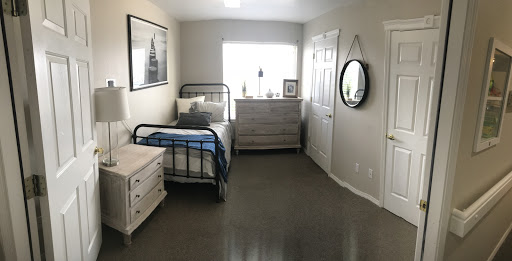
 Fully furnished
 Garden
 Housekeeping services
 Kitchenette
 Move-in coordination
 Outdoor space
 Telephone
 Wi-Fi/high-speed internet available
 24-hour call system
 Activities of daily living assistance
 Assistance with bathing
 Assistance with dressing
 Assistance with transfers
 Diabetes diet
 Hospice waiver
 Meal preparation and service
 Medication management
 Mental wellness program
 Special dietary restrictions
 Transportation arrangement (medical)
 Transportation to doctors appointments
 Understanding the Distinctions: Assisted Living and Memory Care Explained
 How to Communicate with a Loved One Living with Dementia: 10 Supportive Strategies
 Comprehensive Guide to VA Nursing Homes: A Crucial Long-Term Care Resource for Veterans