
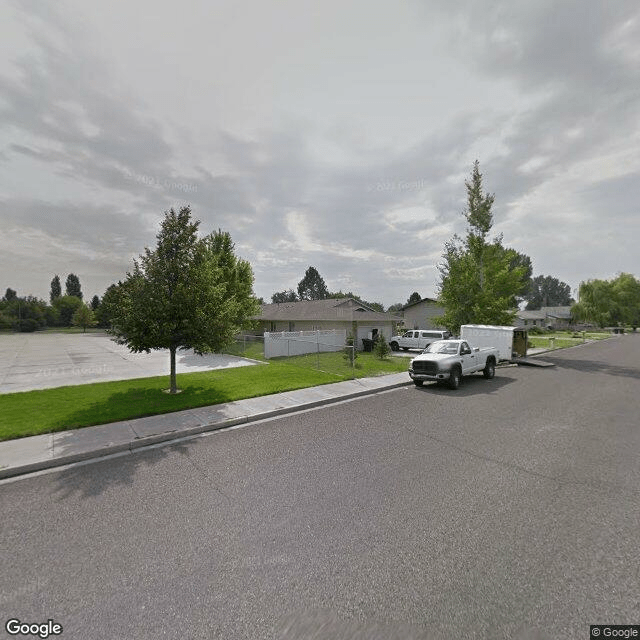
1703 Almo Ave, Burley, ID 83318
To contact a resident: (208) 678-2955
For more information about senior living options: (866) 208-4318
Diamond Peak of Burley Costs & Pricing
Diamond Peak of Burley offers competitive pricing for its residential options, making it an appealing choice for prospective residents. The facility charges $2,500 per month for a semi-private room, which is notably lower than the average cost in Minidoka County at $2,625 and significantly more economical compared to the state average of $3,026. For those seeking greater privacy, Diamond Peak provides private rooms at a rate of $3,000 per month - matching the local county price while remaining more affordable than Idaho's statewide average of $3,906. This favorable pricing structure positions Diamond Peak as a cost-effective option without compromising on quality care and comfort.
| Floor plans | Diamond Peak of Burley | Minidoka County | Idaho |
|---|---|---|---|
| Semi-Private | $2,500 | $2,625 | $3,026 |
| Private | $3,000 | $3,000 | $3,906 |
Assisted Living communities with a similar price nearby
-
from +$250 / mo

Highland Estates
$2,750 to $4,250 / month0.4 miles away
Overall Review of Diamond Peak of Burley
Pros
 The staff is caring and friendly.
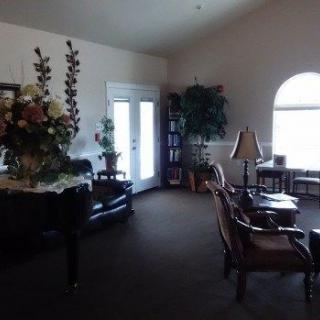
- The home is kept clean and cheery.
- It feels like living in a home with roommates.
- The private rooms offer privacy, even for Medicaid residents.
- It is perfect for people who want to be independent but would like help with meals, laundry, and light cleaning.
- It provides light assistance in a caring, home-like environment.
Cons
 It often only has one staff member on site, and the nurse isn’t on site every day.
- There are so few residents that it’s hard to form a good group for activities.
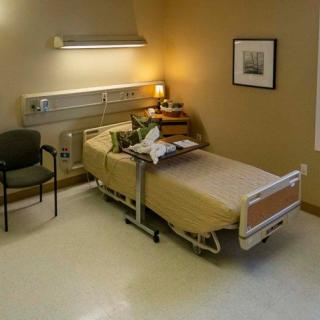
- The rooms are not large.
- It is not suitable for those seeking a high level of nursing care or extensive assistance.
- The on-call nurse arrangement can feel unreliable for daily needs.
- The small size may limit core services and activities.
Review
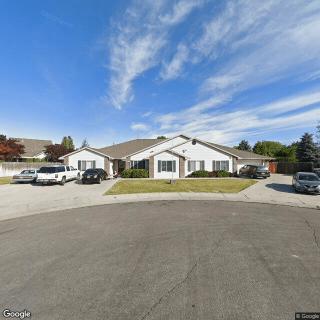
Diamond Peak of Burley is best suited for seniors who prize privacy, a intimate, home-like setting, and light, hands-on support rather than full-time medical care. The nine-residence layout creates a small, quiet community where residents live more like roommates than in a traditional dormitory. Meals, laundry, and light housekeeping are the kinds of help many families prioritize, paired with a warm, cheerful atmosphere and consistently caring staff. Its strength lies in providing independence with practical assistance, making it ideal for residents who want to stay autonomous while not managing every household task themselves. This is not a match for those who require robust clinical care or a bustling social calendar.
Those evaluating alternatives should note who may want to look elsewhere. The on-site nursing presence is not guaranteed daily; staff sometimes operate with a single caregiver on site, with the nurse available only on call. For families needing continuous medical oversight, a high level of nursing, or a highly structured activity program, Diamond Peak will likely fall short. It is not a care center, and the level of clinical intensity and routine, daily nursing support simply isn’t the operating norm here. In short, it serves best as an assisted-living option for lighter, everyday needs rather than a substitute for a full-service medical facility.
The most compelling positives center on privacy, personalized attention, and a home-oriented vibe. Private rooms remain a major plus, including options that accommodate Medicaid residents without compromising dignity. Cleanliness and a consistently cheery environment reinforce a sense of comfort and control, qualities many families seek when transitioning a loved one. The staff’s demeanor, caring, friendly, and accommodating, extends beyond routine tasks to support residents’ preferences in daily living, holidays, and crafts. For households prioritizing a gentle pace, low-stress routines, and meaningful, if lighter, social moments, these factors carry real weight.
Yet the smaller scale exposes clear drawbacks that cannot be overlooked. The limited resident population means fewer opportunities for large or varied activities, which can dampen social stimulation for some seniors. Core services and enrichment programs do not receive high marks simply because there aren’t large groups to mobilize for wide-ranging programming. Rooms are not expansive, which can feel restrictive for those who value more generous living space. The combination of limited on-site nursing coverage and a quieter activity calendar can leave residents who need robust daytime engagement and medical oversight feeling under-supported.
Even so, the available strengths can compensate for many of these shortcomings when viewed through the lens of day-to-day living. For a resident who values a predictable routine, minimal staffing turnover, and a calm, private living area, the favorable trade-offs are meaningful. Light assistance, meal preparation, laundry, and light housekeeping, becomes reliable support that preserves independence and reduces daily burdens. The staff’s willingness to tailor experiences around residents’ desires, crafts, family dinners, and holiday gatherings, helps preserve dignity and social connection without turning the community into a busy, high-pressure environment.
Ultimately, Diamond Peak of Burley represents a pragmatic choice for families prioritizing a small, intimate setting with private rooms and attentive, personable care for light assistance needs. It excels as a warm, low-key alternative to larger facilities when independence is valued but occasional help is desired. For those whose top requirements include around-the-clock nursing, a robust calendar of activities, or substantial medical services on-site, alternatives should be explored, think larger assisted living homes or communities with formal on-site nursing and more expansive programming. Prospective families are encouraged to visit with questions about daily staffing, on-call nurse availability, room configurations, and how Medicaid arrangements are handled, ensuring the fit aligns with both current needs and anticipated changes in care.
 22 resident community capacity
 Assisted Living
 Board and Care Home
 Cats allowed
 Dogs allowed
 Activities off-site
 Bath tubs
 Beauty salon
 Cable or satellite TV
 Devotional services on-site
 Dining room
 Fully furnished
 Garden
 Housekeeping services
 Indoor common areas
 Kitchenette
 Move-in coordination
 Outdoor common areas
 Private
 Private bathrooms
 Respite or short term stays offered
 Telephone
 Wheelchair accessible showers
 Wi-Fi/high-speed internet available
 24-hour call system
 Ambulatory care
 Assistance with bathing
 Assistance with dressing
 Assistance with transfers
 Diabetes diet
 Diabetic care
 High acuity care
 Incontinence care
 Meal preparation and service
 Medication management
 Mental wellness program
 Special dietary restrictions
 Transportation arrangement (medical)
 Transportation to doctors appointments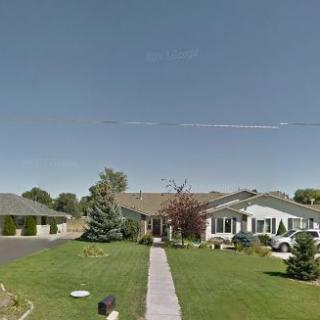

 Assisted Living Support for Veterans: A Complete and Detailed Overview
 Exploring the Contrasts Between Assisted Living and Skilled Nursing
 8 Key Indicators That Suggest It May Be Time to Transition from Assisted Living to Skilled Nursing Care