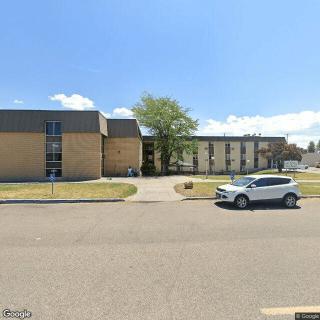
Cedar Living Center in Blackfoot, ID

270 Cedar Street, Blackfoot, ID 83221

For more information about senior living options: (844) 490-3973

4.6 from 92 reviews
5 stars
70
4 stars
9
3 stars
10
2 stars
1
1 stars
2

Assisted Living Board and Care Home

Overall Review of Cedar Living Center

Pros

  • pro They were warmly greeted at the senior center and felt at ease right away.
  • pro The staff explained everything clearly and provided attentive care.
  • pro They plan to return for lunch and participate in the activities offered.
  • pro The meals are well prepared and delicious, and the salad bar is exceptional.
  • pro The center is friendly, inviting, and feels like home for seniors.
  • pro The staff are courteous, helpful, and create a welcoming atmosphere.
  • pro It has a spacious space that accommodates events and gatherings.
  • pro It is a great asset to the community and supports aging populations.

Cons

  • pro The place smelled weird, though the staff was nice.
  • pro Some of the workers were a bit cranky.
  • pro The initial person the reviewer spoke to was rude and provided no information about services.
  • pro It was the worst bus tour they've ever been on.
  • pro The inside was very small.
  • pro The itinerary was altered, resulting in a motel room stay.
  • pro They felt they paid $1,000 to sit in a motel room.

Review

Cedar Living Center in Blackfoot is best suited for active, budget-conscious seniors who want a social hub with reliable meals and a broad menu of community programs, not for those who require around-the-clock medical care or highly intensive assistance. The center operates like a welcoming senior center that doubles as a community gathering space, where daily lunches, a celebrated salad bar, and a schedule of activities anchor the day. For families seeking a place where an elder can stay socially engaged, participate in chair volleyball or balance-focused classes, and enjoy a trusted lunchtime routine, Cedar Living Center delivers tangible value. It suits those who prioritize connection, affordability, and convenient access to services that extend beyond food, such as volunteering and tax assistance.

Plans to consider alternatives should begin with the reality that this setting is not a traditional, residential assisted living with continuous clinical oversight. If a loved one requires 24/7 on-site nursing, extensive personal care, private-room care management, or a more private living arrangement, other assisted living communities with formal caregiving programs would likely be a better fit. Families seeking a quieter environment with less emphasis on daily programming, or those who want a higher level of medical monitoring or privacy, may prefer a conventional ALF or a housing-with-care model. The same holds for those who need a larger, more modern facility with a more traditional "facility-based" feel rather than a community-first environment.

The strongest pros at Cedar Living Center center on food, warmth, and social vitality. Reviewers consistently praise the quality and variety of meals, calling the salads exceptional and the lunches well prepared. The Fridays "breakfast" option and the ongoing food pantry and Idaho Food Bank collaborations expand the center's utility beyond meals, turning it into a practical resource for families and older adults alike. The staff is described as friendly and helpful, and the atmosphere as welcoming and home-like, with many notes about positive interactions and the sense of belonging among neighbors. The breadth of activities - board games, chair volleyball, fit-and-fall classes, and organized birthdays or community events - creates daily engagement that can mitigate isolation and support ongoing wellness.

These strengths offset the principal drawbacks with practical grit. A few reviews acknowledge moments when staff behavior felt less inclusive or where some staff appeared less engaged; a couple of comments mention a smaller, perhaps more modest interior footprint. Yet the robust menu of programs, the positive social climate, and the chance to host family events or birthday parties inside a spacious setting often neutralize those concerns. The center's capacity to host large gatherings and its evident role as a community asset - coupled with volunteers, service projects, and service-oriented opportunities - tends to trump occasional staffing friction and occasional sensory biases like "smells odd." In short, the bottom line is clear: meaningful social engagement and dependable meals deliver outsized value here.

For decision-making, Cedar Living Center shines when the objective is sustained social connection and practical support, not a highly structured living arrangement. It is particularly well-suited for seniors who want regular lunch, accessible activities, and opportunities to contribute through volunteering or community service. The presence of a food bank, tax prep services, and multi-generational uses (teen parties, community gatherings) expands the value proposition beyond senior-focused programming. Those who prize a sense of "home" experienced through friendly staff, neighborly feeling, and a non-sterile environment will find this setting a strong fit. It's important to enter with expectations aligned to a community-oriented center rather than a traditional residential care facility.

Prospective families should visit with a clear checklist: sample the lunch, observe how activities run, and chat with staff about specific care needs and hours of operation. Ask about accessibility for transportation, availability of private space for family gatherings, and what levels of assistance are available if needs evolve. The center earns credibility through high overall ratings (and notably strong praise for food and friendliness), but the real measure remains whether daily participation aligns with a loved one's routine and social goals. If the aim is a warm, affordable, activity-rich environment with strong community ties, Cedar Living Center stands out as a practical, seasoned choice.

Features

Housing

  • 13 resident community capacity 13 resident community capacity

Types of Care

  • Assisted Living Assisted LivingAssisted living facilities provide crucial support and care for seniors who may need help with daily tasks such as medication management, bathing, and meal preparation. These communities offer a safe and comfortable environment where seniors can maintain their independence while receiving the assistance they need to thrive in their golden years.
  • Board and Care Home Board and Care HomeBoard and care homes provide a smaller, more intimate setting for seniors who require assistance with daily tasks but do not need the level of care offered by a nursing home. They offer personalized care, meals, and social activities in a homelike environment, ensuring that seniors receive individualized attention and support in their golden years.

Amenities

  • Cable or satellite TV Cable or satellite TVCable or satellite TV is important for seniors because it provides entertainment, news, and companionship, helping to combat loneliness and boredom. It also offers a wide range of programming options tailored to different interests and preferences.
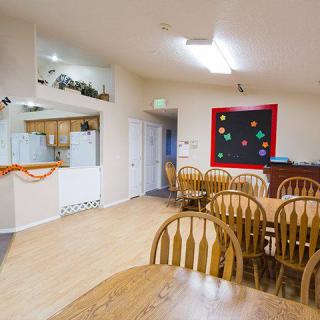
  • Dining room Dining roomDining rooms are important for seniors as they provide a space for socialization, connection, and nutritious meals. They offer opportunities for residents to bond over shared meals, foster a sense of community, and promote healthy eating habits. Dining rooms also ensure that seniors have access to well-balanced meals tailored to their dietary needs and preferences.
  • Fully furnished Fully furnishedFully furnished senior living communities are important for seniors because they provide convenience, comfort, and a hassle-free moving experience. Seniors can easily settle into their new living space without the stress of having to buy and move furniture. This allows them to focus on enjoying their new home and community.
  • Garden GardenGardens are important for seniors as they provide a peaceful and therapeutic environment for relaxation, physical activity, and socialization. Being in nature has been shown to reduce stress, improve mood, and promote overall well-being. Gardens also offer opportunities for seniors to engage in gardening activities, which can improve mobility, flexibility, and cognitive function. Additionally, gardens create a sense of community and connection with others who share a passion for plants and outdoor spaces.
  • Housekeeping services Housekeeping servicesHousekeeping services are important for seniors because they help maintain a clean and safe living environment, promote independence, and reduce the risk of accidents or illnesses. Additionally, having assistance with household chores can alleviate physical strain and allow seniors to focus on other aspects of their well-being.
  • Move-in coordination Move-in coordinationMove-in coordination is important for seniors because it helps ease the transition into their new living environment. It ensures that all logistics, such as packing, organizing movers, and setting up utilities are taken care of, allowing seniors to focus on settling in and adjusting to their new home. Having a smooth move-in process can alleviate stress and anxiety, making the transition smoother and more enjoyable for seniors.
  • Outdoor space Outdoor spaceOutdoor spaces are important for seniors as they provide opportunities for physical activity, social interaction, exposure to natural light and fresh air, and a sense of connection to nature. Having access to outdoor spaces can improve overall well-being and quality of life for older adults living in senior communities.
  • Telephone TelephoneTelephones are important for seniors as they provide a lifeline for communication with loved ones, emergency services, and healthcare providers. They offer a sense of security and independence, enabling seniors to stay connected and access assistance when needed.
  • Wi-Fi/high-speed internet available Wi-Fi/high-speed internet availableWi-Fi/high-speed internet is important for seniors to stay connected with loved ones, access online resources, and participate in virtual activities to combat feelings of loneliness and isolation. It also allows them to easily manage healthcare needs, access entertainment, and engage in lifelong learning opportunities.

Transportation

  • Pocatello Regional (23 miles away) Pocatello Regional (23 miles away)

Care Services

  • 24-hour supervision 24-hour supervision24-hour supervision is important for seniors to ensure their safety, well-being, and access to immediate assistance in case of emergencies or health issues. This constant support provides peace of mind for both seniors and their loved ones, allowing them to age in place with dignity and security.
  • Activities of daily living assistance Activities of daily living assistanceActivities of daily living assistance are important for seniors because they provide essential support with tasks such as eating, bathing, dressing, and mobility. This assistance helps seniors maintain their independence, dignity, and overall quality of life as they age.
  • Assistance with bathing Assistance with bathingAssistance with bathing is crucial for seniors as it helps maintain personal hygiene, prevents infections, and ensures their overall well-being and comfort. It also provides a sense of dignity and independence for seniors who may struggle with this task on their own.
  • Assistance with dressing Assistance with dressingAssistance with dressing is important for seniors because it helps maintain their independence, promotes personal hygiene, prevents accidents and injuries, and improves overall quality of life. This service ensures that seniors can continue to dress comfortably and confidently, despite any physical limitations they may have.
  • Assistance with transfers Assistance with transfersAssistance with transfers is crucial for seniors as it helps prevent falls and injuries, maintains their independence, and ensures they can safely navigate their living environment. It also provides peace of mind for both seniors and their loved ones.
  • Coordination with health care providers Coordination with health care providersCoordination with health care providers is crucial for seniors to ensure proper medical care, medication management, and overall well-being. This collaboration helps prevent overlapping treatments, track progress more effectively, and provide comprehensive support tailored to individual needs.
  • Diabetes diet Diabetes dietA diabetes diet is crucial for seniors as it helps manage blood sugar levels, reduce risks of complications, and improve overall health and well-being. By following a balanced and nutritious diet tailored to their specific needs, seniors can better control their diabetes and enhance their quality of life.
  • Meal preparation and service Meal preparation and serviceMeal preparation and service are crucial for seniors as they may have limited mobility or energy to cook nutritious meals. Having access to healthy and convenient food options can ensure they are getting the proper nutrition needed to maintain their overall health and well-being.
  • Medication management Medication managementMedication management is crucial for seniors to ensure they are taking the right medications at the correct dosages and times. This helps prevent adverse drug interactions, reduces the risk of medication errors, and promotes overall health and well-being. Proactive management also allows for adjustments as needed based on changing health conditions or new prescriptions.
  • Special dietary restrictions Special dietary restrictionsSpecial dietary restrictions are important for seniors because age-related changes in metabolism and health conditions can make it difficult for their bodies to process certain foods. By following a diet tailored to their specific needs, seniors can maintain their overall health and well-being, manage chronic conditions, and reduce the risk of complications such as malnutrition or food interactions with medications.
  • Transportation arrangement (medical) Transportation arrangement (medical)Transportation arrangements for medical purposes are essential for seniors as they may have difficulty driving themselves to appointments or accessing public transportation. Having reliable and safe transportation options ensures that seniors can receive timely medical care and maintain their health and well-being.
  • Transportation to doctors appointments Transportation to doctors appointmentsTransportation to doctors' appointments is crucial for seniors as it ensures they have access to necessary medical care and support for their health needs. Without reliable transportation, seniors may struggle to attend important appointments, leading to potential delays in treatment and health complications. Providing transportation services helps seniors maintain their overall well-being and quality of life.

Dining

  • Diabetes diet Diabetes dietA diabetes diet is crucial for seniors as it helps manage blood sugar levels, reduce risks of complications, and improve overall health and well-being. By following a balanced and nutritious diet tailored to their specific needs, seniors can better control their diabetes and enhance their quality of life.
  • Special dietary restrictions Special dietary restrictionsSpecial dietary restrictions are important for seniors because age-related changes in metabolism and health conditions can make it difficult for their bodies to process certain foods. By following a diet tailored to their specific needs, seniors can maintain their overall health and well-being, manage chronic conditions, and reduce the risk of complications such as malnutrition or food interactions with medications.

Activities

  • Community-sponsored activities Community-sponsored activitiesCommunity-sponsored activities are important for seniors as they provide opportunities for social interaction, mental stimulation, and physical activity. These activities can help improve overall well-being, combat loneliness and isolation, and promote a sense of belonging and purpose among older adults.
  • Scheduled daily activities Scheduled daily activitiesScheduled daily activities are important for seniors because they provide structure, socialization, mental stimulation, and physical activity. Engaging in regular activities can improve overall well-being and quality of life for seniors living in a community setting.

Description

Cedar Living Center is an assisted living community located in Blackfoot, ID. Our facility offers board and care home services to ensure the comfort and well-being of our residents.

At Cedar Living Center, we provide a range of amenities to enhance the quality of life for our residents. Our fully furnished accommodations create a warm and inviting atmosphere, and our dining room offers delicious meals tailored to meet special dietary restrictions. Housekeeping services are provided to maintain a clean and tidy living environment.

We understand the importance of staying connected, which is why we offer Wi-Fi/high-speed internet access throughout our community. Outdoor space provides a peaceful setting for relaxation or socialization with other residents, and our garden provides a serene place for nature enthusiasts. Telephone service is available for communication with friends and family.

Our highly trained staff is dedicated to providing excellent care services. We offer assistance with activities of daily living such as bathing, dressing, and transfers. Coordination with health care providers ensures that all medical needs are met.

Cedar Living Center provides medication management to ensure proper administration of medications. Our team also prepares and serves nutritious meals according to individual dietary needs, including diabetes diets and special restrictions.

Transportation arrangement for medical appointments is available to ensure residents can access necessary healthcare services conveniently. In addition, there are various transportation options nearby for easy access to other destinations.

We understand the importance of maintaining an active lifestyle, which is why we offer scheduled daily activities for our residents' enjoyment. Nearby cafes, parks, pharmacies, physicians, restaurants, places of worship, theaters,and hospitals provide additional convenience and opportunities for recreation.

At Cedar Living Center in Blackfoot, ID, we aim to create a caring community where residents feel comfortable and supported in their everyday lives.

Nearby Places of Interest

Restaurants

  • El Taco Loco (0.2 miles)
  • Taco Time (0.2 miles)
  • Hong Kong Garden (0.3 miles)
  • Burger King (0.3 miles)
  • Teton House (0.3 miles)
  • El Mirador (0.3 miles)
  • Arby's (0.3 miles)

Cafes

  • Wake Up Call (0.2 miles)
  • XII Stones (0.3 miles)
  • Mudslingers of Blackfoot (0.3 miles)
  • Java Espress - Bl (0.4 miles)

Places of Worship

  • Emanuel Lutheran Church (0.2 miles)
  • Church of Jesus Christ of Latter Day Saints (0.3 miles)
  • Blessed Kateri Tekakwitha Chapel (0.3 miles)
  • Bible Discovery Center (0.5 miles)
  • Church of Jesus Christ of Latter Day Saints (0.5 miles)
  • Church of Jesus Christ of Latter Day Saints (0.5 miles)
  • Calvary Chapel (0.7 miles)

Transportation

  • Alamo (0.2 miles)
  • U-Haul Neighborhood Dealer (0.6 miles)
  • McCarley Field Airport (U02) (0.8 miles)
  • Yellow Cab (1.1 miles)
  • Austin Rentals / Austin RV Rentals (3.7 miles)
  • Second Nature Taxidermy (18.5 miles)

Pharmacies

  • Walgreens (0.3 miles)
  • Walmart Pharmacy (0.3 miles)
  • Medical Plaza Pharmacy (0.4 miles)
  • Norco (0.4 miles)
  • Broulim's Supermarket (16.6 miles)
  • Smith's Food & Drug (19.8 miles)

Hospitals

  • Bingham Memorial Hospital (0.3 miles)
  • BMH (0.4 miles)
  • Bingham Memorial Grants, Research, CME, And Community Education Offices (0.5 miles)
  • State Hospital South (1.1 miles)

Physicians

  • Idaho Physicians Clinic (0.4 miles)
  • Cedar Creek Family Medicine (0.4 miles)
  • Idaho Pain Group (0.4 miles)
  • Heather D Pugmire (0.4 miles)
  • John Whiting MD (0.4 miles)
  • Complete Family Eye Care - Dr Cody Jones (0.4 miles)
  • Indian Health Center (12.3 miles)

Theaters

  • Blackfoot Movie Mill (0.4 miles)

Parks

  • Jensen Grove Park (0.5 miles)
  • Courthouse Square (0.8 miles)

Frequently Asked Questions

Where is Cedar Living Center?

Nearby Communities

  • Bingham Memorial Skilled Nursing & Rehabilitation

    Bingham Memorial Skilled Nursing & Rehabilitation

    Blackfoot, ID

    2.2 from 5 reviews
     

    pro Clean rooms with some friendly staff.
  • Bingham County Nursing Home

    Bingham County Nursing Home

    Blackfoot, ID


    pro Vibrant community with convenient access to dining, healthcare, parks, transportation, worship, and cultural activities.

  • Lighthouse Living

    Lighthouse Living

    Blackfoot, ID


    pro Small, homelike 22-bed facility with 24/7 staff and comprehensive care (ADLs, meds, meals, transport) and on-site amenities.

  • Sunset Manor Apartments

    Sunset Manor Apartments

    Blackfoot, ID

    5 from 1 review
     

    pro Extensive nearby amenities and healthcare access.

  • Willows

    Willows

    Blackfoot, ID

    3.9 from 21 reviews
    $2,200 to $2,800 / month

    pro Caring staff with engaging activities and strong safety practices.

  • The Willows Blackfoot Operations

    The Willows Blackfoot Operations

    Blackfoot, ID


    pro Fully furnished living spaces with 24/7 supervision, daily living assistance, meals, housekeeping, and care coordination.

  • Grace At Chubbuck

    Grace At Chubbuck

    Chubbuck, ID

    4.3 from 28 reviews
    $2,200 to $4,500 / month

    pro Brand-new, well-run facility with spacious rooms, great dining, and engaging activities.

  • Ashley Manor Hawthorne

    Ashley Manor Hawthorne

    Pocatello, ID

    4 from 8 reviews
    $2,800 to $3,200 / month

    pro Previously clean and welcoming with friendly staff.

  • Rosetta Of Pocatello

    Rosetta Of Pocatello

    Pocatello, ID

    4.8 from 42 reviews
    $2,500 to $3,200 / month

    pro Warm, home-like environment with compassionate, personalized care.

Assisted Living in Nearby Cities

Related Resources

  • when to move from assisted living to memory careWhen to Transition from Assisted Living to Memory Care: Key Indicators, Steps, and Finding the Right Community

    Transitioning from assisted living to memory care is driven by an individual's cognitive decline and specific needs, requiring careful evaluation of indicators like increased confusion and wandering. The process involves consulting medical professionals, researching suitable communities, considering financial and legal aspects, and ensuring effective communication for personalized care plans.

  • assisted living vs memory careAssisted Living and Memory Care: Understanding Their Core Differences

    Assisted living provides moderate support for seniors seeking independence, while memory care offers specialized support for individuals with dementia or cognitive impairments through structured routines and trained staff. Key differences include care approaches, environment security measures, staff training levels, activity types, and cost considerations.

  • assisted living activitiesBeyond the Bingo Hall: 50+ Enriching Activities for Seniors in Assisted Living

    Assisted living communities offer diverse activities beyond traditional games to enhance seniors' physical health, cognitive well-being, emotional enrichment, and social connections, including fitness classes, creative expression, and intergenerational interactions. These enriching programs foster community bonds and support residents' independence and happiness.