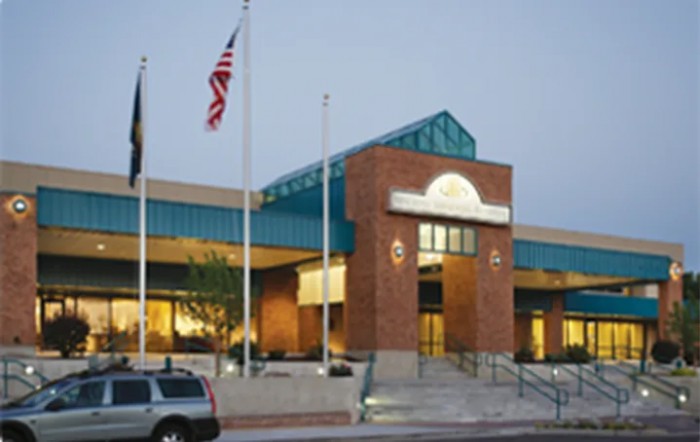
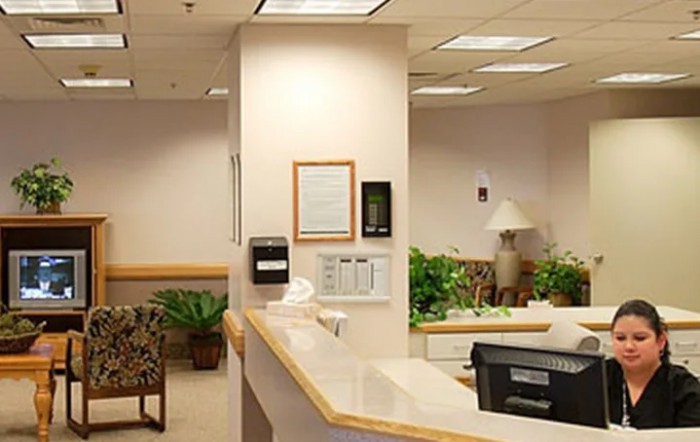
98 Poplar Street, Blackfoot, ID 83221
For more information about senior living options: (866) 208-4318
Overall Review of Bingham Memorial Skilled Nursing & Rehabilitation
Pros
 The CNAs and nurses provided skilled and loving care daily.
- The staff were extremely good to residents.
- The staff were very friendly and the rooms were very clean.
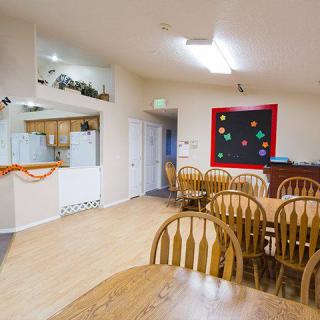
- The lunch room was well organized and fed the residents well.
- The facility delivered caring and dependable support to those staying there.
Cons
 The doctors and nurses are described as acting as though even the smallest task is a great burden.
- The staff are described as lazy and unwilling to help residents.
- Nurses allegedly told the patient she was going to die, and the handling was described as completely wrong.
- The staff reportedly lack knowledge about diabetes and need serious retraining.
- The facility appears understaffed and poorly organized.
- Most staff ignore the call button and seem uncaring toward residents.
- Calls are not often answered, and voicemails are not returned.
- The staff appear indifferent to concerns and seem annoyed when issues are raised.
- There was a delay in diagnosing a stroke for a patient.
Review
This community is best suited for families seeking a skilled-nursing option that blends hands-on, compassionate care with the security of a hospital-connected setting. The strongest case rests on daily, attentive care from CNAs and nurses who genuinely engage with residents, paired with clean rooms and well-organized meals. The facility’s alignment with the local hospital adds a practical safety valve: medical evaluations and urgent care can be accessed within a familiar network, which can reassure families during medical events. For residents who prioritize warmth, consistent personal attention, and proximity to hospital services over private-room luxury or flawless medical oversight, this campus is a reasonable choice.
Alternatives should be on the radar for anyone whose priorities include consistently strong medical oversight, rapid responsiveness, and clearer administrative communication. Several reviews raise flags about understaffing and uneven attention, with several caregivers described as overwhelmed or indifferent, especially when responding to call buttons or routine inquiries. Privacy and space also emerge as recurrent concerns, small, shared rooms without meaningful outdoor areas can erode quality of life for long-term residents. For families prioritizing proactive medical management, private rooms, larger shared spaces, and more reliable, transparent communication, a competing facility may deliver a more predictable experience.
On balance, the positive aspects appear in stark relief beside the more troubling gaps. The most consistent positives are the genuine warmth of frontline staff, the cleanliness of rooms, and the reliability of meals, qualities that can sustain dignity and comfort even when systems stumble. The hospital affiliation is not merely cosmetic; it offers a practical advantage in urgent situations and expedited medical attention. The corresponding negatives, perceived indifference from some clinicians, inconsistent help with call bells, and concerns about staff workload, pull the experience away from dependability and ultimately threaten continuity of care for residents with complex needs.
These pros can offset the cons only to a point. For residents who thrive on personal attention and a friendly, approachable caregiving culture, the daily interactions can meaningfully elevate quality of life. Yet when medical oversight falters, or when families must chase information through difficult phone routing or unresponsive staff, the benefits shrink quickly. The gap between kindness and medical reliability matters most for individuals managing chronic conditions or requiring timely diagnoses and adjustments. In short, warmth is a strong shield, but it does not fully compensate for inconsistent clinical oversight and communication gaps.
Practical decision guidance follows a clear path. If prioritizing a warm, person-centered caregiving experience and proximity to hospital resources over privacy or private-room certainty, this community warrants serious consideration. Prospective residents should demand current staffing ratios, confirm call-button response times, and ask how families are kept informed during shifts and handoffs. Tour the rooms to assess privacy and layout, and examine outdoor spaces or the lack thereof, since fresh air and outdoor time matter for long-term well-being. Inquire specifically about diabetes and stroke-care capabilities and request conversations with frontline aides about daily routines. A staged admission or short-term trial can illuminate actual responsiveness before committing, ideally in comparison with another facility that emphasizes stronger medical oversight.
Ultimately, Bingham Memorial Skilled Nursing & Rehabilitation offers genuine, affectionate daily care within a hospital-adjacent framework, along with clean, organized spaces. It is a compelling option for families who value humane caregiving and reliable access to hospital services more than pristine private rooms or perfect medical management. For those needing consistent medical oversight, rapid clinician responsiveness, and transparent administrative communication, alternatives with higher staffing levels and more private accommodations are advisable. The prudent path is to visit, test call-button reliability, observe interactions between staff and residents, and compare multiple options, ensuring alignment with the resident’s health needs and the family’s expectations.
 70 resident community capacity
 Skilled Nursing Facility
 Air-conditioning
 Beauty salon
 Cable or satellite TV
 Computer center
 Dining room
 Fitness room
 Fully furnished
 Gaming room
 Garden
 Housekeeping services
 Kitchenette
 Move-in coordination
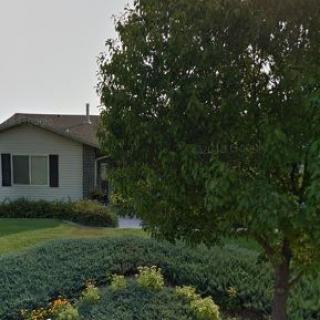
 Outdoor space
 Private bathrooms
 Restaurant-style dining
 Small library
 Telephone
 Wellness center
 Wi-Fi/high-speed internet available
 Pocatello Regional (23 miles away)
 Community operated transportation
 12-16 hour nursing
 24-hour call system
 Activities of daily living assistance
 Assistance with bathing
 Assistance with dressing
 Assistance with transfers
 Diabetes diet
 Medication management
 Mental wellness program
 Special dietary restrictions
 Concierge services
 Planned day trips



 Encouraging Participation in Adult Day Care: A Guide to Supporting a Hesitant Parent
 Comprehensive Exploration of Living Wills and Other Advance Directives
 A Detailed Exploration of Living Wills and Advance Directives