
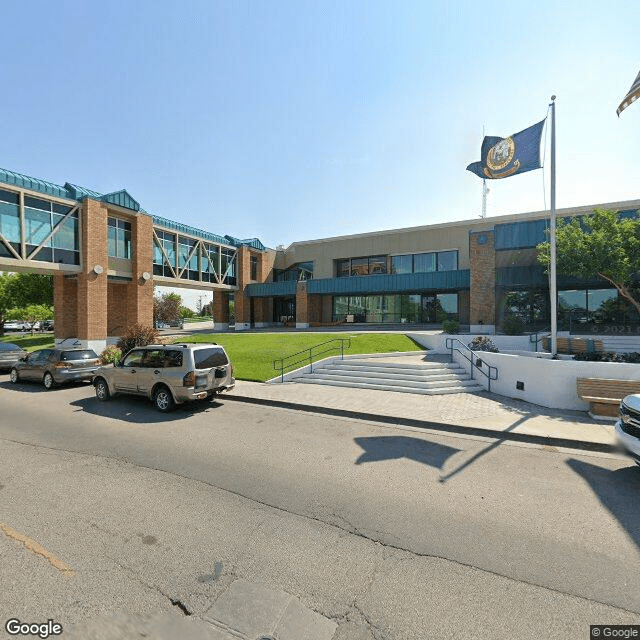
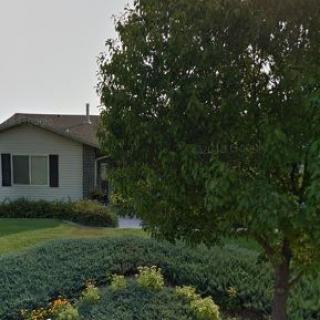
98 Poplar St, Blackfoot, ID 83221
To contact a resident: (208) 785-4101
For more information about senior living options: (866) 208-4318
Overall Review of Bingham County Nursing Home
Pros
 The facility provided skilled care as well as loving care from the CNAs and nurses.
- The CNAs and nurses were extremely good to him.
- The reviewer would recommend Bingham Memorial Skilled Nursing and Rehab to everyone.
- There was one nurse who was decent.
Cons
 The doctors and nurses here act as though doing the smallest thing is the biggest pain for them.
- The staff are lazy and do not help anyone they care about.
- There was maybe one nurse that was decent.
- The nurses here literally told her she was going to die.
- The way they went about it was completely wrong.
- They do not know a thing about diabetes.
- They need some serious retraining here.
- The reviewers were upset that she was moved here.
Review
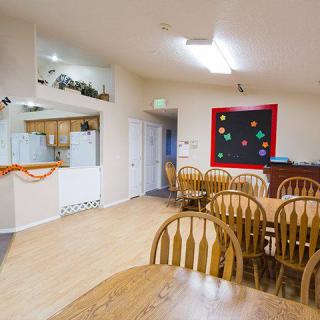
Bingham County Nursing Home in Blackfoot is best suited for families seeking a setting where daily, personal attention from CNAs and nurses is a clear strength, and where a resident can receive steady emotional support during routine skilled care or short-term rehab. The most dependable positive signal is the evident kindness and hands-on care described in accounts of a four-month stay, with staff who connect with residents on a personal level. This is a practical fit for those who prioritize a warm, home-like atmosphere and donā€™t require highly complex medical management on a day-to-day basis.
Those with substantial medical complexity or a priority on consistently proactive communication may want to consider alternatives. The reviews highlight a troubling pattern of uneven staff responsiveness and questions about clinical confidence, particularly in managing conditions like diabetes. For residents whose daily stability hinges on predictable, disciplined care coordination and readily available medical oversight, this facility may fall short. In short, medical rigor and reliable, proactive care communication are critical in this decision, and alternatives should be weighed when those needs are nonnegotiable.
On the plus side, the most favorable review emphasizes not only skilled nursing and rehab capabilities but also genuine warmth from caregivers. Family members observed attentive daily care and meaningful bedside interactions that foster trust and comfort during recovery and routine days. For residents who respond well to compassionate, person-centered care and who value staff familiarity and reassurance, this environment can deliver important emotional and social support that complements medical treatment.
The other end of the spectrum is troubling. Several remarks describe clinicians who appear disengaged or overwhelmed by routine tasks, suggesting a culture where small duties are treated as burdens rather than essential care. Communication gaps and moments of perceived insensitivity further undermine trust, with one account recounting a prognosis discussion handled inappropriately. A particularly serious concern is limited diabetes knowledge, which raises safety risks for residents managing blood sugar and related needs. Taken together, these issues undermine continuity of care and raise legitimate red flags for families.
Where the bright spots and the concerns intersect, the choice becomes a matter of risk tolerance and oversight. The warmth and consistent caregiving can offset some risk for short stays or straightforward recovery; however, the gaps in medical responsiveness and condition-specific expertise create real exposure for residents with chronic health needs. To mitigate risk, demand clear, written care plans, scheduled rounds by nursing or medical staff, and a designated care liaison who remains the single point of contact for families. Without these safeguards, the downsides are likely to outweigh the positives over time.
Bottom line: this community works best for people who prize personal attention and a stable, supportive daily routine, and who either have limited medical complexity or retain outside oversight to manage ongoing needs. For families prioritizing reliable medical management, consistent staffing, and explicit diabetes care, exploring alternatives in Blackfoot or nearby areas is prudent. Prospective residents should tour with a critical eye, request recent care plans, and seek firsthand reports on how diabetes management and care coordination are handled day-to-day. A well-informed decision will balance the evident warmth here against the significant concerns raised by the reviews.
 Skilled Nursing Facility
 Pocatello Regional (23 miles away)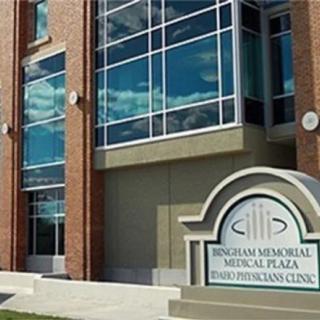



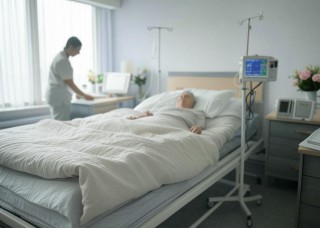 Comprehensive Guide to Medicare Coverage for Hospice Care
 Caring for Those Who Care: Recognizing, Understanding, and Overcoming Caregiver Burnout
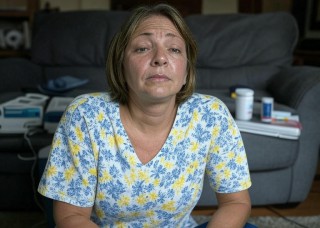 Caregiver Exhaustion: Recognizing the Signs and Restoring Your Well-Being