Residents and families frequently describe staff as kind, responsive, and caring.
Many reviewers say staff respond promptly to needs and treat residents with compassion and respect. Several also praise nurses and caregivers as friendly, communicative, and attentive during rehab or adult day care. A smaller number of reviews are negative, including complaints about being brusquely handled, and one describing passive-aggressive behavior with families.
common6 reviews mention this
Clean, well-kept environment
Reviewers commonly mention the facility is clean and well maintained.
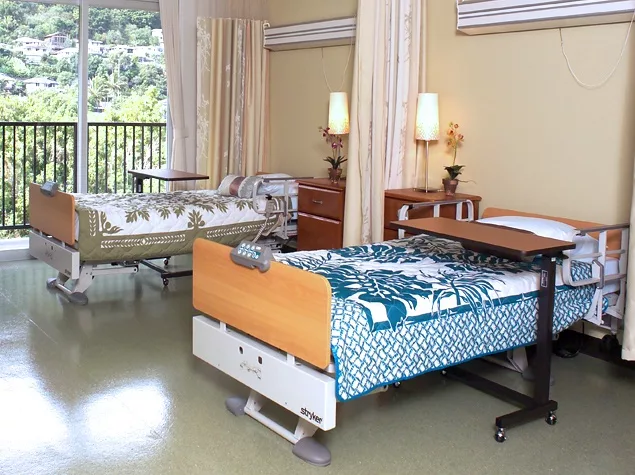
Several reviews describe the building as clean, comfortable, and well kept, including praise for cleanliness in rooms and common areas. Others describe the atmosphere as quiet and peaceful during recovery or rehab. On the downside, one reviewer reports bathroom cleanliness issues lasting multiple days and a wait to use the bathroom.
common2 reviews mention this
Food and dining satisfaction
Food is frequently described as tasty and supportive of dietary needs.
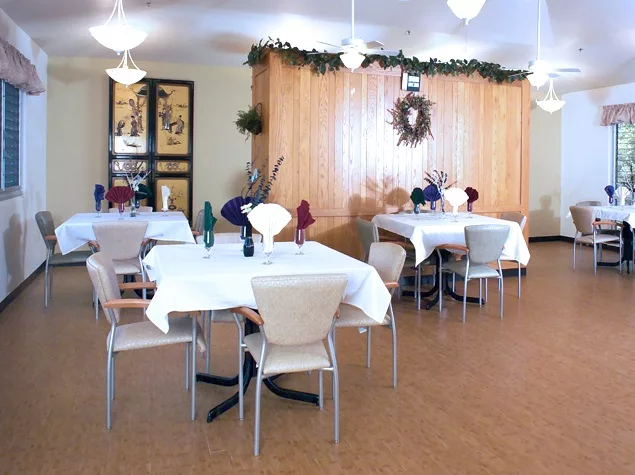
A couple of reviewers highlight the meals as a strength, describing the food as tasty and nutritious. One also notes flexibility around dietary restrictions, aligning with the community’s meals-provided approach.
common4 reviews mention this
Activities for residents
Residents get opportunities for activities beyond basic care.
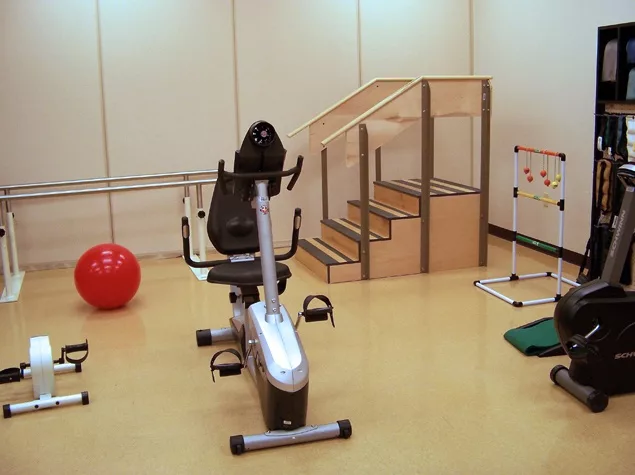
Reviewers mention on-site activities such as arts and crafts, bingo, and physical therapy. One review also calls out the community’s big band entertainment, and another describes adult day care time with regular activity and social time. The community also offers activities on-site and devotional services off-site.
differentiator3 reviews mention this
Care includes rehab and day care
Residents and families describe using rehab and adult day care services.
Several reviews speak specifically to rehabilitation stays and adult day care, including help after a fall and during recovery from a stroke. One reviewer also describes at-home care services and keeping a caregiver long term, after an initial transition period. This lines up with the care/services the community provides, including ambulatory and diabetic care within assisted living.
caveat2 reviews mention this
Safety and staffing concerns
A few reviews raise concerns about safety, cleaning, and staffing levels.
One reviewer reports a safety issue with bed side guardrails, describing falls risk for seniors. Another describes temporary residents having sagging beds, bathroom cleanliness problems, and being short-staffed for the number of patients. These issues are the main recurring negatives in the reviews.
How we summarize
Counts show how many written reviews mention each theme; a review can touch several themes, and only frequently mentioned themes are displayed.
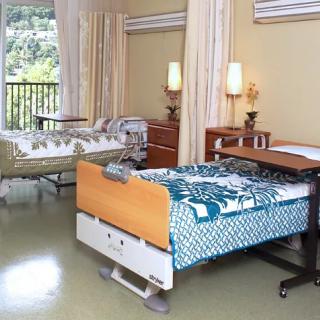
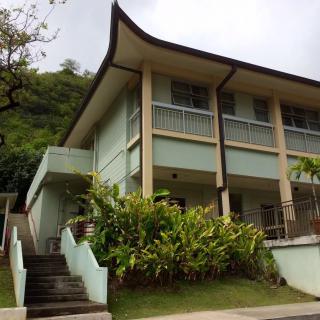
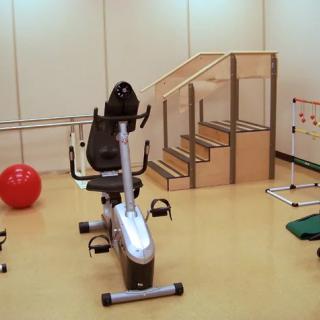
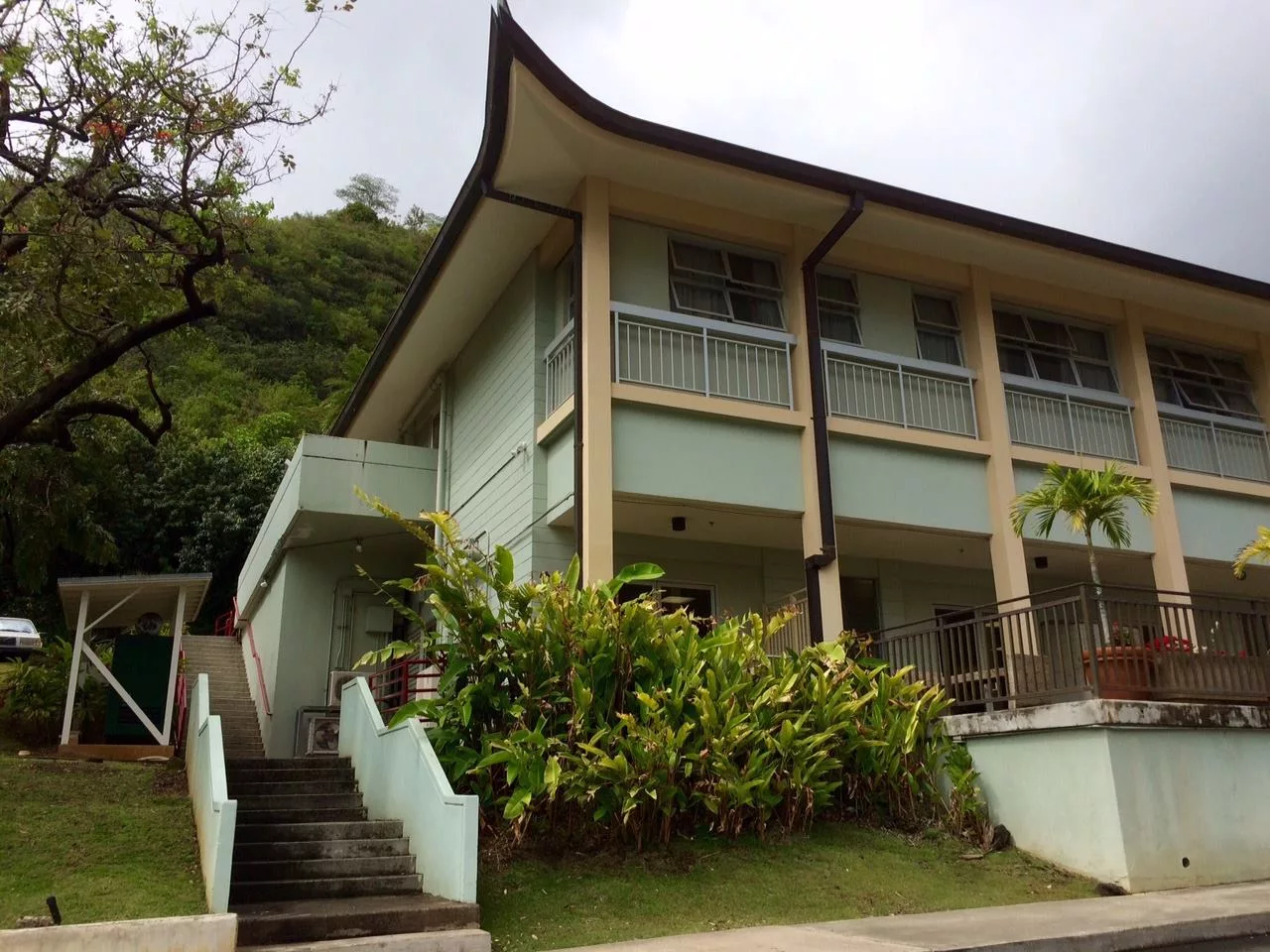
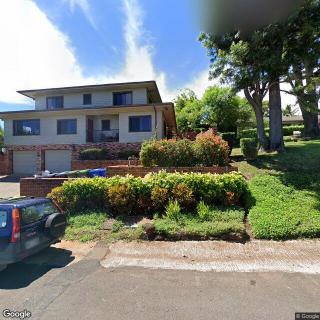
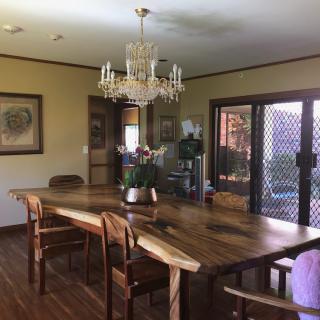
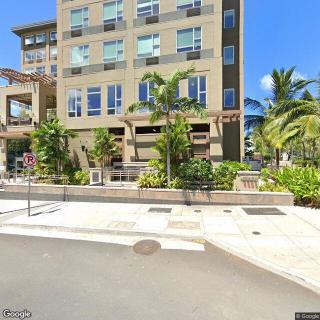
Palolo Chinese Home on seniors.fyi includes 5 photos including images showing stairs, interior, exercise equipment, dining, decor, building, nature, mountains, and more.
Nearby Communities
Palolo Chinese Home Lani Booth
Honolulu, HI
4 from 22 reviews
Comprehensive care services (24-hour supervision, ADL assistance, medication management) with healthcare coordination, on-site dining, activities, and furnished accommodations.
Palolo Korean Care Home
Honolulu, HI
5 from 1 review
Small, fully furnished assisted living with 24/7 supervision and personalized care.
Hale Nohea, LLC
Honolulu, HI
3.7 from 3 reviews
Excellent access to nearby amenities and healthcare.
Hale Nohea
Honolulu, HI
3.7 from 3 reviews
Small, intimate community with comprehensive care and amenities.
Maunalani Nursing And Rehabilitation Center
Honolulu, HI
4.8 from 113 reviews
Compassionate staff with personalized care and engaging activities.
Manoa Senior Living
Honolulu, HI
1 from 1 review
Comprehensive care with on-site dining, housekeeping, and diabetes-friendly options.
The Plaza at Waikiki
Honolulu, HI
4 from 27 reviews
$4,950 to $6,150 / month
Beautiful, well-maintained facility with friendly staff and engaging activities.
Hale Nani Rehabilitation & Nursing Center
Honolulu, HI
3.9 from 113 reviews
$2,515 to $3,040 / month
Clean facility with attentive staff, engaging activities, and effective rehabilitation programs.
The Plaza At Punchbowl
Honolulu, HI
4.8 from 12 reviews
$4,525 to $8,675 / month
Comprehensive care options (IL, AL, Memory Care, Respite) with on-site amenities and engaging activities.
Assisted living for adults with disabilities has transformed to provide personalized care and support services aimed at improving residents' quality of life while balancing independence and assistance. However, low-income individuals often face challenges in affording these services, requiring navigation of various financial resources and advocacy for better policies and solutions.
Assisted living facilities provide support for older adults needing help with daily activities without extensive medical care, but their costs can be high and vary by location and services offered. Families often seek various funding options and financial strategies to manage these expenses effectively while considering future needs and potential price increases.
The article discusses assisted living expenses, the importance of long-term care insurance in covering these costs, and various financing options, highlighting the need for careful policy review and early planning to address potential needs. It also clarifies common misconceptions about Medicare and private health insurance limitations regarding long-term care coverage.
Landscaping, Architecture, and Residential Building
Building, Trees, Nature, Parking, and Mountains
Exercise Equipment
Stairs
Get PricingAsk A QuestionSchedule A TourContact Senior Advisor
By clicking submit, you agree to our Partner's Terms of Use. You
also consent to receive calls and texts, which may be autodialed, from our Partner. Your consent is not a condition to
using our Partner's service. Please visit our Partner's Privacy Policy for information about their privacy practices.



 Assisted Living
 Activities on-site
 Devotional services off-site
 Indoor common areas
 Honolulu International (9 miles away)
 Ambulatory care
 Diabetic care
 Meals provided
 Comprehensive care services (24-hour supervision, ADL assistance, medication management) with healthcare coordination, on-site dining, activities, and furnished accommodations.



 Comprehensive Supportive Living Arrangements for Adults with Disabilities
 Funding and Affording Assisted Living: A Thorough Overview
 Assisted Living Expenses and Long-Term Care Insurance: A Comprehensive Exploration