Hale Nohea, LLC

Save
Hale Nohea,  LLC

Hale Nohea, LLC

5071 Maunalani Cir, Honolulu, HI 96816

For more information about senior living options: (844) 490-3973

3.7 from 3 reviews
5 stars
2
4 stars
0
3 stars
0
2 stars
0
1 stars
1

Board and Care Home

Overall Review of Hale Nohea, LLC

Pros

  • pro The quality of care and staff performance at Hale Nohea is extremely high.
  • pro Hale Nohea has repeatedly produced dramatic improvements when clients are transferred from other facilities.
  • pro Clients admitted to Hale Nohea have become communicative within 24 hours and engaged in activities such as painting.
  • pro Clients who were previously non-eating and combative have shown improved security, reduced aggression, and resumed eating within a few days.
  • pro Hale Nohea is described as coming as close as possible to solving the problems of care.
  • pro The learning opportunities at Hale Nohea create an ideal environment for those pursuing a career in healthcare.
  • pro The hands-on learning experiences at Hale Nohea are invaluable.
  • pro The learning experiences at Hale Nohea have contributed to personal and professional growth and enabled meaningful contributions to the quality of care provided to residents.

Cons

  • pro The daughter criticizes Hale Nohea's food as CHEAP and gives it minus 50 stars.
  • pro She questions what safeguards are in place to prevent another fall or hip fracture.
  • pro She alleges that during a visit her father was seated in a lightweight wheelchair without any waistband or other safeguarding restraints.
  • pro She notes that a prior facility used heavy-weight wheelchairs strapped to residents, implying a safety concern.
  • pro She states she has not received reassurance about safety and intends to replace her father's power of attorney.
  • pro She claims that surveillance footage corroborates her statements.

Review

Hale Nohea has, for many years, earned an unusually strong stamp of approval from families who have entrusted their loved ones to its care. One longtime admirer, Gary, speaks with unmistakable warmth about the facility's quality and the caliber of its staff. He notes that Hale Nohea's care team consistently delivers performance that far exceeds what one would expect in many other settings. Over time, Gary has observed that moving a client from what he terms an "adequate" facility to Hale Nohea can yield dramatic, almost immediate improvements in well-being. He recalls a specific case where a client who had become largely noncommunicative and withdrawn began to engage again within 24 hours of arriving at Hale Nohea. The resident started talking and even took part in painting, a level of participation that Gary describes as strikingly positive and transformative. In another noteworthy instance, a client who had stopped eating and become combative reportedly regained a sense of security after a short period at Hale Nohea, with the aggressive behavior dissipating and eating resuming. Gary emphasizes that while no care facility can solve every problem, Hale Nohea comes as close as he has seen, a sentiment he captures with gratitude and admiration as he closes with "Mahalo."

Beyond these strong testimonials, another perspective arrives in the form of an affidavit from the daughter of a resident, dated June 20, 2025. She writes that her father broke his right hip within weeks of moving to Hale Nohea, though she does not have an exact date at hand and promises to update as new information becomes available. Her account then shifts to a string of observations and concerns about safeguards and safety that preceded and followed her father's injury. She describes safeguards in her father's prior facility, Oahu Care Facility, including straps and heavy-duty restraints tied to his wheelchair to enhance safety. She claims similar restraints were in use during a recent hospitalization visit, suggesting a pattern in which mobility aids were configured to limit movement. Her question is direct: who is responsible for the injury, and what protections are in place to prevent a recurrence?

The daughter's narrative also delves into her firsthand experience during a meal service at Hale Nohea. She describes her father being served a dinner that included white rice, tea, "asparagus" the length of a spaghetti noodle, and "unrecognizable ?meat' balls" that could be sausage or another processed item. She states that the meal was served under surveillance via a camera, and she asserts that surveillance footage corroborates her description. During this visit, she says her father was seated in a Drive brand wheelchair, a lightweight model designed for easy travel, with no waistband or other safety strapping visible. When she raised concerns with Michelle, whom she identifies as Hale Nohea's administrator and manager, she claims that Michelle suggested she would voice her concerns on social media, stating, "go right ahead." The daughter brands herself as someone who runs an organization that assists homeless seniors and works to prevent senior homelessness, with recognition from city and state authorities and contacts in geriatrics nursing.

In her broader evaluation, the daughter weighs in on the quality of the facility's food, calling Hale Nohea's dining offerings "cheap" and awarding her own informal rating with a "MINUS 50 Stars" critique. She frames her questions around safety: what safeguards are in place to prevent another fall and the possibility of further injuries, and why she does not feel reassured by the facility or by her brother's input. She also notes that she intends to pursue changes to her father's power of attorney, underscoring the seriousness with which she views the situation. Yet, she does not dismiss the learning environment that Hale Nohea provides. She acknowledges, even within this challenging account, that the learning opportunities at Hale Nohea make it an ideal environment for anyone pursuing a career in healthcare. The hands-on experiences are described as invaluable for her personal and professional growth and for the residents' care quality.

Taken together, the two pieces create a nuanced portrait of Hale Nohea. On one hand, the experiences shared by Gary paint a picture of a facility marked by exceptional care, responsive staff, and treatment effects that sometimes unfold with remarkable speed. The anecdotes about rapid improvement in communication and appetite after transfers into Hale Nohea illustrate a level of impact that appears to go beyond mere routine care, suggesting a restorative environment where residents can regain function and engagement quickly. The overarching theme is one of trust in the facility's capacity to uplift residents, even when prior settings offered only limited improvements. The warmth of these endorsements stands in sharp relief against the concerns raised in the daughter's affidavit.

The affidavit adds a layer of caution to the narrative, bringing serious questions about safety practices and the handling of mobility aids, particularly in the context of a hip fracture. It highlights a fear that safeguards that were apparently in place at prior facilities may not have been replicated at Hale Nohea, or at least not in a way the family finds reassuring. The dinner-service episode, with detailed observations about food presentation and the lack of visible restraints on the wheelchair during that visit, further deepens the sense that there are areas where the family would like transparency and reassurance. The author's cautious stance regarding facility safeguards, combined with references to social-media engagement and a strong background in elder care advocacy, underscores a demand for accountability and clarity about how Hale Nohea balances safety with resident autonomy and dignity.

Ultimately, the two sets of remarks converge on a central truth: Hale Nohea is a place of strong, celebrated outcomes for many residents, coupled with a known tension around safety practices and resident experience as perceived by a worried family member. The positive testimonials celebrate real, meaningful improvements in mood, communication, and appetite, painting Hale Nohea as a place where care can restore vitality and participation. The cautionary affidavit, meanwhile, invites continued attention to safety safeguards, transparent communication with family members, and ongoing dialogue about best practices in mobility management, diet, and overall resident welfare. Together, they offer a comprehensive picture of Hale Nohea as a facility that delivers remarkable care in many cases while also facing legitimate questions that demand thoughtful responses and ongoing improvement.

Features

Types of Care

  • Board and Care Home Board and Care HomeBoard and care homes provide a smaller, more intimate setting for seniors who require assistance with daily tasks but do not need the level of care offered by a nursing home. They offer personalized care, meals, and social activities in a homelike environment, ensuring that seniors receive individualized attention and support in their golden years.

Transportation

  • Honolulu International (9 miles away) Honolulu International (9 miles away)

Description

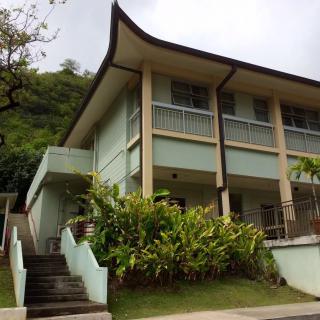
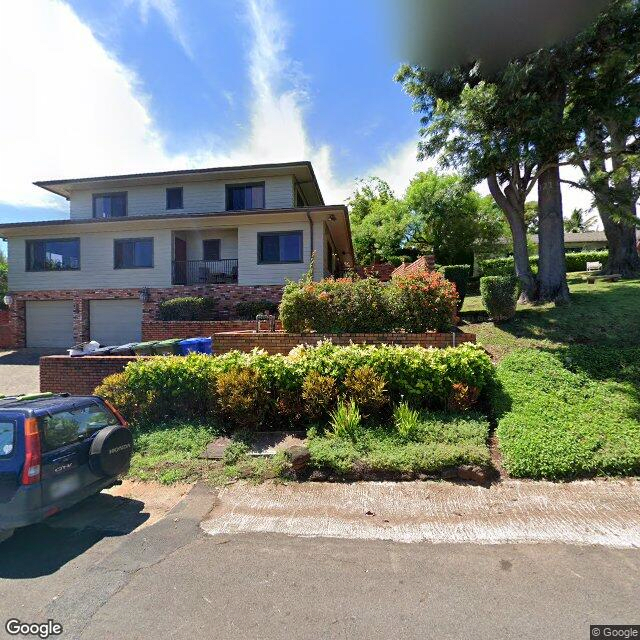
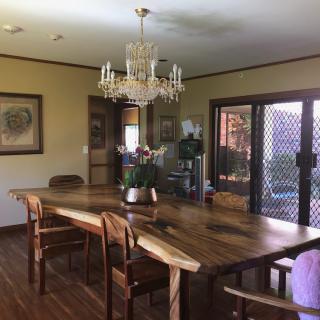
Hale Nohea, LLC is an assisted living community located in beautiful Honolulu, Hawaii. Situated in a convenient location, residents can enjoy easy access to various amenities and services near their doorstep.

For those seeking a cozy spot to relax or catch up with friends, there are 13 cafes nearby offering delicious options for coffee and light bites. Nature enthusiasts will appreciate the proximity of 7 parks, providing opportunities for serene walks, picnics, or simply enjoying the outdoors.

Ensuring residents' health and well-being is a top priority at Hale Nohea. With 16 pharmacies in close vicinity, accessing medications and healthcare supplies becomes hassle-free. Additionally, having 26 physicians nearby offers peace of mind knowing that medical professionals are readily available.

When it comes to dining options, residents have plenty of choices with 36 restaurants nearby. They can savor diverse cuisines or indulge in local delicacies without traveling far from home. For spiritual wellness, there is a place of worship situated conveniently nearby.

Residents at Hale Nohea can benefit from quick access to medical facilities as well. With one hospital close by, they can feel secure knowing that emergency medical care is within reach whenever necessary.

Overall, Hale Nohea provides a comfortable and convenient living environment for seniors who value independence yet desire easy access to amenities and services essential for their well-being and enjoyment of life in Honolulu's vibrant community.

Nearby Places of Interest

This part of Honolulu, Hawaii, offers a convenient and diverse range of amenities for seniors looking to settle in the area. With multiple pharmacies, restaurants offering a variety of cuisines, reputable physicians and healthcare centers nearby, as well as several parks for outdoor recreation and relaxation, residents can easily access essential services and activities. Additionally, there are cafes for socializing and enjoying a cup of coffee with friends, as well as places of worship for spiritual comfort. Kapiolani Medical Center for Women & Children is also located within close proximity, providing peace of mind in case of any medical emergencies. Overall, this neighborhood provides a well-rounded environment for seniors seeking a comfortable and convenient living experience in Honolulu.

Pharmacies

  • Times Supermarkets (1.4 miles)
  • Times Supermarkets (1.5 miles)
  • Longs Drugs (1.5 miles)
  • Longs Drugs (1.6 miles)
  • Longs Drugs (2.4 miles)
  • CVS Pharmacy (2.4 miles)
  • Longs (2.5 miles)

Restaurants

  • McDonald's (1.4 miles)
  • Leonard's Bakery (1.9 miles)
  • Ono Seafood (2.1 miles)
  • Rainbow Drive- In (2.3 miles)
  • Diamond Head Market & Grill (2.5 miles)
  • Aina Haina Shopping Center (2.5 miles)
  • McDonald's (2.6 miles)

Physicians

  • Carlson Ronald S DDS (1.5 miles)
  • Dr. Kathy Iida (1.5 miles)
  • The Queen's Health Care Centers (1.5 miles)
  • Blane Kalani Chong (1.5 miles)
  • Kaimuki Center For Dentistry (1.5 miles)
  • Kato & Shoji Optometrists - Manoa Office (1.6 miles)
  • Aloha Vision Consultants (1.8 miles)

Parks

  • Manoa Valley District Park (1.8 miles)
  • Waialae Iki Park (1.9 miles)
  • Tantalus Lookout (2.4 miles)
  • Fort Ruger Park (2.7 miles)
  • Kapiolani Park (2.9 miles)
  • Makiki District Park (3.2 miles)
  • Lēʻahi Beach Park (3.4 miles)

Cafes

  • Starbucks (2 miles)
  • The Coffee Bean and Tea Leaf (2.5 miles)
  • Kona Coffee Purveyors | b.patisserie (2.8 miles)
  • Knots Coffee Roasters (2.8 miles)
  • Kai Coffee (2.9 miles)
  • Hawaiian Aroma Caffe (2.9 miles)
  • Island Vintage Coffee (2.9 miles)

Places of Worship

  • Sacred Heart Church (2.8 miles)

Hospitals

  • Kapiolani Medical Center for Women & Children (2.9 miles)

Frequently Asked Questions

Where is Hale Nohea, LLC?

Nearby Communities

Related Resources

  • does medicare cover hospiceComprehensive Guide to Medicare Coverage for Hospice Care

    Hospice care focuses on providing comfort and support for individuals nearing the end of life, with Medicare Part A covering services like nursing care and counseling for patients with a terminal illness and a life expectancy of six months or less. While most hospice services are low-cost for eligible patients, families should be aware that certain expenses, such as room and board, may not be covered.

  • caregiver burnoutCaring for Those Who Care: Recognizing, Understanding, and Overcoming Caregiver Burnout
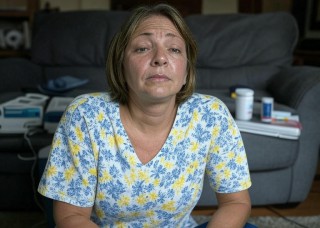
    Caregiver burnout is a common issue resulting from the intense physical, emotional, and mental demands of caregiving, leading to symptoms like fatigue and social withdrawal. To prevent burnout, caregivers should recognize early warning signs and implement self-care strategies, seek support, and prioritize their own well-being alongside that of those they care for.

  • caregiver burnoutCaregiver Exhaustion: Recognizing the Signs and Restoring Your Well-Being

    Caregiver exhaustion, or burnout, stems from the relentless demands of caregiving, leading to emotional and physical depletion characterized by stress, frustration, and neglect of personal needs. Addressing this burden is essential to prevent long-term consequences, with early recognition and support being crucial for caregivers to maintain balance and implement self-care.