


Hale Nohea

Save

Hale Nohea

5071 Maunalani Circle, Honolulu, HI 96816

For more information about senior living options: (844) 490-3973

3.7 from 3 reviews
5 stars
2
4 stars
0
3 stars
0
2 stars
0
1 stars
1

Assisted Living

Overall Review of Hale Nohea

Pros

  • pro The quality of care at Hale Nohea is extremely high, with outstanding staff performance.
  • pro Hale Nohea has produced dramatic improvements in clients, often reversing withdrawal and disengagement.
  • pro Residents show renewed communication and participation within 24 hours of arrival.
  • pro The facility creates a sense of security that reduces combativeness and supports better eating.
  • pro Hale Nohea offers valuable learning opportunities and hands-on experiences that contribute to professional growth in care.

Cons

  • pro Hale Nohea is described as lacking adequate safeguards to prevent another fall, with no reassurance provided by the facility.
  • pro The affidavit implies safety concerns by noting prior facilities used heavy restraints on wheelchairs, casting doubt on Hale Nohea's safety practices.
  • pro The father's hip fracture is presented as an injury occurring under Hale Nohea's care, highlighting a perceived safety failure.
  • pro The dining service is labeled as low quality, with meals described as "CHEAP" and unappealing.
  • pro The administrator's handling of concerns is portrayed as dismissive or unhelpful, suggesting a negative administrative response.
  • pro The daughter states she may replace her father's current power of attorney due to dissatisfaction with Hale Nohea.
  • pro Hale Nohea is criticized for not meeting basic care standards, with the reviewer giving the facility an extremely negative rating (minus 50 stars).

Review

Hale Nohea is described by some longtime clients and their families as a beacon of high-quality care and remarkable staff performance, a place where residents experience meaningful and rapid improvements. One client-family relationship spans many years, and the praise comes with concrete, anecdotal examples that speak to transformation rather than mere comfort. The testimony from a satisfied reviewer emphasizes that the facility's care standards are outstanding and that staff consistently deliver results. The language is effusive: the writer notes that care quality and staff performance are "extremely high," and that on more than one occasion, moving a client from another facility to Hale Nohea yielded dramatic improvements. The stories are vivid and personal, focusing on responsiveness and the capacity to unlock engagement and participation in activities that had faded elsewhere.

Among the most striking anecdotes is a client who had become largely non-communicative and withdrawn. Within 24 hours of arriving at Hale Nohea, the person began talking again and took part in painting - a shift the reviewer frames as almost miraculous. In another instance, a client who had stopped eating and grown combative quickly found a sense of security at Hale Nohea, with the result that the combativeness dissipated and eating resumed within a couple of days. The overarching claim is that Hale Nohea, in the reviewer's experience, approaches problems with a level of effectiveness that is difficult to match, and while no facility can solve every challenge, Hale Nohea comes "as close as we have ever seen." The closing sentiment is heartfelt and grateful, capped with a sincere mahalo from Gary.

Against this backdrop of glowing observations, a second, more cautionary voice enters the narrative in the form of a detailed affidavit from an only daughter dated June 20, 2025. She explains that her father broke his right hip within a few weeks of residing at Hale Nohea, though she cannot pin down the exact date. Her account juxtaposes Hale Nohea with a previous facility, Oahu Care Facility, where safeguards reportedly included strict restraints - specifically, a heavy-duty wheelchair strapped to the resident. She recounts that during a recent hospital admission, prior to the hip fracture, she observed that her father was also strapped into a heavy, weighted wheelchair at Queen's Hospital in Honolulu. The daughter states unequivocally that she is pursuing accountability for the injury, noting that her father has "never broken a bone" in his long life, aside from a youthful hand injury and a historical medical decision in Germany she clarifies as not directly related.

The affidavit then delves into a troubling dining and safety moment. The daughter describes her first dinner visit to Hale Nohea, where the meal consisted of white rice, tea (with her saying she was told it was tea), water, asparagus the length of a spaghetti noodle - described as a potential choking hazard - and "unrecognizable" meatballs or sausage. She asserts that the meal was served under surveillance, and that surveillance footage corroborates her account. Crucially, she notes the wheelchair in use during this visit as a Drive-brand chair designed for easy travel, emphasized by its lightweight and foldable nature, yet she claims there was no waistband or other securing safeguards during that visit. The episode is presented as evidence of insufficient safeguards and a direct concern about how care and safety are being managed in real time.

Communication and accountability emerge as central themes in the daughter's statement. She recounts a phone exchange with a Hale Nohea administrator who identified herself as Michelle. When she warned that she would take the concerns to social media, the administrator allegedly replied, "go right ahead." The daughter also highlights her own professional background - leading an organization that helps homeless seniors and having credentials in geriatrics nursing - to underscore her commitment to safeguarding vulnerable elders. She asserts that Hale Nohea's food quality is a problem, explicitly labeling it as "CHEAP" and "minus 50 stars," and she questions the safeguards designed to prevent another fall or further injury. She also reveals a broader personal goal: she is seeking to replace her father's power of attorney, signaling a larger struggle over guardianship, care decisions, and oversight.

In a closing note that adds a layer of complexity, the affidavit concludes with an acknowledgment of learning opportunities at Hale Nohea. The daughter describes the facility as an ideal environment for those pursuing careers in healthcare and praises the hands-on learning experiences as invaluable for her personal and professional growth. She asserts that these opportunities enable her to contribute meaningfully to the quality of care delivered to residents. This final element frames Hale Nohea not only as a place of care but also as a learning environment that shapes caregivers, even as it remains the subject of serious safety concerns and accountability questions from a family member directly affected.

Taken together, the two voices offer a composite portrait of Hale Nohea as a facility capable of delivering transformative, life-enhancing care while simultaneously facing legitimate questions about safety protocols, resident restraint practices, and accountability mechanisms. The glowing testimonies emphasize remarkable outcomes and the staff's capacity to re-engage residents, sometimes within hours or days, and to restore appetite, communication, and participation in activities. At the same time, the daughter's affidavit foregrounds critical safety concerns, including the possible use - or over-reliance - on restraints, the specifics of wheelchair configurations during vulnerable moments, and the adequacy of safeguards to prevent falls or further injury. The juxtaposition calls for careful, transparent review: how Hale Nohea maintains the high standards praised by clients while addressing the safety and governance issues that deeply concern families who rely on the facility for their loved ones.

Features

Housing

  • 8 resident community capacity 8 resident community capacity

Types of Care

  • Assisted Living Assisted LivingAssisted living facilities provide crucial support and care for seniors who may need help with daily tasks such as medication management, bathing, and meal preparation. These communities offer a safe and comfortable environment where seniors can maintain their independence while receiving the assistance they need to thrive in their golden years.

Amenities

  • Cable or satellite TV Cable or satellite TVCable or satellite TV is important for seniors because it provides entertainment, news, and companionship, helping to combat loneliness and boredom. It also offers a wide range of programming options tailored to different interests and preferences.
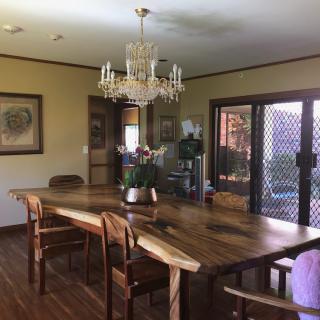
  • Dining room Dining roomDining rooms are important for seniors as they provide a space for socialization, connection, and nutritious meals. They offer opportunities for residents to bond over shared meals, foster a sense of community, and promote healthy eating habits. Dining rooms also ensure that seniors have access to well-balanced meals tailored to their dietary needs and preferences.
  • Fully furnished Fully furnishedFully furnished senior living communities are important for seniors because they provide convenience, comfort, and a hassle-free moving experience. Seniors can easily settle into their new living space without the stress of having to buy and move furniture. This allows them to focus on enjoying their new home and community.
  • Garden GardenGardens are important for seniors as they provide a peaceful and therapeutic environment for relaxation, physical activity, and socialization. Being in nature has been shown to reduce stress, improve mood, and promote overall well-being. Gardens also offer opportunities for seniors to engage in gardening activities, which can improve mobility, flexibility, and cognitive function. Additionally, gardens create a sense of community and connection with others who share a passion for plants and outdoor spaces.
  • Housekeeping services Housekeeping servicesHousekeeping services are important for seniors because they help maintain a clean and safe living environment, promote independence, and reduce the risk of accidents or illnesses. Additionally, having assistance with household chores can alleviate physical strain and allow seniors to focus on other aspects of their well-being.
  • Move-in coordination Move-in coordinationMove-in coordination is important for seniors because it helps ease the transition into their new living environment. It ensures that all logistics, such as packing, organizing movers, and setting up utilities are taken care of, allowing seniors to focus on settling in and adjusting to their new home. Having a smooth move-in process can alleviate stress and anxiety, making the transition smoother and more enjoyable for seniors.
  • Outdoor space Outdoor spaceOutdoor spaces are important for seniors as they provide opportunities for physical activity, social interaction, exposure to natural light and fresh air, and a sense of connection to nature. Having access to outdoor spaces can improve overall well-being and quality of life for older adults living in senior communities.
  • Telephone TelephoneTelephones are important for seniors as they provide a lifeline for communication with loved ones, emergency services, and healthcare providers. They offer a sense of security and independence, enabling seniors to stay connected and access assistance when needed.
  • Wi-Fi/high-speed internet available Wi-Fi/high-speed internet availableWi-Fi/high-speed internet is important for seniors to stay connected with loved ones, access online resources, and participate in virtual activities to combat feelings of loneliness and isolation. It also allows them to easily manage healthcare needs, access entertainment, and engage in lifelong learning opportunities.

Transportation

  • Honolulu International (9 miles away) Honolulu International (9 miles away)

Care Services

  • 24-hour supervision 24-hour supervision24-hour supervision is important for seniors to ensure their safety, well-being, and access to immediate assistance in case of emergencies or health issues. This constant support provides peace of mind for both seniors and their loved ones, allowing them to age in place with dignity and security.
  • Activities of daily living assistance Activities of daily living assistanceActivities of daily living assistance are important for seniors because they provide essential support with tasks such as eating, bathing, dressing, and mobility. This assistance helps seniors maintain their independence, dignity, and overall quality of life as they age.
  • Assistance with bathing Assistance with bathingAssistance with bathing is crucial for seniors as it helps maintain personal hygiene, prevents infections, and ensures their overall well-being and comfort. It also provides a sense of dignity and independence for seniors who may struggle with this task on their own.
  • Assistance with dressing Assistance with dressingAssistance with dressing is important for seniors because it helps maintain their independence, promotes personal hygiene, prevents accidents and injuries, and improves overall quality of life. This service ensures that seniors can continue to dress comfortably and confidently, despite any physical limitations they may have.
  • Assistance with transfers Assistance with transfersAssistance with transfers is crucial for seniors as it helps prevent falls and injuries, maintains their independence, and ensures they can safely navigate their living environment. It also provides peace of mind for both seniors and their loved ones.
  • Coordination with health care providers Coordination with health care providersCoordination with health care providers is crucial for seniors to ensure proper medical care, medication management, and overall well-being. This collaboration helps prevent overlapping treatments, track progress more effectively, and provide comprehensive support tailored to individual needs.
  • Diabetes diet Diabetes dietA diabetes diet is crucial for seniors as it helps manage blood sugar levels, reduce risks of complications, and improve overall health and well-being. By following a balanced and nutritious diet tailored to their specific needs, seniors can better control their diabetes and enhance their quality of life.
  • Meal preparation and service Meal preparation and serviceMeal preparation and service are crucial for seniors as they may have limited mobility or energy to cook nutritious meals. Having access to healthy and convenient food options can ensure they are getting the proper nutrition needed to maintain their overall health and well-being.
  • Medication management Medication managementMedication management is crucial for seniors to ensure they are taking the right medications at the correct dosages and times. This helps prevent adverse drug interactions, reduces the risk of medication errors, and promotes overall health and well-being. Proactive management also allows for adjustments as needed based on changing health conditions or new prescriptions.
  • Special dietary restrictions Special dietary restrictionsSpecial dietary restrictions are important for seniors because age-related changes in metabolism and health conditions can make it difficult for their bodies to process certain foods. By following a diet tailored to their specific needs, seniors can maintain their overall health and well-being, manage chronic conditions, and reduce the risk of complications such as malnutrition or food interactions with medications.
  • Transportation arrangement (medical) Transportation arrangement (medical)Transportation arrangements for medical purposes are essential for seniors as they may have difficulty driving themselves to appointments or accessing public transportation. Having reliable and safe transportation options ensures that seniors can receive timely medical care and maintain their health and well-being.
  • Transportation to doctors appointments Transportation to doctors appointmentsTransportation to doctors' appointments is crucial for seniors as it ensures they have access to necessary medical care and support for their health needs. Without reliable transportation, seniors may struggle to attend important appointments, leading to potential delays in treatment and health complications. Providing transportation services helps seniors maintain their overall well-being and quality of life.
Dining

  • Diabetes diet Diabetes dietA diabetes diet is crucial for seniors as it helps manage blood sugar levels, reduce risks of complications, and improve overall health and well-being. By following a balanced and nutritious diet tailored to their specific needs, seniors can better control their diabetes and enhance their quality of life.
  • Special dietary restrictions Special dietary restrictionsSpecial dietary restrictions are important for seniors because age-related changes in metabolism and health conditions can make it difficult for their bodies to process certain foods. By following a diet tailored to their specific needs, seniors can maintain their overall health and well-being, manage chronic conditions, and reduce the risk of complications such as malnutrition or food interactions with medications.

Activities

  • Community-sponsored activities Community-sponsored activitiesCommunity-sponsored activities are important for seniors as they provide opportunities for social interaction, mental stimulation, and physical activity. These activities can help improve overall well-being, combat loneliness and isolation, and promote a sense of belonging and purpose among older adults.
  • Scheduled daily activities Scheduled daily activitiesScheduled daily activities are important for seniors because they provide structure, socialization, mental stimulation, and physical activity. Engaging in regular activities can improve overall well-being and quality of life for seniors living in a community setting.

Description

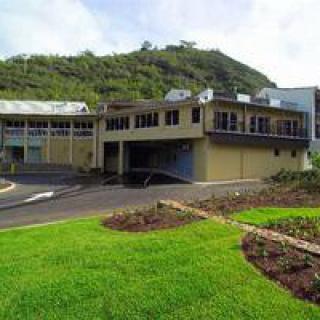
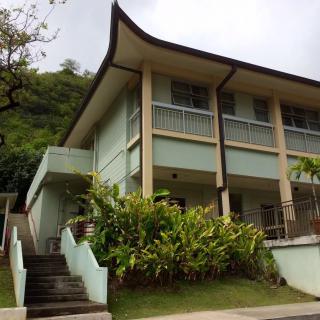
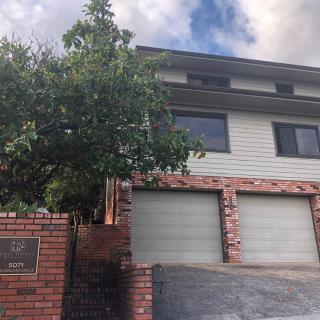
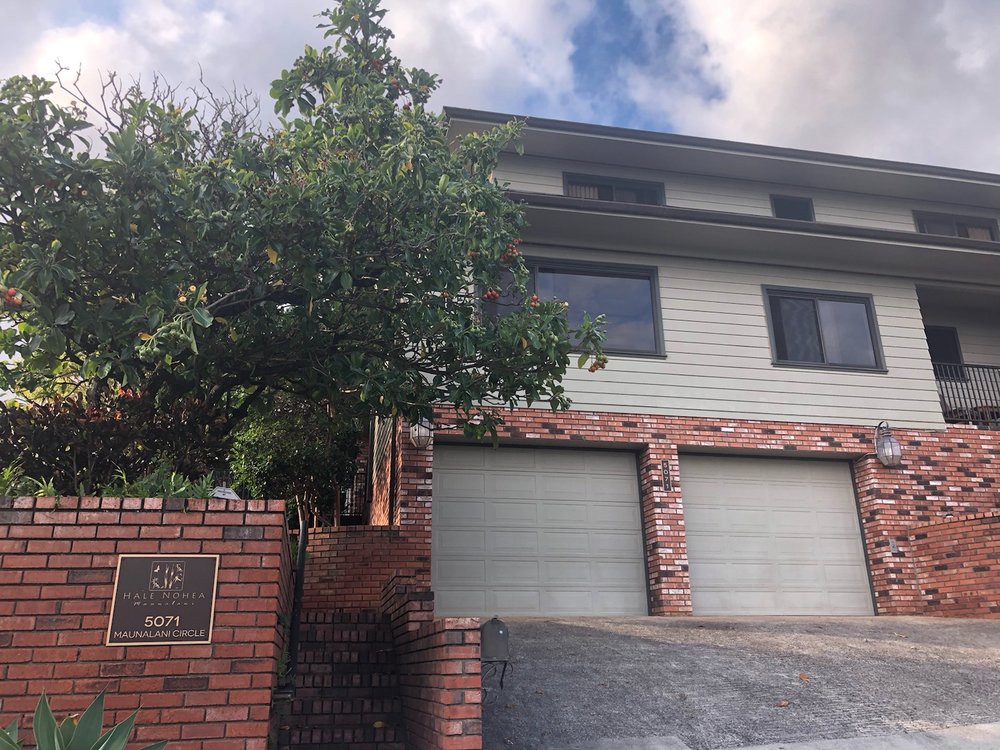
Hale Nohea is an assisted living community located in the vibrant city of Honolulu, HI. Our community offers a wide range of amenities and care services to ensure that our residents live a comfortable and enjoyable lifestyle.

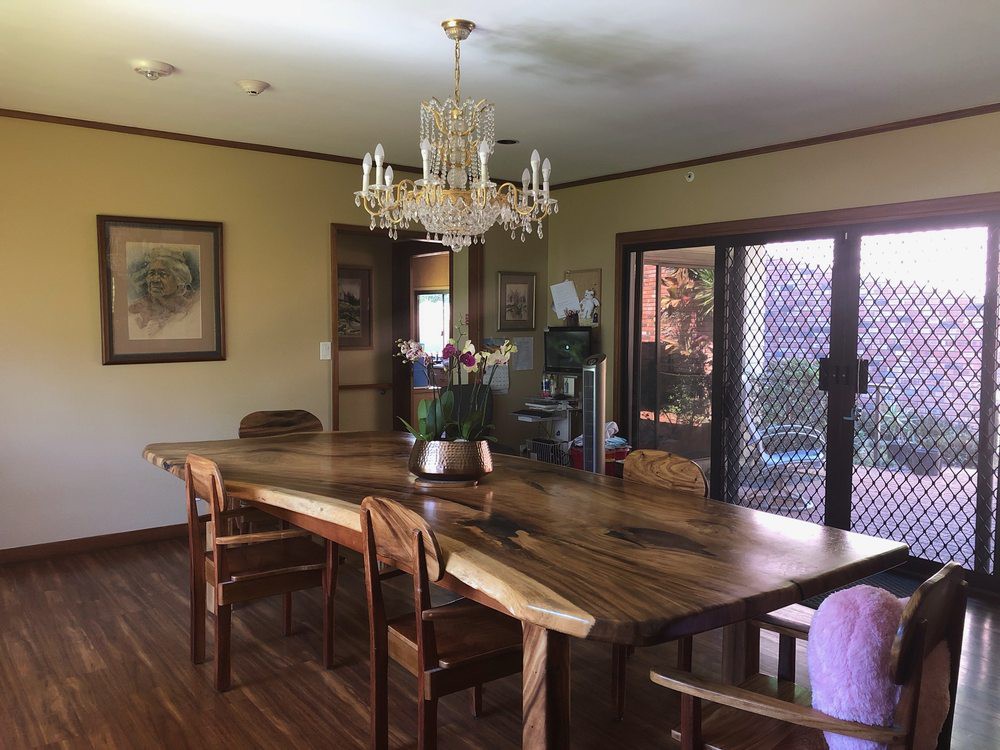
Our spacious dining room provides a welcoming atmosphere for meals, which are prepared by our experienced staff and can accommodate special dietary restrictions. Each apartment is fully furnished, allowing residents to move in with ease. The beautiful garden and outdoor spaces offer a serene environment for relaxation and socializing with fellow residents.

We understand the importance of maintaining a clean and organized living space, which is why our housekeeping services are available to all residents. Additionally, our dedicated staff assists with activities of daily living such as bathing, dressing, and transfers. We also coordinate with healthcare providers to ensure that each resident receives the necessary medical attention.

For those managing diabetes or requiring specialized dietary plans, Hale Nohea offers diabetes diet management and meal preparation services. Medication management is also provided to ensure that medications are taken correctly and on time. Transportation arrangements for medical purposes as well as transportation to doctors' appointments are available.

To keep our residents engaged and entertained, we offer scheduled daily activities catered to their interests. Whether it's socializing with other residents or exploring nearby parks and cafes, there is always something exciting happening at Hale Nohea.

Conveniently located near various amenities, including pharmacies, physicians' offices, restaurants, parks, places of worship, and hospitals; our residents have easy access to everything they may need.

At Hale Nohea, we pride ourselves on providing exceptional care and support while promoting independence and maintaining an active lifestyle for our residents.

Nearby Places of Interest

Located in the beautiful city of Honolulu, Hawaii, this part of town offers a convenient and lively environment for senior living. With several pharmacies and healthcare facilities nearby, including Longs Drugs, The Queen's Health Care Centers, and Kaimuki Center For Dentistry, residents have easy access to medical services. In addition, there are plenty of dining options such as Leonard's Bakery and Rainbow Drive-In for delicious meals. Outdoor enthusiasts will appreciate the proximity to parks like Manoa Valley District Park and Tantalus Lookout for leisurely walks and scenic views. For those who enjoy a good cup of coffee, cafes like Starbucks and Island Vintage Coffee are just a short drive away. Lastly, Sacred Heart Church provides a place for spiritual enrichment while the Kapiolani Medical Center ensures quality healthcare services within reach. Overall, this neighborhood offers a vibrant community with essential amenities for comfortable senior living in paradise.

Pharmacies

  • Times Supermarkets (1.4 miles)
  • Times Supermarkets (1.5 miles)
  • Longs Drugs (1.5 miles)
  • Longs Drugs (1.6 miles)
  • Longs Drugs (2.3 miles)
  • CVS Pharmacy (2.4 miles)
  • Longs (2.5 miles)

Restaurants

  • McDonald's (1.4 miles)
  • Leonard's Bakery (1.9 miles)
  • Ono Seafood (2.1 miles)
  • Rainbow Drive- In (2.3 miles)
  • Diamond Head Market & Grill (2.5 miles)
  • Aina Haina Shopping Center (2.5 miles)
  • McDonald's (2.6 miles)

Physicians

  • Carlson Ronald S DDS (1.5 miles)
  • Dr. Kathy Iida (1.5 miles)
  • The Queen's Health Care Centers (1.5 miles)
  • Blane Kalani Chong (1.5 miles)
  • Kaimuki Center For Dentistry (1.5 miles)
  • Kato & Shoji Optometrists - Manoa Office (1.6 miles)
  • Aloha Vision Consultants (1.8 miles)

Parks

  • Manoa Valley District Park (1.8 miles)
  • Waialae Iki Park (1.9 miles)
  • Tantalus Lookout (2.4 miles)
  • Fort Ruger Park (2.7 miles)
  • Kapiolani Park (2.9 miles)
  • Makiki District Park (3.1 miles)
  • Lēʻahi Beach Park (3.4 miles)

Cafes

  • Starbucks (2 miles)
  • The Coffee Bean and Tea Leaf (2.5 miles)
  • Kona Coffee Purveyors | b.patisserie (2.8 miles)
  • Knots Coffee Roasters (2.8 miles)
  • Kai Coffee (2.9 miles)
  • Hawaiian Aroma Caffe (2.9 miles)
  • Island Vintage Coffee (2.9 miles)

Places of Worship

  • Sacred Heart Church (2.8 miles)

Hospitals

  • Kapiolani Medical Center for Women & Children (2.9 miles)

Frequently Asked Questions

Where is Hale Nohea?
What photos are available for Hale Nohea in Honolulu, Hawaii?

Nearby Communities

Related Resources

  • does medicaid pay for assisted livingUnderstanding Medicaid Coverage for Assisted Living: A Comprehensive Guide

    The guide outlines the complexities of Medicaid coverage for assisted living, highlighting significant state-to-state variations, limited coverage often restricted to personal care services, and the existence of specialized waivers for certain needs like memory care. It advises families to consult local Medicaid offices for options while emphasizing the importance of understanding state-specific regulations and facility policies.

  • does medicaid pay for assisted livingHow and When Medicaid May Cover Assisted Living Costs

    Medicaid coverage for assisted living varies by state and is primarily available to low-income individuals, with eligibility dependent on strict income and asset limits. Some states offer HCBS waivers for specific services in assisted living, but families must generally cover room and board costs, and should verify facility acceptance of Medicaid while considering potential waiting lists.

  • assisted living waiver programA Detailed Exploration of Assisted Living Medicaid Waivers Across the United States

    Medicaid waivers for assisted living services provide vital support for seniors and individuals with disabilities in need of long-term care, with varying state-specific eligibility criteria and benefits. These waivers cover personal care and case management but often do not fully cover room and board, leading to waiting lists for many applicants.