
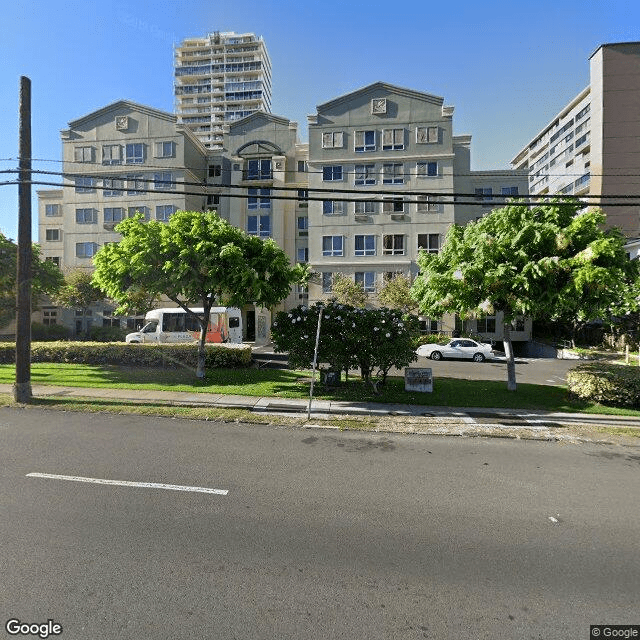
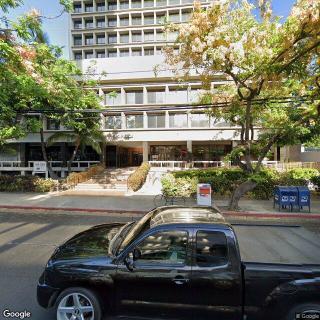
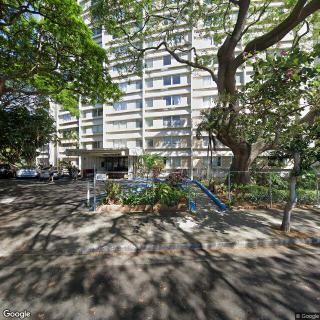
918 Lunalilo Street, Honolulu, HI 96822
For more information about senior living options: (866) 208-4318
The Plaza At Punchbowl Costs & Pricing
At The Plaza At Punchbowl, the monthly costs for various room types reflect a competitive positioning within both Honolulu County and the broader Hawaii market. For instance, the studio apartments are priced at $4,525, which is notably lower than the county average of $4,880 but slightly higher than the state average of $4,687. In contrast, the one-bedroom units command a rate of $5,700 - substantially above both local and state averages. The semi-private rooms are offered at $5,875, exceeding both Honolulu County's average of $4,228 and Hawaii's average of $4,244. Finally, two-bedroom accommodations reach $8,675, placing them above both county and state benchmarks. Overall, The Plaza At Punchbowl presents a range of options that cater to various needs while maintaining a balance in pricing compared to regional standards.
| Floor plans | The Plaza At Punchbowl | Honolulu County | Hawaii |
|---|---|---|---|
| Studio | $4,525 | $4,880 | $4,687 |
| 1 Bedroom | $5,700 | $4,557 | $4,452 |
| Semi-Private | $5,875 | $4,228 | $4,244 |
| 2 Bedrooms | $8,675 | $5,286 | $5,327 |
Memory care communities with a similar price nearby
-
from +$475 / mo
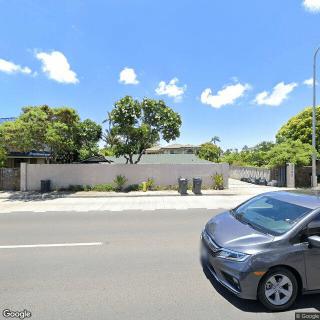
Faith Harbor Adult Care
$5,000 to $7,000 / month6.0 miles away -
from +$222 / mo
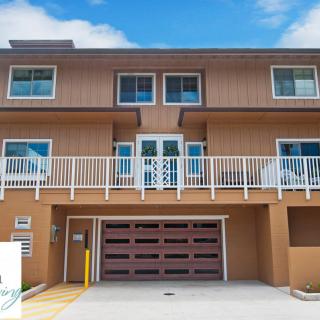
Wilson Senior Living Kailua
$4,747 to $9,900 / month10.3 miles away -
from +$425 / mo
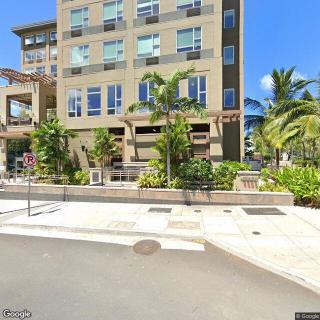
The Plaza at Waikiki
$4,950 to $6,150 / month1.4 miles away -
About the same
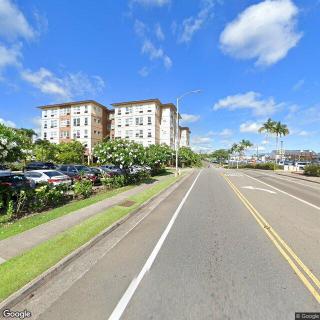
The Plaza At Pearl City
$4,525 to $5,875 / month10.5 miles away -
About the same
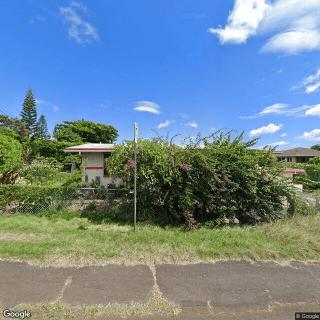
Prime Health Services Care Home
$4,500 to $6,000 / month6.9 miles away
Overall Review of The Plaza At Punchbowl
Pros
 The Plaza at Punchbowl is described as a fantastic independent and assisted living facility.
- Brad, Cheri, Sasha, and the Plaza team provide excellent customer service and make the transition to the facility easy and stress-free.
- The staff's furnishings and medical assistance support turns stressful situations into user-friendly experiences.
- The Plaza Punchbowl's team treats residents and their families as the most important people in their community, going above and beyond to ensure comfort and satisfaction.
- Brad is welcoming, personable, and attentive, with a team of friendly and caring medical staff.
- A stay at The Plaza is described as perfect, with friendly staff, clean and quiet rooms, good food, and a healing environment.
- The tour experience at The Plaza Punchbowl is among the most welcoming, with professional staff and a highly attentive Brad who listens and provides thorough answers.
Cons
 They didn’t have the best first impression, as the concierge did not seem to want to be there.
- The early dinner start times were not ideal, and some aspects could look better.
- The administration’s lack of communication was frustrating, with changes about taking out a relative not disclosed until arrival and conflicting information being given.
Review
The Plaza at Punchbowl is best suited for families seeking a warm, hands-on team approach to both independent and assisted living in Honolulu. The community shines when transitions matter, new residents, recovery from surgery, or simply a desire for consistent, friendly support from a staff that treats residents and their families as central. Residents benefit from a culture built around accessibility, practical help with daily needs, and on-site medical assistance, all delivered with an attentiveness that feels genuinely caring. For families valuing a healing, quiet environment where meals, housekeeping, and social integration are thoughtfully managed, this is a compelling option in the Punchbowl area.
However, this is not the right fit for everyone. A few reviews flag administration communication as a pressure point, with mixed messages about policies or changes affecting family access to residents. For families requiring absolute transparency and perfectly consistent information, other communities may deliver more predictable experiences. Those prioritizing specialized memory care or more rigid scheduling might prefer options that focus exclusively on those services. Additionally, some visitors noted early dinner times and minor inconsistencies in initial impressions from certain front-line staff; these are not crippling, but they do matter to decision-making.
On balance, the denominators driving satisfaction are clear: staff warmth and genuine hospitality led by Brad, Cheri, Sasha, and a cohesive team that makes families feel seen. The welcome extends beyond tours into everyday operations, concierge help, practical support with furnishings, and on-site medical assistance that reduces stress during transitions. The food is frequently described as good, rooms are clean, and the environment remains quiet and conducive to rest, a crucial factor for recovery or ongoing daily living. Several families credit the staff for turning what could be a stressful move into an easy, user-friendly experience.
Those strengths offset many drawbacks because dependable, attentive care directly impacts quality of life. When a team consistently goes the extra mile to coordinate care, assist with logistics, and ease the social and emotional load on families, administrative hiccups become easier to tolerate. The combination of robust caregiving, a clean, quiet setting, and a healing-forward atmosphere can compensate for occasional miscommunications. In practice, the personal touch, Brad's unhurried, responsive conversations and the staff’s willingness to introduce families to residents, creates trust that mitigates the frustration of minor process gaps.
Still, the administration communication gaps should not be dismissed. The most common complaint is being told one thing and then another about access to a relative or policy changes, which can create anxiety for families coordinating care. Those who value a transparent, consistently updated status should seek a clear point of contact and insist on written confirmations for any policy shifts. The strongest defense against this is engaging with Brad or the sales manager early and requesting explicit, documented answers while confirming with the executive team about any anticipated changes.
For families evaluating options, the Plaza punches above its weight when relationship-building and hands-on service are the top priorities. Schedule a visit with specific questions about daily routines, dining schedules, and how emergencies are handled; observe how staff interact with residents and family members. If memory care, formalized transparency, or more punctual dining are non-negotiables, explore alternatives to ensure alignment with expectations. Overall, The Plaza at Punchbowl presents a strong choice for those who value a compassionate, service-driven culture and dependable daily living support in a Honolulu setting.
 22 resident community capacity
 Assisted Living
 Independent Living
 Memory Care
 Respite Care
 Cats allowed
 Dogs allowed
 Activities off-site
 Air-conditioning
 Beautician on-site
 Cable or satellite TV
 Devotional services off-site
 Dining room
 Fully furnished
 Garden
 Housekeeping services
 Indoor common areas
 Kitchenette
 Move-in coordination
 Outdoor common areas
 Restaurant-style dining
 Small library
 Swimming pool / hot tub
 Telephone
 Wheelchair accessible showers
 Wi-Fi/high-speed internet available
 Honolulu International (5 miles away)
 Transportation arrangement (non-medical)
 12-16 hour nursing
 24-hour call system
 Ambulatory care
 Assistance with bathing
 Assistance with dressing
 Assistance with transfers
 Diabetes diet
 Diabetic care
 Incontinence care
 Medication management
 Mental wellness program
 Special dietary restrictions
 Art classes
 Day trips and outings
 Educational speakers / life long learning
 Karaoke
 Live dance or theater performances
 Live musical performances
 Live well programs




 How to Communicate with a Loved One Living with Dementia: 10 Supportive Strategies
 Comprehensive Guide to VA Nursing Homes: A Crucial Long-Term Care Resource for Veterans
 Estimating the Expenses of At-Home Dementia Care: A Detailed Exploration