
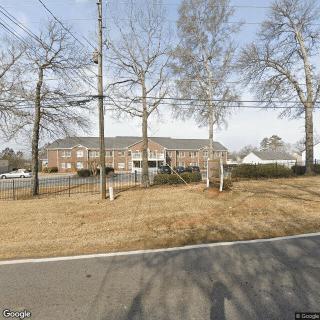
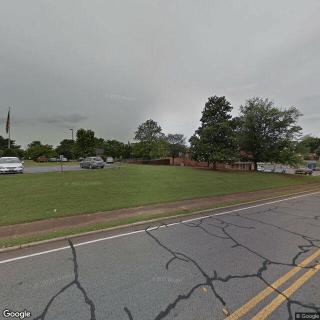
777 Rhine Road, White, GA 30184
To contact a resident: (404) 862-4427
For more information about senior living options: (866) 208-4318
Comfort Care Personal Care Home Costs & Pricing
Comfort Care Personal Care Home offers a competitive monthly rate of $1,800 for semi-private accommodations, significantly lower than both the average costs in Cherokee County and the broader state of Georgia. In Cherokee County, similar semi-private rooms average around $3,195, while statewide figures stand at approximately $2,529. This pricing positions Comfort Care as an attractive option for families seeking quality personal care without the financial strain associated with many other facilities in the area. By providing a more affordable alternative, Comfort Care ensures that residents receive the necessary support in a comfortable environment while helping families manage their budgets effectively.
| Floor plans | Comfort Care Personal Care Home | Cherokee County | Georgia |
|---|---|---|---|
| Semi-Private | $1,800 | $3,195 | $2,529 |
Senior living communities with a similar price nearby
-
from +$300 / mo
Premium Personal Care Home
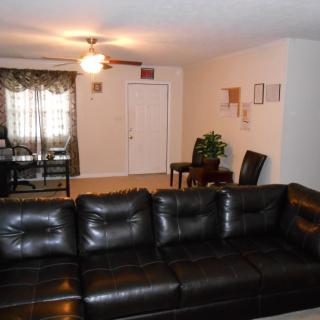
$2,100 to $2,850 / month22.3 miles away -
from -$300 / mo
Yellow Rose at Worley
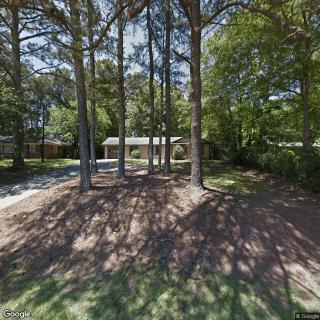
$1,500 to $2,000 / month14.4 miles away -
from -$300 / mo
Ivy Spring Retirment Cottage
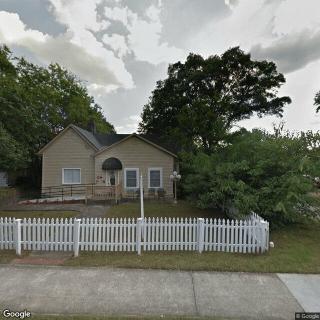
$1,500 / month23.8 miles away -
from -$300 / mo

Circle of Family Care
$1,500 / month20.6 miles away -
About the same

Upper River Personal Care Home
$1,800 to $2,500 / month15.2 miles away
Overall Review of Comfort Care Personal Care Home
Pros
 The proprietor and staff at Comfort Care PCH are caring, professional, respectful, and dignified in their care of residents.
- They consistently prioritize what’s best for residents without compromising the safety and well-being of others.
- Comfort Care is described as a God-sent facility where loved ones can continue to live a quality and full life.
- The reviewer strongly recommends Comfort Care PCH for others and their loved ones.
Review
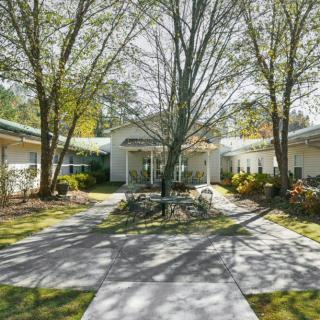
Comfort Care Personal Care Home in White, GA is best suited for families seeking a small, home-like setting where a loved one with dementia can receive steady, dignified personal care over the long term. The community shines when continuity matters: a seven-year track record with one resident’s family underscores stability, relationship-based care, and a focus on quality of life even as health declines. It is a strong match for someone who values individualized attention, respectful interaction, and a caregiving team that makes “what's best for mom” the central guiding principle, without sacrificing safety for others.
Those evaluating alternatives should consider settings that offer more intensive medical oversight, larger staff rosters, or broader memory-care programming. If a loved one requires hospital-level nursing, highly structured therapeutic offerings, or a wider slate of social activities and amenities, a bigger assisted living or dedicated memory-care community may be a better fit. Comfort Care PCH presents a different model, one that prioritizes intimate, person-centered care within a smaller ecosystem, so families with heavier clinical needs or desire for expansive programming may prefer options with more pronounced on-site medical resources.
The core advantages here, the staff’s professional, respectful, and dignified approach; the proprietor’s hands-on leadership; and the emphasis on safety alongside meaningful daily life, do substantial work in offsetting typical drawbacks of small personal care homes. With dementia care at the center, the care team appears to tailor routines and decisions to the resident’s best interests while safeguarding other residents and staff. This alignment between ongoing well-being and safety creates a compelling case for families who prize stability, trust, and a home-like atmosphere over broader institutional services.
In practice, the review paints a compelling picture of continuity and trust. The mother’s long stay and the family’s strong endorsement signal that the community can sustain a high level of personalized attention over years, which is rare and valuable in dementia care. The language used, careful, professional, dignified, and “God sent”, conveys not only competence but also a moral commitment to nurturing dignity as health changes. For families, this translates into reduced worry about staff turnover, consistent caregiving practices, and a shared sense of purpose among caregivers and residents alike.
Given there is only one detailed feedback, the most prudent interpretation is to treat these strengths as a reliable indicator of what to expect without assuming perfection. No explicit drawbacks are noted in the account, but the absence of critique does not automatically guarantee suitability for every situation. Families should still confirm alignment with a loved one’s specific medical needs, desired level of daily assistance, and preferred pace of daily life. Independent visits, discussions with the proprietor, and direct observation of care interactions will reveal whether the current model matches nonnegotiables such as emergency responsiveness, medication management, and activity engagement.
In decision terms, Comfort Care Personal Care Home is a strong recommendation for families seeking a small, caregiver-driven environment where dementia care is delivered with steadiness, warmth, and an unwavering focus on quality of life. It is particularly well-suited for residents who thrive on predictable routines, personal relationships with caregivers, and the safety assurances that come from a tightly knit community. For those whose priorities include extensive medical services, expansive programming, or large-scale amenities, it may be wise to explore alternatives. A targeted visit should center on care planning conversations, staffing patterns, daily schedules, and concrete measures of how the home balances individual needs with collective safety. When those elements align, Comfort Care PCH offers a compelling, practical, and experience-backed pathway for compassionate, enduring care.
 Board and Care Home
 Activities off-site
 Devotional services off-site
 Indoor common areas
 Outdoor common areas
 Respite or short term stays offered
 Wheelchair accessible showers
 Ambulatory care
 Incontinence care
 Meals provided
 Christian services

 Effective Strategies for Keeping Seniors' Minds Active: A Deep Dive into Brain Games and Apps
 In-Depth Look at the VA Aid and Attendance Program
 Nurturing Our Loved Ones: A Daughter's Journey in Caring for Her Mother