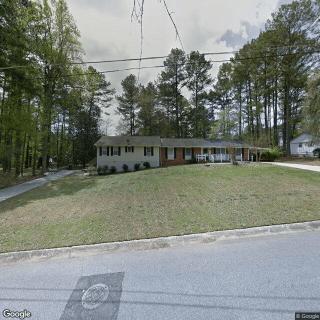
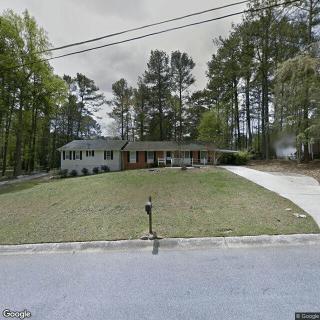
2731 Elkhart Circle, Marietta, GA 30064
To contact a resident: (770) 792-1235
For more information about senior living options: (866) 208-4318
Premium Personal Care Home Costs & Pricing
When comparing the costs associated with a Premium Personal Care Home to those of Cobb County and the broader state of Georgia, it is evident that residents can benefit from more competitive pricing. For instance, the monthly rate for a semi-private room in the Premium Personal Care Home is $2,100, which is significantly lower than both Cobb County's average of $2,367 and Georgia's statewide average of $2,529. Similarly, while a private room in this premium setting costs $2,500, this is still more affordable than the county and state rates of $2,788 and $2,864 respectively. Even for a one-bedroom option at $2,850 per month, this remains below the averages observed in Cobb County ($3,303) and across Georgia ($3,412). Overall, these figures demonstrate that opting for a Premium Personal Care Home may provide valuable savings without compromising on quality or care for individuals seeking personal care accommodations.
| Floor plans | Premium Personal Care Home | Cobb County | Georgia |
|---|---|---|---|
| Semi-Private | $2,100 | $2,367 | $2,529 |
| Private | $2,500 | $2,788 | $2,864 |
| 1 Bedroom | $2,850 | $3,303 | $3,412 |
Memory care communities with a similar price nearby
-
from +$400 / mo
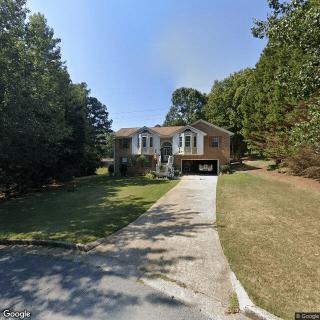
Serenity Living Personal Care Home
$2,500 to $4,050 / month9.8 miles away -
from +$400 / mo
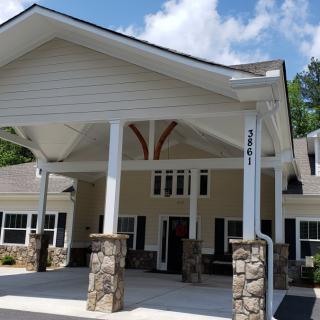
Green Park at Kennesaw
$2,500 to $5,500 / month10.4 miles away -
from -$300 / mo
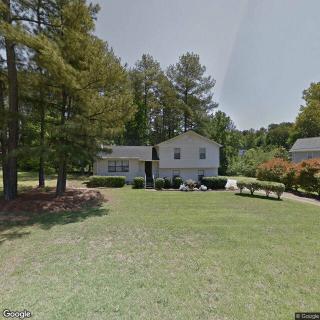
Agape Haven Personal Care Home
$1,800 to $2,000 / month5.4 miles away -
About the same
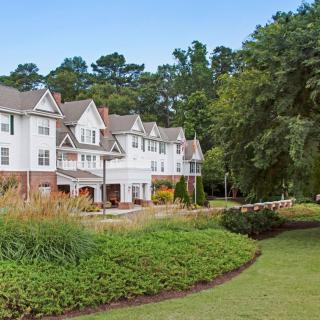
Brighton Gardens of Buckhead
$2,101 to $5,370 / month15.2 miles away -
from -$300 / mo
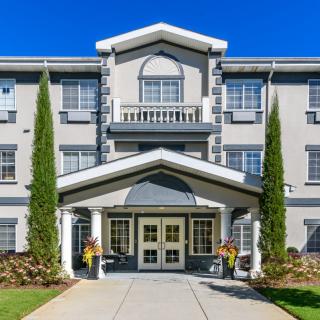
Villa Palazzo Senior Living Community
$1,800 to $3,850 / month17.1 miles away
Overall Review of Premium Personal Care Home
Pros
 The Premium Personal Care Home is a godsend.
- Hugh and his staff take great care of residents.
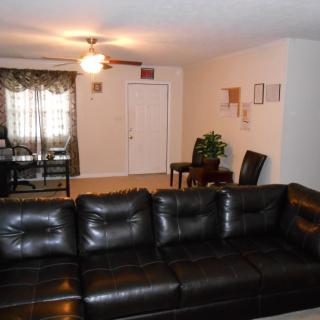
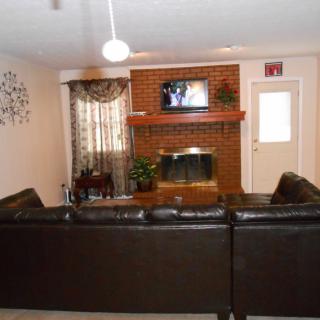
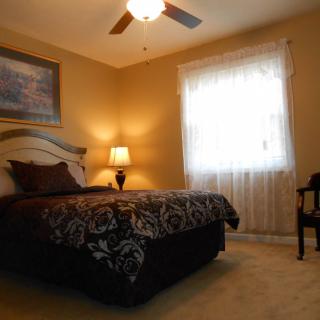
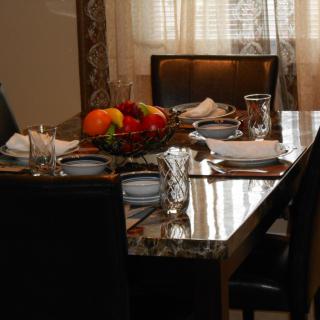
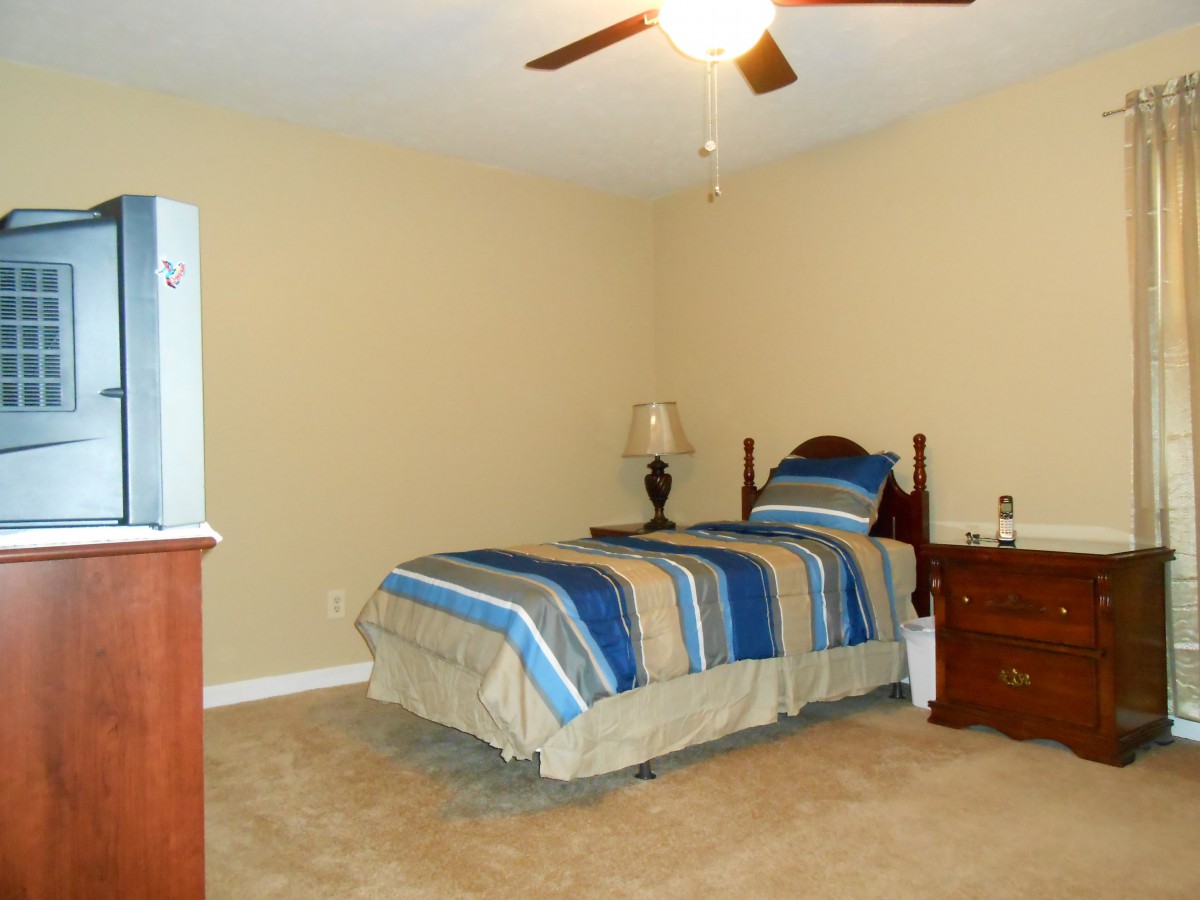
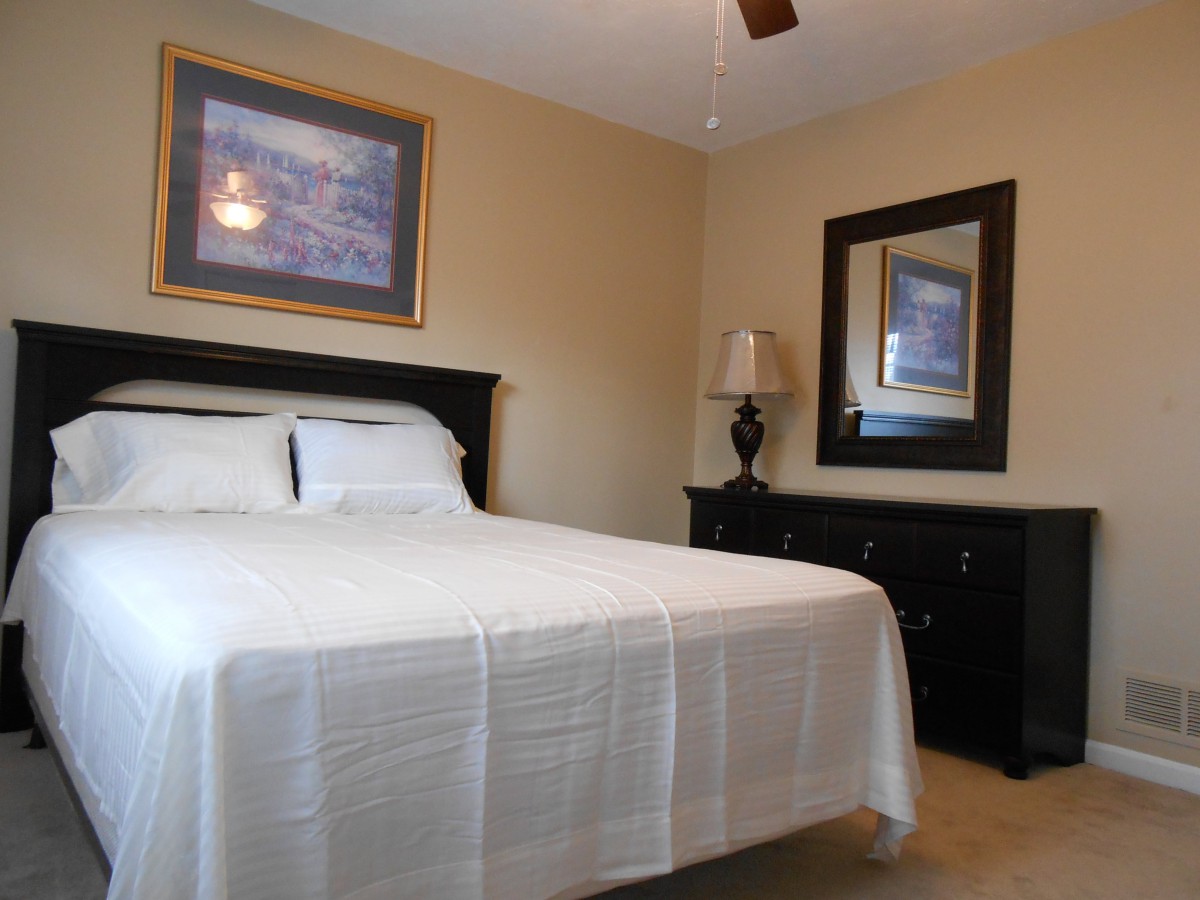
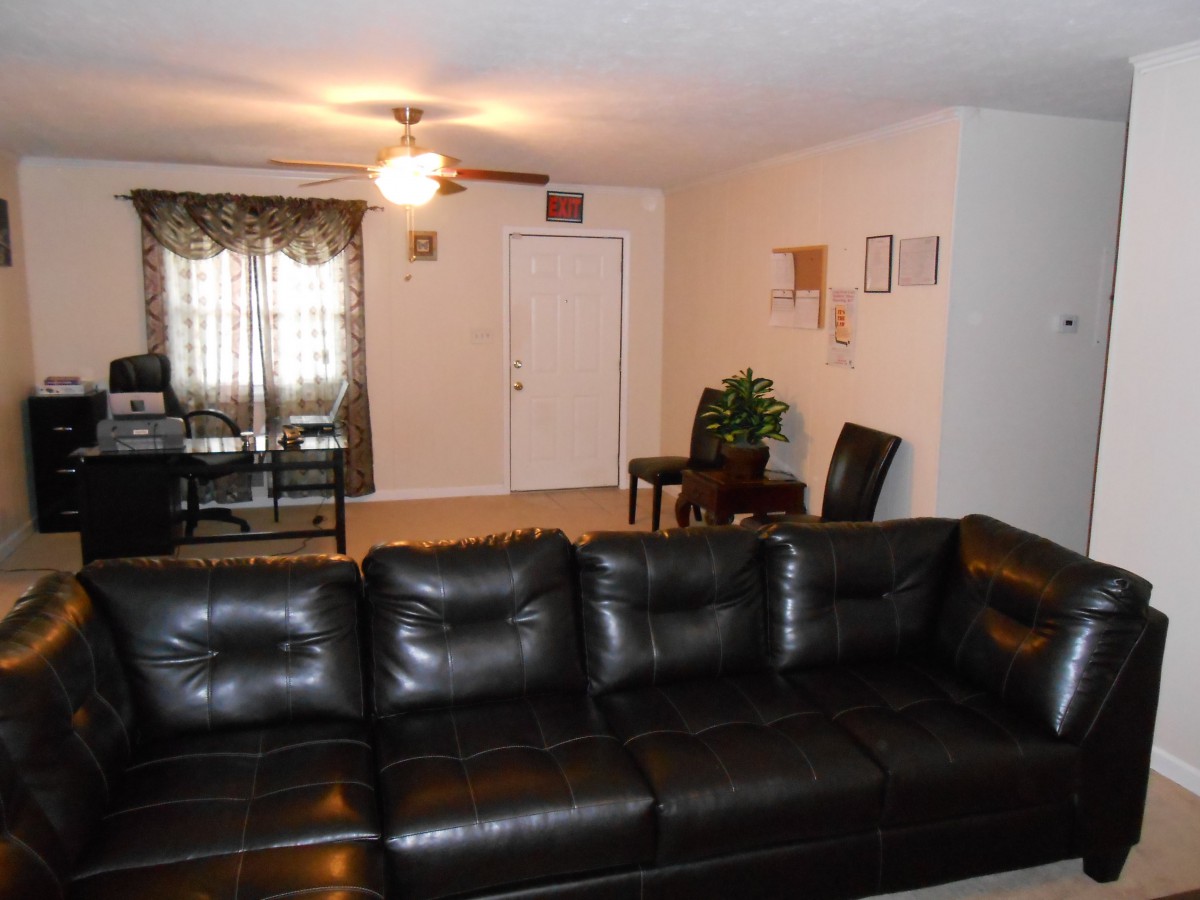
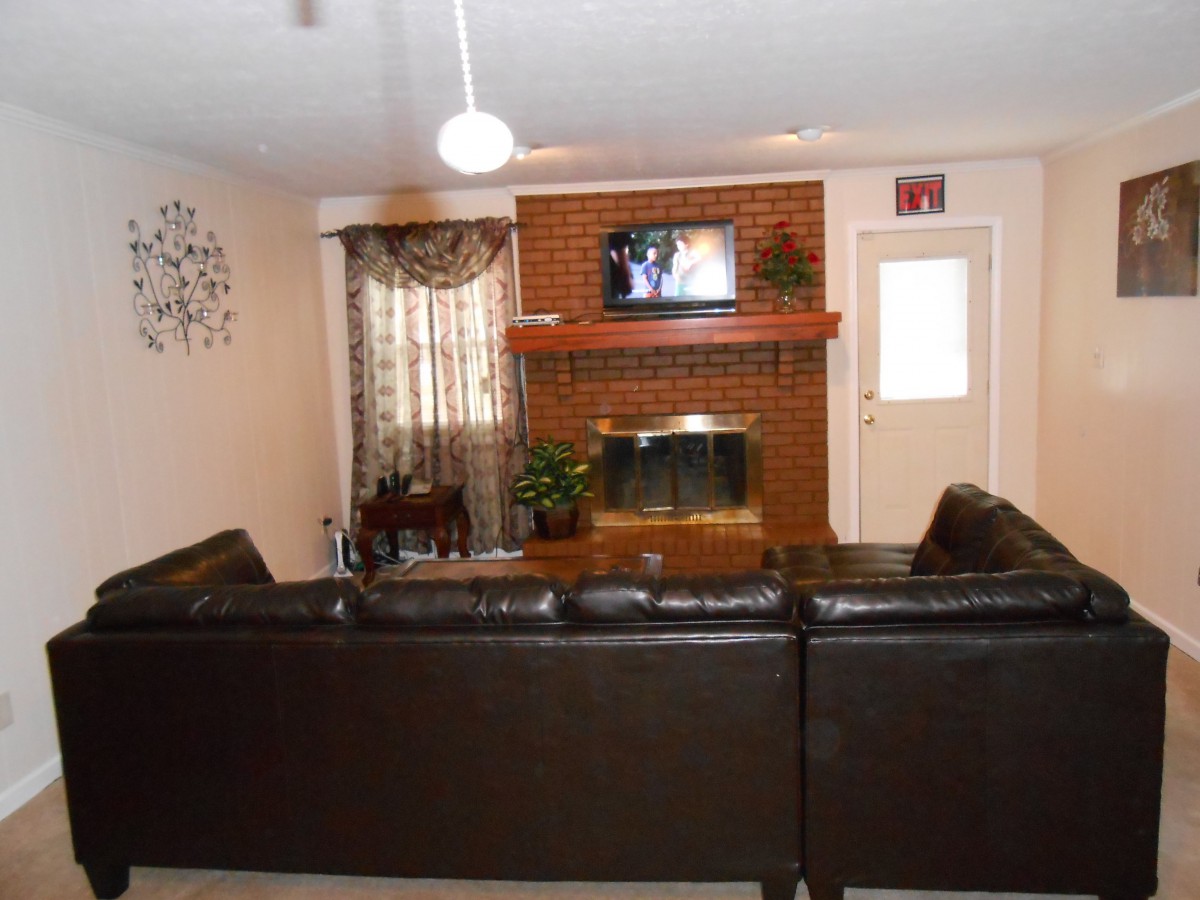
- The setting feels like a family home and not institutional at all.
- Residents are well cared for, clean, and well fed.
- They coordinate medical visits and hospice, easing families’ worries.
- Families are very pleased with the experience.
- The home is modest, clean, and run by a warm husband-and-wife team, with the husband a nurse who is available at all times.
- The caregivers are professional, loving, and attentive.
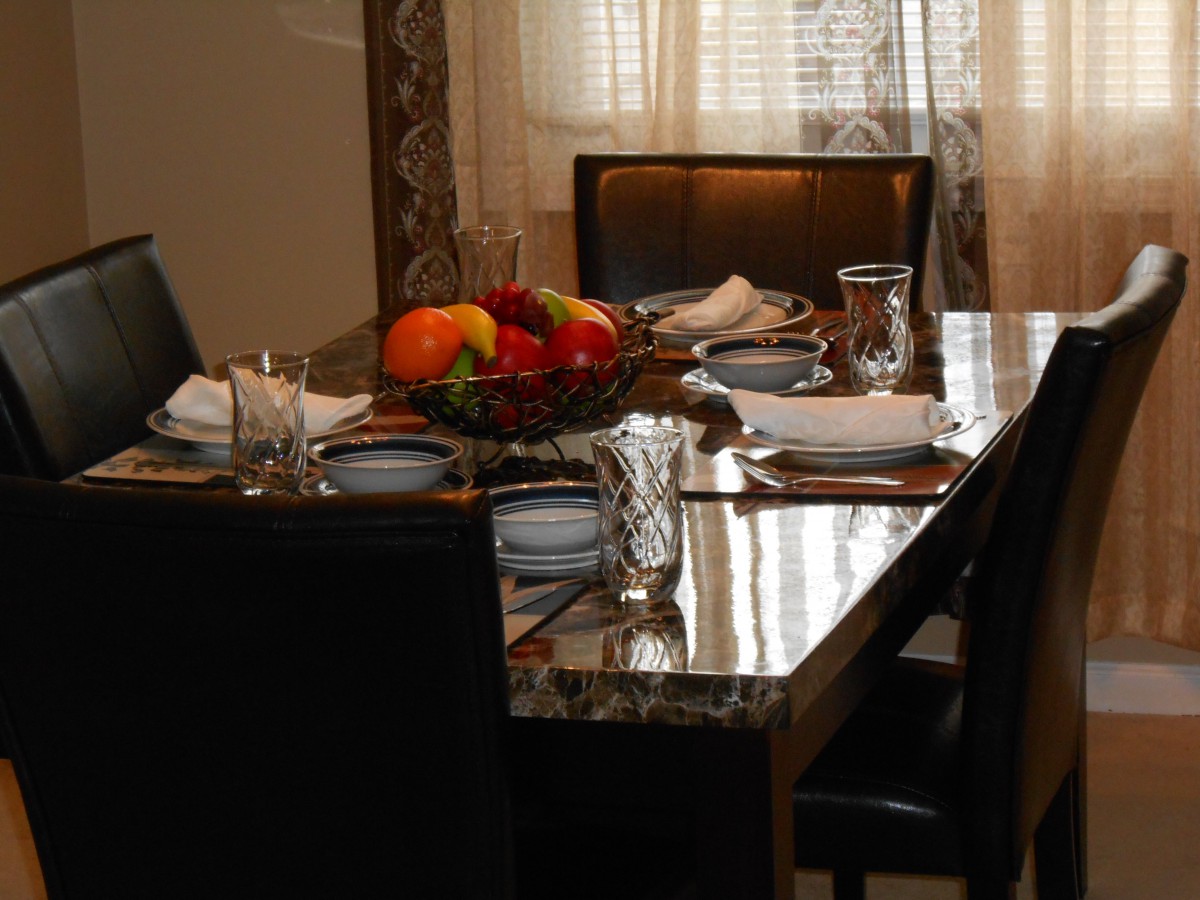
- The meals are nutritious and tasty.
Review
This community is best suited for families seeking an intimate, home-like setting for an aging relative who needs daily personal care, reliable medication management, and coordination of medical appointments. The model shines when the goal is to avoid a clinical, impersonal environment while still receiving attentive professional care. It is especially appropriate for residents who benefit from predictable routines and hands-on leadership from a small, owner-operated team. The husband-and-wife ownership with a nurse on the premises translates into quick responsiveness, continuity of care, and the sense that caregivers know the person by name, not by a chart. In practice, families report that mom or dad feels more at ease, with care that feels personal rather than procedural.
Families who want a large, activity-filled campus with formal memory care wings or expansive on-site clinics may want alternatives. This home leans toward a modest, tidy, quiet environment rather than a "facility tour" experience. Capacity is limited, and there is natural emphasis on everyday care over flashy amenities. If the priority is a place with extensive social programming, gourmet dining on a celebrity-chef scale, or highly specialized memory-care protocols, a bigger operator or a dedicated memory-care community may serve better. The decision hinges on valuing personalized attention over breadth of services.
On the upside, the pros read as a coherent, persuasive advantage. The setting feels like a real home, not an institution, with clean spaces, unoffensive odors, and meals described as nutritious and tasty. The staff are consistently described as attentive, friendly, and helpful, with sight lines for safety and daily reassurance. Crucially, the owner team coordinates medical visits and hospice when needed, reducing family stress and ensuring continuity of care. This is not a passive arrangement: leadership is proactive, with clinicians on hand (the husband is a nurse) and a willingness to adjust small details to boost comfort. Communication with families is steady and transparent, which makes a meaningful difference when a loved one’s health is evolving.
That said, the small, intimate format does come with trade-offs. There is less emphasis on a vast activity calendar or franchise-level programming, and some families may miss the reach of larger operators. Yet this gap is offset by the high caregiver-to-resident attention, hands-on availability, and the ability to tailor routines to evolving needs. For residents with dementia or memory challenges, the predictable, low-stimulus environment can be stabilizing, while the staff’s initiative to tailor daily care, tracking small preferences, maintaining cleanliness, and ensuring safety, keeps quality consistently high. In short, the strengths of personal, responsive care largely neutralize the potential downsides of a leaner service model.
Decision-makers should match this community to a chosen balance: prioritize individualized care, consistent staffing, and seamless medical coordination over a long menu of on-site amenities. It is an excellent fit for families seeking a trusted partner in caregiving for a parent who benefits from a home-like atmosphere and reliable medical liaison. Prospective residents or their families should ask about staffing ratios, night coverage, the scope of memory-care support, and how hospice or palliative needs are integrated into daily care. If the care philosophy aligns with a small, close-knit setting and a price point that reflects "less frills" rather than "luxury," Premium Personal Care Home stands out as a principled, compassionate choice.
Overall, Premium Personal Care Home delivers a compelling combination of intimate, diligent care and steady medical coordination in Marietta. It is best considered by families who value a warm, homey environment where caregivers know each resident and respond quickly, especially when dementia or complex medical needs are involved. Those seeking a more expansive campus, more formal memory-care infrastructure, or a facility with a broader activity slate may find alternatives more suitable. For the right family, this community offers peace of mind, consistent quality, and a genuinely humane approach to daily living in the twilight years.
 Board and Care Home
 Day Program
 Memory Care
 Bath tubs
 Devotional services off-site
 Indoor common areas
 Outdoor common areas
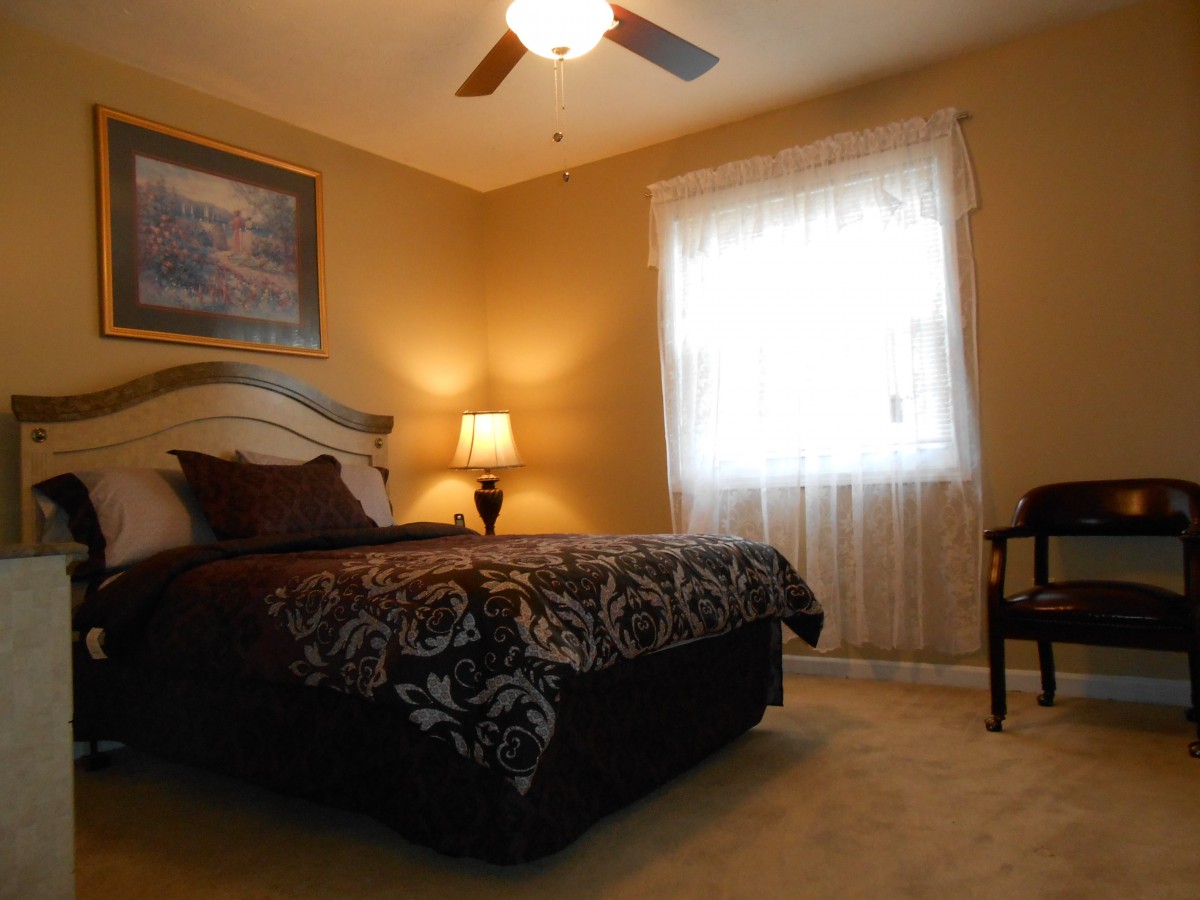
 Private
 Respite or short term stays offered
 Wheelchair accessible showers
 William B Hartsfield-Atlanta International (20 miles away)
 Ambulatory care
 Diabetic care
 High acuity care
 Incontinence care
 Medication management
 Meals provided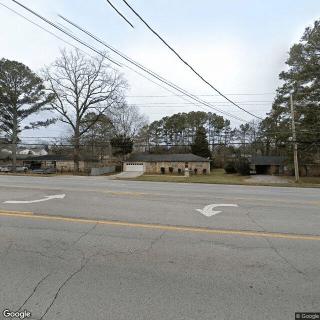

 Five Subtle Dementia Indicators to Observe: An In-Depth Guide to Understanding “Does My Mom Have Dementia?”
 Dementia, Paranoia, and Caregiver Guidance: Understanding the Connection
 Engaging Memory Care Activities That Enhance Quality of Life