The Arbor At BridgeMill in Canton, GA

Save

  • Interior

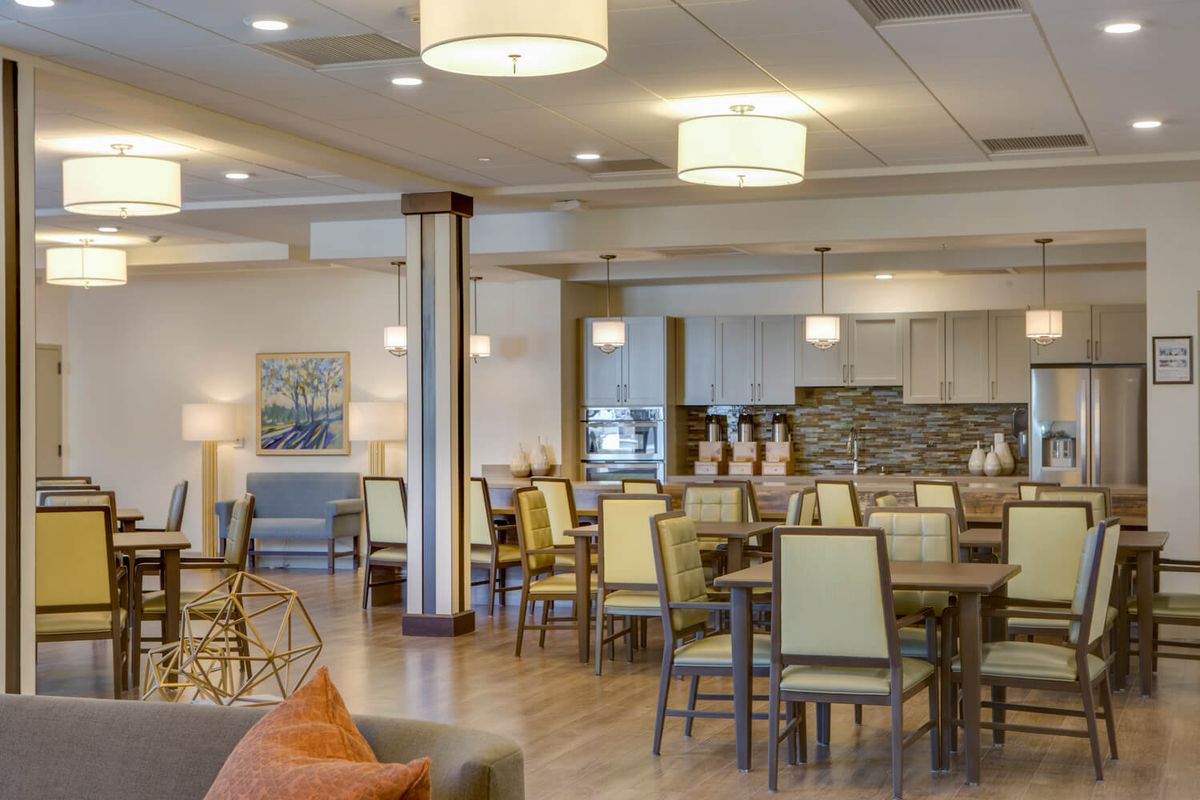
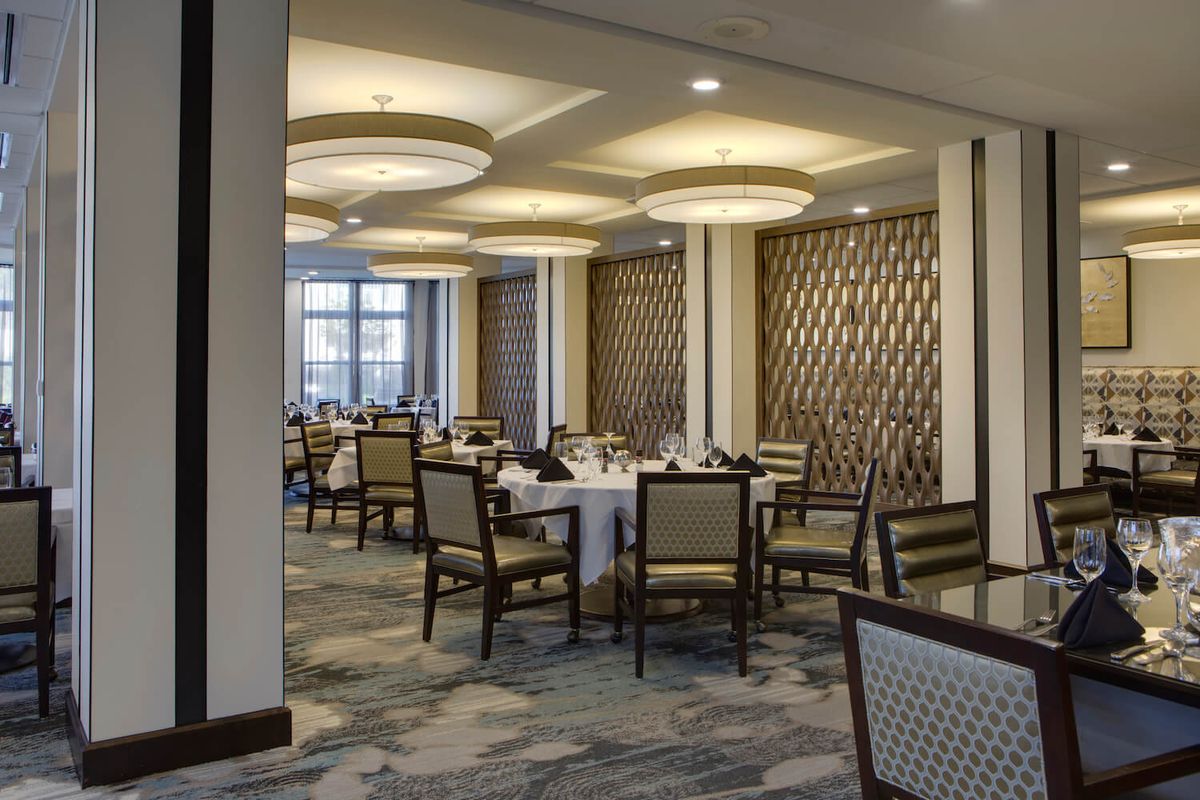
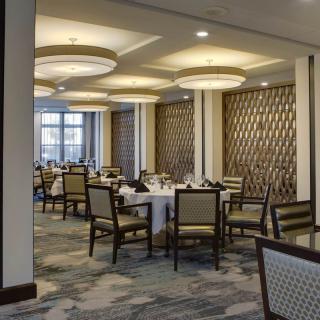
    A modern dining area with neatly arranged tables and chairs, featuring soft lighting.
  • Decor

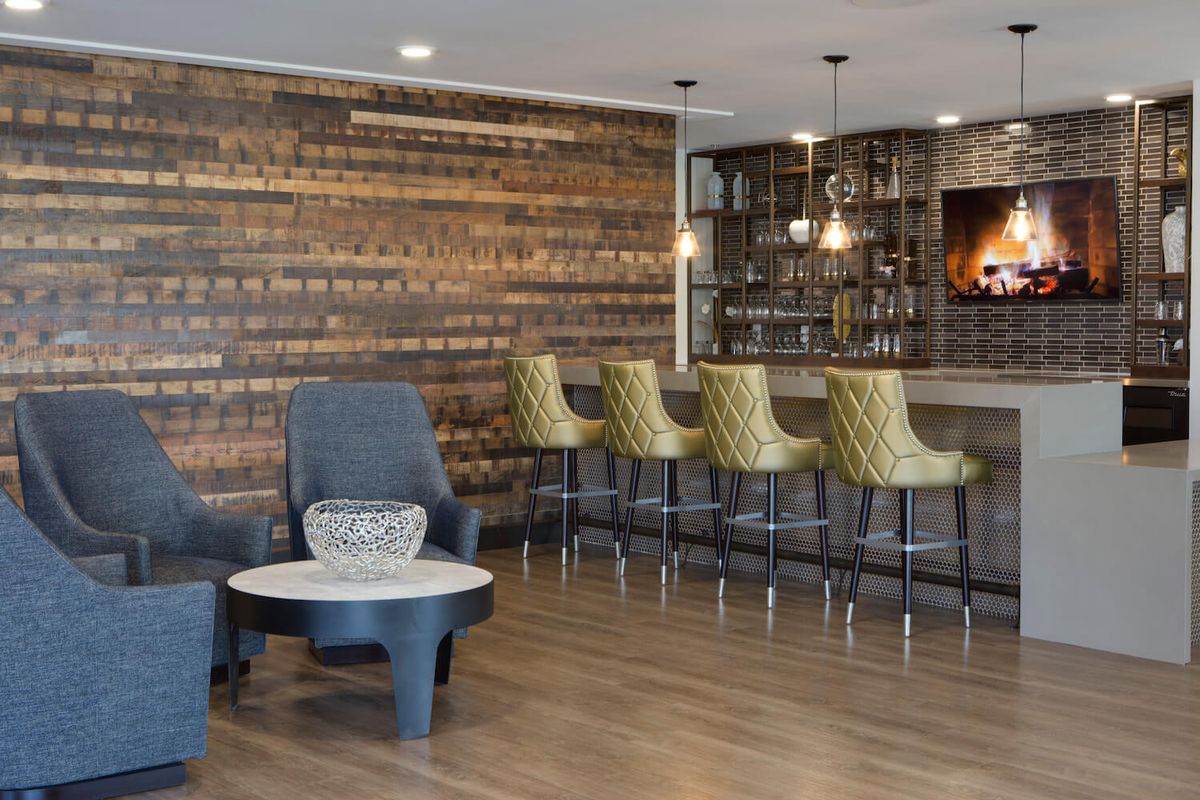
    A modern bar interior with wooden accents and stylish seating.
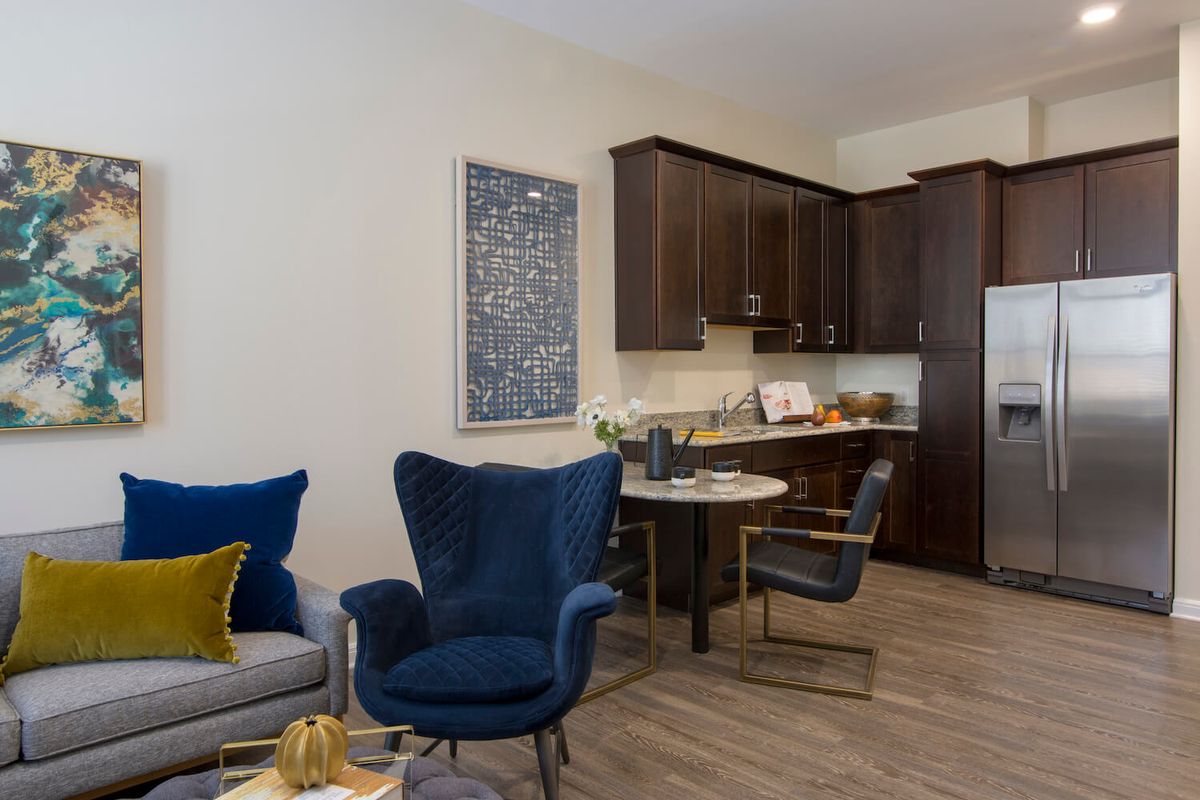
  • Living Room

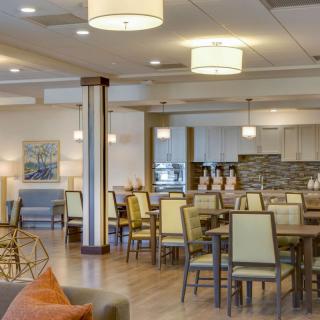
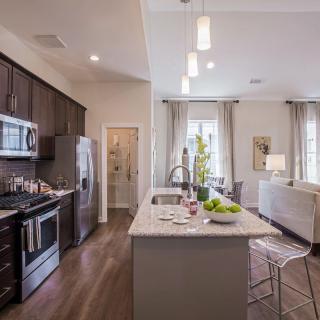
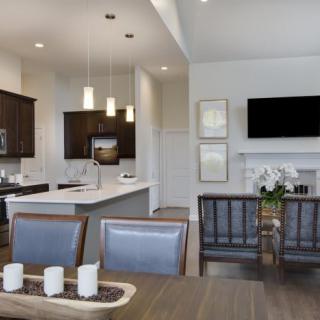
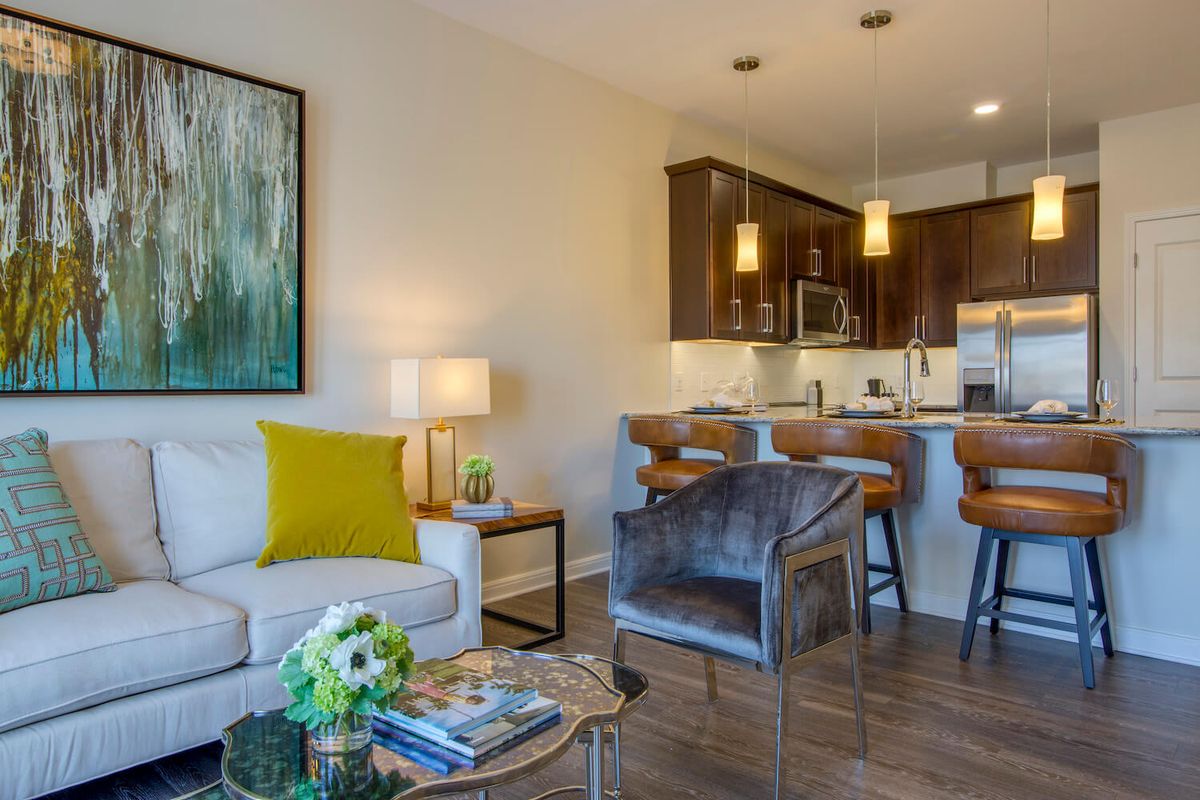
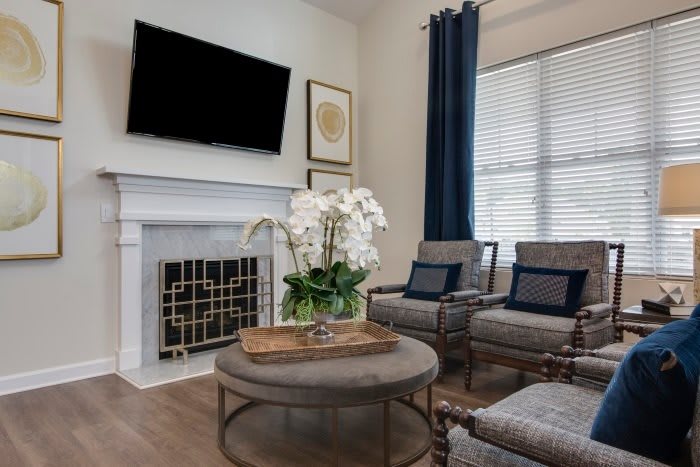
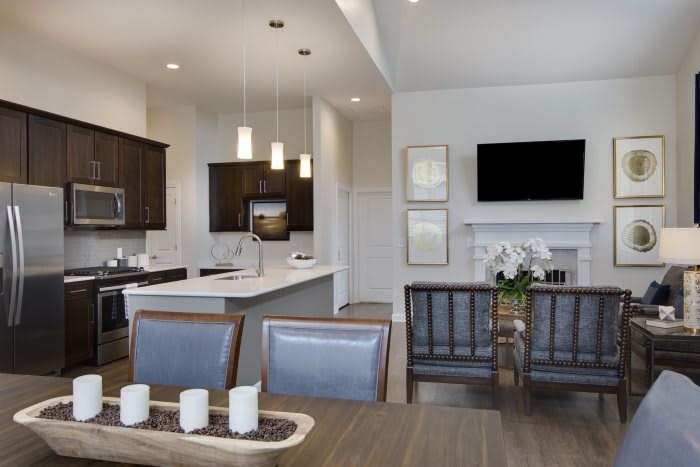
    Modern open-concept living room and kitchen with stylish furnishings.
  • Building

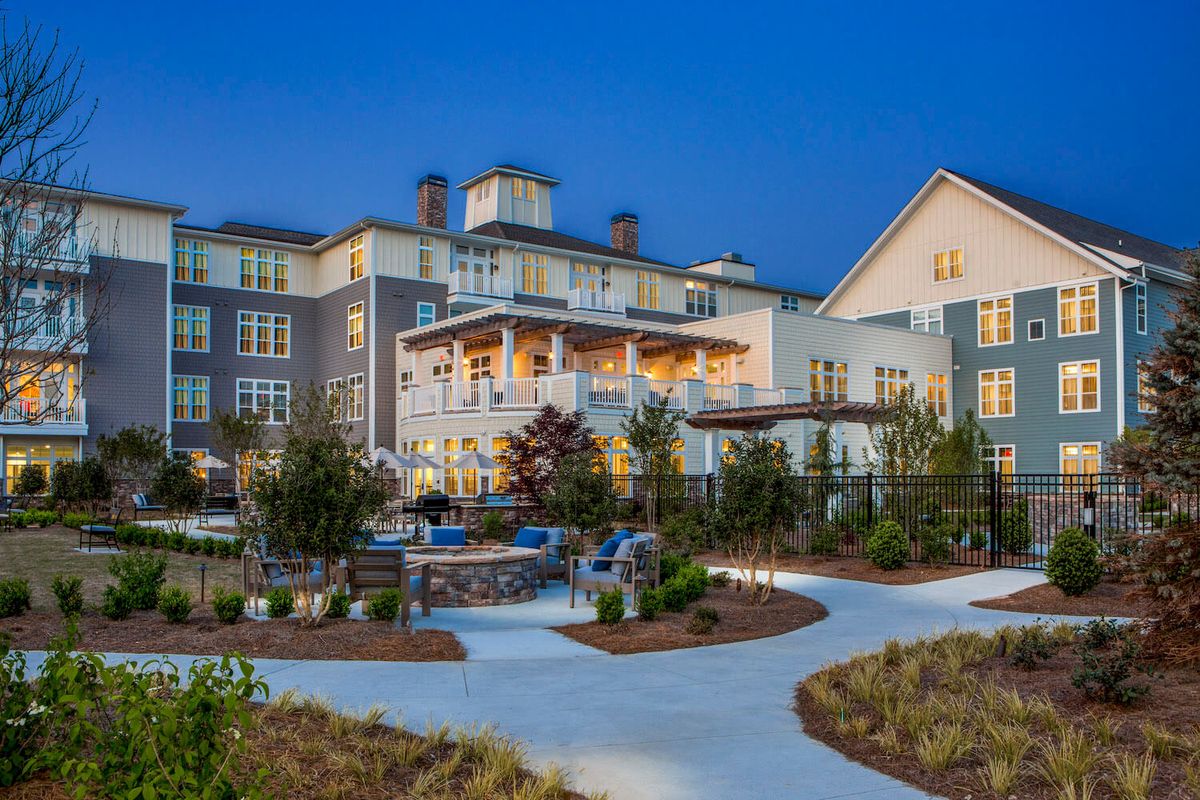
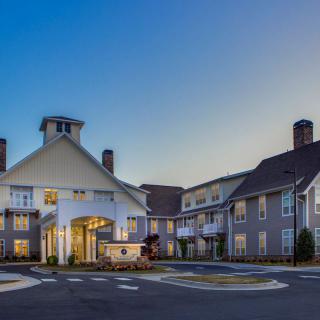
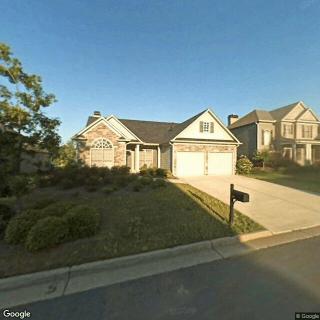
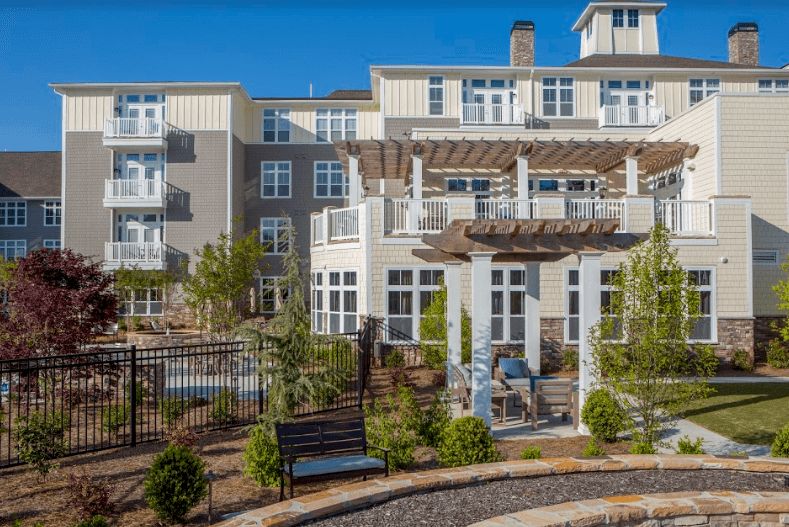
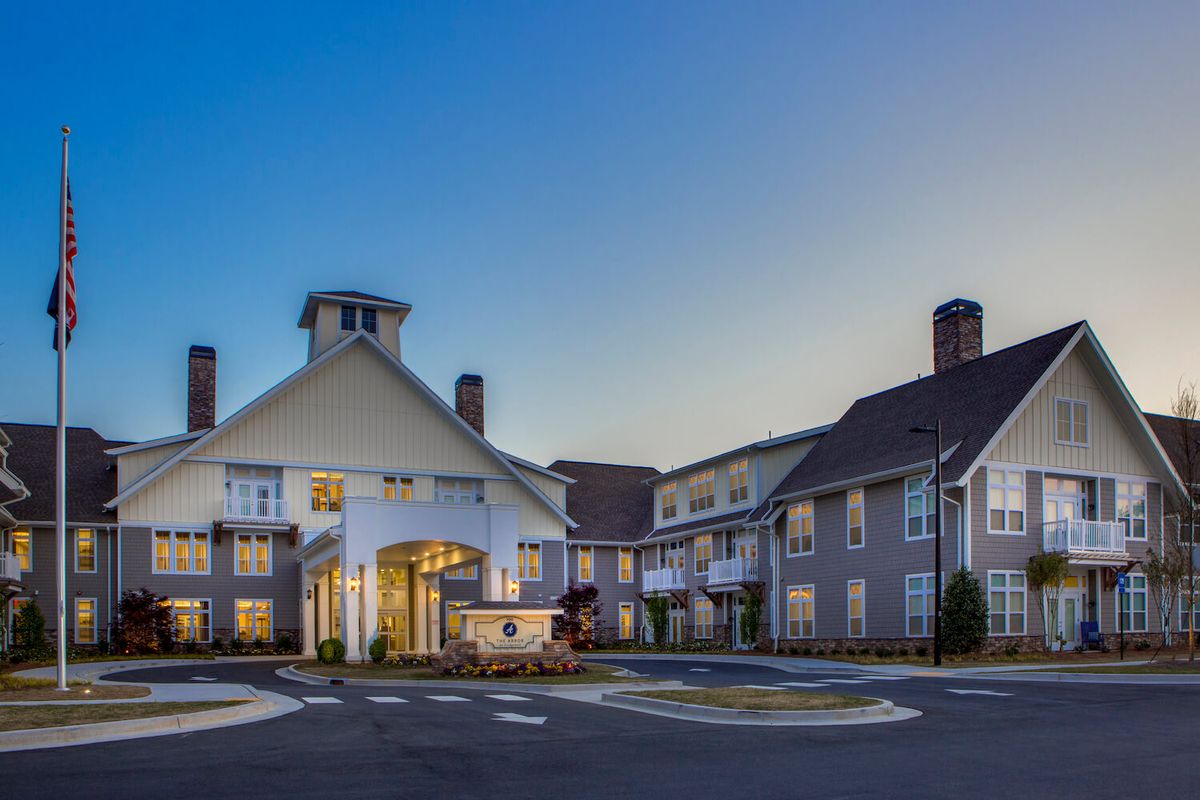
    A scenic view of a residential building at twilight, surrounded by landscaped gardens.
  • Architecture

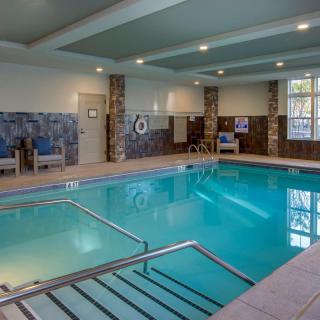
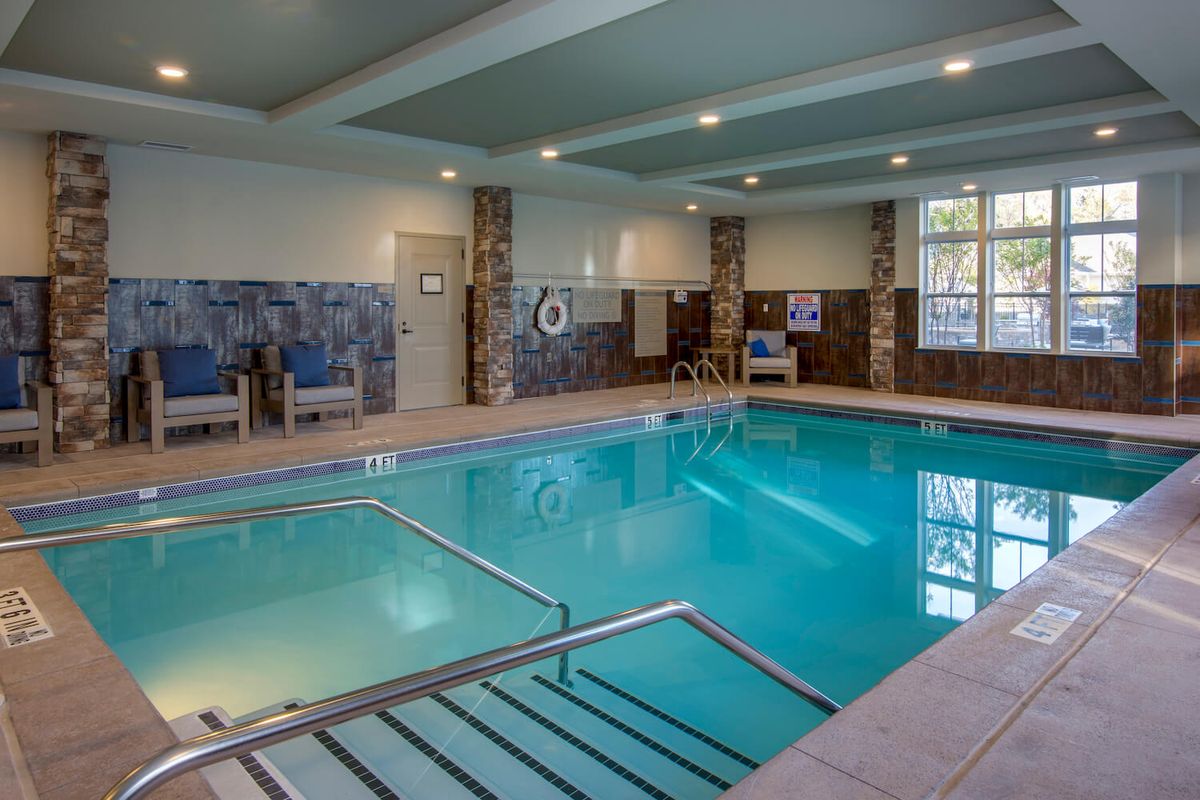
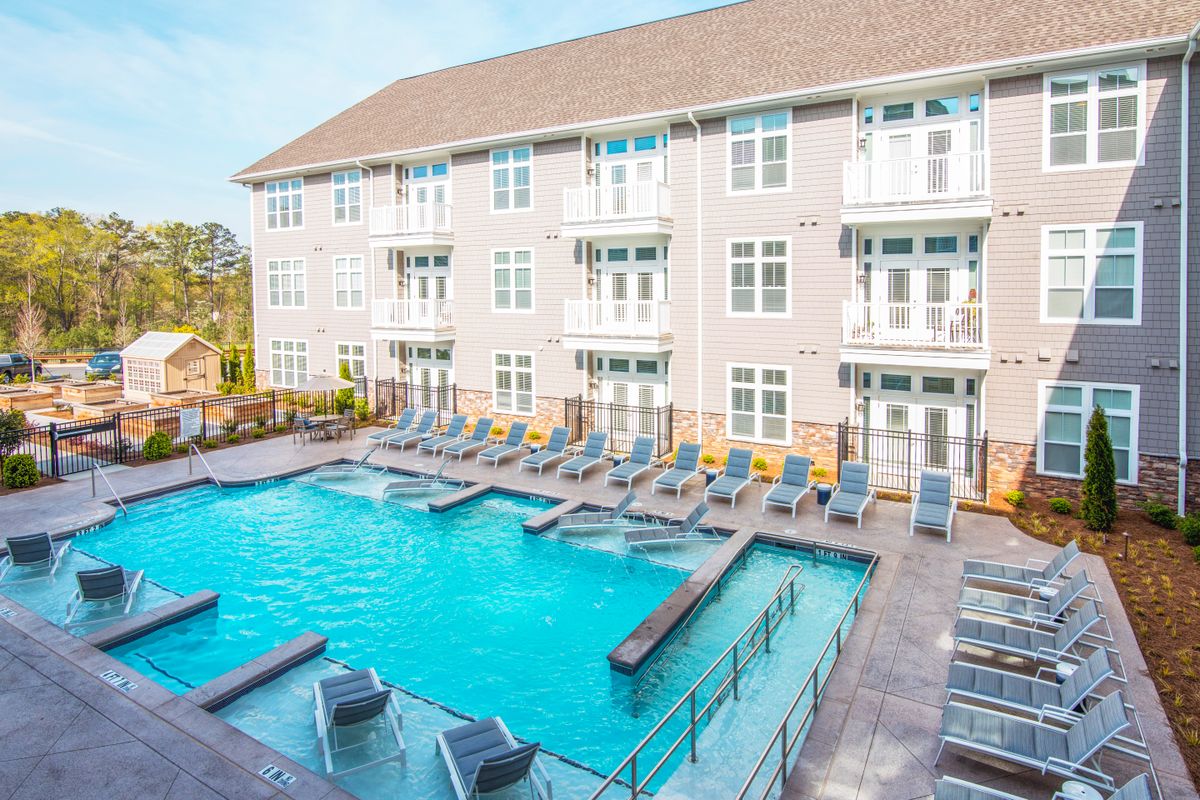
    A tranquil indoor swimming pool area in a hotel setting.
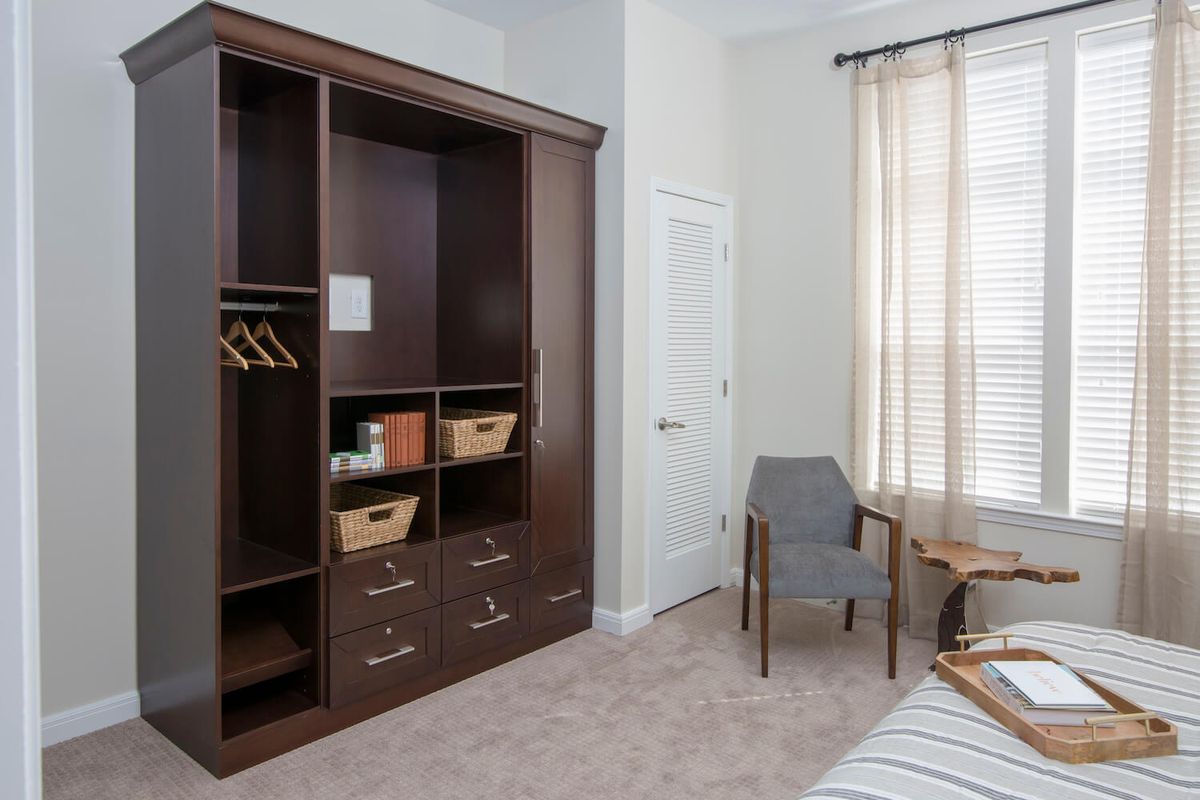
  • Bedroom

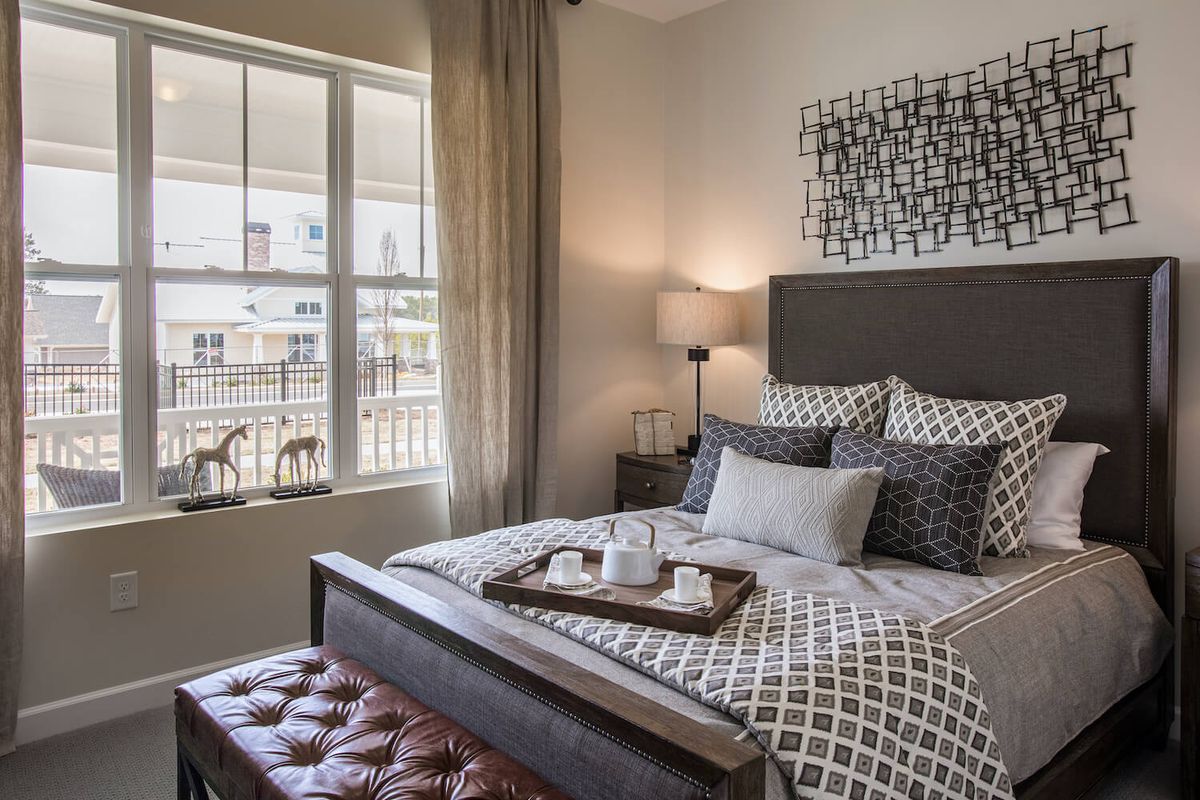
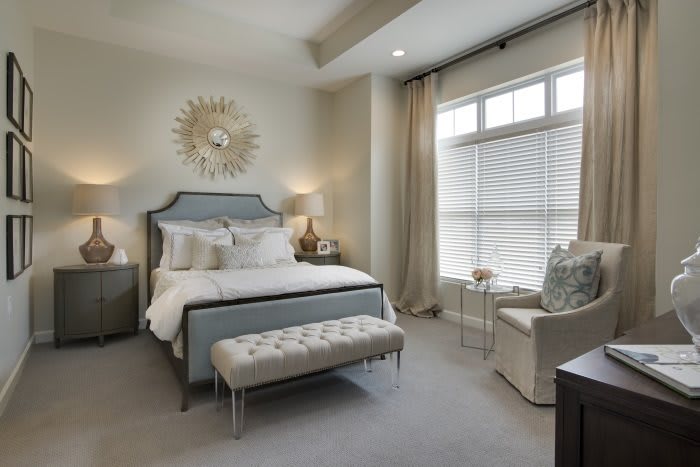
    A stylish bedroom with a neatly made bed, decorative pillows, and a tray on top.
  • Trees

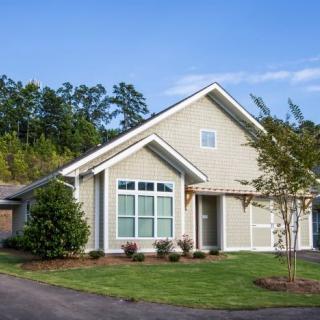
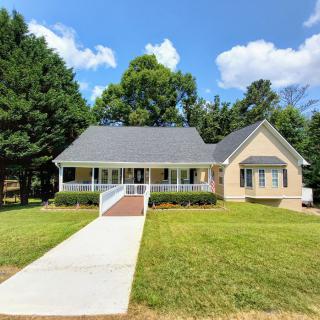
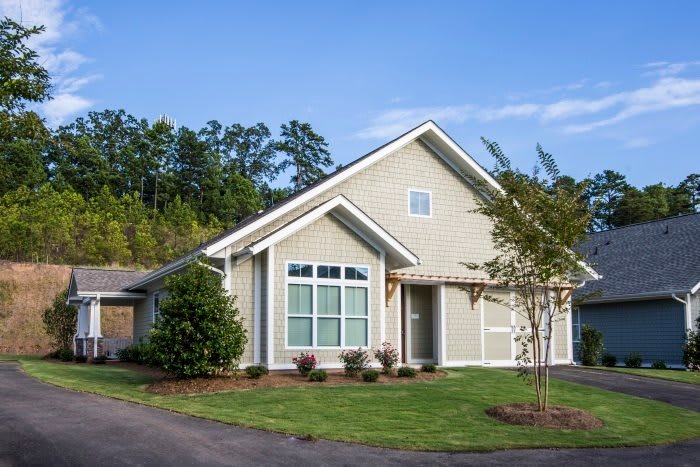
    A suburban house with a neatly landscaped lawn and surrounding trees.
  • Windows

    A cozy game room featuring a pool table, chess board, and comfortable seating.
  • Dining

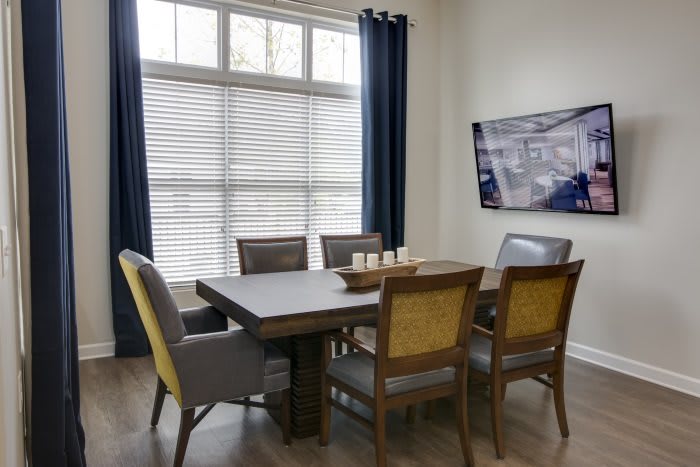
    An elegant dining room with neatly arranged tables and chairs, featuring sophisticated interior design and ambient lighting.
  • Landscaping

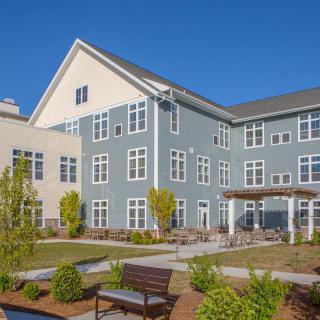
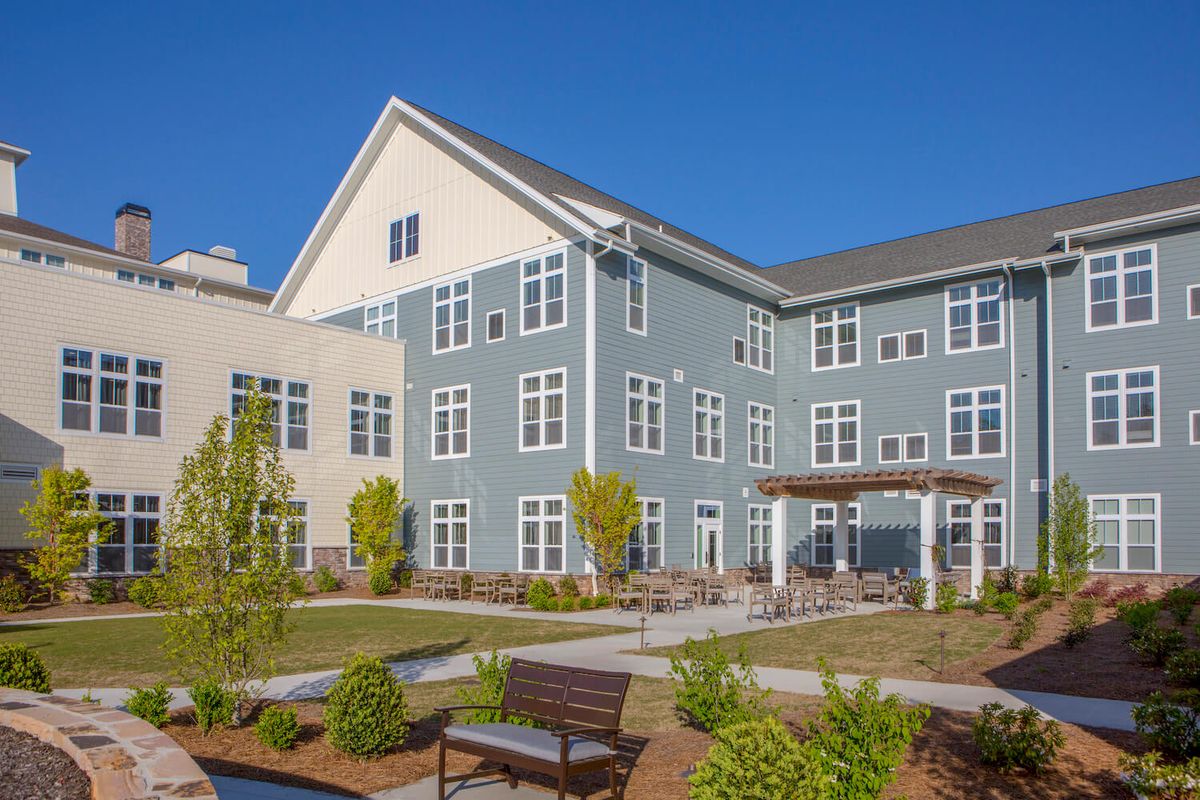
    A modern residential building with a landscaped garden and benches in the foreground.
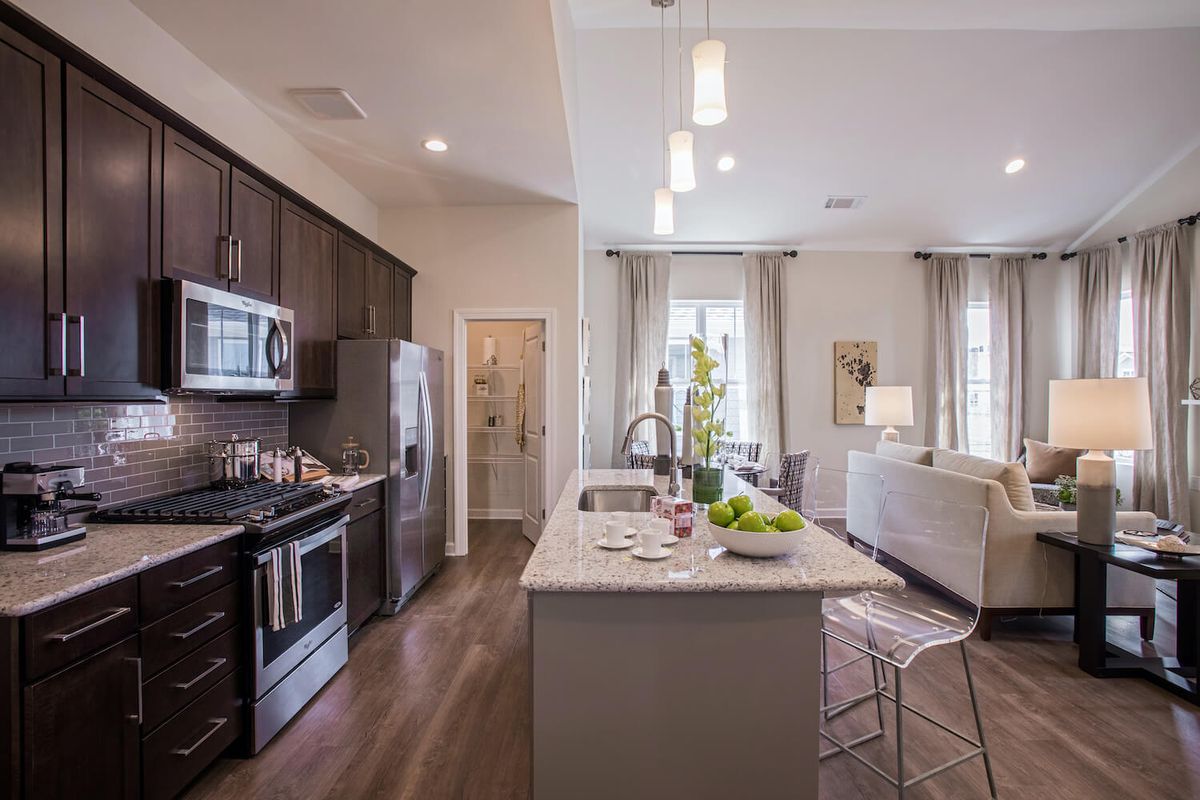
  • Kitchen

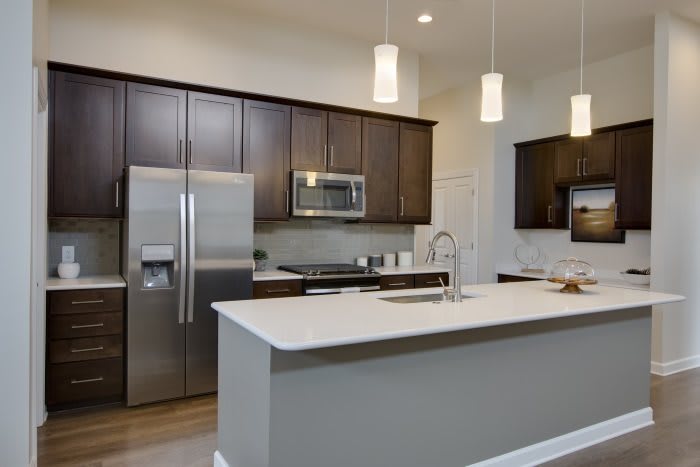
    A modern kitchen with an open concept design featuring an island counter and stainless steel appliances.
  • Lighting

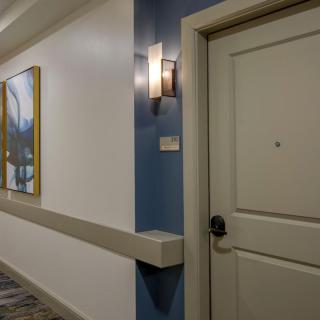
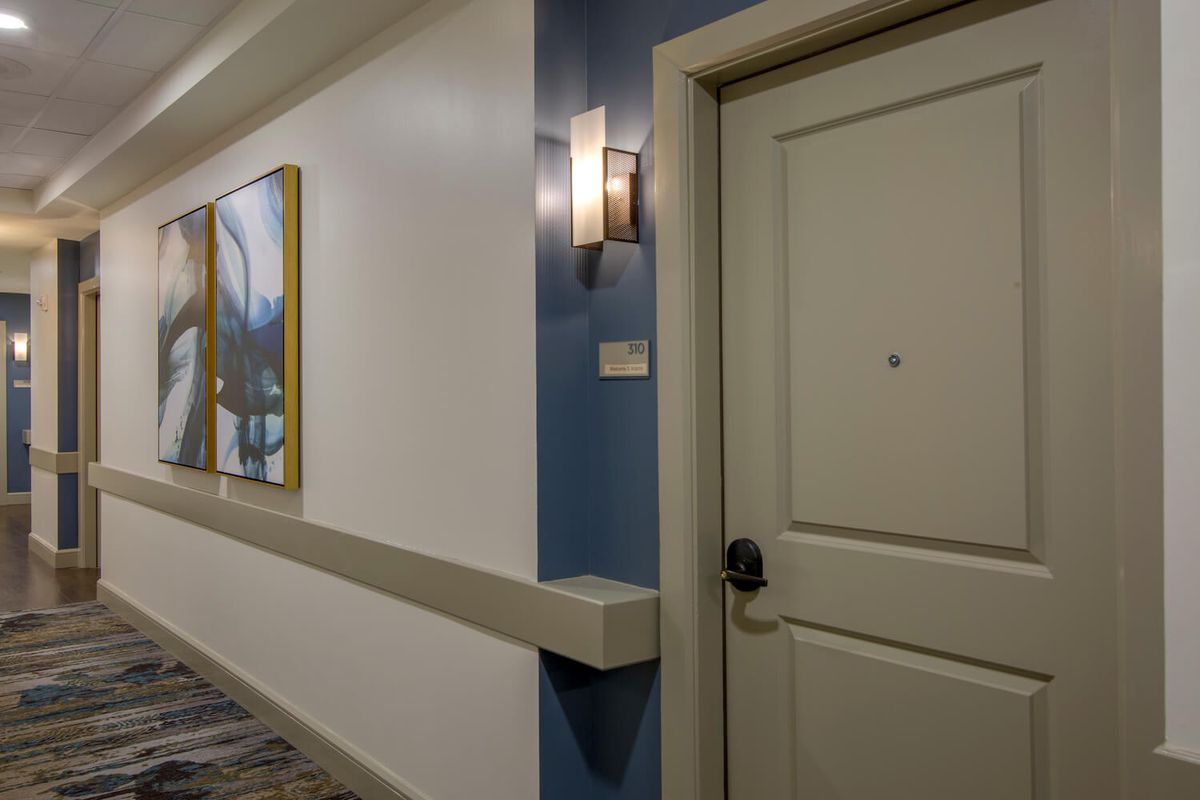
    A hotel hallway featuring a door, wall light, and painting.
  • Entrance

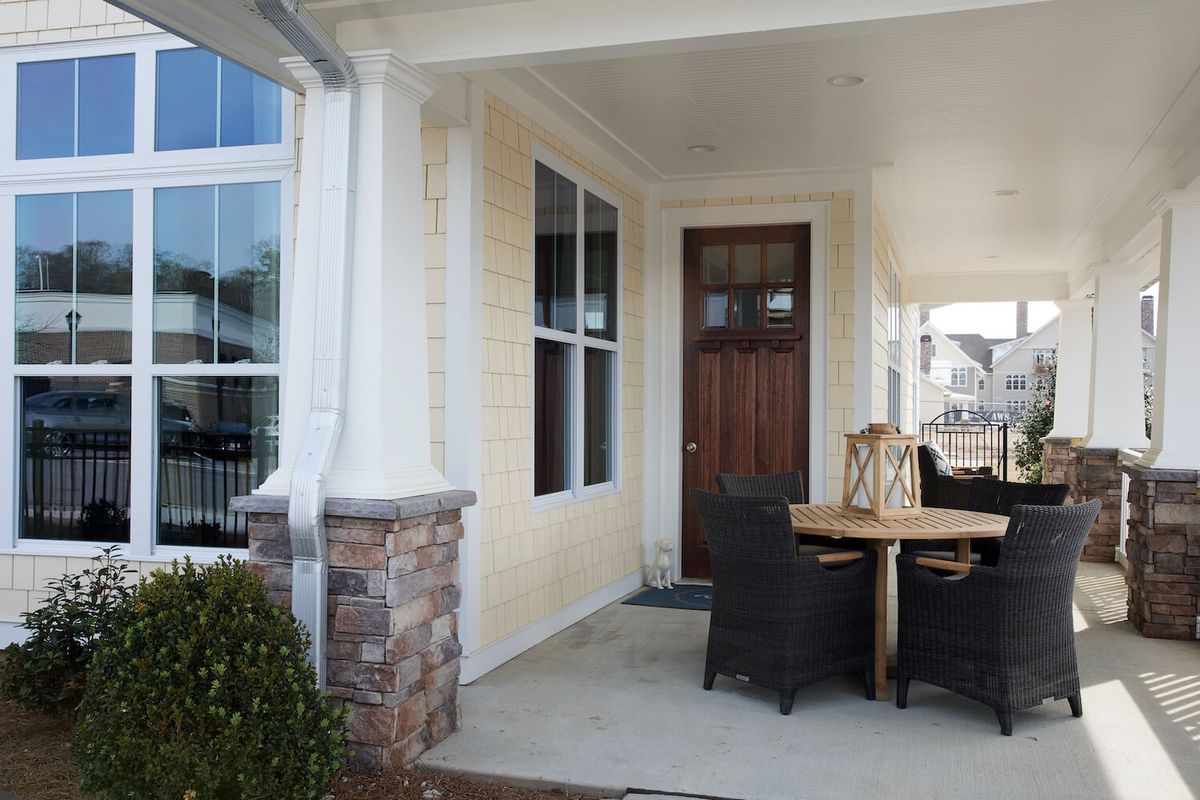
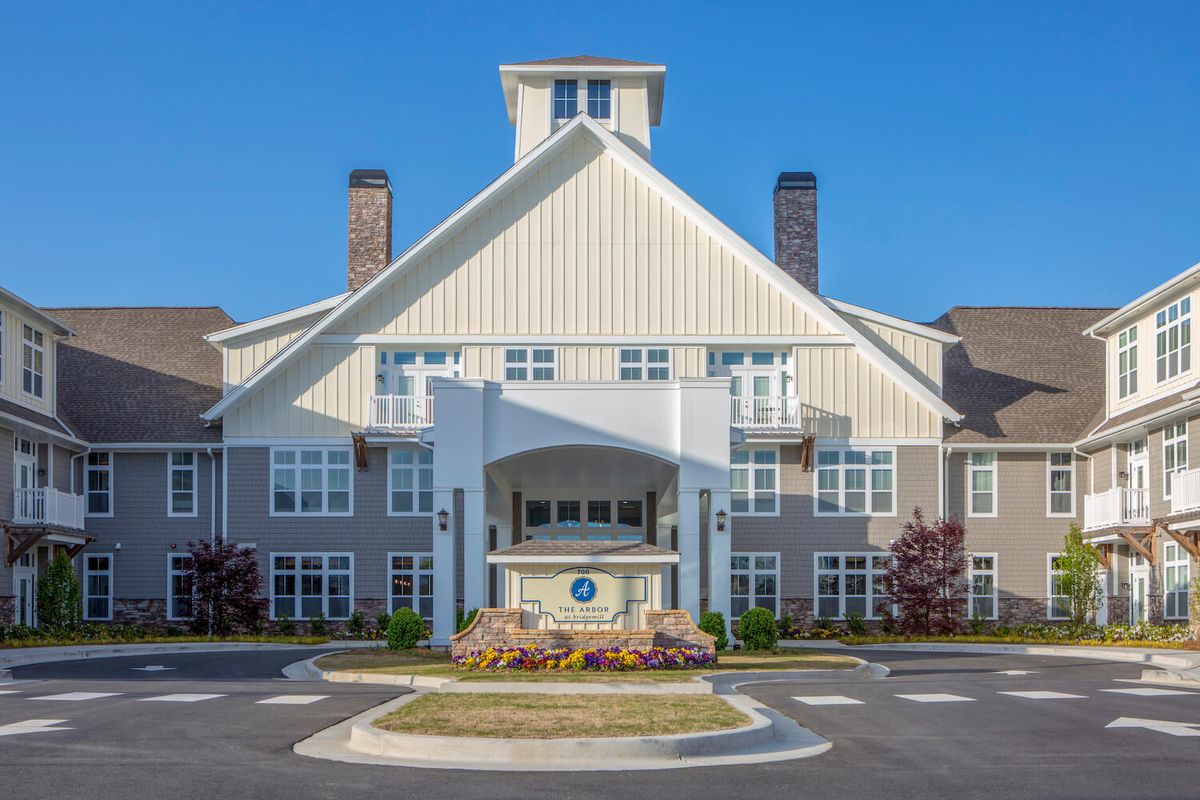
    A modern hotel building with a welcoming entrance during the evening.
  • Artwork

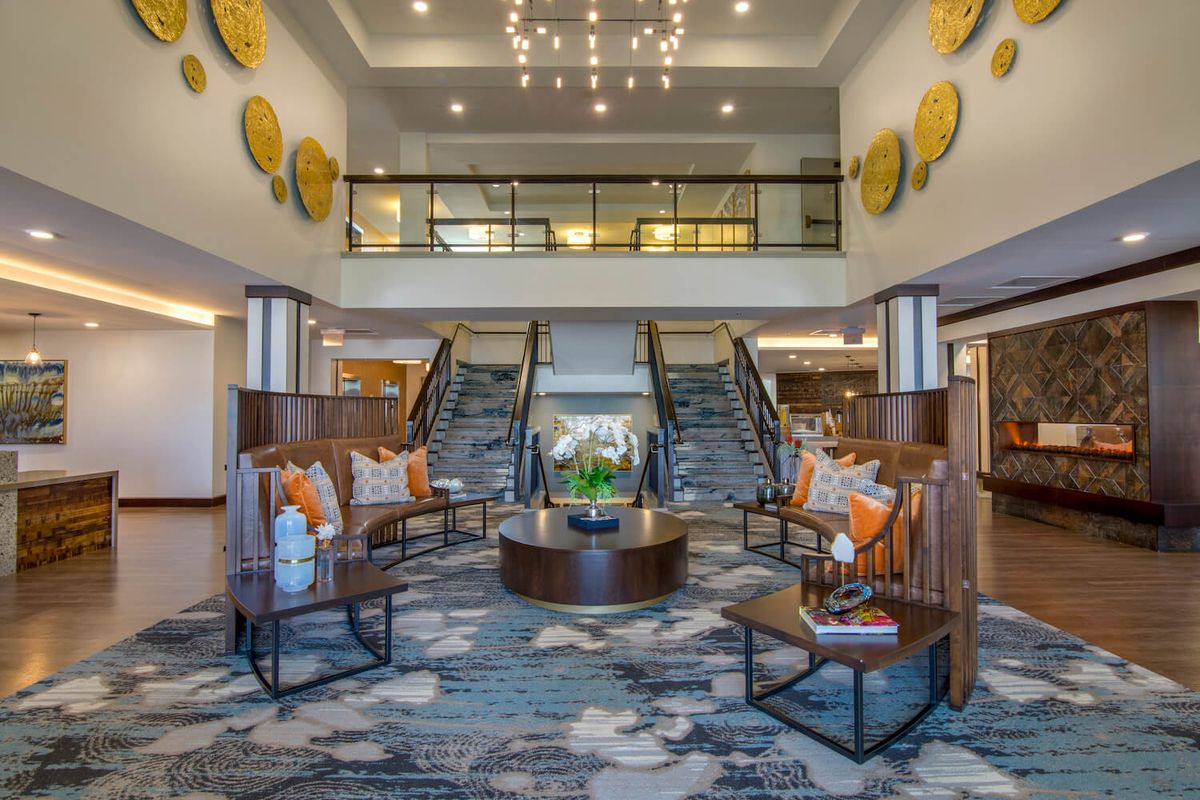
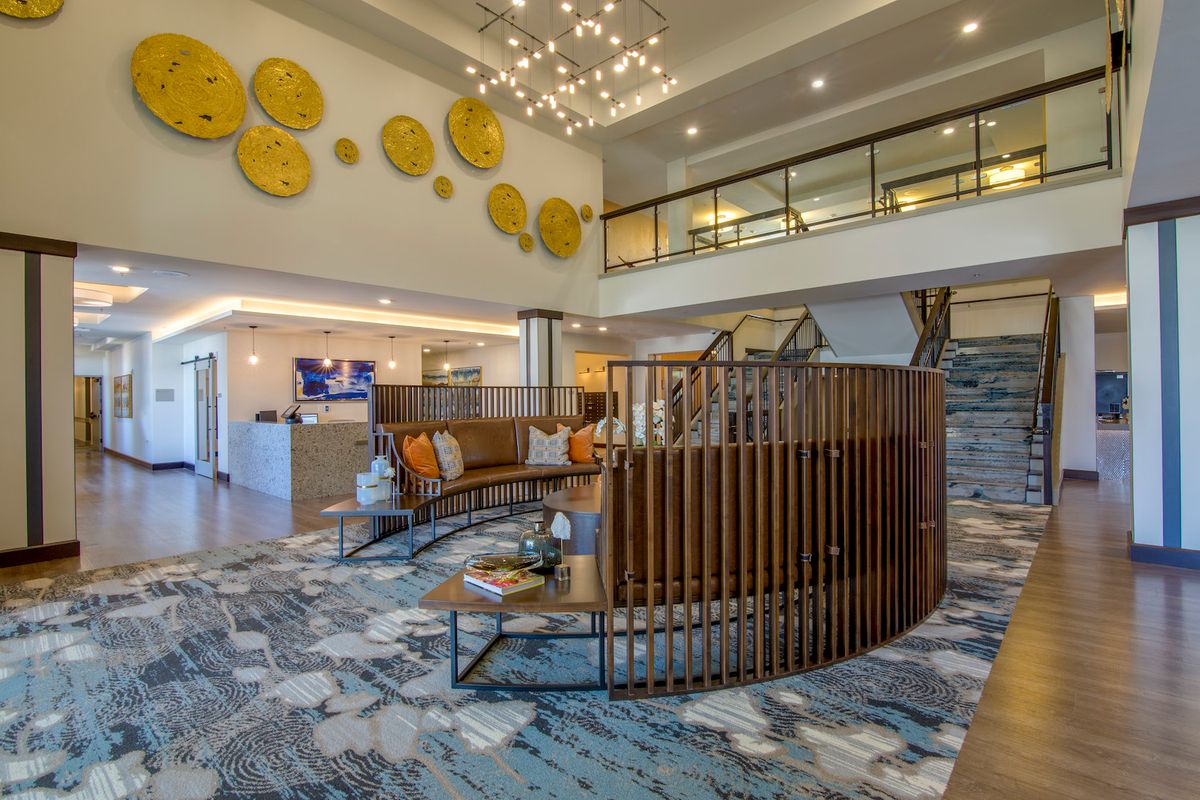
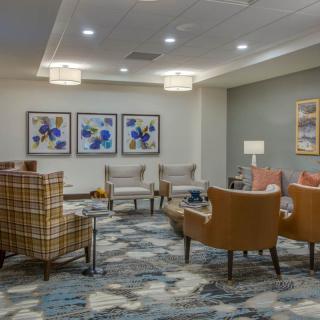
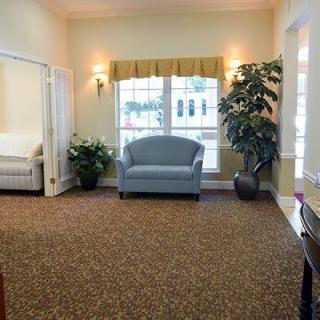
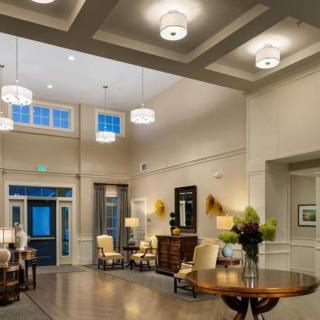
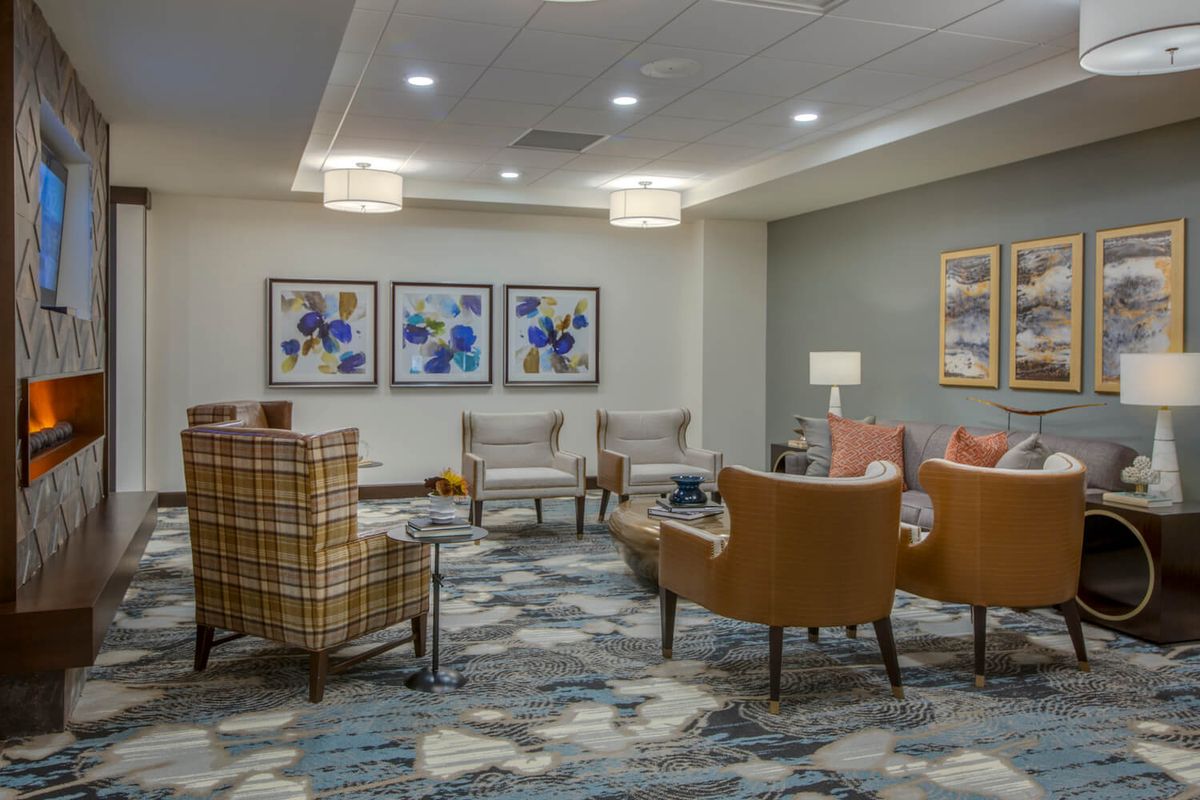
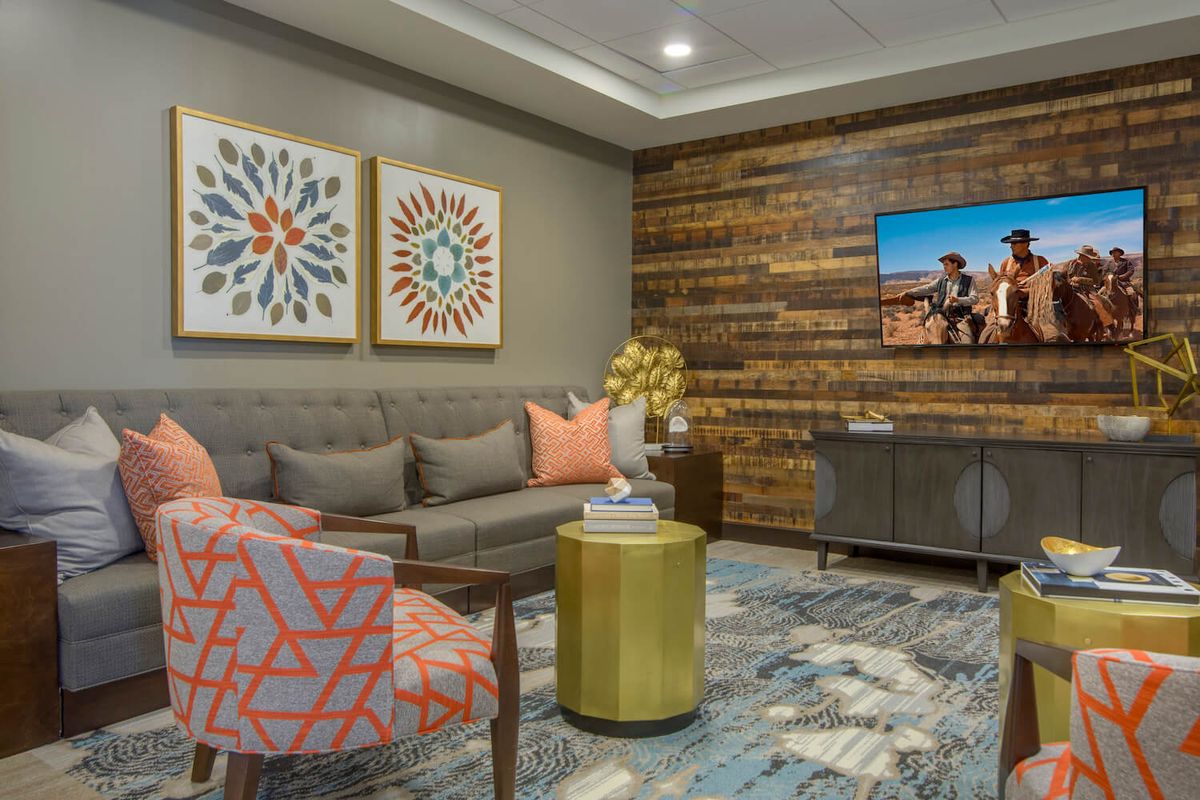
    A modern lobby with comfortable seating and artistic decor.

The Arbor At BridgeMill in Canton, GA

Information last verified:

700 Freedom Boulevard, Canton, GA 30114

For more information about senior living options: (844) 490-3973

4.8 from 118 reviews
5 stars
101
4 stars
11
3 stars
3
2 stars
2
1 stars
1

Seniors.FYI Elite Community Awards

Top 5% Senior Living Community in 2021Top 5% Senior Living Community in 2022Top 5% Senior Living Community in 2024Top 5% Senior Living Community in 2026

Add this award to your website

The Arbor At BridgeMill Costs & Pricing

The Arbor At BridgeMill offers a range of accommodation options that are priced higher than both the county and state averages in Georgia. For instance, the monthly cost of a one-bedroom unit at The Arbor is $4,025, significantly exceeding the Cherokee County average of $3,438 and the state average of $3,412. Similarly, two-bedroom apartments are priced at $5,375 compared to $4,050 in Cherokee County and $3,921 statewide. The studio options also reflect this trend with a price tag of $5,415 against local and state averages of $3,873 and $3,520 respectively. Even the semi-private rooms at The Arbor come in at $5,715 - well above both Cherokee County's average of $3,195 and Georgia's average of just $2,529. These figures suggest that residents may be paying a premium for the services and amenities provided by The Arbor At BridgeMill.

Floor plansThe Arbor At BridgeMillCherokee CountyGeorgia
1 Bedroom$4,025$3,438$3,412
2 Bedrooms$5,375$4,050$3,921
Studio$5,415$3,873$3,520
Semi-Private$5,715$3,195$2,529

Overall Review of The Arbor At BridgeMill

Pros

  • pro Stacy the caregiver provided special, compassionate help to a resident, which was truly meaningful to witness.
  • pro The Arbor BridgeMill offers excellent facilities and services, with high-quality dining that residents enjoy.
  • pro Jacque is a wonderful server who consistently goes above and beyond for residents.
  • pro Jacquie in foodservice is the best, delivering exceptional service every day.
  • pro The Arbors impress with top-notch staff, cleanliness, friendliness, and activities, giving a welcoming, family-like atmosphere.
  • pro Jennie at the front desk is proficient, professional, warm, and friendly, showing deep care for residents.
  • pro Elizabeth and Arlinda are attentive med techs who provide excellent care.
  • pro The staff consistently goes above and beyond to help residents, including Jackie, Jeanette, Cynthia, and Marcia.
  • pro Maxene is dependable, pleasant, and efficient in addressing call lights, always with a smile.
  • pro Brooke Figueras knows every resident by name and exudes sincerity, contributing to a warm, compassionate atmosphere.

Cons

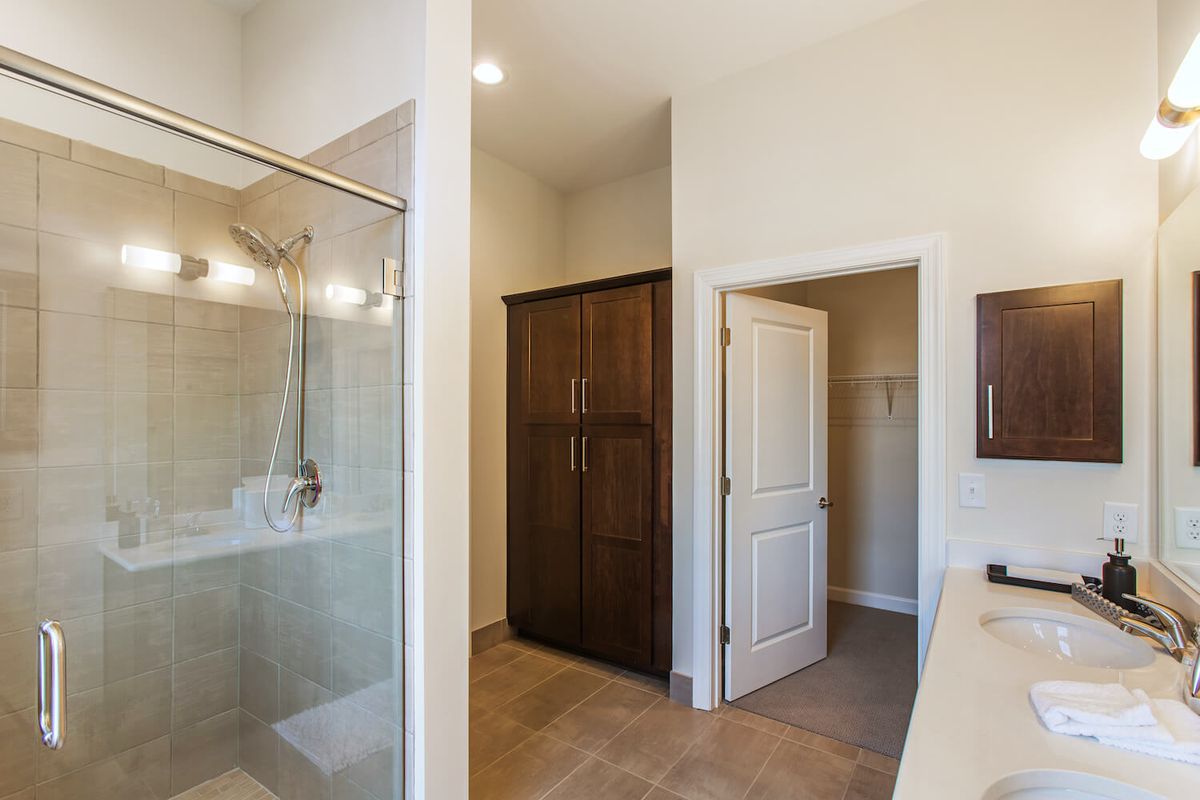
  • pro The shower didn’t work.
  • pro The bathroom sink took six minutes to get warm.
  • pro The staff were short-handed.
  • pro The prices were too high for what was charged.
  • pro The quality of the food did not match the rest of the Arbor’s standards, with fish often not tasting fresh.
  • pro The reviewer alleges unauthorized administration of an experimental CV shot to their father, resulting in his death.

Review

The Arbor at BridgeMill is best suited for families seeking a warm, comprehensive senior living community that can grow with a loved one’s needs, from independent living through assisted living and memory care, without packing up and relocating. This Canton campus delivers a resort-like, residential atmosphere with cottages, multiple pools, and a broad menu of daily activities, all anchored by a leadership team that emphasizes personal connections. It is especially well-matched for those who value staff members who know residents by name, clear pathways between levels of care, and an environment that feels more like family than a sterile facility. Families who want a strong sense of stability, predictable routines, and a community that emphasizes social engagement will find BridgeMill particularly compelling.

The strongest advantages cluster around people, programming, and the sense of home. Dining receives frequent praise for quality, with menus that offer varied choices and the option to dine in a formal setting or customize requests. The staff consistently stands out for warmth, attentiveness, and reliability; residents and families repeatedly note that servers, nurses, and aides remember preferences, respond promptly to call lights, and collaborate smoothly with families. A three-tier care model on one campus means transitions, when independent living gives way to assisted living or memory care, happen with continuity and minimized disruption. The calendar bursts with activities: outings, fitness classes, games, and memory-care programming that is described as creative and inclusive, often led by nurses and activity coordinators who are genuinely invested in resident well-being.

Leadership and culture underpin every positive pillar. The resident experience is shaped by managers who walk the halls, greet residents by name, and model a respectful, joyful tone. Brooke Figueras, the executive director, is repeatedly cited as a steady presence who explains complexities with compassion, while Barbara (and the broader leadership team) earns sustained trust for prioritizing safety, communication, and high-quality care. This combination translates into peace of mind for families, who report seamless moves from independent cottages into assisted living spaces and even short-term memory care stays when needed. The campus also supports practical needs, shuttle service for appointments, reliable housekeeping, wheelchair-accessible layouts, and a depth of staff who can address a broad spectrum of medical and social needs.

Yet no community is without headwinds, and BridgeMill’s most common drawbacks cluster around cost, some early operational hiccups in a relatively new facility, and occasional service gaps. Several reviews flag price as a concern, the level of care and amenities come with a premium that isn’t ideal for every budget. A handful of firsthand accounts describe teething issues common to newer campuses: a few maintenance glitches (a shower malfunction, slow hot-water response, or raised toilets in need of adjustment) and temporary short-staff periods that can slow routine tasks. While such kinks are not unusual in a rapidly expanding campus and tend to improve as teams settle in, they still matter to families weighing ongoing monthly commitments and consistent experience.

Despite these cons, the pros reliably offset the negatives for families who place a premium on care quality and community. The depth of staff dedication, across dining, caregiving, housekeeping, and management, creates a daily rhythm that feels more like a close-knit neighborhood than a facility. The ability to age in place on a single campus, with personalized attention and a strong sense of belonging, reduces the upheaval of multiple moves and builds long-term trust for families facing evolving needs. Memory-care programming receives special attention, with targeted activities, calming routines, and expressive outlets that help residents stay engaged and feel included. For many families, the combination of leadership stability, robust activities, high staff-to-resident engagement, and accessible amenities makes the price more palatable because the overall experience translates into real quality of life and ongoing reassurance.

For those who should consider alternatives, the most obvious are families prioritizing cost containment or seeking a more understated, less “hotel-like” aesthetic. Some reviewers describe BridgeMill as large and impressive to visit, which can feel overwhelming to residents who prefer a simpler, cozier footprint. A few note occasional gaps in front-desk friendliness or a sense that the campus’ sheer size can complicate daily logistics, particularly during peak traffic. Prospective movers who want ultra-streamlined dining with no variability, or who expect a spotless, flawless launch from day one in a brand-new building, might find conditions not perfectly aligned with those expectations. In short, price-sensitive families or those seeking a quieter, more intimate environment should compare options carefully and quantify what they value most, personal connection, programming variety, and the breadth of care, against the investment required.

Overall, The Arbor at BridgeMill stands out as a premier choice for families who want a thriving, multi-level senior community in North Georgia where staff attention, purposeful activities, and a clearly defined care pathway are the core strengths. It is not a bargain, but it is a highly reliable setting where residents routinely report feeling seen, safe, and engaged, and where transitions between independent living, assisted living, and memory care are managed with compassion and competence. For those who can embrace the premium and value a culture of genuine care that treats residents like family, BridgeMill offers a compelling, well-executed blend of comfort, care, and community, one that can deliver long-term peace of mind when choosing the right next home for a loved one.

Features

Housing

  • 22 resident community capacity 22 resident community capacity

Types of Care

  • Assisted Living Assisted LivingAssisted living facilities provide crucial support and care for seniors who may need help with daily tasks such as medication management, bathing, and meal preparation. These communities offer a safe and comfortable environment where seniors can maintain their independence while receiving the assistance they need to thrive in their golden years.
  • Independent Living Independent LivingIndependent living communities are important for seniors because they offer a safe and supportive environment where older adults can live independently while still having access to amenities and services that enhance their quality of life. These communities provide social opportunities, recreational activities, and assistance with daily tasks, promoting overall well-being and allowing seniors to maintain their independence for as long as possible.
  • Memory Care Memory CareMemory care is crucial for seniors as it provides specialized support and services for individuals with dementia or Alzheimer's disease. These programs offer a safe and secure environment where residents receive personalized care, cognitive stimulation, and help with daily activities. Memory care helps seniors maintain their independence, quality of life, and dignity while also providing peace of mind for their families.

Amenities

  • Activities off-site Activities off-siteEngaging in off-site activities is crucial for seniors to maintain social connections, stay active, and stimulate their minds. It promotes overall well-being and helps combat feelings of isolation and loneliness.
  • Activities on-site Activities on-siteActivities on-site are important for seniors because they provide opportunities for socialization, mental stimulation, physical activity, and overall well-being. Engaging in activities can help seniors stay active, maintain their independence, and improve their quality of life.
  • Air-conditioning Air-conditioningAir conditioning is important for seniors as they are more vulnerable to heat-related illnesses and may have underlying health conditions that make it difficult for them to regulate their body temperature. It helps to keep them comfortable, safe, and healthy in hot weather.
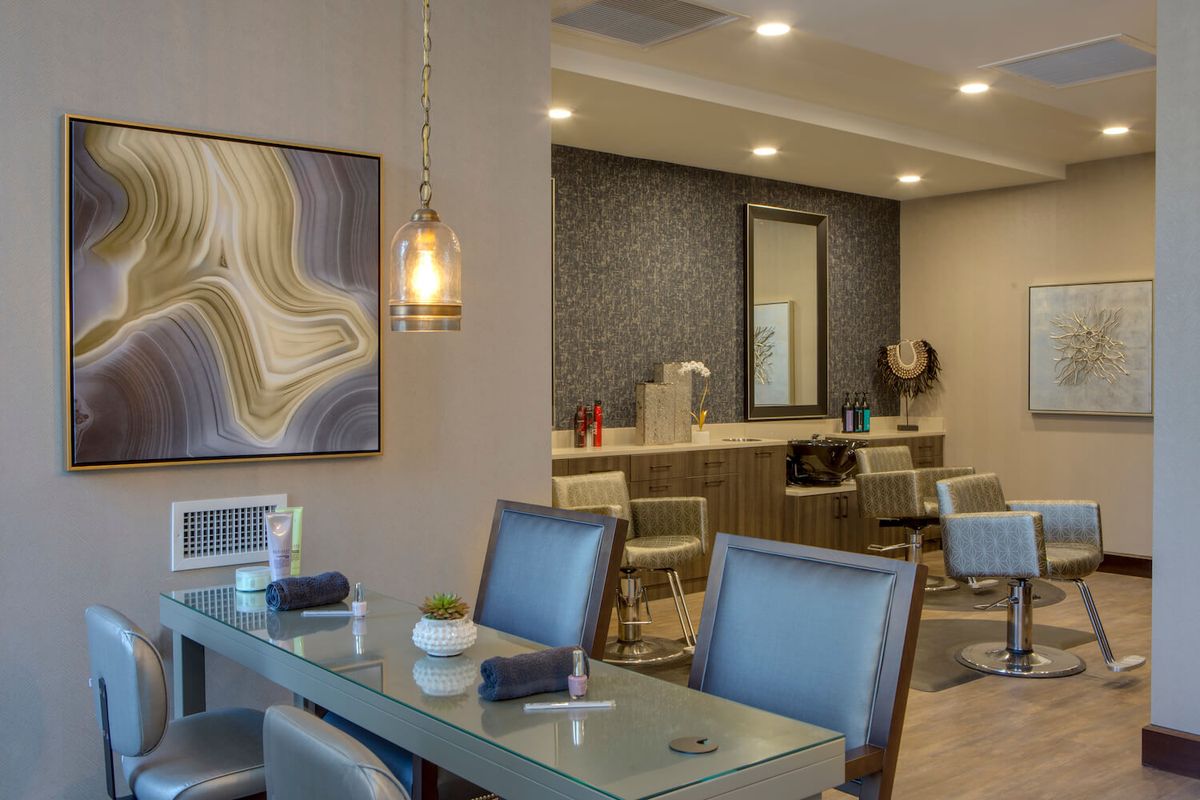
  • Beautician on-site Beautician on-siteHaving a beautician on-site at a senior living community is important for seniors as it allows them to easily access grooming and personal care services, boosting their self-esteem and overall well-being. It also provides convenience and helps seniors maintain their sense of independence and personal style.
  • Beauty salon Beauty salonBeauty salons are important for seniors because they provide a space for them to feel pampered, socialize, and maintain their personal grooming and hygiene. Regular visits to a beauty salon can help boost seniors' self-esteem and overall well-being.
  • Cable or satellite TV Cable or satellite TVCable or satellite TV is important for seniors because it provides entertainment, news, and companionship, helping to combat loneliness and boredom. It also offers a wide range of programming options tailored to different interests and preferences.
  • Devotional services on-site Devotional services on-siteDevotional services on-site provide seniors with spiritual support and a sense of community, as well as an opportunity for reflection and guidance during their senior living experience. This can promote emotional well-being and connection to others, leading to a more fulfilling and enriching lifestyle in their later years.
  • Dining room Dining roomDining rooms are important for seniors as they provide a space for socialization, connection, and nutritious meals. They offer opportunities for residents to bond over shared meals, foster a sense of community, and promote healthy eating habits. Dining rooms also ensure that seniors have access to well-balanced meals tailored to their dietary needs and preferences.
  • Full kitchen Full kitchenHaving a full kitchen in a senior living facility is important for seniors because it allows them to maintain their independence and prepare their own meals. This promotes healthy eating habits, saves money on dining out, and provides a sense of familiarity and comfort for residents.
  • Fully furnished Fully furnishedFully furnished senior living communities are important for seniors because they provide convenience, comfort, and a hassle-free moving experience. Seniors can easily settle into their new living space without the stress of having to buy and move furniture. This allows them to focus on enjoying their new home and community.
  • Garden GardenGardens are important for seniors as they provide a peaceful and therapeutic environment for relaxation, physical activity, and socialization. Being in nature has been shown to reduce stress, improve mood, and promote overall well-being. Gardens also offer opportunities for seniors to engage in gardening activities, which can improve mobility, flexibility, and cognitive function. Additionally, gardens create a sense of community and connection with others who share a passion for plants and outdoor spaces.
  • Ground floor units Ground floor unitsGround floor units are important for seniors because they provide easy accessibility, reduced risk of falls and injuries, and convenience for those with mobility issues. Seniors can avoid climbing stairs or using elevators, making daily tasks and activities more manageable and enjoyable.
  • Handicap accessible Handicap accessible"Handicap accessible" amenities are crucial for seniors to ensure they can easily navigate and access facilities, services, and activities without barriers or limitations due to physical impairments. This promotes independence, safety, and inclusivity for seniors in senior living communities.
  • Housekeeping services Housekeeping servicesHousekeeping services are important for seniors because they help maintain a clean and safe living environment, promote independence, and reduce the risk of accidents or illnesses. Additionally, having assistance with household chores can alleviate physical strain and allow seniors to focus on other aspects of their well-being.
  • Indoor common areas Indoor common areasIndoor common areas are crucial for seniors as they provide a space for socialization, recreation, and community engagement, promoting overall well-being and reducing feelings of isolation and loneliness.
  • Kitchenette KitchenetteKitchenettes are important for seniors living in senior living communities because they provide the convenience and independence of being able to prepare simple meals and snacks in the comfort of their own living space. This can help promote a sense of autonomy and well-being for seniors, allowing them to maintain some level of control over their dietary choices and daily routines.
  • Move-in coordination Move-in coordinationMove-in coordination is important for seniors because it helps ease the transition into their new living environment. It ensures that all logistics, such as packing, organizing movers, and setting up utilities are taken care of, allowing seniors to focus on settling in and adjusting to their new home. Having a smooth move-in process can alleviate stress and anxiety, making the transition smoother and more enjoyable for seniors.
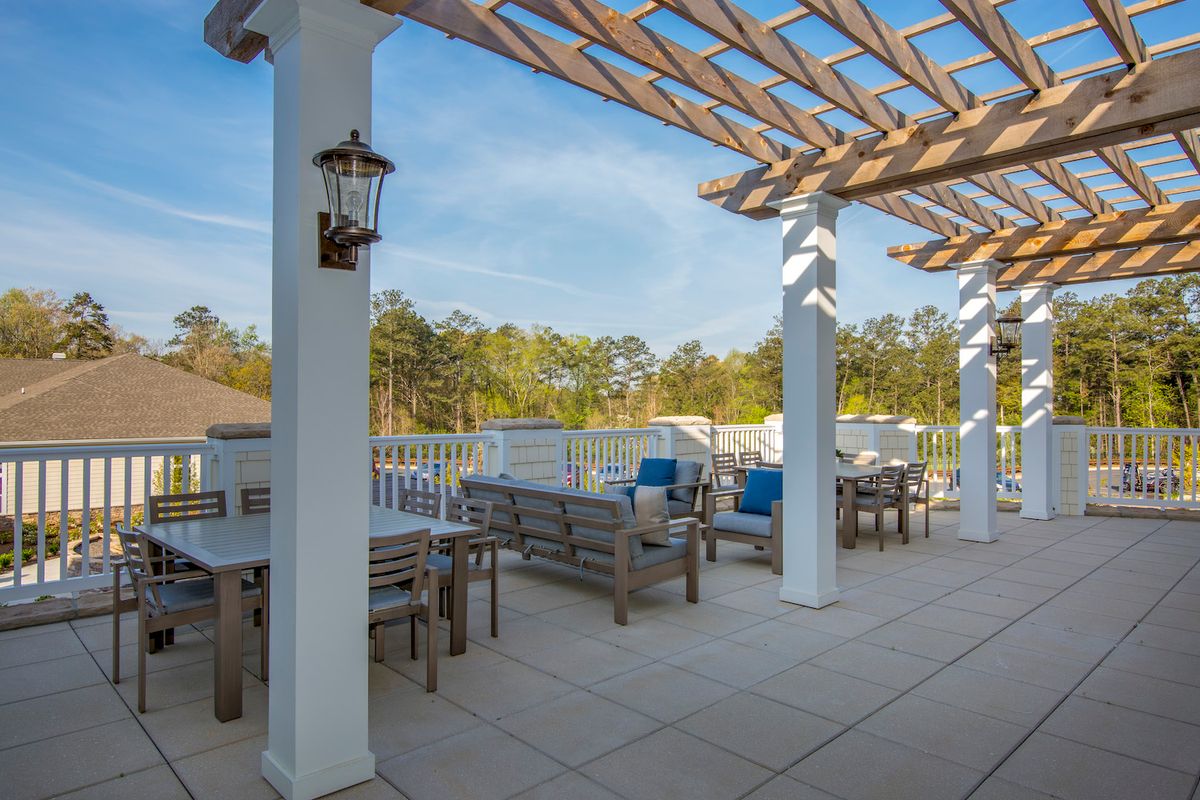
  • Outdoor common areas Outdoor common areasOutdoor common areas are important for seniors as they provide a space for socialization, physical activity, and relaxation. Being outside in nature can improve mood and overall well-being, while also encouraging movement and engagement with others. These spaces can help combat feelings of isolation and promote a sense of community among residents.
  • Outdoor space Outdoor spaceOutdoor spaces are important for seniors as they provide opportunities for physical activity, social interaction, exposure to natural light and fresh air, and a sense of connection to nature. Having access to outdoor spaces can improve overall well-being and quality of life for older adults living in senior communities.
  • Respite or short term stays offered Respite or short term stays offeredRespite or short term stays provide seniors with a temporary solution when their regular caregiver is unavailable, offering them the opportunity to receive additional care and support during times of need, while also giving caregivers a chance to rest and recharge.
  • Restaurant-style dining Restaurant-style diningRestaurant-style dining is important for seniors because it allows them to enjoy delicious, nutritious meals in a social and upscale setting. This enhances their dining experience, promotes healthy eating habits, and fosters socialization with fellow residents, ultimately contributing to their overall well-being and quality of life.
  • Small library Small librarySmall libraries are important for seniors as they provide access to a variety of reading materials, including books, newspapers, and magazines. This can help stimulate their minds, keep them engaged, and provide a sense of community through book clubs and other social activities. Additionally, reading has been shown to improve cognitive function and overall mental well-being in older adults.
  • Swimming pool Swimming poolSwimming pools are important for seniors as they provide a low-impact form of exercise that can improve cardiovascular health, increase muscle strength and flexibility, and help maintain mental well-being. Additionally, swimming can relieve joint pain and stiffness associated with conditions such as arthritis, making it an ideal activity for older adults looking to stay active and healthy.
  • Swimming pool / hot tub Swimming pool / hot tubSwimming pools and hot tubs are important for seniors as they provide a safe and enjoyable way to stay active, improve mobility, reduce joint pain, and promote relaxation. Regular use of these amenities can contribute to overall well-being and quality of life for older adults living in senior communities.
  • Telephone TelephoneTelephones are important for seniors as they provide a lifeline for communication with loved ones, emergency services, and healthcare providers. They offer a sense of security and independence, enabling seniors to stay connected and access assistance when needed.
  • Wheelchair accessible showers Wheelchair accessible showersWheelchair accessible showers are crucial for seniors as they provide a safe and independent bathing option for those with mobility challenges. These showers help prevent falls and allow seniors to maintain their dignity and autonomy while ensuring they can bathe comfortably.
  • Wi-Fi/high-speed internet available Wi-Fi/high-speed internet availableWi-Fi/high-speed internet is important for seniors to stay connected with loved ones, access online resources, and participate in virtual activities to combat feelings of loneliness and isolation. It also allows them to easily manage healthcare needs, access entertainment, and engage in lifelong learning opportunities.

Transportation

  • Transportation arrangement (non-medical) Transportation arrangement (non-medical)Transportation arrangements are essential for seniors as they provide access to essential services, activities, and social interactions outside the home. This service helps maintain independence, mobility, and overall well-being for seniors who may have limited transportation options.
  • Transportation to doctors appointments Transportation to doctors appointmentsTransportation to doctors appointments is crucial for seniors as it ensures they have access to necessary medical care and support, promoting their health and well-being. It allows them to receive timely treatment, monitor existing conditions, and address any new health concerns efficiently. Additionally, transportation services can help seniors maintain their independence and quality of life by enabling them to stay connected with their healthcare providers.

Care Services

  • 12-16 hour nursing 12-16 hour nursing12-16 hour nursing care is crucial for seniors in order to ensure around-the-clock monitoring, timely medication administration, and prompt response to any health concerns or emergencies. This level of care helps to promote the overall well-being and safety of seniors living in senior living communities.
  • 24-hour call system 24-hour call system24-hour call systems are important for seniors because they provide peace of mind and immediate assistance in case of emergencies. This technology ensures that help is always available, promoting safety and security for elderly individuals living alone or in assisted living facilities.
  • 24-hour supervision 24-hour supervision24-hour supervision is important for seniors to ensure their safety, well-being, and access to immediate assistance in case of emergencies or health issues. This constant support provides peace of mind for both seniors and their loved ones, allowing them to age in place with dignity and security.
  • Activities of daily living assistance Activities of daily living assistanceActivities of daily living assistance are important for seniors because they provide essential support with tasks such as eating, bathing, dressing, and mobility. This assistance helps seniors maintain their independence, dignity, and overall quality of life as they age.
  • Ambulatory care Ambulatory care"Ambulatory care services provide essential medical support and treatment to seniors without requiring hospitalization, allowing them to maintain their independence and quality of life while managing chronic conditions or receiving routine medical care."
  • Assistance with bathing Assistance with bathingAssistance with bathing is crucial for seniors as it helps maintain personal hygiene, prevents infections, and ensures their overall well-being and comfort. It also provides a sense of dignity and independence for seniors who may struggle with this task on their own.
  • Assistance with dressing Assistance with dressingAssistance with dressing is important for seniors because it helps maintain their independence, promotes personal hygiene, prevents accidents and injuries, and improves overall quality of life. This service ensures that seniors can continue to dress comfortably and confidently, despite any physical limitations they may have.
  • Assistance with transfers Assistance with transfersAssistance with transfers is crucial for seniors as it helps prevent falls and injuries, maintains their independence, and ensures they can safely navigate their living environment. It also provides peace of mind for both seniors and their loved ones.
  • Coordination with health care providers Coordination with health care providersCoordination with health care providers is crucial for seniors to ensure proper medical care, medication management, and overall well-being. This collaboration helps prevent overlapping treatments, track progress more effectively, and provide comprehensive support tailored to individual needs.
  • Dementia waiver Dementia waiverDementia waivers are essential for seniors as they provide critical protections and accommodations for those experiencing cognitive decline. These waivers ensure individuals with dementia receive appropriate care, support, and resources to maintain their quality of life and dignity as they navigate the challenges of this progressive condition.
  • Diabetes diet Diabetes dietA diabetes diet is crucial for seniors as it helps manage blood sugar levels, reduce risks of complications, and improve overall health and well-being. By following a balanced and nutritious diet tailored to their specific needs, seniors can better control their diabetes and enhance their quality of life.
  • Diabetic care Diabetic careDiabetic care is crucial for seniors as they are more susceptible to developing diabetes due to aging and other health conditions. Proper management of diabetes can help prevent complications such as heart disease, vision loss, and nerve damage, improving the overall quality of life for seniors in senior living communities.
  • Hospice waiver Hospice waiverHospice waivers are important for seniors because they allow individuals to receive specialized end-of-life care and support at home or in a hospice facility. This waiver ensures that seniors can access the necessary resources and services to maintain comfort and dignity during their final days.
  • Incontinence care Incontinence careIncontinence care is essential for seniors to maintain their dignity, hygiene, and overall quality of life. By addressing incontinence issues promptly and effectively, seniors can enjoy a sense of independence and comfort in their daily activities.
  • Meal preparation and service Meal preparation and serviceMeal preparation and service are crucial for seniors as they may have limited mobility or energy to cook nutritious meals. Having access to healthy and convenient food options can ensure they are getting the proper nutrition needed to maintain their overall health and well-being.
  • Medication management Medication managementMedication management is crucial for seniors to ensure they are taking the right medications at the correct dosages and times. This helps prevent adverse drug interactions, reduces the risk of medication errors, and promotes overall health and well-being. Proactive management also allows for adjustments as needed based on changing health conditions or new prescriptions.
  • Mental wellness program Mental wellness programMental wellness programs are essential for seniors as they promote cognitive stimulation, emotional support, and social engagement. These programs help prevent isolation, depression, and cognitive decline, ultimately enhancing the overall quality of life for older adults.
  • Mild cognitive impairment Mild cognitive impairment"Mild cognitive impairment" is important for seniors because it is an early stage of cognitive decline that can potentially progress to more severe conditions such as dementia. Recognizing and addressing mild cognitive impairment can help seniors receive appropriate care and support to maintain their quality of life and independence for as long as possible.
  • Special dietary restrictions Special dietary restrictionsSpecial dietary restrictions are important for seniors because age-related changes in metabolism and health conditions can make it difficult for their bodies to process certain foods. By following a diet tailored to their specific needs, seniors can maintain their overall health and well-being, manage chronic conditions, and reduce the risk of complications such as malnutrition or food interactions with medications.
  • Specialized memory care programming Specialized memory care programmingSpecialized memory care programming is crucial for seniors with cognitive impairments such as dementia or Alzheimer's disease. These programs provide a safe and supportive environment tailored to the unique needs of individuals with memory loss, helping them maintain their independence, dignity, and quality of life.
  • Transportation arrangement (medical) Transportation arrangement (medical)Transportation arrangements for medical purposes are essential for seniors as they may have difficulty driving themselves to appointments or accessing public transportation. Having reliable and safe transportation options ensures that seniors can receive timely medical care and maintain their health and well-being.
  • Transportation to doctors appointments Transportation to doctors appointmentsTransportation to doctors appointments is crucial for seniors as it ensures they have access to necessary medical care and support, promoting their health and well-being. It allows them to receive timely treatment, monitor existing conditions, and address any new health concerns efficiently. Additionally, transportation services can help seniors maintain their independence and quality of life by enabling them to stay connected with their healthcare providers.

Dining

  • Diabetes diet Diabetes dietA diabetes diet is crucial for seniors as it helps manage blood sugar levels, reduce risks of complications, and improve overall health and well-being. By following a balanced and nutritious diet tailored to their specific needs, seniors can better control their diabetes and enhance their quality of life.
  • Guest meals Guest mealsGuest meals are important for seniors living in senior living communities because they provide an opportunity for socialization and companionship. Sharing a meal with friends, family, or new acquaintances can help combat feelings of loneliness and isolation, promote a sense of community, and enhance overall well-being. Additionally, guest meals allow seniors to enjoy delicious food in a comfortable setting without the hassle of cooking or cleaning up, making dining a pleasurable and stress-free experience.
  • Low / no sodium Low / no sodiumLow/no sodium options are important for seniors because excessive sodium intake can lead to high blood pressure, heart disease, and other health issues commonly experienced by older adults. By choosing low/no sodium foods, seniors can better manage their health and reduce their risk of developing these conditions.
  • Meals provided Meals provided"Meals provided" are crucial for seniors in assisted living communities as it ensures they have access to nutritious, balanced meals without the stress of meal planning and preparation. This can help promote overall health and well-being for seniors who may have limited mobility or cognitive abilities.
  • No Sugar No SugarNo sugar diets are important for seniors because they can help prevent or manage chronic conditions such as diabetes, heart disease, and obesity. Sugar can also contribute to cognitive decline and inflammation in the body, so reducing sugar intake can lead to overall improved health and well-being in older adults.
  • Restaurant style dining Restaurant style diningRestaurant style dining is important for seniors as it offers them a social and enjoyable dining experience, promotes healthy eating habits, and provides personalized menu options to cater to their dietary needs and preferences. This type of dining setting can enhance their overall quality of life and create a sense of community within the senior living facility.
  • Room service Room serviceRoom service is important for seniors in a senior living community because it provides convenience and allows them to have their meals delivered directly to their room. This can be especially beneficial for seniors who may have mobility issues or difficulty accessing the dining area. Room service ensures that seniors are able to receive nutritious meals without having to navigate through the facility, allowing them to maintain their independence and overall well-being.
  • Special dietary restrictions Special dietary restrictionsSpecial dietary restrictions are important for seniors because age-related changes in metabolism and health conditions can make it difficult for their bodies to process certain foods. By following a diet tailored to their specific needs, seniors can maintain their overall health and well-being, manage chronic conditions, and reduce the risk of complications such as malnutrition or food interactions with medications.
  • Special dining programs Special dining programsSpecial dining programs are important for seniors because they provide nutritious meals tailored to their dietary needs and preferences. These programs also offer socialization opportunities, promote overall health and well-being, and can help prevent malnutrition.
  • Vegetarian VegetarianA vegetarian diet is important for seniors because it can help lower the risk of chronic diseases, maintain a healthy weight, and provide essential nutrients needed for aging bodies. Additionally, plant-based diets are often easier on digestive systems and can contribute to overall well-being in older adults.

Activities

  • Activities off-site Activities off-siteEngaging in off-site activities is crucial for seniors to maintain social connections, stay active, and stimulate their minds. It promotes overall well-being and helps combat feelings of isolation and loneliness.
  • Activities on-site Activities on-siteActivities on-site are important for seniors because they provide opportunities for socialization, mental stimulation, physical activity, and overall well-being. Engaging in activities can help seniors stay active, maintain their independence, and improve their quality of life.
  • BBQs or picnics BBQs or picnicsBBQs or picnics provide seniors with social interaction, enjoyment of the outdoors, and a sense of community, contributing to their overall well-being and quality of life.
  • Birthday parties Birthday partiesBirthday parties are important for seniors as they provide an opportunity for celebration, socialization, and joy. They allow seniors to feel special and appreciated, boosting their mood and overall well-being. Additionally, birthday parties can help combat feelings of isolation and loneliness by fostering connections with friends, family, and community members.
  • Community-sponsored activities Community-sponsored activitiesCommunity-sponsored activities are important for seniors as they provide opportunities for social interaction, mental stimulation, and physical activity. These activities can help improve overall well-being, combat loneliness and isolation, and promote a sense of belonging and purpose among older adults.
  • Day trips and outings Day trips and outingsDay trips and outings are important for seniors as they provide opportunities for socialization, mental stimulation, physical activity, and a break from daily routines. These experiences can enhance overall well-being and quality of life for older adults living in senior communities.
  • Devotional activities on-site Devotional activities on-siteDevotional activities on-site provide seniors with a sense of community, spiritual fulfillment, and emotional support, promoting overall well-being and a positive sense of purpose in their lives.
  • Happy hour Happy hourHappy hour is important for seniors as it provides a social activity that promotes camaraderie and reduces feelings of loneliness or isolation. It also offers an opportunity for older adults to relax, unwind, and enjoy some drinks or snacks in a fun and welcoming atmosphere.
  • Holiday parties Holiday partiesHoliday parties are important for seniors because they provide opportunities for socialization, community involvement, and mental stimulation. These festive events offer a sense of belonging and connection during a time that can be lonely for many older adults. Additionally, participating in holiday celebrations can boost mood and overall well-being for seniors living in senior living communities.
  • Live musical performances Live musical performancesLive musical performances can provide seniors with a sense of joy, nostalgia, and connection. Music has the power to evoke emotions and memories, improve mood and cognitive function, and foster social interaction among seniors. It can also serve as a form of therapy and stress relief for older adults, making it an important activity to include in senior living communities.
  • Resident-run activities Resident-run activitiesResident-run activities are important for seniors as they encourage social interaction, creativity, and a sense of autonomy. These activities empower seniors to stay engaged and active in their community while fostering meaningful connections with their peers.
  • Scheduled daily activities Scheduled daily activitiesScheduled daily activities are important for seniors because they provide structure, socialization, mental stimulation, and physical activity. Engaging in regular activities can improve overall well-being and quality of life for seniors living in a community setting.
  • Tai Chi Tai ChiTai Chi is important for seniors because it promotes balance, strength, flexibility, and mental relaxation. It can help prevent falls, improve mobility, and reduce stress and anxiety, making it an excellent form of exercise for older adults to maintain their overall health and well-being.
  • Trivia games Trivia gamesTrivia games are important for seniors because they provide mental stimulation, social interaction, and a fun way to keep the mind sharp. They can help improve memory, cognitive function, and overall well-being in older adults.
  • Water aerobics Water aerobicsWater aerobics are important for seniors because they provide a low-impact way to exercise and improve cardiovascular health, strength, flexibility, and balance. The buoyancy of the water reduces the risk of injury while still providing a stimulating workout. Additionally, water aerobics can help alleviate symptoms of arthritis and other joint issues.
  • Yoga / chair yoga Yoga / chair yogaYoga and chair yoga are important for seniors as they promote flexibility, balance, strength, and overall wellbeing. These practices can help improve mobility, reduce stress, and enhance mental clarity, ultimately leading to a higher quality of life in their senior years.

Description

The Arbor at BridgeMill in Canton, GA is an assisted living community that offers a range of care services and amenities to enhance the quality of life for its residents. With a focus on providing a comfortable and engaging environment, this community offers both Independent Living and Memory Care options.

Residents at The Arbor can enjoy a variety of on-site activities designed to promote socialization and well-being. From organized events and outings to community-sponsored activities, there is always something exciting happening. The beautiful garden and outdoor common areas provide serene spaces to relax and enjoy the fresh air. Indoors, residents can take advantage of the small library, participate in devotional services, or spend time in the indoor common areas.

For those who prefer more privacy, fully furnished apartments are available with options for ground floor units and wheelchair accessible showers. Each apartment features air-conditioning, cable or satellite TV, a full kitchen or kitchenette, ensuring residents have all the necessary amenities for their comfort.

The dedicated staff at The Arbor is available around-the-clock to provide 24-hour supervision and assistance with activities of daily living. From bathing and dressing to medication management, residents can feel confident knowing they have support whenever they need it. Additionally, coordination with healthcare providers ensures that medical needs are met efficiently.

Delicious meals are served restaurant-style in the dining room, where residents can choose from a variety of dietary options to accommodate their preferences or restrictions. Specialized memory care programming is offered for individuals with dementia or mild cognitive impairment. Transportation arrangement for non-medical needs as well as transportation to doctors' appointments is available.

The Arbor at BridgeMill prioritizes creating a vibrant community where seniors can thrive physically, mentally, and socially. With nearby cafes, parks, pharmacies, physicians' offices and places of worship just minutes away from the community's location in Canton, GA, residents have convenient access to essential services while enjoying their retirement years surrounded by comfort and care.

Videos

Nearby Places of Interest

This part of Canton, Georgia offers a convenient and diverse range of amenities for seniors looking to settle in the area. There are several cafes and restaurants nearby, including familiar chains like Starbucks, McDonald's, Panera Bread, and Chick-Fil-A. Pharmacies such as CVS and Walgreens are easily accessible for medical needs. In terms of healthcare, there are reputable physicians and hospitals within a reasonable distance. The area also provides opportunities for outdoor recreation with parks like Clubhouse River Park and Woofstock Park. Places of worship cater to various religious affiliations, adding to the community's inclusivity. Transportation options like U-Haul Moving & Storage are available for convenience. Overall, this part of Canton offers a well-rounded environment with essential services for seniors looking to live comfortably in the area.

Cafes

  • Starbucks (0.1 miles)
  • Starbucks (5.9 miles)
  • Starbucks (6.8 miles)
  • Starbucks (7.6 miles)
  • Starbucks (8.7 miles)
  • Panera Bread (9.2 miles)

Restaurants

  • Nuevos Amigos Cocina Mexicana (0.5 miles)
  • Sidelines Grille (3.4 miles)
  • McDonald's (3.6 miles)
  • Popeyes Louisiana Kitchen (6 miles)
  • McDonald's (6 miles)
  • McDonald's (6 miles)
  • Chick-Fil-A (6 miles)

Pharmacies

  • CVS Pharmacy (0.6 miles)
  • Walgreens (2.7 miles)
  • Walmart Grocery Pickup & Delivery (2.7 miles)
  • Kroger Pharmacy (2.9 miles)
  • Kroger Pharmacy (3.3 miles)
  • CVS Pharmacy (4.4 miles)
  • Walgreens (4.7 miles)

Physicians

  • Lloyd Richard Bardwell (2.5 miles)
  • Marietta Eye Clinic (4.1 miles)
  • Pinnacle Orthopaedics (4.7 miles)
  • Georgia Eye Partners Woodstock (4.7 miles)
  • Vascular & Surgical Associates (4.9 miles)
  • Dinesh K Bhatia MD PC (6.2 miles)
  • Wellstar Medical Group Cardiovascular Medicine (6.3 miles)

Parks

  • Clubhouse River Park (3 miles)
  • Woofstock Park (5.2 miles)
  • Dupree Park (5.5 miles)
  • Great Festival Park (10 miles)
  • Towne Mill Park (10 miles)
  • Harrison Park (10 miles)

Places of Worship

  • Woodstock City Church (4.1 miles)
  • First Baptist Church Woodstock (6.4 miles)
  • Calvary Chapel Woodstock (7 miles)
  • Church of Jesus Christ of Latter Day Saints (8 miles)
  • Transfiguration Catholic Church (9.3 miles)
  • Antioch (9.6 miles)

Transportation

  • U-Haul Moving & Storage (7.6 miles)

Hospitals

  • Kennesaw Hospital (9.5 miles)

Frequently Asked Questions

How much does it cost to live at The Arbor At BridgeMill in Canton, GA?
Where is The Arbor At BridgeMill?
Does The Arbor At BridgeMill provide care for residents with dementia or Alzheimer's disease?
What photos are available for The Arbor At BridgeMill in Canton, Georgia?

Nearby Communities

  • Ridge Manor Residential Memory Care - Canton

    Ridge Manor Residential Memory Care - Canton

    Canton, GA

    4.9 from 35 reviews
    $6,000 / month

    pro Caring staff in a home-like setting with private rooms, a small 1:6 ratio, and engaging activities.
  • The Lodge at Bridgemill

    The Lodge at Bridgemill

    Canton, GA

    4.2 from 102 reviews
    $2,065 to $2,515 / month

    pro Friendly community with attractive facilities and varied activities.

  • Hidden Valley Personal Care Home

    Hidden Valley Personal Care Home

    Canton, GA

    4.7 from 31 reviews
    $1,950 to $2,850 / month

    pro Private rooms with private baths at competitive pricing.

  • Cedarhurst Of Canton

    Cedarhurst Of Canton

    Canton, GA

    4.7 from 39 reviews
     

    pro Wide housing options (1/2-bedroom, studio) with comprehensive care, 24/7 supervision, and memory?care programming.

  • Cherokee Angel Personal Care Home

    Cherokee Angel Personal Care Home

    Canton, GA

    3 from 1 review
    $2,000 / month

    pro Private rooms with private bathrooms, diabetic/high-acuity care, and affordable pricing.

  • Ridgecrest

    Ridgecrest

    Canton, GA

    4.8 from 24 reviews
     

    pro Intimate, small-capacity setting with personalized attention and comprehensive care options.

  • Camellia Place

    Camellia Place

    Woodstock, GA

    4.6 from 88 reviews
    $4,375 / month

    pro Unique cottage-style living fosters a home-like community with robust activities.

  • HearthSide Towne Lake

    HearthSide Towne Lake

    Woodstock, GA

    3.9 from 25 reviews
     

    pro Engaging activities and attractive facilities with attentive staff.

  • Woodstock Nursing & Rehab Center

    Woodstock Nursing & Rehab Center

    Woodstock, GA

    4.4 from 129 reviews
     

    pro Friendly, caring staff with solid rehabilitation progress and engaging activities.

Related Resources

  • dementia careMemory Care Pathways: A Holistic Guide to Dementia Support

    "Memory Care Pathways: A Holistic Guide to Dementia Support" outlines the complexities of dementia and its various types, emphasizing early detection, patient-centered care strategies, caregiver support, and long-term care options while addressing legal and financial considerations to enhance the quality of life for individuals with dementia and their families.

  • sundown syndromeComprehending Evening Confusion in Dementia: Causes, Manifestations, and Support

    Sundown syndrome, or sundowning, is a phenomenon in dementia patients characterized by increased confusion and agitation during late afternoon and evening, influenced by factors like disrupted circadian rhythms and fatigue. Effective caregiver strategies include establishing routines and managing environmental light while addressing caregiver stress through support services.

  • delirium vs dementiaDelirium and Dementia: Unraveling the Key Differences
    Delirium is a rapidly onset, reversible cognitive disturbance often caused by acute medical issues, while dementia is a gradual and irreversible decline due to chronic neurodegenerative diseases. Accurate differentiation between the two is essential for appropriate treatment and management in older adults.