At Woodstock Nursing & Rehab Center, the monthly cost for a private room is $6,750, which significantly exceeds both the average costs in Cobb County and across the state of Georgia. In comparison, Cobb County averages around $2,788 per month for similar accommodations, while the statewide average is approximately $2,864. This substantial difference highlights Woodstock's positioning as a premium facility that likely offers enhanced services and amenities tailored to meet the needs of its residents. Potential clients should weigh these costs against the quality of care and range of services provided when considering their options for rehabilitation and long-term care.
Floor plans
Woodstock Nursing & Rehab Center
Cobb County
Georgia
Private
$6,750
$2,788
$2,864
Overall Review of Woodstock Nursing & Rehab Center
common44 reviews mention this
Care team is a mixed bag
Residents and families describe both very supportive staff and serious lapses in help.
Across the reviews, many people praise the friendliness, attentiveness, and professionalism of staff members, including nurses, aides, therapists, and administrators who take time to answer questions. Several reviewers say staff are proactive about needs and make the experience easier for families. At the same time, other reviews describe being ignored for long periods, rushed or dismissive interactions, and inconsistent care day to day. Taken together, residents and families do not have a single, uniform experience of staffing and responsiveness.
differentiator9 reviews mention this
Rehab therapy receives strong praise
Physical therapy is repeatedly highlighted as a strength during rehab stays.
Multiple reviews focus on rehabilitation therapy as the best part of the stay, specifically calling out the physical therapist and the progress they helped them make after a hospital setback. Reviewers also describe therapy teams as caring, challenging in a good way, and focused on getting residents back toward their baseline. This aligns with the community offering fitness programs and wellness-oriented support for daily functioning during recovery. Even among mixed experiences, the therapy portion is often treated as more dependable than other day-to-day aspects.
caveat8 reviews mention this
Cleanliness and smells vary
Some residents and visitors report the facility can smell strongly, though others say it improved.
Several reviews describe cleanliness and order in positive terms, including rooms being kept clean and the building being free of bad odors. Others report the opposite, mentioning lingering smells, areas that seemed dirty, and damage they noticed that affected the overall impression. One caregiver even described a noticeable change after new administration, moving from an initially strong odor to fresher cleaning smells. With reviews pointing both ways, cleanliness appears to be inconsistent across time or areas of the building.
caveat12 reviews mention this
Response times and call buttons are concerns
Several reviews say call-system response and urgent help can be extremely delayed.
A recurring criticism is that when residents press the call button or need urgent help, staff may not arrive for a long time. Some reviewers describe waits of many minutes, equipment problems with the call button, and situations where residents were left in distress before anyone came. Others mention that staff seemed occupied or unable to respond promptly during nighttime or weekend hours. While the community does offer a 24-hour call system and supervision, the reviews describe gaps in real-world follow-through.
caveat10 reviews mention this
Medication delivery is frequently criticized
Multiple reviews report issues with medication timing and administration.
Some reviews describe medication being late, missed, or not available when needed, including accounts of running out and having to wait for deliveries. Others say medications were handled in ways they found unsafe or incorrect, or that communication about what was happening was poor. A number of these comments connect the medication concerns to pain control and overall comfort during short rehab stays. Even though medication management is part of the care services offered, the reviews paint a pattern of reliability problems for some residents.
common2 reviews mention this
Restaurant-style dining appears limited in reviews
Dining comes up occasionally, with at least some reviewers saying the food was good.
Only a small number of reviews mention meals directly, and one reviewer said the food was good. The community also offers restaurant-style dining and supports special dietary restrictions and diabetes diet needs, which can matter for rehab and nursing stays. However, dining is not a consistently detailed topic in the reviews, so experiences seem more sporadic than the staffing and therapy themes.
How we summarize
Counts show how many written reviews mention each theme; a review can touch several themes, and only frequently mentioned themes are displayed.
Features
Housing
171 resident community capacity
Types of Care
Memory Care
Skilled Nursing Facility
Amenities
Air-conditioning
Beauty salon
Cable or satellite TV
Computer center
Dining room
Fitness room
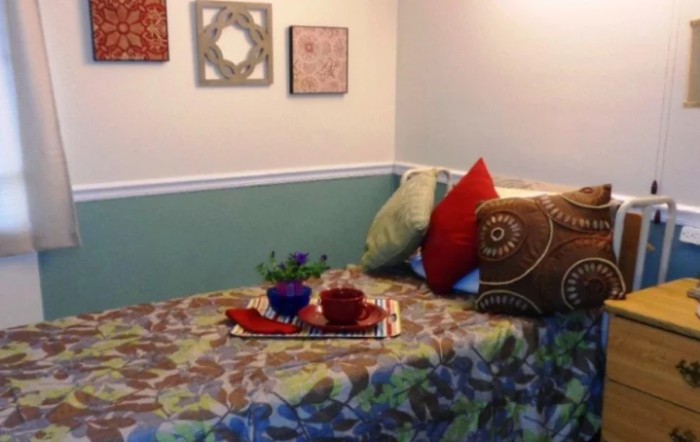
Fully furnished
Gaming room
Garden
Housekeeping services
Kitchenette
Move-in coordination
Outdoor space
Private
Private bathrooms
Restaurant-style dining
Small library
Telephone
Wellness center
Wi-Fi/high-speed internet available
Transportation
Community operated transportation
Transportation arrangement
Transportation arrangement (non-medical)
Transportation to doctors appointments
Care Services
12-16 hour nursing
24-hour call system
24-hour supervision
Activities of daily living assistance
Assistance with bathing
Assistance with dressing
Assistance with transfers
Diabetes diet
Meal preparation and service
Medication management
Mental wellness program
Special dietary restrictions
Dining
Diabetes diet
Special dietary restrictions
Activities
Community-sponsored activities
Concierge services
Fitness programs
Planned day trips
Resident-run activities
Scheduled daily activities
Nearby Places of Interest
This part of Woodstock, Georgia, offers a variety of amenities and services that cater to senior living. With several parks nearby such as Woofstock Park and Dupree Park, residents can enjoy outdoor activities and leisurely walks in tranquil surroundings. There are reputable physicians and pharmacies within close proximity for medical needs, including Georgia Eye Partners Woodstock and Walgreens. Additionally, places of worship like Woodstock City Church and First Baptist Church Woodstock provide spiritual fulfillment. A selection of restaurants like Chick-Fil-A and cafes such as Starbucks offer convenient dining options. For entertainment, theaters like Movie Tavern Sandy Plains are easily accessible. In case of emergencies, Kennesaw Hospital is located just 6.5 miles away. Overall, this area provides a comfortable and convenient environment for seniors looking to settle down in Woodstock.
Parks
Woofstock Park (0.8 miles)
Dupree Park (1.3 miles)
Clubhouse River Park (2.5 miles)
Harrison Park (4.9 miles)
Shaw Park (5.3 miles)
Aviation Park Kennesaw (7.1 miles)
Adams Park (8 miles)
Physicians
Georgia Eye Partners Woodstock (1 miles)
Pinnacle Orthopaedics (1.2 miles)
Vascular & Surgical Associates (1.2 miles)
Marietta Eye Clinic (2.7 miles)
Lloyd Richard Bardwell (2.8 miles)
Piedmont Imaging Center (5.2 miles)
Azure For Health & Human Services (5.5 miles)
Pharmacies
Walgreens (1.1 miles)
CVS Pharmacy (1.7 miles)
Kroger Pharmacy (2.8 miles)
Walgreens (3.8 miles)
Orchard Square Holding (3.9 miles)
Walgreens (4.9 miles)
Walgreens (5.4 miles)
Places of Worship
Woodstock City Church (1.1 miles)
First Baptist Church Woodstock (1.7 miles)
Calvary Chapel Woodstock (2.9 miles)
Transfiguration Catholic Church (4.3 miles)
Church of Jesus Christ of Latter Day Saints (6.9 miles)
At Woodstock Nursing & Rehab Center, the monthly cost for a private room is $6,750, which significantly exceeds both the average costs in Cobb County and across the state of Georgia. In comparison, Cobb County averages around $2,788 per month for similar accommodations, while the statewide average is approximately $2,864. This substantial difference highlights Woodstock's positioning as a premium facility that likely offers enhanced services and amenities tailored to meet the needs of its residents. Potential clients should weigh these costs against the quality of care and range of services provided when considering their options for rehabilitation and long-term care.
The features provided by Woodstock Nursing & Rehab Center are integral to enhancing the quality of life for residents with dementia or Alzheimer's disease. Assistance with dressing and bathing not only promotes personal hygiene but also fosters dignity and independence, which can be reassuring in times of confusion. Medication management ensures that residents receive the correct dosages at appropriate times, reducing the risk of missed medications that could exacerbate their condition. Meal preparation and service cater to nutritional needs while accommodating any dietary restrictions, which is essential for overall health. The support offered for activities of daily living helps maintain routines and provides structure, while assistance with transfers minimizes the risk of falls and injuries, thereby promoting safety. With 24-hour supervision, caregivers are always present to offer immediate help or reassurance when needed. Lastly, a mental wellness program engages residents through cognitive stimulation and social interaction, which can slow cognitive decline and enhance emotional well-being. Collectively, these features create a supportive environment tailored to the unique needs of individuals experiencing memory-related challenges.
Nearby Communities
HearthSide Towne Lake
Woodstock, GA
3.7 from 33 reviews
Engaging activities and attractive facilities with attentive staff.
Camellia Place
Woodstock, GA
4.6 from 91 reviews
$4,375 / month
Unique cottage-style living fosters a home-like community with robust activities.
Legacy Ridge at Woodstock
Woodstock, GA
4.3 from 80 reviews
$2,900 to $3,750 / month
Friendly, caring staff with good dining and activities.
Legacy Ridge At Neese Rd
Woodstock, GA
4.2 from 93 reviews
$2,650 to $5,500 / month
Caring, attentive staff and a warm, welcoming atmosphere with well-maintained common areas and engaging activities.
Life Force Inc
Woodstock, GA
Peaceful Woodstock setting with broad nearby amenities and healthcare access.
Amelia Gardens
Woodstock, GA
4.1 from 70 reviews
$1,800 to $2,000 / month
Compassionate staff providing personalized care with strong family communication.
Amelia Gardens Pch Of Marietta II
Marietta, GA
4.1 from 62 reviews
Small, personalized setting with 24/7 staff and comprehensive care.
Holbrook Of Woodstock
Woodstock, GA
4.7 from 89 reviews
$4,850 to $5,600 / month
Resort-like setting with attentive staff, modern amenities, and engaging activities.
Beehive Homes of Woodstock
Woodstock, GA
4.1 from 14 reviews
$5,250 / month
Personalized care in a smaller, family-like setting.
Reminiscence therapy is a structured method for older adults, especially those with dementia, to share life stories using prompts and sensory cues, fostering emotional well-being, social engagement, and self-identity. It aims to improve quality of life by enhancing interpersonal connections and cognitive stimulation while requiring careful facilitation to avoid distressing memories.
Dementia, particularly Lewy body dementia, often involves hallucinations that can significantly distress both patients and caregivers due to disruptions in sensory processing and neurotransmitter imbalances. Effective management includes compassionate communication, environmental adjustments, and a multidisciplinary approach to care while addressing the emotional needs of caregivers.
Alzheimer’s disease is a progressive neurological disorder that significantly impacts memory and cognitive functions, accounting for 60-80% of dementia cases, with early diagnosis being crucial yet challenging. It involves brain changes like beta-amyloid plaques and tau tangles, influenced by genetic and lifestyle factors, and while there is no cure, symptom management and support for caregivers are essential.
Get PricingAsk A QuestionSchedule A TourContact Senior Advisor
By clicking submit, you agree to our Partner's Terms of Use. You
also consent to receive calls and texts, which may be autodialed, from our Partner. Your consent is not a condition to
using our Partner's service. Please visit our Partner's Privacy Policy for information about their privacy practices.


 171 resident community capacity
 Memory Care
 Skilled Nursing Facility
 Air-conditioning
 Beauty salon
 Cable or satellite TV
 Computer center
 Dining room
 Fitness room
 Fully furnished
 Gaming room
 Garden
 Housekeeping services
 Kitchenette
 Move-in coordination
 Outdoor space
 Private
 Private bathrooms
 Restaurant-style dining
 Small library
 Telephone
 Wellness center
 Wi-Fi/high-speed internet available
 Community operated transportation
 12-16 hour nursing
 24-hour call system
 Activities of daily living assistance
 Assistance with bathing
 Assistance with dressing
 Assistance with transfers
 Diabetes diet
 Medication management
 Mental wellness program
 Special dietary restrictions
 Concierge services
 Planned day trips
 Engaging activities and attractive facilities with attentive staff.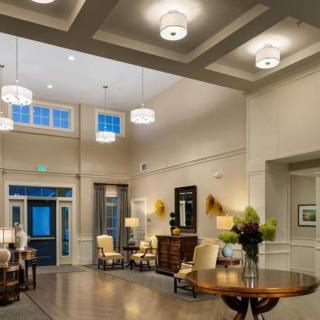



 An In-Depth Look at Reminiscence Therapy in Dementia Care
 Dementia-Related Hallucinations: Causes, Experiences, and Practical Approaches
 Illuminating Insights About Alzheimer's Disease: Ten Crucial Realities