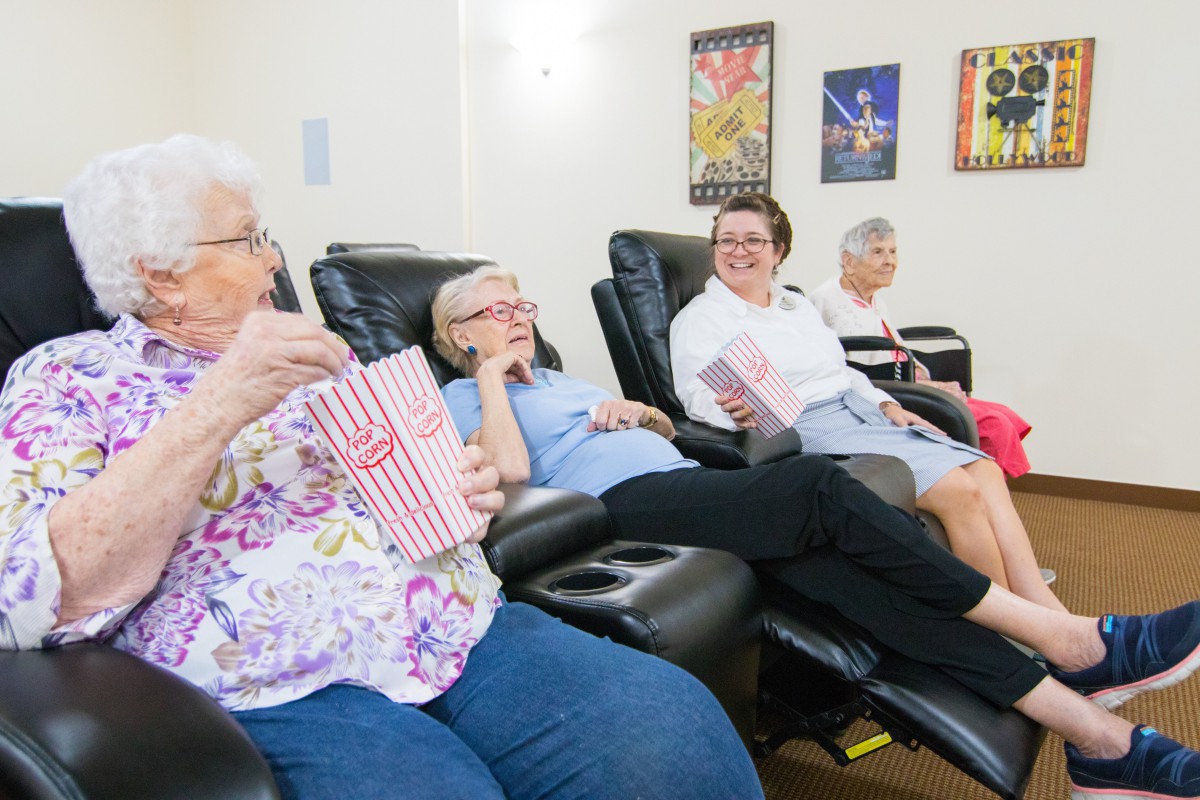
Oaks at Towne Lake in Woodstock, GA

Save

  • Interior

    An elderly woman enjoying a cup of coffee with breakfast in a cheerful setting.
  • Building

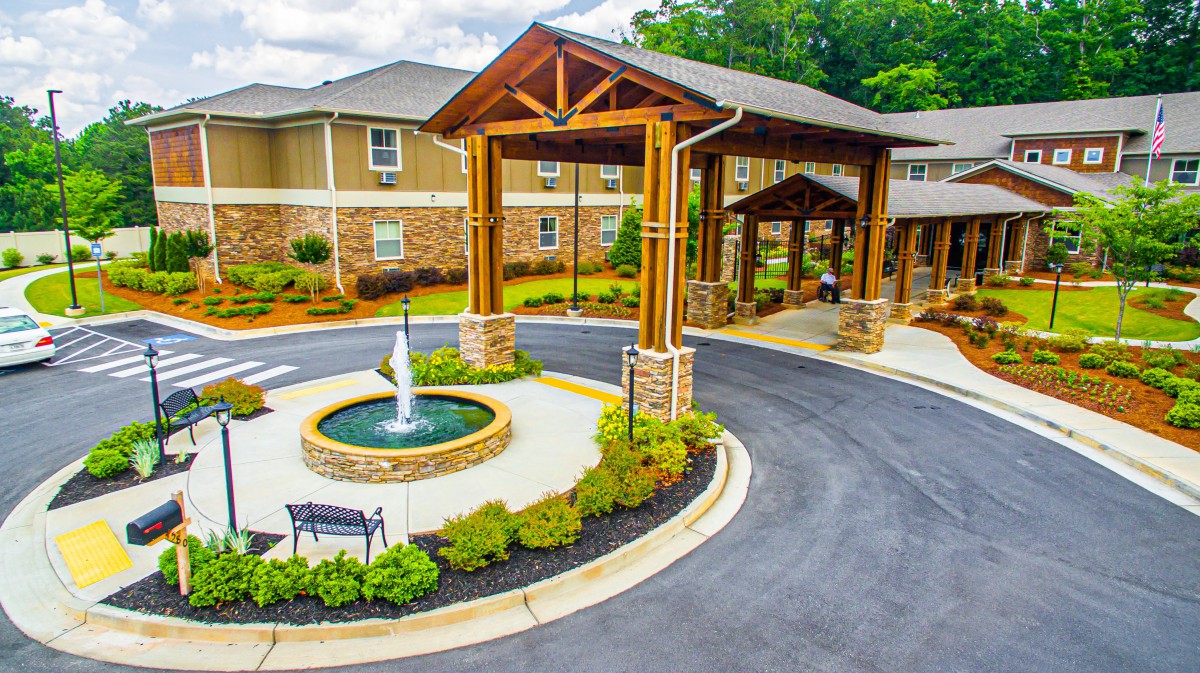
    A welcoming entrance with a fountain and wooden structure in front of a modern building.
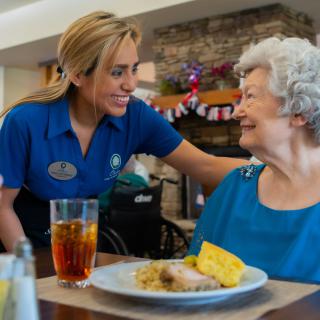
  • Dining

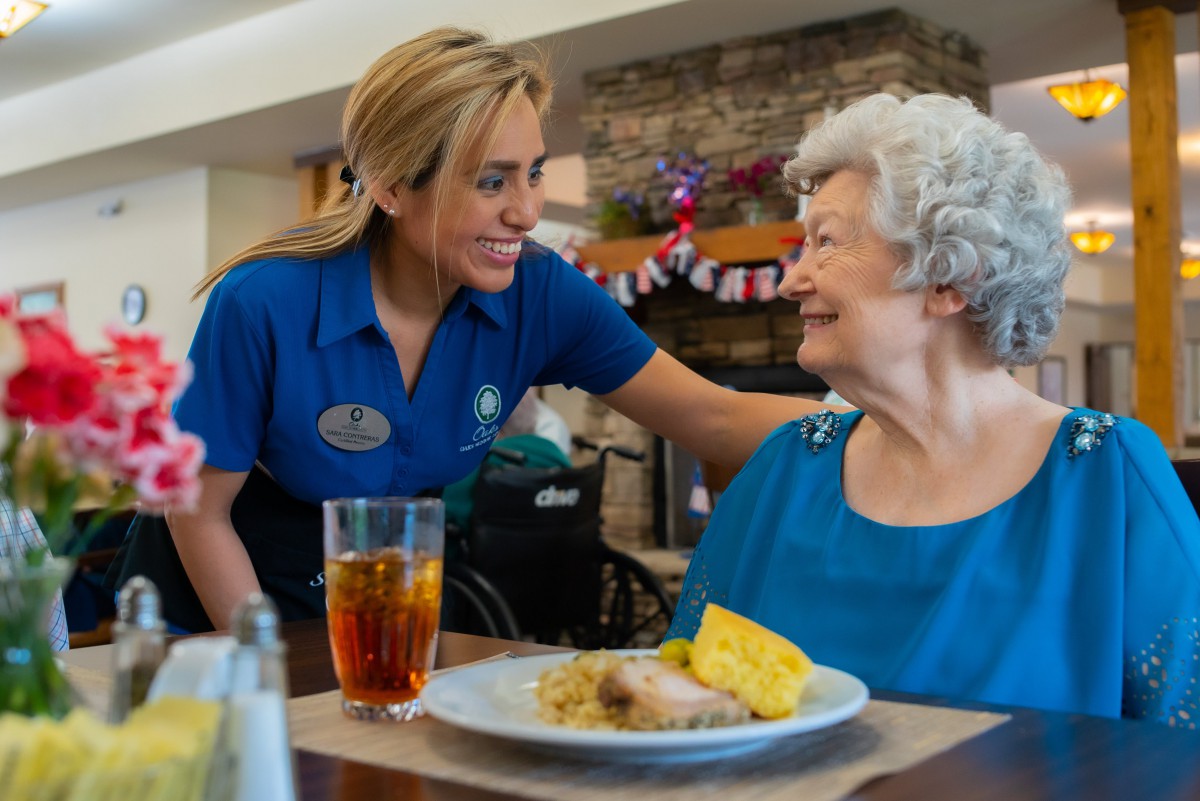
    A caregiver smiling and interacting with a senior woman during mealtime.
  • Artwork

    An elderly man playing billiards on a pool table with a painting in the background.
  • Outdoor Seating

    An elderly couple enjoys a relaxing conversation while seated on their porch.
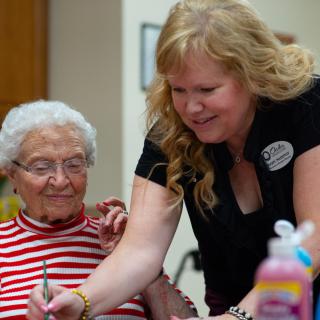
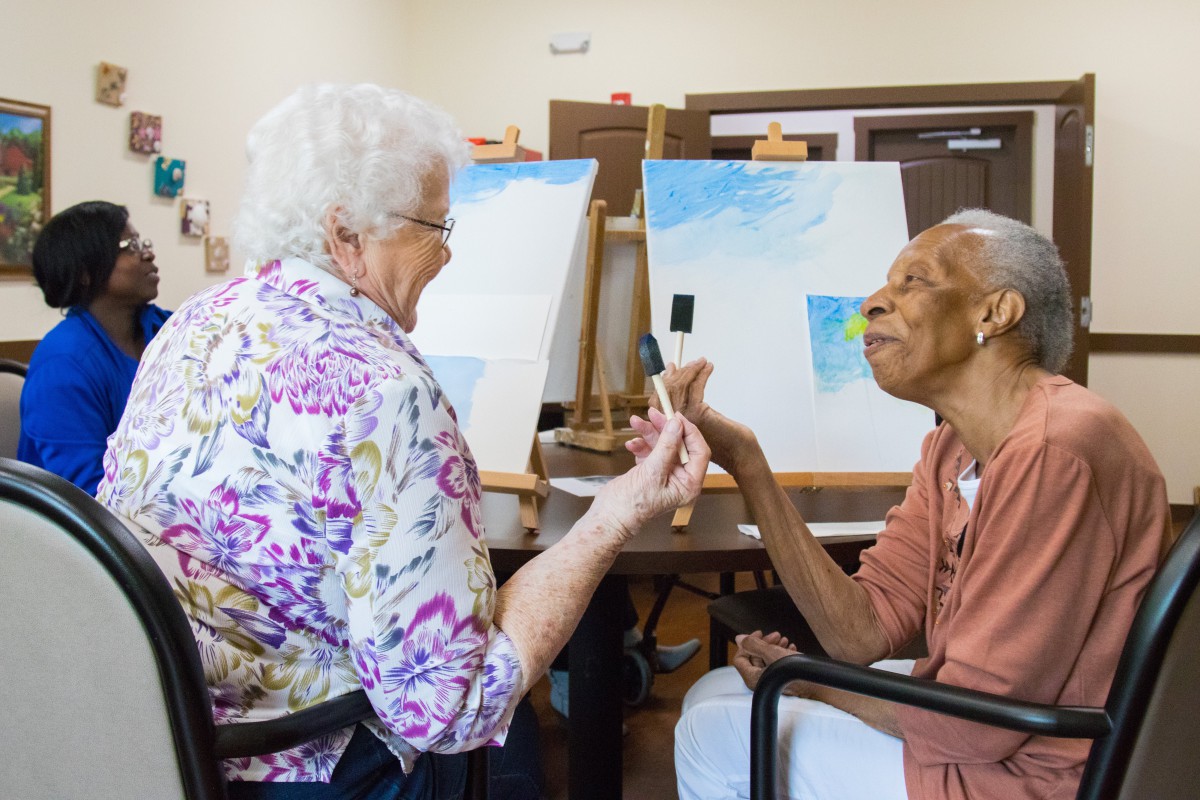
  • Painting

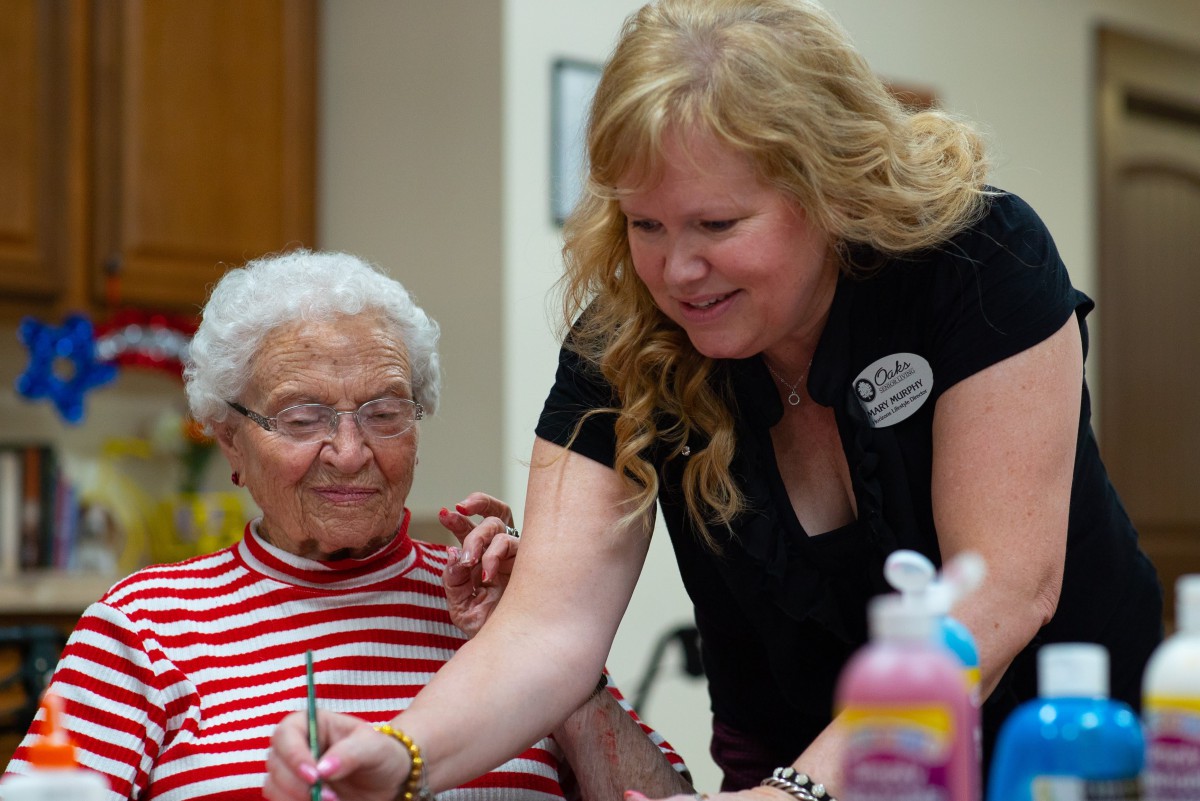
    Two elderly individuals enjoying a painting session together in an art class.
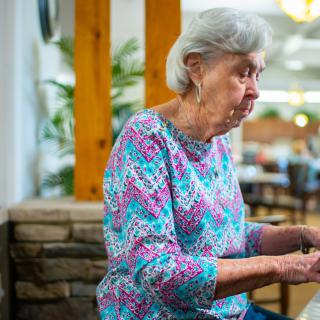
  • Piano

    An elderly woman is playing the piano indoors, wearing a colorful shirt.
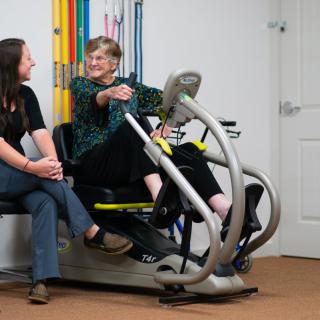
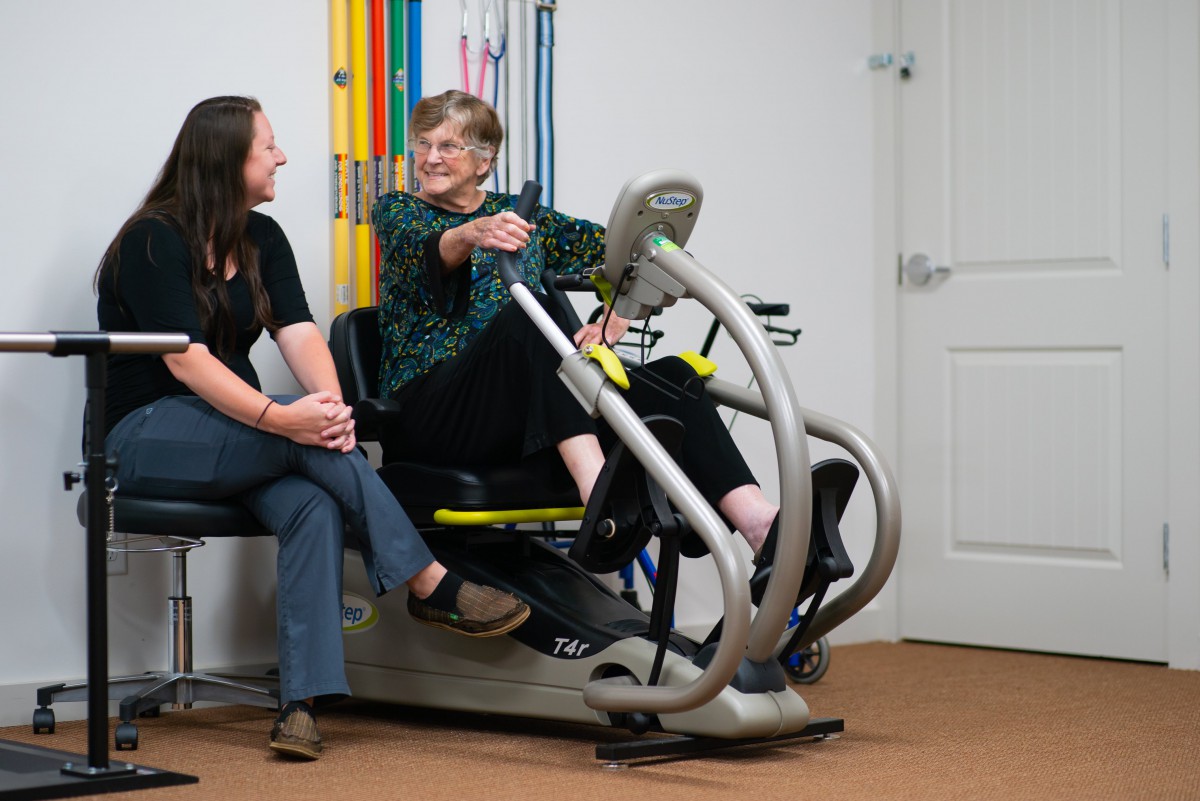
  • Healthcare

    An elderly woman engages in a therapy session using a recumbent exercise bike, accompanied by a healthcare professional.
  • Caregiver

    A caregiver assisting an elderly woman with a creative activity.

Oaks at Towne Lake in Woodstock, GA

Information last verified:

4580 Towne Lake Parkway, Woodstock, GA 30189

For more information about senior living options: (844) 490-3973

4.6 from 100 reviews
5 stars
79
4 stars
15
3 stars
0
2 stars
3
1 stars
3

Seniors.FYI Elite Community Awards

Top 5% Senior Living Community in 2020Top 5% Senior Living Community in 2021Top 5% Senior Living Community in 2023Top 5% Senior Living Community in 2025

Add this award to your website

Oaks at Towne Lake Costs & Pricing

At Oaks at Towne Lake, the monthly costs for residents can be seen as competitive within the broader context of Cherokee County and the state of Georgia. For a studio apartment, Oaks at Towne Lake offers rates at $3,595, which is notably lower than the county average of $3,873 but slightly higher than the state average of $3,520. The 1-bedroom option is priced at $4,080, which exceeds both county and state averages; Cherokee County's rate stands at $3,438 while Georgia's average is $3,412. In contrast, the 2-bedroom apartments are listed at $5,785 - significantly above both county and state figures ($4,050 in Cherokee County and $3,921 across Georgia). Overall, these prices reflect Oaks at Towne Lake's positioning as a premium choice in a market that varies widely by location and amenities offered.

Floor plansOaks at Towne LakeCherokee CountyGeorgia
Studio$3,595$3,873$3,520
1 Bedroom$4,080$3,438$3,412
2 Bedrooms$5,785$4,050$3,921

Overall Review of Oaks at Towne Lake

Pros

  • pro The Oaks at Towne Lake has transformed into a very positive place for its residents, with investments in staff, property, culture, food, and living experience ensuring compassionate care.
  • pro The staff are friendly, attentive, and dedicated to supporting residents.
  • pro The Executive Director, Pete VanderBogart, is doing a wonderful job and makes time to meet with families, employees, and residents.
  • pro June Allen, the Community Relations Director, is professional, dedicated, and helps make transitions smooth and stress-free.
  • pro The building is beautiful, lively, and friendly, with a welcoming atmosphere and strong leadership.
  • pro Samantha, the housekeeper, is wonderful, providing kind and thorough cleaning that residents appreciate.
  • pro The memory care staff are kind and good-natured, with residents enjoying engaging activities.
  • pro The staff work as a team to provide fun and engaging activities for residents, including arts and social events.
  • pro The facility is well maintained, clean, and safe, with a caring medical team and attentive aides.
  • pro The dining options are good and meals are well liked by residents.
  • pro Leadership knows residents by name and goes the extra mile to communicate changes.
  • pro Families feel at home here, and residents form friendships and enjoy social activities in a supportive environment.

Cons

  • pro They were often short-staffed in the memory ward.
  • pro The memory care area lacks leadership.
  • pro Some staff are brought in as outside contractors and can be cold, rough, and not caring.
  • pro The facility director was great upon move-in and then could not be bothered after issues or feedback were presented.
  • pro A floor-level food spill sat on the common area floor for two weeks with no one cleaning it up.
  • pro The wrong medication was administered multiple times to a resident, and medications ran out requiring family intervention.
  • pro Special dietary needs such as being diabetic were not followed and there was no check to ensure meals were going to the right person.
  • pro Family had to stay with the resident at all times due to poor care and food handling.
  • pro Communication from leadership was not timely; head staff were not timely with communication.
  • pro There was a lack of security at the front desk; a stranger could walk in and theft could occur.

Review

The Oaks at Towne Lake in Woodstock, GA is best suited for families seeking an active, resident-focused memory care or assisted living community with visible leadership, strong medical oversight, and a robust calendar of social and therapeutic activities. It is especially well matched for seniors who value a lively campus culture, complete with a chapel, on-site salon, screening opportunities, and regular outings, paired with hands-on care from a stable medical team. Prospective residents who want easy access to staff, frequent family updates, and a sense that the community treats each person as a real person, not a room number, will find this setting compelling. The facility’s two-level design, modernized common areas, and a leadership core that publicly engages families translate into a cohesive, trusting atmosphere where residents can feel at home while receiving attentive care.

There is a clear lane where alternatives deserve consideration. Families with a priority on uninterrupted, uniform staffing across every shift may want to compare communities that lean more heavily on full-time staff rather than contract workers, a pattern some reviews identify at Oaks. Others should assess whether a single-story layout would better suit mobility challenges or a preference for easier navigation; two levels can complicate wayfinding and daily routines for some residents and visitors. Price sensitivity and value are real factors as well, given the size and scope of services; families with tighter budgets or tighter expectations about routine care in a smaller footprint may find other options more aligned with their financial and care goals. Finally, for those whose top priority is ironclad medication safety and dietary adherence, stress-testing those processes with staff and the pharmacy program is essential before moving forward.

The facility’s strongest assets are the people and the culture. Reviewers repeatedly highlight nurses, aides, and activity staff who are consistently attentive and genuinely engaged with residents. Executive leadership is described as hands-on and accessible, with directors who meet families, guide tours, and stay involved in day-to-day operations. That leadership visibility and the emphasis on relationship-building drive a sense of reliability that helps offset occasional service gaps. The programming is broad and well-implemented: flower arranging, baking, book clubs, art projects, and organized outings provide meaningful structure and social connectedness. Food quality is a frequent highlight, and the campus layout, with clear sightlines and accessible care stations, supports a safe, comfortable environment where caregivers can respond quickly when needs arise. For families prioritizing a warm, well-connected community, the Oaks delivers a convincingly reassuring experience.

Memory care at Oaks, branded Horizons, is consistently described as intimate and well-staffed. Residents in the memory care stream are said to benefit from teams that know their names, routines, and preferences, which helps reduce agitation and promotes engagement. Families value the personalization: teams that celebrate milestones, tailor activities, and keep families closely informed about evolving care needs. Yet the memory wing is not without concerns. A few reviews flag variability in staffing and leadership tied specifically to that unit, noting gaps in supervision or communication. Still, the overall pattern shows that when leadership is focused and long-tenured staff are involved, memory care can be a meaningful, stabilizing force for residents whose needs require closer, more specialized attention.

Operational gaps emerge as the most meaningful caveat for families evaluating Oaks. Medication handling on some shifts has been a recurring theme, with instances of misdosed or delayed medications and gaps in bridging information between floor teams and family members. Cleanliness and housekeeping quality have also surfaced in some accounts, highlighting the risk that lapses, however intermittent, can shake confidence. The use of outside contractors on certain shifts contributes to inconsistencies that families notice, especially during periods of high demand or turnover. The two-level design, together with room configurations that include half-walls and compact living spaces, can feel less than ideal for couples or solo residents who desire more distinct separation between living and sleeping areas. These practical factors matter when weighing overall fit against other communities.

For families weighing Oaks against alternatives, a disciplined decision framework is warranted. Begin with a precise read on current and anticipated care needs, especially around memory support, mobility, and dietary requirements. Schedule multiple visits, ideally speaking with frontline caregivers across shifts to gauge consistency and tone of care. Probe the medication administration process, protocol for handling dietary restrictions, and the transparency of medical updates to families. Confirm leadership accessibility: are the executive director and community relations director consistently present, responsive, and proactive in addressing issues? Evaluate the physical layout from a daily living perspective, whether two floors and the room configurations align with expectations for space, privacy, and ease of movement. When criteria align, strong human touch, active engagement, and dependable safety, Oaks at Towne Lake emerges as a compelling choice. For families needing guaranteed single-floor living, flawless medication controls, or rock-solid consistency across all shifts, it may be prudent to explore alternatives that promise tighter operational discipline and a layout better suited to those specific needs.

Features

Housing

  • 90 resident community capacity 90 resident community capacity

Types of Care

  • Assisted Living Assisted LivingAssisted living facilities provide crucial support and care for seniors who may need help with daily tasks such as medication management, bathing, and meal preparation. These communities offer a safe and comfortable environment where seniors can maintain their independence while receiving the assistance they need to thrive in their golden years.
  • Memory Care Memory CareMemory care is crucial for seniors as it provides specialized support and services for individuals with dementia or Alzheimer's disease. These programs offer a safe and secure environment where residents receive personalized care, cognitive stimulation, and help with daily activities. Memory care helps seniors maintain their independence, quality of life, and dignity while also providing peace of mind for their families.

Pets

  • Cats allowed Cats allowed"Pet friendly" senior living communities are important for seniors because pets provide companionship, reduce feelings of loneliness and depression, promote physical activity and mental stimulation, and offer a sense of purpose and responsibility. Pets can improve overall well-being and quality of life for seniors in many ways.
  • Dogs allowed Dogs allowed"Pet friendly" senior living communities are important for seniors because pets provide companionship, reduce feelings of loneliness and depression, promote physical activity and mental stimulation, and offer a sense of purpose and responsibility. Pets can improve overall well-being and quality of life for seniors in many ways.

Amenities

  • Activities off-site Activities off-siteEngaging in off-site activities is crucial for seniors to maintain social connections, stay active, and stimulate their minds. It promotes overall well-being and helps combat feelings of isolation and loneliness.
  • Activities on-site Activities on-siteActivities on-site are important for seniors because they provide opportunities for socialization, mental stimulation, physical activity, and overall well-being. Engaging in activities can help seniors stay active, maintain their independence, and improve their quality of life.
  • Air-conditioning Air-conditioningAir conditioning is important for seniors as they are more vulnerable to heat-related illnesses and may have underlying health conditions that make it difficult for them to regulate their body temperature. It helps to keep them comfortable, safe, and healthy in hot weather.
  • Beautician on-site Beautician on-siteHaving a beautician on-site at a senior living community is important for seniors as it allows them to easily access grooming and personal care services, boosting their self-esteem and overall well-being. It also provides convenience and helps seniors maintain their sense of independence and personal style.
  • Beauty salon Beauty salonBeauty salons are important for seniors because they provide a space for them to feel pampered, socialize, and maintain their personal grooming and hygiene. Regular visits to a beauty salon can help boost seniors' self-esteem and overall well-being.
  • Cable or satellite TV Cable or satellite TVCable or satellite TV is important for seniors because it provides entertainment, news, and companionship, helping to combat loneliness and boredom. It also offers a wide range of programming options tailored to different interests and preferences.
  • Computer center Computer centerA computer center is essential for seniors as it provides access to technology, communication tools, and resources that can enhance their daily lives. It allows them to stay connected with loved ones, engage in online activities, and learn new skills, ultimately promoting socialization and mental stimulation.
  • Devotional services on-site Devotional services on-siteDevotional services on-site provide seniors with spiritual support and a sense of community, as well as an opportunity for reflection and guidance during their senior living experience. This can promote emotional well-being and connection to others, leading to a more fulfilling and enriching lifestyle in their later years.
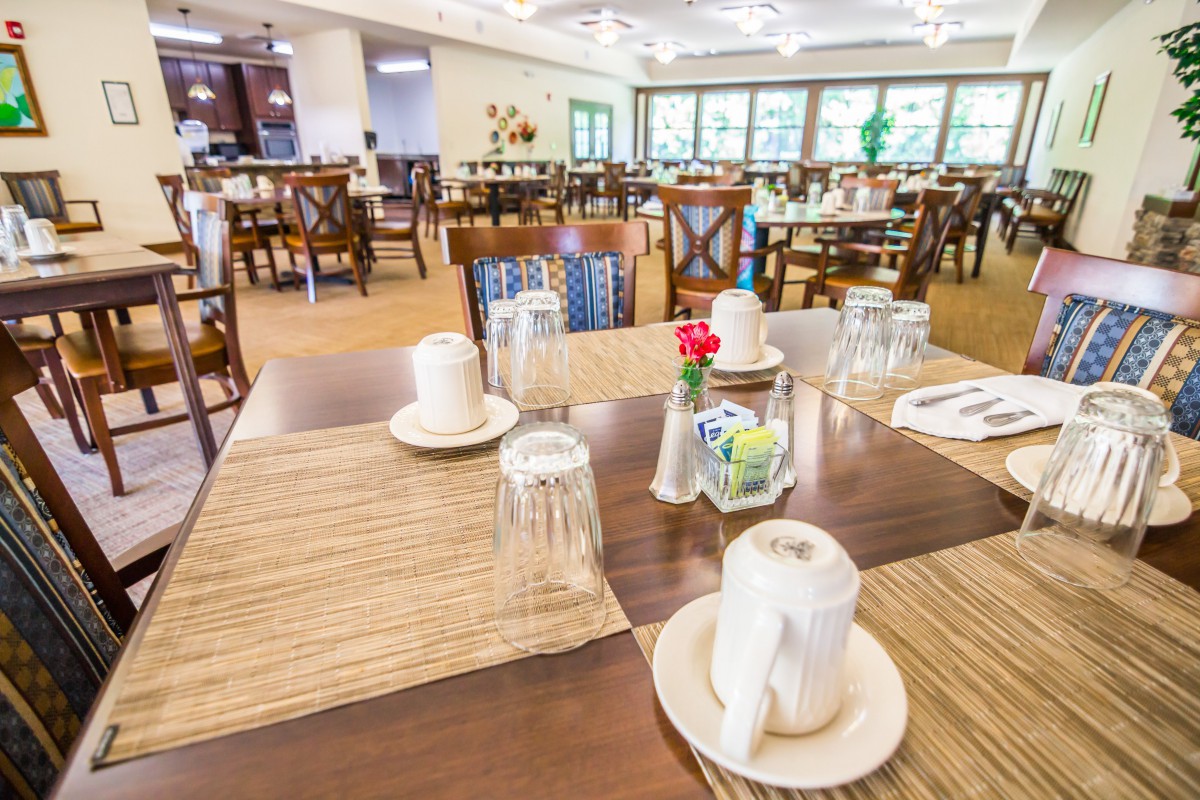
  • Dining room Dining roomDining rooms are important for seniors as they provide a space for socialization, connection, and nutritious meals. They offer opportunities for residents to bond over shared meals, foster a sense of community, and promote healthy eating habits. Dining rooms also ensure that seniors have access to well-balanced meals tailored to their dietary needs and preferences.
  • Fitness room Fitness roomHaving a fitness room in a senior living community is essential for seniors to stay active, maintain their physical health, and improve their overall well-being. Regular exercise can help prevent falls, reduce the risk of chronic diseases, and promote mental sharpness. It also provides social opportunities for residents to connect with others and enjoy a sense of community.
  • Fully furnished Fully furnishedFully furnished senior living communities are important for seniors because they provide convenience, comfort, and a hassle-free moving experience. Seniors can easily settle into their new living space without the stress of having to buy and move furniture. This allows them to focus on enjoying their new home and community.
  • Gaming room Gaming roomGaming rooms are important for seniors as they provide a fun and engaging environment for socializing, cognitive stimulation, and physical activity. Games can improve memory, problem-solving skills, and overall mental well-being while fostering friendships and reducing feelings of isolation.
  • Garden GardenGardens are important for seniors as they provide a peaceful and therapeutic environment for relaxation, physical activity, and socialization. Being in nature has been shown to reduce stress, improve mood, and promote overall well-being. Gardens also offer opportunities for seniors to engage in gardening activities, which can improve mobility, flexibility, and cognitive function. Additionally, gardens create a sense of community and connection with others who share a passion for plants and outdoor spaces.
  • Ground floor units Ground floor unitsGround floor units are important for seniors because they provide easy accessibility, reduced risk of falls and injuries, and convenience for those with mobility issues. Seniors can avoid climbing stairs or using elevators, making daily tasks and activities more manageable and enjoyable.
  • Handicap accessible Handicap accessible"Handicap accessible" amenities are crucial for seniors to ensure they can easily navigate and access facilities, services, and activities without barriers or limitations due to physical impairments. This promotes independence, safety, and inclusivity for seniors in senior living communities.
  • Housekeeping services Housekeeping servicesHousekeeping services are important for seniors because they help maintain a clean and safe living environment, promote independence, and reduce the risk of accidents or illnesses. Additionally, having assistance with household chores can alleviate physical strain and allow seniors to focus on other aspects of their well-being.
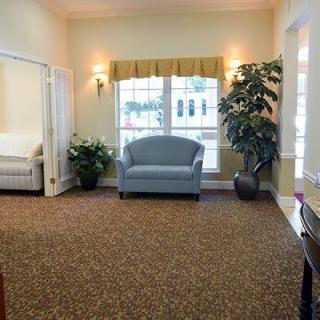
  • Indoor common areas Indoor common areasIndoor common areas are crucial for seniors as they provide a space for socialization, recreation, and community engagement, promoting overall well-being and reducing feelings of isolation and loneliness.
  • Kitchenette KitchenetteKitchenettes are important for seniors living in senior living communities because they provide the convenience and independence of being able to prepare simple meals and snacks in the comfort of their own living space. This can help promote a sense of autonomy and well-being for seniors, allowing them to maintain some level of control over their dietary choices and daily routines.
  • Move-in coordination Move-in coordinationMove-in coordination is important for seniors because it helps ease the transition into their new living environment. It ensures that all logistics, such as packing, organizing movers, and setting up utilities are taken care of, allowing seniors to focus on settling in and adjusting to their new home. Having a smooth move-in process can alleviate stress and anxiety, making the transition smoother and more enjoyable for seniors.
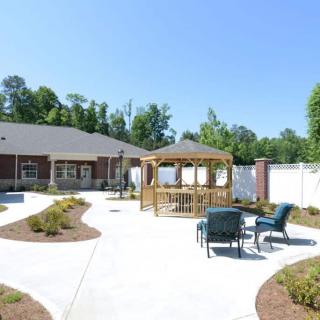
  • Outdoor common areas Outdoor common areasOutdoor common areas are important for seniors as they provide a space for socialization, physical activity, and relaxation. Being outside in nature can improve mood and overall well-being, while also encouraging movement and engagement with others. These spaces can help combat feelings of isolation and promote a sense of community among residents.
  • Outdoor space Outdoor spaceOutdoor spaces are important for seniors as they provide opportunities for physical activity, social interaction, exposure to natural light and fresh air, and a sense of connection to nature. Having access to outdoor spaces can improve overall well-being and quality of life for older adults living in senior communities.
  • Private bathrooms Private bathroomsPrivate bathrooms are important for seniors in senior living communities because they provide independence, dignity, and comfort. Having a private bathroom allows seniors to maintain their personal hygiene routines without the need for assistance, promoting a sense of autonomy and privacy. Additionally, private bathrooms help prevent the spread of infections and provide a safe and clean environment for seniors to navigate safely.
  • Respite or short term stays offered Respite or short term stays offeredRespite or short term stays provide seniors with a temporary solution when their regular caregiver is unavailable, offering them the opportunity to receive additional care and support during times of need, while also giving caregivers a chance to rest and recharge.
  • Restaurant-style dining Restaurant-style diningRestaurant-style dining is important for seniors because it allows them to enjoy delicious, nutritious meals in a social and upscale setting. This enhances their dining experience, promotes healthy eating habits, and fosters socialization with fellow residents, ultimately contributing to their overall well-being and quality of life.
  • Small library Small librarySmall libraries are important for seniors as they provide access to a variety of reading materials, including books, newspapers, and magazines. This can help stimulate their minds, keep them engaged, and provide a sense of community through book clubs and other social activities. Additionally, reading has been shown to improve cognitive function and overall mental well-being in older adults.
  • Telephone TelephoneTelephones are important for seniors as they provide a lifeline for communication with loved ones, emergency services, and healthcare providers. They offer a sense of security and independence, enabling seniors to stay connected and access assistance when needed.
  • Wellness center Wellness centerWellness centers are important for seniors because they offer a variety of programs and services that promote physical, mental, and emotional well-being. These centers provide opportunities for exercise, socialization, education, and relaxation, helping seniors maintain their overall health and quality of life.
  • Wheelchair accessible showers Wheelchair accessible showersWheelchair accessible showers are crucial for seniors as they provide a safe and independent bathing option for those with mobility challenges. These showers help prevent falls and allow seniors to maintain their dignity and autonomy while ensuring they can bathe comfortably.
  • Wi-Fi/high-speed internet available Wi-Fi/high-speed internet availableWi-Fi/high-speed internet is important for seniors to stay connected with loved ones, access online resources, and participate in virtual activities to combat feelings of loneliness and isolation. It also allows them to easily manage healthcare needs, access entertainment, and engage in lifelong learning opportunities.

Transportation

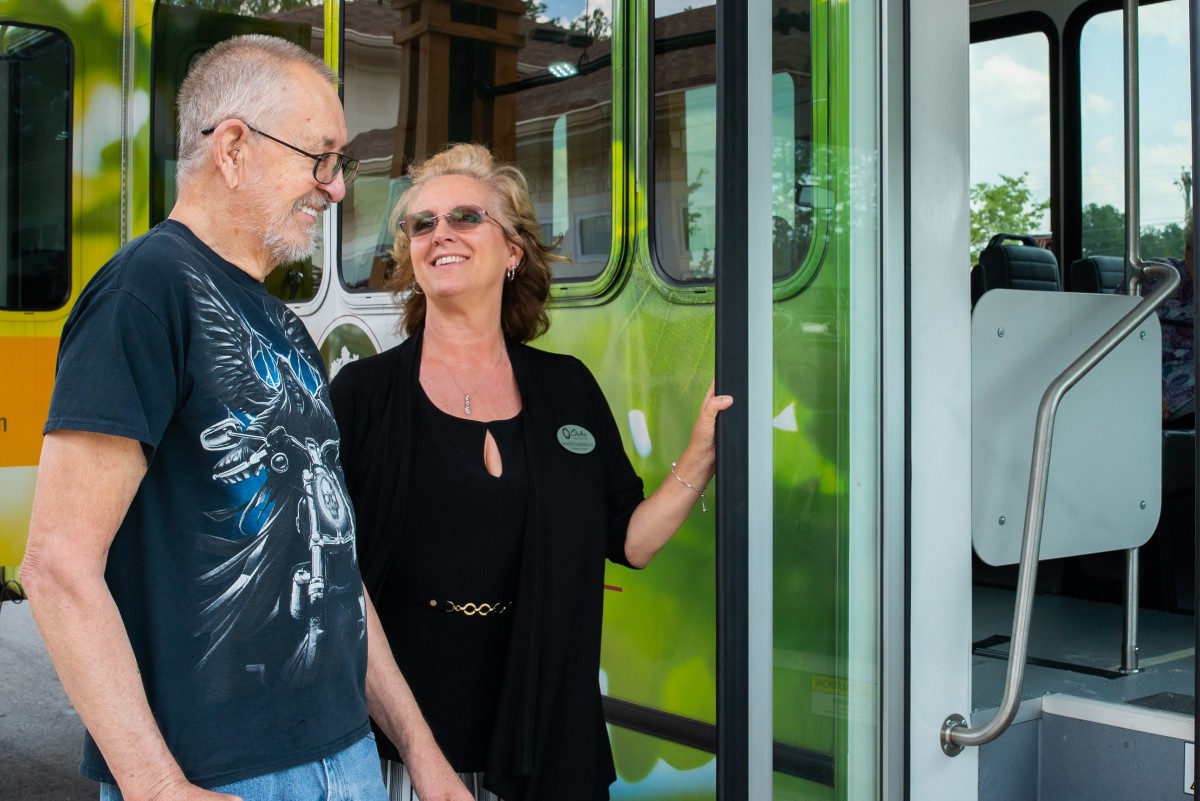
  • Community operated transportation Community operated transportationCommunity operated transportation is crucial for seniors as it provides them with the means to access essential services, social activities, and medical appointments. It allows seniors to maintain their independence and quality of life by ensuring they can participate in activities outside of their homes. Additionally, community-operated transportation services offer a safe and reliable way for seniors to travel without having to rely on family or friends for assistance.
  • Transportation arrangement Transportation arrangementTransportation arrangements are crucial for seniors as they may face challenges with driving, mobility, or access to public transportation. Having reliable transportation services ensures that seniors can easily attend appointments, social activities, and maintain their independence and quality of life.

Care Services

  • 24-hour call system 24-hour call system24-hour call systems are important for seniors because they provide peace of mind and immediate assistance in case of emergencies. This technology ensures that help is always available, promoting safety and security for elderly individuals living alone or in assisted living facilities.
  • 24-hour supervision 24-hour supervision24-hour supervision is important for seniors to ensure their safety, well-being, and access to immediate assistance in case of emergencies or health issues. This constant support provides peace of mind for both seniors and their loved ones, allowing them to age in place with dignity and security.
  • Activities of daily living assistance Activities of daily living assistanceActivities of daily living assistance are important for seniors because they provide essential support with tasks such as eating, bathing, dressing, and mobility. This assistance helps seniors maintain their independence, dignity, and overall quality of life as they age.
  • Ambulatory care Ambulatory care"Ambulatory care services provide essential medical support and treatment to seniors without requiring hospitalization, allowing them to maintain their independence and quality of life while managing chronic conditions or receiving routine medical care."
  • Assistance with bathing Assistance with bathingAssistance with bathing is crucial for seniors as it helps maintain personal hygiene, prevents infections, and ensures their overall well-being and comfort. It also provides a sense of dignity and independence for seniors who may struggle with this task on their own.
  • Assistance with dressing Assistance with dressingAssistance with dressing is important for seniors because it helps maintain their independence, promotes personal hygiene, prevents accidents and injuries, and improves overall quality of life. This service ensures that seniors can continue to dress comfortably and confidently, despite any physical limitations they may have.
  • Assistance with transfers Assistance with transfersAssistance with transfers is crucial for seniors as it helps prevent falls and injuries, maintains their independence, and ensures they can safely navigate their living environment. It also provides peace of mind for both seniors and their loved ones.
  • Diabetes diet Diabetes dietA diabetes diet is crucial for seniors as it helps manage blood sugar levels, reduce risks of complications, and improve overall health and well-being. By following a balanced and nutritious diet tailored to their specific needs, seniors can better control their diabetes and enhance their quality of life.
  • Diabetic care Diabetic careDiabetic care is crucial for seniors as they are more susceptible to developing diabetes due to aging and other health conditions. Proper management of diabetes can help prevent complications such as heart disease, vision loss, and nerve damage, improving the overall quality of life for seniors in senior living communities.
  • Incontinence care Incontinence careIncontinence care is essential for seniors to maintain their dignity, hygiene, and overall quality of life. By addressing incontinence issues promptly and effectively, seniors can enjoy a sense of independence and comfort in their daily activities.
  • Meal preparation and service Meal preparation and serviceMeal preparation and service are crucial for seniors as they may have limited mobility or energy to cook nutritious meals. Having access to healthy and convenient food options can ensure they are getting the proper nutrition needed to maintain their overall health and well-being.
  • Medication management Medication managementMedication management is crucial for seniors to ensure they are taking the right medications at the correct dosages and times. This helps prevent adverse drug interactions, reduces the risk of medication errors, and promotes overall health and well-being. Proactive management also allows for adjustments as needed based on changing health conditions or new prescriptions.
  • Special dietary restrictions Special dietary restrictionsSpecial dietary restrictions are important for seniors because age-related changes in metabolism and health conditions can make it difficult for their bodies to process certain foods. By following a diet tailored to their specific needs, seniors can maintain their overall health and well-being, manage chronic conditions, and reduce the risk of complications such as malnutrition or food interactions with medications.

Dining

  • Anytime dining Anytime diningAnytime dining is important for seniors because it allows them the flexibility to eat when they are hungry, rather than being restricted to set meal times. This can be especially beneficial for those with medical conditions or medications that affect their appetite, as well as those who may have difficulty adhering to a strict dining schedule. Overall, anytime dining promotes independence and overall well-being for seniors in senior living communities.
  • Diabetes diet Diabetes dietA diabetes diet is crucial for seniors as it helps manage blood sugar levels, reduce risks of complications, and improve overall health and well-being. By following a balanced and nutritious diet tailored to their specific needs, seniors can better control their diabetes and enhance their quality of life.
  • Guest meals Guest mealsGuest meals are important for seniors living in senior living communities because they provide an opportunity for socialization and companionship. Sharing a meal with friends, family, or new acquaintances can help combat feelings of loneliness and isolation, promote a sense of community, and enhance overall well-being. Additionally, guest meals allow seniors to enjoy delicious food in a comfortable setting without the hassle of cooking or cleaning up, making dining a pleasurable and stress-free experience.
  • Low / no sodium Low / no sodiumLow/no sodium options are important for seniors because excessive sodium intake can lead to high blood pressure, heart disease, and other health issues commonly experienced by older adults. By choosing low/no sodium foods, seniors can better manage their health and reduce their risk of developing these conditions.
  • Meals provided Meals provided"Meals provided" are crucial for seniors in assisted living communities as it ensures they have access to nutritious, balanced meals without the stress of meal planning and preparation. This can help promote overall health and well-being for seniors who may have limited mobility or cognitive abilities.
  • No Sugar No SugarNo sugar diets are important for seniors because they can help prevent or manage chronic conditions such as diabetes, heart disease, and obesity. Sugar can also contribute to cognitive decline and inflammation in the body, so reducing sugar intake can lead to overall improved health and well-being in older adults.
  • Professional chef Professional chefProfessional chefs are important for seniors living in senior living communities because they provide nutritious and delicious meals that cater to their dietary needs and preferences. A professional chef can ensure that seniors are receiving balanced, flavorful meals that support their overall health and well-being.
  • Restaurant style dining Restaurant style diningRestaurant style dining is important for seniors as it offers them a social and enjoyable dining experience, promotes healthy eating habits, and provides personalized menu options to cater to their dietary needs and preferences. This type of dining setting can enhance their overall quality of life and create a sense of community within the senior living facility.
  • Room service Room serviceRoom service is important for seniors in a senior living community because it provides convenience and allows them to have their meals delivered directly to their room. This can be especially beneficial for seniors who may have mobility issues or difficulty accessing the dining area. Room service ensures that seniors are able to receive nutritious meals without having to navigate through the facility, allowing them to maintain their independence and overall well-being.
  • Special dietary restrictions Special dietary restrictionsSpecial dietary restrictions are important for seniors because age-related changes in metabolism and health conditions can make it difficult for their bodies to process certain foods. By following a diet tailored to their specific needs, seniors can maintain their overall health and well-being, manage chronic conditions, and reduce the risk of complications such as malnutrition or food interactions with medications.
  • Special dining programs Special dining programsSpecial dining programs are important for seniors because they provide nutritious meals tailored to their dietary needs and preferences. These programs also offer socialization opportunities, promote overall health and well-being, and can help prevent malnutrition.
  • Vegetarian VegetarianA vegetarian diet is important for seniors because it can help lower the risk of chronic diseases, maintain a healthy weight, and provide essential nutrients needed for aging bodies. Additionally, plant-based diets are often easier on digestive systems and can contribute to overall well-being in older adults.

Activities

  • Art classes Art classesArt classes are important for seniors because they provide a creative outlet, improve cognitive function, reduce stress and anxiety, promote socialization, and enhance overall well-being and quality of life.
  • Catholic services Catholic servicesCatholic services are important for seniors because they provide spiritual support, a sense of community, and opportunities for social interaction that can enhance overall well-being and quality of life in their later years.
  • Community-sponsored activities Community-sponsored activitiesCommunity-sponsored activities are important for seniors as they provide opportunities for social interaction, mental stimulation, and physical activity. These activities can help improve overall well-being, combat loneliness and isolation, and promote a sense of belonging and purpose among older adults.
  • Concierge services Concierge servicesConcierge services are essential for seniors as they provide assistance with daily tasks and errands, enhance their quality of life by offering convenience and personalized care, and promote a sense of safety and security.
  • Cooking classes Cooking classesCooking classes are important for seniors as they provide opportunities for social interaction, enhance cognitive skills, promote healthy eating habits, and boost confidence in the kitchen.
  • Day trips and outings Day trips and outingsDay trips and outings are important for seniors as they provide opportunities for socialization, mental stimulation, physical activity, and a break from daily routines. These experiences can enhance overall well-being and quality of life for older adults living in senior communities.
  • Devotional activities on-site Devotional activities on-siteDevotional activities on-site provide seniors with a sense of community, spiritual fulfillment, and emotional support, promoting overall well-being and a positive sense of purpose in their lives.
  • Educational speakers / life long learning Educational speakers / life long learningEducational speakers and lifelong learning opportunities are crucial for seniors as they provide mental stimulation, promote social engagement, and contribute to overall well-being. Continuous learning helps seniors stay mentally sharp, build new skills, and maintain a sense of purpose and fulfillment in their lives. It also allows them to stay connected to the world around them and fosters a sense of community within senior living facilities.
  • Fitness programs Fitness programsFitness programs are crucial for seniors as they help improve strength, flexibility, balance, and overall well-being. Staying active can reduce the risk of chronic diseases, improve mental health, and enhance quality of life in older adults.
  • Happy hour Happy hourHappy hour is important for seniors as it provides a social activity that promotes camaraderie and reduces feelings of loneliness or isolation. It also offers an opportunity for older adults to relax, unwind, and enjoy some drinks or snacks in a fun and welcoming atmosphere.
  • Live dance or theater performances Live dance or theater performancesLive dance or theater performances are important for seniors because they provide opportunities for socialization, mental stimulation, and emotional engagement. These performances can help combat feelings of isolation and loneliness, while also offering a sense of connection to the arts and culture. Additionally, watching live performances can bring joy and create lasting memories for seniors in their later years.
  • Live musical performances Live musical performancesLive musical performances can provide seniors with a sense of joy, nostalgia, and connection. Music has the power to evoke emotions and memories, improve mood and cognitive function, and foster social interaction among seniors. It can also serve as a form of therapy and stress relief for older adults, making it an important activity to include in senior living communities.

  • Live well programs Live well programs"Live well programs are essential for seniors as they provide opportunities for physical activity, social engagement, and mental stimulation, ultimately promoting overall health and well-being in later years."
  • Planned day trips Planned day tripsPlanned day trips are important for seniors because they offer opportunities for socialization, mental stimulation, and physical activity. They provide a change of scenery and help seniors stay engaged and connected to their community, promoting overall well-being and quality of life.
  • Protestant services Protestant servicesProtestant services are important for seniors because they provide spiritual nourishment, community support, and a sense of belonging. These services can help seniors connect with others who share their faith, find comfort and guidance in times of need, and maintain a sense of purpose and fulfillment in their later years.
  • Resident-run activities Resident-run activitiesResident-run activities are important for seniors as they encourage social interaction, creativity, and a sense of autonomy. These activities empower seniors to stay engaged and active in their community while fostering meaningful connections with their peers.
  • Scheduled daily activities Scheduled daily activitiesScheduled daily activities are important for seniors because they provide structure, socialization, mental stimulation, and physical activity. Engaging in regular activities can improve overall well-being and quality of life for seniors living in a community setting.

Description

Oaks at Towne Lake in Woodstock, GA is an assisted living community that specializes in memory care. We provide round-the-clock supervision and assistance with activities of daily living to ensure the safety and well-being of our residents.

Our community offers a wide range of amenities to enhance the lifestyle of our residents. They can engage in various activities on-site, such as gaming, fitness programs, educational speakers, and live performances. Our beautiful garden and outdoor spaces provide a tranquil environment for leisurely walks or enjoying fresh air. Residents can also take advantage of our computer center and Wi-Fi/high-speed internet to stay connected with loved ones.

Our comfortable accommodations are fully furnished and include private bathrooms and kitchenettes. Each unit is located on the ground floor for easy accessibility, and we have wheelchair accessible showers to accommodate residents with mobility challenges. Our housekeeping services ensure that residents' living spaces are always clean and tidy.

We understand that dining is an important aspect of our residents' lives, which is why we offer restaurant-style dining with a professional chef preparing delicious meals. Special dietary restrictions, including diabetic care, low/no sodium diets, no sugar diets, vegetarian options, and more are catered to by our culinary team. Room service is available for those who prefer to dine in the comfort of their own rooms.

We strive to create a vibrant community where residents can socialize and connect with others through community-sponsored activities, planned day trips, happy hour events, resident-run activities, and religious services held on-site. Our concierge services are available to assist with any needs or arrangements our residents may have.

In terms of neighboring amenities, we have two cafes nearby for residents to enjoy outings or meet friends for a cup of coffee. There are also three parks in close proximity where residents can go for walks or relax outdoors. In addition, five pharmacies and five physicians are conveniently located nearby for easy access to healthcare services. For those looking for dining options or places of worship, we have 11 restaurants and three places of worship in the vicinity.

At Oaks at Towne Lake, we strive to provide comprehensive care and a fulfilling lifestyle for our residents. Our dedicated team is committed to creating a warm and welcoming environment where residents can thrive and make lasting memories.

Nearby Places of Interest

Located in Woodstock, Georgia, this area offers a convenient and diverse range of amenities for seniors considering living in the area. With several reputable physicians and medical facilities nearby, including Marietta Eye Clinic and Vascular & Surgical Associates, residents can easily access quality healthcare services. Additionally, there are multiple pharmacies such as CVS and Walgreens for medication needs. For dining options, there are popular fast-food chains like McDonald's and Chick-Fil-A, as well as local favorites like Nuevos Amigos Cocina Mexicana. Those looking for a place of worship can find various churches nearby, including Woodstock City Church and First Baptist Church Woodstock. Parks like Woofstock Park provide opportunities for outdoor recreation and relaxation. Overall, this part of Woodstock offers a convenient and well-rounded environment for seniors to consider for their next chapter.

Physicians

  • Marietta Eye Clinic (1.4 miles)
  • Pinnacle Orthopaedics (2.8 miles)
  • Vascular & Surgical Associates (2.9 miles)
  • Georgia Eye Partners Woodstock (2.9 miles)
  • Lloyd Richard Bardwell (3.2 miles)
  • Azure For Health & Human Services (5.7 miles)
  • Piedmont Imaging Center (6.6 miles)

Pharmacies

  • CVS Pharmacy (2.3 miles)
  • Walgreens (2.9 miles)
  • CVS Pharmacy (3.5 miles)
  • CVS Pharmacy (3.6 miles)
  • Kroger Pharmacy (4.1 miles)
  • Walgreens (5 miles)
  • Orchard Square Holding (5.2 miles)

Restaurants

  • McDonald's (2.8 miles)
  • McDonald's (3 miles)
  • Nuevos Amigos Cocina Mexicana (3.6 miles)
  • Popeyes Louisiana Kitchen (3.9 miles)
  • Chick-Fil-A (4 miles)
  • Sidelines Grille (4.1 miles)
  • McDonald's (4.2 miles)

Cafes

  • Starbucks (3.3 miles)
  • Starbucks (3.9 miles)
  • Starbucks (5.6 miles)
  • Panera Bread (6.4 miles)

Places of Worship

  • Woodstock City Church (3.3 miles)
  • Calvary Chapel Woodstock (4.4 miles)
  • Church of Jesus Christ of Latter Day Saints (5 miles)
  • First Baptist Church Woodstock (5.5 miles)
  • Kennesaw United Methodist Church (7.1 miles)
  • Transfiguration Catholic Church (7.4 miles)
  • First Baptist Church of Acworth (7.7 miles)

Parks

  • Woofstock Park (3.4 miles)
  • Clubhouse River Park (3.5 miles)
  • Dupree Park (4.9 miles)
  • Adams Park (7.7 miles)
  • Shaw Park (7.8 miles)
  • Swift-Cantrell Park (8.1 miles)
  • Aviation Park Kennesaw (8.1 miles)

Hospitals

  • Kennesaw Hospital (6.4 miles)

Theaters

  • AMC Barrett Commons 24 (7.9 miles)
  • NCG Cinemas (8.6 miles)

Frequently Asked Questions

How much does it cost to live at Oaks at Towne Lake in Woodstock, GA?
Where is Oaks at Towne Lake?
Does Oaks at Towne Lake provide care for residents with dementia or Alzheimer's disease?
Does Oaks at Towne Lake allow residents to have pets?
What photos are available for Oaks at Towne Lake in Woodstock, Georgia?

Nearby Communities

  • Lotus Adult Day Center

    Lotus Adult Day Center

    Woodstock, GA

    4.8 from 13 reviews
     

    pro Caring, patient staff with engaging activities and consistent weekday hours.

  • ACASA Senior Care North Atlanta

    ACASA Senior Care North Atlanta

    Woodstock, GA


    pro Prime Woodstock location with easy access to cafes, parks, pharmacies, physicians, restaurants, and places of worship.

  • Sunabella of Towne Lake

    Sunabella of Towne Lake

    Woodstock, GA

    4.6 from 63 reviews
    $2,630 to $3,795 / month

    pro Friendly, caring staff with a homey atmosphere and active on-site programs.

  • Towne Lake

    Towne Lake

    Woodstock, GA

    4.6 from 9 reviews
     

    pro Attentive staff, engaging activities, clean and well-maintained facilities with comprehensive amenities.

  • The Reserve at Towne Lake

    The Reserve at Towne Lake

    Woodstock, GA

    4.1 from 63 reviews
     

    pro Compassionate staff with engaging memory-care activities in a clean, well-maintained setting.

  • The Dwane Adam Personal Care Home

    The Dwane Adam Personal Care Home

    Woodstock, GA

    5 from 5 reviews
    $3,000 / month

    pro Compassionate staff in a warm, home-like environment.

  • Camellia Place

    Camellia Place

    Woodstock, GA

    4.6 from 88 reviews
    $4,375 / month

    pro Unique cottage-style living fosters a home-like community with robust activities.

  • HearthSide Towne Lake

    HearthSide Towne Lake

    Woodstock, GA

    3.9 from 25 reviews
     

    pro Engaging activities and attractive facilities with attentive staff.

  • The Arbor At BridgeMill

    The Arbor At BridgeMill

    Canton, GA

    4.8 from 118 reviews
    $4,025 to $5,715 / month

    pro Friendly, helpful staff with engaging activities and peaceful surroundings.

Related Resources

  • when to move from assisted living to memory careWhen to Transition from Assisted Living to Memory Care: Key Indicators, Steps, and Finding the Right Community

    Transitioning from assisted living to memory care is driven by an individual's cognitive decline and specific needs, requiring careful evaluation of indicators like increased confusion and wandering. The process involves consulting medical professionals, researching suitable communities, considering financial and legal aspects, and ensuring effective communication for personalized care plans.

  • assisted living vs memory careUnderstanding the Distinctions: Assisted Living and Memory Care Explained

    The article differentiates between assisted living and memory care, explaining that assisted living supports seniors with daily activities while promoting independence, whereas memory care provides specialized services for individuals with dementia, focusing on secure environments and cognitive support. It also addresses staff training, safety considerations, costs, family involvement, and transition strategies for families navigating these care options.

  • how to talk to someone with dementiaHow to Communicate with a Loved One Living with Dementia: 10 Supportive Strategies

    The article outlines effective communication strategies for interacting with loved ones with dementia, highlighting the need for empathy, patience, and understanding while emphasizing supportive approaches like using simple language, minimizing distractions, and focusing on feelings over facts to maintain dignity and foster connection. It also suggests seeking professional guidance when needed as communication challenges evolve.