
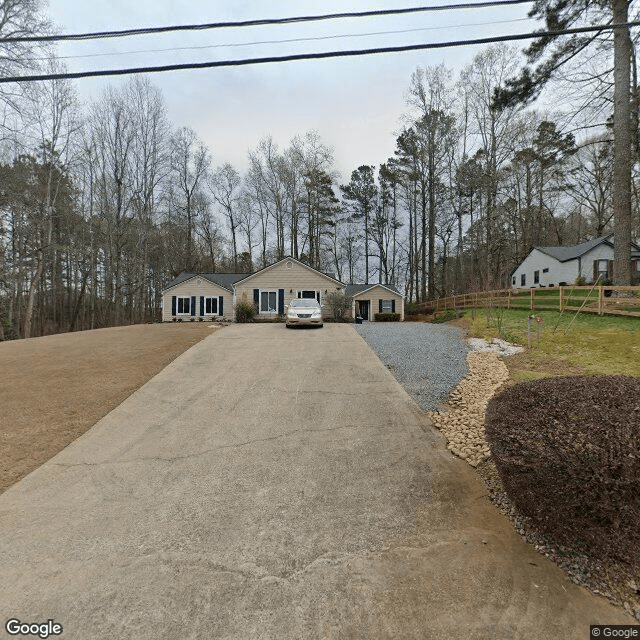
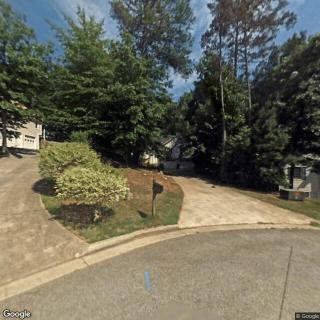
205 Brolley Woods Drive, Woodstock, GA 30189
For more information about senior living options: (866) 208-4318
The Dwane Adam Personal Care Home Costs & Pricing
The Dwane Adam Personal Care Home offers a competitive monthly rate of $3,000 for its private rooms, positioning itself favorably within the broader landscape of care facilities in Cherokee County and the state of Georgia. In comparison, the average cost in Cherokee County stands at approximately $3,262, while the overall state average is slightly lower at around $2,864. This indicates that The Dwane Adam Personal Care Home not only provides an attractive pricing option but also strives to deliver quality care and services that justify its costs. By offering a balance between affordability and personalized attention, it aims to meet the needs of residents seeking a supportive living environment.
| Floor plans | The Dwane Adam Personal Care Home | Cherokee County | Georgia |
|---|---|---|---|
| Private | $3,000 | $3,262 | $2,864 |
Assisted Living communities with a similar price nearby
-
from -$500 / mo
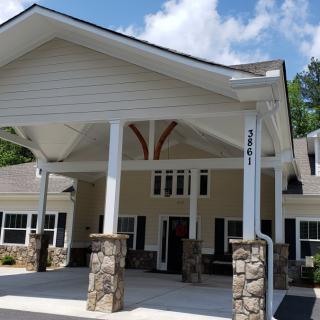
Green Park at Kennesaw
$2,500 to $5,500 / month5.3 miles away -
from +$440 / mo

The Cohen Home
$3,440 to $5,840 / month20.6 miles away -
from -$500 / mo

Fite Living Center
$2,500 / month13.1 miles away -
from -$500 / mo
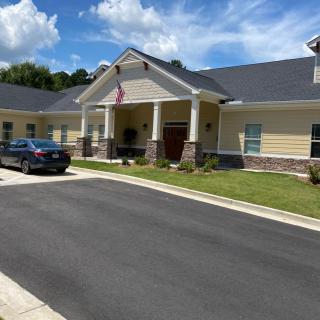
Grace Living Personal Care Home Of Marietta
$2,500 to $3,500 / month7.6 miles away -
from -$190 / mo
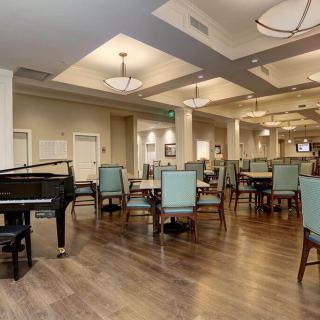
Vitality Living Milton
$2,810 to $5,515 / month17.8 miles away
Overall Review of The Dwane Adam Personal Care Home
Pros
 Renae is very caring of her clients and treats them all as family.
- Renae faithfully carries out the plan of care and even adds extra time to work with residents.
- The home is always clean, and meals are prepared to meet residents' desires for comfort foods.
- The staff are loving and caring with residents, creating a supportive environment.
- The community and hardworking staff are credited with saving a loved one's life.
- The homey atmosphere provides a comforting setting that supports the recovery process.
- The place is exactly what a family member needed.
- The facility treats residents with care and dignity, bringing peace to families.
Cons
 They would like to see a few more challenging activities.
Review
Best suited for families seeking a warm, home-like alternative to larger facilities, The Dwane Adam Personal Care Home in Woodstock, GA shines when a loved one needs gentle rehab support and daily living assistance delivered with genuine, family-style care. It is ideal for seniors who respond to personal attention, predictable routines, and meals prepared with comfort in mind. Reviewers consistently note a clean, welcoming environment and staff who treat residents with respect and kindness, creating a sense of belonging that supports recovery. For someone leaving a hospital stay or needing ongoing assistance but not heavy medical management, this community offers a reassuring, manageable pace that many families value.
Those whose needs go beyond assisted living, such as complex medication regimens, skilled nursing services, or specialized memory-care programming, may want to consider alternatives. The setting emphasizes warmth, dignity, and individualized care rather than high-tech medical oversight or a wide calendar of structured activities. If a resident requires robust programming, frequent clinician visits, or a broad range of social outings and cognitive enrichment, another community with a larger staff and more formal activity coordination could be a better fit. In short, this is not a facility built for heavy medical complexity or sophisticated, schedule-driven programming.
Key advantages center on the human touch. The staff’s genuine care, described by observers as family-like, translates into consistent adherence to therapy plans and a willingness to extend sessions when needed. The home setting contributes to a calmer recovery environment where meals reflect residents’ preferences, reinforcing dignity and comfort. Cleanliness is evident at all hours, and the intimate scale allows caregivers to notice subtle changes in mood or ability quickly. For families prioritizing peace of mind, knowing that rehab and daily routines occur within a small, attentive team is a powerful offset to the smaller scope of activities.
About the only recurrent concern is the perception that activities could be more challenging or varied. However, the same features that compensate here, homey ambiance, close-knit staff, and highly personalized care, help offset that gap. For residents recovering from surgery or illness, the absence of a bustling activities calendar may be less disruptive when every interaction feels purposeful and tailored. The strength lies in consistent care, predictable routines, and the support needed to progress in rehab without the distractions of a larger, more impersonal setting. In this balance, the pros substantially outsize the cons for the target audience.
Size and emphasis matter in decision-making. The Dwane Adam Personal Care Home’s small footprint enables closer supervision, rapid responsiveness, and a sense of safety that many families value. Local access in Woodstock makes visits feasible and supports family involvement in care planning. Residents benefit from hands-on attention, individualized meal options, and a caregiving approach that treats each person with dignity. Prospective families should confirm staffing patterns, the availability of on-site clinicians, and how the home handles care plans, exercise programs, and emergency protocols. The question is not whether care exists, but whether the level of personal, home-centered care matches the senior’s priorities.
Overall, this community stands out as a compassionate, homey option for seniors who need respectful rehab support and everyday assistance in a small, attentive setting. It is particularly well suited for those who value trust, low-stress routines, and meals that honor personal comfort. Families weighing alternatives should benchmark against facilities offering broader medical oversight or more extensive activity programming. If the priority is dignity, family-like interaction, and a proven track record of caring during recovery, The Dwane Adam Personal Care Home earns strong consideration in Woodstock. Schedule a visit, ask to observe care-plan execution, and verify that the pace, staff responsiveness, and social opportunities align with the loved one’s needs.
 6 resident community capacity
 Assisted Living
 Board and Care Home
 Activities off-site
 Bath tubs
 Cable or satellite TV
 Devotional services off-site
 Dining room
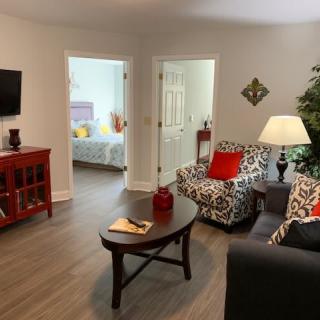
 Fully furnished
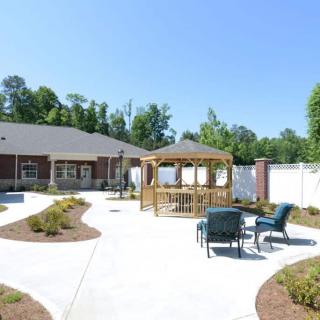
 Garden
 Housekeeping services
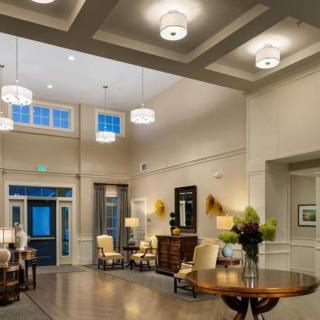
 Indoor common areas
 Move-in coordination
 Outdoor common areas
 Private
 Respite or short term stays offered
 Telephone
 Wi-Fi/high-speed internet available
 24-hour supervision
 Ambulatory care
 Assistance with bathing
 Assistance with dressing
 Assistance with transfers
 Diabetes diet
 High acuity care
 Incontinence care
 Meal preparation and service
 Medication management
 Special dietary restrictions
 Transportation arrangement (medical)
 Transportation to doctors appointments




 Assisted Living and Memory Care: Understanding Their Core Differences
 Beyond the Bingo Hall: 50+ Enriching Activities for Seniors in Assisted Living
 Understanding the Distinctions: Assisted Living and Memory Care Explained