
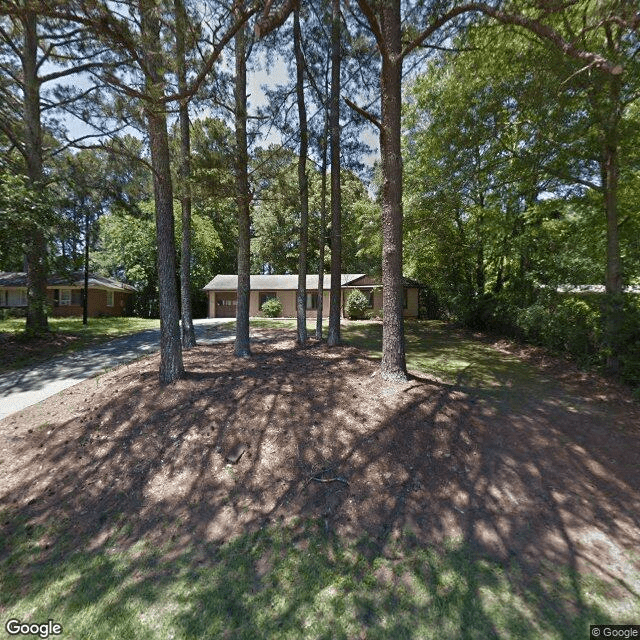
1035 Worley Dr., Marietta, GA 30066
To contact a resident: (678) 886-2678
For more information about senior living options: (866) 208-4318
Yellow Rose at Worley Costs & Pricing
Yellow Rose at Worley offers competitive monthly rates for its residents, positioning itself as an attractive option compared to both Cobb County and the broader state of Georgia. For a semi-private room, Yellow Rose charges $1,500 per month, significantly lower than Cobb County's average of $2,367 and well below the state's average of $2,529. Likewise, for a private room, Yellow Rose's fee of $2,000 is notably less than the $2,788 found in Cobb County and the state average of $2,864. These cost advantages highlight Yellow Rose at Worley's commitment to providing quality care at accessible prices while maintaining a high standard of living for its residents.
| Floor plans | Yellow Rose at Worley | Cobb County | Georgia |
|---|---|---|---|
| Semi-Private | $1,500 | $2,367 | $2,529 |
| Private | $2,000 | $2,788 | $2,864 |
Senior living communities with a similar price nearby
-
About the same
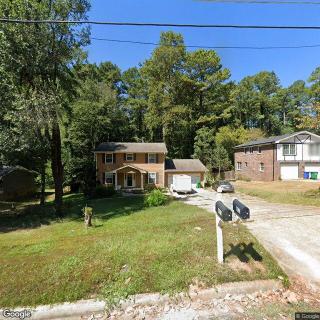
Americare Group
$1,500 / month24.5 miles away -
About the same
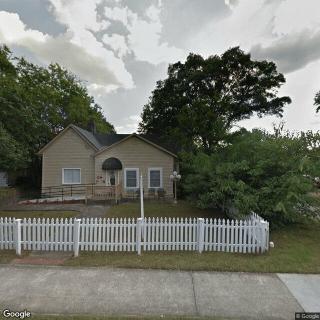
Ivy Spring Retirment Cottage
$1,500 / month10.2 miles away -
from +$215 / mo
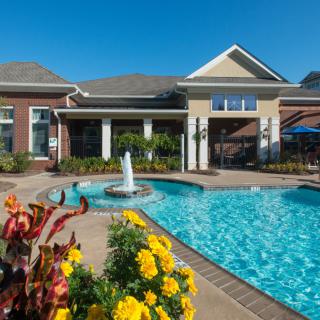
Park at Johns Creek
$1,715 to $2,115 / month20.1 miles away -
About the same

Circle of Family Care
$1,500 / month6.6 miles away -
from +$54 / mo

Annabelle on Main
$1,554 to $1,662 / month22.7 miles away
Overall Review of Yellow Rose at Worley
Pros
 The staff at Golden Rose are long-tenured and consistently treat residents with kindness, compassion, and respect.
- Golden Rose meets residents' individual needs and takes a genuine interest in what they like and want.
- The atmosphere at Golden Rose feels like one big family, with staff who truly care.
- Esther, the owner and an RN, regularly interacts with residents and knows when a medication adjustment is needed.
- The staff handle end-of-life care with sensitivity and respect, supporting families throughout.
- The care at Golden Rose is delivered with empathy, and families commend the staff for clear communication and updates.
- Golden Rose provides comprehensive, high-quality care in a clean, welcoming, and affordable setting.
- The team goes above and beyond, cooking home-style meals and celebrating birthdays and holidays to make residents feel loved and at home.
Review
This community in Marietta is best suited for families seeking a small, locally owned, home‑like assisted living where caregiving is hands‑on and highly personalized. It excels for residents who thrive with consistent, long‑tenured staff and a caregiver team that truly knows their daily routines, preferences, and medical nuances. The standout factor is the staff's relational approach, treating residents with kindness, respect, and real attention to individual likes and needs, backed by an owner who is a practicing RN and actively involved in medication decisions when needed. For families prioritizing a warm, family feel over chrome and marble, this setting delivers tangible peace of mind.
Those who may want to consider alternatives include families chasing luxury amenities or highly specialized memory‑care environments. If a larger campus with expansive programming, secured memory care units, or a more corporate, bulldog‑tight operational structure is essential, this option may fall short. Similarly, if 24/7 on‑site clinician presence or highly regimented, clinical‑style programming is indispensable, families should compare other communities. Proximity and language or cultural preferences beyond a straightforward, intimate care model can also push families toward different choices.
The core pros form a meaningful offset to any perceived gaps in grandeur. Long‑tenured staff translates into deep familiarity with residents’ histories, fears, and daily rhythms, which in turn reduces incidents and anxiety for families. The owner’s RN background offers credible medical oversight and timely medication adjustments, minimizing the need for outside sitters or frequent hospital runs. A truly family‑like atmosphere permeates the facility, where caregivers “know” residents well and staff turnover is not a hidden risk. When priced as a more affordable option, the combination of care quality and price becomes a compelling argument for staying close to home without compromising safety or dignity.
Daily life at this community reinforces value beyond basic care. Families repeatedly describe a setting where residents are celebrated and treated like members of a large, caring family. Thoughtful touches, home‑style meals, birthday and holiday observances, and regular, meaningful communication with families, translate into genuine reassurance. The care team’s willingness to go above and beyond, checking in after visits, coordinating with families, and providing real updates on status, reduces the emotional burden on relatives who cannot be present every day. Even when the environment isn’t ornate, the depth of care and the warmth of interactions create a living experience that feels secure and homey.
Safety and medical continuity emerge as reliable anchors for decision‑making. The staff’s ability to tailor daily routines, assist with activities of daily living, and supervise memory‑care needs without resorting to outside sitters demonstrates a practical, effective care model. Medication management, guided by a nurse‑owner who stays connected with residents’ physicians, adds a layer of medical prudence that matters for families watching multiple medications and aging health dynamics. The net effect is a setting where residents appear settled, happy, and well cared for, with families reassured by honest, proactive communication rather than sensational programming or extravagant décor.
For families evaluating options, the practical path is to tour with a plan: see how staff interact with residents, meet the administrator and the RN on site, and request a sample care plan and current medication review process. Ask about staffing patterns, how care plans are updated after changes in health status, and how family updates are delivered (frequency and channels). Compare the total monthly cost against services included and potential add‑ons, and verify proximity to home and needed healthcare resources. When the goal is a warm, dependable, affordable home for a loved one who benefits from individualized attention and a genuine sense of family, this Marietta setting stands out as a clear, confident option.
 Board and Care Home
 Activities off-site
 Bath tubs
 Devotional services off-site
 Indoor common areas
 Outdoor common areas
 Private
 Private bathrooms
 Respite or short term stays offered
 Wheelchair accessible showers
 Ambulatory care
 Diabetic care
 High acuity care
 Incontinence care
 Kosher
 Christian services

 Urinary Tract Infections in Older Adults: Comprehensive Insights on Symptoms, Treatment, and Prevention
 California's Form 602A: An In-Depth Examination of Senior Care Assessment
 Comprehensive Look at Senior Blood Pressure Charts: Normal and Elevated Levels by Age