

379 County Line Road, Jenkinsburg, GA 30234
For more information about senior living options: (866) 208-4318
County Line Personal Care Home Costs & Pricing
County Line Personal Care Home offers competitive pricing for its residents compared to both Henry County and the broader state of Georgia. For semi-private accommodations, the monthly cost is $1,500, significantly lower than the county average of $1,950 and well below the state average of $2,529. Similarly, for private rooms, the facility charges $2,000 per month, again undercutting Henry County's rate of $2,130 and Georgia's average of $2,864. This pricing strategy positions County Line Personal Care Home as an attractive option for individuals seeking quality care at a more affordable rate within the local market.
| Floor plans | County Line Personal Care Home | Henry County | Georgia |
|---|---|---|---|
| Semi-Private | $1,500 | $1,950 | $2,529 |
| Private | $2,000 | $2,130 | $2,864 |
Assisted Living communities with a similar price nearby
-
from +$200 / mo
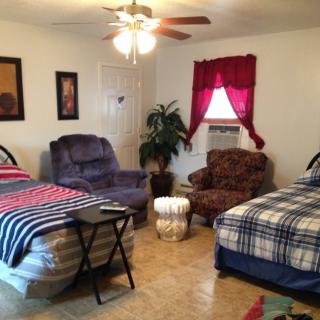
Reliable Personal Care Home
$1,700 / month1.8 miles away -
from -$200 / mo
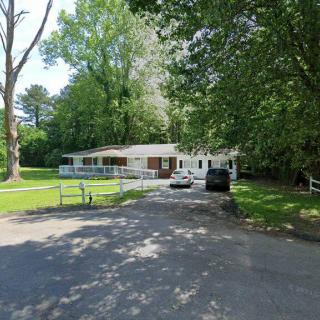
Sunset Nellee's
$1,300 / month22.6 miles away -
About the same
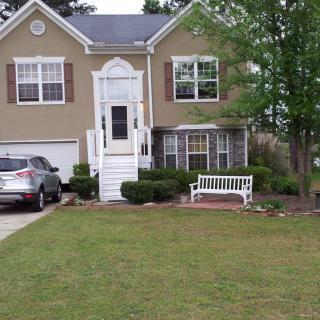
Jenesis Personal Care Home
$1,500 to $2,500 / month24.4 miles away -
About the same
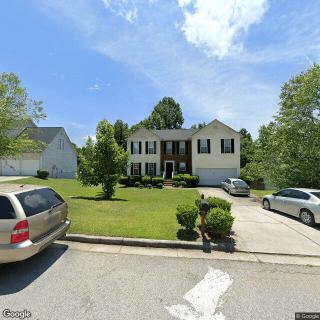
Evelyn Personal Care Home
$1,500 to $2,500 / month23.5 miles away -
from -$200 / mo

La Vida Heavenly Arms Pch
$1,300 to $1,800 / month24.2 miles away
Overall Review of County Line Personal Care Home
Pros
 The family friend was elated with the services.
- The workers were professional, competent, diligent, kind, patient, and considerate.
- The reviewer would recommend CPG Home health care's services to anyone located in Georgia.
Review
County Line Personal Care Home in Jenkinsburg, GA is best suited for seniors who want a small, home-like setting where staff know residents well and respond quickly to daily living needs. The sole positive feedback centers on home-health referrals, highlighting workers who are professional, competent, diligent, kind, patient, and considerate. That combination signals a culture of personal attention and reliability, essential for daily tasks such as bathing, dressing, meal support, reminders, and safety checks. For families prioritizing a calm, intimate atmosphere with predictable staffing, this community offers a compelling fit where human connection and steady routines matter more than clinical theater.
Those who should consider alternatives are those seeking robust 24/7 skilled nursing, dementia-focused programming, or a broad menu of on-site medical services. Larger assisted living campuses often deliver more comprehensive rehab, on-site therapy, and a wider array of specialized programs. If the care plan requires frequent medical coordination, a heavier emphasis on rehabilitation, or transportation-driven activities and excursions, a bigger community with more diverse staff and resources may better meet expectations. In essence, when medical intensity and variety of offerings drive decision-making, other options deserve evaluation.
The strongest pros here, professionalism, competence, diligence, kindness, patience, and considerate care, directly offset the most common drawbacks of a small home setting. In a compact environment, staff can tailor daily routines precisely to individual preferences, catch subtle changes in health or mood, and respond without delay. That human-centered approach builds trust with residents and peace of mind for families, reducing anxiety about safety and neglect. While the on-site medical depth may be lighter than in larger facilities, the reliability and warmth of the caregiving team can deliver a high-quality day-to-day experience that sustains independence longer and minimizes disruption.
For families evaluating a visit, several practical steps help translate these strengths into a sound choice. Schedule time to observe caregiver interactions with residents, ask who handles medications and how errors are prevented, and review daily schedules to see how meals, rest, and social contact are structured. Inquire about caregiver retention and shift coverage to assess continuity of care. If coordination with external home-health providers is anticipated, clarify how communication flows and who takes the lead on care plans. Finally, confirm visitation policies and the process for adapting routines as health needs evolve.
The decision hinges on how much value is placed on the intimate, service-oriented feel versus the breadth of amenities and clinical supports. A smaller, staff-driven home can deliver warmth, quick responsiveness, and a sense of belonging that resonates with many seniors and families who fear impersonality in larger facilities. However, for residents who require ongoing rehab, complex medication management, or dementia care with dedicated programs, alternatives should be measured against this community’s ability to scale. Cost, location, and alignment with personal routines will determine whether this setting remains a strong contender or yields to more resource-rich options.
Overall, County Line Personal Care Home presents a practical, well-suited option for seniors who prize authentic caregiving and a home-like cadence in daily life. For households prioritizing dependable staff and a low-key environment over expansive services, this community deserves serious consideration and a place on the shortlist. If the care plan calls for intensive medical oversight, dementia-focused programming, or a broader activity ecosystem, widen the search to facilities with more comprehensive clinical capabilities. A candid visit, open conversations with caregivers, and a clear, forward-looking care plan will reveal whether this setting aligns with long-term goals and the family’s comfort level with ongoing support.
 21 resident community capacity
 Assisted Living
 Board and Care Home
 Beauty salon
 Cable or satellite TV
 Dining room
 Fully furnished
 Garden
 Housekeeping services
 Kitchenette
 Move-in coordination
 Outdoor space
 Private
 Restaurant-style dining
 Small library
 Telephone
 Wi-Fi/high-speed internet available
 24-hour call system
 Activities of daily living assistance
 Ambulatory care
 Assistance with bathing
 Assistance with dressing
 Assistance with transfers
 Diabetes diet
 Diabetic care
 Incontinence care
 Medication management
 Mental wellness program
 Special dietary restrictions






 Comprehensive Insights into Activities of Daily Living (ADLs) and Their Assessment
 Guiding Elderly Parents Who Refuse Assisted Living: 6 Practical Steps
 Your Comprehensive Guide to Luxury Assisted Living: Elevated Facilities, Amenities, and Costs