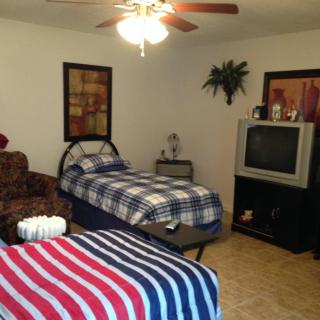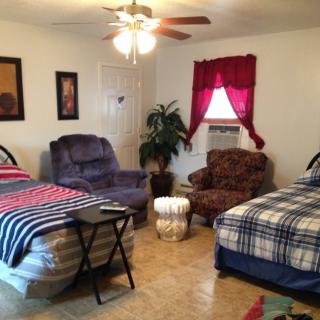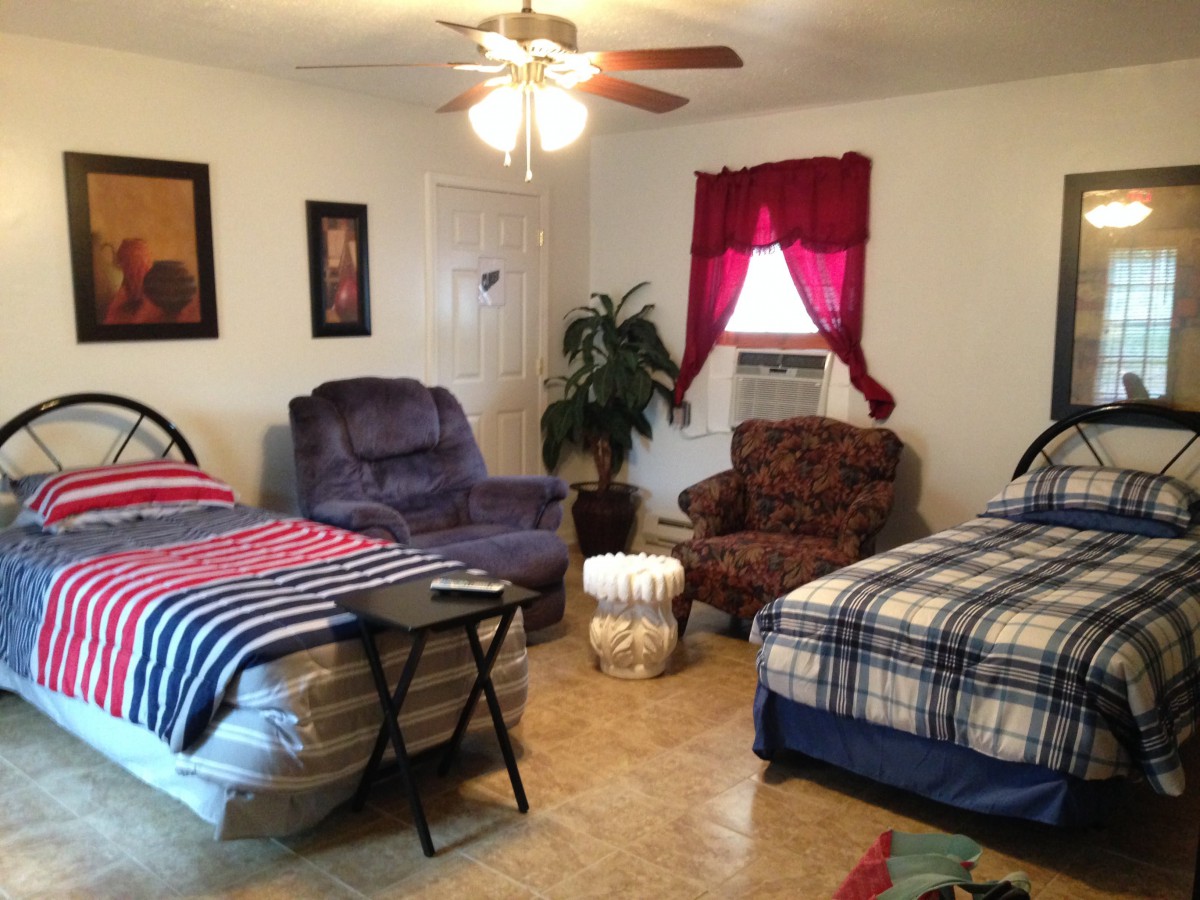
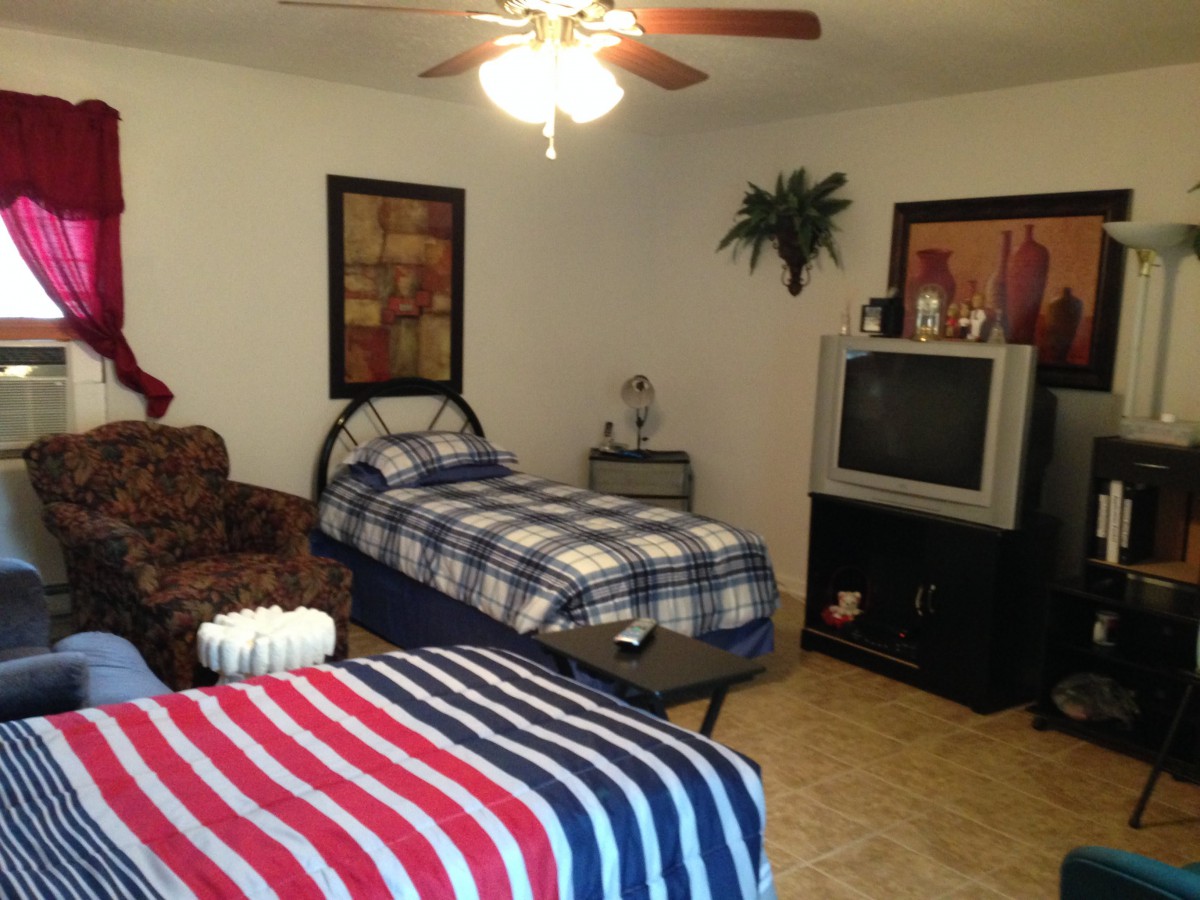

125 Bonnies Way, Jenkinsburg, GA 30234
For more information about senior living options: (866) 208-4318
Reliable Personal Care Home Costs & Pricing
Reliable Personal Care Home offers a semi-private room at a competitive rate of $1,700 per month, making it an attractive option for individuals seeking affordable care. This cost is significantly lower than the average in Henry County, where similar accommodations are priced at around $1,950 per month. When compared to the broader state average in Georgia, which stands at approximately $2,529 for semi-private rooms, Reliable Personal Care Home demonstrates its commitment to providing quality care without compromising on affordability. This positions the facility as a favorable choice for both residents and their families looking for value in personal care services.
| Floor plans | Reliable Personal Care Home | Henry County | Georgia |
|---|---|---|---|
| Semi-Private | $1,700 | $1,950 | $2,529 |
Assisted Living communities with a similar price nearby
-
from +$300 / mo
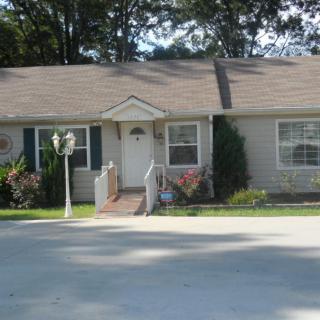
Highland Circle Personal Care Home
$2,000 to $2,500 / month24.8 miles away -
from +$100 / mo

Intimate Estates
$1,800 to $3,000 / month21.2 miles away -
from -$200 / mo

County Line Personal Care Home
$1,500 to $2,000 / month1.8 miles away -
from +$100 / mo

Champion Care House I
$1,800 to $2,000 / month23.7 miles away -
from +$300 / mo
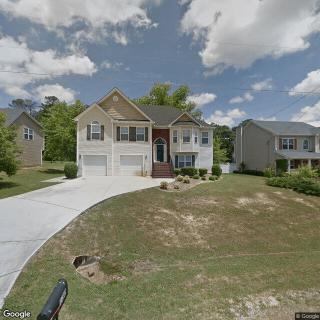
Upper River Pch
$2,000 to $2,500 / month20.5 miles away
Overall Review of Reliable Personal Care Home
Pros
 Reliable Homecare Agency delivers reliable, personalized care for loved ones.
- Their caregivers are skilled, professional, warm, and attentive, treating clients with respect and dignity.
- The agency consistently exceeds expectations with excellent service.
- They are trusted, reliable, kind, and highly reputable.
- They go above and beyond to support clients and their families.
- Their care improves quality of life and provides peace of mind.
- They are punctual, communicative, and actively involve families in the care plan.
Review
This community is best suited for families seeking dependable, in-home personal care for an elderly loved one who can stay at home but needs daily assistance, medication support, mobility help, and meaningful companionship. The core value lies in reliability paired with a touch of warmth, caregivers who are skilled, professional, and consistently respectful. It works especially well for seniors who prize continuity of relationships, where one trusted team can become an extended part of the family’s support system. When the objective is to preserve familiar surroundings and routines while receiving hands-on help, this option delivers tangible peace of mind.
Alternatives should be on the radar for families with broader or more intensive requirements. If a higher level of medical supervision is necessary, or if the plan includes round-the-clock on-site oversight, a traditional assisted living community or a skilled nursing facility may be more appropriate. Those seeking a social program with built-in activities and a more immersive facility experience might find on-site amenities and structured schedules at a community setting preferable. In short, when the goal shifts from home-based care to a facility-based model, especially for complex clinical needs or a desire for hospital-like coverage, explore other options.
The strongest selling points lie in the caregivers themselves. Reviews consistently highlight skilled, professional staff who bring warmth, attentiveness, and genuine respect to every interaction. Families note on-time arrivals, clear communication, and careful involvement in care planning, which translates into real trust and reduced anxiety. The best outcomes emerge when caregivers not only perform tasks, medication administration, mobility assistance, daily living support, but also provide companionship and social engagement. That combination often yields measurable improvements in mood and daily functioning, with families reporting a return of ease and dignity to their loved one’s days.
Where care at home can stumble, the most credible counterbalance is the agency’s emphasis on reliability and planning. The potential drawbacks of in-home care, limited access to a broader social calendar, the possibility of coverage gaps if a caregiver is unavailable, and the absence of the 24/7 on-site safety net found in facilities, do not go unacknowledged. Yet the reviews show a disciplined approach to caregiver matching, scheduling, and family involvement that mitigates these concerns. The practical effect is that the positives, consistency, personalized care, and meaningful companionship, tend to outweigh the typical fragility of home-based arrangements.
Taken together, the value proposition centers on peace of mind through dependable, personalized attention. This setup excels for families prioritizing home comfort, familiar surroundings, and tightly coordinated care plans, delivered by caregivers who treat elders with the dignity and respect they deserve. The few downsides, primarily the limitations inherent to home care rather than to any single provider, become manageable with proactive planning, open communication, and clear expectations. For many seniors, staying in their own space with a trusted caregiver is not only feasible but preferable, and the model here supports that choice with consistent, compassionate execution.
For families ready to move forward, approach this option with a practical due-diligence checklist. Request a detailed care plan and caregiver assignment process, confirm consistent primary caregivers and backup coverage, and establish a clear escalation protocol for medical or safety concerns. Seek references and verify any licensing, background checks, and insurance coverage. Discuss pricing, terms, and a potential trial period to gauge fit, especially with respect to how caregivers integrate with existing routines and family dynamics. And insist on transparency around medication management, mobility support, and emergency plans. With thoughtful planning, this home-based care model can deliver steady, high-quality support that aligns with values and practical needs alike.
 2 resident community capacity
 Assisted Living
 Board and Care Home
 Activities off-site
 Bath tubs
 Cable or satellite TV
 Devotional services off-site
 Dining room
 Fully furnished
 Garden
 Housekeeping services
 Indoor common areas
 Move-in coordination
 Outdoor common areas
 Telephone
 Wi-Fi/high-speed internet available
 24-hour supervision
 Ambulatory care
 Assistance with bathing
 Assistance with dressing
 Assistance with transfers
 Diabetes diet
 Diabetic care
 High acuity care
 Incontinence care
 Meal preparation and service
 Medication management
 Special dietary restrictions
 Transportation arrangement (medical)
 Transportation to doctors appointments






 Exploring the Contrasts Between Assisted Living and Skilled Nursing
 8 Key Indicators That Suggest It May Be Time to Transition from Assisted Living to Skilled Nursing Care
 Vibrant Senior Living: A Comprehensive Guide for Active Older Adults